
The Health Crisis of Edo: Epidemics in a Growing City

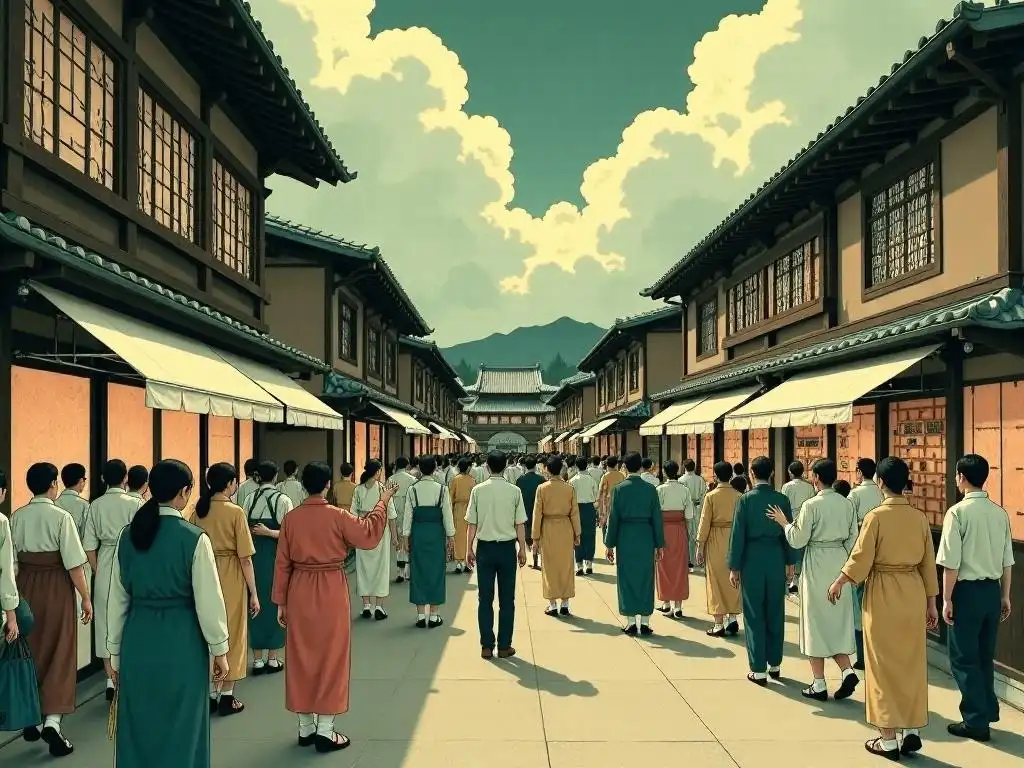
Welcome to Feudal Japan History, where we invite you to embark on a fascinating journey through the intricate tapestry of Japan's feudal era. In our featured article, "The Health Crisis of Edo: Epidemics in a Growing City," we delve into the profound impact of epidemics during the Edo period, exploring how these health crises shaped not only the lives of individuals but also the very fabric of society and economy.
As you uncover the layers of this historical narrative, you'll find yourself questioning how a city known for its growth and prosperity grappled with the shadows of disease. Get ready to explore an era where health and survival were intertwined with the destiny of a nation—your adventure begins now!
Introduction to Epidemics in Edo Period Japan
The Edo period in Japan, which spanned from 1603 to 1868, was a time of significant transformation, particularly in urbanization and population dynamics. As Edo (modern-day Tokyo) emerged as one of the world's largest cities, it became a melting pot of diverse cultures, economic activities, and social interactions.
However, this rapid growth was accompanied by a dark shadow: frequent epidemics that posed serious threats to public health and societal stability. Understanding the impact of these epidemics in Edo period Japan is crucial for comprehending not only the historical context of the time but also the broader implications of urbanization on health crises.
This article delves into the various epidemics that plagued Edo, exploring their origins, spread, and the responses from the government and society. We will also examine how these health crises influenced the urban landscape and the daily lives of Edo's inhabitants, providing a comprehensive view of a city grappling with the challenges of growth and disease.
Understanding the Urbanization of Edo
Edo's transformation from a modest fishing village to a bustling metropolis is a remarkable story of urbanization that reshaped Japan's social and economic fabric. The city was strategically located, serving as a political center and a hub for commerce and culture. As the population surged, so did the challenges associated with dense living conditions.
The Growth of Edo: A Historical Overview
By the mid-18th century, Edo had become one of the largest cities in the world, with an estimated population of over a million residents. This explosive growth was fueled by several factors:
- Political Stability: The Tokugawa shogunate established a long period of peace known as the Pax Tokugawa, which encouraged migration to the city.
- Economic Opportunities: Edo served as a commercial center, attracting merchants and artisans from across Japan, contributing to its vibrant economy.
- Cultural Flourishing: The period witnessed the rise of a unique urban culture characterized by theater, literature, and the arts, further drawing people to the city.
However, with this growth came increased susceptibility to epidemics, as crowded living conditions and a lack of effective sanitation facilitated the rapid spread of infectious diseases.
Societal Changes During the Edo Period
The societal structure of Edo reflected the complexities of urban life in a rapidly growing metropolis. As the population expanded, various social issues emerged, including:
- Class Stratification: The rigid caste system dictated the lives of residents, with samurai at the top and merchants and laborers at the bottom. This hierarchy influenced access to resources, including healthcare.
- Public Health Measures: The government implemented various measures to combat the spread of diseases, such as quarantine protocols and public hygiene campaigns. However, these efforts were often hampered by resistance from the populace and limited understanding of disease transmission.
- Community Responses: Individuals and local groups began to organize efforts to support those affected by epidemics, showcasing a sense of solidarity and resilience amidst crisis.
As we explore the health crises of Edo, it becomes evident that the interplay of urbanization, societal change, and epidemics shaped not only the city itself but also the lives of its inhabitants in profound ways.
The Impact of Epidemics on Edo's Population
The impact of epidemics on Edo's population was profound and far-reaching, as the city experienced significant health crises during its rapid urbanization in the early modern period. With a population that swelled to over a million by the late 18th century, the concentration of people in Edo created an environment ripe for the spread of infectious diseases. These epidemics not only affected the health of the populace but also had lasting effects on the social structure and economic stability of the city.
During major outbreaks, the mortality rates soared, resulting in a dramatic loss of life that could cripple entire neighborhoods. For instance, the smallpox epidemic of 1736 caused substantial fatalities, which in turn led to labor shortages in various sectors, including agriculture and crafts. This disruption forced a reevaluation of public health policies and community responses to health crises. Additionally, the fear of disease often led to social stigmatization of the afflicted, altering community dynamics and interactions.
The psychological toll on the populace cannot be understated; the constant threat of disease created an atmosphere of anxiety and uncertainty. This fear influenced daily life, with residents adopting various preventive measures, such as isolation and quarantine, to protect themselves from the contagion. The cumulative effect of these epidemics ultimately shaped Edo's demographic landscape, necessitating adaptations in urban planning and public health initiatives.
Major Epidemics and Their Timeline
Edo faced several notable epidemics throughout its history, each with distinct timelines and impacts on the city. Key outbreaks include:
- Smallpox (1736-1738): This epidemic struck Edo with ferocity, leading to thousands of deaths. The high fatality rate among children made smallpox particularly devastating.
- Cholera (1830-1834): The first cholera epidemic reached Japan in 1822, but the outbreak in the early 1830s caused widespread panic, resulting in over 100,000 deaths across the country, with Edo being one of the hardest-hit areas.
- Influenza (1858): Known as the "Edo flu," this outbreak caused severe illness and mortality, exacerbated by the crowded living conditions in the city.
- Typhus (1868): Following the upheaval of the Meiji Restoration, a typhus epidemic swept through Edo, further straining resources and public health systems.
Each of these epidemics not only devastated the population but also prompted changes in health infrastructure, sanitation practices, and public awareness about disease prevention.
Demographic Changes Due to Health Crises
The health crises during the Edo period led to significant demographic shifts in the city. High mortality rates, particularly among vulnerable populations such as infants and the elderly, resulted in skewed age distributions. The loss of young adults due to epidemics meant fewer individuals to contribute to the workforce, which in turn affected the economy.
Moreover, the recurring nature of these health crises influenced migration patterns. Many individuals moved away from the densely populated urban centers to seek safer, less congested areas, leading to a gradual shift in population dynamics. This migration was often driven by the desire for better living conditions and healthier environments, ultimately impacting rural demographics as well.
Epidemics also fostered changes in family structures, as households faced the loss of members. The breakdown of traditional family units due to disease contributed to increased reliance on extended family and community networks for support. This shift altered social interactions and the way communities functioned during times of crisis.
Causes of Epidemics in Edo Period Japan
Understanding the causes of epidemics in Edo period Japan necessitates an exploration of various interrelated factors, including urban density, environmental conditions, and socioeconomic dynamics. Each of these elements played a crucial role in the proliferation of diseases during this time.
Urban Density and Public Health Challenges
Edo's rapid urbanization led to significant population density, which posed substantial public health challenges. The close proximity of residents created ideal conditions for the transmission of infectious diseases. Sanitation was often inadequate, with waste disposal systems lagging behind the needs of the growing population.
The infrastructure in Edo, while advanced for its time, struggled to keep pace with the demands of a burgeoning city. Narrow streets, poorly constructed buildings, and overcrowded living conditions exacerbated the spread of diseases. Public health measures were often reactive rather than proactive, leading to delayed responses during outbreaks.
Additionally, the movement of people within the city and from surrounding areas contributed to the rapid spread of diseases. Festivals, markets, and social gatherings facilitated contact among individuals, allowing pathogens to thrive in the densely populated urban environment.
Environmental Factors Contributing to Epidemics
Environmental factors also played a significant role in the occurrence of epidemics in Edo. The city's geography, including its proximity to water bodies, created conditions favorable for the breeding of disease vectors such as mosquitoes. This was particularly relevant during the hot, humid summers when diseases like cholera and malaria could flourish.
Changes in weather patterns and natural disasters, such as floods or droughts, also impacted public health. These events could disrupt food supply chains, leading to malnutrition, which weakened the population's overall health and made them more susceptible to diseases. The interconnectedness of environmental health and urban living conditions illustrated the complexity of managing public health in Edo.
The Role of Trade and Travel in Disease Spread
Trade and travel were integral to Edo's growth and prosperity, yet they also served as conduits for the spread of diseases. The city's position as a commercial hub meant that goods and people flowed in from various regions, bringing with them not only commodities but also pathogens.
Merchants, travelers, and itinerant workers frequently moved between Edo and other parts of Japan, as well as foreign ports. This movement facilitated the introduction of new diseases to the city, as seen during the cholera outbreaks that were linked to maritime trade routes. The lack of quarantine measures for incoming ships further compounded this issue, allowing infections to spread unchecked.
Additionally, the cultural practices associated with trade, such as communal feasting and socializing, created environments where diseases could easily transmit among large groups of people. This interplay between economic activity and public health highlighted the challenges faced by Edo’s authorities in managing both aspects simultaneously.
Responses to Epidemics in Edo
The Edo period, spanning from 1603 to 1868, was a time of significant urban growth and development in Japan. However, this expansion brought with it various health crises, particularly epidemics that challenged the burgeoning urban environment. The response to these epidemics was multifaceted, involving government policies, community initiatives, and cultural adaptations. Understanding these responses provides insight into how Edo society navigated the complexities of public health amidst rapid urbanization.
Government Policies and Public Health Measures
During epidemics, the Tokugawa shogunate implemented various government policies aimed at controlling the spread of disease and protecting public health. One notable measure was the establishment of quarantine protocols. Infected individuals and their households were often isolated to prevent further transmission. This was particularly evident during outbreaks of smallpox and cholera, where entire neighborhoods could be placed under strict surveillance.
Additionally, the government invested in improving sanitation and infrastructure. Efforts included the regulation of waste disposal and the construction of public baths, which were believed to promote health and hygiene. The shogunate also encouraged the cultivation of medicinal plants and traditional herbal remedies, reflecting a blend of indigenous knowledge and emerging medical practices.
Moreover, public health campaigns were launched to educate citizens about hygiene practices. This included the dissemination of pamphlets and posters that advised on cleanliness and preventive measures, emphasizing the importance of personal responsibility in disease prevention. Such initiatives illustrated a proactive approach by the governing bodies to mitigate the impact of epidemics on the urban populace.
Community Responses and Social Dynamics
In addition to government initiatives, community responses played a crucial role in addressing health crises during the Edo period. Local communities often mobilized to provide support to those affected by epidemics. Neighborhood associations and temples became centers for aid, offering food, medical assistance, and shelter to the sick and their families. This community solidarity was essential in times of crisis, fostering a sense of collective responsibility.
Social dynamics also shifted in response to epidemics. Stigmatization of the sick was common, as fear of contagion often led to social isolation. However, this stigma could also galvanize communities to come together, reinforcing social bonds among the healthy while providing care for the afflicted. The role of women became particularly significant during these times, as they often took on the responsibility of caregiving and community organization.
Furthermore, the experience of epidemics influenced social hierarchies and interactions. In some cases, the rich and powerful could escape the worst effects by retreating to rural areas, while the poor faced the brunt of health crises in crowded urban environments. This disparity highlighted the inequalities inherent in Edo society, shaping public discourse around health and social justice.
The Cultural Perception of Health and Disease
The cultural perception of health and disease in Edo period Japan was deeply intertwined with spiritual beliefs, traditional practices, and societal values. Epidemics were often viewed through the lens of folklore and superstition, influencing how communities understood and responded to illness.
Folklore and Beliefs Surrounding Epidemics
Folklore played a significant role in shaping perceptions of health during the Edo period. Many believed that epidemics were manifestations of divine displeasure or the result of malevolent spirits. Consequently, rituals and festivals were organized to appease these entities, seeking to restore harmony and health to the community.
Local deities or kami were often invoked during times of crisis, with offerings made at shrines to seek protection from disease. This spiritual approach to health reflected a broader belief in the interconnectedness of the physical and spiritual worlds. Additionally, traditional practices such as divination and amulet-making were employed to ward off illness, demonstrating the cultural reliance on spiritual methods in the face of medical challenges.
The Influence of Epidemics on Art and Literature
The impact of epidemics also found expression in the arts and literature of the Edo period. Artists and writers often depicted the realities of disease, using their work to comment on the social and emotional toll of epidemics. Ukiyo-e prints, for example, frequently illustrated scenes of suffering and resilience during health crises, capturing the public's response to these events.
In literature, notable works reflected the anxieties and fears surrounding epidemics. Writers explored themes of mortality and the fragility of life, often incorporating elements of social critique regarding the state’s response to public health crises. The narratives surrounding epidemics in Edo literature served not only as a reflection of societal fears but also as a means of processing collective trauma.
Overall, the cultural perception of health and disease during the Edo period was complex, shaped by folklore, spirituality, and artistic expression. This multifaceted understanding influenced how communities responded to epidemics, intertwining public health with cultural identity and social dynamics.
Lessons Learned from the Health Crisis of Edo
The health crisis that unfolded during the Edo period serves as a poignant reminder of the complexities of urbanization and public health management. The epidemics that swept through Edo, particularly cholera and smallpox, highlighted critical gaps in the city’s health infrastructure and the need for a coordinated response to public health crises. One of the most significant lessons learned was the importance of sanitation and hygiene.
As the population surged, so did waste and refuse, leading to contaminated water sources and increased disease transmission. This experience underscored the necessity for improved waste management systems and public hygiene practices to prevent future outbreaks.
Moreover, the response to these epidemics illustrated the need for public health education. Awareness campaigns were initiated to inform citizens about disease prevention methods, such as boiling water and maintaining cleanliness, which played a crucial role in reducing infection rates. The Edo period’s attempts at health education laid the groundwork for future public health initiatives, emphasizing the importance of community involvement in disease prevention.
Long-Term Effects on Urban Planning and Public Health

The epidemics of the Edo period fundamentally reshaped urban planning and public health policies in Japan. One of the most notable long-term effects was the implementation of better sanitation practices. Local governments began to prioritize the construction of drainage systems and waste disposal facilities, which significantly improved living conditions in densely populated areas. This shift in urban planning was essential for creating a healthier environment, particularly in rapidly growing cities like Edo.
Additionally, the experiences of the Edo health crisis led to the establishment of health regulations and the early forms of public health governance. The government recognized the need for oversight in medical practices and the regulation of markets to prevent the spread of infectious diseases. Public health became a critical aspect of urban administration, influencing policies that continue to resonate in modern Japan.
Modern Implications: How Historical Epidemics Inform Current Practices
The health crises of the Edo period provide valuable insights that are still relevant today. As cities around the world face similar challenges of urbanization and public health, the historical lessons learned from Edo can inform contemporary practices. For instance, the importance of rapid response systems to manage health emergencies is a direct reflection of past experiences. Modern public health strategies often incorporate lessons from historical epidemics, emphasizing the need for preparedness and swift action to contain outbreaks.
Moreover, the focus on community engagement and education during the Edo period has been mirrored in modern public health campaigns. Today, effective communication strategies that educate the public about health risks and prevention methods are crucial in managing epidemics. The Edo period’s emphasis on hygiene and sanitation practices continues to resonate, as cities implement policies to ensure clean water access and waste management to mitigate health risks.
Conclusion: Reflecting on the Health Crisis of Edo
The health crisis of Edo was not merely a series of unfortunate events; it was a transformative period that reshaped urban life and health practices in Japan. As we reflect on the challenges faced during this time, it becomes clear that the lessons learned have had a profound and lasting impact on public health and urban planning.
By understanding the dynamics of epidemics in Edo period Japan, we can appreciate the critical role of preparedness, sanitation, and community engagement in safeguarding public health. These reflections serve not only as historical insights but also as guiding principles for addressing the health challenges of our modern urban landscapes.
- Introduction to Epidemics in Edo Period Japan
- Understanding the Urbanization of Edo
- The Impact of Epidemics on Edo's Population
- Causes of Epidemics in Edo Period Japan
- Responses to Epidemics in Edo
- The Cultural Perception of Health and Disease
- Lessons Learned from the Health Crisis of Edo
- Long-Term Effects on Urban Planning and Public Health
- Modern Implications: How Historical Epidemics Inform Current Practices
- Conclusion: Reflecting on the Health Crisis of Edo
Frequently Asked Questions
What were the main epidemics during the Edo period in Japan?
The Edo period experienced several significant epidemics, including smallpox, cholera, and typhus, which had a profound impact on the population and health policies.
How did the government respond to health crises in Edo?
The government implemented various measures, such as quarantine, improving sanitation, and establishing medical practices, to combat the spread of epidemics during the Edo period.
What role did urbanization play in the spread of diseases?
The rapid urbanization of Edo led to overcrowding and poor living conditions, which contributed to the spread of diseases and made epidemics more frequent and severe.
How did societal changes influence health during the Edo period?
Societal changes, including shifts in trade, population growth, and cultural practices, affected health outcomes and the ways communities dealt with epidemics in Edo.
What impact did epidemics have on Edo period culture?
Epidemics influenced Edo period culture by shaping literature, art, and public awareness, as communities sought to document and cope with the health crises they faced.
Final Reflection: Understanding the Echoes of Epidemics in Edo Period Japan
The health crises faced during the Edo period remind us that epidemics are not merely historical footnotes but rather pivotal events that shape societies. As we navigate our own global health challenges today, the lessons learned from the epidemics in Edo serve as a stark reminder of the interconnectedness of public health, urbanization, and societal resilience. The struggles of the past resonate with our current experiences, urging us to reflect on how we respond to health crises in our rapidly changing world.
Epidemics in Edo period Japan were not just medical challenges; they were catalysts for social change and cultural evolution. The way communities rallied together to combat disease, adapt to new realities, and innovate in public health reflects a profound resilience that continues to inspire us today. In the midst of chaos, there is also opportunity.
This quote encapsulates the spirit of the Edo period, where adversity led to advancements in medicine, hygiene, and urban planning, shaping a legacy that informs our understanding of public health even now.
As we conclude our exploration of the health crisis in Edo, I invite you to reflect on the lessons of resilience, adaptation, and community solidarity that emerged from these historical epidemics. Consider how you can apply these insights in your own life and community, especially in times of uncertainty. Let us honor the past by actively engaging in the present, fostering a culture of preparedness and compassion that can withstand the challenges of tomorrow.
Unveil the Secrets of Edo's Health Journey!
Thank you for taking the time to explore the health crises that shaped Edo's history. Your interest in these significant events not only enriches your understanding but also encourages discussions about how past epidemics influence our present. Now, it's time to take action and engage with this intriguing topic further!
Here are a few ways you can dive deeper:
- Join a community discussion by sharing your thoughts on how Edo's past can inform our current health strategies in online forums or social media groups.
- Explore historical texts or documentaries about Edo—uncover the untold stories and lessons that remain relevant today.
- Write a blog post or social media entry reflecting on what you've learned. Sharing knowledge fosters a greater understanding of these significant events.
What insights do you believe today's society could adopt from Edo's struggles with health challenges?