
The Role of Samurai in Protecting Trade Interests During Feudal Times


Welcome to Feudal Japan History, where we embark on a captivating journey through the intricate tapestry of Japan’s feudal era. Here, you’ll uncover the profound impact of the samurai protecting trade in Japan—a pivotal yet often overlooked aspect of economic history. How did these legendary warriors balance their martial prowess with the delicate intricacies of commerce? Prepare to delve deep into the rich narratives that shaped a nation and discover the hidden stories of loyalty, strategy, and trade that still resonate today. Join us as we explore this fascinating intersection of culture and economy, and let the adventure begin!
Introduction to Samurai and Their Influence on Trade
The samurai, a revered class of warriors in feudal Japan, played a pivotal role not only in military affairs but also in the protection and promotion of trade interests. As guardians of their lords’ domains, samurai were integral in ensuring the stability and security necessary for economic activities to flourish.
Their influence extended beyond the battlefield, as they often acted as intermediaries between merchants and the ruling class, helping to navigate the complex social and political landscapes of the time. This article delves into the multifaceted roles of samurai in safeguarding trade, demonstrating their importance in fostering economic growth during Japan's feudal era.
Overview of Samurai Culture in Feudal Japan
Samurai culture was built on a foundation of Bushido, the way of the warrior, which emphasized honor, loyalty, and discipline. This code not only dictated the samurai's conduct in warfare but also their interactions with society, including merchants and artisans. Key aspects of samurai culture included:
- Loyalty to Lords: Samurai served powerful feudal lords (daimyōs), committing to defend their lands and interests, including trade routes and economic resources.
- Social Hierarchy: Samurai occupied a high social status, often exerting influence over local economies and trade practices.
- Cultural Contributions: Many samurai were educated and involved in cultural pursuits, which fostered relationships with merchants and the flow of goods and ideas.
Importance of Trade in Feudal Japan's Economy
Trade was a cornerstone of feudal Japan's economy, facilitating the exchange of goods, ideas, and culture. The interactions between samurai and merchants were crucial for several reasons:
- Economic Growth: Trade contributed significantly to the wealth of both samurai and their lords, leading to increased power and influence.
- Resource Distribution: Access to various goods, such as rice, textiles, and ceramics, depended on secure trade routes, which samurai were charged with protecting.
- Cultural Exchange: Trade brought foreign influences into Japan, enriching its culture and society, which samurai, as cultural leaders, helped to shape.
Historical Context of Trade in Feudal Japan
Understanding the role of samurai in protecting trade interests requires an exploration of the historical context of trade in feudal Japan. This includes examining the major trade routes, key trade goods, and the geographical factors that influenced trade development.
Major Trade Routes and Their Significance
Feudal Japan was characterized by a network of trade routes that connected various regions. These routes were vital for economic exchanges, and samurai played a crucial role in their protection:
- Land Routes: The Tōkaidō and Nakasendō served as primary land routes, facilitating trade between Kyoto and Edo (modern-day Tokyo).
- Maritime Routes: Coastal trade routes allowed for the exchange of goods with neighboring regions and countries, including Korea and China.
- Security Measures: Samurai were often stationed along these routes to protect merchants from banditry and ensure safe passage for goods.
Key Trade Goods in Feudal Japan
The trade of specific goods defined the economic landscape of feudal Japan. Samurai influenced the trade of various commodities, including:
- Rice: The staple food and currency of the time, rice was central to Japan's agrarian economy.
- Silk and Textiles: Valuable trade items that showcased Japan's craftsmanship and attracted foreign merchants.
- Ceramics and Pottery: Renowned for their quality, these goods reflected the artistic talents of the samurai class.
The Impact of Geography on Trade Development
Geographical features played a significant role in shaping trade networks during feudal Japan. The natural landscape influenced trade routes and the distribution of goods:
- Mountains and Rivers: The rugged terrain necessitated the development of specific trade routes, often protected by samurai.
- Coastal Access: Proximity to the sea allowed for maritime trade, which was essential for importing and exporting goods.
- Regional Specialization: Different areas specialized in producing certain goods, leading to inter-regional trade that samurai helped facilitate and protect.
The samurai were more than just warriors; they were essential protectors of trade interests in feudal Japan, ensuring that commerce thrived amidst the complexities of their society. Understanding their role provides valuable insight into the economic history of this fascinating era.
The Samurai's Role in Trade Protection
During Japan's feudal era, samurai were not only warriors but also critical figures in the economic landscape, particularly in protecting trade interests. Their involvement in trade protection stemmed from the understanding that a stable economy was vital for the prosperity of their domains. Samurai were tasked with safeguarding trade routes, ensuring the security of merchants, and maintaining order in bustling market towns. This role often blurred the lines between military duty and economic stewardship, as the samurai recognized that their power and influence were intrinsically linked to the success of trade.
Responsibilities of Samurai as Protectors of Trade
The responsibilities of samurai in trade protection encompassed various roles. They were charged with:
- Securing Trade Routes: Samurai were responsible for patrolling and securing vital trade routes against banditry and piracy. This ensured safe passage for merchants transporting goods across regions.
- Enforcing Law and Order: As local enforcers, samurai maintained law and order in market towns, deterring criminal activity that could disrupt trade.
- Providing Protection for Merchants: Samurai often provided direct protection for merchants, especially during significant trade events or when transporting valuable goods. This included accompanying caravans and ensuring safe arrival at markets.
- Dispute Resolution: Samurai acted as mediators in disputes between merchants, resolving conflicts that could otherwise escalate and disrupt commerce.
Through these responsibilities, samurai played a crucial role in fostering a stable and secure environment for trade to flourish.
Military and Diplomatic Strategies Employed by Samurai
Samurai employed both military and diplomatic strategies to protect trade interests effectively. These strategies included:
- Military Presence: Establishing a visible military presence in trade hubs deterred potential threats. The sight of samurai in armor served as a warning to would-be attackers.
- Alliances with Local Lords: Samurai forged alliances with local feudal lords to ensure mutual protection for trade interests. These alliances often included agreements on sharing resources and intelligence regarding threats.
- Negotiation and Diplomacy: In instances of conflict with rival factions, samurai utilized negotiation tactics to reach amicable solutions that would allow trade to continue uninterrupted. Often, they engaged in diplomacy to ensure that trade routes remained open and protected.
- Intelligence Gathering: Samurai collected intelligence on potential threats to trade, including monitoring rival samurai clans and any emerging bandit groups that could disrupt commerce.
These strategies showcased the multifaceted approach of samurai in protecting trade, combining both might and diplomacy to secure economic interests.
Case Studies of Notable Samurai Protecting Trade Interests
Several notable samurai exemplified the role of trade protectors throughout Japan's feudal history. For instance:
- Taira no Kiyomori: A prominent figure in the late Heian period, Kiyomori established control over trade routes in the Seto Inland Sea, facilitating commerce between regions and ensuring safe passage for merchants.
- Toyotomi Hideyoshi: As a unifier of Japan in the late 16th century, Hideyoshi recognized the importance of trade for national stability. He implemented policies that protected merchant interests and promoted trade, contributing to economic prosperity.
- Miyamoto Musashi: While primarily known as a swordsman, Musashi also engaged in trade protection during his travels. His skills and reputation provided security to traders, allowing commerce to flourish in regions he visited.
These case studies highlight the significant impact individual samurai had in promoting and protecting trade during the feudal era.
The Relationship Between Samurai and Merchants
The relationship between samurai and merchants was complex and often characterized by mutual dependence and tension. While samurai provided protection and maintained order, merchants played a critical role in the economic sustenance of samurai domains.
Samurai and Merchant Interactions: A Complex Dynamic
Interactions between samurai and merchants were multifaceted. On one hand, samurai relied on merchants to supply the resources needed for their households, including food, weapons, and luxury goods. On the other hand, merchants depended on samurai for protection and the maintenance of order, which allowed them to conduct business freely. This interdependence sometimes led to tensions, particularly when samurai sought to impose taxes or fees on merchants, which could strain their financial resources.
Economic Alliances: Samurai Supporting Merchant Ventures
Economic alliances between samurai and merchants often emerged, particularly during times of prosperity. Samurai would invest in merchant ventures, providing them with the capital needed to expand trade activities. In return, merchants would offer samurai favorable terms on goods and services, creating symbiotic relationships that benefited both parties. These alliances often led to the establishment of powerful merchant families that could wield significant influence, sometimes even rivaling samurai clans in terms of wealth and power.
Conflicts Between Samurai and Merchants: A Historical Perspective
Despite the symbiotic relationships, conflicts were not uncommon. Disputes arose over trade practices, taxation, and the distribution of resources. Historical instances of samurai enforcing heavy taxation on merchants or engaging in racketeering created significant friction. For example, in the Edo period, some samurai clans attempted to control the flow of goods and imposed strict regulations on merchants, leading to widespread dissatisfaction and protests. These conflicts often highlighted the delicate balance of power between the warrior class and the merchant class, shaping the economic landscape of feudal Japan.
The intricate dynamics between samurai and merchants during Japan's feudal era played a crucial role in shaping trade and commerce, highlighting the importance of protection and mutual dependence in fostering economic growth.
The Impact of Samurai on Trade Policies
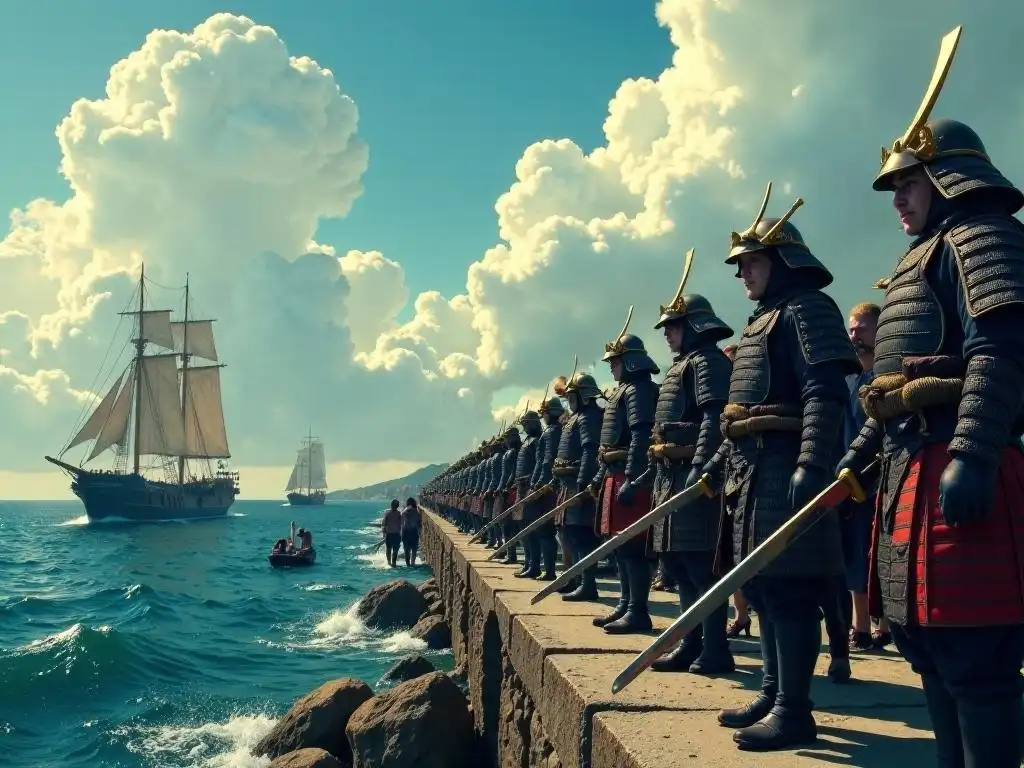
During Japan's feudal era, the samurai class played a pivotal role in shaping trade policies that influenced the economic landscape of the nation. As the military elite, samurai were not only responsible for the protection of their lords' interests but also for the governance of various regions, which included overseeing trade activities. Their influence extended to the establishment of trade regulations, which were often designed to consolidate power and maintain stability within their domains.
The samurai’s involvement in trade policies can be seen as a mechanism to ensure the smooth operation of commerce while simultaneously safeguarding their territories from external threats. This dual role of protector and regulator allowed samurai to create a framework that supported local economies, benefiting merchants and artisans within their domains. Consequently, the impact of samurai on trade policies was significant, as they sought to balance the needs of commerce with the demands of military oversight.
How Samurai Influenced Trade Regulations
Samurai influenced trade regulations through their positions as regional leaders and enforcers of law. Their authority enabled them to impose rules that dictated how trade was conducted, where goods could be exchanged, and who had the right to engage in commerce. The samurai often established trading posts and markets, strategically located to control the flow of goods and to ensure that their lords received a fair share of the profits.
One notable example of this influence can be seen in the establishment of the Sankin-kōtai system, where daimyo (feudal lords) were required to alternate their residence between their home domain and Edo (modern-day Tokyo). This system not only facilitated the movement of goods but also encouraged a regulated economy that benefitted both samurai and merchants. Through such regulations, samurai ensured that trade practices aligned with the broader political and military objectives of their lords.
The Role of Samurai in Tax Collection and Trade Levies
Tax collection was another critical area where samurai exerted their influence. Samurai were often tasked with collecting taxes from the merchants and farmers within their domains, ensuring that the economic activities contributed to the feudal hierarchy's sustenance. The taxes imposed on trade were usually levied on the sale of goods, market transactions, and even on the profits of local merchants.
This system of trade levies served multiple purposes. Primarily, it provided the necessary revenue for the samurai's military endeavors, enabling them to maintain their status and support their households. Furthermore, the collection of taxes ensured that trade remained profitable and regulated, as merchants were encouraged to comply with samurai authority in exchange for protection and stability. This relationship fostered a sense of mutual benefit, albeit within the confines of a hierarchical structure.
The Effect of Samurai Governance on Trade Networks
The governance of samurai had a profound effect on trade networks across Japan. Their authority allowed them to forge alliances with other regional powers, facilitating the establishment of trade routes that connected various parts of the country. By promoting safe passage for merchants, samurai contributed to the growth of a complex web of trade relationships that extended beyond local economies.
Moreover, samurai governance often included the protection of specific industries, such as textile production and pottery, which became vital components of regional trade. By enforcing regulations that favored certain goods, samurai not only protected their economic interests but also shaped the cultural identity of their regions. This resulted in distinctive local products that gained recognition and demand in broader markets, further enhancing the economic significance of samurai governance in trade.
Conclusion: The Lasting Legacy of Samurai in Trade Protection
The legacy of the samurai in protecting trade interests during feudal times is evident in the foundational structures they established for Japan’s economic systems. Their role as protectors of commerce helped to create a more organized and secure environment for trade to flourish, setting the stage for future economic developments in Japan.
The Transition from Feudal Trade Practices to Modern Commerce
As Japan transitioned from a feudal society to a modern nation-state during the Meiji Restoration, many of the trade practices established by the samurai laid the groundwork for contemporary commerce. The principles of regulation, protection, and the establishment of trade networks persisted, evolving to meet the demands of a rapidly changing economy. The samurai's emphasis on order and governance in trade practices has undeniably influenced modern economic policies and practices in Japan.
Reflections on the Samurai's Role in Shaping Economic History in Japan
Reflecting on the samurai's role in shaping Japan's economic history reveals a complex interplay between military power and commerce. Their contributions to trade protection not only facilitated economic growth during the feudal era but also left an indelible mark on Japan's cultural and economic identity. The samurai's legacy continues to resonate in the modern economic landscape, reminding us of the intricate ties between governance, security, and commerce throughout Japan's historical journey.
Further Reading and Resources
For those interested in delving deeper into the intricate relationship between samurai and trade during Japan's feudal era, a wealth of resources is available. This section provides recommended books and online resources to enhance your understanding of this fascinating topic.
Recommended Books on Samurai and Trade in Feudal Japan
-
"Samurai and Silk: A Japanese and American Heritage" by John T. Carpenter
This book explores the cultural exchange between Japan and the West, focusing on how samurai influenced trade policies and practices during the feudal period.
-
"The Samurai: A New History of the Warrior Elite" by Jonathan Lopez-Vera
A comprehensive examination of the samurai class, this book discusses their roles beyond warfare, including their involvement in trade and economic structures.
-
"Feudal Japan: An Encyclopedia" edited by William E. Deal
This encyclopedia provides detailed entries on various aspects of feudal Japan, including trade, samurai, and their interactions with merchants.
-
"Japan's Economic History: 1600-1990" by Takafusa Nakamura
This text provides a historical overview of Japan's economy, including the role of samurai in shaping trade dynamics during the Edo period.
-
"The Merchant's Tale: The Role of the Merchant in Feudal Japan" by M. R. P. Smith
Focusing on the merchant class, this book also highlights how samurai protected trade interests and maintained economic stability.
Online Resources for In-depth Study of Economic History in Feudal Japan
-
The National Diet Library of Japan
This online resource provides access to a vast collection of documents and research on Japan's history, including the impact of samurai on trade practices.
-
JapanFocus: The Asia-Pacific Journal
A platform offering scholarly articles and analyses on various aspects of Japanese history, including the economic contributions of samurai.
-
The Japan Society
This organization provides resources and articles related to Japanese culture, history, and economic development, including studies focused on the samurai's role in trade.
-
The Tokugawa Ieyasu Foundation
An educational resource dedicated to the life and times of Tokugawa Ieyasu, which includes insights into the economic policies of the samurai during the feudal era.
-
Online Archives of Feudal Japan
Various universities and institutions host online archives featuring primary sources, documents, and research papers related to feudal Japan's economic history.
- Introduction to Samurai and Their Influence on Trade
- Historical Context of Trade in Feudal Japan
- The Samurai's Role in Trade Protection
- The Relationship Between Samurai and Merchants
- The Impact of Samurai on Trade Policies
- Conclusion: The Lasting Legacy of Samurai in Trade Protection
- Further Reading and Resources
Frequently Asked Questions
What was the primary role of the Samurai in feudal Japan?
The Samurai served as warriors and protectors, upholding the interests of their lords and ensuring the safety of trade routes during the feudal era.
How did the Samurai influence trade in Japan?
The Samurai played a crucial role in protecting trade interests, ensuring the safe passage of goods and merchants, which facilitated economic growth.
What were some strategies used by the Samurai to protect trade?
The Samurai employed military tactics, established patrols, and formed alliances with local merchants to safeguard trade routes from banditry and other threats.
Did Samurai engage in trade themselves?
While primarily warriors, some Samurai did engage in trade activities, often using their political power and connections to enhance their economic standing.
How did the protection of trade by the Samurai impact Japanese society?
The protection of trade by the Samurai led to increased prosperity, contributing to the growth of cities and the development of a market economy during the feudal period.
Final Reflection: The Enduring Legacy of Samurai Protecting Trade in Japan
The intricate relationship between samurai and trade during feudal Japan underscores a pivotal aspect of history that resonates with our contemporary world. As we navigate the complexities of globalization and economic interdependence today, the samurai's role in safeguarding trade routes and interests serves as a powerful reminder of the importance of protecting economic stability and cultural exchange. The samurai were not merely warriors; they were custodians of commerce, ensuring that the lifeblood of their society flowed freely and securely.
Culturally, the influence of the samurai extends far beyond their time, shaping the values of honor, loyalty, and duty that still permeate Japanese society. Their commitment to protecting trade interests reflects a broader understanding of how economic security can foster social cohesion and cultural richness. As noted by historian John W. Hall, The samurai were not just fighters; they were also the architects of a society that valued trade as a means of cultural and economic development.
This observation highlights the ongoing relevance of the samurai's legacy in our modern context, where the balance between protectionism and free trade continues to spark debate.
As we reflect on the lessons from the samurai's dedication to protecting trade, let us consider how we can apply these principles in our own lives. How can we become stewards of our communities, ensuring that the exchange of ideas and resources is safeguarded? I invite you to think about your role in fostering connections, whether through supporting local businesses, advocating for fair trade, or engaging in cultural dialogue. By embodying the spirit of the samurai, we can contribute to a more interconnected and resilient world, honoring the past while shaping a brighter future.
Unveil Your Inner Samurai: Take Action Today!
Thank you for exploring the fascinating world of the samurai and their vital role in protecting trade during feudal Japan. You've learned how these noble warriors not only influenced warfare but also shaped economic landscapes. Now, it's time to channel that inspiration into action!
Here are some powerful steps you can take:
- Dive Deeper: Explore additional resources on the samurai’s impact on trade by visiting our related articles section. Knowledge is your greatest ally!
- Join the Conversation: Share your newfound insights with friends or on social media. What are your thoughts on the samurai’s dual role?
- Reflect on History: Consider researching a specific samurai figure and examining how their actions influenced trade dynamics. History is filled with remarkable stories waiting to be uncovered!
As you contemplate these intriguing avenues, here’s a question to inspire your thoughts: How can the principles of loyalty and honor exhibited by samurai be applied to modern business practices today?