
Commodore Perry's Arrival and the Evolution of Japanese Education

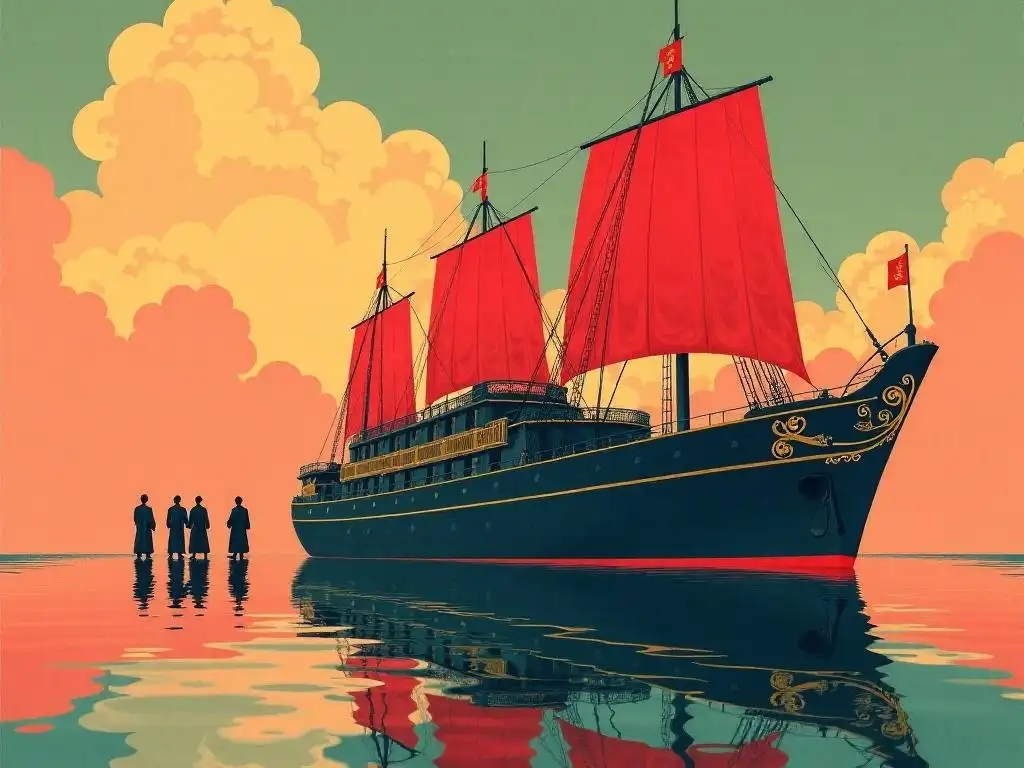
Welcome to Feudal Japan History, your gateway to an enthralling journey through the complexities of Japan’s feudal era. Here, we delve deep into the evolution of Japanese education history, a transformative period intricately linked to Commodore Perry's arrival and its profound impact on foreign relations. Uncover how these historical currents shaped not only the educational landscape but also the very fabric of Japanese society. Prepare to embark on an exploration that will spark your curiosity and inspire a deeper understanding of this pivotal chapter in history. Read on to discover the fascinating connections that continue to resonate today!
Introduction to Commodore Perry's Arrival
The arrival of Commodore Matthew Perry in Japan in 1853 marks a pivotal moment in the history of Japanese education and society at large. This event not only opened Japan to the West but also set into motion a series of profound transformations that would reshape its educational landscape. Prior to Perry's expedition, Japan had long maintained a policy of isolation, limiting foreign influence and interaction.
However, the pressure exerted by Perry and his "Black Ships" compelled Japan to reconsider its stance, ultimately leading to significant changes in education, governance, and cultural exchange. This article will delve into the intricate evolution of Japanese education history, exploring how Perry's arrival catalyzed a shift towards modernization and openness.
Context of the 1853 Arrival in Japan
In the mid-19th century, the United States was interested in establishing trade relations with Japan, which had been largely closed off to foreign powers since the early 17th century. Commodore Perry's fleet arrived in Tokyo Bay with a dual aim: to secure the safety of American shipwrecked sailors and to open Japan to American trade.
The context of Perry's arrival was marked by increasing Western influence in Asia and the desire for Japan to engage with the global economy. The Japanese government, known as the Tokugawa shogunate, faced immense pressure to respond to these foreign demands, which would eventually lead to the end of centuries of isolation.
Initial Reactions to Perry's Expedition
The initial reactions to Perry's expedition were mixed among Japanese officials and the populace. Some viewed the arrival of the American ships as a threat to their sovereignty, while others recognized the potential benefits of engaging with the West. The shogunate struggled to formulate a coherent response, leading to a division among pro-Western and isolationist factions within Japan. This period of uncertainty and debate would ultimately culminate in the signing of the Treaty of Kanagawa in 1854, which opened two Japanese ports to American vessels and marked the beginning of foreign influence in Japan.
The Impact of Perry's Arrival on Japanese Society
Perry's arrival had profound implications for Japanese society, particularly in the realms of politics and culture, which in turn influenced the evolution of Japanese education. The ensuing changes would help to establish a framework for a modern educational system that incorporated Western ideas and methodologies.
Changes in Political Dynamics
The arrival of Commodore Perry destabilized the Tokugawa shogunate, leading to significant political upheaval. The realization that Japan could no longer maintain its isolationist policies prompted a reevaluation of its governance structure. As foreign pressure mounted, internal factions began to challenge the shogunate's authority, eventually leading to the Meiji Restoration in 1868. This restoration ushered in a new era of modernization, where education became a cornerstone of national development. The government recognized the need for a literate and skilled populace capable of competing with Western powers, prompting extensive reforms in the educational system.
Influence on Cultural Exchange
Perry's expedition also initiated a wave of cultural exchange between Japan and the West. As Japan opened its doors to foreign influences, Western science, technology, and philosophical ideas began to permeate Japanese society. Educational institutions were established to facilitate this exchange, incorporating Western curricula alongside traditional Japanese learning. This blending of cultures enriched Japanese education and laid the groundwork for a more diversified and progressive system. The impact of this cultural exchange is still evident today, as Japan continues to balance its rich heritage with modern educational practices and global influences.
Overview of Japanese Education Before Perry
Before Commodore Perry's arrival in 1853, Japan's educational system was deeply rooted in its feudal structure, reflecting the values and social hierarchies of the time. Education was largely informal and varied significantly across different classes, with the samurai class receiving the most structured instruction, while peasants had limited access to formal education. The primary focus of education was to impart moral teachings, Confucian principles, and practical skills necessary for daily life and governance.
The traditional educational landscape was characterized by an emphasis on rote memorization and the study of classical texts, particularly Confucian classics, which were considered essential for moral development and governance. This system largely served the needs of the ruling elite, ensuring the perpetuation of their power and the maintenance of social order.
Traditional Educational Systems in Feudal Japan
The traditional educational systems in feudal Japan can be categorized into several key components:
- Terakoya: These were temple schools that provided basic education to the children of the merchant and peasant classes. Terakoya focused on reading, writing, and arithmetic, and were often run by local monks or educated individuals.
- Samurai Academies: The samurai class had access to more advanced education, often through private tutors or specialized schools known as hankō. These institutions taught subjects such as military strategy, ethics, and governance, heavily influenced by Confucian ideals.
- Confucianism: The teachings of Confucius played a crucial role in the educational framework, emphasizing moral development, filial piety, and loyalty to the state. Confucian scholars were highly regarded, and their principles guided the curriculum.
This fragmented educational landscape resulted in a society where knowledge and learning were privileges of the elite, with limited opportunities for the lower classes. The lack of a unified educational system hindered the evolution of a more comprehensive national education framework.
Role of Samurai in Education
The samurai class significantly influenced the evolution of education in feudal Japan. As both warriors and scholars, samurai were expected to embody the virtues of loyalty, courage, and honor, which were instilled through their education. Many samurai families prioritized learning, and their children received rigorous training in both martial arts and academics.
The samurai were not only responsible for military leadership but also for governance and administration. This dual role necessitated a strong educational foundation in ethics, strategy, and statecraft. Consequently, samurai education was often characterized by:
- Mentorship: Experienced samurai would take on apprentices, imparting knowledge and skills necessary for both combat and leadership.
- Literary Proficiency: Many samurai were well-versed in poetry and literature, reflecting a cultural appreciation that extended beyond martial prowess.
- Philosophical Studies: The incorporation of philosophical texts, particularly those related to Bushido (the way of the warrior), shaped the moral and ethical framework of samurai education.
The samurai's emphasis on education helped to cultivate a literate and informed ruling class, which would later play a significant role in the modernization efforts following Perry's arrival.
The Shift in Japanese Education History
The arrival of Commodore Perry and the subsequent opening of Japan to foreign influence marked a pivotal shift in the history of Japanese education. The exposure to Western ideas prompted a reevaluation of existing educational practices and the introduction of new principles that were essential for modernization.
Introduction of Western Educational Principles
The introduction of Western educational principles began with the acknowledgment that Japan needed to modernize its infrastructure and governance to compete with Western powers. Key aspects of this shift included:
- Curriculum Reform: Western subjects such as science, mathematics, and foreign languages were integrated into the curriculum, moving away from the sole focus on classical texts.
- Pedagogical Approaches: New teaching methodologies emphasized critical thinking and practical knowledge rather than rote memorization. This encouraged a more interactive learning environment.
- Focus on Universal Education: The concept of universal education gained traction, leading to the belief that education should be accessible to all social classes, not just the elite.
This transformation laid the groundwork for a more inclusive and effective educational system, aligning with Japan's aspirations for modernization and international presence.
Establishment of New Educational Institutions
As Japan embraced Western educational principles, several new institutions were established to facilitate this transition. Notable developments included:
- The Gakushūin (Academy for the Nobility): Founded in 1868, this institution was designed to provide a Western-style education to the children of the nobility, emphasizing both academic and practical skills.
- Public Schools: The Meiji government initiated the establishment of public schools, reflecting the commitment to universal education. These schools aimed to equip students with the knowledge necessary for participation in a modern state.
- Universities: Higher education institutions were created, such as the University of Tokyo, founded in 1877, which became a center for research and advanced studies, further integrating Western knowledge into the Japanese educational framework.
These new educational institutions played a crucial role in shaping the future of Japan, fostering a generation of individuals who were educated in both traditional and modern disciplines, ready to drive the nation into a new era.
Key Figures in the Evolution of Japanese Education
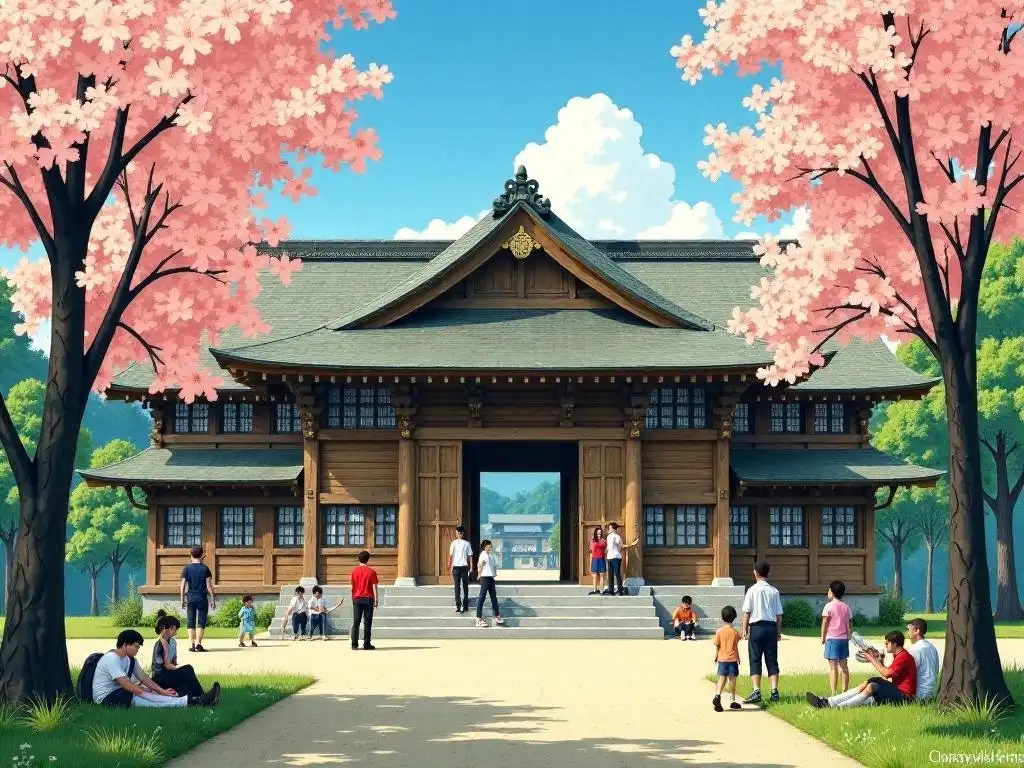
The evolution of Japanese education is marked by numerous influential figures who played pivotal roles in shaping its trajectory. Among these key figures, both foreign and domestic, their contributions reflect the blending of traditional Japanese philosophies with Western educational practices. This fusion was crucial, especially during the period following Commodore Perry's arrival in Japan, which heralded a new era of openness and reform.
Notable figures include:
- Commodore Matthew Perry: His arrival in 1853 opened Japan to the outside world, prompting a reevaluation of many aspects of Japanese society, including education.
- Fukuzawa Yukichi: A prominent educator and author, he was instrumental in promoting Western learning and ideas in Japan.
- Nakae Chōmin: An advocate for democratic education, he emphasized the importance of civic education and individual rights.
- Kita Ikki: Though controversial, he contributed to discussions about national education and its role in shaping Japanese identity.
These individuals, among others, laid the foundation for a modern educational system that continues to evolve today.
Commodore Perry's Role in Educational Reform
Commodore Matthew Perry's expedition to Japan in 1853 was not only significant for diplomatic relations but also sparked a profound transformation in Japanese education. Perry's arrival marked the end of Japan's isolationist policies, compelling the nation to confront and integrate Western ideas, including those related to education.
Perry's diplomatic mission highlighted the technological and scientific advancements of the West, which Japan realized were crucial for its survival and modernization. This urgency led to the establishment of educational reforms that aimed to modernize Japan’s educational system. The subsequent treaties, especially the Treaty of Kanagawa in 1854, paved the way for increased foreign influence, including in education.
As Japan began to adopt Western educational practices, it recognized the need for a more structured and formalized education system. This included not only the introduction of new subjects but also a focus on science, mathematics, and the humanities, which were essential for national progress.
Influential Japanese Educators and Reformers
In the wake of Perry's arrival, several Japanese educators emerged as key reformers, advocating for a new educational paradigm that incorporated Western methodologies.
- Fukuzawa Yukichi: Often regarded as a father of modern education in Japan, Fukuzawa established Keio University, one of Japan's first private universities. He championed the idea of independence and self-reliance through education, stressing the importance of learning from the West.
- Yasuda Seishisai: Another notable figure, he played a significant role in the early development of a national education system, emphasizing moral education alongside academic content.
- Inoue Kowashi: As a government official, he was instrumental in drafting educational policies that laid the groundwork for the modern educational system, including the establishment of higher education institutions.
These reformers contributed to the establishment of a comprehensive educational framework that aligned with Japan’s modernization goals.
The Transformation of Japanese Education During the Meiji Era
The Meiji Era (1868-1912) was a period of significant transformation for Japanese education, marked by a systematic overhaul of the existing educational structure. The Meiji government recognized that education was vital for national strength and modernization, leading to the establishment of a new national curriculum.
Implementation of Compulsory Education
One of the most groundbreaking reforms during the Meiji Era was the implementation of compulsory education in 1872. The government mandated that all children attend school for a minimum of four years, which was a significant departure from the previous system that was primarily accessible to the elite.
This compulsory education law aimed to increase literacy rates and create a more informed citizenry capable of contributing to national development. The government invested heavily in building schools and training teachers, resulting in a dramatic increase in school enrollment. By the end of the Meiji Era, literacy rates had soared, laying the groundwork for a more educated society.
Adoption of Western Curriculum and Pedagogy
During the Meiji Era, Japan actively adopted Western curriculum and pedagogical methods, fundamentally changing the educational landscape. The government sought to model the Japanese educational system after successful Western nations, particularly the United States and Europe.
This included the introduction of subjects such as science, mathematics, history, and foreign languages, which were previously underrepresented in Japanese education. Additionally, Western teaching methods, emphasizing critical thinking and inquiry-based learning, began to replace traditional rote memorization techniques.
The incorporation of Western educational practices not only modernized Japan’s curriculum but also facilitated a cultural exchange that enriched Japanese intellectual life. This transformative period established the foundation for the contemporary Japanese education system, influencing its evolution well into the 20th century and beyond.
Long-term Effects of Commodore Perry's Influence on Education
Commodore Matthew Perry's arrival in Japan in 1853 marked a pivotal turning point not only in Japan's foreign relations but also in its educational landscape. His expedition catalyzed a series of reforms that fundamentally altered Japan's educational philosophy and structure. The long-term effects of Perry's influence can be seen in various dimensions, including the adoption of Western educational models, the establishment of formal schooling systems, and the eventual emergence of a modern educational framework. These changes laid the foundation for Japan's rapid modernization and its integration into the global community.
Lasting Changes in Educational Philosophy
Perry's influence prompted a shift in educational philosophy that emphasized practicality and scientific knowledge, diverging from the traditional Confucian-based education that had dominated Japanese thought. As a result, educators began to advocate for a curriculum that included not only classical literature and philosophy but also the sciences and technical subjects. This blend of Western and Eastern educational paradigms led to a more holistic approach to education, which prioritized critical thinking and problem-solving skills.
Moreover, this shift encouraged a sense of individualism and personal development, contrasting with the collectivist mindset prevalent during the Tokugawa period. The emphasis on education as a means of personal empowerment and national strength became a cornerstone of Japan's educational reform, fostering a generation of students who would contribute to Japan's modernization efforts.
Evolution of Modern Japanese Education Systems
The arrival of Commodore Perry ultimately set the stage for the establishment of a structured and modern education system in Japan. The Meiji Restoration of 1868 saw the implementation of significant educational reforms, leading to the creation of a national education system modeled after Western practices. The introduction of compulsory education in 1872 marked a major milestone, ensuring that all children had access to basic education.
Over the following decades, Japan established various educational institutions, including universities and technical colleges, which were instrumental in fostering higher education and research. By the early 20th century, Japan had developed a comprehensive educational framework that was recognized for its rigor and effectiveness, contributing to the nation's rapid industrialization and technological advancement.
This evolution of the education system not only transformed individual lives but also enabled Japan to emerge as a formidable global player, capable of competing with Western nations.
Conclusion
Summary of Commodore Perry's Impact on Japanese Education History
Commodore Perry's arrival in Japan served as a catalyst for profound changes in the nation's education system. His influence initiated a shift in educational philosophy that embraced Western ideals, leading to the establishment of a modern, structured education system. This transformation not only provided access to education for all but also equipped Japan with the knowledge and skills necessary for modernization.
Reflection on the Evolution of Japanese Education in a Global Context
The evolution of Japanese education, influenced by Commodore Perry, reflects a broader trend of globalization in education. As Japan opened its doors to foreign ideas, it began to assimilate and adapt these influences, resulting in a unique educational system that blends traditional Japanese values with modern practices.
This journey has positioned Japan as a notable case study in educational reform, demonstrating how intercultural exchanges can lead to significant advancements in learning and societal development. Today, Japan continues to navigate the complexities of maintaining its cultural identity while engaging with global educational standards, illustrating the ongoing evolution of Japanese education in a rapidly changing world.
- Introduction to Commodore Perry's Arrival
- The Impact of Perry's Arrival on Japanese Society
- Overview of Japanese Education Before Perry
- The Shift in Japanese Education History
- Key Figures in the Evolution of Japanese Education
- The Transformation of Japanese Education During the Meiji Era
- Long-term Effects of Commodore Perry's Influence on Education
- Conclusion
Frequently Asked Questions
What was the significance of Commodore Perry's arrival in Japan?
Commodore Perry's arrival in 1853 marked a turning point in Japanese history, leading to the end of isolationist policies and the opening of Japan to the Western world, which significantly influenced education.
How did Western influence shape Japanese education?
The influx of Western ideas prompted the reformation of the Japanese education system, introducing new subjects and teaching methods that emphasized science, literature, and critical thinking.
What role did the Meiji Restoration play in education?
The Meiji Restoration in 1868 aimed at modernizing Japan, leading to the establishment of a national education system that emphasized universal education and technical training, essential for national development.
How did Japanese education evolve post-Perry?
After Perry's arrival, Japanese education underwent a rapid transformation, integrating Western curricula and techniques, which fostered a sense of national identity and modernity.
What are the lasting impacts of Commodore Perry's arrival on Japanese education?
The opening of Japan initiated a cultural exchange that laid the groundwork for Japan's modern education system, influencing everything from curricular design to educational philosophy.
Final Reflection: The Transformative Journey of Japanese Education
The arrival of Commodore Perry in 1853 marked a pivotal moment in Japanese education history, igniting a transformation that resonates profoundly in today's globalized world. This encounter not only opened Japan to Western influences but also catalyzed an evolution in educational practices that laid the foundation for modern education systems. The significance of this historical event is not merely a relic of the past; it serves as a reminder of how external interactions can reshape cultural paradigms and educational frameworks.
The evolution of Japanese education has profoundly influenced the cultural and social landscape of Japan, fostering a society that values knowledge and innovation. This transformation has not only propelled Japan to the forefront of technological advancement but has also instilled a sense of discipline and respect for learning that permeates its culture. As noted by educational reformer Tsunesaburo Makiguchi, Education is the foundation of a nation’s prosperity.
This sentiment underscores the ongoing impact of educational evolution, emphasizing that the lessons learned from history continue to shape the aspirations and achievements of future generations.
As we reflect on the journey of Japanese education, let us consider our own roles in fostering learning and growth in our communities. How can we apply the lessons from this historical evolution to inspire a commitment to education in our lives? I invite you to embrace the spirit of curiosity and adaptability that defined Japan's educational transformation. By valuing education and advocating for continuous learning, we can contribute to a brighter future, not just for ourselves, but for society as a whole.
Embrace the Legacy of Learning: Take Action Today!
Thank you for exploring the fascinating evolution of Japanese education, sparked by Commodore Perry's arrival. You now possess a deeper understanding of this pivotal moment in history and its lasting impact on Japan's educational landscape. It’s time to harness that knowledge and take meaningful steps forward!
Here’s how you can engage further:
- Explore local educational programs that celebrate Japanese history—whether it's a museum exhibit, a lecture, or a cultural event.
- Share your insights with friends and family—initiate conversations about the rich tapestry of Japan's educational evolution.
- Join a history-related online community or forum to discuss and learn more about Feudal Japan, connecting with others who share your passion.
What aspect of Japan's educational advancement intrigues you the most, and how can you apply these lessons to modern education today? We invite you to share your thoughts and join the discussion!