
Festivals and Traditions: The Adoption of Foreign Celebrations in Japan

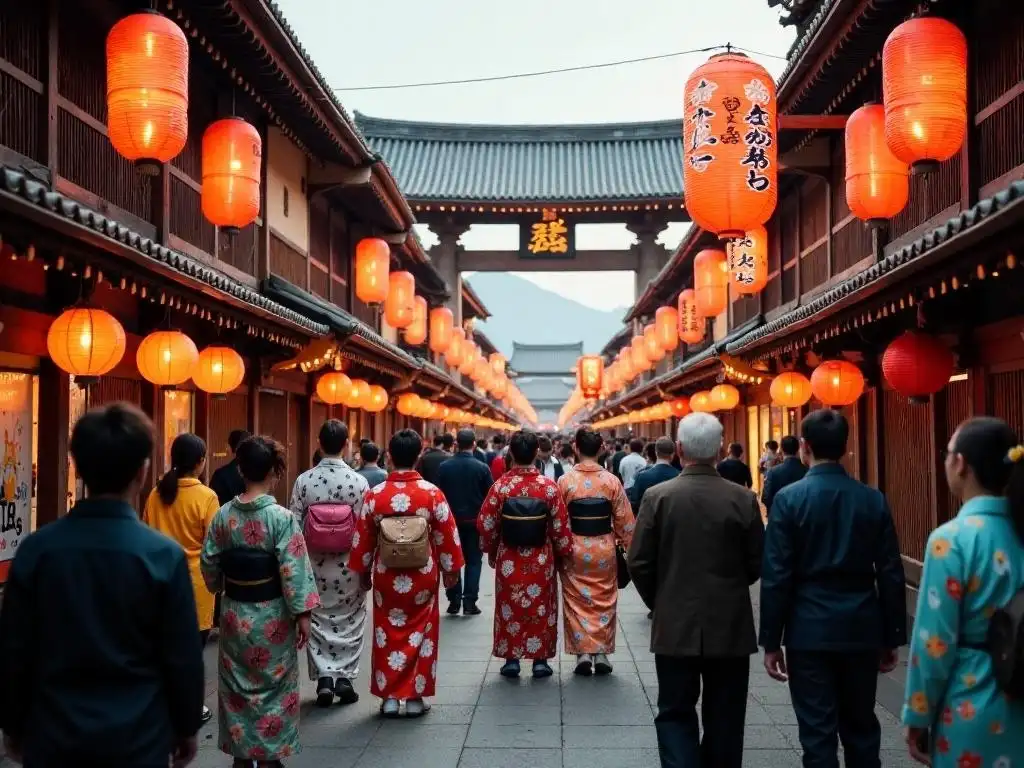
Welcome to Feudal Japan History, where we delve into the rich tapestry of Japan’s feudal era! Here, you will uncover the fascinating interplay of historical, cultural, and societal elements that shaped this remarkable period. Our featured article, "Festivals and Traditions: The Adoption of Foreign Celebrations in Japan," invites you to explore how outside influences transformed Japan’s vibrant festival landscape.
What foreign customs made their way into the heart of Japanese society, and how did they intertwine with local traditions? Join us on this captivating journey as we unravel the stories behind these celebrations and their impact on Japan's cultural heritage. Your exploration begins now!
- Introduction to Foreign Celebrations in Japan
- Historical Context of Festivals in Japan
- The Arrival of Foreign Celebrations in Japan
- Types of Foreign Celebrations Adopted in Japan
- The Transformation of Foreign Celebrations in Japan
- The Impact of Foreign Celebrations on Japanese Society
- Critiques and Controversies Surrounding Foreign Celebrations
- The Future of Foreign Celebrations in Japan
- Conclusion: The Significance of Foreign Celebrations in Japanese Culture
-
Frequently Asked Questions
- What are some examples of foreign celebrations adopted in Japan?
- How has globalization influenced foreign celebrations in Japan?
- Are there any traditional Japanese festivals that incorporate foreign elements?
- How do Japanese people typically celebrate foreign festivals?
- What role do foreign celebrations play in modern Japanese society?
- Final Reflection: Embracing Diversity Through Foreign Celebrations in Japan
- Embrace New Traditions and Celebrate Culture!
Introduction to Foreign Celebrations in Japan
The rich tapestry of Japan's feudal era is interwoven with a multitude of festivals and traditions that reflect the country’s unique cultural identity. Among these, the adoption of foreign celebrations stands out as a significant aspect of cultural exchange that shaped societal norms and practices. This article delves into foreign celebrations in Japan, exploring how they were embraced and integrated into local customs, thereby enriching the cultural landscape. By examining the historical context and the influence of various foreign traditions, we can gain insights into the complexities of Japan’s feudal society and its interactions with the outside world.
Overview of the Influence of Foreign Celebrations
Throughout Japan's feudal period, which spanned from the late 12th century to the early 19th century, the nation encountered various external influences that left an indelible mark on its cultural practices. These influences often stemmed from trade relations, diplomatic missions, and the movement of peoples. Some of the notable foreign celebrations that made their way into Japan include:
- Buddhist Festivals: Originating from India, Buddhism brought numerous festivals such as Obon, a time to honor deceased ancestors. This celebration not only highlights the spiritual aspect of the culture but also reflects the broader influence of Buddhist practices across Asia.
- Chinese New Year: With the introduction of Confucianism and other Chinese cultural elements, the Lunar New Year became an occasion for festivities that combined both Chinese and Japanese traditions.
- Western Holidays: The arrival of Europeans in the 16th century introduced various Western celebrations, such as Christmas and New Year’s celebrations, which were adapted over time to fit the Japanese context.
The blending of these diverse customs illustrates the fluidity of cultural identity during the feudal period, where foreign celebrations were not merely adopted but transformed to resonate with local beliefs and practices.
Importance of Cultural Exchange in Feudal Japan
Cultural exchange played a pivotal role in shaping Japan's feudal society, fostering an environment where ideas, traditions, and customs could be shared and adapted. This exchange was significant for several reasons:
- Social Cohesion: The incorporation of foreign celebrations often served to unify different social classes and communities. Festivals became opportunities for collective participation, fostering a sense of belonging among diverse groups.
- Cultural Enrichment: Exposure to foreign traditions allowed for the enrichment of Japan’s cultural repertoire. The integration of new practices often led to innovative expressions in art, literature, and performance.
- Economic Development: Festivals and celebrations often stimulated local economies through trade and tourism. The influx of visitors during major events created opportunities for merchants and artisans, thereby boosting economic activity.
- Diplomatic Relations: The adoption of foreign celebrations also reflected Japan's diplomatic engagements and relationships with other countries. These celebrations often served as a means to bolster ties and facilitate mutual respect among nations.
The exploration of foreign celebrations in Japan during the feudal era reveals a dynamic interplay between cultural exchange and societal development, highlighting the ways in which Japan adapted and transformed external influences into integral components of its cultural identity. Through this lens, we can appreciate the depth and complexity of Japan's historical narrative, illustrating how its past continues to inform its cultural practices today.
Historical Context of Festivals in Japan
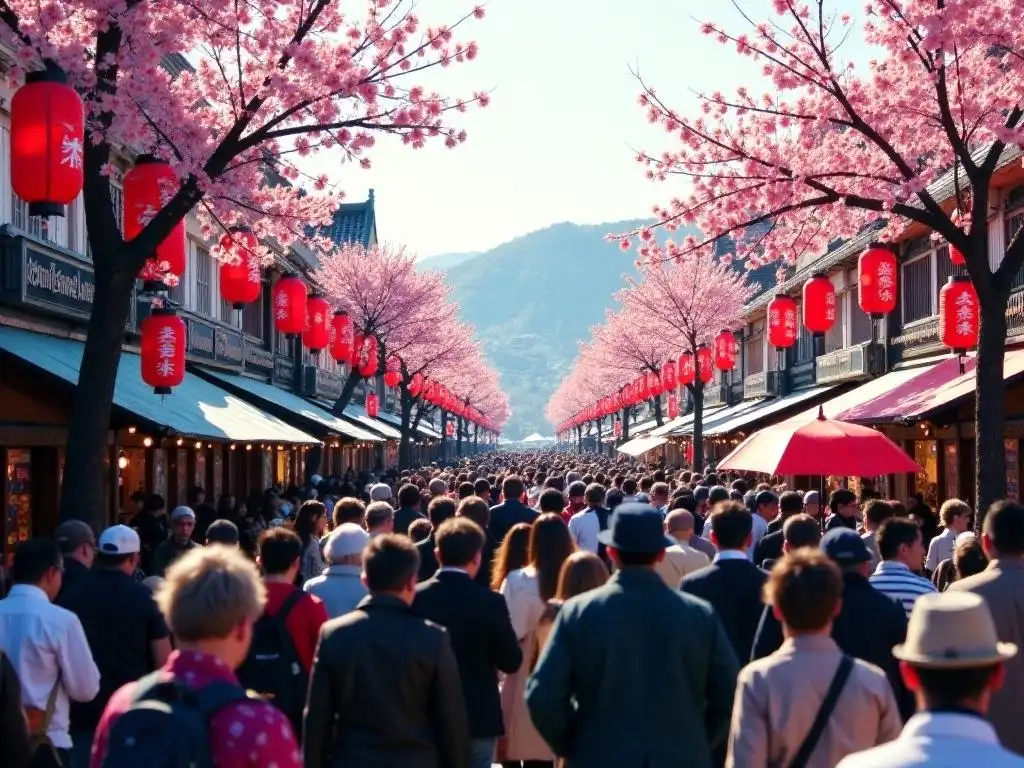
Festivals in Japan have a rich history that intertwines with the nation’s cultural and societal evolution. The origins of these celebrations can be traced back to ancient rituals and agricultural practices that aimed to appease deities and ensure bountiful harvests. Over time, these festivals evolved, incorporating elements from various cultural exchanges, including influences from foreign celebrations.
The adoption of foreign celebrations in Japan primarily began during the Heian period (794-1185), marking a significant transformation in the cultural landscape of the nation. As diplomatic relations expanded, particularly with China and Korea, Japan welcomed a variety of customs, including Buddhist festivals and Confucian ceremonies. This period laid the groundwork for a fusion of native and foreign traditions that would characterize the feudal era.
During the Kamakura period (1185-1333), the samurai class emerged as a dominant social force, further influencing the nature of festivals. The festivals began to reflect not only religious significance but also the socio-political dynamics of feudal Japan. As different clans rose to power, they often adopted and adapted foreign celebrations to legitimize their rule and showcase their cultural sophistication.
Traditional Japanese Festivals: Origins and Significance
Traditional Japanese festivals, or matsuri, are deeply rooted in Shinto beliefs and reflect the agricultural cycle, honoring deities and spirits associated with nature. These festivals often include rituals, performances, and communal gatherings, serving to strengthen community bonds.
- Origins of Matsuri:
- The earliest festivals can be linked to rice planting and harvest rituals, where offerings were made to deities to ensure a fruitful season.
- With the introduction of Buddhism in the 6th century, many matsuri began to incorporate Buddhist elements, blending local traditions with foreign influences.
- Significance in Society:
- Festivals played a crucial role in reinforcing social structures and hierarchies within feudal Japan. They provided an opportunity for clans to display their wealth and power.
- They also served as a venue for community cohesion, where people participated in shared traditions, fostering a sense of belonging and cultural identity.
- Examples of Influenced Festivals:
- The Aoi Matsuri, originally a Heian period celebration, incorporated elements from Chinese culture, showcasing the syncretic nature of Japanese festivals.
- The Tanabata Matsuri, influenced by the Chinese Qixi Festival, celebrates the meeting of two stars and emphasizes themes of love and longing.
The Role of Festivals in Feudal Japanese Society
In feudal Japan, festivals held a multifaceted role in society, extending beyond mere celebration. They functioned as vital instruments of political expression, social order, and cultural continuity.
- Political Expression:
- Festivals often coincided with significant events in the feudal calendar, such as the ascension of a new shogun or the celebration of military victories.
- Clans would leverage these occasions to assert their dominance and endorse their legitimacy among the populace.
- Social Order and Control:
- The samurai class utilized festivals to reinforce their authority, often participating in or leading religious ceremonies that underscored their role as protectors of the realm.
- Festivals served as a means to distract the populace from socio-political tensions, providing a platform for entertainment and communal engagement.
- Cultural Continuity and Adaptation:
- Festivals were crucial in preserving local traditions while also allowing for the incorporation of foreign elements. This adaptability ensured that Japanese culture remained dynamic, reflecting both its historical roots and contemporary influences.
- The blending of foreign celebrations into local customs illustrates Japan’s ability to assimilate and reinterpret cultural practices, enriching its own festival traditions.
The historical context of festivals in Japan reveals a complex interplay of indigenous practices and foreign influences, particularly during the feudal era. Understanding these traditions provides insight into Japan's cultural exchanges and the significance of festivals as a reflection of societal values and beliefs.
The Arrival of Foreign Celebrations in Japan
The integration of foreign celebrations into Japanese culture has a rich historical backdrop, characterized by various waves of cultural exchange. Japan's geographical position as an island nation facilitated selective interactions with neighboring countries, which ultimately shaped its festival landscape.
Key Historical Events Leading to Cultural Exchange
The timeline of foreign celebrations in Japan can be traced through several pivotal historical events:
- The Asuka Period (538-710 AD): This era marked the introduction of Buddhism from Korea, which brought numerous celebrations and rituals that were previously unseen in Japan. The arrival of Buddhism not only influenced religious practices but also introduced new ideas about auspicious dates and festivals.
- The Nara Period (710-794 AD): During this period, Japanese emissaries to China learned about Chinese lunar festivals and celebrations, such as the Lantern Festival and the Moon Viewing Festival. These influences were gradually adapted and incorporated into local customs, leading to the establishment of unique Japanese versions.
- The Kamakura Period (1185-1333 AD): The rise of the samurai class and the Mongol invasions brought a further influx of cultural elements from the continent. The trade routes established during this time facilitated the exchange of not only goods but also ideas and celebrations, further enriching the Japanese festival calendar.
- The Meiji Restoration (1868): The opening of Japan to the West after centuries of isolation led to significant cultural exchanges. Western holidays such as Christmas and New Year’s Day began to gain popularity, marking a notable shift in the celebratory practices of the Japanese people.
- Post-World War II Era: The American occupation introduced numerous Western celebrations and customs. Events like Halloween and Thanksgiving became popular, showcasing the adaptability of Japanese culture in embracing foreign celebrations.
Through these historical milestones, Japan has demonstrated its ability to assimilate and reinterpret foreign celebrations, creating unique festivals that blend traditional elements with new influences.
Notable Foreign Influences on Japanese Festivals
The impact of foreign celebrations on Japanese festivals is evident in several contemporary practices:
- Christmas: Although originally a Western Christian holiday, Christmas in Japan has been transformed into a secular celebration characterized by unique customs such as "KFC for Christmas" and illuminations in urban areas. The holiday is celebrated more as a romantic occasion rather than a religious one.
- Valentine’s Day: Introduced from the West, this holiday has become a significant event in Japan, where women typically give chocolates to men. The following month, on White Day, men reciprocate the gesture, creating a two-part celebration that uniquely reflects Japanese social customs.
- Halloween: Gaining traction in the 1990s, Halloween has evolved into a vibrant celebration in Japan, characterized by elaborate costumes and themed events, particularly in urban centers like Shibuya. The festival has become a platform for creativity and community engagement.
- New Year’s Day (Shōgatsu): While this holiday has its roots in traditional Japanese customs, it has also adopted elements from the Gregorian calendar celebrations, leading to a blend of festivities that includes both Shinto rituals and modern party elements.
- Obon Festival: Although primarily rooted in Buddhist traditions to honor ancestors, the Obon festival has absorbed various regional customs and practices, many of which were influenced by foreign interactions throughout history.
These examples illustrate the dynamic nature of cultural exchange in Japan, highlighting how foreign celebrations have been embraced and reshaped to fit within the fabric of Japanese society. The continual adaptation of these festivities underscores Japan's ongoing dialogue with the world, enriching its cultural landscape.
Types of Foreign Celebrations Adopted in Japan
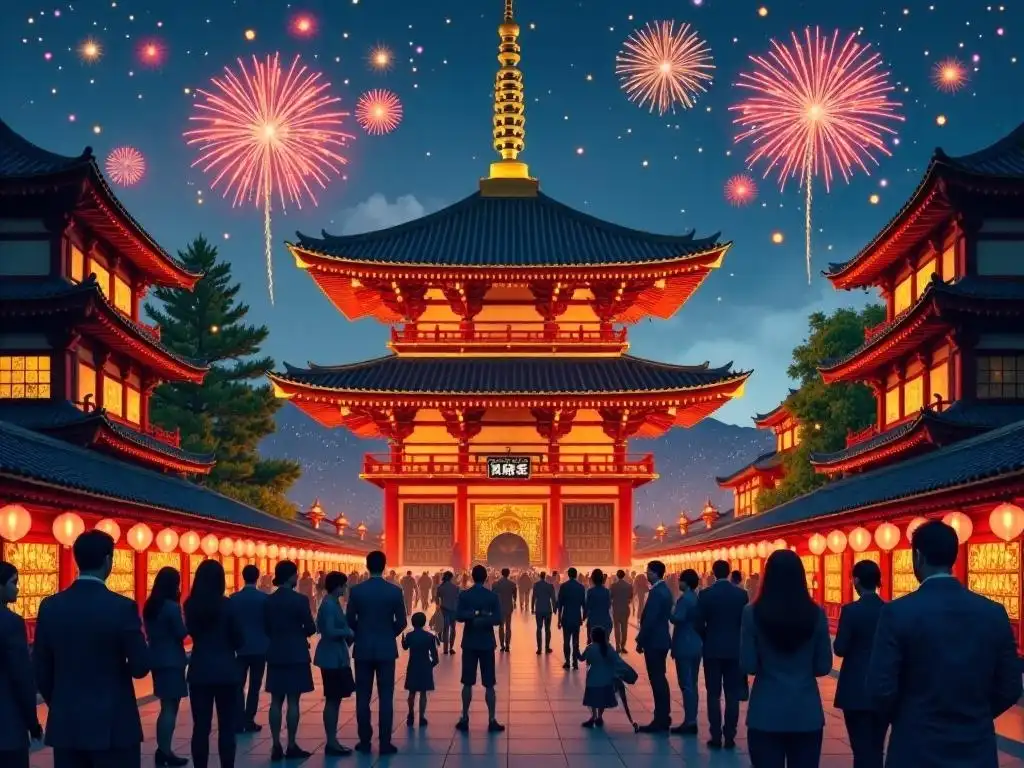
Western Festivals: Christmas, Halloween, and New Year's
In contemporary Japan, several Western festivals have gained immense popularity, largely due to globalization and cultural exchange. Among these, Christmas, Halloween, and New Year's stand out as significant celebrations that have been transformed through local adaptation.
- Christmas:
- Originally a Christian holiday, Christmas in Japan has evolved into a secular celebration. It is characterized by the exchange of gifts, decorative illuminations, and festive meals, particularly the consumption of fried chicken from chains like KFC, which has become a tradition.
- The holiday is celebrated on December 25, but the festivities often begin in late November or early December, with department stores and shopping malls displaying Christmas decorations and lights.
- Interestingly, many Japanese people view Christmas as a romantic holiday akin to Valentine's Day, encouraging couples to celebrate together.
- Halloween:
- Halloween's adoption in Japan has surged since the early 2000s, largely driven by commercial interests. It involves elaborate costumes, parades, and themed parties, particularly in urban areas like Shibuya, where large gatherings attract thousands of revelers.
- Trick-or-treating is not as common, but many children participate in themed events at schools and community centers. In recent years, the celebration has expanded to include Halloween-themed products and events in various retail sectors.
- New Year’s:
- Although New Year’s (Shōgatsu) is traditionally a Japanese celebration, many Western customs have been incorporated. For instance, the countdown to midnight, which echoes Western traditions, has become popular in urban settings.
- Celebratory events often blend traditional practices, such as visiting shrines, with modern festivities that include parties and fireworks.
Asian Festivals: Lunar New Year and Diwali
In addition to Western celebrations, Japan has embraced various Asian festivals, notably the Lunar New Year and Diwali, which have roots in neighboring cultures and provide a rich tapestry of traditions.
- Lunar New Year:
- Known as Seollal in Korea and Tet in Vietnam, the Lunar New Year is celebrated by Japanese communities with a strong interest in cultural diversity. Although it is not a national holiday, events are hosted in urban areas, especially in regions with significant Chinese, Korean, or Vietnamese populations.
- Festivities often include traditional foods, lion dances, and cultural performances, providing an opportunity for cultural exchange and community bonding.
- Diwali:
- Diwali, the Hindu festival of lights, has seen increasing recognition in Japan, particularly among the Indian diaspora and those interested in Indian culture. Celebrations include lighting oil lamps, fireworks, and sharing sweets.
- Various cities host Diwali festivals, showcasing traditional dances, music, and food, thus fostering a greater understanding of Indian culture within Japan.
Other Global Celebrations: Valentine's Day and Thanksgiving
Several other global celebrations have found their way into the Japanese cultural landscape, including Valentine's Day and Thanksgiving, each adapted to reflect local customs and consumer interests.
- Valentine's Day:
- In Japan, Valentine's Day on February 14 is unique, as it is primarily a day for women to give chocolates to men, which can symbolize romantic interest or friendship. This custom has led to the emergence of various chocolate types, including "giri-choco" (obligation chocolate) and "honmei-choco" (true feeling chocolate).
- The celebration is followed by White Day on March 14, where men reciprocate by giving gifts to women, creating a cyclical gift-giving custom that has become ingrained in Japanese society.
- Thanksgiving:
- While not traditionally celebrated, the concept of Thanksgiving has been integrated into Japanese culture, particularly through the influence of American culture. The holiday emphasizes gratitude and family gatherings, akin to Japan's own Kinrō Kansha no Hi (Labor Thanksgiving Day), celebrated on November 23.
- Restaurants often promote special Thanksgiving menus, and many expatriates and locals alike enjoy the holiday spirit through communal meals and gatherings.
The integration of foreign celebrations in Japan showcases the dynamic nature of cultural exchange, where traditions are adapted and transformed to create a unique Japanese experience. This evolution reflects not only the influence of globalization but also the Japanese people's openness to embracing diverse cultural practices.
The Transformation of Foreign Celebrations in Japan
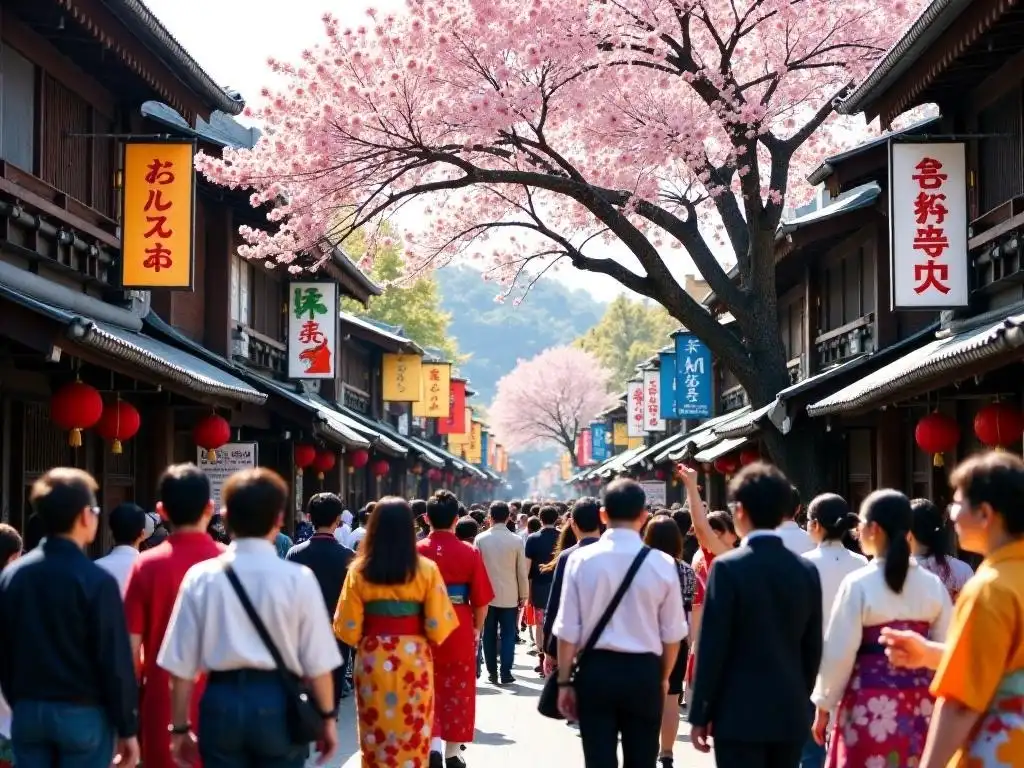
Adaptation of Foreign Customs to Japanese Culture
The adaptation of foreign customs into Japanese culture has been a significant aspect of Japan's history, particularly during the feudal era when interactions with different cultures increased. Foreign celebrations in Japan often underwent a transformation as they were assimilated into local traditions and practices. This phenomenon can be observed in various festivals that were influenced by imported customs.
- Buddhism and its Festivals: The introduction of Buddhism from the Asian mainland led to new celebrations, such as Obon, which honors deceased ancestors. Originally a Buddhist festival, Obon has evolved into a culturally significant event that combines Buddhist rituals with traditional Japanese practices. The lighting of lanterns, the Bon Odori dance, and family gatherings during this period highlight how foreign elements were merged with Japanese values.
- Christian Influence: The arrival of Christianity in the 16th century also paved the way for the adoption of foreign celebrations. Despite the initial suppression of Christian practices, events like Christmas found their way into Japanese culture. Today, Christmas is celebrated with unique Japanese flair, focusing more on romantic aspects and festive decorations rather than religious connotations. This adaptation illustrates how foreign customs can be reinterpreted to fit local preferences.
- Western New Year Celebrations: The Western New Year, introduced during the Meiji Restoration, transformed the way the New Year was celebrated in Japan. While traditional Japanese New Year ( Shōgatsu) practices remain, many Japanese also partake in Western-style countdown parties, fireworks, and festivities. This blending of customs showcases the dynamism of Japanese culture in embracing and adapting foreign influences.
Unique Japanese Interpretations of Global Festivals
Japan's unique interpretations of global festivals highlight its ability to create distinct cultural expressions from foreign influences. These reinterpretations often reflect Japanese aesthetics, societal values, and local customs.
- Halloween: While originally a Western holiday, Halloween in Japan has evolved into a vibrant celebration characterized by elaborate costumes and street parties. Japanese Halloween is less about the traditional themes of fright and more about fun and creativity. Cities like Shibuya host massive gatherings where people showcase their imaginative costumes, making it a unique cultural spectacle.
- Valentine's Day: Initially imported from Western culture, Valentine's Day in Japan has taken on a distinct identity. Japanese women typically give chocolates to men, a custom known as giri-choco (obligatory chocolate). This practice has led to the development of White Day, celebrated on March 14, where men reciprocate the gesture. This two-part celebration exemplifies how foreign customs can be uniquely adapted to fit societal norms and expectations.
- Oktoberfest: The German beer festival, Oktoberfest, has found a place in Japan, particularly in cities like Yokohama and Tokyo. However, the Japanese version focuses heavily on local beers, foods, and entertainment, creating a fusion of German and Japanese elements. This adaptation not only highlights the global influence of the festival but also emphasizes Japan’s ability to localize and personalize international customs.
The transformation of foreign celebrations in Japan showcases a rich tapestry of cultural exchanges. Through adaptation and unique interpretations, Japan has created vibrant and distinct celebrations that reflect its deep-rooted traditions while embracing global influences. This dynamic interplay of cultures continues to evolve, underscoring the significance of foreign celebrations in Japan's cultural landscape.
The Impact of Foreign Celebrations on Japanese Society
The adoption of foreign celebrations in Japan has significantly influenced various aspects of its society, particularly in fostering social cohesion and driving economic growth. With a rich history of cultural exchanges, these celebrations have transcended their origins, becoming integrated into the local customs and traditions of Japan. This section delves into the two main facets impacted by foreign celebrations: social cohesion and community engagement, as well as the economic implications for tourism and local businesses.
Foreign celebrations have played a pivotal role in enhancing social cohesion within Japanese communities. Events such as Christmas, Halloween, and Valentine's Day have gradually woven themselves into the fabric of Japanese society, promoting a sense of unity and shared experience among diverse groups.
- Cultural Adaptation: Festivals like Christmas have been adapted to fit Japanese customs. For example, while traditionally a Christian holiday, it has morphed into a romantic celebration for couples, where dining out and exchanging gifts have become widespread practices. This adaptation encourages community involvement as people come together to celebrate in unique ways.
- Inclusivity and Diversity: The incorporation of foreign celebrations fosters inclusivity, allowing individuals from various backgrounds to participate and celebrate together. This engagement cultivates a spirit of acceptance and understanding among different cultural groups, enriching the social fabric of Japan.
- Community Events: Many local festivals now incorporate elements of foreign celebrations, such as Halloween parades and Christmas markets. These events encourage participation from both residents and tourists, heightening community spirit and interaction. Local businesses often collaborate with community organizations to host these events, leading to stronger ties and networks within neighborhoods.
The effects of these social dynamics are visible in how communities engage with one another during these celebrations, with increased collaboration and interaction leading to enriched social experiences.
Economic Impacts: Tourism and Local Businesses
The integration of foreign celebrations into Japanese culture has also provided significant economic benefits, particularly through tourism and the support of local businesses.
- Tourism Growth: Foreign celebrations attract both domestic and international tourists, leading to increased foot traffic in urban areas. For instance, events like Christmas illuminations in cities such as Tokyo and Osaka draw thousands of visitors each year, significantly boosting the local economy.
- Business Opportunities: Local businesses capitalize on the influx of tourists and locals celebrating foreign festivals by offering themed products and services. Restaurants may create special menus for Valentine’s Day, while shops sell Halloween costumes and decorations, thus diversifying their offerings. This seasonal adaptation not only enhances sales but also promotes innovation in product development.
| Economic Impact | Description |
|---|---|
| Tourism | Increased visitors during foreign celebrations leads to higher spending. |
| Local Business Growth | Shops and restaurants often see a surge in sales related to themed events. |
| Cultural Events | Local governments may invest in festivities, enhancing community engagement. |
The synergy between cultural festivities and economic vitality exemplifies how foreign celebrations enrich not only social interactions but also contribute to the overall prosperity of Japanese society. By embracing these external influences, Japan continues to evolve its cultural landscape while reaping the economic benefits that accompany such celebrations.
Critiques and Controversies Surrounding Foreign Celebrations
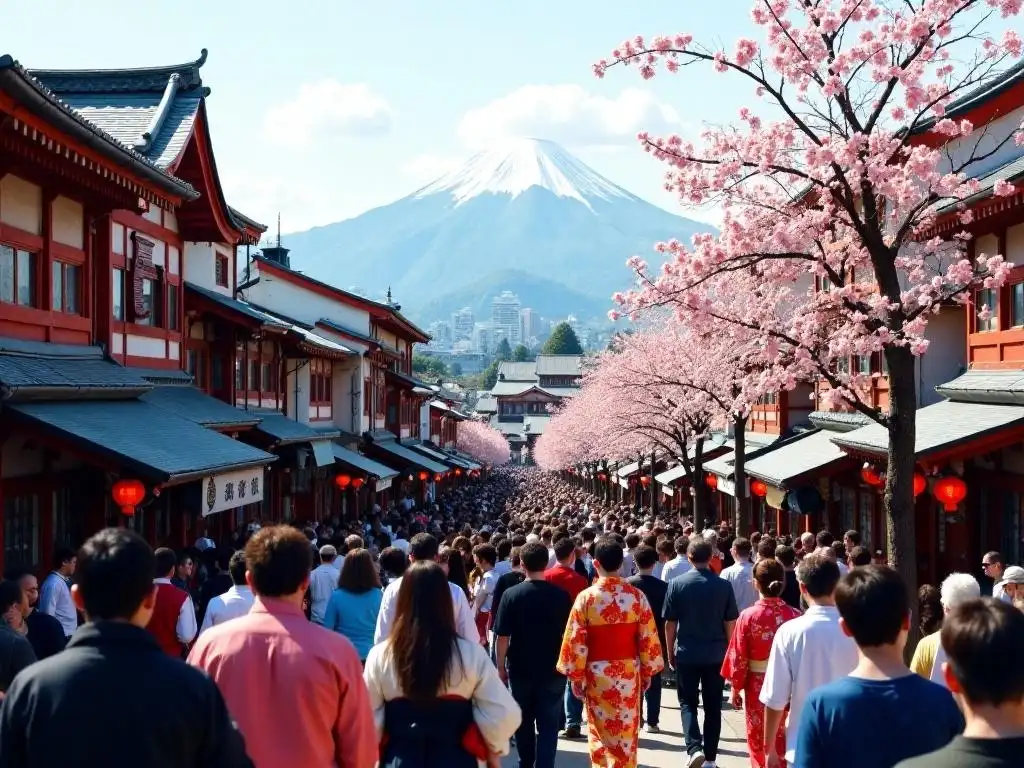
The adoption of foreign celebrations in Japan has spurred various critiques and controversies that reflect the complex dynamics of cultural exchange. While many embrace the infusion of new traditions, others express concerns regarding the implications of these adaptations on Japan's rich cultural heritage. This section delves into two primary areas of controversy: the distinction between cultural appropriation and cultural appreciation, and the ongoing debate surrounding the preservation of traditional Japanese festivals.
Cultural Appropriation vs. Cultural Appreciation
The distinction between cultural appropriation and cultural appreciation is a pivotal point in discussions about foreign celebrations in Japan.
- Cultural Appropriation is often characterized by the unacknowledged or inappropriate adoption of elements from one culture by members of another culture, typically without understanding or respecting the original context. Critics argue that certain foreign celebrations can reduce rich cultural symbols to mere commodities, stripping them of their significance.
- Cultural Appreciation, on the other hand, involves a respectful understanding and acknowledgment of the cultural context from which certain elements derive. When foreign celebrations are integrated into Japanese culture with sensitivity and awareness, they can foster mutual respect and understanding.
Examples of Cultural Appropriation
- Commercialization of Festivals: Events like Halloween, which have been commercialized in Japan, sometimes overshadow traditional festivals, leading to concerns that they may dilute cultural significance.
- Outsider Participation: Instances where non-Japanese individuals lead celebrations without proper understanding of their origins often lead to accusations of appropriation.
Examples of Cultural Appreciation
- Fusion Festivals: Events that blend foreign celebrations with local customs, such as the Bon Odori dance incorporating elements from international festivities while still honoring traditional Japanese practices.
- Collaborative Celebrations: Festivals that invite participation from diverse cultural communities, fostering an exchange that honors both the local and foreign elements.
The Debate on Preserving Traditional Japanese Festivals
As foreign celebrations gain popularity, a significant debate has emerged regarding the preservation of traditional Japanese festivals. This discussion hinges on several factors:
- Cultural Identity: Many argue that the increasing influence of foreign celebrations threatens the unique cultural identity of Japan. They advocate for a focus on preserving traditional festivals, such as Tanabata and Obon, which hold deep historical and cultural significance.
- Adaptation vs. Preservation: While some view the adaptation of foreign celebrations as a natural evolution of culture, others perceive it as a potential erosion of Japan's unique traditions. The challenge lies in finding a balance between welcoming new influences while safeguarding the essence of traditional practices.
- Generational Perspectives: Younger generations in Japan often embrace foreign celebrations, viewing them as exciting and refreshing. In contrast, older generations may prioritize the preservation of traditional festivals, resulting in a generational divide regarding cultural values.
Key Points in the Debate
- Community Engagement: The involvement of local communities in both traditional and foreign celebrations can strengthen cultural ties and foster understanding.
- Educational Initiatives: Programs that educate individuals about the historical significance of traditional festivals can promote appreciation and respect, helping to maintain cultural integrity.
- Festival Regulations: Some advocate for regulations that protect traditional festivals from commercialization and dilution, ensuring their continuity for future generations.
The discourse surrounding foreign celebrations in Japan is complex and multifaceted. Understanding the nuances between cultural appropriation and appreciation, along with the debate on preserving traditional festivals, is crucial for fostering a culturally rich and inclusive society. As Japan continues to navigate these dynamics, it remains essential to honor both its historical traditions and the new influences that shape its cultural landscape.
The Future of Foreign Celebrations in Japan
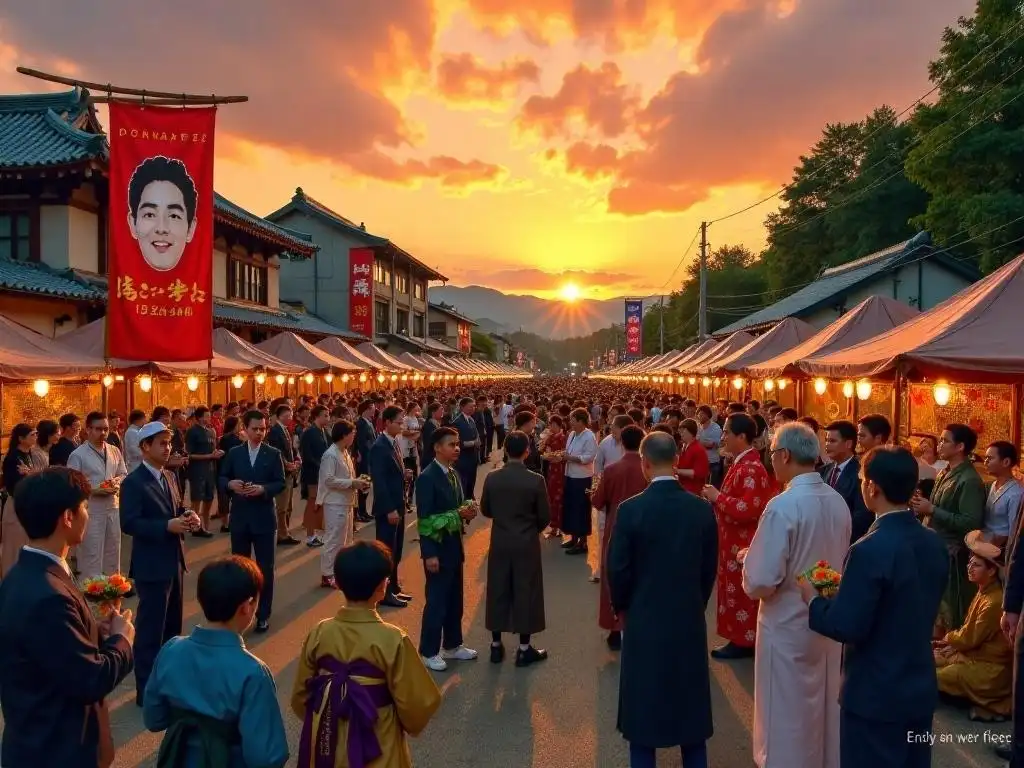
Trends in Cultural Exchange and Festival Adaptation
As Japan continues to embrace globalization, the landscape of foreign celebrations within the country is evolving rapidly. The growing trend of cultural exchange has led to a more diverse festival calendar that reflects a blend of traditional Japanese customs and global influences.
-
Increased Global Awareness
With the rise of social media and digital connectivity, there is a heightened awareness of international festivals. Japanese citizens are increasingly exposed to foreign celebrations, leading to a curiosity and desire to incorporate these events into their own cultural practices. For example, celebrations such as Halloween and Christmas have gained popularity, often adapted to fit Japanese sensibilities.
-
Fusion Celebrations
The blending of different cultural elements has given rise to unique fusion festivals. Events like the "Okinawa International Carnival" showcase local traditions alongside foreign influences, creating a vibrant atmosphere that celebrates diversity. This trend is evident in food festivals, where international cuisines are integrated into traditional Japanese culinary events.
-
Government Support and Promotion
The Japanese government has recognized the importance of cultural exchange as a means to foster international relations. Initiatives to promote foreign festivals, such as the "Japan Festival" held in various cities, encourage participation from different cultures. This support not only enhances tourism but also enriches the local cultural landscape.
-
Youth Engagement
Younger generations are more open to exploring and adopting foreign celebrations. Events like "Valentine's Day" and "New Year's Eve" are celebrated with a distinctively Japanese twist, showcasing how the youth are shaping the future of cultural traditions in Japan. This demographic shift is critical in determining which foreign celebrations gain traction in the coming years.
Predictions for the Evolution of Festivals in Japan
Looking ahead, several predictions can be made regarding the future of foreign celebrations in Japan:
-
Continued Integration
As globalization deepens, we can expect a continued integration of foreign celebrations into the Japanese cultural fabric. Festivals that resonate with Japanese values, aesthetics, or entertainment will likely thrive. For instance, festivals celebrating environmental awareness or cultural diversity may see increased popularity.
-
Technological Influence
The use of technology will play a significant role in the evolution of festivals. Virtual reality and augmented reality experiences could transform how festivals are celebrated, allowing for immersive experiences that blend traditional and foreign elements. This innovation could lead to unique events that attract both local and international participants.
-
Sustainability Focus
There is a growing emphasis on sustainability in cultural practices across the globe. Future festivals in Japan may incorporate eco-friendly practices, merging foreign celebration themes with environmental consciousness. For example, adapting festivities to promote sustainable tourism and local craftsmanship can enhance the appeal of both traditional and foreign celebrations.
-
Cultural Preservation Amidst Change
While the influx of foreign celebrations will continue, there will also be a push for preserving traditional Japanese festivals. The challenge will be to strike a balance between embracing new influences and maintaining cultural heritage. Events may evolve to reflect this duality, creating a rich tapestry of celebrations that honor the past while looking toward the future.
The future of foreign celebrations in Japan appears vibrant, marked by trends that favor cultural exchange and adaptation. As these influences continue to shape Japan's festival landscape, they will undoubtedly contribute to a dynamic and evolving cultural identity.
Conclusion: The Significance of Foreign Celebrations in Japanese Culture
Summary of the Cultural Impact of Foreign Celebrations
Foreign celebrations in Japan have had a profound effect on the cultural landscape of the nation, blending traditional customs with new influences. This integration can be observed in various festivals, which have evolved to incorporate elements from different cultures, thereby enriching Japan's social tapestry. For instance, the celebration of Christmas, although originally a Western holiday, has been embraced and adapted in Japan, featuring unique interpretations such as Christmas illuminations and KFC dinners.
One notable example is the influence of the Chinese New Year, which has been adopted in regions with large Chinese communities, such as Yokohama. Here, festivities include lion dances, fireworks, and the sharing of traditional foods, highlighting how foreign celebrations can coexist and enhance local customs.
Additionally, the importation of Halloween has transformed into a vibrant celebration, especially in urban areas like Shibuya, where crowds don elaborate costumes and partake in street parties. This phenomenon illustrates how foreign celebrations can promote social interaction and community engagement, fostering a spirit of inclusivity.
Final Thoughts on the Importance of Embracing Diversity in Festivals
Embracing foreign celebrations allows Japan to cultivate a richer cultural identity that reflects its history of interaction with the world. The incorporation of diverse festivals encourages cross-cultural understanding and appreciation, promoting a society that values diversity and inclusivity.
In an era where globalization is increasingly prevalent, the ability to adapt and celebrate foreign traditions is crucial. It not only enriches local customs but also strengthens diplomatic ties and cultural exchanges. The future of Japanese festivals lies in this ongoing dialogue between tradition and innovation, ensuring that the nation remains a vibrant tapestry of both old and new influences.
Thus, the celebration of foreign festivals in Japan is not merely an act of cultural borrowing; it is a vital component of a dynamic society that respects its roots while looking outward to the world. Through these celebrations, Japan continues to weave a beautiful narrative of cultural fusion, reflecting its unique position in the global community.
Frequently Asked Questions
What are some examples of foreign celebrations adopted in Japan?
Japan has embraced various foreign celebrations, including Christmas, Halloween, and Valentine's Day, incorporating unique local customs into these events.
How has globalization influenced foreign celebrations in Japan?
Globalization has led to an increased interest in foreign celebrations, allowing for the blending of traditional Japanese culture with international festivities, creating unique hybrid celebrations.
Are there any traditional Japanese festivals that incorporate foreign elements?
Yes, some traditional Japanese festivals have integrated foreign elements, often through the introduction of Western music and dance, reflecting the country's evolving cultural landscape.
How do Japanese people typically celebrate foreign festivals?
Japanese people often celebrate foreign festivals with gatherings that include themed decorations, special food items, and community events, showcasing their creativity in embracing these occasions.
What role do foreign celebrations play in modern Japanese society?
Foreign celebrations play a significant role in modern Japanese society by promoting cultural exchange, enhancing social interactions, and providing an opportunity for community bonding among diverse groups.
Final Reflection: Embracing Diversity Through Foreign Celebrations in Japan
The integration of foreign celebrations in Japan highlights a profound cultural adaptability that resonates deeply in today's globalized society. As we witness the blending of traditions, it becomes clear that these celebrations are not merely adopted but are transformed into unique expressions of identity. This ongoing evolution underscores the importance of cultural exchange in fostering understanding and unity among diverse communities.
The impact of foreign celebrations on Japanese culture is a testament to the nation's openness and willingness to embrace new ideas. These festivals not only enrich the cultural landscape but also serve as a bridge connecting people from different backgrounds. As the renowned Japanese author Haruki Murakami once said, The world is full of things that are not what they seem.
This sentiment echoes the essence of foreign celebrations in Japan, where each festival carries layers of meaning and significance that invite deeper exploration and appreciation.
As we reflect on the lessons learned from the adoption of foreign celebrations, let us take a moment to consider how we can incorporate this spirit of openness and acceptance into our own lives. I encourage you to explore and celebrate the diversity around you, whether through participating in a local festival or learning about different cultural traditions. By doing so, we not only honor the rich tapestry of human experience but also contribute to a more inclusive and harmonious world.
Embrace New Traditions and Celebrate Culture!
Thank you for diving into the vibrant world of festivals and traditions in Japan! Your exploration has unveiled how international celebrations enrich Japanese culture and community, fostering tolerance and joy. Now, it's time to take that inspiration and make it actionable!
Here’s how you can deepen your connection to these traditions:
- Join a local festival: Seek out a nearby cultural event or celebration where you can experience diverse traditions firsthand. Get involved in the festivities!
- Share your experience: Document your favorite cultural tradition in a blog post or on social media. Invite your friends to participate and spread the joy!
- Explore international cuisines: Try your hand at cooking a dish from a different culture. Experiment with flavors and invite friends over for a multicultural dinner!
Which tradition would you love to adopt and integrate into your own celebrations? Share your thoughts below!