
The Shifting Dynamics of Foreign Relations in PostIsolation Japan

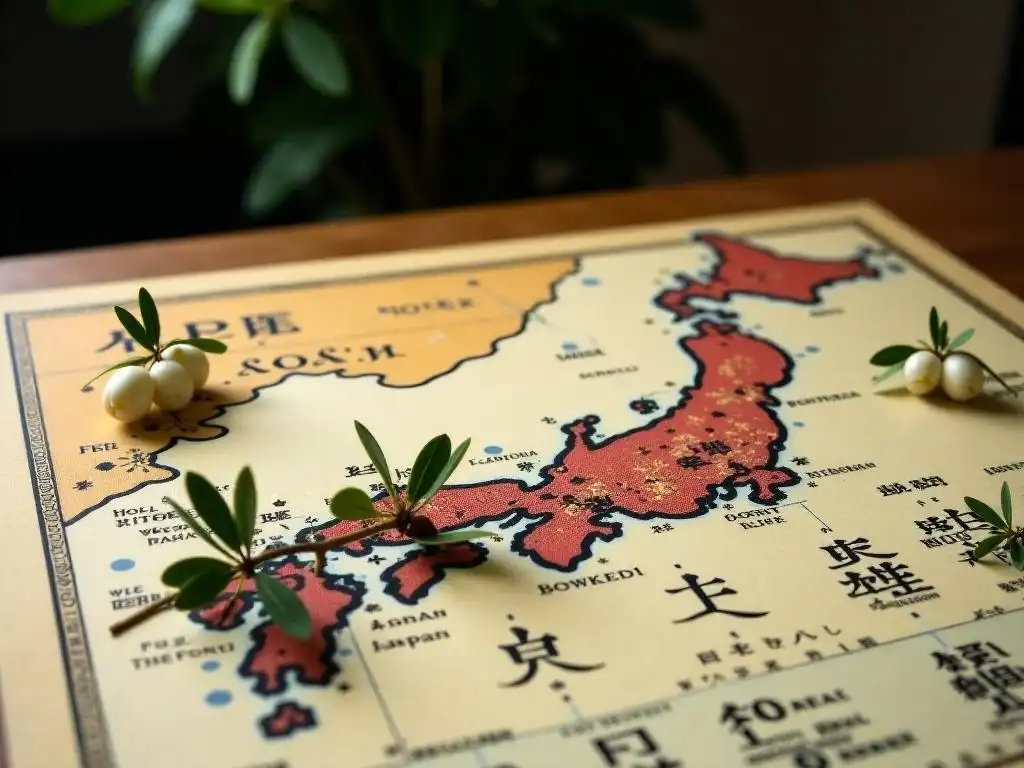
Welcome to Feudal Japan History—your portal to the intricate tapestry of Japan's feudal era. Here, we delve deep into the historical, cultural, and societal nuances that shaped this fascinating period. In our featured article, “The Shifting Dynamics of Foreign Relations in Post-Isolation Japan,” we unravel the complexities of Japan's engagement with the world after centuries of seclusion.
What pivotal changes occurred during this transformative era, and how did they redefine Japan's role on the global stage? Join us as we embark on a journey that promises to enlighten and intrigue, revealing the layers of a history often overlooked. Your exploration begins now!
Introduction to Post-Isolation Japan Foreign Relations
The transition from Japan's long-standing isolationist policies to a more engaged stance in foreign relations marked a pivotal moment in the nation's history. For over two centuries, Japan maintained a strict policy of sakoku, which limited foreign influence and trade. However, the mid-19th century heralded a dramatic shift as external pressures, particularly from Western powers, compelled Japan to reassess its position in the world.
This article explores the intricate dynamics of Japan's foreign relations in the post-isolation era, highlighting the events, figures, and policies that shaped this transformative period. Understanding these shifts not only sheds light on Japan's historical context but also provides insight into the country's subsequent development on the global stage.
Overview of Japan's Isolationist Policies
Japan's isolationist policies, known as sakoku, were instituted during the Edo period (1603-1868) under the Tokugawa shogunate. These policies restricted foreign trade and interactions primarily to the Dutch and Chinese, while banning Christianity and limiting the number of foreign ships allowed in Japanese ports. The rationale behind sakoku was to preserve Japan's cultural identity and political sovereignty, protecting the nation from colonial powers and internal strife.
- Key Features of Sakoku:
- Limited foreign trade to specific ports.
- Prohibition of Christianity and foreign missionaries.
- Strict regulations on Japanese citizens traveling abroad.
This isolation fostered a unique cultural and societal development within Japan, yet it also created vulnerabilities that would later necessitate a shift towards engagement with the outside world.
Transition from Isolation to Engagement
The transition from isolation to engagement in foreign relations was not an overnight phenomenon but rather a complex process influenced by various domestic and international factors. The mid-19th century saw increasing pressures from Western nations, eager to establish trade relations. This culminated in a series of diplomatic encounters that would alter the course of Japanese history.
Key events in this transition included:
- Increased Western Influence: The arrival of foreign ships, particularly American and European, posed a significant challenge to Japan's isolationist stance.
- Internal Political Pressures: Factions within Japan began to advocate for modernization and engagement, recognizing the need to adapt to global changes.
As these dynamics unfolded, Japan faced a critical juncture that would ultimately lead to the abandonment of its sakoku policies.
Historical Context of Foreign Relations in Japan
Understanding the historical context of Japan's foreign relations requires an examination of the events that precipitated the end of sakoku and the subsequent opening of Japan to the world.
The End of Sakoku: Factors Leading to Change
Several factors contributed to the end of Japan's isolationist policies. The most significant among these were:
- Military Pressure: Western powers, particularly the United States, demonstrated their military capabilities, compelling Japan to reconsider its isolationist stance.
- Economic Motivations: The potential for economic growth through international trade became increasingly appealing to Japanese leaders.
- Cultural Exchange: Interest in Western technology, education, and culture began to grow, prompting calls for reform among progressive factions within Japan.
These factors intertwined, creating a scenario where maintaining isolation became untenable.
The Role of Commodore Perry in Opening Japan
One of the most pivotal figures in Japan's transition from isolation to openness was Commodore Matthew Perry of the United States. In 1853, Perry led a fleet of warships to Japan, demanding the opening of Japanese ports to American trade. His approach, marked by a show of military force and diplomatic negotiation, ultimately resulted in the Treaty of Kanagawa in 1854, which ended Japan's isolationist policies.
- Key Outcomes of Perry's Mission:
- Opening of two Japanese ports to American vessels.
- Establishment of a framework for future trade agreements.
- Catalyst for Japan's broader engagement with Western nations.
Perry's expedition not only marked the end of sakoku but also initiated a period of rapid modernization and transformation within Japan, setting the stage for its emergence as a significant player on the global stage.
Key Players in Post-Isolation Japan Foreign Relations
The period following Japan's self-imposed isolation, which lasted over two centuries, marked a significant transformation in its foreign relations. As Japan emerged from isolation, various international and regional players began to shape its diplomatic landscape. Understanding the key players during this era provides insight into how Japan navigated its new position in the global arena.
The United States: A New Ally and Trade Partner
The United States played a pivotal role in reshaping Japan's foreign relations post-isolation. The arrival of Commodore Matthew Perry in 1853, with his "Black Ships," forced Japan to open its ports to American trade, effectively ending the isolationist policies of the Tokugawa shogunate. The resulting Treaty of Kanagawa in 1854 established formal relations between the two nations and marked the beginning of Japan's engagement with Western powers.
The relationship deepened throughout the latter half of the 19th century, as the United States became a crucial trade partner for Japan. This partnership was not merely economic; it also influenced Japan's modernization efforts. American technology and industrial practices were adopted, helping Japan to rapidly industrialize and strengthen its military capabilities. By the early 20th century, Japan and the United States had solidified their alliance, which would later become significant during World War I and II.
European Powers: Influence and Competition in Asia
In addition to the United States, European powers significantly impacted Japan's foreign relations. Countries such as Britain, France, and Russia sought to expand their influence in Asia, particularly in China and Korea. The Treaty of Nanking in 1842 and subsequent unequal treaties established Western dominance in China, prompting Japan to reconsider its own position.
Britain, recognizing Japan's strategic location, established a strong maritime relationship, culminating in the Anglo-Japanese Alliance of 1902. This alliance allowed Japan to gain recognition as a formidable power and provided a counterbalance to Russian expansion in Asia. Meanwhile, France and Germany also sought to engage with Japan, leading to a complex web of alliances and rivalries that characterized foreign relations in this period.
As Japan modernized, it began to assert its influence in the region, engaging in conflicts such as the First Sino-Japanese War (1894-1895) and the Russo-Japanese War (1904-1905). These conflicts not only solidified Japan's status as a major power but also highlighted the competitive nature of European and American interests in Asia, which Japan had to navigate carefully.
Asian Neighbors: Shifting Relationships with China and Korea
Japan's relationships with its Asian neighbors, particularly China and Korea, underwent significant shifts in the post-isolation era. Initially, Japan sought to learn from China, viewing it as the cultural and political center of East Asia. However, as Japan modernized and expanded its military capabilities, this relationship evolved into one of competition and conflict.
The First Sino-Japanese War marked a turning point, as Japan emerged victorious and asserted its dominance over Korea and parts of China. The Treaty of Shimonoseki (1895) forced China to recognize Korea's independence, effectively placing it under Japan's influence. This shift marked a significant change in the regional power dynamics, with Japan taking on a colonial role that would continue into the 20th century.
Korea, initially a tributary state of China, found itself caught between two powerful nations. After the annexation of Korea by Japan in 1910, relations deteriorated, leading to a painful colonial experience for the Korean people. This complex relationship highlighted the tensions that arose as Japan sought to establish itself as a leading power in Asia.
The Evolution of Japan's Foreign Policy

Japan's transition from isolationism to a more proactive foreign policy was marked by several key developments. This evolution was driven by the need to engage with the international community and secure Japan's position in a rapidly changing geopolitical landscape.
From Isolationism to Internationalism: Key Policies
The shift from isolationism to internationalism in Japan's foreign policy is often attributed to the Meiji Restoration of 1868. This period saw the Japanese government embracing modernization and engagement with the West. Key policies included the promotion of trade, diplomacy, and military expansion, which were aimed at establishing Japan as an equal among Western powers.
The government implemented significant reforms that emphasized Western education, industrialization, and military training. The Iwakura Mission (1871-1873), a diplomatic expedition to the United States and Europe, was instrumental in understanding Western political systems and technologies. These initiatives laid the groundwork for Japan's emergence as a modern nation and facilitated its entry into international diplomacy.
Japan's foreign policy during this period was characterized by a blend of aggressive expansionism and strategic alliances. The need to secure resources and markets drove Japan to pursue imperial ambitions, leading to conflicts and colonization efforts in Asia.
The Impact of the Meiji Restoration on Foreign Relations
The Meiji Restoration had a profound impact on Japan's foreign relations, fundamentally altering its approach to diplomacy and international engagement. The restoration marked a departure from the Tokugawa shogunate's isolationist policies, setting Japan on a trajectory of modernization and active participation in global affairs.
One of the most significant outcomes was the rapid industrialization of Japan, which provided the country with the means to strengthen its military and economy. The adoption of Western military techniques and technologies allowed Japan to become a formidable power in Asia, as demonstrated by its victories in the Sino-Japanese and Russo-Japanese Wars.
Additionally, the Meiji Restoration fostered a sense of national pride and identity, which fueled Japan's desire to assert itself on the world stage. The establishment of a diplomatic corps and participation in international treaties signified Japan's commitment to becoming a respected member of the global community. This transformation laid the foundation for Japan's future role in international relations and its emergence as an imperial power by the early 20th century.
Economic Implications of Post-Isolation Japan Foreign Relations
The foreign relations of Post-Isolation Japan, particularly after the Meiji Restoration in 1868, marked a significant turning point in the nation's economic landscape. As Japan emerged from centuries of isolation under the Tokugawa shogunate, it began to engage more actively with the global economy. This shift not only facilitated economic growth but also introduced innovative practices that would ultimately transform Japan into a formidable industrial power.
The strategic opening of Japan to foreign markets allowed for the influx of new technologies, ideas, and investment, which catalyzed rapid industrialization and modernization. This engagement with the international community also led to the establishment of trade routes and partnerships that were crucial for Japan's economic expansion.
Trade Agreements and Economic Growth
One of the most significant aspects of Post-Isolation Japan's foreign relations was the establishment of trade agreements with Western powers. The Treaty of Kanagawa in 1854, which was signed under duress from the United States, marked the beginning of Japan's integration into the global trading system. Subsequent treaties with nations such as Britain, France, and the Netherlands facilitated the exchange of goods and resources, leading to a diversification of the Japanese economy.
These trade agreements often included favorable terms for foreign merchants, which spurred competition and innovation within Japan. The Japanese government recognized the importance of adopting Western technology and business practices to enhance productivity. As a result, industries such as textiles, shipbuilding, and mining saw substantial growth, contributing to Japan's emergence as an economic powerhouse by the late 19th century.
Moreover, the expansion of trade led to increased revenue for the Japanese government, enabling further investments in infrastructure, education, and technological advancements. This economic growth provided a foundation for Japan to assert its influence in regional and global affairs, ultimately leading to its status as a major world power.
The Role of Foreign Investment in Japan's Development
Foreign investment played a crucial role in shaping Japan's economic development in the post-isolation period. As Japan opened its markets, it attracted capital from Western investors eager to capitalize on the nation's burgeoning industries. This influx of foreign capital was instrumental in financing the construction of railroads, factories, and other critical infrastructure.
Additionally, foreign investment brought with it expertise and technology that were vital for Japan's industrialization. Joint ventures and partnerships with Western firms allowed for the transfer of knowledge and practices that enhanced efficiency and productivity across various sectors. For instance, the establishment of modern banking systems and the introduction of Western-style corporate structures were directly influenced by foreign investment.
The government's proactive stance in fostering a favorable environment for foreign investors, coupled with a commitment to modernization, laid the groundwork for sustained economic growth. By the early 20th century, Japan had transformed from a feudal society into a leading industrial nation, with significant contributions from foreign investments that shaped its trajectory.
Cultural Exchange and Influence
The opening of Japan to the outside world resulted in profound cultural exchanges that altered Japanese society in many ways. As Western nations established diplomatic and trade relations with Japan, a flow of ideas, customs, and artistic expressions emerged, significantly influencing Japanese culture.
This cultural interchange was not merely a one-way street; it also inspired a revival and revaluation of traditional Japanese arts and practices, leading to a unique blend of Eastern and Western influences that characterized the modern Japanese identity.
Introduction of Western Culture and Ideas
The introduction of Western culture and ideas during the Post-Isolation era had a transformative impact on Japanese society. Concepts such as individualism, democracy, and scientific reasoning began to permeate Japanese thought, challenging the established norms of feudalism and collectivism.
Education reform became a priority as the Japanese government sought to adopt Western educational models. This led to the establishment of modern schools and universities, which emphasized science and technology as well as liberal arts. As a result, a new generation of Japanese intellectuals emerged, equipped with knowledge and ideas that would fuel societal change.
Moreover, Western art, literature, and fashion found their way into Japan, prompting a cultural renaissance. Artistic movements such as Yōga (Western-style painting) and the adoption of Western architectural styles reflected this cultural shift. This synthesis of foreign and indigenous elements created a vibrant cultural landscape that is still evident in contemporary Japan.
The Impact of Foreign Relations on Japanese Society
The impact of foreign relations on Japanese society during the post-isolation period was multifaceted. As Japan engaged with the world, it experienced significant social changes, including shifts in class structures and gender roles. The modernization of industries and the rise of urban centers led to new economic opportunities, which in turn facilitated the migration of people from rural areas to cities.
The growing influence of Western ideas also led to movements advocating for women's rights and social reforms. Influential figures emerged, promoting education and empowerment for women, which gradually altered traditional gender roles within Japanese society.
However, these changes were not without resistance. Traditionalists often viewed the influx of foreign influences as a threat to Japanese culture and values, leading to a complex interplay between modernity and tradition. Nonetheless, the overall impact of Post-Isolation Japan's foreign relations was a dynamic evolution of Japanese society, characterized by a blend of innovation and cultural preservation that continues to shape the nation today.
Military Developments in Post-Isolation Japan
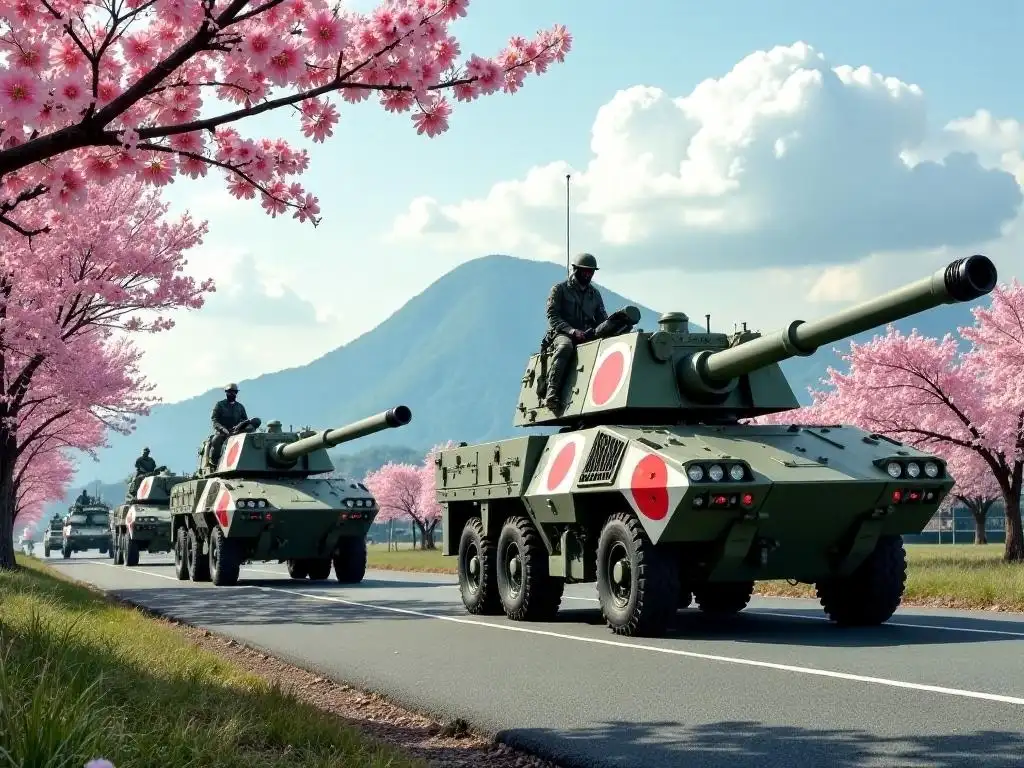
The military landscape of Japan underwent significant transformations in the post-isolation era, particularly following the Meiji Restoration in 1868. This period marked a shift from traditional samurai warfare to a modern military framework that emphasized industrialization, western military tactics, and the establishment of a professional army and navy. Japan recognized the necessity of a strong military to assert its presence on the global stage and protect its sovereignty, particularly after observing the colonization of neighboring nations.
The modernization efforts were characterized by the adoption of Western technologies and organizational structures. This included the formation of a conscript army, the establishment of military academies, and the procurement of advanced weaponry. As a result, Japan emerged as a formidable military power in East Asia, capable of competing with Western nations.
Modernization of the Japanese Military
The modernization of the Japanese military was heavily influenced by the lessons learned from encounters with Western powers. The United States and European nations provided a blueprint for military organization, technological advancement, and naval power. Japan's military reforms included:
- Conscription System: Introduced in 1873, this system mandated military service for all eligible males, ensuring a steady supply of personnel for the armed forces.
- Naval Expansion: The construction of a modern navy was prioritized, leading to the acquisition of ironclad warships and the establishment of shipbuilding facilities. By the early 20th century, Japan possessed one of the largest navies in the world, which played a crucial role in its imperial ambitions.
- Military Education: The establishment of military academies facilitated the training of officers in modern tactics and strategy, incorporating lessons from Western military doctrines.
These developments not only positioned Japan as a regional power but also set the stage for its involvement in international conflicts, including the Sino-Japanese War (1894-1895) and the Russo-Japanese War (1904-1905).
Japan's Role in Regional Conflicts and Alliances
Japan's modernization efforts directly impacted its regional influence and involvement in conflicts. With a robust military, Japan sought to expand its territory and establish itself as a dominant power in East Asia. Key events include:
- Sino-Japanese War (1894-1895): This conflict marked Japan's emergence as a major power, as it defeated China and gained Taiwan and other territories. The victory demonstrated Japan's military capabilities and shifted the regional balance of power.
- Russo-Japanese War (1904-1905): Japan's successful campaign against Russia solidified its status as an imperial power and was the first time an Asian nation defeated a European power in modern history. This victory garnered international recognition and respect.
- Alliance with Britain: In 1902, Japan signed an alliance with Britain, which provided diplomatic support and bolstered its military standing against potential threats from Russia and the United States. This alliance was crucial in establishing Japan as a key player in global politics.
Through these conflicts and alliances, Japan not only expanded its territory but also engaged in a complex interplay of diplomacy and military strategy in a rapidly changing international landscape.
Challenges and Tensions in Post-Isolation Foreign Relations
Despite Japan's military advancements and territorial expansions, the post-isolation era was fraught with challenges and tensions in its foreign relations. Balancing national interests with external pressures became increasingly complex as Japan sought to assert its identity on the global stage.
Balancing Relations with Western Powers
As Japan opened up to the world, it faced the challenge of navigating relationships with powerful Western nations. The desire to be recognized as an equal among these powers often conflicted with the realities of imperialism and colonialism. Key aspects of this balancing act included:
- Diplomatic Engagement: Japan engaged in diplomacy to secure treaties that favored its interests, such as the Treaty of Portsmouth in 1905, which recognized Japan's territorial gains after the Russo-Japanese War.
- Economic Dependence: Japan's industrialization created an economic dependency on Western technologies and markets. This reliance influenced its foreign policy, often leading to tensions when national interests clashed with those of Western powers.
- Cultural Exchange and Adaptation: While Japan sought to modernize, it also struggled with cultural identity. The adoption of Western customs and practices led to internal debates about maintaining traditional values versus embracing modernization.
These dynamics illustrated Japan's efforts to assert itself while dealing with the complexities of international relations shaped by Western dominance.
Internal Struggles: Nationalism vs. Globalism
The post-isolation period in Japan was not only marked by external challenges but also by internal ideological struggles. The tension between nationalism and globalism defined Japanese society and influenced its foreign policy decisions:
- Rise of Nationalism: As Japan modernized, a sense of national pride and identity emerged, leading to a surge in nationalist sentiments. This nationalism often manifested in expansionist policies and the desire to establish Japan as a leading power in Asia.
- Globalism and International Cooperation: Conversely, there was a growing movement that advocated for global cooperation and integration into the international community. This perspective emphasized collaboration over conflict and sought to position Japan as a responsible global player.
- Conflict of Ideologies: The clash between these ideologies created internal divisions, with nationalists often opposing globalist policies. This ideological battle influenced Japan's approach to foreign relations, leading to fluctuating alliances and conflicts.
Ultimately, these internal struggles shaped Japan's trajectory in the post-isolation era, impacting its foreign relations and its interactions with both regional neighbors and Western powers.
Conclusion: The Legacy of Post-Isolation Japan Foreign Relations
The foreign relations of Japan in the post-Isolation period have left an indelible mark on the nation's identity and its interactions on the global stage. The transition from a secluded society to one that actively engages with international powers has shaped not only Japan’s diplomatic strategies but also its cultural and economic landscapes. The legacy of this transformation is multi-faceted, influencing everything from trade agreements to cultural exchanges and military alliances. As Japan embraced foreign relations, it paved the way for significant modernization and development, allowing the nation to emerge as a key player in global affairs.
Moreover, the relationships that Japan forged during this time laid the groundwork for its contemporary diplomatic endeavors. The historical context of treaties, alliances, and conflicts has shaped Japan’s approach to international law, trade practices, and regional cooperation. Understanding this legacy is crucial for grasping the complexities of Japan’s current foreign relations, as the echoes of its post-Isolation policies continue to resonate in discussions about security, trade, and cultural diplomacy.
Long-term Impact on Modern Japan's Foreign Policy
Modern Japan's foreign policy reflects a blend of historical influences and contemporary challenges. The post-Isolation period established foundational principles, such as a commitment to peace and economic cooperation, which remain central to Japan's diplomatic philosophy today. The Treaty of Kanagawa in 1854 marked the beginning of Japan’s engagement with Western powers, emphasizing the importance of treaties and international dialogue. This approach has evolved into Japan's current stance on multilateralism, where it actively participates in international organizations such as the United Nations and the World Trade Organization.
Another significant impact is Japan's strategic alliances, particularly with the United States. The post-war partnership established a security framework that continues to shape Japan's defense policies and international relations. Japan’s post-Isolation experiences have also influenced its efforts to promote soft power through cultural diplomacy, showcasing its rich heritage and technological advancements globally.
Furthermore, Japan’s foreign aid initiatives can be traced back to its post-Isolation policies, where the nation sought to contribute positively to international development. This commitment to providing assistance to developing nations reflects Japan’s understanding of its role in fostering global stability and prosperity, rooted in its historical experiences of isolation and subsequent engagement.
Future Prospects for Japan’s Role on the Global Stage
Looking ahead, Japan’s role on the global stage is poised for further evolution, driven by both opportunities and challenges. As geopolitical dynamics shift, particularly with the rise of China and the unpredictability of North Korea, Japan will need to adapt its foreign relations strategies to navigate this complex environment. Strengthening alliances with like-minded countries, enhancing defense capabilities, and engaging in regional security dialogues will be crucial for Japan’s future security landscape.
Additionally, Japan’s commitment to addressing global issues such as climate change, economic inequality, and health crises positions it as a potential leader in international cooperation. By leveraging its technological expertise and soft power, Japan can play a significant role in shaping global norms and policies in these areas.
Moreover, Japan's approach to foreign relations will likely continue to emphasize a balance between its historical legacy and contemporary realities. The lessons learned from its post-Isolation era will guide Japan as it seeks to foster constructive relationships while asserting its interests in an increasingly interconnected world. The trajectory of Japan's foreign relations will be pivotal not only for its own national interests but also for maintaining stability and cooperation in the broader Asia-Pacific region.
- Introduction to Post-Isolation Japan Foreign Relations
- Historical Context of Foreign Relations in Japan
- Key Players in Post-Isolation Japan Foreign Relations
- The Evolution of Japan's Foreign Policy
- Economic Implications of Post-Isolation Japan Foreign Relations
- Cultural Exchange and Influence
- Military Developments in Post-Isolation Japan
- Challenges and Tensions in Post-Isolation Foreign Relations
- Conclusion: The Legacy of Post-Isolation Japan Foreign Relations
- What were the main factors that influenced foreign relations in Post-Isolation Japan?
- How did the Meiji Restoration impact Japan's foreign relations?
- What role did the Treaty of Kanagawa play in Post-Isolation Japan?
- How did Japan's foreign relations evolve during the late 19th century?
- What were the consequences of Japan's foreign relations in the early 20th century?
Frequently Asked Questions
What were the main factors that influenced foreign relations in Post-Isolation Japan?
The main factors included the country's economic needs, the pressure from Western powers, and the desire to modernize its military and industry.
How did the Meiji Restoration impact Japan's foreign relations?
The Meiji Restoration marked a significant shift, as Japan sought to engage with Western nations, leading to treaties that opened ports and established diplomatic ties.
What role did the Treaty of Kanagawa play in Post-Isolation Japan?
The Treaty of Kanagawa in 1854 was crucial as it ended Japan's self-imposed isolation, allowing for trade relations with the United States and other countries.
How did Japan's foreign relations evolve during the late 19th century?
During the late 19th century, Japan transitioned from a closed society to an imperial power, engaging with multiple nations and asserting its presence in Asia.
What were the consequences of Japan's foreign relations in the early 20th century?
The consequences included Japan's expansionist policies, leading to conflicts such as the Russo-Japanese War and establishing Japan as a significant player on the global stage.
Final Reflection: Embracing Change in Post-Isolation Japan's Foreign Relations
The evolution of Post-Isolation Japan's foreign relations is not merely a historical narrative but a living testament to the power of adaptability in the face of global challenges. As we navigate an increasingly interconnected world, the lessons learned from Japan's transformation remind us that the dynamics of diplomacy are constantly shifting. The ability to forge new alliances and redefine old ones is crucial for any nation seeking to thrive in the modern era.
Clearly, the impact of Japan's foreign relations extends beyond its borders, influencing global politics and economics in profound ways. The interplay between tradition and modernity in Japan's diplomatic strategies serves as a model for other nations grappling with their own identities in a globalized context. In the realm of international relations, the only constant is change.
This ongoing evolution invites us to reflect on how cultural heritage can coexist with progressive policies, fostering a unique approach to global engagement.
As we consider the future of foreign relations in a post-Isolation Japan, I encourage you to reflect on your own role within this global tapestry. How can you contribute to fostering understanding and collaboration in your community? By embracing the lessons of adaptability and openness, we can all play a part in shaping a more interconnected and harmonious world. Let us take inspiration from Japan's journey and commit ourselves to being proactive participants in the ever-evolving landscape of international relations.
Embrace the Journey of Global Understanding!
Thank you for taking the time to explore the fascinating shifts in foreign relations in post-Isolation Japan. We've uncovered valuable insights into how Japan re-engaged with the world, and now it’s your turn to dive deeper!
Here are some actionable steps you can take today:
- Explore deeper: Read more about Japan's foreign relations by checking out our detailed articles and timelines on our dedicated website.
- Join the conversation: Share your thoughts or insights on our social media platforms—what surprises you the most about Japan's transition?
- Connect with a community: Engage in online forums or local history groups to discuss and expand your understanding of Japan's international relations.
What aspect of Japan's post-Isolation foreign policy intrigues you the most, and how do you think it has shaped the world we live in today?