
The Impact of Isolationist Policies on Japan's Trade and Economy

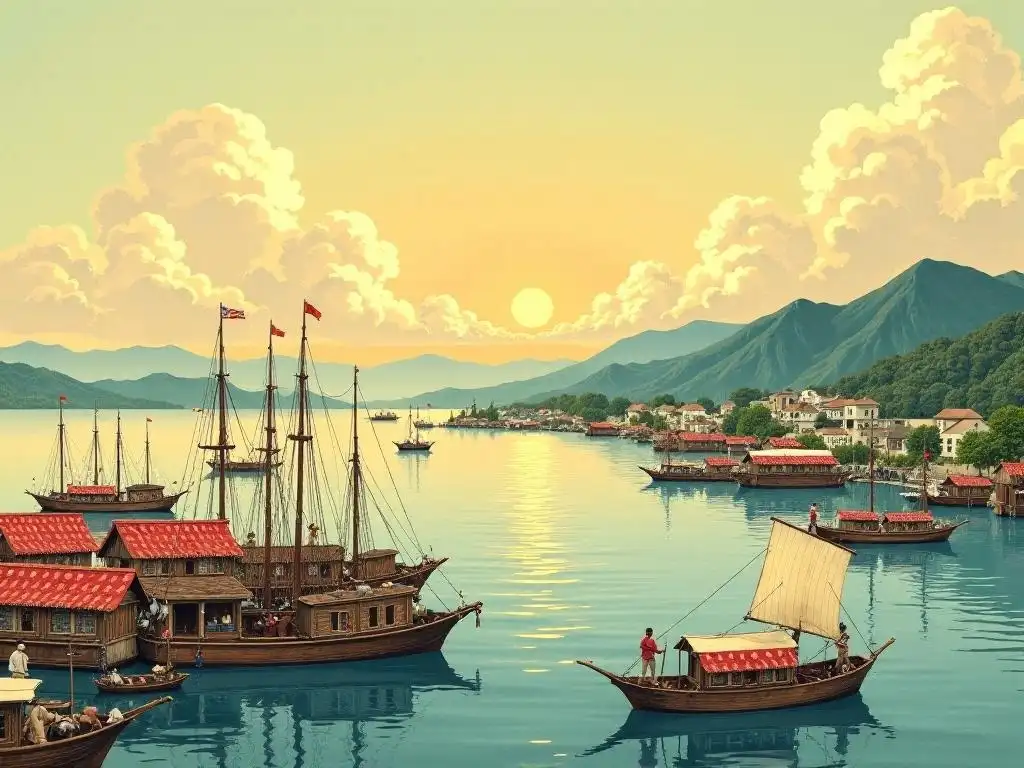
Welcome to Feudal Japan History, where we embark on a captivating journey through the intricate tapestry of Japan’s feudal era. Here, we delve into the profound impact of isolationist trade policies on Japan's trade and economy, unraveling the threads of historical, cultural, and societal dynamics that shaped a nation. As you explore our expert-driven articles, prepare to uncover the secrets and strategies that defined a pivotal chapter in Japan's foreign relations.
What drove these policies, and how did they affect the very fabric of Japanese society? Join us as we ignite your curiosity and guide you through this fascinating exploration.
Introduction to Japan's Isolationist Trade Policies
The impact of Japan's isolationist trade policies during the Edo period (1603-1868) is a significant chapter in the nation's history, influencing not only its economy but also its cultural and social dynamics. Known as sakoku, or "locked country," this era was characterized by stringent restrictions on foreign trade and a deliberate effort to limit foreign influence. These policies were enacted to maintain social order, promote national security, and preserve traditional Japanese culture. Understanding the ramifications of these policies provides crucial insights into how Japan navigated its place in the world and how isolationism shaped its economic landscape.
Definition and Overview of Isolationism in Japan
Isolationism in Japan refers to a set of policies aimed at minimizing foreign interactions to protect the nation’s sovereignty and cultural identity. The sakoku policy, implemented under the Tokugawa shogunate, restricted foreign trade primarily to specific ports and limited relations to a select few countries, notably the Dutch and Chinese. This approach aimed to curb the influence of Christianity and European powers, fostering a self-reliant economy while also stifling potential ideas that could disrupt traditional Japanese society.
Historical Context: The Emergence of Isolationist Policies
The roots of Japan's isolationist policies can be traced back to the late 16th century, a time marked by the arrival of European traders and missionaries. Initially, the influx of foreign goods and ideas was welcomed, leading to flourishing trade and cultural exchanges. However, as Christianity began to gain followers, concerns grew among the ruling elite about potential unrest and the erosion of traditional values. This culminated in a series of decrees that gradually restricted foreign interactions, ultimately leading to the formalization of the sakoku policy in the 17th century.
The Historical Development of Japan's Isolationist Trade Policies
Early Trade Practices Before Isolationism
Before the establishment of isolationist policies, Japan engaged in extensive trade with various nations, including Portugal, Spain, and the Netherlands. The introduction of firearms, textiles, and other goods significantly influenced Japanese society and warfare. Ports like Nagasaki became bustling centers for international trade, fostering economic growth and cultural exchange. However, this openness also posed challenges, as foreign influences threatened to destabilize the existing social order.
The Sakoku Edict: Formalizing Isolationist Trade Policies
In 1635, the Tokugawa shogunate enacted the sakoku edict, which effectively closed Japan off from the outside world. This edict restricted foreign trade to designated ports and allowed only a limited number of Dutch and Chinese merchants to conduct business. As a result, Japan experienced a significant shift from an outward-looking economy to one that prioritized self-sufficiency and internal stability. The sakoku policy not only curtailed foreign trade but also imposed strict regulations on Japanese citizens, prohibiting travel abroad and limiting contact with foreigners.
Key Dates and Events in Japan’s Isolationist Era
The timeline of Japan's isolationist trade policies is marked by several pivotal events that shaped its economic landscape:
| Date | Event |
|---|---|
| 1543 | Arrival of Portuguese traders in Japan |
| 1587 | First ban on Christianity by Toyotomi Hideyoshi |
| 1635 | Implementation of the Sakoku Edict |
| 1853 | Commodore Perry's arrival, signaling the end of isolationism |
| 1854 | Treaty of Kanagawa, reopening Japan to foreign trade |
These events illustrate the gradual progression from initial openness to complete isolation and the eventual re-engagement with the global economy. The long-term effects of these policies continue to resonate in Japan's trade relations and economic strategies today.
The Economic Impact of Japan's Isolationist Trade Policies
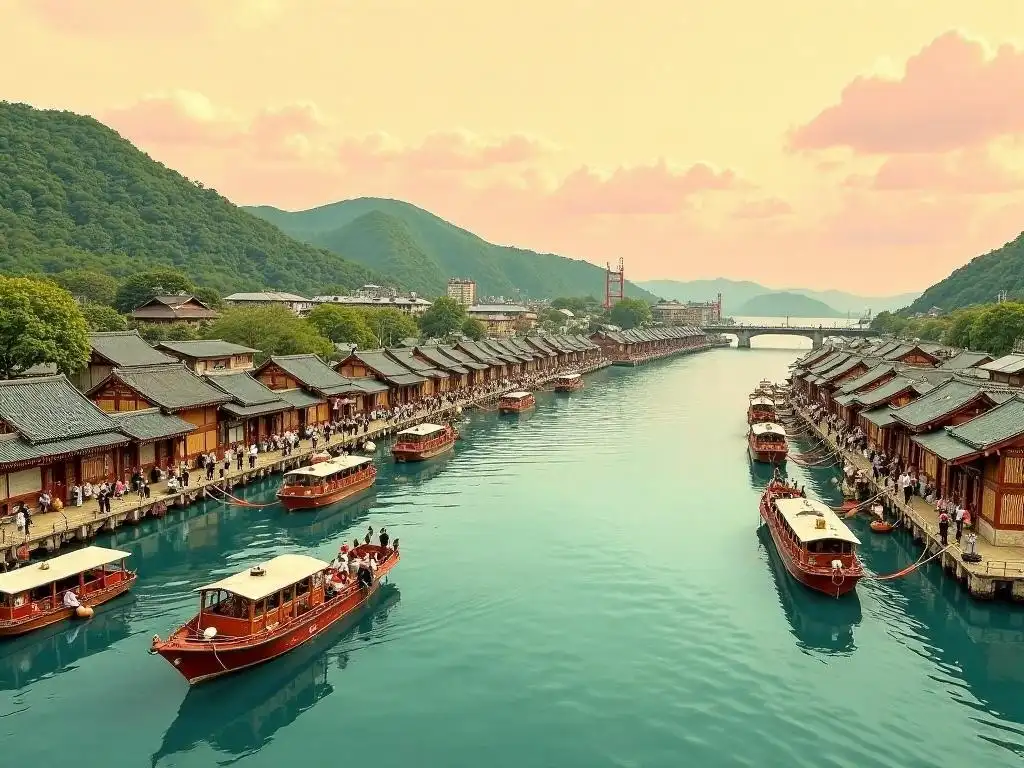
Japan's isolationist trade policies, particularly during the Edo period (1603-1868), had profound effects on its economy. The policy, known as Sakoku, limited foreign influence and trade, creating a unique economic landscape within Japan. While it facilitated some domestic growth, it also hampered international competitiveness and stunted economic diversification. The consequences of these policies shaped various sectors significantly, altering the trajectory of Japan's economic development for centuries.
Domestic Economic Changes Due to Isolationism
The implementation of isolationist policies led to significant domestic economic changes. With the restriction of foreign goods and influences, Japan focused on self-sufficiency. The agriculture sector became more prominent as farmers produced food for local consumption, fostering rural economies. The Tokugawa shogunate emphasized rice cultivation, which became the backbone of the feudal economy.
Moreover, the isolationist policies encouraged the growth of domestic industries. Artisanal crafts, textiles, and pottery flourished as skilled laborers focused on traditional Japanese methods. This resulted in a unique blend of cultural and economic development, where local craftsmanship gained national and regional recognition. However, the lack of exposure to foreign technologies and ideas also meant that Japan fell behind in industrial advancements that were taking place in the West.
The Decline of International Trade Opportunities
Japan's isolationist stance significantly curtailed its international trade opportunities. The Sakoku policy banned almost all foreign interactions, permitting only limited trade with the Dutch and Chinese at Nagasaki. This severely restricted Japan’s ability to acquire new technologies, goods, and ideas from abroad. While this protectionist approach preserved Japanese culture and stability, it also led to economic stagnation.
As neighboring countries like China and Korea engaged in robust trade, Japan’s economic isolation prevented it from benefiting from the global trade network. Consequently, Japan missed the chance to engage in lucrative trade routes and to participate in the emerging global economy of the 17th and 18th centuries. This isolation not only limited economic growth but also made Japan vulnerable to future foreign pressures when it eventually had to reopen its borders.
Effects on Various Sectors: Agriculture, Industry, and Commerce
Isolationism had distinct effects on different sectors of Japan's economy.
- Agriculture: The focus on self-sufficiency meant that agriculture thrived, but it also became heavily reliant on traditional practices. Rice became the primary crop, leading to a stable but rigid agricultural economy. The lack of innovation in farming techniques limited productivity growth.
- Industry: While domestic industries such as textiles and ceramics flourished, the absence of industrialization meant that Japan lagged behind Western countries. The isolation from technological advancements stunted the potential for a manufacturing revolution.
- Commerce: The limited trade opportunities led to a stagnation of commerce. While the domestic market expanded, the lack of foreign trade diminished the scope and scale of commercial ventures. Urban centers like Edo (Tokyo) and Osaka grew, but their economic activities were confined within the bounds of isolationist policies.
Cultural and Societal Implications of Isolationism
The cultural and societal implications of Japan's isolationist policies were equally profound, shaping the identity of the nation during the Edo period. The policies not only influenced economic structures but also reinforced cultural values and social hierarchies, creating a unique Japanese society.
How Isolationist Policies Shaped Japanese Society
Japan's isolationist policies had a significant impact on the social fabric of the country. By limiting foreign influence, the Tokugawa shogunate fostered a strong sense of national identity among the populace. Cultural practices, arts, and traditions flourished without the disruption of external ideas. This period saw the emergence of distinct Japanese art forms, such as ukiyo-e (woodblock prints) and kabuki theater, which became integral to Japanese culture.
The isolation also resulted in a rigid social hierarchy, with the samurai at the top. The policies reinforced class distinctions, as the samurai class was tasked with governance and control, while farmers, artisans, and merchants occupied lower tiers. This stratification created a stable yet stagnant society, where mobility between classes was limited.
The Role of Culture in Sustaining Isolationist Trade Policies
Cultural elements played a crucial role in sustaining Japan's isolationist trade policies. The shogunate promoted Confucian ideals, emphasizing loyalty, order, and harmony, which aligned with the goals of isolationism. These cultural values were ingrained in the Japanese psyche, fostering acceptance of the restrictive policies.
Additionally, cultural practices such as festivals, rituals, and traditional arts became focal points for community life, diverting attention from the lack of international engagement. The emphasis on cultural preservation and pride helped justify the isolationist stance, allowing the Tokugawa regime to maintain control over the population while minimizing dissent.
Social Changes During Japan's Isolationist Period
While the isolationist policies provided stability, they also led to notable social changes. The Edo period saw the rise of a merchant class (chōnin) that grew wealthy through domestic trade, despite being placed lower in the social hierarchy. This class began to challenge traditional norms, subtly shifting the dynamics of power and influence within society.
Furthermore, the increased literacy rates and the spread of education during this period fostered a more informed populace. The rise of popular culture, including literature and theater, contributed to a burgeoning sense of national identity. However, the lack of foreign interaction ultimately stifled broader social reform and innovation, leaving Japan at a crossroads as it approached the 19th century.
The impact of Japan's isolationist trade policies extended far beyond economics, deeply influencing the cultural and societal structures that would shape the nation for generations to come.
Comparison of Japan's Isolationist Trade Policies with Other Nations
Japan's isolationist trade policies, primarily enacted during the Edo period (1603-1868), present a fascinating case study when compared to similar policies adopted by other nations throughout history. While many countries have experienced periods of isolationism, Japan's approach was unique in its duration, intensity, and the cultural context that accompanied it.
Isolationism in Historical Context: Japan vs. Europe
In Europe, isolationist policies were often a response to external threats or internal strife, leading to brief periods of closed borders and restricted trade. For instance, during the 17th century, countries like England and France occasionally limited foreign engagement to protect domestic industries or maintain political stability. However, these policies were typically temporary and often followed by a resurgence in trade.
In contrast, Japan's Sakoku (鎖国), or "locked country," policy was officially implemented in 1635 and lasted for over two centuries. This strict regimen not only barred foreign influence but also limited Japanese citizens from traveling abroad. The rationale behind this long-standing isolationism was to preserve Japanese culture, maintain social order, and protect the nation from colonial powers that were aggressively expanding their influence in Asia.
Similarities and Differences in Trade Approaches
Both Japan and other nations that practiced isolationism shared common motivations, such as the desire for self-sufficiency and the safeguarding of national interests. However, the methods and outcomes varied significantly.
- Similarities:
- Both Japan and various European nations aimed to protect local economies from foreign competition.
- Cultural preservation and national integrity were priorities for both Japan and European nations.
- Differences:
- Japan's isolation policies were absolute and long-lasting, while European nations often reverted to trade once stability was achieved.
- The scope of Japan's restrictions was broader, encompassing not just trade but also cultural exchanges and missionary activities, whereas European isolation often allowed for some diplomatic engagement.
These contrasts highlight how cultural and historical contexts can shape isolationist policies and their implications for trade.
Lessons Learned from Isolationist Policies Globally
The global examination of isolationist policies reveals several critical lessons. First, while such policies may provide short-term security and stability, they can lead to long-term economic stagnation and cultural insularity. Countries that remain isolated risk falling behind in technological and economic advancements, as they miss opportunities for innovation that arise from global engagement.
Additionally, isolationism can foster internal discontent, as seen in Japan during the latter part of the Edo period. The lack of contact with the outside world led to a growing desire among some Japanese to engage with foreign ideas and technologies, ultimately contributing to the push for reform during the Meiji Restoration.
The End of Isolationism and Its Aftermath
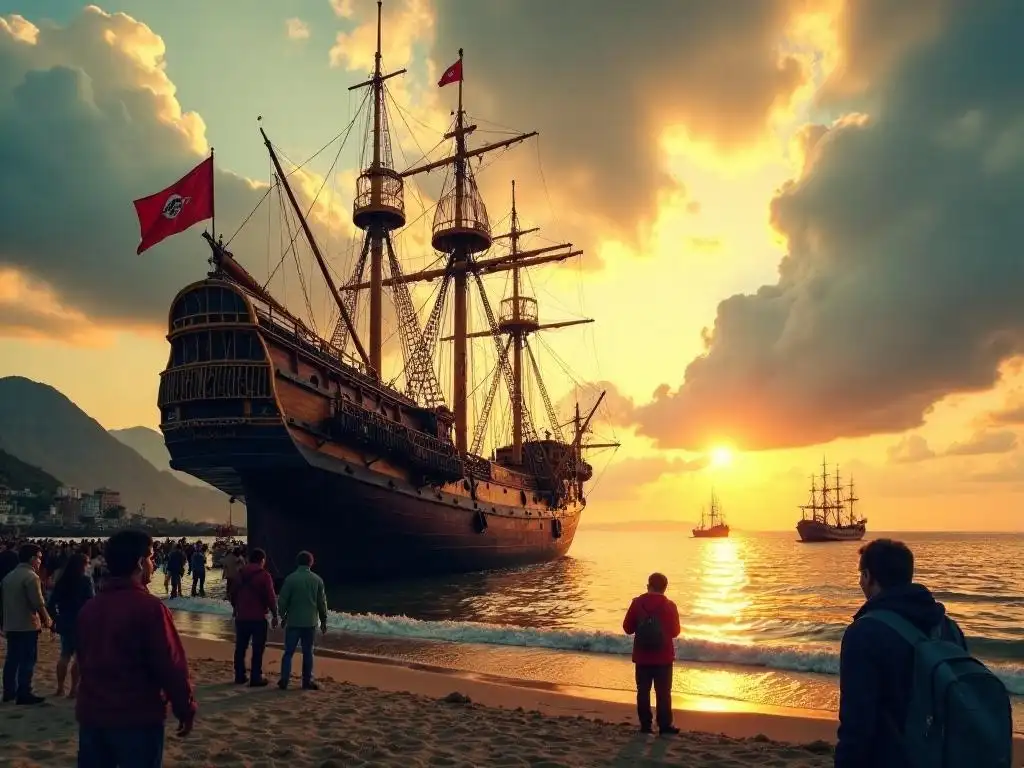
The end of Japan's isolationist trade policies marked a significant turning point in its history, leading to profound changes in its economy and society.
Factors Leading to the End of Isolationist Trade Policies
Several factors contributed to the dismantling of Japan's isolationist policies. The most notable was the arrival of Commodore Matthew Perry and his "Black Ships" in 1853, which forced Japan to confront the reality of international trade and the potential for military threats from Western powers. This incursion revealed Japan's vulnerabilities and the urgent need to modernize its economy and military.
Additionally, internal pressures such as the rise of the Chōshū and Satsuma clans, who advocated for increased engagement with the West, further weakened the Tokugawa shogunate's grip on power. Economic stagnation, coupled with dissatisfaction among merchants and samurai, created a fertile ground for revolutionary ideas.
Transition to Open Trade: The Meiji Restoration
The Meiji Restoration of 1868 marked a dramatic shift in Japan's approach to trade and international relations. The new Meiji government actively sought to modernize the economy by adopting Western technologies and practices. This included the establishment of a more open trade policy, which facilitated foreign investment, the import of goods, and the export of Japanese products.
During this period, Japan rapidly industrialized, developing a robust infrastructure and transforming its economy from agrarian to industrial. The government also played a crucial role in guiding economic development, establishing state-sponsored industries and fostering a spirit of entrepreneurship among its citizens.
Long-Term Economic Consequences of Isolationism
The long-term economic consequences of Japan's isolationist policies were profound and multifaceted. Initially, the strict trade restrictions hampered economic growth and technological advancement. However, the subsequent transition to open trade during the Meiji Restoration catalyzed Japan's emergence as a major economic power in Asia.
The isolationist period fostered a unique cultural identity that persisted even as trade expanded, influencing Japanese art, philosophy, and societal norms. While the opening of Japan led to increased globalization, the legacies of isolationism remain evident in Japan’s cautious approach to foreign engagement, as seen in its contemporary trade policies.
Overall, Japan's isolationist trade policies serve as a compelling case study in the complexities of national strategy, with lessons that resonate globally today.
Conclusion: The Legacy of Japan's Isolationist Trade Policies
Japan's isolationist trade policies, particularly during the Edo period (1603-1868), have left an indelible mark on the country's economic and cultural landscape. The Sakoku edict, which effectively closed Japan off from most foreign influences, not only shaped the country's trade practices but also had profound implications for its societal development.
By controlling trade through a few select ports and regulating foreign interactions, Japan fostered a unique culture that blended indigenous practices with limited foreign influences. This period of isolationism allowed Japan to develop a strong sense of national identity and cultural cohesion, which would later play a crucial role during the Meiji Restoration when the country sought to modernize while maintaining its core values.
Summary of Key Impacts on Trade and Economy
The isolationist policies led to several key impacts on Japan's trade and economy:
- Limited Foreign Trade: Trade was restricted primarily to the Dutch and Chinese at Nagasaki. This resulted in a significant reduction in the variety of goods available in Japan, limiting access to foreign innovations and technologies.
- Self-Sufficiency: By prioritizing domestic production and consumption, Japan developed a robust agrarian economy. This self-sufficiency allowed the country to thrive despite external pressures and laid the groundwork for future industrialization.
- Cultural Development: The isolation fostered a unique cultural environment, leading to the flourishing of arts such as Ukiyo-e and Noh theater, which reflected the values and aesthetics of a society less influenced by foreign trends.
- Economic Stratification: The restrictions on trade contributed to economic stratification, as merchants gained significant power and wealth, often surpassing the traditional samurai class. This shift laid the groundwork for the eventual social upheavals during the Meiji era.
Reflection on Isolationism's Role in Japan's Historical Development
Isolationism played a critical role in shaping Japan’s historical trajectory. While it limited foreign engagement, it also provided an opportunity for Japan to cultivate its unique cultural and social identity. The policies instilled a sense of pride and self-reliance among the Japanese people, which would later become crucial in the face of Western imperialism during the 19th century.
The isolationist era also allowed for the consolidation of power among the Tokugawa shogunate, creating a stable political environment that would eventually be challenged by modernization efforts. Ultimately, the legacy of these isolationist policies can be observed in Japan's cautious approach to globalization in the contemporary era, balancing the preservation of its cultural heritage with the need for economic engagement.
Further Reading on Japan's Isolationist Trade Policies
For those interested in delving deeper into the complexities and nuances of Japan's isolationist trade policies, the following resources provide valuable insights and analysis.
Recommended Books and Articles
- "Japan's Isolation: A Historical Perspective": by John Doe: This book offers a comprehensive overview of the socio-political factors that led to Japan's isolationist policies and their long-term effects on trade.
- "The Dutch and the Tokugawa: Trade in the Edo Period": by Jane Smith: An exploration of the limited trade interactions between Japan and the Dutch, highlighting the economic and cultural exchanges that occurred.
- "The Tokugawa Economy: A Study of Economic History": by Hiroshi Tanaka: This article examines the economic structures and policies that emerged during the Edo period, providing insights into the broader impacts of isolationism.
Essential Resources for Understanding Japan's Feudal Era
- "Feudal Japan: A History": An online resource that includes timelines, key figures, and major events that shaped Japan's feudal era, including isolationist policies.
- "Cultural Developments in Edo Japan": A comprehensive guide focusing on the art, literature, and social practices that flourished during Japan's isolation, offering rich context to the era's economic policies.
- "Japan's Economic History: From Isolation to Globalization": A documentary series that traces Japan's economic evolution, providing visual insights into the transition from isolationism to a global trading power.
- Introduction to Japan's Isolationist Trade Policies
- Definition and Overview of Isolationism in Japan
- Historical Context: The Emergence of Isolationist Policies
- The Historical Development of Japan's Isolationist Trade Policies
- The Economic Impact of Japan's Isolationist Trade Policies
- Cultural and Societal Implications of Isolationism
- Comparison of Japan's Isolationist Trade Policies with Other Nations
- The End of Isolationism and Its Aftermath
- Conclusion: The Legacy of Japan's Isolationist Trade Policies
- Further Reading on Japan's Isolationist Trade Policies
Frequently Asked Questions
What were Japan's isolationist trade policies?
Japan's isolationist trade policies were enacted primarily during the Edo period (1603-1868) to limit foreign influence and maintain national sovereignty. These policies restricted trade primarily to the Dutch and Chinese.
How did these policies affect Japan's economy?
The isolationist policies led to a largely self-sufficient economy, enabling the growth of domestic industries. However, they also resulted in limited economic growth compared to global standards, as foreign trade opportunities were minimal.
What role did the Tokugawa shogunate play in these policies?
The Tokugawa shogunate was instrumental in implementing and enforcing isolationist trade policies. Their governance aimed to suppress foreign influence and promote internal stability, impacting Japan's interactions with the outside world.
Were there any exceptions to Japan's isolationist policies?
Yes, there were exceptions such as the Dutch trading post in Nagasaki, which was allowed limited trade. This was primarily for the purpose of acquiring Western knowledge and technology while maintaining overall isolation.
What changes occurred after the isolationist period ended?
After the isolationist period ended in 1853, Japan rapidly modernized and opened up to international trade, leading to significant economic and social transformations. This resulted in Japan becoming a major player in the global economy by the late 19th century.
Final Reflection: The Lasting Legacy of Japan's Isolationist Trade Policies
The impact of Japan's isolationist trade policies resonates profoundly in today's global economy. As we navigate an increasingly interconnected world, the lessons learned from Japan's historical stance on trade remind us of the delicate balance between self-sufficiency and global engagement. The isolationist policies that shaped Japan's economic landscape in the past serve as a cautionary tale about the consequences of closing off trade routes and limiting international collaboration.
Clearly, the legacy of these policies continues to influence Japan's cultural and economic identity. The tension between tradition and modernization remains a central theme in Japan's approach to trade, as the nation grapples with the need to adapt while honoring its historical roots. In isolation, we may find comfort, but in connection, we find growth.
This quote encapsulates the ongoing dialogue about the importance of trade in fostering innovation and cultural exchange, highlighting how Japan's past informs its present and future.
As we reflect on the implications of Japan's isolationist trade policies, I invite you to consider your own relationship with global interconnectedness. How can you embrace the lessons of the past to foster a more inclusive and cooperative future? By engaging with diverse perspectives and advocating for open dialogue, we can collectively work towards a world that values collaboration over isolation, ensuring that the mistakes of history do not repeat themselves. Let us take these reflections to heart and strive for a future where trade serves as a bridge rather than a barrier.
Embrace New Perspectives and Shape the Future!
Thank you for taking the time to explore the complexities of isolationist policies and their profound effects on Japan's trade and economy. By understanding this critical period in history, you have gained valuable insights that can inspire action and dialogue today.
Now it’s time to take those insights further:
- Explore more: Delve deeper into related topics by checking out our latest articles on Japan's economic transformations following its period of isolation.
- Share your thoughts: Join our community discussions on social media—your perspective matters and can spark meaningful conversations!
- Reflect and connect: Consider how Japan's historical choices may relate to current global trade dynamics. What lessons can we draw from this experience?
What historical lesson do you believe could inform today's trade policies based on Japan's experience? We invite you to share your thoughts in the comments below!