
Cultural Preservation during Isolation: What Japan Learned from the Past

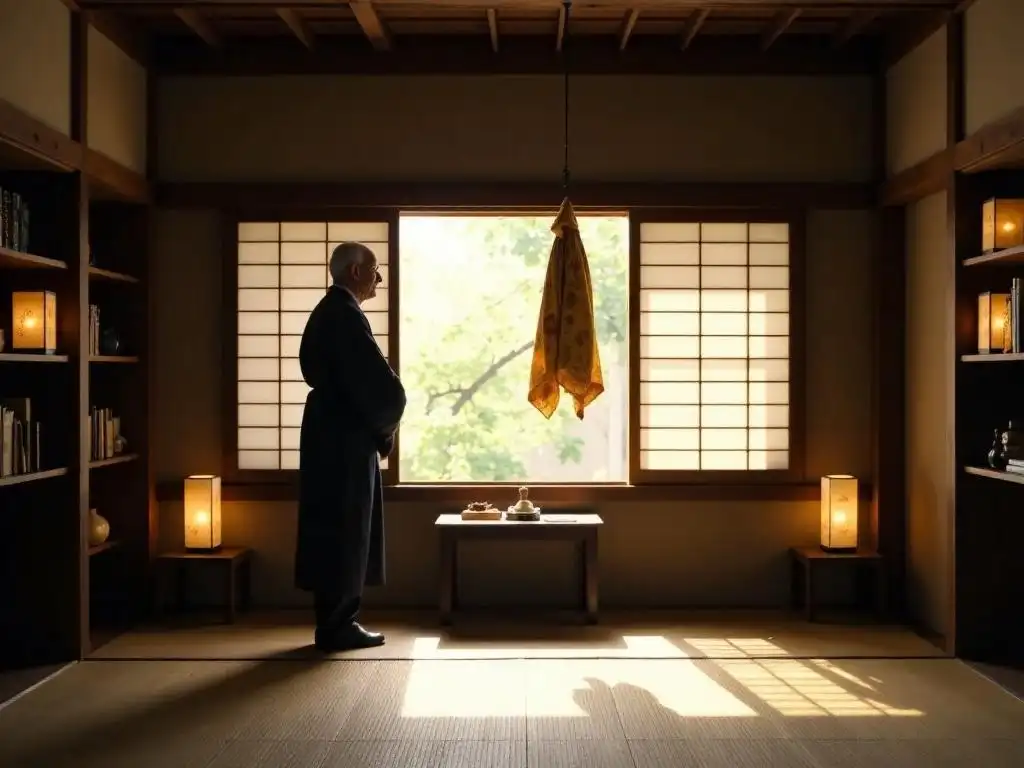
Welcome to Feudal Japan History, where we invite you to journey through the captivating layers of Japan’s feudal era. Here, you’ll uncover how cultural preservation in Japan during times of isolation has shaped its rich heritage and identity. Our featured article, “Cultural Preservation during Isolation: What Japan Learned from the Past,” delves into the intricate tapestry of historical lessons and societal impacts that resonate today. Prepare to be intrigued as you explore how the echoes of the past continue to influence modern Japan. Keep reading to discover the fascinating connections that bind history with contemporary culture!
- Cultural Preservation in Japan: An Overview of Historical Context
- Isolationist Policies in Japan: A Historical Background
- Lessons from the Past: Cultural Preservation during Isolation
- Cultural Preservation Strategies in Japan: A Case Study
- Modern Implications of Historical Lessons on Cultural Preservation
- Conclusion: The Future of Cultural Preservation in Japan
-
Frequently Asked Questions
- What is the significance of cultural preservation in Japan's history?
- How did Japan's isolation period affect its culture?
- What are some examples of cultural practices preserved during isolation?
- How does Japan continue to promote cultural preservation today?
- What lessons can be learned from Japan's approach to cultural preservation?
- Final Reflection: Cultural Preservation in Japan: A Lesson from Isolation
- Embrace the Past, Inspire the Future!
Cultural Preservation in Japan: An Overview of Historical Context
Japan’s feudal era, characterized by its intricate social structures and deeply rooted traditions, offers a rich tapestry of cultural preservation that has shaped the nation’s identity. During periods of isolation, particularly under the Tokugawa shogunate (1603-1868), Japan implemented strict policies that limited foreign influence and interaction. This isolationism, while keeping external forces at bay, fostered an environment where Japanese culture could flourish and evolve.
In this article, we will delve into the significance of cultural preservation during these isolating times, examining the lessons learned from Japan’s past and how they continue to influence contemporary society. By exploring the essence of cultural preservation in Japan, we aim to shed light on the intricate balance between tradition and modernity that defines the nation today.
The Importance of Cultural Preservation in Japan's History
Cultural preservation has been a cornerstone of Japan's historical narrative, particularly during periods of isolation. The Tokugawa era, marked by the sakoku policy (literally "locked country"), was pivotal in safeguarding Japanese customs, arts, and philosophies from foreign influences. This period led to a unique cultural renaissance that emphasized:
- Artistic Expression: Traditional arts, such as Ikebana (flower arranging), tea ceremonies, and Noh theater, flourished as they were cultivated in isolation.
- Philosophical Developments: Schools of thought, including Confucianism and Zen Buddhism, became deeply ingrained in the social fabric, guiding ethical behaviors and societal norms.
- Literature and Language: The isolation allowed for the refinement of the Japanese language and literature, giving rise to notable works like The Tale of Genji and various haikus that encapsulated the essence of Japanese aesthetics.
This cultural preservation not only fortified national identity but also provided a sense of stability and continuity during turbulent times. It allowed Japan to develop a rich cultural heritage that remains influential today, showcasing the resilience and adaptability of the Japanese people.
Defining Cultural Preservation: Japanese Perspectives
Cultural preservation in Japan can be understood through a multi-faceted lens, incorporating various perspectives that highlight its significance and methods. Key elements include:
- Historical Context: Understanding how past events shaped current cultural practices.
- For instance, the Meiji Restoration (1868) marked a turning point as Japan began to open up to the world again, yet it did so while striving to maintain its cultural essence.
- Cultural Institutions: Organizations such as museums, libraries, and cultural heritage sites play a vital role in preserving and promoting traditional practices.
- Examples include the National Museum of Japanese History and various UNESCO World Heritage Sites that safeguard Japan's historical landmarks.
- Community Involvement: Local festivals, traditional crafts, and familial practices are essential for passing down knowledge and skills to future generations.
- Festivals like Gion Matsuri and the art of kimono-making exemplify how communities engage in cultural preservation.
- Education and Awareness: Initiatives to educate younger generations about their heritage through school programs and workshops ensure that cultural knowledge is not lost.
- Programs focusing on calligraphy, martial arts, and traditional cooking help instill pride and understanding of one’s cultural roots.
Through these perspectives, it becomes clear that cultural preservation in Japan is not merely about maintaining the past; it is an active, dynamic process that shapes the present and influences the future. As Japan continues to navigate the complexities of globalization, the lessons learned from its history of cultural preservation remain as relevant as ever.
Isolationist Policies in Japan: A Historical Background
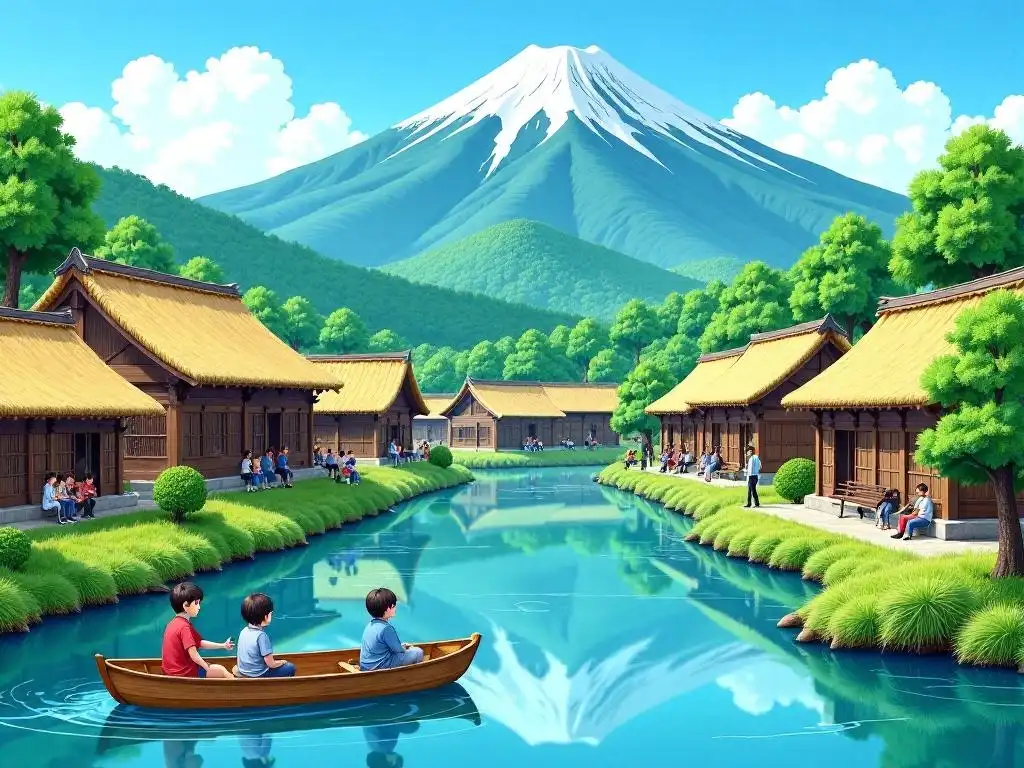
Japan's isolationist policies, particularly during the Edo period (1603-1868), were pivotal in shaping the nation's cultural preservation. These policies were primarily enacted to maintain stability and prevent foreign influence, allowing Japan to cultivate its unique cultural identity. The Tokugawa shogunate, which ruled during this time, implemented strict regulations that limited foreign interactions and controlled the internal affairs of the country.
The driving force behind these policies was the desire to avoid the fate of other nations that had succumbed to colonial domination. Japan aimed to preserve its sovereignty and traditional practices while minimizing the potential threats posed by Western powers. The policies included the expulsion of foreign missionaries, restrictions on trade with European nations, and severe penalties for those who tried to engage with outsiders.
This era of isolation, although limiting in terms of external influences, provided Japan with the opportunity to develop its cultural practices, arts, and social structures without external interference. The result was a flourishing of indigenous traditions and an emphasis on cultural preservation that would have lasting effects on Japanese society.
The Edo Period: An Era of Isolation
The Edo period marked a significant turning point in Japan's history, characterized by an extended period of peace and stability following centuries of warfare. The shogunate's policies promoted a highly structured society where the samurai class held power, while farmers, artisans, and merchants played essential roles within a rigid caste system.
During this time, cultural preservation in Japan flourished in various forms:
- Art and Literature: The Edo period saw the rise of ukiyo-e (woodblock prints) and kabuki theater, which depicted the life and landscapes of Japan. Notable artists like Hokusai and Hiroshige left a lasting legacy through their distinct styles and themes.
- Philosophy and Education: Confucianism became a guiding philosophy, emphasizing moral integrity and social harmony. Educational institutions emerged, leading to a literate populace that valued learning and cultural practices.
- Traditional Crafts: The isolation allowed traditional crafts, such as pottery, textiles, and lacquerware, to thrive. These crafts became synonymous with Japanese identity, showcasing the country's artistic skills and attention to detail.
The Edo period's isolationist policies, while restrictive, ultimately led to a rich tapestry of cultural practices that defined Japanese society.
Key Isolationist Policies and Their Impacts on Culture
Several key isolationist policies were instrumental in shaping the cultural landscape of Japan during the Edo period:
- Sakoku (Closed Country Policy):
- Enacted in 1635, Sakoku effectively closed Japan to foreign influence. Only the Dutch and Chinese were allowed limited trade through the port of Nagasaki.
- This policy ensured that foreign ideologies and practices had minimal impact on Japanese culture, allowing indigenous traditions to flourish.
- Banishment of Christianity:
- The Tokugawa shogunate viewed Christianity as a threat to social order and loyalty to the state. As a result, missionaries were expelled, and converts faced persecution.
- This policy reinforced traditional beliefs and practices, allowing Shinto and Buddhism to remain dominant in Japanese life.
- Censorship and Control of Information:
- The government imposed strict censorship on literature and cultural expressions. This control ensured that only state-approved narratives were disseminated.
- As a result, literature and art that celebrated Japanese customs and history became prominent, emphasizing cultural preservation.
- Promotion of Traditional Festivals and Practices:
- The isolationist policies allowed for the enhancement and revival of traditional festivals, ceremonies, and customs. Regional festivals became vital for community identity and cultural continuity.
- These practices served as a means of reinforcing social bonds and cultural heritage in a time of strict governance.
Japan's isolationist policies during the Edo period played a crucial role in preserving and cultivating cultural identity. The emphasis on indigenous practices, arts, and philosophies created a unique societal framework that has continued to influence Japan's cultural landscape to this day.
Lessons from the Past: Cultural Preservation during Isolation
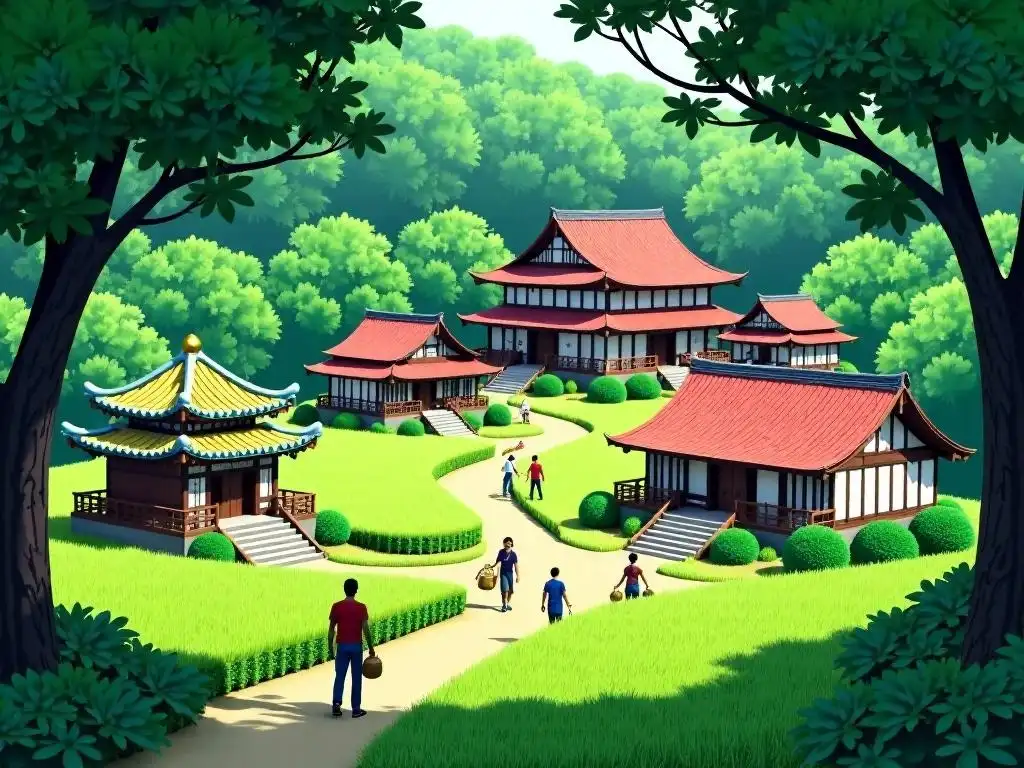
How Isolation Affected Japanese Art and Craftsmanship
During Japan's period of isolation, known as the Edo period (1603-1868), the nation experienced a remarkable transformation in its artistic landscape. Cultural preservation in Japan took on new dimensions as artists and craftsmen sought to refine their skills and techniques in the absence of foreign influences. This era saw the flourishing of distinct art forms that celebrated local traditions and aesthetics.
- Emphasis on Local Materials: Artisans began utilizing indigenous materials such as washi (Japanese paper), lacquer, and natural pigments. This not only enhanced the uniqueness of Japanese art but also fostered sustainable practices rooted in the local environment.
- Development of Unique Styles: The isolationist policies led to the emergence of distinctive styles in various artistic mediums:
- Ukiyo-e: These woodblock prints depicted landscapes, kabuki actors, and scenes of everyday life, reflecting the societal values and aesthetics of the time.
- Ceramics: Pottery styles, such as Imari and Arita, were developed, emphasizing intricate designs and craftsmanship that highlighted Japan's rich cultural heritage.
- Craftsmanship and Techniques: The isolation allowed craftsmen to hone their skills and innovate within their practices. For instance, the techniques of kintsugi, the art of repairing pottery with lacquer dusted with gold, became a metaphor for embracing flaws and celebrating imperfections, deeply resonating with Japanese philosophy.
Overall, the isolation of Japan served as a catalyst for a profound exploration of its artistic identity, leading to the preservation and refinement of traditional art forms that continue to influence contemporary Japanese culture.
The Role of Literature and Oral Traditions in Cultural Preservation
Literature and oral traditions played a crucial role in the cultural preservation of Japan during its isolationist period. With limited foreign interaction, the Japanese turned inward, developing a rich tapestry of stories, poetry, and philosophies that reflected their unique identity.
- Classical Literature: Works such as The Tale of Genji and the Nihon Shoki were revered and studied, ensuring that classical literature remained a pivotal part of Japanese culture. These texts not only provided entertainment but also served as moral and ethical guides for society.
- Poetry Forms: The evolution of poetry during this time, particularly the haiku, became a means of expressing profound thoughts and emotions in a concise format. Prominent poets like Matsuo Bashō emerged, using nature as a backdrop to convey deeper human experiences.
- Oral Narratives: Folktales and oral traditions thrived in rural communities, preserving local histories and values. These stories, often passed down through generations, highlighted the importance of community and familial bonds, reinforcing cultural identity.
- Theatrical Arts: Traditional performance arts like Noh and Kabuki flourished during this period, incorporating historical narratives and moral lessons. These performances were not merely entertainment; they were pivotal in preserving and transmitting cultural values and societal norms.
Through literature and oral traditions, Japan cultivated a robust cultural framework that allowed its people to connect with their heritage and maintain a sense of identity during a time of isolation.
Preservation of Religious Practices and Festivals in Isolation
Religious practices and festivals played a vital role in the cultural preservation of Japan during its isolationist policies. The Edo period saw a unique blend of Shinto, Buddhism, and local folk beliefs that shaped the spiritual landscape of the nation.
- Syncretism of Beliefs: The interaction between Shinto and Buddhism led to a rich tapestry of beliefs and rituals. This syncretism allowed for the preservation of both practices, as elements from each were integrated into daily life and religious observances.
- Festivals as Cultural Pillars: Festivals, or matsuri, became essential for maintaining cultural heritage. These events often celebrated agricultural cycles, seasonal changes, and local deities, reinforcing community bonds and cultural identity. Notable festivals include:
- Gion Matsuri in Kyoto: A month-long celebration featuring processions of floats, showcasing traditional craftsmanship and community spirit.
- Kanda Matsuri in Tokyo: Celebrating the Kanda Myojin shrine, this festival exemplifies the importance of religious devotion and local pride.
- Religious Art and Architecture: Temples and shrines were constructed with unique styles that reflected local aesthetics and beliefs. The preservation of architectural practices and religious art, such as Buddhist paintings and Shinto shrines, became vital in maintaining Japan's spiritual heritage.
- Cultural Education through Religion: Monastic institutions played a role in educating the populace about religious texts and practices, ensuring that knowledge was passed down through generations. This education not only preserved religious beliefs but also reinforced ethical values within society.
The preservation of religious practices and festivals during isolation not only maintained spiritual beliefs but also fostered a sense of community and continuity in Japanese culture.
Cultural Preservation Strategies in Japan: A Case Study
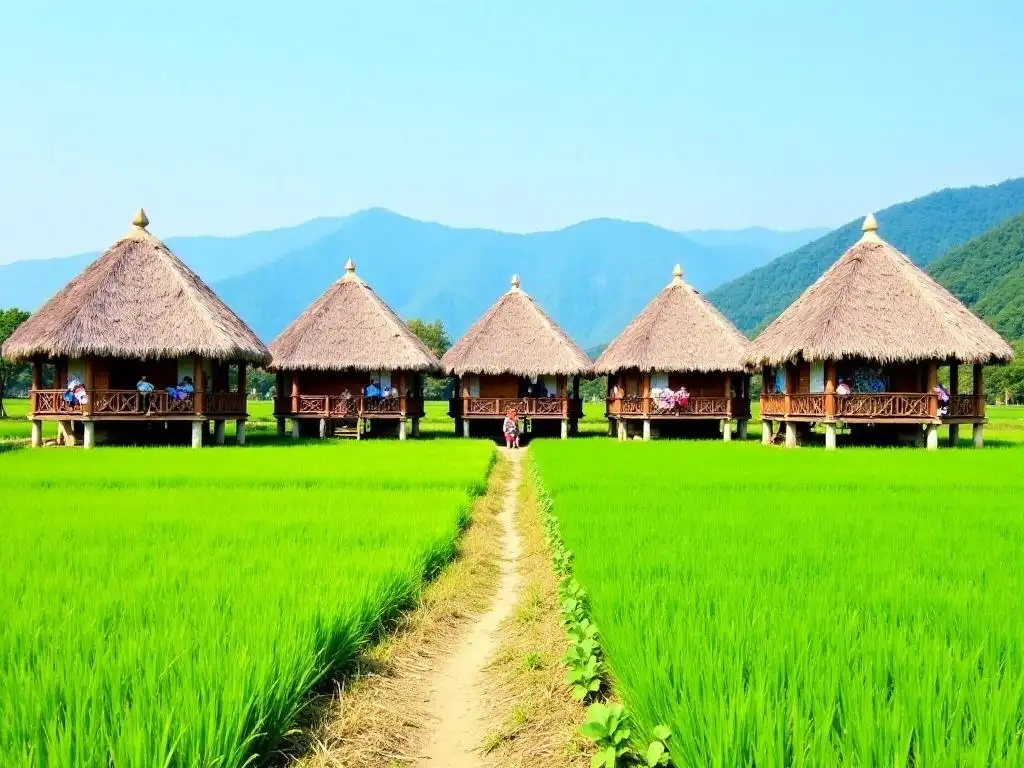
Cultural preservation in Japan during periods of isolation has been a fascinating journey marked by a deliberate effort to maintain and protect unique traditions, arts, and societal values. The Tokugawa shogunate's isolationist policies from the early 17th century until the mid-19th century played a pivotal role in this process.
By limiting foreign influence and fostering a sense of national identity, Japan was able to refine and retain its cultural practices, which continue to resonate in contemporary society. This section will delve into specific strategies employed during this era, focusing on traditional arts and crafts as well as the integral role of religious institutions.
Traditional Arts and Crafts: Keeping Techniques Alive
Traditional arts and crafts in Japan represent not just aesthetic pursuits but vital threads in the fabric of cultural identity. During the Edo period (1603-1868), a concerted effort was made to preserve these practices, which involved several key strategies:
- Guild Systems: Artisans organized into guilds played a crucial role in maintaining high standards and passing down techniques. For instance, the Ukiyo-e woodblock printing tradition thrived due to the establishment of guilds, ensuring that skills were honed and passed to new generations.
- Education and Apprenticeship: Young artisans often apprenticed with masters for extended periods, learning intricate techniques through direct participation. This hands-on approach not only preserved methods but also fostered a deep respect for traditional craftsmanship.
- Regional Specialization: Different regions of Japan became known for specific crafts, such as Kyo-yaki pottery from Kyoto and Sado tea utensils. This regional focus not only helped preserve techniques but also created localized identities tied to cultural heritage.
- Cultural Festivals: Events such as the Gion Matsuri in Kyoto showcased traditional arts and crafts, reinforcing their importance within the community. These festivals served as both a celebration and a means of education for younger generations.
The sustained efforts in traditional arts and crafts during Japan's isolation allowed for not just survival but the flourishing of unique forms of expression, many of which continue to be celebrated and practiced today.
The Role of Temples and Shrines in Maintaining Cultural Heritage
Temples and shrines have been central to cultural preservation in Japan, acting as custodians of history, tradition, and ritual. Their role can be understood through several dimensions:
- Cultural Repository: Temples and shrines often house significant artifacts, documents, and artworks that provide insight into Japan's past. For example, the Todai-ji Temple in Nara preserves valuable historical texts and Buddhist relics that highlight Japan's spiritual and cultural evolution.
- Community Engagement: These religious sites serve as focal points for community gatherings, festivals, and rituals, reinforcing cultural practices. Events such as Shinto rituals at local shrines promote communal identity and continuity of tradition.
- Educational Institutions: Many temples and shrines have historically served as centers of learning, where monks and priests educated the public on philosophy, literature, and art. This educational role has been crucial in ensuring that cultural knowledge is transmitted across generations.
- Artistic Inspiration: The architecture and landscaping of temples and shrines have inspired countless artists and craftsmen. The aesthetic principles derived from these sites have influenced various art forms, including painting, garden design, and ceramics.
In sum, temples and shrines have not only preserved Japan's spiritual heritage but have also played an integral role in cultural preservation, ensuring that traditions endure and evolve within a contemporary context. The strategies employed in both traditional arts and the religious sphere illustrate a profound commitment to maintaining Japan's cultural identity during periods of isolation.
Modern Implications of Historical Lessons on Cultural Preservation
Adapting Historical Strategies to Contemporary Issues
In examining how Japan has navigated cultural preservation throughout its history, particularly during periods of isolation, we can identify strategies that are still applicable today. The Tokugawa shogunate (1603-1868) implemented a series of policies that aimed to maintain social order and cultural uniformity. This era allowed for the flourishing of unique Japanese art forms, literature, and traditions, as external influences were minimized.
- Selective Cultural Engagement: One of the key strategies was the selective engagement with foreign ideas. By controlling the flow of information and interaction with the outside world, Japan was able to cultivate its cultural identity. In today's context, this selective engagement can be seen in how modern Japan balances globalization while maintaining its cultural heritage. The government and local communities actively promote traditional arts, such as tea ceremonies and kabuki theater, alongside contemporary practices.
- Community Involvement: During the Edo period, local communities played a significant role in preserving traditions. Festivals, local crafts, and regional dialects thrived due to community participation. Modern Japan continues this approach with initiatives that encourage local involvement in cultural preservation. For instance, many regions host workshops and events that educate younger generations about traditional crafts, ensuring that skills are passed down and adapted for contemporary relevance.
- Documentation and Archiving: Another historical strategy was the meticulous documentation of cultural practices. The preservation of historical texts, art, and artifacts during isolation laid the groundwork for future generations. Today, Japan has embraced digital archiving and documentation methods, allowing for broader access to cultural resources. This not only preserves the past but also invites global interest in Japanese culture, fostering a richer understanding and appreciation.
The Impact of Globalization on Cultural Preservation in Japan
Globalization presents both challenges and opportunities for cultural preservation in Japan. As the world becomes more interconnected, the risk of cultural dilution increases, yet globalization also offers platforms for cultural exchange and promotion.
- Cultural Exchange vs. Dilution: The influx of Western culture, technology, and ideas poses a risk to traditional practices. However, Japan has adeptly navigated this terrain by infusing global influences into its cultural framework. For example, the rise of Japanese pop culture, such as anime and J-pop, showcases a blend of traditional themes with modern storytelling, appealing to both domestic and international audiences.
- Economic Incentives: Globalization has created economic opportunities that can bolster cultural preservation efforts. The tourism sector, for instance, has seen an increase in visitors seeking authentic cultural experiences. This demand encourages local artisans and communities to sustain and showcase their traditions, from traditional crafts to culinary practices. The establishment of cultural heritage sites, like Kyoto’s temples and shrines, has become vital in attracting tourists while preserving historical integrity.
- Digital Platforms: The digital age has revolutionized how culture is preserved and disseminated. Social media and online platforms have allowed Japanese cultural elements to reach a global audience. Initiatives such as virtual museum tours and online workshops not only preserve cultural practices but also adapt them to modern consumption habits. This digital transformation helps ensure that traditional cultures remain relevant and accessible in a rapidly changing world.
The lessons learned from Japan's historical approaches to cultural preservation during periods of isolation provide a framework that is increasingly relevant in the face of modern globalization. By adapting past strategies to contemporary issues, Japan can continue to celebrate and preserve its rich cultural heritage while engaging meaningfully with the world.
Conclusion: The Future of Cultural Preservation in Japan
As Japan navigates the complexities of the modern world, the question of cultural preservation becomes increasingly significant. The lessons learned from its historical isolationist policies provide a framework for maintaining cultural identity while adapting to contemporary challenges. The delicate balance between tradition and modernity is crucial, as Japan seeks to retain its unique heritage amidst globalization.
Balancing Tradition and Modernity in a Globalized World
In today's interconnected society, Japan faces the pressing challenge of preserving its rich cultural legacy while engaging with global influences. This balancing act requires a strategic approach that honors traditional practices and values, while also embracing innovation and change.
- Cultural Education: Programs aimed at educating younger generations about traditional crafts, arts, and rituals are vital. Schools and community organizations can play a role in fostering an appreciation for cultural heritage.
- Technological Integration: The use of technology can enhance the preservation of cultural practices. For instance, virtual reality can provide immersive experiences of historical sites and traditions, making them accessible to a broader audience.
- Policy Support: Government initiatives that support cultural preservation, such as grants for artists and cultural institutions, are essential. These policies can ensure that traditional arts continue to thrive in a rapidly changing economy.
- Global Collaboration: Engaging with international communities can help Japan share its cultural practices and learn from others. Cultural exchanges and collaborative projects can foster understanding while promoting cultural preservation.
Final Thoughts on Cultural Resilience in Japan's History
Japan's history demonstrates an incredible resilience in the face of change. From the Edo period's isolation to the current challenges posed by globalization, the nation has consistently found ways to maintain its cultural identity.
The rich tapestry of Japanese culture, characterized by its art, literature, and societal norms, serves as a testament to the importance of preservation. The ongoing efforts to safeguard these traditions are not just about looking back but are also about informing the future.
Cultural preservation in Japan is a dynamic process that requires continuous effort and adaptation. By learning from its past and embracing both tradition and modernity, Japan can ensure that its cultural heritage remains vibrant and relevant for generations to come. The fusion of historical wisdom and contemporary innovation will pave the way for a resilient cultural identity, allowing Japan to thrive in a globalized world while honoring its unique history.
Frequently Asked Questions
What is the significance of cultural preservation in Japan's history?
Cultural preservation in Japan is crucial as it helps maintain traditional practices and values, ensuring that the rich heritage of Japan is passed down through generations.
How did Japan's isolation period affect its culture?
During the isolation period, Japan focused on internal development and cultural refinement, which led to the preservation of artistic traditions and local customs without outside influence.
What are some examples of cultural practices preserved during isolation?
Japanese arts such as tea ceremonies, calligraphy, and traditional theater like Noh and Kabuki were preserved, showcasing the unique aesthetics and philosophies of Japanese culture.
How does Japan continue to promote cultural preservation today?
Japan actively promotes cultural preservation through government initiatives, educational programs, and the recognition of cultural heritage sites, ensuring that traditions endure in the modern age.
What lessons can be learned from Japan's approach to cultural preservation?
Japan's experience illustrates the importance of valuing cultural identity and actively working to safeguard traditions, which can strengthen community ties and foster a sense of belonging.
Final Reflection: Cultural Preservation in Japan: A Lesson from Isolation
Cultural preservation in Japan has never been more relevant than it is today. As we navigate through periods of isolation and uncertainty, the lessons learned from Japan's historical experiences remind us of the resilience and adaptability of culture. The ability to maintain and celebrate cultural heritage, even in challenging times, speaks volumes about the strength of a society. In an age where globalization often threatens local traditions, Japan's commitment to preserving its cultural identity stands as a beacon of hope.
Cultural preservation is not merely about safeguarding artifacts or practices; it is about nurturing a sense of belonging and continuity. The ongoing influence of Japan's cultural preservation efforts can be seen in the way communities come together to celebrate festivals, share traditional arts, and pass down knowledge through generations. As we witness a resurgence of interest in local customs worldwide, we can draw inspiration from Japan's approach. Culture is the soul of a nation, and preserving it is akin to preserving our very essence.
As we reflect on the importance of cultural preservation, I invite you to consider how you can contribute to this vital endeavor in your own life. Take a moment to explore your own cultural heritage, engage with your community, and support local traditions. In doing so, you not only honor the past but also enrich the future, ensuring that the tapestry of human experience continues to thrive. Let us all commit to being stewards of our culture, recognizing that in preserving our unique identities, we create a more vibrant and interconnected world.
Embrace the Past, Inspire the Future!
Thank you for taking the time to explore the vital lessons Japan has learned about cultural preservation during periods of isolation. By reflecting on these lessons, we can not only appreciate the depth of history but also recognize the importance of safeguarding our own heritage. Now it’s your turn to take action!
Here are some steps you can take today to connect with and preserve cultural heritage:
- Dive into local history: Visit a museum or attend a cultural event in your community to learn about the traditions that shaped your region.
- Share your knowledge: Discuss what you've learned with friends and family, encouraging them to appreciate the significance of cultural heritage.
- Engage online: Join forums or social media groups focused on historical preservation to share insights and gather inspiration from others who are passionate about history.
What unique cultural practice from history do you think deserves more attention in today's society? We would love to hear your thoughts!