
The Spice Trade: How Korea and China Supplying Japan Changed Culinary Practices


Welcome to Feudal Japan History, where we embark on a captivating journey through the intricate tapestry of Japan’s feudal era. In our latest article, “The Spice Trade: How Korea and China Supplying Japan Changed Culinary Practices,” we delve into the profound culinary influences that shaped Japanese society during this transformative period. What spices stirred the pot of cultural exchange? Join us as we uncover the flavors and relationships that redefined Japan's dining experience, inviting you to explore the rich historical narratives that lie within. Prepare to be intrigued and inspired as you navigate through our expert-driven insights!
Introduction to Japan's Feudal Era Culinary Influences
The feudal era of Japan, spanning from the late 12th century to the early 17th century, was a time of profound transformation not only in its political landscape but also in its culinary practices. During this period, Japan emerged as a unique cultural entity, shaped significantly by its interactions with neighboring nations, particularly Korea and China.
The spice trade played a pivotal role in this evolution, introducing a variety of flavors and ingredients that would alter the Japanese palate and cooking methods. This article delves into the intricate dynamics of how these external influences reshaped Japanese cuisine, highlighting the importance of trade in fostering culinary innovation and diversity.
Overview of Culinary Practices in Feudal Japan
Culinary practices in feudal Japan were deeply intertwined with the social and political structures of the time. The samurai class, who governed the society, upheld strict codes of conduct that extended into their dining customs. Key aspects of these culinary practices included:
- Seasonal Ingredients: The Japanese had a profound respect for seasonal ingredients, which influenced their cooking techniques and presentation styles.
- Simplicity and Aesthetics: Meals were often characterized by their simplicity, focusing on highlighting the natural flavors of the ingredients, which is a philosophy still evident in Japanese cuisine today.
- Buddhist Influences: The introduction of Buddhism during this era led to an increased focus on vegetarian dishes, further shaping the culinary landscape.
These practices laid the groundwork for the culinary traditions that would be enriched by foreign influences.
Importance of Trade in Shaping Culinary Traditions
Trade during the feudal era was not merely an economic exchange; it was a cultural conduit that brought new ideas, techniques, and ingredients to Japan. The influx of spices and ingredients from Korea and China was crucial in several ways:
- Diversity of Flavors: The introduction of new spices transformed the Japanese palate, allowing for a wider array of flavors in their dishes.
- Culinary Techniques: The trade fostered the exchange of cooking methods, which were integrated into traditional Japanese practices.
- Cultural Exchange: These interactions contributed to a broader cultural exchange, influencing not just cuisine but also art, religion, and societal norms.
The significance of these trade relationships cannot be overstated, as they were fundamental in shaping the culinary identity of Japan during the feudal era.
The Role of Korea in Japan's Culinary Development
Historical Context of Korea-Japan Trade Relations
The trade relations between Korea and Japan date back centuries, with significant exchanges occurring during the feudal era. These interactions were often facilitated by political alliances, war, and diplomacy, leading to a rich tapestry of cultural exchange. Notably, the Goryeo Dynasty of Korea played a crucial role in this relationship, as it sought to establish trade routes to Japan, which were vital for both economic prosperity and cultural exchange.
Key Spices and Ingredients Imported from Korea
The spices and ingredients imported from Korea had a lasting impact on Japanese cuisine. Some of the most notable include:
- Garlic: Widely used in both Korean and Japanese dishes, garlic became a staple ingredient that enhanced flavor.
- Chili Peppers: Introduced from Korea in the 16th century, chili peppers revolutionized the spiciness of Japanese dishes.
- Soy Sauce: This essential seasoning, believed to have been brought from Korea, became a cornerstone of Japanese cooking.
These ingredients not only enriched the culinary landscape but also contributed to the development of new dishes that defined the era.
Impact of Korean Culinary Techniques on Japanese Cuisine
Korean culinary techniques significantly influenced Japanese cooking methods. The practice of fermenting vegetables, for instance, became a popular technique in Japan, leading to the creation of staples such as tsukemono (pickled vegetables). Additionally, the use of grilling and stewing methods introduced by Korean cooks helped shape the preparation of various Japanese dishes, blending the two culinary traditions into a unique synthesis.
The spice trade with Korea was instrumental in altering Japan's culinary practices during the feudal era, fostering a rich exchange of flavors and techniques that resonate in Japanese cuisine to this day.
The Influence of China on Japan’s Culinary Landscape
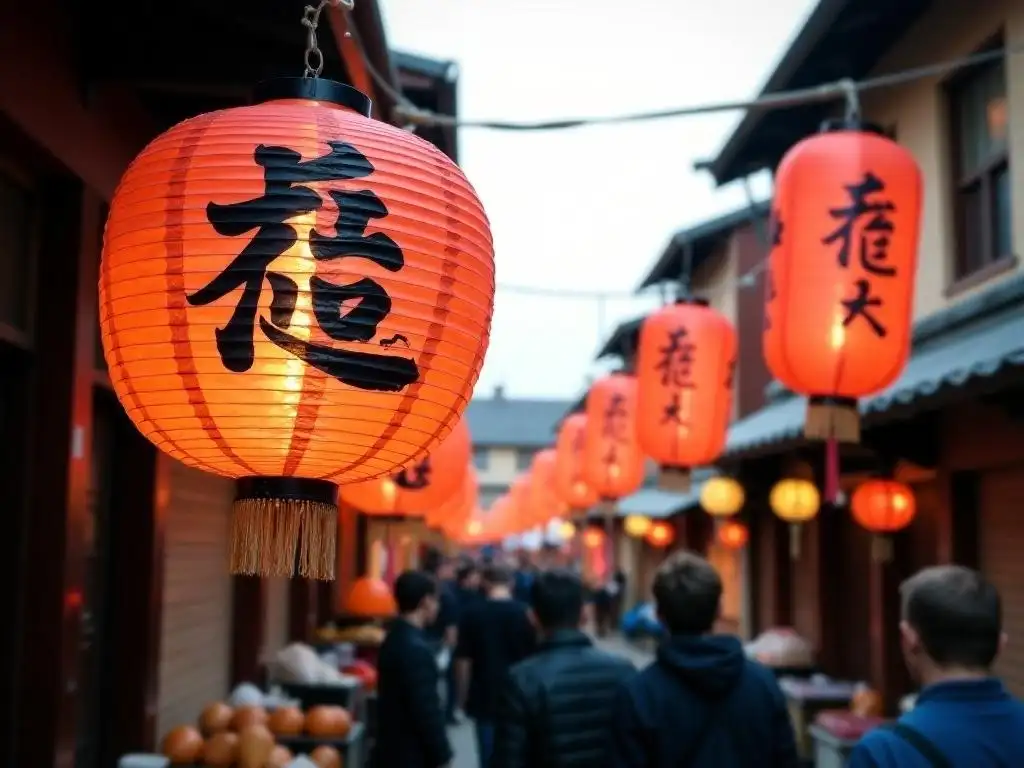
The culinary landscape of Japan during the feudal era was significantly shaped by the influence of Chinese cuisine. This influence can be traced back to the early interactions between the two nations, where Chinese culinary techniques and ingredients were not only introduced but also adapted and assimilated into the Japanese food culture. The infusion of Chinese spices and flavors laid the groundwork for many traditional Japanese dishes, enriching the local palate and enhancing Japan's overall culinary identity.
Overview of China-Japan Trade Dynamics
The trade dynamics between China and Japan have a long and complex history, dating back to the Tang Dynasty (618-907 AD). During this period, maritime trade routes became established, allowing for the exchange of not just goods but also cultural practices. The influx of Chinese merchants into Japan brought with them not only spices but also culinary techniques, farming methods, and even philosophical ideas related to food.
Throughout the feudal era, particularly during the Muromachi and Edo periods, the trade became more structured. A variety of Chinese goods, including textiles, ceramics, and essential spices, were highly sought after in Japan. This trade was facilitated by the burgeoning maritime trade networks, which enabled Chinese merchants to supply Japanese markets with a diverse range of spices that would profoundly influence Japanese cuisine.
Major Chinese Spices and Flavors Introduced to Japan
Several key spices and flavors came from China and found their way into Japanese cooking, forever altering the culinary practices of the time. Some of the most significant include:
- Ginger: Widely used for its flavor and medicinal properties, ginger became a staple in Japanese cuisine, enhancing dishes with its robust spice.
- Garlic: Introduced as a flavor enhancer, garlic was gradually embraced within various Japanese dishes, adding depth and richness.
- Cinnamon: This aromatic spice was valued for its sweet and warm flavor, often used in both savory and sweet dishes.
- Star Anise: Although less common, star anise was introduced and utilized in specific regional dishes, contributing a unique licorice flavor.
These spices not only added flavor but also played a role in food preservation and health, making them integral to the evolving Japanese culinary practices.
Adaptation of Chinese Culinary Practices in Japan
The adaptation of Chinese culinary practices in Japan was not merely a matter of adopting new ingredients; it involved a comprehensive integration of cooking techniques and presentation styles. The Japanese began to refine stir-frying methods and introduced steaming techniques, which were less common in their traditional cooking.
Additionally, the presentation of dishes began to reflect Chinese aesthetics, with an emphasis on balance and harmony. The concept of umami, which had been popularized in China, also began to influence Japanese cooking, leading to the development of more complex flavor profiles. The use of soy sauce, a product that evolved from Chinese fermented sauces, became foundational in Japanese cuisine, illustrating the deep-rooted culinary exchanges that occurred during this period.
The Interplay Between Korean and Chinese Influences on Japanese Cuisine
As Japan absorbed culinary influences from both Korea and China, a unique interplay emerged that enriched its culinary landscape. While both cultures contributed spices and techniques, their influences were distinct yet complementary, leading to innovative dishes and flavors that defined Japanese cuisine during the feudal era.
Comparative Analysis of Korean and Chinese Contributions
Korean culinary influence primarily focused on fermentation and preservation techniques, notably with the introduction of gochugaru (Korean red pepper flakes) and kimchi. These elements added a layer of spiciness and fermentation that contrasted with the more aromatic and nuanced flavors brought by Chinese spices.
- Chinese Contributions:
- Emphasis on stir-frying and steaming.
- Key spices like ginger and garlic.
- Aesthetic presentation and balance in dishes.
- Korean Contributions:
- Techniques of fermentation, notably in vegetables.
- Spices such as red pepper and sesame.
- A focus on bold, spicy flavors.
The blending of these culinary philosophies allowed for the development of uniquely Japanese dishes that showcased both the subtlety of Chinese flavors and the robust nature of Korean spices.
Fusion of Flavors: How Korean and Chinese Spices Transformed Japanese Dishes
The fusion of flavors from Korea and China transformed Japanese cuisine in remarkable ways. For instance, the introduction of spicy seasoning from Korea led to the creation of various regional dishes that incorporated heat, such as spicy ramen and chili-infused broths. Similarly, the combination of fermented Korean ingredients with Chinese spices resulted in unique pickled vegetables that became popular in Japan.
This fusion is exemplified in dishes like Korean-inspired nabe (hot pot), where traditional Chinese simmering techniques are paired with Korean spices, creating a vibrant and flavorful dining experience. The interplay of these culinary traditions not only diversified the Japanese menu but also fostered a broader appreciation for complex flavors, ultimately allowing Japanese cuisine to evolve into a rich tapestry of influences that continues to be celebrated today.
Cultural Significance of Culinary Changes in Feudal Japan
The culinary practices of Feudal Japan were not merely about sustenance; they bore significant cultural implications and reflected the evolving identity of the Japanese people. As trade routes opened with Korea and China, the introduction of new ingredients and cooking methods began to influence traditional Japanese cuisine profoundly. These changes marked a shift in societal norms, where food became a vehicle for cultural exchange and social interaction.
Food in Feudal Japan was often tied to rituals, religion, and social hierarchy. The incorporation of spices and new ingredients from neighboring countries began to blur the lines of exclusivity that characterized traditional Japanese cuisine. For example, the use of spices such as pepper and ginger not only enhanced flavors but also symbolized Japan's growing engagement with the wider world. This engagement fostered a sense of openness and adaptability among the Japanese, leading to the development of a unique culinary identity that synthesized various influences.
The social implications were equally noteworthy. As certain dishes became popular, they also served as a means of status and sophistication among different classes. The samurai class, in particular, began to embrace these culinary changes, which in turn trickled down to the lower classes, creating a more unified culinary culture across social strata. Thus, the culinary transformations during this period were reflective of broader societal shifts, marking a time when Japan was increasingly influenced by its neighbors while fostering a distinct national identity.
The Role of Spices in Japanese Society and Culture
Spices played a transformative role in Japanese society during the feudal era, moving beyond mere flavor enhancers to become symbols of wealth, power, and cultural sophistication. The importation of spices from Korea and China allowed for a variety of flavors that were previously absent in traditional Japanese dishes. This not only diversified the culinary landscape but also introduced new methods of preservation, cooking techniques, and food pairings.
Spices such as cinnamon, cloves, and star anise began to appear in Japanese kitchens, offering a contrast to the natural umami flavors of traditional ingredients like soy sauce and miso. The adoption of these spices was not just a culinary evolution but also a cultural statement. They represented Japan's growing trade relationships and its openness to external influences. The use of spices became a hallmark of refined cooking, sought after by the aristocracy and samurai, elevating the status of those who could procure and skillfully utilize them.
Moreover, the integration of spices into Japanese cuisine was often accompanied by philosophical ideas from Confucianism and Buddhism, which emphasized harmony and balance. The careful selection and use of spices were seen as a reflection of one's character and social status, making culinary practices an essential part of one's identity within the rigid class structures of feudal Japan.
Culinary Influences on Japanese Identity During the Feudal Era
As feudal Japan navigated through various political and social upheavals, the culinary influences from Korea and China emerged as crucial elements in shaping Japanese identity. The integration of foreign ingredients and cooking styles fostered a culinary landscape that was rich and varied, reflecting the complexities of Japanese society itself. This blending of culinary traditions helped to create a unique Japanese identity that, while influenced by neighboring cultures, retained distinct characteristics.
The adoption of new cooking techniques and ingredients led to the emergence of hybrid dishes that combined Japanese elements with Korean and Chinese influences. This not only enriched the gastronomic experience but also provided a platform for cultural exchange, allowing for dialogue between different societal groups. For instance, the incorporation of rice-based dishes from China and fermented foods from Korea became staples in the Japanese diet, showcasing a synthesis of flavors and techniques that characterized this era.
Culinary practices began to serve as a means of expressing national pride, particularly during times of conflict or political change. As Japan faced external threats and internal strife, the embrace of culinary diversity became a way to assert cultural identity while simultaneously adapting to changing circumstances. This adaptability became a hallmark of Japanese society, where culinary practices were not static but dynamic, reflecting an ongoing dialogue with the past and a readiness for the future.
Case Studies: Notable Dishes and Their Origins
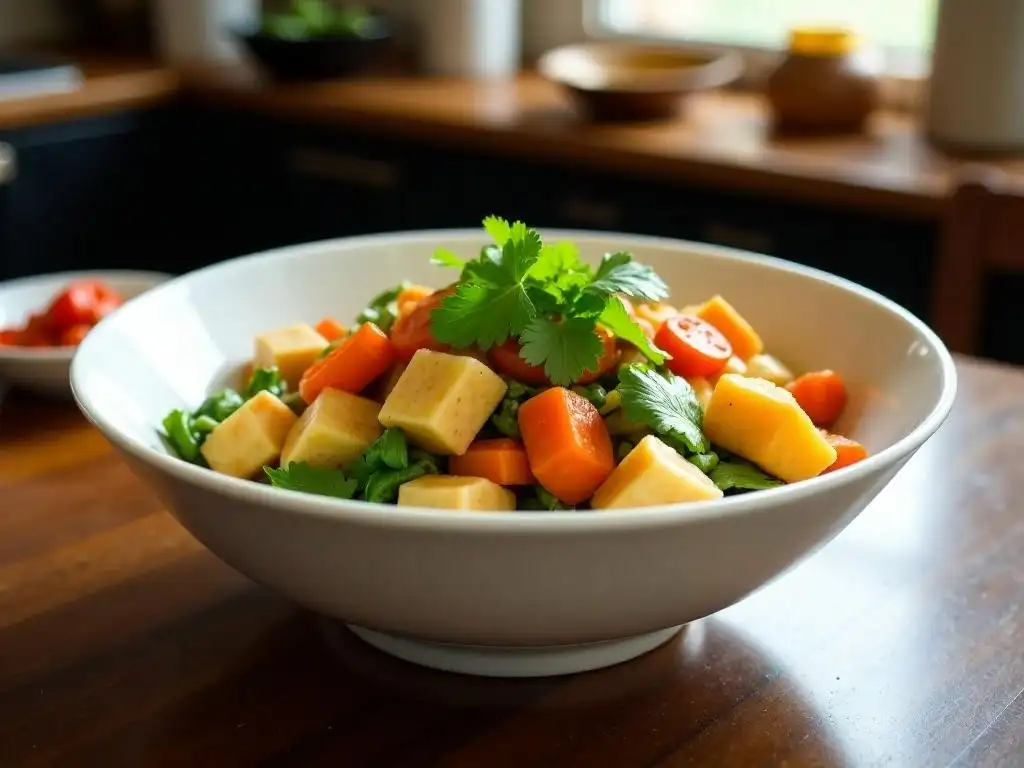
The evolution of Japanese cuisine during the feudal era is exemplified in several notable dishes that illustrate the profound impact of Korean and Chinese influences. These dishes not only highlight the culinary diversity introduced by trade but also serve as historical markers of Japan's cultural exchanges with its neighbors.
Specific Dishes Influenced by Korean Ingredients
Korean cuisine made a significant impact on Japanese culinary practices, particularly through the introduction of fermented foods. One such dish is Kimchi, which entered Japan and evolved into various forms. In Japan, it became known as Takuan, a pickled daikon radish that showcases the influence of Korean pickling techniques. The adoption of these preservation methods allowed for greater food longevity and introduced new flavors to the Japanese palate.
Another example is Bibimbap, a mixed rice dish that found its way into Japan, leading to the creation of Chirashi-zushi. This dish, which consists of sushi rice topped with a variety of ingredients, reflects the Korean practice of mixing various vegetables and proteins, illustrating a cross-cultural culinary dialogue.
Specific Dishes Influenced by Chinese Ingredients
Chinese culinary influences can be seen in the popularization of Noodle dishes in Japan. The introduction of wheat noodles from China resulted in the development of Udon and Soba, which became staples in the Japanese diet. These noodles not only provided a new texture to meals but also diversified the carbohydrate sources available to the Japanese people.
Additionally, the use of Soy Sauce, which originated in China, became a fundamental seasoning in Japanese cooking. Its introduction enhanced the umami flavor profile of many traditional dishes, leading to the creation of a variety of sauces and marinades that are integral to Japanese cuisine today.
Evolution of Popular Japanese Dishes Through Trade
The trade with Korea and China during the feudal era catalyzed the evolution of many popular Japanese dishes, transforming them into beloved staples. A prime example is Tempura, which is believed to have been influenced by the Portuguese method of frying food, later adapted and embraced by the Japanese. This dish showcases how external culinary practices can be integrated and reinterpreted, resulting in a unique Japanese version that is now celebrated worldwide.
Moreover, Tsukemono, or pickled vegetables, reflect the Korean influence in preservation techniques while incorporating local ingredients. This adaptation not only preserved seasonal produce but also enriched the Japanese table with vibrant flavors and colors.
The culinary landscape of Feudal Japan, shaped by trade with Korea and China, illustrates a remarkable journey of adaptation and innovation. As these influences merged with indigenous practices, they created a rich tapestry of flavors that defined Japanese cuisine and continues to resonate in modern culinary practices.
Conclusion: Lasting Impact of the Spice Trade on Japan's Culinary Heritage
The spice trade between Korea, China, and Japan during the feudal era significantly transformed Japan's culinary landscape. Not only did it introduce a variety of flavors and ingredients, but it also fostered a deeper cultural exchange that shaped the dining customs and practices of the time. The inclusion of spices such as pepper, ginger, and garlic was pivotal in enhancing the complexity of Japanese dishes. This period marked a turning point where local ingredients began to be paired with imported spices, creating a unique fusion that is still evident in modern Japanese cuisine.
The impact of this trade is reflected in the evolution of traditional dishes, which often blend regional flavors with those brought from neighboring countries. Furthermore, the introduction of new cooking techniques and preservation methods, influenced by Korean and Chinese practices, enriched Japan’s culinary repertoire. The legacy of this spice trade continues to be celebrated today, as it laid the foundation for the diverse flavors that characterize contemporary Japanese cuisine.
Summary of Key Points on Culinary Influences
- Introduction of Spices: The arrival of spices from Korea and China added depth and complexity to Japanese cuisine, transforming it from a primarily rice-based diet to one enriched with robust flavors.
- Cultural Exchange: The trade facilitated a significant cultural exchange that influenced not only food but also cooking techniques and dining customs.
- Evolution of Dishes: Traditional Japanese dishes evolved as local ingredients were creatively combined with imported spices, leading to a distinctive culinary identity.
- Preservation Techniques: Influences from Korea and China introduced new methods of food preservation, which became integral to Japanese cooking practices.
Reflection on the Legacy of Korea and China in Japanese Cuisine
The culinary legacy of Korea and China in Japan is profound and multifaceted. These influences are woven into the fabric of Japanese culinary traditions, evident in both everyday meals and ceremonial dishes. The use of spices is not merely a matter of flavor but also an expression of cultural identity that showcases the ability of Japanese cuisine to adapt and innovate.
Today, the acknowledgment of these influences is crucial for understanding the full scope of Japanese gastronomy. Dishes such as kimchi, which has Korean origins, have found their place in Japanese cuisine, reflecting a blend of tastes that transcends geographical boundaries. This ongoing dialogue between cultures continues to inspire chefs and home cooks alike, emphasizing the importance of collaboration and exchange in the culinary arts.
Future Research Directions on Japan’s Feudal Era Culinary Influences
As scholars and culinary enthusiasts seek to further understand Japan’s feudal era culinary influences, several promising research directions emerge. These areas not only enhance our comprehension of historical trade relationships but also underscore the significance of cultural exchange in shaping food practices.
Suggested Areas for Further Study
- Regional Variations: Investigating how different regions in Japan adapted and integrated spices and culinary practices from Korea and China can provide insight into local food identities.
- Historical Trade Routes: Analyzing the specific trade routes used during the feudal era may reveal patterns of culinary exchange and the impact of transportation on food availability.
- Impact on Modern Cuisine: Exploring how historical influences continue to shape contemporary Japanese cuisine can bridge the past and present, offering a richer understanding of culinary evolution.
Importance of Understanding Culinary History in Modern Japan
Understanding the culinary history of Japan is essential for several reasons. First, it fosters a deeper appreciation for the complexity and richness of Japanese food culture, recognizing that it is the result of centuries of interaction with neighboring countries. Second, it allows modern chefs and food enthusiasts to draw inspiration from historical practices, encouraging innovation while respecting tradition.
Moreover, as globalization continues to influence culinary practices worldwide, studying Japan's feudal era culinary influences can provide valuable lessons about the importance of cultural exchange and adaptation. By acknowledging and celebrating these historical connections, modern Japan can preserve its unique culinary heritage while embracing new influences, ensuring that its rich history continues to thrive in the contemporary culinary landscape.
- Introduction to Japan's Feudal Era Culinary Influences
- Overview of Culinary Practices in Feudal Japan
- Importance of Trade in Shaping Culinary Traditions
- The Role of Korea in Japan's Culinary Development
- The Influence of China on Japan’s Culinary Landscape
- The Interplay Between Korean and Chinese Influences on Japanese Cuisine
- Cultural Significance of Culinary Changes in Feudal Japan
- Case Studies: Notable Dishes and Their Origins
- Conclusion: Lasting Impact of the Spice Trade on Japan's Culinary Heritage
- Future Research Directions on Japan’s Feudal Era Culinary Influences
- What was the significance of the spice trade in the Japan feudal era?
- How did Korea influence Japan's culinary practices?
- What role did China play in Japan's feudal culinary landscape?
- How did socio-political factors impact culinary influences in feudal Japan?
- What are some lasting effects of these culinary influences in modern Japanese cuisine?
Frequently Asked Questions
What was the significance of the spice trade in the Japan feudal era?
The spice trade played a crucial role in shaping culinary practices during the Japan feudal era, introducing a variety of flavors and ingredients that enhanced Japanese cuisine.
How did Korea influence Japan's culinary practices?
Korea contributed to Japan's culinary evolution by introducing techniques such as fermentation, which led to the development of traditional dishes like kimchi-inspired pickles, enriching the Japanese palate.
What role did China play in Japan's feudal culinary landscape?
China was pivotal in providing spices and cooking methods, which transformed Japanese food preparation and presentation, making it more sophisticated and diverse during the feudal period.
How did socio-political factors impact culinary influences in feudal Japan?
The socio-political dynamics of feudal Japan, including trade relationships and military alliances, facilitated the exchange of culinary knowledge and ingredients with neighboring countries like Korea and China.
What are some lasting effects of these culinary influences in modern Japanese cuisine?
Many modern Japanese dishes still reflect the influences of the feudal era, with spices and cooking techniques introduced from Korea and China becoming integral to contemporary Japanese culinary identity.
Final Reflection: The Enduring Legacy of Culinary Exchange
The intricate web of culinary influences during Japan's feudal era remains profoundly relevant today, as we explore how the spice trade between Korea and China shaped Japan's gastronomic landscape. This historical exchange not only transformed the flavors and techniques of Japanese cuisine but also laid the groundwork for a rich tapestry of cultural interactions that continue to resonate in modern culinary practices. The impact of these early trade routes serves as a reminder of how interconnected our world has always been, and how food can serve as a bridge between diverse cultures.
Culinary practices are a reflection of cultural identity, and the influences from Korea and China during the feudal era have left an indelible mark on Japan's culinary heritage. The spices and ingredients introduced through trade not only diversified Japanese cuisine but also fostered a sense of community and shared experience around food. As we consider the ongoing influence of these historical exchanges, we are reminded of the words of culinary historian Ken Albala: Food is a powerful symbol of cultural exchange, revealing the stories of our shared humanity.
This perspective invites us to appreciate the depth of our culinary traditions and the stories they tell about our interconnected past.
As we reflect on the lessons of the spice trade and its impact on Japan's culinary evolution, I encourage you to embrace the spirit of exploration in your own kitchen. Consider how the flavors and techniques from different cultures can enrich your culinary repertoire and foster connections with others. Let the history of Japan's feudal era culinary influences inspire you to experiment, share, and celebrate the diverse tapestry of flavors that unite us all. In doing so, we honor the legacy of those who came before us and continue the journey of culinary discovery.
Unveil the Flavors: Take Action and Expand Your Culinary Knowledge!
Thank you for diving into the rich history of the spice trade and its profound impact on the culinary practices of Japan, Korea, and China. Understanding these connections empowers you to appreciate the depth and diversity of flavors that continue to shape our meals today. Now, let’s grow that passion into action!
Here are a few steps you can take to further your culinary exploration:
- Experiment with spices: Choose a variety of spices mentioned in this article and incorporate them into your next dish to experience the fusion of cultures firsthand.
- Join an online cooking class that focuses on the culinary traditions of East Asia to deepen your understanding of these historical practices.
- Share your newfound knowledge with friends or family by hosting a themed dinner night, showcasing the influence of spices from Korea and China on Japanese cuisine.
Which spice will you explore first on your culinary journey? Happy cooking!