
The Samurai Code: Language and Honor in Japanese Films

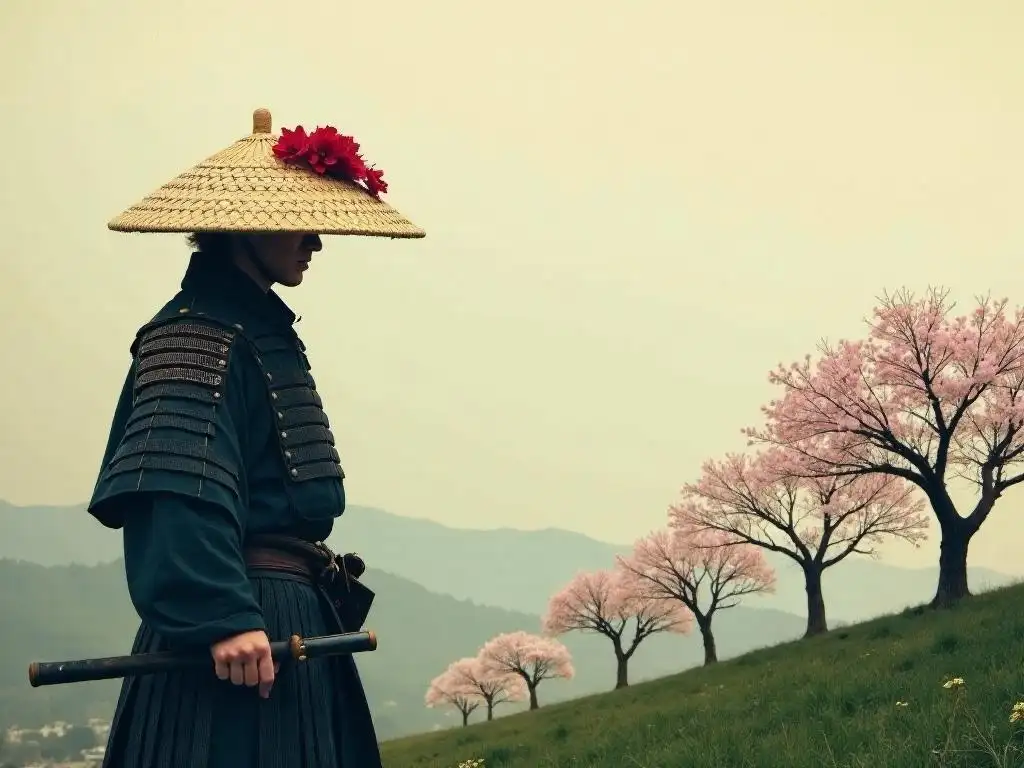
Welcome to Feudal Japan History, where we embark on a captivating journey through the intricate tapestry of Japan's feudal era. Dive deep into the world of the Samurai code in Japanese films, a fascinating exploration of honor and language that transcends the screen. What secrets do these cinematic portrayals reveal about the true essence of the samurai?
Prepare to uncover the rich cultural narratives that shaped an entire society, as we invite you to unravel the layers of history and artistry woven into each frame. Join us as we delve into this compelling topic and ignite your curiosity for more!
-
The Samurai Code in Japanese Films: An Overview of Language and Honor
- Understanding the Samurai Code: Principles and Values
- Exploring Key Samurai Films That Reflect the Samurai Code
- Language and Dialogue: The Art of Communication in Samurai Films
- The Influence of the Samurai Code on Modern Japanese Cinema
- Learning Japanese Through Samurai Films: A Practical Approach
- Conclusion: The Enduring Legacy of the Samurai Code in Japanese Films
- Additional Resources for Learning About the Samurai Code
- Frequently Asked Questions
- Final Reflection: Embracing the Samurai Code in Modern Storytelling
- Embrace the Samurai Spirit: Take Action Today!
The Samurai Code in Japanese Films: An Overview of Language and Honor
The rich tapestry of Japan’s feudal era is intricately woven with the principles and values of the samurai code, known as Bushido. This code embodies the ideals of honor, loyalty, and discipline that defined the samurai warriors and their way of life. In contemporary culture, the samurai code has transcended time and space, finding its most compelling expressions in Japanese films.
These films not only showcase thrilling sword fights and dramatic battles but also delve deep into the philosophical and ethical dilemmas faced by samurai. By examining the portrayal of the samurai code in Japanese cinema, viewers gain insights into the linguistic nuances and cultural significance embedded within the dialogues and narratives. This article will explore the intersection of language and honor as depicted in samurai films, providing a comprehensive understanding of how these cinematic representations reflect the enduring values of the samurai code.
Understanding the Samurai Code: Principles and Values
The samurai code, or Bushido, comprises several key principles that emphasize personal conduct and societal responsibilities. At its core, Bushido promotes values such as:
- Honor (Meiyo): The utmost importance placed on one's reputation and integrity.
- Loyalty (Chūgi): A steadfast commitment to one's lord and comrades, often at great personal cost.
- Courage (Yū): The bravery to face danger and adversity with resolve.
- Compassion (Jin): The obligation to show kindness and benevolence towards others, even enemies.
- Respect (Rei): The practice of politeness and humility in interactions with others.
These principles not only guide the behavior of samurai but also serve as a framework for understanding the characters and motivations in samurai films. By exploring these values, audiences can appreciate the complexities of the samurai's moral choices and the societal expectations that shaped their actions.
Exploring Key Samurai Films That Reflect the Samurai Code
Several films stand out in their portrayal of the samurai code, offering a lens through which to examine its principles in action. Some noteworthy examples include:
- Seven Samurai (1954): Directed by Akira Kurosawa, this film illustrates the themes of honor and sacrifice as a group of samurai defend a village from bandits.
- Yojimbo (1961): Another Kurosawa classic, this film showcases the cunning of a samurai who navigates the complexities of loyalty and self-interest.
- Harakiri (1962): This poignant film examines the clash between honor and societal expectations, highlighting the tragic consequences of adhering strictly to the samurai code.
These films not only entertain but also provoke thought on the ethical dilemmas faced by samurai, allowing viewers to engage with the samurai code on a deeper level.
Language and Dialogue: The Art of Communication in Samurai Films
Language plays a crucial role in samurai films, shaping the narrative and revealing character motivations. The dialogue often reflects the formalities and honorifics characteristic of the samurai culture, providing insights into social hierarchies and relationships. Key aspects include:
- Use of Honorifics: The meticulous use of language helps convey respect and status among characters, emphasizing the importance of hierarchy in samurai society.
- Proverbs and Sayings: Many films incorporate traditional Japanese proverbs that encapsulate the wisdom of the samurai code, enriching the dialogue with cultural significance.
- Subtext and Nuance: The interactions between characters often carry deeper meanings, where implied messages and unspoken sentiments reveal tensions and conflicts.
By analyzing the language and dialogue in samurai films, viewers can gain a greater appreciation for the artistry of communication, as well as the cultural context that informs these cinematic experiences. Through this exploration, the samurai code emerges not just as a set of rules, but as a profound reflection of Japanese values and identity.
The Influence of the Samurai Code on Modern Japanese Cinema
The samurai code, known as Bushido, has had a profound impact on modern Japanese cinema, shaping narratives and character development from the early 20th century to the present day. This moral framework emphasizes values such as honor, loyalty, courage, and discipline, which are often depicted in samurai films, creating a rich tapestry of storytelling that resonates with audiences.
In contemporary films, the representation of the samurai code is not merely a historical remnant but a living ethos that influences the characters' motivations and actions. Directors like Akira Kurosawa and Masaki Kobayashi have masterfully integrated these principles into their works, exploring the complexities of morality and the human condition. For instance, Kurosawa’s "Seven Samurai" not only showcases the heroic deeds of the samurai but also delves into their internal struggles with loyalty and sacrifice. Through such narratives, filmmakers reflect on the ideals of Bushido and their relevance in modern society, often juxtaposing them against contemporary challenges.
Moreover, the samurai code's influence extends beyond traditional narratives into various genres, including action, drama, and even animation. Films like "Rashomon" and "The Last Samurai" highlight the enduring fascination with samurai ideals, while anime series such as "Samurai Champloo" reinterpret these values in a modern context. This adaptability allows the samurai code to remain a vital element in Japanese film, inviting new generations to engage with its principles.
Learning Japanese Through Samurai Films: A Practical Approach
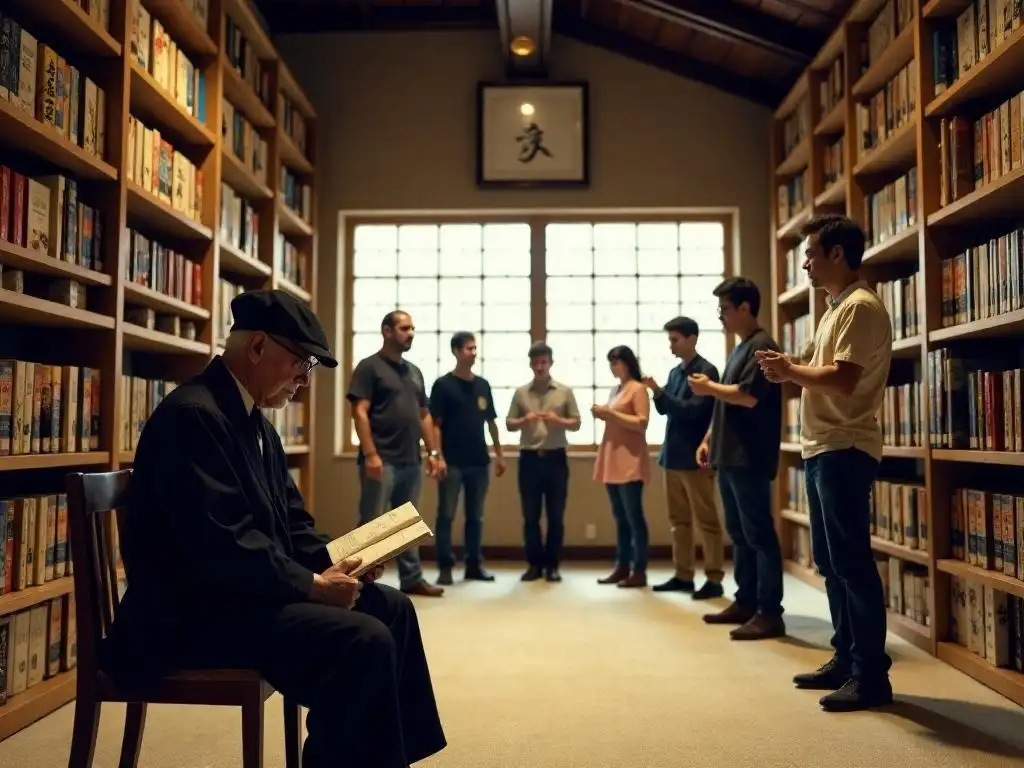
Engaging with samurai films offers a unique opportunity for language learners to immerse themselves in Japanese culture and language. The dialogue in these films often reflects historical speech patterns and formal language, providing learners with exposure to various dialects and styles of communication.
- Vocabulary Acquisition: Samurai films introduce viewers to a range of vocabulary related to honor, warfare, and societal roles. By watching these films, learners can acquire specific terms and phrases that are often not covered in standard language courses.
- Contextual Learning: Understanding the context in which words and phrases are used in samurai films can enhance comprehension. For example, the use of honorifics and polite language in interactions between samurai reflects their societal hierarchies and cultural norms. By analyzing these exchanges, learners can gain insights into Japanese etiquette and communication styles.
- Listening Skills: The varied dialogue and emotional delivery in samurai films help improve listening skills. Learners can practice differentiating between formal and informal speech, as well as understanding the nuances in tone and expression that convey deeper meanings.
- Cultural Insights: Beyond language, samurai films provide valuable lessons about Japanese history, philosophy, and social structures. This cultural context enriches language learning, making it more engaging and meaningful.
Conclusion: The Enduring Legacy of the Samurai Code in Japanese Films
The legacy of the samurai code in Japanese films is an enduring testament to its significance in shaping Japan’s cultural identity. Through the portrayal of samurai values, filmmakers not only preserve history but also critique contemporary society, making the samurai ethos relevant in modern narratives.
As audiences continue to engage with these films, the principles of Bushido resonate deeply, reflecting a collective yearning for honor and integrity in an increasingly complex world. The samurai code serves as a lens through which we can explore themes of loyalty, sacrifice, and moral complexity, ensuring that its impact will be felt for generations to come. Whether for entertainment or educational purposes, samurai films remain a vital medium for understanding the intricate relationship between language, culture, and honor in Japan.
Additional Resources for Learning About the Samurai Code
To deepen your understanding of the Samurai code as portrayed in Japanese films, there are a variety of resources available that cater to different learning styles. Whether you prefer reading, watching, or listening, these resources can enhance your comprehension of the cultural nuances and historical context of the Samurai code.
Books
-
"Hagakure: The Book of the Samurai" by Yamamoto Tsunetomo
This classic text provides insights into the philosophy and ethics of the Samurai, offering a foundational understanding of the Samurai code, known as Bushido. It is a must-read for anyone interested in the moral framework that influences many Japanese films.
-
"The Samurai: A Military History" by Stephen Turnbull
Turnbull’s work presents a detailed overview of Samurai history, including their societal roles, warfare strategies, and the evolution of their honor code. This book serves as an excellent complement to the themes presented in films.
-
"Bushido: The Soul of Japan" by Inazo Nitobe
This influential book explores the principles of Bushido, the way of the Samurai. Nitobe’s interpretations can help viewers appreciate the deeper messages conveyed in Samurai films.
Documentaries and Films
-
"The Last Samurai" (2003)
While a Hollywood production, this film captures the essence of the Samurai code and the clash of cultures during Japan’s modernization. It serves as a narrative exploration of honor, duty, and the spirit of the Samurai.
-
"Samurai: Behind the Blade" (2009)
This documentary offers a comprehensive look at the Samurai's history, culture, and the significance of their code. It features interviews with historians and martial arts experts, providing viewers with a nuanced perspective.
Online Courses and Lectures
-
Coursera and EdX Courses
Platforms like Coursera often offer courses related to Japanese history and culture. Look for courses focusing on feudal Japan or the Samurai, which can provide structured learning and engaging content.
-
YouTube Channels
Channels such as "The School of Life" and "KinoCheck" occasionally feature videos discussing themes of honor and the Samurai code in Japanese cinema. These bite-sized insights can make complex topics more digestible.
Language Learning Resources
-
Duolingo: Japanese Course
To better understand the dialogue and cultural references in Samurai films, consider using language learning apps like Duolingo, which offer Japanese courses tailored to various proficiency levels.
-
Japanese Subtitles and Scripts
Watching Samurai films with Japanese subtitles can enhance language skills while contextualizing the Samurai code. Websites like J-Lit may provide scripts or transcripts for deeper analysis.
Community and Discussion Forums
-
Reddit and Online Forums
Engaging with communities on platforms like Reddit can provide insights and discussions about films and the Samurai code. Subreddits such as r/Samurai and r/JapaneseFilm are excellent places to ask questions and share knowledge.
By exploring these resources, learners can gain a comprehensive understanding of the Samurai code in Japanese films, enriching their viewing experience and cultural appreciation.
Frequently Asked Questions
What is the Samurai code depicted in Japanese films?
The Samurai code, often referred to as Bushido, emphasizes principles such as honor, loyalty, and discipline, shaping the portrayal of Samurai characters in cinema.
How do Japanese films represent the values of the Samurai code?
Japanese films frequently showcase the values of the Samurai code through character development and moral dilemmas, highlighting the struggles between personal honor and societal expectations.
Are there notable films that explore the Samurai code?
Yes, films like Seven Samurai and Harakiri are renowned for their deep exploration of the Samurai code, illustrating the complexities of honor and sacrifice in feudal Japan.
How does the Samurai code influence modern interpretations in cinema?
Modern films often reinterpret the Samurai code by blending it with contemporary themes, allowing for creative storytelling while still honoring its cultural significance.
Why is the Samurai code important in Japanese culture?
The Samurai code remains pivotal in Japanese culture as it embodies principles of integrity and respect, influencing not just films but also broader aspects of Japanese society and ethics.
Final Reflection: Embracing the Samurai Code in Modern Storytelling
The exploration of the Samurai code in Japanese films reveals not only a rich cultural heritage but also a timeless relevance in today's society. As we navigate a world often marked by chaos and moral ambiguity, the principles of honor, loyalty, and discipline embodied in the Samurai code resonate deeply.
These values serve as a guiding light, reminding us of the importance of integrity in our personal and professional lives. The Samurai code is not just a relic of the past; it is a powerful framework that can inspire us to lead with purpose and conviction in our modern narratives.
The influence of the Samurai code extends beyond the screen, shaping cultural and social landscapes around the globe. In a world where stories have the power to unite and inspire, the themes of honor and sacrifice found in these films continue to captivate audiences. The portrayal of the Samurai ethos challenges us to reflect on our own values and the choices we make. As Akira Kurosawa once said, In the end, we all have to face the truth of our own lives.
This sentiment underscores the profound impact that these narratives have on our understanding of honor and the human experience.
As we conclude this exploration, I invite you to reflect on how the lessons of the Samurai code can be woven into your own life. Consider the values that guide your actions and decisions, and how you can embody the spirit of honor and integrity in your daily interactions. Let the stories of the Samurai inspire you to cultivate a life of purpose, where your choices reflect the ideals of loyalty and respect. Embrace the call to action and become a modern-day Samurai in your own right, shaping your narrative with courage and honor.
Embrace the Samurai Spirit: Take Action Today!
Thank you for diving into the rich and fascinating world of the Samurai Code and its portrayal in Japanese films! Your interest in this unique cultural perspective shows your eagerness to connect with history and honor. Now, let’s transform that inspiration into action!
Here’s how you can deepen your understanding and appreciation of the Samurai spirit:
- Watch a Classic Samurai Film: Choose a masterpiece like Seven Samurai or Ran to experience the essence of honor and integrity firsthand.
- Join a Discussion Group: Engage with fellow enthusiasts by sharing insights on forums, social media, or local meet-ups focusing on Japanese cinema and culture.
- Explore Related Literature: Read books about Samurai history or philosophy to uncover even more layers of meaning behind their code of honor.
Which Samurai film has had the greatest impact on your view of honor and responsibility in today's world? **We would love to hear your thoughts and insights! **