
Cinematic Japanese: Understanding Historical Context in Samurai Movies

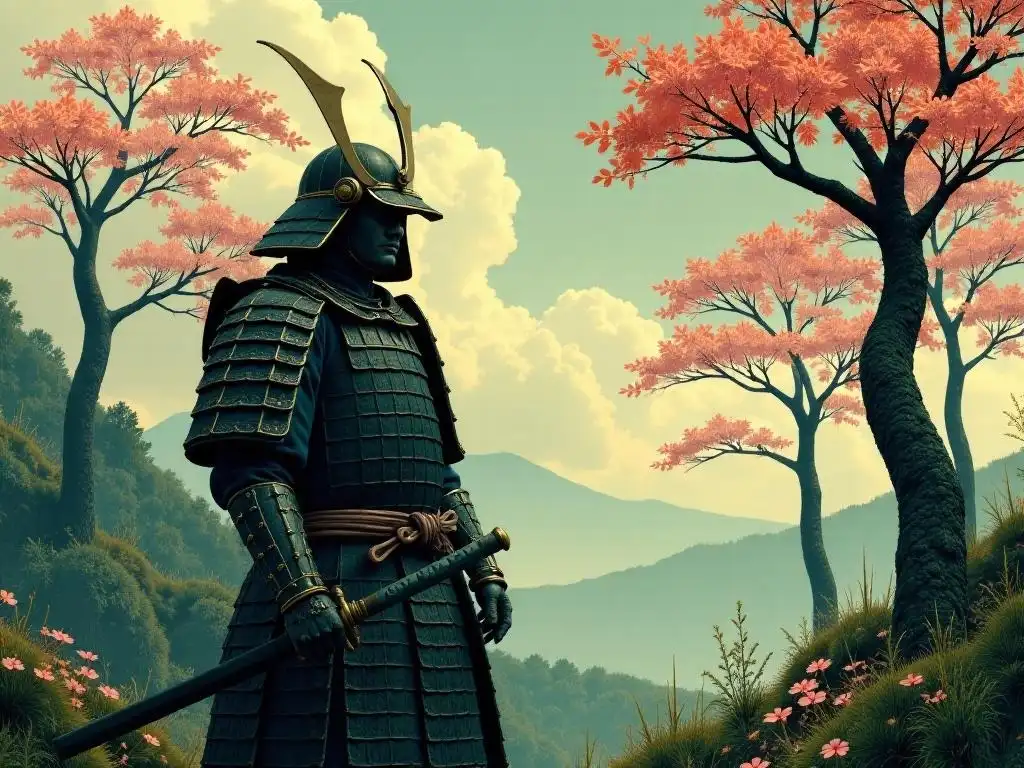
Welcome to Feudal Japan History, where we invite you on an enthralling journey through the rich tapestry of Japan's feudal era. Here, history and culture intertwine, offering you a deep dive into the fascinating world of the samurai. In our featured article, “Cinematic Japanese: Understanding Historical Context in Samurai Movies,” we unravel the layers of storytelling that define these iconic films, revealing how they reflect the complex realities of their time.
Are you ready to explore the intersection of cinema and history? Join us as we uncover the captivating narratives that have shaped our understanding of the samurai and their enduring legacy.
- Introduction to Samurai Cinema and Historical Context
- The Evolution of Samurai Films: A Historical Perspective
- Analyzing the Historical Context of Samurai Films
- Major Samurai Films and Their Historical Context
- Learning Japanese Through Samurai Films
- Conclusion: The Impact of Historical Context on Samurai Films
- Further Resources for Exploring Samurai Films and History
- Frequently Asked Questions
- Final Reflection: The Enduring Legacy of Samurai Films and Their Historical Context
- Unleash the Epic World of Samurai Cinema!
Introduction to Samurai Cinema and Historical Context
The world of samurai cinema is a captivating tapestry woven from Japan's rich feudal history, cultural traditions, and societal transformations. As viewers delve into the realm of samurai films, they encounter not only thrilling sword fights and noble warriors but also a profound narrative that reflects Japan's complex historical context.
Understanding the historical context of samurai films is crucial for appreciating the artistry and significance behind these cinematic masterpieces. This article explores the intricate relationship between samurai films and the historical backdrop from which they emerge, providing insights that enrich the viewing experience and deepen one's understanding of both the language and culture of Japan.
Overview of Samurai Films: A Cultural Lens
Samurai films, or jidai-geki (period dramas), serve as a vital cultural lens through which audiences can explore Japan's feudal era. Originating in the early 20th century, these films have evolved to portray various aspects of samurai life, including loyalty, honor, and the code of bushido.
- Key Themes in Samurai Cinema:
- Honor and Loyalty: Many films depict the samurai's unwavering commitment to their lord and moral principles.
- Conflict and Resolution: The tension between personal desires and societal obligations often drives the narrative.
- The Transformation of Society: As Japan transitioned from feudalism to modernization, these films reflect the changing values and challenges faced by samurai.
Notable examples, such as Akira Kurosawa’s Seven Samurai, highlight the struggles and triumphs of these warriors, encapsulating the essence of their historical and cultural significance.
Importance of Historical Context in Understanding Samurai Movies
The historical context of samurai films is not just an ancillary aspect; it is integral to their narrative and thematic depth. By examining the socio-political climate of the periods portrayed, viewers gain insight into the motivations and behaviors of the characters on screen.
- Understanding Feudal Japan:
- Political Structure: The samurai were a vital part of the feudal hierarchy, serving as both military elites and local rulers.
- Cultural Norms: The code of bushido instilled values such as bravery, honor, and loyalty, which are often central to film plots.
- Historical Events: Many films are inspired by actual historical events, allowing viewers to engage with Japan's past in a compelling and entertaining way.
By situating these films within their historical context, audiences can appreciate the layers of meaning that inform the characters' choices and the narrative arcs, fostering a deeper connection to both the cinematic experience and the Japanese language itself.
The Evolution of Samurai Films: A Historical Perspective
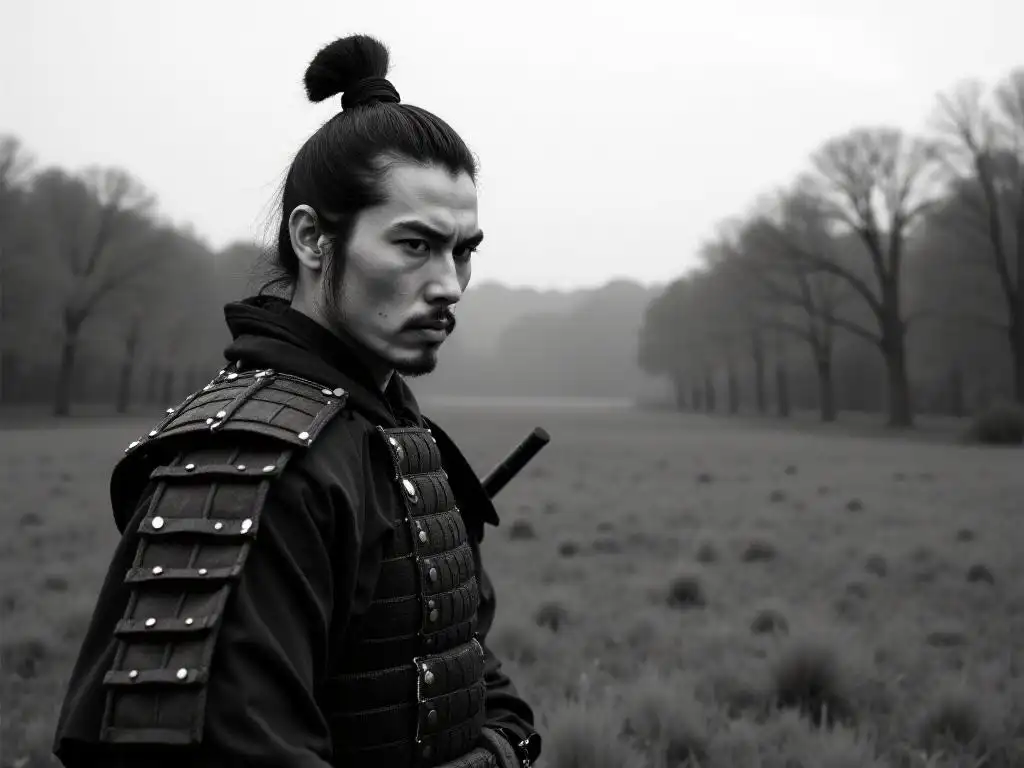
The cinematic portrayal of samurai has evolved significantly since the inception of Japanese film, reflecting the complex historical narratives and societal values of the times. From early silent films to modern adaptations, samurai films have not only entertained audiences but also served as cultural artifacts that encapsulate the ethos of feudal Japan. This section delves into the early depictions of samurai, key historical events that influenced film narratives, and the overall role of feudal Japan in shaping the genre.
Early Depictions of Samurai in Cinema
The representation of samurai in early cinema began in the 1910s, primarily during the silent film era. One of the first notable films was Daisuke and the Samurai (1913), which introduced audiences to the heroic ideals associated with samurai culture. These early films often emphasized:
- Honor and Loyalty: Plotlines typically centered around themes of bushido (the way of the warrior), where samurai demonstrated unwavering loyalty to their lords.
- Chivalric Valor: Samurai were depicted as noble warriors, often engaging in dramatic sword fights that highlighted their martial prowess.
- Cultural Aesthetics: Costumes, settings, and rituals reflected the historical context, immersing viewers in the world of feudal Japan.
As the film industry progressed into the 1930s and 1940s, the depiction of samurai became more nuanced. Directors like Akira Kurosawa began to explore the internal conflicts faced by samurai, introducing a more humanized and complex perspective of these warriors. Films such as Rashomon (1950) and Seven Samurai (1954) challenged traditional narratives, showcasing moral ambiguity and the impacts of social change on the samurai ethos.
Key Historical Events Influencing Samurai Film Narratives
Samurai films have frequently drawn inspiration from pivotal historical events that shaped Japan’s feudal society. Notable occurrences include:
- The Sengoku Period (1467-1603): This era of civil war and social upheaval provided a rich backdrop for storytelling. Films from this period often depict the struggles for power among feudal lords and the samurai who served them, reflecting the chaos and honor associated with this time.
- The Meiji Restoration (1868): The transition from feudalism to modernization profoundly influenced samurai narratives. Films like The Last Samurai (2003) illustrate the clash between traditional samurai values and the encroaching influence of Western culture, embodying the tension between progress and preservation of heritage.
- World War II: The portrayal of samurai shifted during and after the war, with films often reflecting nationalistic sentiments. The samurai became symbols of loyalty and sacrifice, reinforcing ideals that resonated with the wartime populace.
These historical events provide critical context that enhances the narrative depth of samurai films, allowing viewers to engage with the complexities of Japan's past.
The Role of Feudal Japan in Shaping Samurai Cinema
Feudal Japan's societal structure played a pivotal role in the development of samurai cinema. The hierarchical system of lords (daimyo), vassals (samurai), and peasants influenced not only the narratives but also the thematic elements present in samurai films. Some key aspects include:
- Bushido Code: The ethical framework governing samurai behavior, emphasizing loyalty, honor, and discipline, served as a foundation for many film plots. Characters often grapple with their adherence to bushido, reflecting societal expectations and personal dilemmas.
- Cultural Traditions: Festivals, rituals, and customs depicted in samurai films highlight the feudal lifestyle, showcasing the aesthetic beauty of Japanese culture. The incorporation of traditional music and art enhances the authenticity of the cinematic experience.
- Social Stratification: The stark divide between the samurai class and common folk often serves as a catalyst for conflict in films. This dynamic can lead to narratives that explore themes of justice, rebellion, and the struggles of the marginalized.
The historical context of samurai films is deeply intertwined with Japan's feudal past. As filmmakers continue to explore these themes, samurai cinema remains a vital reflection of the nation's cultural heritage, offering insights into the complexities of its history and society.
Analyzing the Historical Context of Samurai Films

Cultural Significance of Samurai in Japanese Society
The samurai, as a social class, has played a pivotal role in shaping Japanese culture and identity. Emerging during the Heian period (794-1185), the samurai represented not just military prowess but also a complex code of ethics and societal values that resonate throughout Japanese history. Their influence can be seen in various cultural aspects, from literature to art, and most notably, film.
In samurai films, the samurai are often depicted as noble warriors, embodying virtues such as loyalty, honor, and courage. These characteristics are deeply rooted in the historical context of the samurai class, which was expected to uphold the values of Bushido—the way of the warrior. This ethical code emphasizes loyalty to one's lord, self-discipline, and the importance of honor in both personal and social contexts.
The samurai symbolized not just warriors, but the embodiment of Japanese ideals of honor and duty.
Moreover, samurai films often serve as a reflection of Japanese society's evolving perceptions of these warriors. For instance, post-World War II films began to depict samurai in a more nuanced light, questioning traditional views of honor and loyalty in a rapidly modernizing Japan. This shift illustrates how cultural significance evolves over time, shaped by historical events and social changes.
The Representation of Bushido: Values and Ethics in Samurai Films
Bushido, the ethical code that guided samurai conduct, is a central theme in many samurai films. This code encompasses several key values, including:
- Loyalty: The unwavering allegiance to one's lord or master.
- Honor: The importance of maintaining one's dignity and reputation.
- Courage: The bravery to face life's challenges and confront adversaries.
- Compassion: The obligation to protect the weak and uphold justice.
Films often dramatize these values, using them to build compelling narratives that resonate with audiences. For example, in Akira Kurosawa's classic "Seven Samurai," the protagonists exemplify Bushido through their commitment to defending a village against bandits, showcasing loyalty, courage, and a sense of justice.
However, the representation of Bushido in films is not without its complexities. Directors may choose to highlight certain aspects of Bushido while downplaying others, leading to various interpretations. This selective portrayal can spark discussions about what it means to live according to these values in contemporary society.
Historical Accuracy vs. Artistic License in Samurai Cinematic Portrayals
The balance between historical accuracy and artistic license is a crucial consideration in samurai films. While many filmmakers strive to present an authentic depiction of the samurai era, they often face the challenge of engaging modern audiences. This can lead to creative liberties that enhance storytelling but may stray from historical facts.
For instance, the visual representation of samurai attire, weaponry, and combat techniques can sometimes prioritize aesthetic appeal over accuracy. While films like "Rashomon" provide a lens into the social dynamics of feudal Japan, they may not fully capture the complexities of historical events or the realities of samurai life.
| Aspect | Historical Representation | Artistic License |
|---|---|---|
| Costumes | Authentic samurai armor and dress | Stylized versions for dramatic effect |
| Combat | Realistic sword techniques | Choreographed fights for entertainment |
| Social Structure | Accurate portrayal of class dynamics | Simplified relationships for narrative clarity |
Ultimately, while artistic license can enhance the cinematic experience, it is essential for viewers to approach samurai films with a critical eye, recognizing the distinction between dramatized storytelling and the historical context of samurai life. Understanding this balance enriches the viewing experience and deepens appreciation for the historical context of samurai films.
Major Samurai Films and Their Historical Context
Samurai films have played a pivotal role in shaping the perception of Japan's feudal era and its cultural nuances. These cinematic masterpieces offer not only thrilling action but also deep insights into the historical context of samurai films, reflecting the values, struggles, and societal structures of their time. Below, we explore two iconic films that encapsulate these themes.
"Seven Samurai" (1954): A Reflection of Post-War Japan
Akira Kurosawa's "Seven Samurai" is often hailed as one of the greatest films in cinema history. Released in 1954, this film is not just a tale of warriors defending a village but also serves as a mirror reflecting the complexities of post-war Japan.
Themes of Honor and Sacrifice in the Context of Historical Events
In "Seven Samurai," the themes of honor and sacrifice are central to the narrative. The film portrays a group of samurai who come together to protect a village from bandits, showcasing the ideals of loyalty and selflessness. This mirrors the societal values prevalent during Japan's feudal era, where the samurai code of bushido emphasized honor, bravery, and sacrifice for the greater good.
The historical context of Japan during the 1950s, marked by the aftermath of World War II, profoundly influenced the film's themes. The nation was grappling with its identity and the consequences of war, leading to a heightened interest in traditional values. The samurai's dedication to their cause can be seen as a commentary on the need for unity and resilience in a time of uncertainty.
Moreover, the film's portrayal of the villagers reflects the socio-economic struggles faced by many in post-war Japan. The bandits symbolize the chaos and lawlessness that followed the war, while the samurai represent hope and the possibility of restoring order. This duality in characters enhances the film's depth, making it a poignant exploration of sacrifice and duty in both historical and contemporary contexts.
"Rashomon" (1950): Exploring Multiple Perspectives on Truth
Another masterpiece by Akira Kurosawa, "Rashomon," released in 1950, is renowned for its innovative narrative structure and profound exploration of truth and morality. Set in the feudal era, this film delves into the complexities of human nature and the subjective nature of truth.
The Influence of Feudal Society on Narrative Structure
"Rashomon" presents a unique storytelling technique by recounting the same event from multiple perspectives. This narrative choice is deeply rooted in the cultural and societal frameworks of feudal Japan, where honor and reputation dictated personal narratives and social standing.
The feudal system, characterized by rigid hierarchies and the importance of personal honor, influences the characters' motivations and interpretations of events. Each character’s account of a tragic incident reflects their own biases, desires, and fears, highlighting how individuals in a feudal society often construct their realities based on their social status and personal stakes.
This exploration of subjective truth not only challenges the audience's perception but also mirrors the philosophical inquiries prominent in Japanese culture. The film prompts viewers to contemplate the nature of truth and morality, suggesting that understanding human experience requires more than just factual accuracy—it demands empathy and recognition of different perspectives.
Both "Seven Samurai" and "Rashomon" serve as profound commentaries on the historical context of samurai films, revealing the intricate relationship between cinematic storytelling and Japan's cultural heritage. Through their exploration of honor, sacrifice, and truth, these films offer a rich tapestry that invites viewers to engage with Japan's feudal past while reflecting on contemporary societal issues.
The Last Samurai (2003): Western Interpretations of Samurai History
"The Last Samurai," directed by Edward Zwick and released in 2003, is a film that has sparked considerable discussion regarding its portrayal of samurai culture and the historical context of Japan during the Meiji Restoration. Starring Tom Cruise as Nathan Algren, a disillusioned American military officer, the film intertwines his journey with that of samurai leader Katsumoto, played by Ken Watanabe. The narrative explores themes of honor, tradition, and the clash between modernity and feudal values, prompting viewers to reflect on the complexities of samurai history through a lens that is both Western and romanticized.
While the film attempts to present a nuanced depiction of samurai culture, it is essential to recognize the inherent biases that come with a Western production. The portrayal often leans towards an idealized vision of the samurai, framing them as noble warriors standing against the tide of modernization. This perspective can lead to a misunderstanding of the broader socio-political landscape of Japan in the late 19th century, where the samurai class was facing significant changes and challenges to their way of life.
Cultural Exchange and Misunderstanding in Historical Representation
Cultural exchange in films like "The Last Samurai" often highlights the tension between authentic representation and artistic license. The film showcases various aspects of samurai life, including their code of honor (bushido) and martial prowess, but it also simplifies and dramatizes certain elements for narrative effect. For instance, the relationship between Algren and Katsumoto serves as a vehicle for exploring themes of loyalty and bravery, yet it oversimplifies the complexities of Japanese history by positioning a foreigner as the central figure in a deeply nationalistic narrative.
Misunderstandings can arise when Western audiences interpret these representations without the historical context necessary to appreciate the intricacies of the samurai's decline. The film's portrayal of the samurai as heroic figures fighting against a corrupt government glosses over the realities of their fall from power, including their role in the feudal structure and the political dynamics of the time. This romanticization risks overshadowing the genuine struggles faced by the Japanese people during the transition to a modern state.
While "The Last Samurai" serves as a gateway for international audiences to engage with samurai culture, it is crucial to approach the film with a critical eye. Understanding the historical context of samurai films not only enriches the viewing experience but also fosters a deeper appreciation for the complexities of Japanese history. By acknowledging the cultural exchanges and misunderstandings inherent in such representations, viewers can gain a more nuanced perspective on the legacy of the samurai and their enduring impact on Japanese society.
Learning Japanese Through Samurai Films
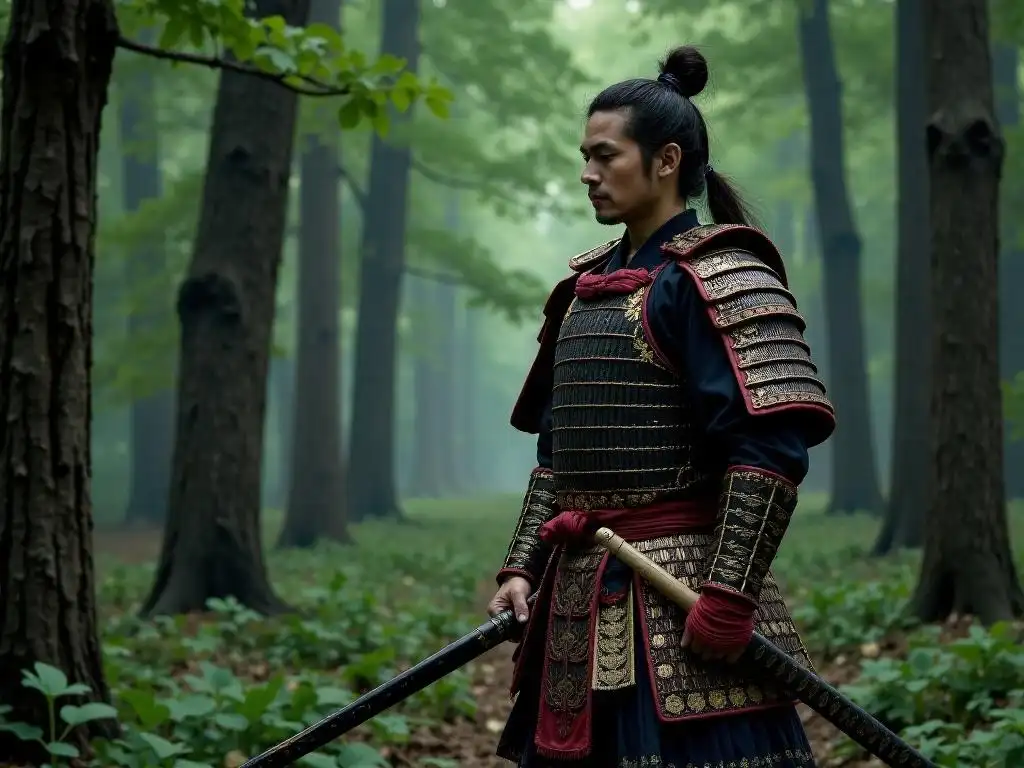
Language Learning Opportunities in Samurai Cinema
Samurai films have long captivated audiences with their rich narratives, intricate characters, and stunning visuals. For those interested in learning Japanese, these films present a unique opportunity to immerse oneself in the language while gaining insights into the historical context of samurai culture. The dialogue often features a blend of formal and informal speech, allowing learners to experience a spectrum of linguistic styles.
Benefits of Learning Japanese Through Film
- Contextual Learning: Watching samurai films provides context for vocabulary and phrases, making them easier to remember.
- Cultural Insights: Understanding the historical context of samurai films enriches language learning by connecting language to cultural practices and societal norms of the time.
- Listening Skills: Exposure to native pronunciation and intonation helps improve listening comprehension and pronunciation.
Incorporating samurai films into your language learning routine can transform the process into an engaging and dynamic experience. By analyzing dialogues, learners can practice their speaking and writing skills, as well as improve their understanding of Japanese grammar and syntax.
Key Vocabulary and Phrases from Iconic Samurai Films
Samurai films are replete with unique vocabulary that reflects the period's socio-political landscape. Here are some key terms and phrases often heard in these films:
- 武士 (bushi) - Samurai or warrior, representing the noble class.
- 刀 (katana) - Sword, symbolizing the samurai's honor and status.
- 名誉 (meiyo) - Honor, a core value in samurai culture.
- 忠義 (chuugi) - Loyalty, essential for samurai relationships with their lords.
- 戦 (ikusa) - Battle, frequently depicted in samurai films.
These terms not only enhance vocabulary but also deepen understanding of the cultural ethos of the samurai era.
Recommended Samurai Films for Language Learners
The following films are pivotal for understanding the linguistic and cultural nuances of the samurai era while enhancing language skills:
"Yojimbo" (1961): Understanding Historical Context and Language
"Yojimbo," directed by Akira Kurosawa, is a classic samurai film that showcases the complexities of loyalty and moral ambiguity in feudal Japan. The film's protagonist, a ronin (masterless samurai), navigates a town torn apart by warring factions. This setting provides a rich backdrop for learning.
- Language Highlights:
- The use of formal speech when addressing lords, contrasted with informal speech in casual interactions.
- Key phrases that express conflict and solitude, reflecting the ronin's internal struggle.
By studying the dialogue in "Yojimbo," learners can grasp the subtleties of character interactions and social hierarchies in historical Japan.
"Harakiri" (1962): Language Nuances in Feudal Japan
"Harakiri" is another essential film that delves into the themes of honor and societal expectations. The narrative centers around a samurai who requests to commit ritual suicide (seppuku) in a feudal lord's courtyard, probing the concept of honor in samurai culture.
- Language Highlights:
- The film employs poignant language that reflects the emotional weight of the samurai's plight, using elegant vocabulary that showcases the poetic nature of Japanese.
- Dialogues laden with historical references and cultural context, allowing learners to appreciate the depth of samurai values.
"Harakiri" serves not only as a cinematic masterpiece but also as a rich linguistic resource, providing learners with phrases and expressions steeped in historical significance.
Engaging with samurai films not only enriches one's understanding of the historical context of samurai films but also enhances language learning through cultural immersion and contextual vocabulary acquisition.
Conclusion: The Impact of Historical Context on Samurai Films
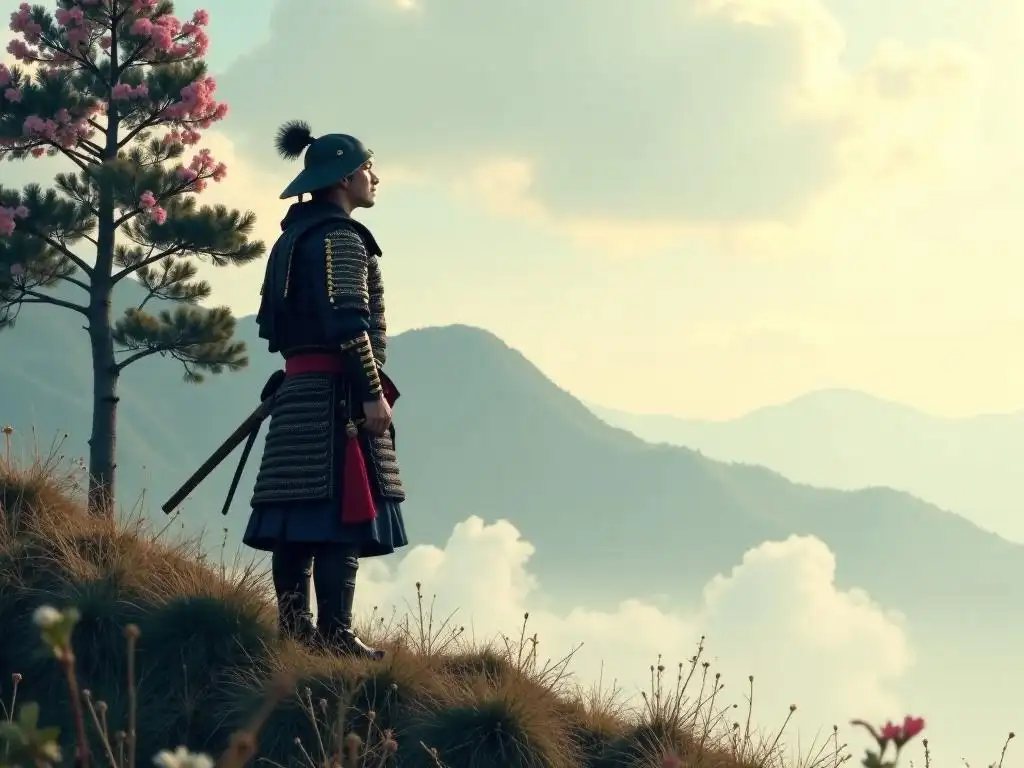
The historical context of samurai films plays a pivotal role in shaping their narratives, themes, and character development. By understanding the societal norms, political dynamics, and cultural values of feudal Japan, viewers can appreciate the depth and authenticity these films strive to portray. The samurai, often depicted as noble warriors, are not just characters of fiction; they embody the complexities of their time, reflecting the rigid class structures, honor codes, and conflicts that defined the era.
Summary of Key Themes and Takeaways
- Honor and Bushido: Central to many samurai films is the concept of bushido, the way of the warrior. This ethical code emphasizes loyalty, courage, and honor, often putting the samurai in moral dilemmas that resonate with audiences even today.
- Class Structure and Society: Samurai films frequently explore the rigid class hierarchy of feudal Japan, portraying the struggles between different social classes. This adds layers to the narrative, allowing viewers to grasp the societal context that influenced samurai behavior and decision-making.
- Cultural Reflections: These films serve as cultural artifacts, showcasing traditional Japanese values, aesthetics, and customs. The portrayal of samurai life often invites viewers to reflect on broader issues such as justice, duty, and the human condition.
- Historical Accuracy vs. Artistic License: While many films aim for historical accuracy, others take creative liberties. Understanding the distinction between fact and fiction is crucial for appreciating the artistic interpretations of samurai legends.
- Global Influence of Samurai Cinema: The impact of samurai films extends beyond Japan, influencing global perceptions of Japanese culture. This cultural exchange highlights the importance of understanding the historical context to appreciate the films' relevance in a modern setting.
The Importance of Historical Context in Language Learning Through Cinema
Language learning through cinema, particularly samurai films, offers unique opportunities to engage with the Japanese language in a culturally rich environment. The historical context of these films enhances language acquisition by providing:
- Authentic Dialogue: Samurai films often employ traditional language and idiomatic expressions that reflect the time period, giving learners exposure to authentic linguistic structures.
- Cultural Nuances: Understanding the historical backdrop allows learners to grasp cultural nuances embedded in language. For instance, expressions of honor or loyalty can be more deeply appreciated when viewed through the lens of bushido.
- Contextual Vocabulary: Learners can acquire vocabulary that is specific to historical contexts, such as terms related to warfare, governance, and social hierarchy, which are often featured in samurai narratives.
- Engagement and Motivation: The dramatic and compelling stories of samurai films can heighten students' interest in the language, making the learning process more engaging and enjoyable.
By leveraging the historical context of samurai films, educators and learners can foster a deeper understanding of the Japanese language while appreciating the rich tapestry of Japan’s feudal history. This integrated approach not only enhances language skills but also cultivates a greater cultural awareness, enriching the overall learning experience.
Further Resources for Exploring Samurai Films and History
Recommended Reading on Feudal Japan and Samurai Culture
"Hagakure: The Book of the Samurai": Deep Dive into Samurai History
The Hagakure, written by Yamamoto Tsunetomo in the early 18th century, is one of the most significant texts regarding samurai philosophy and ethics. This book offers profound insights into the mindset and values that guided samurai during the Edo period. It emphasizes the importance of loyalty, honor, and the acceptance of death, which were foundational to the samurai way of life.
- Key Themes:
- The concept of Bushido (the way of the warrior)
- Reflections on loyalty and duty
- Philosophical musings on life and death
By reading the Hagakure, one can gain a deeper understanding of the cultural backdrop that informs many samurai films, enriching the viewing experience by contextualizing the characters' motivations and actions.
"Japanese Cinema: A History": Understanding Japanese Cinema
For those looking to explore the broader landscape of Japanese cinema, David Desser's Japanese Cinema: A History offers a comprehensive overview. This text delves into the evolution of film in Japan, including the impact of historical events on cinematic themes and styles.
- Key Topics:
- The development of narrative styles in samurai films
- The influence of Japanese history on cinematic storytelling
- Key filmmakers who shaped the samurai genre
This book is particularly useful for understanding how samurai films reflect and reinterpret historical events and cultural shifts, making it an essential read for anyone interested in the historical context of samurai films.
Online Courses and Platforms for Learning Japanese Through Film
"JapanesePod101": Interactive Language Learning with Samurai Cinema
JapanesePod101 is a dynamic platform that offers a range of resources for learning Japanese, including lessons that use samurai films as a primary content source. This approach not only helps learners acquire language skills but also provides cultural insights that enhance comprehension.
- Features:
- Interactive lessons using scenes from samurai films
- Vocabulary and phrases relevant to the samurai genre
- Cultural notes that explain the historical context depicted in films
By incorporating samurai films into language learning, JapanesePod101 allows learners to engage with authentic materials, fostering a deeper understanding of both the language and the rich cultural heritage of feudal Japan.
Exploring these resources will not only deepen your appreciation for samurai films but also enhance your understanding of the historical context that shapes their narratives. This comprehensive approach provides both language learners and history enthusiasts with valuable insights into the samurai era.
Frequently Asked Questions
What are samurai films?
Samurai films are a genre of Japanese cinema that depict the lives, values, and conflicts of samurai warriors. They often explore themes of honor, loyalty, and the code of bushido.
How does the historical context influence samurai films?
The historical context of samurai films is crucial as it shapes the narratives, characters, and themes portrayed. These films often reflect the social structure and cultural values of feudal Japan.
What are the key themes explored in samurai movies?
Key themes in samurai movies include honor, sacrifice, loyalty, and the struggle between tradition and modernity. These themes resonate with the historical context of the samurai era.
Why are samurai films important to Japanese culture?
Samurai films serve as a cultural touchstone, preserving and interpreting the historical legacy of Japan's feudal period. They help to foster a deeper understanding of Japanese identity and values.
How can one analyze the historical context of samurai films?
To analyze the historical context of samurai films, one should consider the historical events, social norms, and philosophical ideas of feudal Japan that influenced the film's narrative and character development.
Final Reflection: The Enduring Legacy of Samurai Films and Their Historical Context
The historical context of samurai films remains profoundly relevant today, as these cinematic masterpieces not only entertain but also educate us about Japan's rich cultural heritage. In an era where global cinema is increasingly interconnected, understanding the historical nuances behind these films allows us to appreciate their artistry and the societal values they reflect. The samurai genre, with its themes of honor, loyalty, and sacrifice, resonates deeply in our contemporary world, reminding us of the timeless human struggles that transcend borders and generations.
The influence of samurai films extends far beyond the screen, shaping cultural perceptions and inspiring countless filmmakers worldwide. These films serve as a lens through which we can explore Japan's complex history, societal changes, and philosophical underpinnings. As Akira Kurosawa once said, In every film, there is a story of humanity.
This observation underscores how samurai films encapsulate universal truths, allowing audiences to connect with the characters and their journeys on a personal level. The enduring popularity of these films speaks to their ability to evoke empathy and provoke thought, making them a vital part of our cultural landscape.
As you reflect on the themes presented in this article, consider how the historical context of samurai films can enrich your understanding of not only Japanese culture but also the broader human experience. I invite you to explore these films with a critical eye, seeking the lessons they impart about resilience, morality, and the complexities of life. By engaging with these narratives, you can cultivate a deeper appreciation for the art of storytelling and its power to bridge cultural divides, inspiring you to share these insights with others and keep the conversation alive.
Unleash the Epic World of Samurai Cinema!
Thank you for diving deep into the rich historical context behind Samurai movies! Your interest opens the door to an exciting exploration of feudal Japan's cinematic legacy. Armed with newfound knowledge, it's time to take action and immerse yourself further in this captivating genre.
Here are a few rewarding steps you can take right now:
- Watch a classic Samurai film: Start with acclaimed titles such as Seven Samurai or Rashomon—experience the artistry in motion!
- Join a discussion group: Connect with fellow enthusiasts online or in your community to share insights and perspectives about what you’ve discovered.
- Explore the history: Delve into articles or books that discuss the true stories and cultural aspects behind these iconic films.
What elements of Samurai cinema resonate with you the most—characters, themes, or historical accuracy? Share your thoughts below!