
From Samurai to Sensei: A Journey Through Japan's Elite Martial Arts Academies

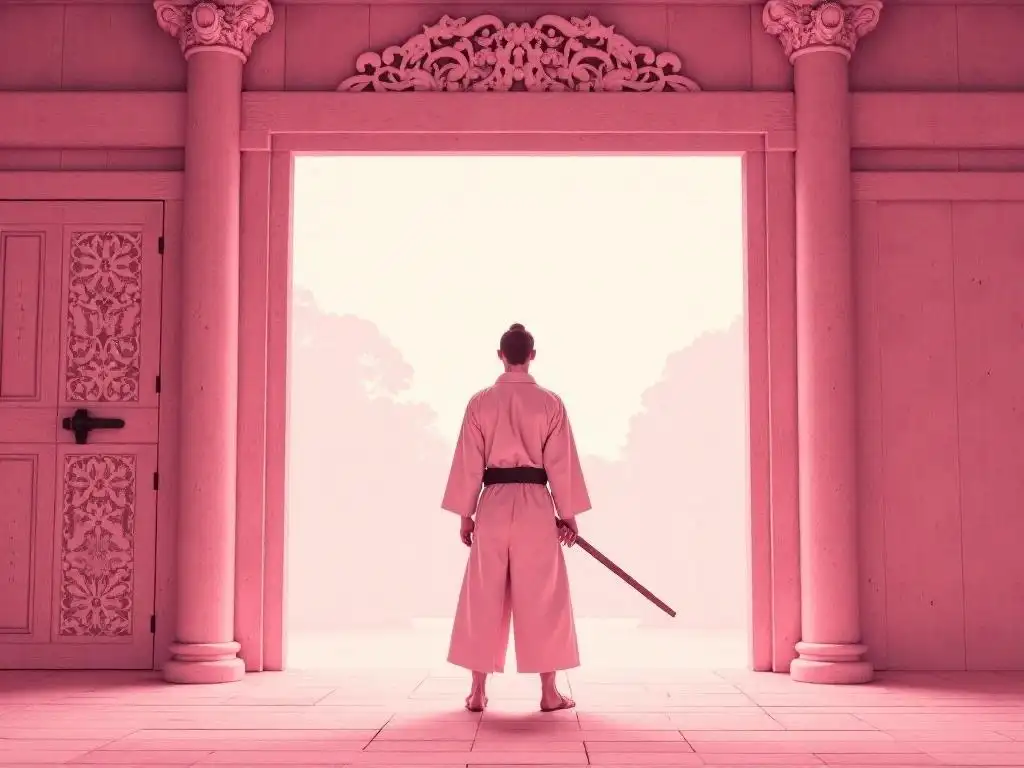
Welcome to Feudal Japan History, where we invite you to embark on an intriguing journey through the shadows of the past. Our spotlight today shines on Japan's martial arts history, a captivating tale that intertwines the honor of the samurai with the wisdom of the sensei. In our featured article, "From Samurai to Sensei: A Journey Through Japan's Elite Martial Arts Academies," you’ll uncover the rich traditions and philosophies that have shaped these legendary practices.
Prepare to delve deep into a world where discipline meets artistry and discover the profound impact of martial arts on Japanese culture. Don’t miss the chance to explore these ancient paths and unlock the secrets of an era that continues to inspire!
- Introduction to Japan's Martial Arts History
- The Evolution of Martial Arts in Japan
- Top Martial Arts Academies in Japan
- 1. Hombu Dojo (Aikido Headquarters)
- The Cultural Significance of Martial Arts in Japan
- The Future of Martial Arts in Japan
- Conclusion: Embracing the Heritage of Japan's Martial Arts
- Additional Resources for Aspiring Martial Artists
-
Frequently Asked Questions
- What is the significance of martial arts in feudal Japan?
- How did the samurai influence the development of martial arts?
- What are some key martial arts styles that emerged during the feudal era?
- How did Japan's martial arts evolve after the feudal period?
- Why is the study of Japan's martial arts history important today?
- Final Reflection: Embracing the Legacy of Japan's Martial Arts
- Embark on Your Own Martial Arts Odyssey!
Introduction to Japan's Martial Arts History
Japan's martial arts history is a captivating tapestry woven from centuries of tradition, philosophy, and discipline. From the early training methods of the samurai to the modern-day academies that cultivate elite practitioners, the evolution of martial arts in Japan reflects a unique blend of cultural values, societal changes, and historical events.
This article embarks on a journey through the rich landscape of Japan's martial arts, delving into its roots and the profound impact of samurai culture on its development. By exploring the origins and transformations of various martial arts schools, we aim to provide a comprehensive understanding of how these practices have shaped not only the warriors of the past but also the spiritual and physical training of martial artists today.
Understanding the Roots of Japan Martial Arts History
The origins of Japan's martial arts can be traced back to ancient times, where combat skills were essential for survival. Initially, these techniques were developed for practical purposes, including self-defense and battlefield strategy. Key elements of early Japanese martial arts included:
- Bujutsu: The term refers to the various combat skills practiced by samurai, encompassing techniques for armed and unarmed combat.
- Koryu: These are traditional schools of martial arts that emerged between the 16th and 19th centuries, each with its unique techniques and philosophies.
- Influences from China: Chinese martial arts significantly impacted the development of Japan's martial arts, introducing concepts such as fluid movements and philosophical underpinnings.
As Japan transitioned from a feudal society to a more centralized government, the focus of martial arts shifted. Techniques that were once rooted in warfare began to evolve into forms of discipline, art, and personal development.
The Influence of Samurai Culture on Martial Arts
The samurai, Japan’s warrior class, played a pivotal role in shaping the country's martial arts landscape. Their code of conduct, known as Bushido, emphasized virtues such as honor, loyalty, and discipline. This cultural ethos influenced martial arts training in several ways:
- Philosophy of Training: Samurai believed that martial arts were not just physical disciplines but also a means of spiritual growth. This duality is reflected in practices such as Iaido, which focuses on the smooth, controlled movements of drawing the sword.
- Martial Arts Schools: Many of the prominent martial arts schools in Japan today, such as Kendo, Aikido, and Judo, can trace their lineage back to samurai techniques. These schools often incorporate samurai philosophies in their teachings, emphasizing respect for opponents and the pursuit of excellence.
- Cultural Preservation: As feudal Japan declined, samurai culture began to wane. However, the martial arts they practiced underwent a transformation, transitioning from battlefield techniques to methods of cultural preservation and education.
The rich heritage of Japan’s martial arts is deeply intertwined with the legacy of the samurai. Understanding this connection offers valuable insights into the evolution of martial arts schools, their philosophies, and the enduring spirit of discipline and respect that characterize these practices today.
The Evolution of Martial Arts in Japan
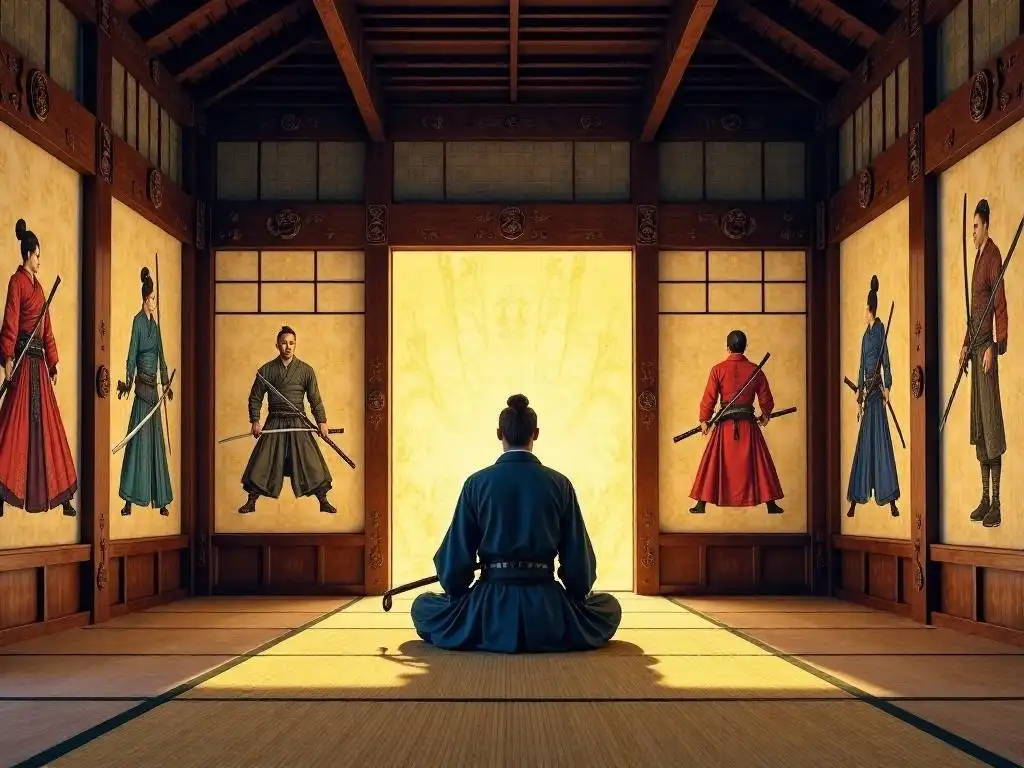
Historical Overview of Traditional Japanese Martial Arts
The history of traditional Japanese martial arts is rich and complex, evolving over centuries and deeply intertwined with Japan's social, political, and cultural fabric. Initially, martial arts developed as practical techniques for combat and self-defense, primarily among the samurai class. The earliest forms can be traced back to the Heian period (794-1185), where techniques began to formalize and schools started to emerge.
During the Kamakura period (1185-1333), the rise of the samurai as a distinct warrior class significantly influenced martial arts development. Schools such as the Katori Shinto-ryu and Tenshin Shoden Katori Shinto-ryu were established, focusing on weapons training, strategy, and battlefield tactics. These schools laid the groundwork for various martial styles, each with unique philosophies and methodologies.
The Muromachi period (1336-1573) saw the introduction of new weapons and techniques, alongside the formalization of structured training methods. This was a time of constant warfare, leading to the creation of more combat-centric schools. Notably, Kenjutsu, the art of swordsmanship, became prominent, reflecting the samurai's reliance on the katana.
With the unification of Japan under Tokugawa Ieyasu in the early 17th century, the need for martial skills shifted from battlefield efficacy to personal development and discipline. This transition marked the beginning of a more philosophical approach to martial arts, leading to the establishment of various forms of Budo, including Kendo and Iaido. These practices emphasized the mental and spiritual aspects of martial arts alongside physical training.
Key Figures in Japan's Martial Arts Evolution
The evolution of martial arts in Japan has been significantly shaped by influential figures who not only mastered these arts but also contributed to their philosophical and instructional frameworks. The legacy of these individuals continues to resonate in modern martial arts practices.
The Role of the Samurai in Shaping Martial Arts
The samurai, Japan's elite warrior class, played a crucial role in the development and preservation of martial arts. Their code of conduct, known as Bushido, emphasized honor, discipline, and loyalty, shaping the training and philosophy of martial arts schools. Samurai were not only fighters; they were also scholars and artists, integrating cultural aspects into their martial practices.
Prominent figures such as Miyamoto Musashi, a legendary swordsman and strategist, greatly influenced martial arts philosophy. His book, The Book of Five Rings, outlines strategies and principles that extend beyond swordsmanship to encompass broader concepts of conflict and personal mastery. Musashi's dual-wielding techniques and unique approach to combat have inspired countless martial artists and continue to be studied today.
Legendary Martial Artists: From Samurai to Modern Sensei
As martial arts evolved, so did the figures who practiced and taught them. After the samurai era, many notable individuals emerged, transitioning from traditional samurai techniques to modern interpretations.
One such figure is Jigoro Kano, the founder of Judo in the late 19th century. Kano's innovative philosophy was to adapt traditional jujutsu techniques into a sport that emphasized skill and technique over brute strength. His establishment of the Kodokan in Tokyo laid the groundwork for Judo's global proliferation.
Another significant figure is Gichin Funakoshi, credited with popularizing Karate in Japan during the early 20th century. His teachings emphasized the importance of character development, making Karate not just a martial practice, but a path to personal growth and discipline.
These legendary martial artists have paved the way for contemporary instructors, known as Sensei, who continue to teach and innovate within their respective disciplines, ensuring the rich history of Japan's martial arts endures for future generations.
Top Martial Arts Academies in Japan
Overview of Elite Martial Arts Schools
Japan's martial arts academies have long been recognized as prestigious institutions, shaping not only the physical skills of their students but also instilling values such as discipline, respect, and perseverance. These elite schools are often steeped in tradition, offering a blend of historical techniques and modern training methodologies. From the disciplined practices of Kendo to the fluid movements of Aikido, each academy showcases a unique facet of Japan's rich martial arts tapestry.
The significance of these institutions extends beyond mere combat training; they serve as cultural bastions that preserve ancient traditions while adapting to contemporary society. Students at these academies often engage in rigorous training regimes that include not only physical conditioning but also philosophical teachings rooted in the martial arts' historical context.
Criteria for Selecting Top Martial Arts Academies
When evaluating the top martial arts academies in Japan, several criteria come into play:
- Reputation: The historical significance and recognition of the school within the martial arts community.
- Qualified Instructors: The expertise and lineage of the instructors, including their own training backgrounds and accolades.
- Training Facilities: The quality and availability of training facilities, including dojo space, equipment, and safety measures.
- Curriculum and Specializations: The range of programs offered and their focus on specific martial arts styles.
- Student Success: The track record of students in competitions, as well as their overall development within the martial arts.
These criteria help ensure that students receive a comprehensive education that aligns with their goals and aspirations in martial arts.
The Role of Accreditation in Martial Arts Education
Accreditation plays a crucial role in maintaining the standards and integrity of martial arts education in Japan. While many traditional schools may not have formal accreditation, several organizations do offer certification programs that can enhance a school's credibility. This includes:
- National Federations: Organizations that oversee the practices of specific martial arts, ensuring that schools adhere to established guidelines and teaching methods.
- International Bodies: Global martial arts organizations that provide a framework for schools to achieve recognition beyond their national borders.
Accreditation helps students and parents make informed decisions about their training environment, fostering a sense of trust in the institution's quality. Furthermore, accredited schools often have access to a wider network of resources, including seminars, competitions, and collaborative training opportunities with other academies.
1. Hombu Dojo (Aikido Headquarters)
History and Significance of Hombu Dojo
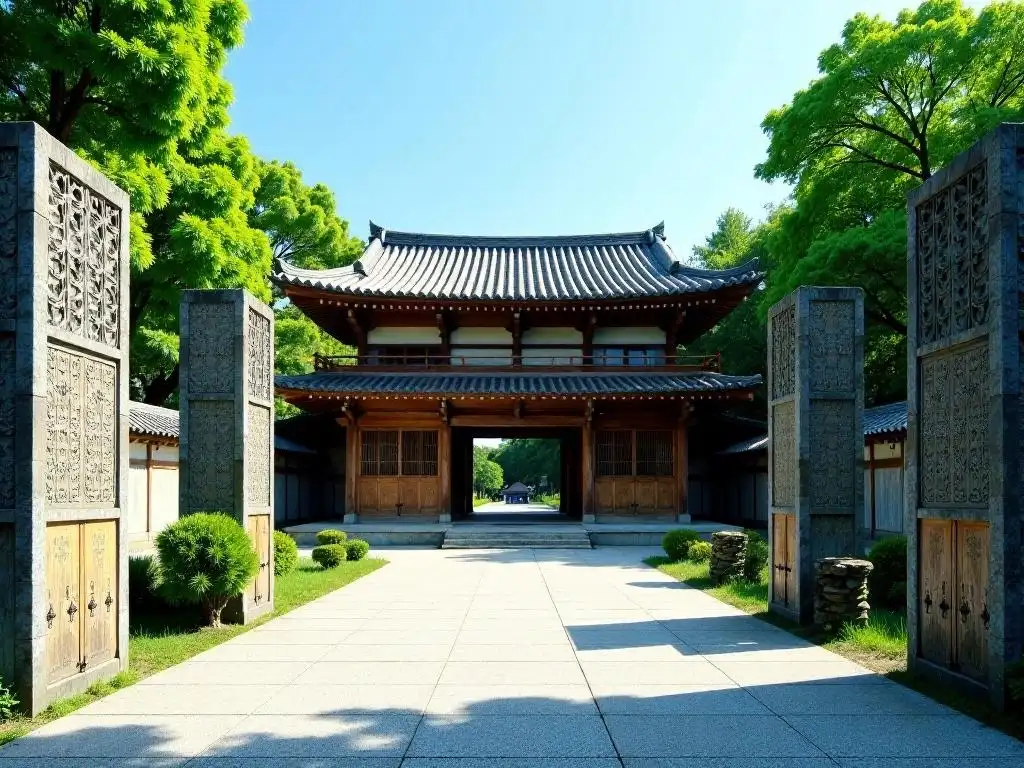
Hombu Dojo, located in Tokyo, is the world headquarters of Aikido and holds a pivotal place in Japan's martial arts history. Established in 1931 by Morihei Ueshiba, the founder of Aikido, this dojo has become a symbol of the art itself, attracting practitioners from around the globe. The dojo's significance lies not only in its role as a training facility but also as a cultural hub where the philosophy of Aikido is taught alongside its physical techniques.
Hombu Dojo has witnessed numerous historical events, including the post-war revival of martial arts in Japan. Its commitment to preserving the teachings of Ueshiba has made it an essential destination for martial artists seeking to deepen their understanding of Aikido's principles and practices.
Training Programs and Unique Features
Hombu Dojo offers a variety of training programs tailored for students of all levels, from beginners to advanced practitioners. Some of the key features of their training include:
- Regular Classes: Daily classes led by experienced instructors, focusing on fundamental techniques and kata (forms).
- Seminars and Workshops: Frequent special events featuring guest instructors from around the world, providing unique perspectives and techniques.
- Cultural Integration: Emphasis on the philosophical aspects of Aikido, including meditation and the study of its historical context.
The dojo's structure encourages a supportive environment that fosters growth and camaraderie among students, reinforcing the community aspect inherent in martial arts training.
Notable Practitioners and Their Contributions
Throughout its history, Hombu Dojo has produced numerous notable practitioners who have made significant contributions to the world of Aikido and martial arts as a whole. Some prominent figures include:
- Mikio Nishiuchi: A direct student of Ueshiba, Nishiuchi played a crucial role in spreading Aikido internationally, establishing dojos across Europe.
- Tadashi Abe: Renowned for his dynamic teaching style, Abe significantly influenced the Aikido landscape in North America during the 1960s.
- Yoshimitsu Yamada: An influential instructor in both the United States and Japan, Yamada is credited with enhancing the global understanding of Aikido's principles.
These practitioners not only excelled in their techniques but also dedicated their lives to sharing the philosophy of Aikido, further solidifying Hombu Dojo's legacy within Japan's martial arts history.
2. Katori Shinto-ryu
Origins and Historical Importance of Katori Shinto-ryu
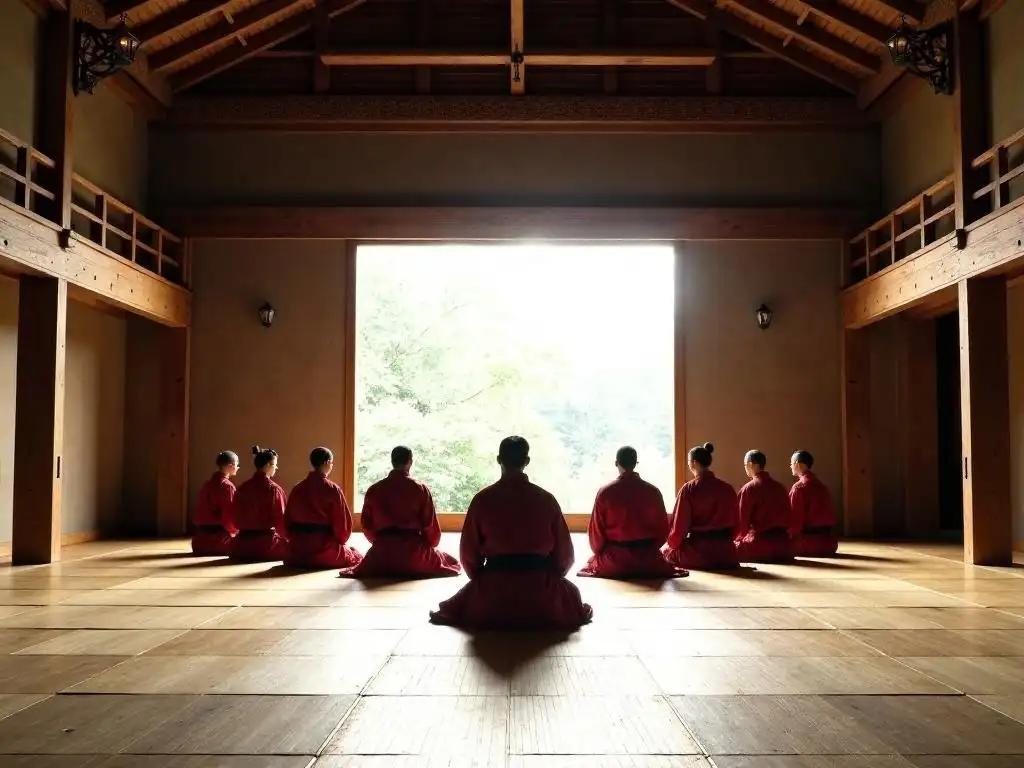
Katori Shinto-ryu is one of the oldest and most influential martial arts schools in Japan, with origins tracing back to the 15th century. Founded by Choisai Ienao, this school is deeply rooted in the traditions of the samurai class and embodies a comprehensive system of combat techniques, strategy, and philosophy. The school's name references the Katori Shrine in Chiba Prefecture, which is dedicated to the deity of war, Futsunushi no Mikoto.
Historically, Katori Shinto-ryu played a pivotal role in shaping the martial arts landscape of Japan, influencing numerous other schools and styles. Its teachings were preserved through generations, often passed down through direct lineage, which maintains the authenticity and integrity of its practices. The school's emphasis on kata (forms) and the integration of various weapons, such as the katana, bo staff, and naginata, reflect the martial culture of feudal Japan and the necessity of comprehensive training for samurai warriors.
Curriculum and Training Style
The curriculum of Katori Shinto-ryu is extensive and multifaceted, incorporating both armed and unarmed combat techniques. Students engage in rigorous training that includes:
- Kenjutsu: The art of swordsmanship, focusing on the katana.
- Bojutsu: Training with the long staff, emphasizing distance control and precision.
- Naginatajutsu: Techniques involving the naginata, a traditional polearm.
- Iaijutsu: The art of drawing the sword and cutting in one motion, highlighting speed and reaction.
Training is typically conducted through kata, which are pre-arranged forms that teach principles of timing, distance, and technique. The school places a strong emphasis on mental discipline, strategic thinking, and the philosophical aspects of martial arts, encouraging students to develop not just physical skills but also a warrior's mindset.
Famous Alumni and Their Impact on Martial Arts
Katori Shinto-ryu boasts a lineage of notable practitioners who have significantly influenced martial arts both in Japan and abroad. One of the most distinguished figures is Miyamoto Musashi, the legendary swordsman known for his unique two-sword technique and his philosophical treatise, "The Book of Five Rings." His contributions to martial arts extend beyond combat, as he emphasized the mental aspects of training.
Another prominent figure is Ono Tadaaki, who helped spread Katori Shinto-ryu's teachings during the Edo period. His students established various branches, ensuring the school's survival and adaptation through changing times. Many modern martial artists draw inspiration from Katori Shinto-ryu's principles, highlighting its enduring legacy in the evolution of Japan's martial arts history.
3. Kodokan Judo Institute
The Birthplace of Judo: A Historical Overview
Established in 1882 by Jigoro Kano, the Kodokan Judo Institute is recognized as the birthplace of judo, a martial art that revolutionized Japanese martial culture. Kano sought to create a system that not only emphasized physical prowess but also fostered moral and ethical development, making judo a holistic discipline.
Kano's innovative approach combined elements of traditional Japanese jujutsu with new techniques and principles, leading to the formation of judo as a distinct martial art. The Kodokan became a hub for judo practice and education, promoting the sport both nationally and internationally. As judo gained popularity, it evolved into a respected Olympic sport, further cementing the Kodokan's significance in martial arts history.
Training Methodologies and Facilities
Training at the Kodokan Judo Institute is characterized by a structured yet flexible methodology, focusing on both technique and philosophy. The core elements of training include:
- Randori: Practicing techniques in a free-form environment with multiple partners, promoting adaptability and responsiveness.
- Kata: Pre-arranged forms that teach foundational techniques and principles, ensuring students understand the underlying philosophy of judo.
- Shiai: Competitive sparring, allowing students to apply their skills in a controlled environment and develop strategies for success.
The Kodokan's facilities are equipped with state-of-the-art training mats, dojo spaces, and resources to support judokas of all levels. The environment fosters a sense of community and collaboration, where practitioners can learn from one another and grow as martial artists.
Success Stories and Competitive Achievements
The Kodokan Judo Institute has produced numerous champions and influential figures in the world of judo. Notable judokas, such as Yasuhiro Yamashita, have emerged from the Kodokan, achieving remarkable success in international competitions, including World Championships and the Olympics. Yamashita, who remains undefeated in competitive judo, is a testament to the effectiveness of the training methodologies employed at the Kodokan.
Additionally, the institute has been instrumental in promoting judo globally, contributing to its status as an Olympic sport in 1964. The Kodokan's success stories continue to inspire new generations of martial artists, showcasing the profound impact of judo on both personal development and competitive excellence within the realm of Japan's martial arts history.
4. Shihan Dojo (Karate)
Karate, a striking martial art that emphasizes punching, kicking, knee strikes, and open-hand techniques, has a storied legacy in Japan. The Shihan Dojo embodies this rich tradition, serving as a prominent institution for karate training and philosophy.
The Legacy of Karate in Japan
Karate originated in the Ryukyu Kingdom, which is now Okinawa, and was influenced by indigenous fighting styles as well as Chinese martial arts. Its introduction to mainland Japan in the early 20th century marked a significant moment in martial arts history. The term "karate" translates to "empty hand," reflecting its focus on unarmed combat.
The Shihan Dojo stands out in this historical context, as it not only preserves traditional karate forms but also adapts to contemporary styles and techniques. Students at the Shihan Dojo learn about the core principles of karate, including respect, discipline, and perseverance. The dojo serves as a hub for passing down knowledge from generation to generation, fostering a deep connection to the cultural roots of karate.
Unique Training Techniques and Philosophies
At Shihan Dojo, training encompasses a blend of physical rigor and mental discipline. The training regimen often includes:
- Kihon (Basics): Fundamental techniques that form the building blocks of karate. Students practice stances, strikes, and blocks to develop their skills.
- Kata (Forms): Pre-arranged sequences of movements that simulate combat scenarios. Kata is essential for honing technique and mastering timing and precision.
- Kumite (Sparring): Controlled fighting practice that allows students to apply their skills in a dynamic environment. Kumite enhances reflexes, strategy, and adaptability.
Moreover, the philosophy at Shihan Dojo emphasizes the importance of Do, or "the way." This concept encourages practitioners to view karate as a lifelong journey of self-improvement, rather than just a means of self-defense. The dojo instills values such as humility, respect for others, and the pursuit of excellence, all central to the martial arts ethos in Japan.
Prominent Figures in Shihan Dojo
The Shihan Dojo has been shaped by numerous influential figures in the karate community. Some of the most notable include:
- Gichin Funakoshi: Often regarded as the father of modern karate, he played a crucial role in popularizing the art in Japan and establishing the philosophy behind Shotokan karate. His teachings laid the groundwork for the methods practiced in Shihan Dojo today.
- Masatoshi Nakayama: A direct student of Funakoshi, Nakayama was instrumental in developing the Japan Karate Association (JKA) and furthering karate's international reach. His contributions to karate theory and practice are foundational to the training methods employed in the Shihan Dojo.
- Hirokazu Kanazawa: A prominent practitioner and teacher, Kanazawa is known for his rigorous training methods and dedication to the traditional aspects of karate. His influence is felt through various generations of karateka trained in Shihan Dojo.
These figures, among others, have not only shaped the methodology and practice of karate but have also ensured that the cultural significance of martial arts remains a vital aspect of Japanese heritage. Through their legacies, Shihan Dojo continues to inspire a new generation of martial artists committed to the path of karate.
The Cultural Significance of Martial Arts in Japan
Martial Arts as a Reflection of Japanese Society
Martial arts in Japan are not merely forms of combat; they encapsulate the essence of Japanese culture and societal values. The historical context of Japan's martial arts reveals how they have evolved alongside the country’s social structures, warfare practices, and philosophies throughout the centuries.
- Historical Context: The development of martial arts in Japan can be traced back to the samurai class during the feudal era, where combat skills were not only essential for survival but also tied to the bushido code, emphasizing honor, discipline, and loyalty. The samurai's role as both warriors and cultural custodians made martial arts a crucial element of their education.
- Social Hierarchy: As Japan transitioned from the feudal system to a more modern society, martial arts became a reflection of the underlying social hierarchy. Schools (dojos) emerged as centers of learning, where students from various backgrounds trained together, breaking down some of the rigid class distinctions that characterized earlier periods.
- Preservation of Tradition: The emphasis on tradition in Japanese martial arts serves as a mirror to the broader cultural values of respect and perseverance. Many martial arts schools maintain rigorous protocols, rituals, and a deep reverence for their instructors, which reinforces community bonds and continuity of cultural heritage.
- Influence on National Identity: The global spread of Japanese martial arts, such as judo and kendo, has played a significant role in shaping Japan's national identity. These disciplines are often viewed as symbols of Japanese resilience and discipline, influencing not only domestic perceptions but also international views on Japanese culture.
The Spiritual and Philosophical Aspects of Training
Training in martial arts in Japan transcends physicality, delving into spiritual and philosophical realms that are integral to the practice. Each martial art embodies a unique philosophy, deeply intertwined with the cultural and spiritual fabric of Japan.
- Mind-Body Connection: Many Japanese martial arts emphasize the importance of harmony between body and mind. The practice of zazen (sitting meditation) and the concept of ki (life force) are central to understanding this connection. Through rigorous training, practitioners learn to cultivate awareness and discipline, essential traits not only in martial contexts but in daily life.
- Philosophy of Self-Improvement: The journey in martial arts is often viewed as a path toward personal growth. The concept of kaizen, or continuous improvement, is prevalent in training regimens. Practitioners strive to refine their techniques, improve their mental fortitude, and develop a deeper understanding of themselves and their place in the world.
- Ethical Framework: Japanese martial arts are deeply rooted in ethical teachings, often influenced by Zen Buddhism, Confucianism, and Shinto beliefs. The emphasis on respect, humility, and responsibility shapes the character of practitioners, ensuring that martial arts training is as much about moral development as it is about physical prowess.
- Ritual and Spirituality: Many martial arts practices include rituals that foster a sense of spirituality. This may involve bowing to the dojo, honoring the lineage of instructors, or performing kata (forms) as a meditative practice. Such rituals create a sacred space for training, enhancing the spiritual journey of each practitioner.
The cultural significance of martial arts in Japan extends beyond mere combat techniques, offering a holistic approach that intertwines societal values, personal development, and spiritual growth. Understanding these aspects enriches the narrative of Japan's martial arts history and highlights their enduring impact on both individual practitioners and society as a whole.
The Future of Martial Arts in Japan
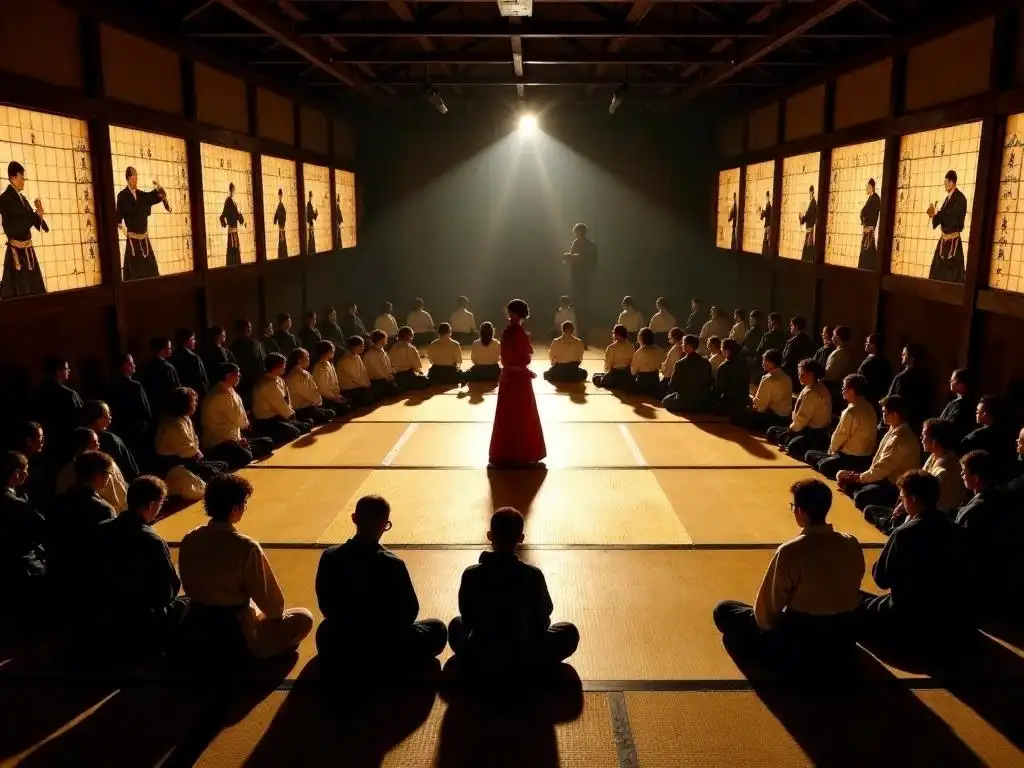
As Japan's rich martial arts heritage continues to evolve, the future holds exciting possibilities for practitioners and enthusiasts alike. The fusion of traditional techniques with modern training methodologies is paving the way for a new generation of martial artists. This evolution reflects broader societal changes, technological advancements, and the increasing globalization of martial arts practices.
Trends in Modern Japanese Martial Arts Training
Modern Japanese martial arts training is characterized by several notable trends that are reshaping how these disciplines are practiced and perceived:
- Integration of Technology:
- Virtual Training: The rise of online platforms and apps for martial arts training has made it easier for students to access lessons and resources remotely. This trend has been particularly beneficial during the COVID-19 pandemic, allowing practitioners to continue their training from home.
- Wearable Technology: Devices such as smartwatches and fitness trackers are becoming commonplace among martial artists. These tools help monitor physical performance, recovery times, and overall health metrics, enabling practitioners to train more effectively.
- Cross-Disciplinary Training:
- Many martial artists are now incorporating elements from various disciplines—such as Brazilian Jiu-Jitsu, Muay Thai, and even yoga—into their training regimens. This cross-pollination enriches the skill set of martial artists and fosters a more holistic approach to physical education.
- Focus on Mental Conditioning:
- The importance of mental resilience and mindfulness is gaining recognition in martial arts training. Programs that emphasize meditation, visualization techniques, and psychological preparation are becoming more prevalent, helping practitioners enhance their mental fortitude alongside physical prowess.
- Women in Martial Arts:
- There is a growing movement to encourage female participation in martial arts, with initiatives aimed at creating safe and welcoming environments for women. This trend is not only empowering but also diversifying the martial arts community in Japan.
- Cultural Exchange and Globalization:
- As international interest in martial arts continues to rise, many Japanese schools are welcoming foreign students. This cultural exchange enriches the training experience and fosters global understanding of Japan's martial arts traditions.
The Global Influence of Japan's Martial Arts Legacy
Japan's martial arts have long been revered around the world, influencing countless practitioners and schools far beyond its borders. The global reach of Japanese martial arts can be examined through several key dimensions:
- Martial Arts as Cultural Diplomacy:
- Japanese martial arts serve as a bridge between cultures, promoting peace and mutual respect. Events such as international tournaments and seminars help to foster goodwill and understanding among nations.
- Adoption and Adaptation:
- Various forms of Japanese martial arts, such as Judo and Karate, have been adopted and adapted by countries worldwide. This adaptation often leads to the creation of unique styles that blend traditional techniques with local customs and practices.
- Influence on Popular Culture:
- Japan's martial arts have made significant contributions to global popular culture, inspiring countless films, anime, and literature. This representation not only raises awareness of Japan's martial arts but also attracts new practitioners eager to explore these disciplines.
- Educational Initiatives:
- Many universities and colleges around the world have begun to offer courses and programs focused on Japanese martial arts, ensuring that future generations will appreciate and understand these rich traditions.
The future of martial arts in Japan appears bright, marked by innovation and global influence. As traditions blend with modern practices, the legacy of Japan's martial arts will undoubtedly continue to thrive and adapt, inspiring martial artists across the globe.
Conclusion: Embracing the Heritage of Japan's Martial Arts
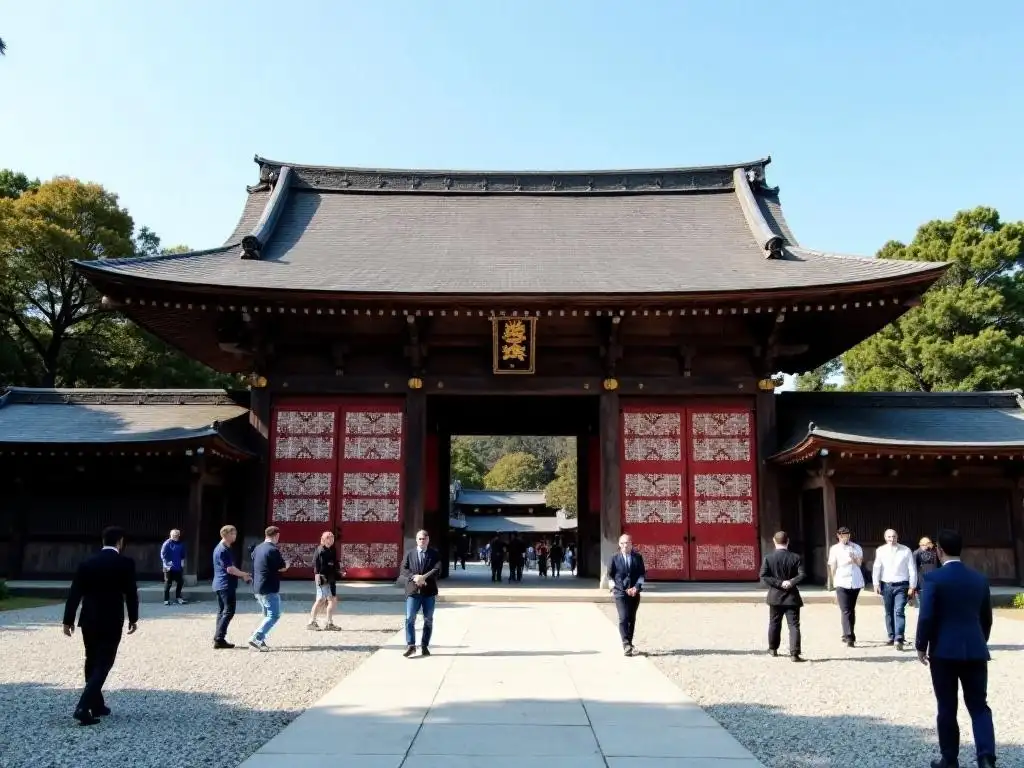
The rich tapestry of Japan's martial arts history is not just a collection of techniques and combat strategies; it embodies the spirit, philosophy, and cultural values of its people. As we journey through the elite martial arts academies of Japan, it becomes clear that these institutions serve as custodians of a legacy that has evolved over centuries. The commitment to preserving traditional practices while adapting to modern influences is vital for the continuation of this heritage.
By understanding the historical context and significance of martial arts in Japan, practitioners and enthusiasts alike can cultivate a deeper appreciation for their art. The teachings of the samurai, the philosophies of Zen, and the narratives of legendary masters have all shaped the practices we see today. This connection to the past enriches the training experience and fosters a sense of belonging within the martial arts community.
The Importance of Preserving Japan Martial Arts History
Preserving Japan's martial arts history is crucial for several reasons:
- Cultural Identity: Martial arts are a significant part of Japan's cultural identity. Each style, from Judo to Kendo, carries with it a unique history and philosophy that reflects the values of its time. By preserving these arts, we maintain a connection to our cultural roots.
- Historical Knowledge: Understanding the evolution of martial arts in Japan provides insights into broader historical events, social changes, and the influence of external factors such as globalization and modernization. This knowledge helps practitioners appreciate their art beyond just physical techniques.
- Skill Development: The principles and philosophies embedded in traditional martial arts can enhance a practitioner's skill set. Techniques often have historical significance, teaching patience, respect, and discipline—all essential qualities for effective martial arts training.
- Community Engagement: Maintaining a focus on the history of martial arts encourages community involvement. It fosters a shared sense of purpose among practitioners, historians, and enthusiasts, promoting events like seminars, workshops, and exhibitions that highlight traditional practices.
Encouraging Participation in Japanese Martial Arts
Engaging more individuals in Japanese martial arts requires a multifaceted approach:
- Educational Programs: Implementing educational programs that teach the history, philosophy, and techniques of various martial arts can spark interest among newcomers. Programs in schools or community centers can introduce martial arts as both a physical activity and a cultural study.
- Workshops and Seminars: Hosting workshops led by experienced instructors can provide hands-on experience while also sharing the historical context behind techniques. This creates a bridge between learning and heritage, highlighting the importance of tradition.
- Inclusive Environment: Creating an inclusive atmosphere that welcomes people of all ages, backgrounds, and skill levels can encourage participation. Emphasizing personal growth, respect, and the journey of learning rather than solely focusing on competition fosters a supportive community.
- Cultural Events: Organizing cultural events or festivals that celebrate martial arts can attract a broader audience. Demonstrations, competitions, and exhibitions can showcase the beauty and depth of these practices, inspiring spectators to become participants.
As we embrace the heritage of Japan's martial arts, we not only honor the past but also pave the way for future generations to explore, learn, and grow within this rich tradition. By preserving the history and encouraging active participation, we ensure that the values and skills of Japan's martial arts continue to thrive.
Additional Resources for Aspiring Martial Artists
Recommended Books on Japan Martial Arts History
For those interested in delving deeper into the rich tapestry of Japan's martial arts history, a selection of insightful books can provide a comprehensive understanding of the traditions, philosophies, and techniques that have shaped the discipline. Here are some highly recommended titles:
-
"Hagakure: The Book of the Samurai" by Yamamoto Tsunetomo
This classic text offers an intimate look at the samurai code of ethics and way of life during the Edo period. It serves as a philosophical guide for martial artists and provides historical context on samurai practices.
-
"The Book of Five Rings" by Miyamoto Musashi
Written by one of Japan's most famous swordsmen, this book outlines Musashi's philosophy on strategy, tactics, and martial arts. It is a must-read for anyone wishing to understand the mindset of a true martial artist.
-
"A History of Japanese Martial Arts" by Donn F. Draeger
This comprehensive work examines the evolution of martial arts in Japan, detailing various styles and their influences over the centuries. It includes a wealth of information on schools, techniques, and the cultural significance of martial arts.
-
"Secrets of the Samurai: The Martial Arts of Feudal Japan" by Oscar Ratti and Adele Westbrook
This book explores the various martial arts disciplines practiced in feudal Japan, including kenjutsu, iaijutsu, and jujutsu, along with their historical contexts and techniques.
-
"The Zen Way to the Martial Arts" by Taisen Deshimaru
This text integrates the philosophies of Zen Buddhism with martial arts practices, offering a unique perspective on the mental and spiritual aspects of training.
These books not only serve as an educational resource but also inspire aspiring martial artists to appreciate the depth of Japan's martial arts history.
Online Courses and Certifications in Japanese Martial Arts
In the digital age, aspiring martial artists have unprecedented access to a variety of online resources that can enhance their training and knowledge of Japanese martial arts. Here are some notable platforms offering courses and certifications:
-
Udemy
-
Japanese Martial Arts: The History and Philosophy
This course provides an overview of the different martial arts styles in Japan, their historical development, and philosophical underpinnings.
-
Introduction to Kendo
A practical course that covers the basics of Kendo, including techniques and etiquette, suited for beginners.
-
-
Coursera
-
Martial Arts and Philosophy
This course investigates the philosophical aspects of martial arts, focusing on Japanese traditions. It combines historical analysis with practical application.
-
-
MasterClass
-
Martial Arts with Steven Seagal
Although not strictly focused on traditional Japanese martial arts, this course offers insights into martial arts techniques and philosophies from a Hollywood perspective.
-
-
Local Dojos Offering Online Classes
Many traditional dojos have adapted to the online environment. They offer virtual classes in various styles such as Aikido, Judo, and Karate. Check their websites for schedules and registration details.
-
YouTube Channels
Channels dedicated to Japanese martial arts often provide free tutorials, techniques, and historical lessons. Some notable channels include "The Martial Arts Teacher" and "Kendo World."
These online courses and resources can significantly aid in the understanding and practice of Japanese martial arts, making it easier for aspiring martial artists to train remotely while gaining insights into the rich history that underpins their discipline.
Frequently Asked Questions
What is the significance of martial arts in feudal Japan?
Martial arts played a crucial role in feudal Japan, serving as a means of combat training for the samurai class and a way to uphold social order and discipline.
How did the samurai influence the development of martial arts?
The samurai were instrumental in shaping various martial arts forms, emphasizing strategic combat, discipline, and the philosophical aspects of training that still resonate in modern practices.
What are some key martial arts styles that emerged during the feudal era?
Key styles that emerged include Kendo, Judo, and Aikido, each reflecting the warrior spirit and techniques adapted for both combat and personal growth.
How did Japan's martial arts evolve after the feudal period?
After the feudal period, martial arts transitioned from combat training for warriors to more structured forms of sport and self-discipline, becoming popular worldwide.
Why is the study of Japan's martial arts history important today?
Studying Japan's martial arts history provides valuable insights into cultural identity, tradition, and the evolution of martial practices, contributing to a deeper understanding of Japanese heritage.
Final Reflection: Embracing the Legacy of Japan's Martial Arts
The journey through Japan's martial arts history reveals a profound connection between tradition and modernity. As we explore the evolution from the disciplined samurai to the revered sensei, we uncover not only the techniques and philosophies that have shaped these practices but also their enduring relevance in today's fast-paced world. The essence of martial arts transcends mere physicality; it embodies resilience, respect, and the pursuit of mastery.
Cultural practices, such as martial arts, serve as a mirror reflecting societal values and personal growth. The impact of Japan's elite martial arts academies extends beyond the dojo, influencing global perspectives on discipline, honor, and self-improvement. As the great martial artist Bruce Lee once said, The successful warrior is the average man, with laser-like focus.
This quote encapsulates the transformative power of martial arts, reminding us that greatness is not reserved for the few but is attainable through dedication and perseverance.
As we conclude this exploration, I invite you to reflect on your own journey and the lessons that martial arts can teach us all. Consider how the principles of discipline, respect, and continuous learning can be integrated into your daily life. Whether you practice martial arts or simply draw inspiration from its rich history, let the spirit of the samurai and the wisdom of the sensei guide you toward personal growth and fulfillment. Embrace the legacy, and allow it to shape your path forward.
Embark on Your Own Martial Arts Odyssey!
Thank you for diving into the rich tapestry of Japan's martial arts history with us! We hope you’ve gained insights into the transformative journey from samurai to sensei. Now, it’s time to take that inspiration and put it into action!
Here’s how you can continue your exploration:
- Join a local martial arts class: Experience the discipline and philosophy firsthand by enrolling in a class that resonates with your interests.
- Delve deeper into history: Immerse yourself in literature and documentaries that explore the evolution of these martial arts traditions.
- Share your journey: Connect with fellow enthusiasts by sharing your experiences or thoughts on martial arts in our comments section or on social media.
What aspects of martial arts resonate most with your personal journey or ambitions?