
Training with Legends: The Most Influential Martial Arts Schools in Japan

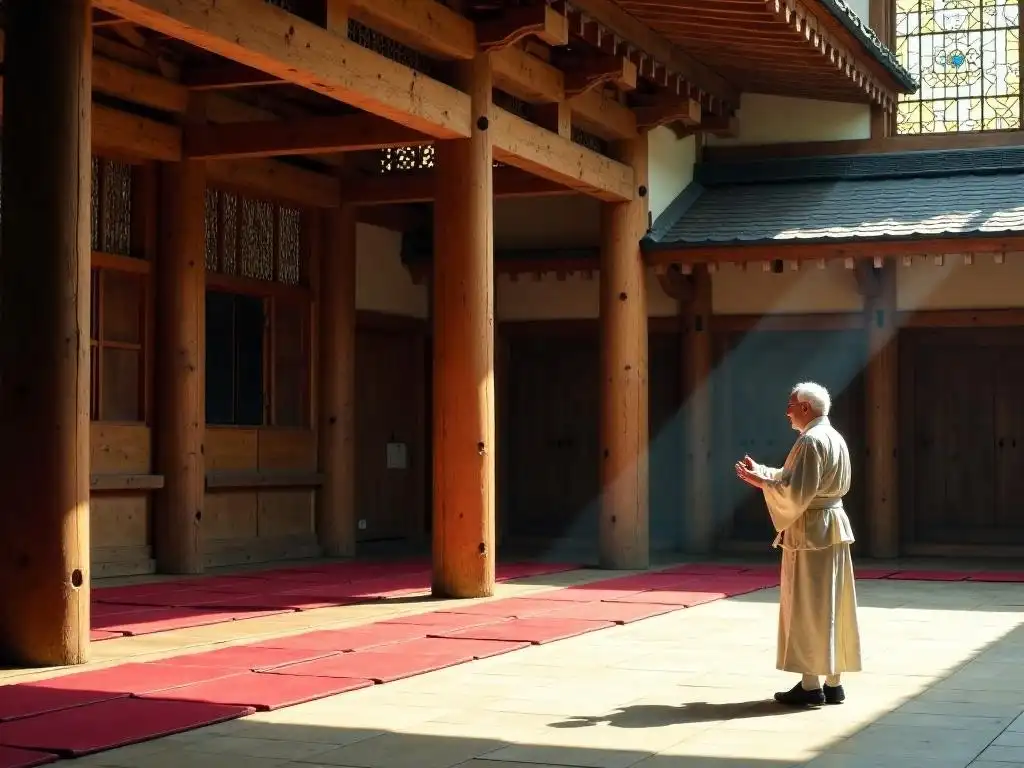
Welcome to Feudal Japan History, where we invite you to embark on a captivating journey through the rich tapestry of Japan's feudal era. Here, you'll uncover the profound impact of historical, cultural, and societal elements that have shaped this fascinating period. In our featured article, “Training with Legends: The Most Influential Martial Arts Schools in Japan,” we delve into the legendary schools that have not only transformed martial arts but also influenced the very fabric of Japanese culture.
Get ready to explore the legacies of these iconic institutions and discover the incredible stories behind them. Your exploration of feudal Japan's martial arts legacy begins now—let's dive deeper!
Introduction to Influential Martial Arts Schools in Japan
The martial arts of Japan are deeply rooted in the country's rich feudal history, where discipline, honor, and skill were paramount. During this era, various martial arts schools emerged, each contributing to the development and preservation of unique techniques and philosophies. As we delve into the influential martial arts schools in Japan, we will explore not only their historical significance but also their cultural impact on both the samurai and the broader Japanese society.
This exploration reveals how these schools have shaped the martial landscape of Japan and continue to influence practitioners worldwide today. Through our journey, we will uncover the legacies of these institutions, their renowned masters, and the enduring traditions they have passed down through generations.
Historical Context of Martial Arts in Japan
Understanding the historical context of martial arts in Japan is crucial for appreciating the foundations of these influential schools. The evolution of martial arts reflects broader societal changes, including the rise and fall of feudal lords and the changing role of the samurai.
The Origins of Martial Arts in Feudal Japan
The origins of martial arts in Japan can be traced back to the Heian period (794-1185), where the need for self-defense and military training became increasingly important. Initially influenced by Chinese martial arts, Japanese techniques began to develop their own identities as local warriors sought to refine their skills for combat.
- Key Developments:
- Kenjutsu: The art of swordsmanship became prominent as the samurai class emerged.
- Bojutsu: The study of the staff, which was widely used on the battlefield.
- Ninjutsu: Developed by the covert agents known as ninjas, focusing on stealth and unconventional warfare.
These early martial arts schools laid the groundwork for the myriad styles and techniques that would flourish in later centuries.
The Role of Martial Arts in Samurai Training
Martial arts played an integral role in the training and lifestyle of the samurai. Beyond mere combat skills, these practices instilled essential values that defined the samurai code, known as Bushido.
- Core Tenets of Bushido:
- Honor: Samurai were expected to uphold their reputation and integrity.
- Courage: Training in martial arts fostered bravery and resilience.
- Loyalty: Dedication to one's lord and comrades was paramount.
The rigorous training regimes of martial arts schools ensured that samurai were not only skilled warriors but also embodying the ethical standards of their class. These traditions continue to influence modern martial arts practices, providing insight into the profound legacy of Japan's feudal past.
Notable Influential Martial Arts Schools in Japan
Japan has a rich history of martial arts, with numerous schools that have significantly influenced not only the culture but also the global perception of these disciplines. Here are some of the most notable martial arts schools that stand out in Japan's feudal and modern eras.
1. Katori Shinto-ryu: The Oldest Martial Arts School
Katori Shinto-ryu, founded in the 15th century, holds the title of the oldest martial arts school in Japan. This school is notable for its comprehensive approach to martial arts, encompassing various weapon techniques including swordsmanship, staff, and naginata (polearm). The teachings of Katori Shinto-ryu focus on strategy, discipline, and the mental aspects of combat, reflecting the philosophy of the samurai.
The founder, Choisai Ienao, established the school in the Katori Shrine area, which is believed to be a sacred site for martial arts. Today, Katori Shinto-ryu continues to be practiced by martial artists who seek to connect with Japan's historical roots and the samurai spirit.
2. Tenshin Shoden Katori Shinto-ryu: A Legacy of Combat Skills
Tenshin Shoden Katori Shinto-ryu is a branch of the original Katori Shinto-ryu and is revered for its focus on traditional Japanese martial arts. With teachings that span various weapons and unarmed combat, it emphasizes the integration of mind, body, and technique. The school has preserved ancient combat skills and practices that are not only practical for self-defense but also provide insight into the philosophy behind martial training.
Students of Tenshin Shoden Katori Shinto-ryu learn through a rigorous curriculum that includes kata (pre-arranged forms), sparring, and the use of traditional weapons. The school's commitment to preserving its heritage makes it a pivotal institution for those interested in the historical aspects of Japanese martial arts.
3. Yoshinkan Aikido: The Art of Peaceful Resolution
Yoshinkan Aikido is a modern school of Aikido founded by Gozo Shioda in the early 20th century. This style is characterized by its emphasis on practical application and self-defense techniques that focus on blending with an opponent's movements rather than confronting them directly. Yoshinkan Aikido aims to neutralize aggression while promoting harmony and peaceful resolution.
The training methodology often includes a significant amount of sparring and real-life scenario applications, making it highly relevant in today's context. Yoshinkan Aikido's approach to martial arts reflects a deeper philosophical belief in achieving peace through understanding and skillful response to conflict.
4. Judo: The Way of Gentleness
Judo, founded by Jigoro Kano in 1882, is one of the most widely recognized martial arts globally. It is based on the principle of using an opponent's force against them, emphasizing technique over brute strength. Judo's training methodologies include grappling, throwing techniques, and ground fighting, making it a practical and effective martial art.
The school's teachings promote physical fitness, mental discipline, and respect for others. Judo has also evolved into an Olympic sport, showcasing its global influence and popularity. The philosophy of "maximum efficiency, minimum effort" is central to its practice, which aligns with the broader principles of martial arts in Japan.
5. Karate: A Fusion of Tradition and Modernity
Karate, which originated from the Ryukyu Islands, has become a prominent martial art practiced worldwide. The evolution of Karate in Japan incorporates traditional forms (kata) and modern techniques, resulting in a diverse range of styles such as Shotokan, Goju-Ryu, and Shito-Ryu. Each style brings its unique philosophy and approach to training, but all emphasize the development of physical and mental strength.
Karate training often involves a combination of sparring, kata practice, and self-defense techniques. The balance between tradition and modernization has allowed Karate to thrive in contemporary society, making it accessible for people of all ages and backgrounds. Its incorporation into competitive formats has further propelled its popularity, both as a sport and as a means of personal development.
Training Methodologies in Influential Martial Arts Schools
The methodologies employed in these influential martial arts schools vary significantly, reflecting the unique philosophies and historical contexts of each discipline. Understanding these differences is crucial for practitioners and enthusiasts alike.
Traditional Techniques vs. Modern Adaptations
Many martial arts schools maintain a strong adherence to traditional techniques, valuing the historical context and cultural significance of their practices. Traditional training often involves rigorous kata practice, emphasizing precision and discipline. In contrast, modern adaptations of these techniques focus on practicality and effectiveness in real-world situations.
For instance, schools like Yoshinkan Aikido and Judo have incorporated sparring and practical application into their training regimens, allowing students to experience the dynamics of combat firsthand. This blend of tradition and modernity ensures that martial arts remain relevant and accessible to new generations of practitioners.
The Importance of Sparring and Practical Application
Sparring is a critical component of training in many martial arts schools, providing students with the opportunity to apply techniques in a dynamic environment. This practical application not only enhances physical skills but also fosters mental resilience and adaptability.
In schools like Judo and Karate, sparring helps practitioners develop timing, distance control, and the ability to read opponents' movements. Furthermore, engaging in realistic scenarios prepares students for potential self-defense situations, reinforcing the martial art's purpose beyond mere technique. The emphasis on sparring across various influential schools illustrates the importance of experiential learning in the martial arts journey.
The Cultural Impact of Influential Martial Arts Schools
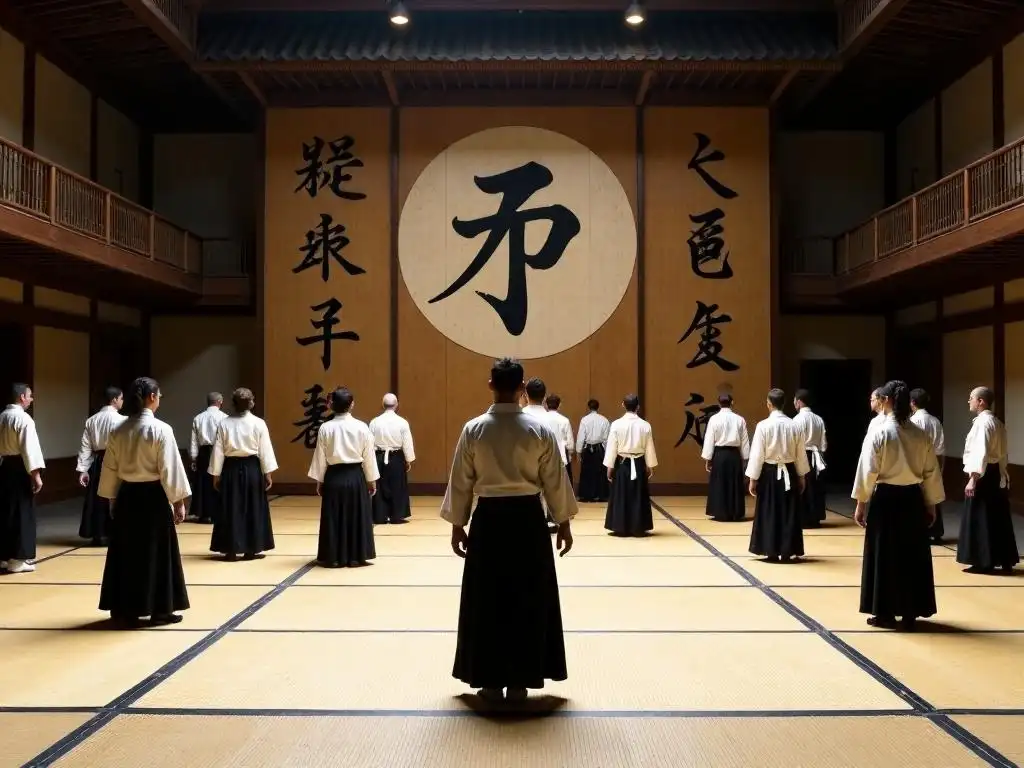
Influential martial arts schools in Japan have played a pivotal role in shaping not only the combat techniques but also the cultural landscape of the nation. From the samurai ethos of discipline and honor to the philosophical teachings intertwined with martial practice, these schools have transcended mere physical training to become vital components of Japanese identity.
Martial arts in Japan, such as Kendo, Judo, and Aikido, are steeped in rich traditions that emphasize respect, perseverance, and self-improvement. The rituals, etiquette, and philosophies taught in these schools foster a sense of community and belonging, creating bonds among practitioners that often last a lifetime. Moreover, these institutions have also been instrumental in preserving historical techniques and knowledge, ensuring that the wisdom of previous generations is passed down to future ones.
As these martial arts schools gained international attention, they have contributed to a global appreciation of Japanese culture. The teachings, philosophies, and practices have influenced various aspects of life beyond martial arts, including art, literature, and even business practices. This cultural exchange has helped to establish Japan's reputation as a center for martial arts excellence, attracting practitioners from around the world eager to learn from these esteemed institutions.
Contribution to Japanese Society and Global Recognition
The contribution of influential martial arts schools goes beyond individual training; they have significantly impacted Japanese society and garnered global recognition. These schools serve as cultural ambassadors, showcasing the discipline, artistry, and philosophy inherent in Japan’s martial traditions.
In Japan, martial arts schools often engage in community activities, promoting physical fitness, mental well-being, and social cohesion. They offer programs for all age groups, encouraging participation from children to the elderly. This inclusivity not only enhances the physical health of the community but also fosters intergenerational connections, as families often train together, sharing experiences and values.
Globally, the recognition of these schools has led to the establishment of international federations and competitions, promoting cross-cultural exchanges. Events like the World Judo Championships and the All Japan Kendo Championships draw participants and spectators from around the globe, showcasing the depth and skill of Japanese martial arts. This exposure has helped to cultivate a worldwide appreciation for the discipline and philosophy of these martial practices, allowing Japan to play a central role in the global martial arts community.
Conclusion: The Legacy of Influential Martial Arts Schools in Japan
The legacy of influential martial arts schools in Japan is profound and enduring. These institutions are not merely places for physical training; they are centers of cultural preservation, education, and personal development. The teachings imparted within their walls extend far beyond the dojo, influencing individuals and society at large.
As Japan continues to evolve, the principles of honor, respect, and discipline that these martial arts schools instill remain relevant. They serve as a reminder of the importance of character and integrity in an increasingly fast-paced and globalized world. The global spread of these martial arts has further solidified their status as vital cultural treasures of Japan, ensuring that their legacy will continue to thrive for generations to come.
The impact of these schools is visible not only in the ranks of skilled practitioners but also in the everyday lives of people who embrace the values learned through martial arts. As such, the influential martial arts schools of Japan stand as a testament to the power of tradition and its ability to shape both individual lives and society as a whole.
Call to Action: Explore Martial Arts Training in Japan
If you’ve ever been fascinated by the martial arts culture of Japan, now is the perfect time to immerse yourself in this rich heritage. Whether you’re a novice eager to learn the basics or an experienced practitioner seeking to deepen your skills, training in Japan offers an unparalleled opportunity to connect with the roots of martial arts.
Why Train in Japan?
Training in Japan is more than just learning techniques; it's an experience steeped in tradition, discipline, and respect. You will engage in practices that have been refined over centuries, surrounded by the serene landscapes and historical sites that inspired legendary samurai and warriors.
Benefits of Training in Influential Schools
- Expert Instruction: Learn from masters who have dedicated their lives to their art.
- Cultural Immersion: Experience the profound philosophies that underpin Japanese martial arts.
- Community and Camaraderie: Join a network of like-minded individuals who share your passion.
How to Get Started
- Research Schools: Look into various influential martial arts schools such as:
- Kodokan Judo Institute: The birthplace of judo, offering comprehensive training.
- Kashima Shinto-ryu: One of the oldest koryu schools focused on kenjutsu (swordsmanship).
- Hombu Dojo: The headquarters of Aikido, where you can learn from top instructors.
- Plan Your Visit: Consider timing your visit with local events or festivals to enrich your experience.
- Prepare for Training: Familiarize yourself with the etiquette and customs of martial arts training in Japan to make the most of your journey.
Join the Journey
Embark on your martial arts journey today! Whether you wish to study Kendo, Karate, Aikido, or another form, the doors of Japan’s most influential martial arts schools are open, inviting you to train with legends. Embrace the challenge, learn from the best, and transform your understanding of martial arts in this historic land. 🥋✨
Don't wait—start planning your training adventure in Japan now!
- Introduction to Influential Martial Arts Schools in Japan
- Historical Context of Martial Arts in Japan
- Notable Influential Martial Arts Schools in Japan
- Training Methodologies in Influential Martial Arts Schools
- The Cultural Impact of Influential Martial Arts Schools
- Conclusion: The Legacy of Influential Martial Arts Schools in Japan
- Call to Action: Explore Martial Arts Training in Japan
- What are the most influential martial arts schools in Japan?
- How did martial arts develop during feudal Japan?
- What role did samurai play in the evolution of martial arts?
- Are there any traditional martial arts still practiced today?
- How can one get involved in learning from these martial arts schools?
Frequently Asked Questions
What are the most influential martial arts schools in Japan?
Some of the most influential martial arts schools include Kendo, Karate, Aikido, and Judo, each with its own unique philosophy and techniques that have shaped martial arts culture.
How did martial arts develop during feudal Japan?
During feudal Japan, martial arts evolved as a means of self-defense and warfare, with schools emerging to teach the strategies and techniques needed in battle, often influenced by the samurai code.
What role did samurai play in the evolution of martial arts?
The samurai were pivotal in the evolution of martial arts, as they emphasized discipline, honor, and combat skills, leading to the establishment of formalized schools and training systems.
Are there any traditional martial arts still practiced today?
Yes, many traditional martial arts such as Kendo, Aikido, and Karate are still actively practiced today, preserving the cultural heritage and teachings from feudal Japan.
How can one get involved in learning from these martial arts schools?
To get involved, individuals can seek out local dojos or training centers that offer classes in their desired martial arts, often providing a structured curriculum and opportunities for competition and growth.
Final Reflection: The Enduring Legacy of Martial Arts Schools in Japan
The influence of martial arts schools in Japan extends far beyond the dojo; they are a testament to the resilience and dedication of those who train within their walls. Today, as we navigate a world increasingly focused on physical and mental well-being, the principles taught in these legendary schools resonate more than ever. The teachings of discipline, respect, and perseverance remain vital, reminding us that the journey of self-improvement is as important as the destination.
The impact of these schools on both individual practitioners and the broader cultural landscape cannot be overstated. From the traditional practices of Judo and Karate to the more modern interpretations of mixed martial arts, the ethos of these institutions shapes not only fighters but also leaders in various fields. As Bruce Lee once said, "> The successful warrior is the average man, with laser-like focus." This focus, cultivated in the training halls of Japan, encourages practitioners to channel their energy into their passions, fostering a sense of purpose that transcends the mat.
As you reflect on the rich history and teachings of these influential martial arts schools, consider how their lessons can be applied in your own life. Embrace the spirit of continuous learning and self-discipline that these legends embody. Whether you are a seasoned martial artist or a newcomer to the practice, let the values instilled in these schools guide you toward personal growth and resilience. The journey may be challenging, but it is through this struggle that we discover our true selves and unlock our potential.
Embark on Your Martial Arts Journey Today!
Thank you for exploring the fascinating world of Japan's most influential martial arts schools! By delving into the legacies of these legendary institutions, you've taken a significant step toward understanding the rich cultural heritage behind martial arts. Now, it's time to forge your own path!
Here are a few empowering actions you can take next:
- Find a local dojo: Seek out a martial arts school near you and take your first class to experience the discipline firsthand.
- Join a conversation: Engage with fellow enthusiasts online! Share your insights and experiences in martial arts communities and forums.
- Explore further: Discover influential martial arts texts or documentaries that delve into the history and techniques of your chosen discipline.
What unique aspect of martial arts are you most excited to explore on your journey?