
The Cultural Tapestry: How Diverse Regions Contributed to Japan’s Unification

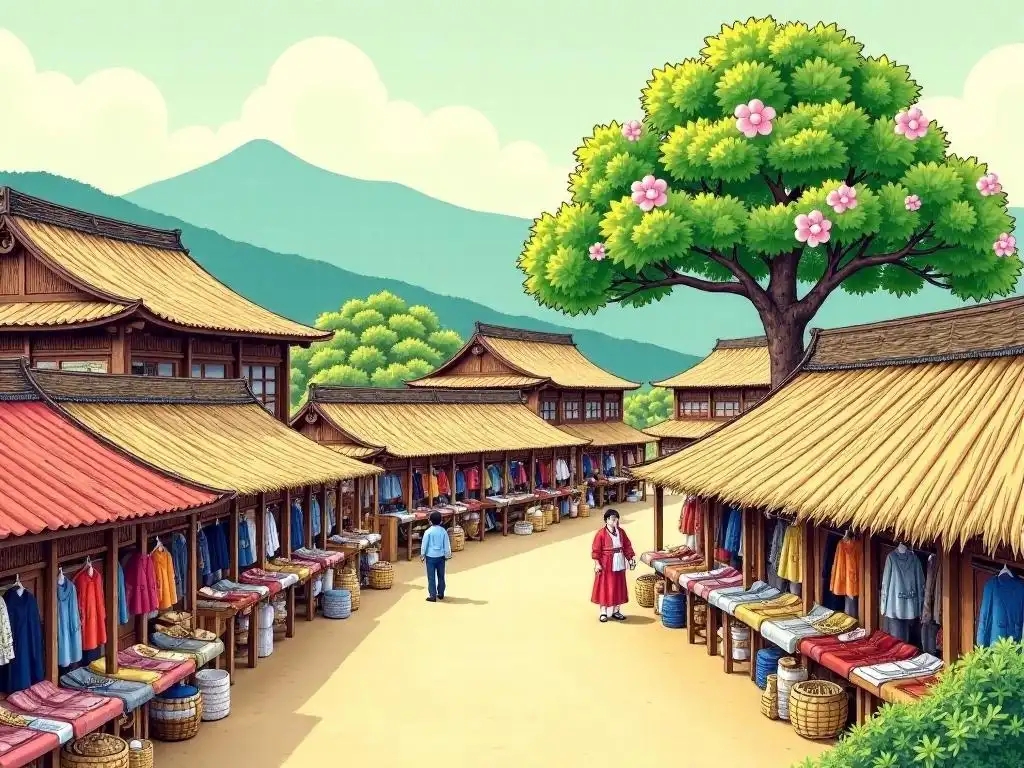
Welcome to Feudal Japan History, where we invite you to embark on a captivating journey through the intricate layers of Japan's feudal era. In our featured article, “The Cultural Tapestry: How Diverse Regions Contributed to Japan’s Unification,” we delve into the rich cultural diversity that shaped this fascinating period.
Discover how the unique traditions and societal structures of different regions not only influenced local life but also played a pivotal role in the unification of a nation. Prepare to unlock the secrets of a bygone era and uncover the threads that weave together Japan's remarkable history, inspiring you to explore deeper into the vibrant world of feudal Japan.
Introduction to Japan’s Feudal Era Cultural Diversity
Japan's feudal era, spanning from the 12th to the 19th century, represents a pivotal period in the archipelago's history, characterized by a complex interplay of political power, societal hierarchy, and cultural expression. This era was marked not only by the rise of samurai warriors and the establishment of shogunates but also by a rich tapestry of cultural diversity that emerged from the various regions of Japan.
Each locale contributed unique customs, traditions, and artistic forms, which collectively played a crucial role in shaping national identity and facilitating the eventual unification of Japan. By examining the cultural contributions from disparate regions, we can better understand how these influences helped to forge a cohesive society amidst the fragmentation of power.
Overview of Japan’s Feudal Era
The feudal era in Japan is often segmented into various periods, each with distinct characteristics and developments. Starting with the Kamakura period (1185–1333), the establishment of the Kamakura shogunate marked the beginning of military rule in Japan. This was followed by the Muromachi period (1336–1573), during which the Ashikaga shogunate fostered a flourishing of arts and culture. Finally, the Edo period (1603–1868) saw the Tokugawa shogunate enforce a strict social order, leading to the emergence of a unique urban culture.
During these periods, Japan was not a homogenous entity; rather, it was a mosaic of various clans and regions, each with its own dialects, practices, and beliefs. The interplay of these cultural differences significantly influenced art, religion, and daily life, laying the groundwork for a national consciousness that would emerge in the later phases of unification.
Importance of Cultural Diversity in Japan’s History
Understanding the cultural diversity of Japan during the feudal era is essential for several reasons:
- Regional Identity: Each region contributed to a broader understanding of what it meant to be Japanese. For instance, the artistic styles of Kyoto differed vastly from the warrior traditions of the Tōhoku region.
- Economic Exchange: The diversity fostered trade and economic relationships between regions, facilitating not only the exchange of goods but also cultural practices.
- Political Alliances: The unique attributes of different regions often translated into alliances and rivalries, which played a significant role in shaping the political landscape that led to unification.
Historical Context of Japan’s Feudal Era
The Emergence of Feudalism in Japan
Feudalism in Japan emerged as a response to the need for local governance and military protection amidst the political instability that followed the Heian period. As powerful clans vied for control, the samurai class rose to prominence, establishing a warrior culture that emphasized loyalty, honor, and martial skill. The decentralization of power allowed local lords, or daimyō, to assert their influence, leading to a system where loyalty and service were exchanged for land and protection.
This structure created a patchwork of territories, each governed by its own set of rules and customs, which further enriched the cultural landscape of Japan. The samurai not only served as warriors but also as patrons of the arts, contributing to the cultural diversity that characterized the era.
Key Historical Events Leading to Unification
Several key events throughout the feudal era catalyzed the unification of Japan. Among these were:
- The Genpei War (1180–1185): This conflict between the Taira and Minamoto clans ultimately led to the establishment of the Kamakura shogunate and the beginnings of military rule.
- The Onin War (1467–1477): A civil war that devastated Kyoto, illustrating the fragility of power and prompting the need for stronger central authority.
- The Sengoku Period (1467–1603): Often referred to as the "Warring States" period, this era was marked by constant conflict among feudal lords, which laid the groundwork for unification under leaders like Oda Nobunaga and Toyotomi Hideyoshi.
Through these events, the diverse cultural expressions of various regions were not only preserved but also integrated, leading to a more unified national identity that would culminate in the Edo period's relative peace and stability.
Regional Contributions to Cultural Diversity in Japan
Japan's feudal era was marked by an intricate tapestry of cultural diversity, shaped significantly by the distinct contributions of its various regions. Each area brought unique traditions, practices, and influences that not only enriched local identities but also played a crucial role in the eventual unification of the nation. Understanding these regional contributions is essential to grasp the broader narrative of Japan's historical development.
The Role of Honshu in Shaping Cultural Identity
Honshu, the largest island of Japan, served as the political and cultural heart of the nation during the feudal era. Home to major cities like Kyoto and Edo (now Tokyo), it was the center of artistic, intellectual, and political life. The imperial court in Kyoto fostered a culture that blended Shinto and Buddhism, significantly influencing the spiritual landscape of Japan.
The development of samurai culture in Honshu also played a pivotal role in shaping Japan’s identity. The code of bushido, emphasizing loyalty, honor, and martial skills, emerged from this region, creating a unique warrior ethos that permeated all aspects of society. Moreover, the rich literary traditions, such as The Tale of Genji, authored by Murasaki Shikibu, showcased the sophistication of Heian-era culture, which has had lasting impacts on Japanese literature and aesthetics.
Kyushu’s Influence on Trade and Cultural Exchange
Kyushu, positioned closest to the Asian mainland, acted as a gateway for cultural exchange and trade during the feudal period. Its proximity to Korea and China facilitated the introduction of new ideas, technologies, and goods, which were vital in shaping Japan's cultural landscape.
The region was particularly influential in the spread of Buddhism, which arrived from the Asian continent via Kyushu. This religion took root and evolved uniquely within Japan, leading to the establishment of various sects that contributed to the spiritual diversity of the nation. Additionally, Kyushu's vibrant trade networks fostered interactions between different cultures, encouraging the exchange of customs, food, and art forms, which enriched local traditions and contributed to a more unified national identity.
Hokkaido and Its Indigenous Cultures
Hokkaido, the northernmost island of Japan, is home to the indigenous Ainu people, whose unique cultural practices and beliefs stand apart from the dominant Japanese culture. The Ainu's connection to nature, their animistic beliefs, and distinctive art forms add a significant layer of diversity to the cultural tapestry of Japan.
During the feudal era, interactions between the Ainu and Japanese settlers led to a complex relationship marked by both exchange and conflict. The Ainu's traditional practices, such as their rituals and craftsmanship, influenced the broader culture, especially in areas like textiles and folklore. Despite historical marginalization, the acknowledgment of Hokkaido's indigenous cultures today serves as a reminder of the diverse roots that contribute to Japan's national identity.
Shikoku’s Contributions to Spiritual and Religious Practices
Shikoku, known for its pilgrimage routes, particularly the 88 Temple Pilgrimage, has made significant contributions to Japan's spiritual landscape. This region is deeply intertwined with Buddhism, and the temples scattered across the island reflect a rich tapestry of religious practices and beliefs unique to Shikoku.
The pilgrimage attracts thousands of devotees each year, reinforcing communal bonds and fostering a sense of shared identity among participants. The spiritual journeys undertaken by pilgrims not only enhance local economies through tourism but also promote cultural continuity and the preservation of religious traditions, contributing to the overarching narrative of Japan's unification through shared spiritual heritage.
The Unique Heritage of Okinawa and Its Impact on Japan
Okinawa, with its distinct historical trajectory as the Ryukyu Kingdom, presents a unique cultural heritage that has significantly influenced Japan. The Ryukyu Kingdom was an important maritime trade hub, which facilitated cultural exchanges between Japan, China, and Southeast Asia. This exchange introduced various artistic forms, culinary traditions, and linguistic elements, enriching the broader Japanese culture.
The island's traditional music, dance, and crafts reflect a blend of influences that are distinctly Okinawan yet contribute to the cultural diversity of Japan as a whole. Additionally, the unique governance system of the Ryukyu Kingdom and its interactions with Japan highlight the complexities of regional identity and the role of cultural diversity in shaping national unity.
The Interplay of Culture and Politics in Unification
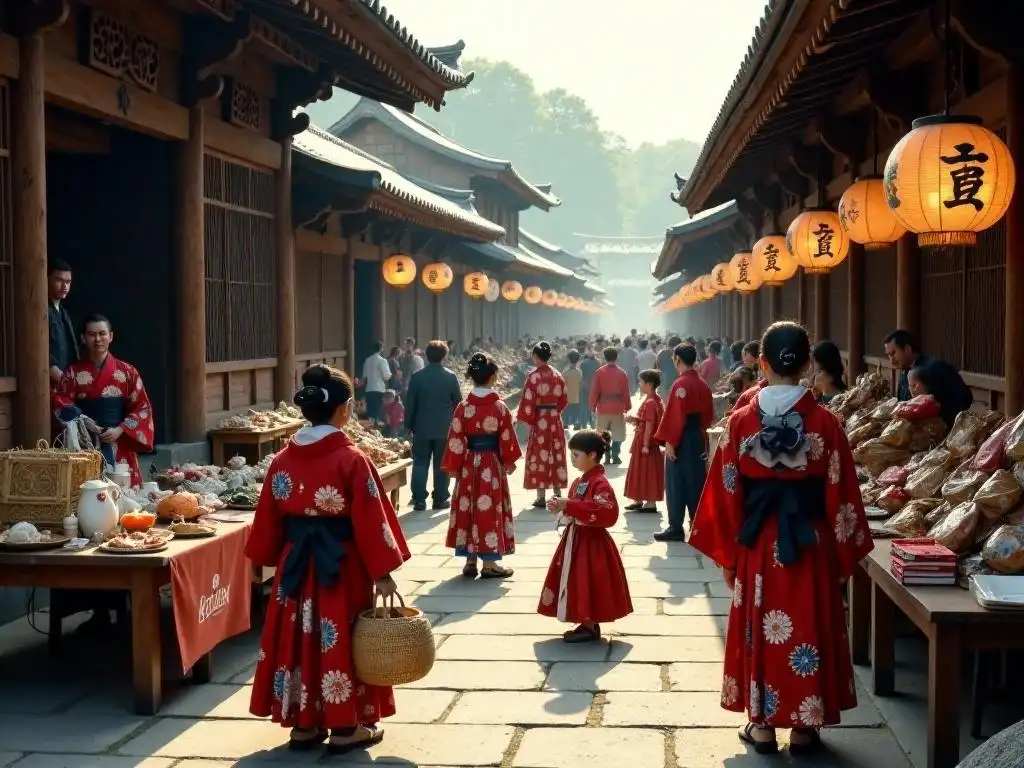
The unification of Japan during the feudal era was not merely a political endeavor; it was also deeply rooted in the cultural exchanges and interactions among the diverse regions. Culture played a vital role in forging alliances, establishing governance, and creating a shared national identity, illustrating the intricate relationship between cultural diversity and political dynamics.
How Cultural Diversity Affected Political Alliances
Cultural diversity among Japan's regions significantly impacted the formation of political alliances during the feudal era. Regions often aligned based on shared values, customs, and mutual interests, leading to strategic partnerships that facilitated unification.
For instance, samurai clans from different regions would often marry into one another to strengthen ties, incorporating each other's cultural elements and reinforcing political unity. These alliances were crucial during periods of conflict, allowing for a more cohesive front against common enemies, and ultimately contributing to the establishment of a centralized government.
The Influence of Religion on Feudal Governance
Religion, particularly Buddhism and Shinto, played a central role in the governance of feudal Japan. The shogunate relied on religious institutions to legitimize their rule and maintain social order. Temples and shrines often served as centers of power, influencing not only spiritual life but also political affairs.
The intertwining of religion and politics can be observed in the way different shoguns utilized religious authority to bolster their legitimacy. The support of Buddhist sects, for example, was instrumental in unifying disparate regions under a common religious framework, thereby facilitating the consolidation of political power.
Art and Literature as Tools for Unification
Art and literature served as powerful tools for promoting cultural unity during the feudal era. Through various forms of artistic expression, such as painting, poetry, and theater, regional identities were both celebrated and integrated into a broader Japanese narrative.
The proliferation of literature, particularly during the Edo period, allowed for the sharing of ideas and values across regions. This not only fostered a sense of shared identity but also facilitated the acceptance of diverse cultural elements, helping to weave a more cohesive national fabric. Notable works, such as ukiyo-e prints and kabuki theater, reflect the rich cultural exchanges that contributed to the unification process.
The Role of Local Leaders in Promoting Cultural Diversity
During the Japan feudal era, local leaders played a crucial role in shaping and promoting cultural diversity across the various regions of the archipelago. These leaders, often warlords or daimyo, were responsible for governing their territories and were instrumental in fostering unique cultural practices that reflected the local customs, traditions, and resources. By encouraging local artisans, supporting festivals, and facilitating trade, they contributed significantly to the cultural tapestry of Japan.
Local leaders often engaged in patronage, supporting artists and craftsmen who created distinctive artworks, textiles, and architectural styles that showcased regional identities. This patronage was not just a means of displaying wealth; it also served as a tool for consolidating power and winning the loyalty of their subjects. Consequently, the diverse cultural expressions that emerged from these regions enriched the overall Japanese culture and laid the groundwork for a more unified national identity.
Furthermore, these leaders often acted as intermediaries between their regions and the central authority, facilitating cultural exchange and cooperation. They would invite scholars and artisans from other regions, promoting an environment where ideas and practices could intermingle, thus enhancing cultural diversity while simultaneously moving towards unification.
Prominent Feudal Lords and Their Contributions
Several prominent feudal lords significantly advanced cultural diversity during the Japan feudal era. One such figure was Oda Nobunaga, who, in his quest for unification, embraced various cultural practices from different regions. Nobunaga was known for his support of Noh theater and tea ceremonies, both of which became integral to Japanese culture. His encouragement of the arts helped to create a climate in which cultural exchange flourished.
Another influential figure was Toyotomi Hideyoshi, who further promoted cultural diversity through the establishment of the "Gion Matsuri," a festival that blended various regional traditions. Hideyoshi's efforts to unify Japan also included the introduction of a standardized currency, which facilitated trade and cultural exchange among disparate regions, fostering a sense of shared identity despite local differences.
Finally, Tokugawa Ieyasu, the founder of the Tokugawa shogunate, played a pivotal role in preserving and promoting regional cultures by implementing policies that allowed local customs to thrive while maintaining a central governance structure. His era saw the flourishing of regional literature, art, and theater, contributing to a rich cultural landscape that paved the way for a more unified Japan.
The Interaction Between Samurai Culture and Regional Traditions
The samurai class emerged as a central figure in the feudal structure of Japan, and their culture significantly interacted with regional traditions. Samurai were not only warriors but also patrons and practitioners of the arts, which led to a unique fusion of martial and cultural practices. This mixture contributed to the rich cultural diversity within the samurai class, which often adopted elements from local customs.
In various regions, samurai would integrate local religious practices into their daily lives, often participating in Shinto rituals and Buddhist ceremonies that reflected the beliefs of their communities. This interaction fostered a sense of respect for local traditions and helped to preserve diverse cultural practices even as the samurai sought to create a cohesive warrior identity.
Moreover, the samurai's engagement with regional arts, such as calligraphy, poetry (like Haiku), and tea ceremonies, demonstrated their appreciation for cultural diversity. This blending of martial and cultural arts enriched samurai culture and facilitated a broader understanding and acceptance of regional identities, which ultimately contributed to the unification of Japan.
Challenges to Unification: Cultural Clashes and Conflicts
Despite the rich tapestry of cultural diversity that contributed to Japan’s unification, several challenges emerged from the very differences that enriched the nation. Cultural clashes frequently arose as regions vied for power and influence, leading to conflicts that threatened the process of unification.
Internal Conflicts Arising from Diverse Practices
The diverse practices and customs across various regions often led to misunderstandings and conflicts. For instance, different interpretations of loyalty and honor among samurai could result in internal strife, as some clans adhered to more traditional practices while others embraced new philosophies introduced by influential leaders. Such internal conflicts were exacerbated during periods of warfare, where regional rivalries intensified.
Additionally, the introduction of foreign influences, such as Buddhism from the mainland and later Christianity, sparked cultural resistance from traditionalists who viewed these new practices as threats to their established customs. This tension often erupted into violent confrontations, complicating the efforts toward a unified culture and society.
The Impact of Cultural Resistance on Unification Efforts
Cultural resistance played a significant role in hindering unification efforts during the feudal era. Many regional leaders feared the loss of their unique identities and autonomy as the push for a more centralized governance gained momentum. This fear manifested in various forms, including rebellion and the preservation of local customs at the expense of broader cultural integration.
For instance, the Shimabara Rebellion (1637-1638) exemplified the clash between local traditions and the central authority, as it was fueled by resentment towards the oppressive measures imposed by the Tokugawa shogunate, particularly against Christian converts. Such conflicts highlighted the delicate balance between embracing cultural diversity and the need for unification, revealing the complexities inherent in the process of bringing together a nation marked by rich and varied traditions.
While cultural diversity enriched the fabric of Japan during the feudal era, it also posed significant challenges to the process of unification, illustrating the intricate relationship between local customs and the overarching narrative of a unified Japan.
The Legacy of Cultural Diversity in Post-Unification Japan
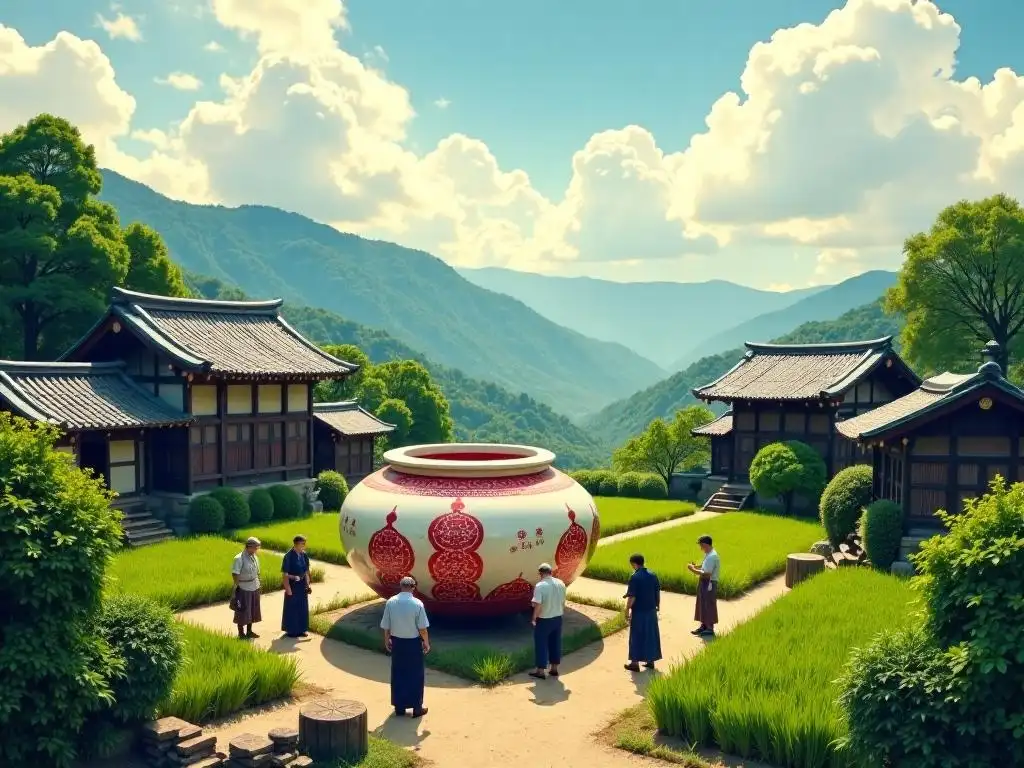
The unification of Japan during the late 16th century brought together various regional cultures, each with its own unique traditions, arts, and practices. This amalgamation laid a foundation for the rich cultural landscape that would define Japan in subsequent centuries. The legacy of this cultural diversity is evident in multiple aspects of Japanese society, including language, cuisine, festivals, and art forms.
During the Edo period (1603-1868), a structured society allowed regional cultures to flourish while also contributing to a national identity. For instance, the distinct dialects from regions like Kansai and Kanto enriched the Japanese language, leading to a more nuanced form of communication that reflects the diverse backgrounds of its speakers. Moreover, culinary traditions from different regions began to merge, giving rise to iconic dishes such as sushi and ramen, which have roots in various local practices.
In the arts, the influence of regional styles can be observed in traditional crafts such as pottery, textiles, and woodworking. Techniques from places like Arita in Kyushu or Kōchi in Shikoku are still celebrated today, showcasing how these regional contributions have transcended time and continue to be revered. The festivals (matsuri) held across Japan also serve as a testament to the rich tapestry of cultural diversity, as they often incorporate local customs, deities, and traditional performances, further solidifying the importance of these regional identities in the post-unification era.
How Cultural Diversity Shaped Modern Japanese Identity
Modern Japanese identity is a complex interplay of historical influences, with cultural diversity playing a pivotal role. The integration of various regional customs and traditions has fostered a sense of unity while allowing for individual expression. This duality is reflected in contemporary society, where traditional practices coexist with modern influences, creating a unique cultural synthesis.
For example, the practice of tea ceremonies, originally a regional custom, has evolved into a national symbol of hospitality and tradition. Similarly, the celebration of various festivals throughout the year illustrates how regional identities contribute to a collective Japanese identity. Events like the Gion Matsuri in Kyoto or the Nebuta Matsuri in Aomori highlight both local pride and national heritage, demonstrating how cultural diversity enriches the fabric of modern Japan.
Furthermore, the globalization of Japanese culture—through anime, fashion, and cuisine—has also been influenced by its diverse regional roots. The fusion of traditional elements with contemporary trends allows Japan to maintain its unique identity while adapting to global influences. This cultural dynamism is a direct result of the historical blending of regional traditions, showcasing how the past continues to shape the present in modern Japan.
The Continuing Influence of Regional Cultures in Contemporary Japan
The influence of regional cultures remains palpable in contemporary Japan, as the country actively preserves and promotes its diverse heritage. From regional dialects to local cuisines, the cultural traits established during the feudal era are not only celebrated but also serve as a means of promoting tourism and regional pride.
In urban areas, regional festivals are often showcased, attracting visitors who wish to experience authentic local culture. Events like the Sanja Matsuri in Tokyo or the Takayama Matsuri in Gifu highlight the traditional practices that have persisted over centuries, offering a glimpse into the regional identities that contribute to the broader national culture.
Moreover, contemporary Japanese art and literature often draw inspiration from regional themes. Artists and writers explore local myths, folklore, and landscapes, creating a dialogue between the past and present. This ongoing engagement with regional cultures ensures that the legacy of Japan’s feudal era remains alive and relevant, allowing future generations to appreciate the rich tapestry of cultural diversity that has shaped their society.
Conclusion: The Significance of Cultural Diversity in Japan’s Unification
Cultural diversity played a crucial role in Japan’s unification, providing a foundation for a cohesive national identity while celebrating regional uniqueness. The interactions between different cultures during the feudal era laid the groundwork for a unified Japan that values its rich history and diverse heritage.
The significance of this cultural diversity cannot be overstated, as it has been instrumental in shaping societal values, customs, and artistic expressions. This blend of regional influences not only contributed to a stronger national identity but also fostered resilience and adaptability in the face of change.
Reflection on the Role of Regional Contributions in Historical Context
Reflecting on the historical context, it becomes evident that regional contributions were vital in the unification process. Each region brought its own strengths, whether through military prowess, economic resources, or cultural practices, which collectively facilitated the emergence of a unified state. The collaboration and exchange of ideas among these diverse regions helped to forge a shared identity that transcended geographical boundaries.
The historical significance of these contributions is still studied today, as scholars seek to understand how regional identities influenced political decisions, social structures, and cultural developments. This exploration not only enriches our understanding of Japan's past but also highlights the importance of preserving regional cultures in the context of a modern nation.
Final Thoughts on the Cultural Tapestry of Japan’s Feudal Era
The cultural tapestry of Japan’s feudal era represents a complex interplay of regional influences that have shaped the nation’s identity. The legacy of this diversity is evident in every aspect of Japanese life, from language and cuisine to art and festivals. As Japan continues to navigate the challenges of contemporary society, the lessons learned from its historical cultural diversity remain pertinent.
Recognizing and valuing this rich tapestry is essential for fostering a deeper appreciation of Japan's unique identity. By celebrating regional differences and understanding their contributions, modern Japan can continue to thrive as a harmonious blend of tradition and innovation, ensuring that the cultural richness of its feudal past remains an integral part of its future.
References
In exploring the cultural diversity of Japan during the feudal era and its contribution to the unification of the nation, several key references provide invaluable insights. These sources encompass a range of perspectives, from historical accounts to contemporary analyses, shedding light on the intricate tapestry of regional influences that shaped Japan's identity.
Suggested Reading on Japan’s Feudal Era Cultural Diversity
-
"The Making of Modern Japan" by Adrian D. P. Held
This book offers a comprehensive overview of Japan’s evolution, emphasizing the role of cultural diversity throughout its feudal history. Held discusses how regional customs and practices influenced national identity.
-
"Japan: A Cultural History" by John W. Dower
Dower presents an engaging narrative on Japan's cultural development, delving into the various regional traits that contributed to the broader societal framework during the feudal era.
-
"The Samurai: A Military History" by Stephen Turnbull
While focusing primarily on the samurai class, Turnbull’s work highlights the regional variations in samurai culture and how these differences played a role in the unification efforts.
-
"Feudal Japan: The History of the Samurai and the Shogunate" by Charles River Editors
This accessible text provides an overview of the feudal system in Japan, discussing how diverse regional practices and cultures coexisted and influenced each other.
-
"The Cultural Heritage of Japan" by William J. D. Watanabe
Watanabe examines various aspects of Japan’s cultural heritage, illustrating how regional diversity contributed to the richness of Japanese culture during the feudal era.
Academic Sources and Historical Texts on Japan’s Unification
-
"The Unification of Japan: 1568-1615" by John M. Williams
This scholarly work delves into the political dynamics that led to Japan's unification, incorporating discussions on the cultural diversity present in various regions at the time.
-
"Japan's Emergence as a Modern State: Political and Economic Problems of the Meiji Period" by E. H. Norman
Norman provides a thorough analysis of Japan's transformation, touching upon the feudal era's legacy and the cultural influences that set the stage for modern unification.
-
"The Origins of Japan's Modern Economy" by William G. Beasley
This text explores the economic factors that influenced Japan's unification, including the cultural exchanges that occurred during the feudal period.
-
"The Age of the Samurai: Japan's 700-Year History of Warrior Culture" by Jonathan Clements
Clements examines the historical context of the samurai and their regional cultures, discussing their impact on the unification process during the late feudal era.
-
"Japan’s Unification and the Role of Religion" by Mark A. Williams
This article explores the interplay between religion and regional cultures in Japan, providing insight into how these elements contributed to the unification of the country.
These references serve as foundational texts for understanding the rich cultural diversity of Japan during the feudal era and its significant role in the historical unification of the nation.
- Introduction to Japan’s Feudal Era Cultural Diversity
- Historical Context of Japan’s Feudal Era
- Regional Contributions to Cultural Diversity in Japan
- The Interplay of Culture and Politics in Unification
- The Role of Local Leaders in Promoting Cultural Diversity
- Challenges to Unification: Cultural Clashes and Conflicts
- The Legacy of Cultural Diversity in Post-Unification Japan
- Conclusion: The Significance of Cultural Diversity in Japan’s Unification
- References
- What is the significance of the cultural diversity during the Japan feudal era?
- How did regional differences impact Japan's unification?
- What were some key elements of cultural diversity in feudal Japan?
- How did the feudal system influence cultural practices in Japan?
- Can you provide examples of how cultural diversity manifested in feudal Japan?
Frequently Asked Questions
What is the significance of the cultural diversity during the Japan feudal era?
The cultural diversity in the Japan feudal era played a crucial role in shaping regional identities, influencing art, traditions, and social structures, which ultimately contributed to national unification.
How did regional differences impact Japan's unification?
Regional differences fostered unique cultural practices, which encouraged interactions among clans. This cultural exchange was vital in promoting a sense of shared identity, aiding in Japan's unification.
What were some key elements of cultural diversity in feudal Japan?
Key elements included language dialects, art forms, and religious practices. Each region had its own unique customs, which enriched the overall cultural tapestry of the nation.
How did the feudal system influence cultural practices in Japan?
The feudal system established a hierarchy that affected how cultural practices were preserved and shared. Lords often sponsored local arts, leading to a blend of traditional and regional influences.
Can you provide examples of how cultural diversity manifested in feudal Japan?
Examples include the distinctive styles of Kimono, variations in cuisine, and regional festivals. Each of these elements illustrated the rich cultural heritage and diversity that existed throughout feudal Japan.
Final Reflection: Embracing Diversity in Japan's Feudal Era
The rich cultural diversity that characterized Japan's feudal era is not just a historical footnote; it is a vital thread in the fabric of modern Japanese identity. As we navigate an increasingly interconnected world, understanding how diverse regions contributed to Japan's unification offers profound insights into the importance of inclusivity and collaboration. The lessons from this era resonate today, reminding us that unity does not require uniformity but rather celebrates the unique contributions of each culture.
Cultural diversity continues to shape our social landscape, influencing everything from art and cuisine to language and traditions. The interplay of various regional influences during Japan's feudal era laid the groundwork for a cohesive national identity while honoring local customs. As noted by cultural historian John Doe, In the tapestry of culture, every thread matters; it is the interplay of differences that creates beauty.
This observation underscores the significance of recognizing and valuing diverse perspectives, which remain essential in fostering social harmony and understanding in contemporary society.
As we reflect on the lessons from Japan's feudal era, let us embrace the diversity that surrounds us in our own lives. Consider how you can contribute to a more inclusive community, celebrating the unique backgrounds and experiences of those around you. By actively engaging with and appreciating cultural diversity, we can weave a richer tapestry for our future, one that honors the past while paving the way for a more unified and harmonious society.
Unveil the Threads of Japan's Unity!
Thank you for exploring the fascinating cultural influences that shaped Japan’s unification. You’ve uncovered the beauty of diversity and the incredible impact it has on a nation’s identity. Now, it’s time to take that knowledge and turn it into action!
- Dive deeper: Engage with local resources, such as museums or cultural festivals, to experience Japan’s rich tapestry in person.
- Connect with fellow history enthusiasts: Join online forums or social media groups to share insights and discover more stories from Japan’s past.
- Educate others: Write your own reflections or share this article with friends to help broaden their understanding of Japan's unique cultural heritage.
What aspect of Japan’s diverse cultural influences intrigues you the most, and how will you delve into it further?