
The Role of Alliances in the Genpei War: Shifting Loyalties and Power

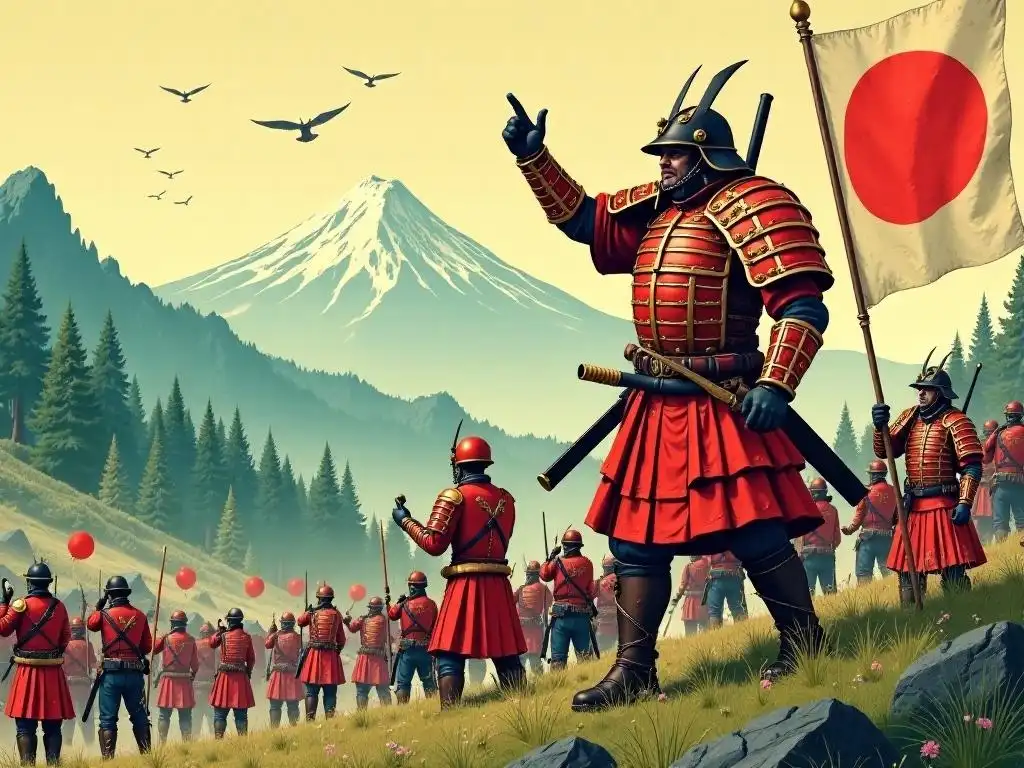
Welcome to Feudal Japan History, where we delve deep into the intricate tapestry of Japan's feudal era. Prepare to embark on a fascinating journey as we explore the Genpei War alliances and loyalties that defined an era of shifting power dynamics and fervent rivalries. What drove these alliances, and how did they alter the course of history? Join us as we unravel the complexities of political maneuvers and personal loyalties that shaped a nation. Your exploration begins here—dare to discover the untold stories behind the battles that forged modern Japan!
Introduction to the Genpei War
The Genpei War, a pivotal conflict in Japanese history that occurred between 1180 and 1185, marked the transition from the classical to the feudal era in Japan. This war not only determined the fate of the Taira and Minamoto clans but also reshaped the political landscape and societal structures of the time.
Central to the conflict were the alliances formed and broken among various clans, which played a crucial role in influencing the course of the war and the eventual establishment of the Kamakura shogunate. Understanding these alliances and the shifting loyalties of the period is essential for grasping the complexities of feudal Japan's political dynamics during this tumultuous time.
Overview of the Genpei War
The Genpei War was characterized by a series of battles primarily fought between the Taira and Minamoto clans, who were vying for control over the imperial court and the land. The war escalated from a series of localized disputes into a full-scale conflict, culminating in significant battles such as the Battle of Dan-no-ura. This struggle was not merely a military engagement; it represented a clash of ideologies, ambitions, and the ever-changing alliances that defined feudal Japan.
- Key Battles:
- Battle of Dan-no-ura (1185)
- Battle of Ichinotani (1184)
Importance of Alliances in Feudal Japan
In feudal Japan, alliances were vital for survival and success. Clans were not just families; they were extensive networks of loyalty and obligation. The formation of alliances often dictated the balance of power, and as loyalties shifted, so too did the fortunes of the clans involved.
- Factors Influencing Alliances:
- Marriage Ties: Marriages were often arranged to solidify alliances.
- Reciprocal Obligations: Mutual support in times of conflict was expected.
- Economic Interests: Control over resources could influence alliance formations.
Historical Context of the Genpei War Alliances
Background of the Taira and Minamoto Clans
The Taira and Minamoto clans had deep historical roots and rivalries dating back to the Heian period. The Taira clan, also known as the Taira no Kiyomori, had gained considerable power and influence in the imperial court, while the Minamoto clan, led by Minamoto no Yoritomo, was known for its martial prowess. The longstanding animosity between these two clans set the stage for the conflict that would engulf Japan.
Political Landscape Leading to the Genpei War
The political landscape of Japan prior to the Genpei War was rife with instability. The Fujiwara clan had dominated the court for centuries, but their power waned, leading to a power vacuum that both the Taira and Minamoto clans sought to fill. As dissatisfaction with the ruling class grew, the seeds of rebellion were sown, and alliances began forming among various lesser clans, each hoping to gain favor and power in the upcoming conflict.
Key Events Preceding the War
Several key events preceded the Genpei War, including the Heiji Rebellion in 1160, which showcased the rising tensions between the Taira and Minamoto clans. The aftermath of this rebellion saw many former allies shift their loyalties, laying the groundwork for the larger conflict to come.
- Significant Events:
- Heiji Rebellion (1160)
- Death of Fujiwara no Michinaga (1027): Marking the decline of Fujiwara influence.
- Taira no Kiyomori's Ascendancy: His rise to power further exacerbated clan tensions.
Understanding these elements is crucial in analyzing the role of alliances in shaping the Genpei War's dynamics and its lasting impact on Japanese history. The shifting loyalties and strategic partnerships not only influenced the outcomes of battles but also set the stage for the future governance of Japan under the shogunate system that emerged from the war's aftermath.
The Formation of Alliances during the Genpei War
The Genpei War (1180-1185) was a pivotal conflict in Japan's history, marked by a complex web of alliances that significantly influenced its outcome. The war primarily pitted the Taira clan against the Minamoto clan, but numerous smaller clans and local lords also played crucial roles in shaping allegiances. Alliances were often formed through marriages, mutual agreements, and political maneuvers, reflecting the intricate dynamics of power during the feudal era.
As the war escalated, the need for strong allies became essential for both clans. The Taira clan initially held significant sway over the imperial court, which allowed them to forge alliances with influential families and local leaders. Conversely, the Minamoto clan, spurred by a desire to reclaim their status and territory, sought to build a coalition of discontented clans. This drive led to shifting allegiances as both factions vied for dominance, often engaging in strategic negotiations and military campaigns to secure their positions.
Ultimately, the formation of alliances during the Genpei War was characterized by a mix of loyalty, ambition, and betrayal, underscoring the volatile nature of feudal Japan's political landscape.
Major Alliances: Taira Clan Alliances
The Taira clan's alliances were crucial in establishing their initial dominance in the Genpei War. They secured alliances with several powerful families, including the Fujiwara and the Ashikaga clans. These relationships were often cemented through marriages, such as the union between Taira no Kiyomori and a Fujiwara heiress, which solidified the Taira's influence over the imperial court.
Additionally, the Taira clan leveraged their control over key geographic locations, facilitating alliances with local lords who were either compelled by their power or persuaded by promises of riches and protection. This network allowed the Taira to field a formidable army and maintain their positions, especially during the early stages of the conflict. However, their reliance on these alliances also made them vulnerable to the shifting loyalties of their allies, particularly as the Minamoto clan began to gain ground.
The Taira clan's alliances ultimately faced significant challenges, particularly as dissent grew among their vassals and allies who began to question their leadership and decisions. This erosion of trust would play a critical role in the Taira's eventual downfall.
Major Alliances: Minamoto Clan Alliances
In contrast to the Taira, the Minamoto clan's alliances were forged from necessity and strategic foresight. After the Taira clan's initial successes, the Minamoto sought to unite various disaffected clans, including the Yoshitomo and the Hojo clans. Their leadership, particularly that of Minamoto no Yoritomo, was pivotal in rallying support from those who felt marginalized or oppressed by Taira rule.
The Minamoto clan also capitalized on the Taira's overreach and growing unpopularity, leveraging the discontent among local lords to form coalitions that would bolster their strength. The Minamoto's success in securing alliances was further facilitated by their military prowess and the promise of restoring the imperial authority usurped by the Taira.
Key alliances during the Genpei War included the support of the Kamakura region's samurai, whose loyalty to the Minamoto was solidified through both economic incentives and shared grievances against the Taira clan. These alliances not only provided military support but also contributed to a burgeoning sense of identity and purpose among the Minamoto's followers, ultimately leading to their success in the war.
Shifting Loyalties: Causes and Consequences
Shifting loyalties during the Genpei War were a defining feature of the conflict, with allegiances frequently changing based on military fortunes and political pressures. The motivations behind these shifts were complex, often influenced by personal grievances, the promise of power, and the desire for survival in a rapidly changing landscape.
Factors Influencing Loyalty Shifts
Several factors contributed to the shifting loyalties witnessed during the Genpei War. One major influence was the evolving military situation; as the tides of battle changed, clans that initially supported the Taira began to reconsider their positions in light of the Minamoto's successes. Defeats suffered by the Taira, such as at the Battle of Ichi-no-Tani, undermined their credibility and led to defections from their ranks.
Moreover, personal relationships played a significant role in loyalty shifts. Marriages and familial ties often dictated allegiances, leading to realignments when these relationships soured or when new alliances were formed. Economic considerations also influenced these changes; clans often shifted their loyalties in search of better protection, resources, or opportunities for advancement.
Impact of Shifting Loyalties on the War’s Progress
The consequences of shifting loyalties were profound, directly impacting the course and outcome of the Genpei War. The fracturing of Taira alliances significantly weakened their position, allowing the Minamoto to capitalize on their vulnerabilities. As more clans defected to the Minamoto, they gained not only military strength but also increased legitimacy as the rightful leaders of Japan.
This shift in power dynamics led to a series of decisive battles, where former Taira allies turned against them, tipping the scales in favor of the Minamoto. The culmination of these shifts was epitomized in the climactic Battle of Dan-no-ura, where the Taira's dwindling support ultimately sealed their fate, leading to their defeat and the establishment of Minamoto no Yoritomo as the first shogun of Japan.
The role of alliances and the fluid nature of loyalties during the Genpei War were instrumental in shaping the conflict's trajectory, demonstrating how personal, political, and military factors intertwined to influence the course of Japanese history.
Case Studies of Notable Alliances
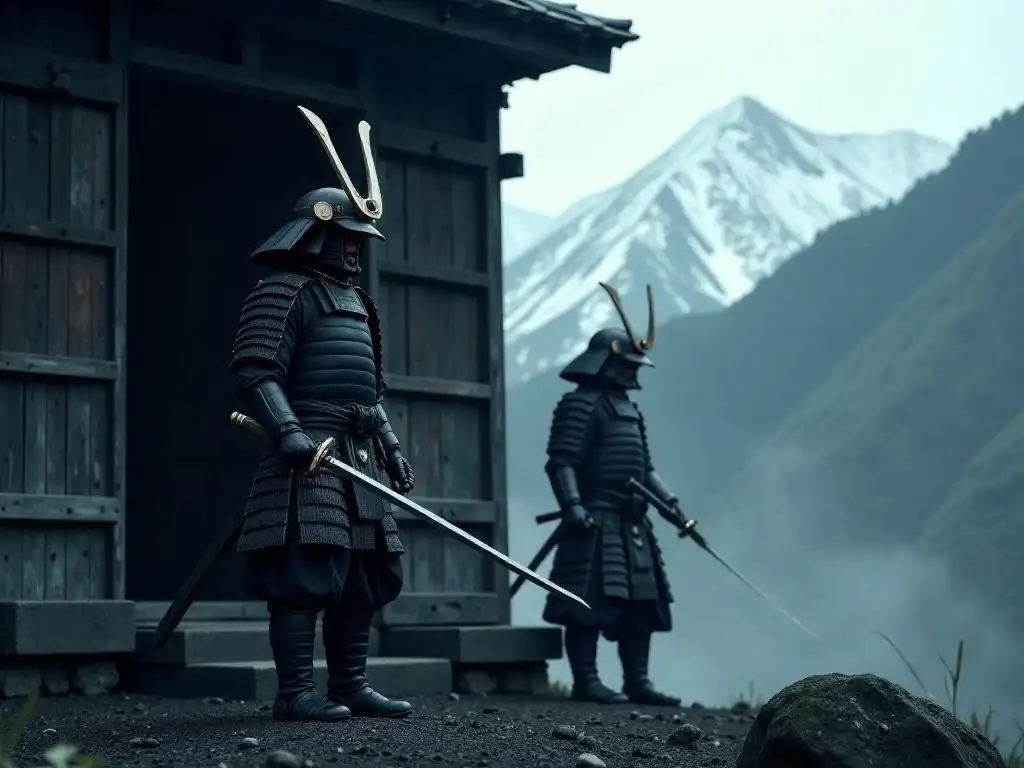
The Genpei War, which raged from 1180 to 1185, was not just a clash of arms but a complex interplay of alliances that shaped the very fabric of Japanese society during the late Heian period. These alliances often shifted, reflecting the volatility of loyalties and the strategic necessities of the time. Understanding the dynamics of these alliances provides valuable insights into how the war influenced the trajectory of feudal Japan.
The Alliance of the Taira and Their Defectors
The Taira clan initially held the upper hand in the Genpei War, leveraging their established power and wealth to forge alliances with various regional clans. Notably, the Taira formed an alliance with the powerful Fujiwara clan, which provided them with both military and political support. However, as the war progressed, dissent began to fester among their ranks.
One of the most significant defections was that of the Watanabe clan, who had been loyal to the Taira but ultimately decided to switch their allegiance to the Minamoto. This defection was emblematic of the shifting loyalties that characterized the Genpei War. As the Taira's fortunes waned, other clans such as the Ashikaga and the Hojo also began to reassess their alliances, leading to a gradual erosion of Taira power. The consequences of these defections were profound, culminating in the decisive battles that ultimately led to the Taira's downfall.
The Minamoto and Their Strategic Partnerships
In contrast to the Taira, the Minamoto clan adeptly navigated the treacherous waters of political alliances to bolster their chances of success. They capitalized on the discontent brewing within the Taira's allied clans. The Minamoto's alliance with the Hojo clan, for instance, proved critical. The Hojo provided troops and resources, which were instrumental in key battles like the Battle of Fujigawa.
Moreover, the Minamoto also garnered support from the eastern provinces, where many samurai were eager to rally against the Taira, whom they viewed as oppressive. This grassroots support played a crucial role in the Minamoto's military campaigns, allowing them to sustain a prolonged struggle against the more powerful Taira forces. The Minamoto's ability to forge strategic partnerships, combined with exploiting the Taira's weaknesses, ultimately shifted the balance of power in their favor.
Analyzing the Role of Alliances in the Outcome of the Genpei War
The alliances formed during the Genpei War were not merely transient arrangements; they were pivotal in determining the outcome of this monumental conflict. The ability to establish and maintain alliances often dictated the success or failure of clans on the battlefield.
The Significance of Alliances in Military Strategy
Alliances during the Genpei War served several strategic purposes. They were crucial for resource mobilization, troop recruitment, and intelligence sharing. For instance, the Taira's initial success was largely due to their ability to rally a coalition of powerful clans. However, as the conflict progressed, the Minamoto's adeptness in forming alliances became increasingly significant. Their strategic partnerships allowed them to outmaneuver the Taira, demonstrating how alliances were essential for achieving military objectives.
The shifting loyalties also influenced battle tactics. The Minamoto, understanding the importance of local support, often engaged in campaigns that were designed to win the hearts of the people in contested regions. This approach not only strengthened their military position but also undermined the Taira's influence, showcasing the multifaceted role alliances played in shaping military strategy during the war.
Long-term Effects of Alliances on Feudal Japan’s Political Landscape
The ramifications of the alliances forged during the Genpei War extended far beyond the battlefield. The eventual victory of the Minamoto clan led to the establishment of the Kamakura shogunate, a significant turning point in Japanese history. This new political structure was heavily influenced by the alliances formed during the war, as many of the clans that had supported the Minamoto were rewarded with positions of power and land.
In the long run, the alliances and shifting loyalties during the Genpei War set a precedent for future political dynamics in feudal Japan. The importance of strategic partnerships became a central tenet of samurai governance, influencing how power was structured and maintained in subsequent eras. The lessons learned regarding loyalty, betrayal, and the intricate web of alliances would resonate throughout Japanese history, shaping the feudal system for generations to come.
Conclusion: The Legacy of Alliances in the Genpei War
The Genpei War (1180-1185) stands as a pivotal moment in Japanese history, illustrating not only the brutality of conflict but also the intricate web of alliances that shaped its outcomes. The shifting loyalties among clans such as the Taira and Minamoto were crucial in determining the war's trajectory, showcasing how alliances dictated strategies, resources, and ultimately, victory or defeat.
The legacy of these alliances extended beyond the battlefield, influencing the political landscape of Japan for generations to come. The war's resolution led to the establishment of the Kamakura shogunate, marking the beginning of a new feudal era where the lessons learned from these alliances would inform future political maneuvers and conflicts.
Summary of Key Points on Genpei War Alliances and Loyalties
- Clannish Ties: The alliances formed during the Genpei War were deeply rooted in familial and clan loyalties, often dictated by marriages and blood ties. The strategic marriages, such as those between the Taira and other clans, were designed to solidify power and influence.
- Shifting Loyalties: The dynamic nature of these alliances was evident as clans frequently switched allegiances based on perceived advantages or shifting fortunes on the battlefield. As the war progressed, former allies could quickly become enemies, altering the power balance.
- Regional Influences: Local lords (daimyō) played a significant role in the alliances, often aligning themselves with the more powerful clans for protection or advancement, showcasing the interplay between regional politics and broader national conflicts.
- Impact on Strategy: Alliances dictated military strategies, with combined forces often being more effective than individual clans. The Minamoto’s ability to gather support from various allies contributed to their ultimate success.
Reflection on the Importance of Alliances in Shaping History
The Genpei War serves as a profound example of how alliances can shape historical events. The strategic decisions made by leaders and clans during this period reflect the complexities of human relationships and the impact of collective action. Alliances are not merely tactical decisions; they are reflections of trust, shared goals, and sometimes, desperation.
The outcome of the Genpei War, heavily influenced by these shifting loyalties, laid the groundwork for the emergence of feudalism in Japan and established patterns of governance that would last for centuries. Understanding the intricate dance of alliances during this time provides valuable insights into the political and social fabric of Japan’s feudal era.
Further Reading and Resources
For those interested in delving deeper into the Genpei War and its alliances, several resources offer comprehensive insights into this critical period of Japanese history.
Suggested Books and Articles on the Genpei War
- "The Genpei War: A History": by Stephen Turnbull - This book provides a detailed account of the conflict, exploring the key battles and strategies employed by both sides.
- "War in Japan, 1467-1615" by William Wayne Farris - While focusing on a later period, this work offers context on how the Genpei War influenced subsequent conflicts and alliances.
- "The Tale of the Heike" - This classic work of Japanese literature recounts the events of the Genpei War and highlights the significance of alliances through its storytelling.
Recommended Documentaries and Historical Sources
- "The Samurai's Tale" - A documentary that explores the life of samurai during the Genpei War, providing a visual representation of the era's alliances and conflicts.
- "The Genpei War: A Clash of Clans": - This historical documentary analyzes the major battles and shifting loyalties, featuring expert commentary and reenactments.
- Historical archives and primary sources on the Genpei War, including official records and clan histories, are invaluable for understanding the nuances of alliances during this period. Libraries and online databases may offer access to these materials for further research.
- Introduction to the Genpei War
- Historical Context of the Genpei War Alliances
- The Formation of Alliances during the Genpei War
- Shifting Loyalties: Causes and Consequences
- Case Studies of Notable Alliances
- Analyzing the Role of Alliances in the Outcome of the Genpei War
- Conclusion: The Legacy of Alliances in the Genpei War
- Further Reading and Resources
Frequently Asked Questions
What was the Genpei War?
The Genpei War (1180-1185) was a civil conflict in Japan between the Taira and Minamoto clans, marking the end of the Heian period and the beginning of the Kamakura shogunate.
How did alliances influence the Genpei War?
Alliances played a crucial role during the Genpei War, as various clans formed strategic partnerships to enhance their power and resources, ultimately shifting the balance of power in favor of the Minamoto.
What were the key factors for shifting loyalties during the war?
Factors such as personal grievances, territorial disputes, and the promise of rewards led to the shifting loyalties among clans, significantly impacting battle outcomes and alliances.
How did the outcome of the Genpei War affect Japan's future?
The war's conclusion established the Minamoto clan as the dominant force, leading to the Kamakura shogunate and setting the stage for feudalism in Japan, which influenced its political structure for centuries.
Are there significant cultural impacts from the Genpei War?
Yes, the Genpei War influenced Japanese literature, art, and theater, with stories of heroism and betrayal becoming central themes in works like Heike Monogatari, reflecting the era's cultural legacy.
Final Reflection: The Enduring Legacy of Alliances and Loyalties in the Genpei War
The intricate web of alliances and shifting loyalties during the Genpei War remains profoundly relevant today, as it highlights the complexities of human relationships and the power dynamics that shape our world. In an era where political alliances and social loyalties can shift in an instant, understanding the historical context of the Genpei War allows us to appreciate the delicate balance of power that continues to influence contemporary society. The lessons drawn from this tumultuous period remind us that alliances can be both a source of strength and a catalyst for conflict.
The Genpei War serves as a poignant reminder of how alliances can shape cultural and social landscapes, influencing everything from governance to personal relationships. The allegiances formed and broken during this conflict echo through history, illustrating how loyalty can be both a unifying force and a source of division. As historian John W. Hall noted, The nature of alliances is such that they are often as fragile as they are powerful.
This observation resonates deeply today, as we navigate a world where trust and loyalty are continually tested, reminding us of the importance of understanding the motivations behind our connections.
As we reflect on the themes of alliances and loyalties presented in this article, I invite you to consider how these dynamics play out in your own life. What alliances do you hold dear, and how do they shape your identity and values? In a world that often feels divided, let us strive to build meaningful connections grounded in mutual respect and understanding. By embracing the lessons of the past, we can forge alliances that not only empower us but also contribute to a more harmonious future.
Unleash Your Curiosity About Feudal Alliances!
Thank you for diving into the fascinating world of the Genpei War and the intricate web of alliances that shaped this pivotal moment in Japanese history. You've uncovered how shifting loyalties not only influenced battles but also altered the course of power. Now, it's time to take that knowledge further!
Here are a few actionable steps you can take right now:
- Explore the alliances in the Genpei War further by checking out detailed timelines and maps on our website to see how relationships shifted over time.
- Join our community discussions by commenting below or on our social media platforms. Share your thoughts on how alliances impact conflicts today!
- Discover similar historical events by reading our related articles to connect the dots between past and present strategies in warfare and politics.
As you reflect on these actions, consider this: How would you have navigated the complex alliances during the Genpei War if you were a leader in that era? Your insights could spark interesting discussions with fellow history enthusiasts!