
The Samurai's Stance: How Isolationist Policies Affected the Warrior Class

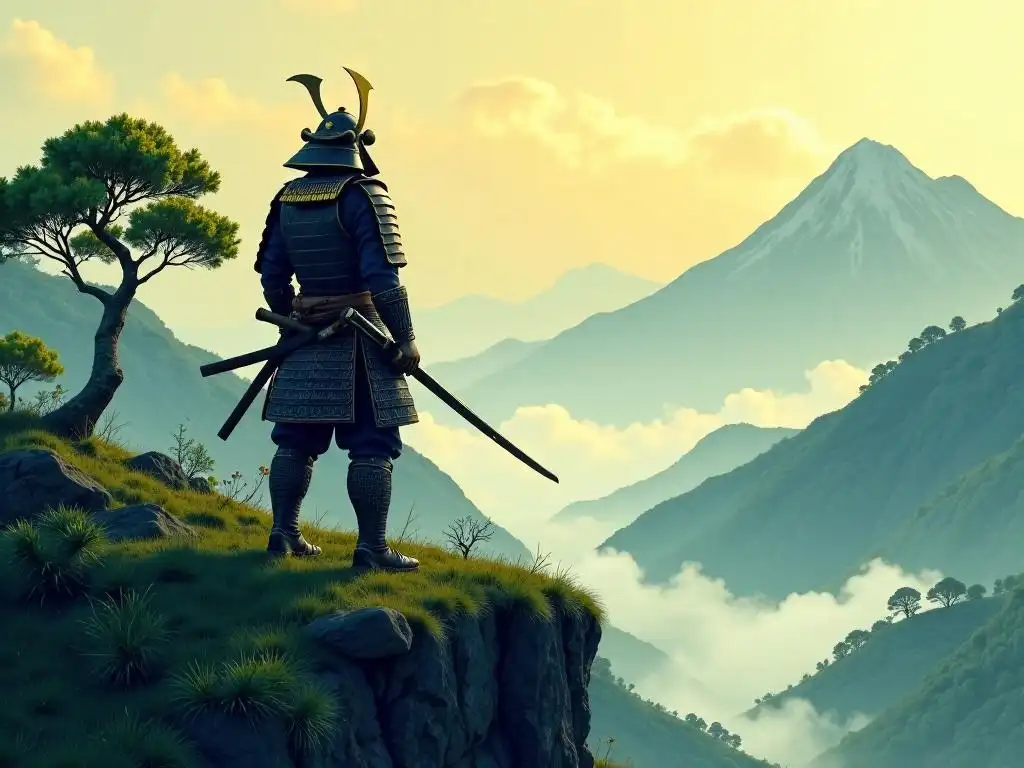
Welcome to Feudal Japan History, where we invite you to embark on a fascinating journey through the intricate tapestry of Japan’s feudal era. In our featured article, “The Samurai's Stance: How Isolationist Policies Affected the Warrior Class,” we delve into the profound impact of isolation on samurai, uncovering how these historical policies shaped the very essence of the warrior class. Prepare to challenge your understanding of this pivotal time—what secrets lie hidden within the shadows of history? Join us as we explore the cultural and societal shifts that defined an era. Your adventure begins now!
Introduction to the Samurai and Isolationist Policies
The samurai, a revered class in feudal Japan, played a pivotal role in shaping the nation's history, culture, and societal structure. As elite warriors, they were not only skilled fighters but also held significant political power and influence. Understanding the impact of isolation on samurai is crucial to grasping how their status evolved during periods of restricted foreign interaction.
Japan's adoption of isolationist policies, particularly during the Edo period (1603-1868), transformed the samurai's roles and responsibilities, shifting their focus from military engagement to governance and social order. This article delves into the intricate relationship between the samurai and Japan's isolationist policies, exploring how these strategies influenced the warrior class's identity and function.
Overview of the Samurai Class in Feudal Japan
The samurai class emerged during the Heian period (794-1185) as Japan transitioned from imperial rule to a feudal system. Characterized by their strict code of conduct known as Bushido, samurai were expected to embody loyalty, honor, and martial prowess. They served as retainers to feudal lords (daimyō) and were integral to maintaining peace and order across the various provinces. Over time, the samurai evolved from mere warriors to influential political figures, often holding significant sway over local governance.
- Key Characteristics of the Samurai:
- Martial Skills: Mastery of various weapons, particularly the katana.
- Social Status: Held a privileged position in society, often enjoying certain legal and social benefits.
- Cultural Influence: Contributed to the development of Japanese arts, philosophy, and literature.
Definition of Isolationist Policies in Japanese History
Isolationist policies in Japanese history, particularly the Sakoku (literally "locked country") edicts, were strategic measures implemented to limit foreign influence and maintain internal stability. These policies restricted trade, prohibited foreign travel, and emphasized self-sufficiency. The intent was to protect Japan from external threats and preserve its unique cultural identity.
- Key Elements of Isolationism:
- Trade Restrictions: Limited engagement with foreign nations, allowing only specific interactions with the Dutch and Chinese.
- Cultural Preservation: Focused on maintaining traditional Japanese customs and values, minimizing Western influence.
- Political Control: Strengthened the power of the ruling shogunate while diminishing the influence of external forces.
Historical Context of Isolationism in Japan
The Sakoku Edicts: Origins and Implementation
The Sakoku Edicts, issued by Tokugawa Ieyasu in the early 17th century, formalized Japan's isolationist stance. Initially designed to curb the spread of Christianity and European influence, these edicts evolved into a comprehensive framework governing Japan's foreign relations for over two centuries.
- Key Features of the Sakoku Edicts:
- Severe Restrictions: Foreign trade was limited to designated ports, primarily Nagasaki.
- Banishment of Foreigners: Any foreigner found in Japan risked execution, while Japanese citizens who traveled abroad were prohibited from returning.
- Surveillance and Control: The shogunate established strict regulations to monitor and control foreign interactions.
Key Historical Events Leading to Isolationism
Several pivotal events contributed to the establishment of isolationist policies in Japan:
- Arrival of European Powers: The influx of Portuguese, Spanish, and Dutch traders in the 16th century significantly impacted Japanese society, leading to cultural exchanges but also concerns about foreign domination.
- Missionary Activities: The spread of Christianity posed a threat to the established social order, prompting the shogunate to take measures against missionary activities.
- The Shimabara Rebellion (1637-1638): This uprising, fueled by discontent among Christian converts and poor economic conditions, underscored the dangers of foreign influence and served as a catalyst for the Sakoku policies.
Understanding these historical contexts provides insight into how the samurai, as staunch defenders of the shogunate, adapted to the challenges posed by isolationism. The subsequent sections will explore the direct consequences of these policies on the samurai class, revealing a transformative period in Japan's history.
The Impact of Isolation on Samurai
The period of isolation in Japan, particularly during the Edo period (1603-1868), profoundly influenced the samurai class, altering their roles, economic status, and cultural identity. The Tokugawa shogunate implemented a series of isolationist policies, known as Sakoku, which restricted foreign influence and limited trade with outside nations. This seclusion led to significant changes for the samurai, who had previously thrived in a more dynamic socio-political environment. As Japan closed its borders, the samurai were compelled to adapt to a society that increasingly valued peace over warfare, deeply affecting their traditional functions and societal standing.
Changes in the Role of Samurai During Isolation
With the enforcement of isolationist policies, the samurai class transitioned from their historical role as military leaders to bureaucratic administrators. As the country experienced prolonged peace, the necessity for a standing army diminished, prompting many samurai to seek new professions. They often found roles in government or local administration, managing land and collecting taxes instead of engaging in combat. This shift not only changed their daily responsibilities but also led to a decline in martial skills as the focus turned to governance, law, and order.
Moreover, the samurai began to engage in cultural pursuits, such as poetry, calligraphy, and the tea ceremony, as a means of self-expression and maintaining social status. This cultural engagement marked a significant departure from their warrior origins, illustrating how isolationist policies necessitated a reevaluation of samurai identity and purpose.
Economic Effects of Isolationist Policies on Samurai Class
The economic implications of Sakoku were profound for the samurai. As trade routes closed and foreign commerce dwindled, many samurai faced financial difficulties. The stipends they received from their daimyō (feudal lords) often became insufficient due to inflation and the stagnation of the economy. Consequently, some samurai were forced to engage in alternative forms of income, including farming or running businesses, which contradicted their traditional image of the noble warrior.
Additionally, the rigid caste system reinforced by the Tokugawa regime meant that samurai could not easily transition to more lucrative professions without losing their social status. The resulting economic strain led to a growing discontent among the samurai, contributing to the unrest that ultimately culminated in the Meiji Restoration.
Social and Cultural Impacts of Isolation on Samurai Identity
Isolation not only transformed the economic landscape but also had a lasting impact on the social and cultural identity of the samurai. As they moved away from their martial roots, the samurai increasingly adopted Confucian ideals, emphasizing loyalty, duty, and moral integrity. These values became central to their identity, aligning with the Tokugawa emphasis on social harmony and order.
Furthermore, the isolationist policies led to a homogenization of culture, with local customs and practices becoming more pronounced. The samurai began to take pride in their regional identities, leading to the emergence of distinct cultural expressions that reflected local traditions. This evolution resulted in a complex interplay between the samurai's warrior heritage and their new roles as cultural custodians within a closed society.
Adaptation of the Samurai in a Closed Society
As Japan remained isolated, the samurai class demonstrated remarkable adaptability to the changing socio-political landscape. Faced with diminishing military roles, they redefined their presence and influence in society, ultimately shaping the fabric of Edo-period Japan.
Shifts in Military Roles and Responsibilities
With the decline of warfare during the Edo period, the samurai's military responsibilities became largely ceremonial. The absence of conflict meant that many samurai were no longer needed as soldiers, leading to the establishment of a more bureaucratic and peaceful social order. They took on roles such as peacekeepers and local enforcers of law and order, further distancing themselves from their combative past.
This transition also encouraged the development of martial arts as a form of cultural expression rather than practical combat training. Schools of martial arts flourished, focusing on discipline, philosophy, and personal growth, reflecting the samurai's adaptation to a non-military society.
The Transformation of Samurai Values and Ideals
The isolationist policies of the Tokugawa regime prompted a significant transformation in samurai values and ideals. The shift from a warrior-centric society to one focused on governance and cultural refinement led to the emergence of the concept of "bushido," or the way of the warrior, which emphasized ethical behavior, loyalty, and self-discipline.
As samurai embraced these ideals, they began to see themselves as stewards of culture and morality rather than mere fighters. This cultural redefinition reinforced their status within society and allowed them to maintain relevance in a changing world. The legacy of these transformed values continues to resonate in Japanese culture today, illustrating the profound impact of isolationist policies on the samurai class.
Isolationist Policies and the Decline of the Samurai
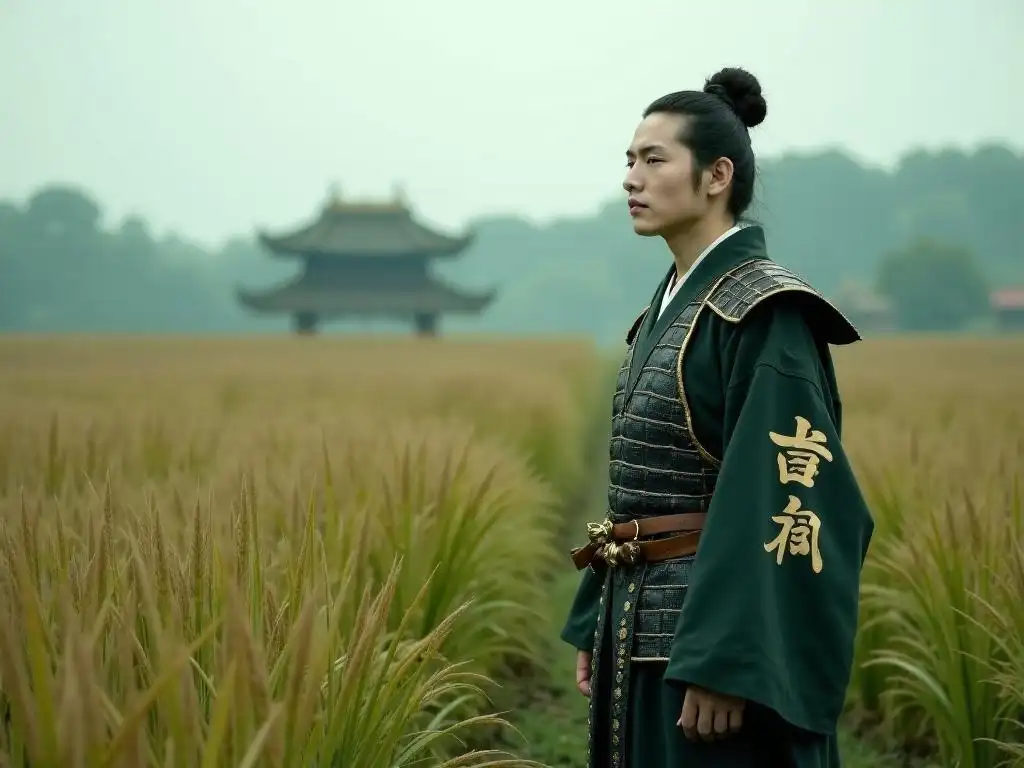
The isolationist policies of the Edo period (1603-1868) significantly altered the sociopolitical landscape of Japan, impacting the samurai class profoundly. Under the Tokugawa shogunate, Japan implemented the Sakoku policy, which restricted foreign relations and trade to a select few nations, notably the Dutch and the Chinese. While this policy aimed to maintain stability and control, it ultimately led to an insular environment that stifled the samurai's traditional role as warriors and protectors of the realm.
As a result of these isolationist policies, the samurai found their military functions diminished. With a lack of external threats and the cessation of military campaigns, their primary purpose shifted from warfare to administrative duties. This transition not only altered their societal standing but also led to a gradual decline in martial skills as fewer opportunities to engage in combat arose. The samurai began to embrace roles as bureaucrats and landowners, which, while lucrative, reduced their warrior identity.
Moreover, the impact of isolation extended to the samurai's economic stability. The strict control over trade limited their access to resources and innovation, which in turn hampered their ability to modernize. As the world outside Japan advanced technologically and militarily, the samurai found themselves increasingly outmatched. This accumulation of factors contributed to a gradual erosion of their power and influence, setting the stage for significant changes in the late 19th century.
Factors Leading to the Erosion of Samurai Power
Several interlinked factors contributed to the erosion of samurai power during the isolationist period. First and foremost was the shift in societal roles. As Japan remained closed off from the outside world, the samurai's traditional role as warriors became less relevant. The Tokugawa regime placed a strong emphasis on peace and stability, leading to a decrease in military engagements. Consequently, many samurai were relegated to administrative positions, which, although respected, did not offer the same sense of identity that warfare had once provided.
Economic changes also played a critical role. The samurai class had historically relied on stipends from their domains, but as trade and commerce flourished in the Edo period, merchants began to amass wealth and power. This rising merchant class challenged the social hierarchy, as they gained influence that the samurai could not compete against economically. The distinction between the samurai and the commoners blurred, diminishing the former's social standing.
Additionally, the rigid class structure imposed by the Tokugawa shogunate meant that the samurai were often unable to adapt to the changing economic landscape. As peace prevailed, the need for a warrior class declined, and many samurai found themselves in dire financial situations, leading to a loss of status and authority. This economic strain further exacerbated their decline, rendering them more vulnerable to the transformations sparked by Western influence in the latter half of the 19th century.
The Role of Western Influence Post-Isolation
The arrival of Western powers in the mid-19th century marked a pivotal turning point for Japan and the samurai class. The forced opening of Japan by Commodore Matthew Perry in 1853 challenged the isolationist policies that had governed the nation for over two centuries. This encounter with the West emphasized Japan's technological backwardness and the necessity for modernization, which had profound implications for the samurai.
In response to the growing Western influence, many samurai sought to adapt by embracing new ideas and technologies. Some became instrumental in the Meiji Restoration, advocating for the abolition of the feudal system and the modernization of Japan's military. The samurai who navigated this transition effectively utilized their knowledge of traditional warfare while integrating Western military practices, establishing Japan as a formidable power in the region.
However, this period also saw the decline of the samurai's traditional privileges. As the Meiji government sought to create a centralized state, the samurai's stipends were gradually replaced with a conscription system, fundamentally altering their status. The samurai class, once revered for their martial prowess, found themselves navigating a rapidly changing landscape where their identities were challenged.
Case Studies: Notable Samurai During the Isolationist Period
During the isolationist period, several notable samurai emerged, each responding to the socio-political shifts in unique ways. These case studies provide insight into the varied experiences and adaptations of the samurai class amidst the changing tides of isolation and Western influence.
Profiles of Influential Samurai and Their Responses to Isolation
- Miyamoto Musashi: Perhaps the most famous samurai, Musashi lived during the early Edo period. Known for his dual-wielding technique and strategic prowess, he later became a philosopher and strategist. His writings, particularly “The Book of Five Rings,” reflect the philosophical evolution of the samurai as warriors shifted from battlefield to the realm of ideas during the isolationist policies.
- Saigo Takamori: A prominent figure in the late Edo and early Meiji periods, Saigo initially served the Tokugawa shogunate but later became a key player in the Meiji Restoration. His transition from a loyal samurai to a revolutionary leader illustrates the dramatic shifts in samurai identity as they sought to redefine their roles in a rapidly modernizing Japan.
- Katsu Kaishu: A naval officer and statesman, Katsu played a critical role in the modernization of Japan's naval forces. His ability to adapt to Western technologies and ideologies exemplifies how some samurai embraced change, ensuring their relevance in a new era.
Analysis of Samurai Strategies to Adapt to Changing Circumstances
The samurai employed various strategies to adapt to the challenges posed by isolation and later Western influence. A key strategy was the embrace of education and Western learning. Many samurai pursued knowledge in military strategy, engineering, and foreign languages, which enabled them to participate in Japan's modernization efforts.
Another significant adaptation was the shift towards diplomacy and negotiation. As military conflicts became less frequent, samurai increasingly engaged in diplomatic efforts to secure their domains' interests, leveraging their status as the ruling class. This shift not only preserved their relevance but also allowed them to navigate the complexities of international relations during a time of upheaval.
Furthermore, some samurai sought to preserve their cultural heritage while embracing modernity. They engaged in the arts, literature, and philosophy, creating a synthesis of tradition and innovation that would influence Japanese culture in the years to come. This dual approach allowed the samurai to retain a semblance of their identity while adapting to the evolving landscape of Japan.
Conclusion: The Lasting Legacy of Isolationist Policies on the Samurai
The isolationist policies of Japan, particularly during the Edo period (1603-1868), left a profound and lasting legacy on the samurai class. These policies, known as Sakoku, not only limited foreign relations but also transformed the social, political, and economic landscape of Japan. The samurai, initially a dominant military class, found themselves in a changing environment where their traditional roles were redefined. As Japan closed its borders, the samurai shifted from warriors on the battlefield to bureaucrats and administrators, tasked with maintaining peace in a stable yet isolated society.
This transformation significantly impacted the samurai's identity, leading to the development of a unique culture that emphasized discipline, loyalty, and ethical conduct. The samurai's adherence to bushido, the way of the warrior, became more pronounced as they adapted to their new roles, resulting in a cultural legacy that continues to resonate in modern Japan. The isolationist policies thus played a crucial role in shaping the samurai's social fabric, creating a distinct warrior ethos that emphasized honor and duty over martial prowess.
Reflection on the Impact of Isolation on Samurai Culture and History
The impact of isolation on samurai culture is multifaceted. During the Sakoku period, the samurai's role evolved from military engagement to one of governance and peacekeeping. With foreign influence curtailed, samurai culture flourished in its own right, leading to advancements in arts, literature, and philosophy. This period saw the rise of cultural practices such as tea ceremonies, flower arranging, and Noh theater, all of which were steeped in samurai values.
Moreover, the isolation fostered a sense of national identity that bound the samurai class to the broader Japanese populace. The samurai became symbols of Japanese culture, embodying the virtues of loyalty, honor, and discipline. However, this cultural insularity also led to stagnation in some areas, as the samurai were cut off from advancements and ideas from the outside world. This dichotomy of cultural richness and isolation-induced stagnation is essential to understanding the complex legacy of the samurai in Japan's history.
Future Implications for Understanding Samurai in Contemporary Contexts
Understanding the impact of isolationist policies on the samurai is crucial for contemporary interpretations of Japanese identity and culture. As modern Japan grapples with its historical narratives, the samurai's evolution during the Edo period offers insights into how isolation can shape national consciousness and cultural identity. In a globalized world, the samurai's story serves as a reminder of the tension between tradition and modernity, as well as the ways in which external influences can alter societal structures.
Furthermore, the samurai's legacy continues to influence various aspects of modern Japanese society, from martial arts to popular culture and even business ethics. By examining the historical context of the samurai under isolationist policies, contemporary scholars and enthusiasts can gain a deeper appreciation for the complexities of Japanese culture and the enduring impact of its feudal past.
References
Recommended Readings on Samurai and Isolationist Policies
- "Samurai: The World of the Warrior": by Stephen Turnbull
- "The Samurai: A New History of the Warrior Elite": by John Man
- "Edo Culture: Daily Life and Diversions in Urban Japan, 1600-1868": by Edward Seidensticker
Sources for Further Research on the Impact of Isolation on Samurai
- "Japan's Isolation and the Samurai" - A detailed examination of the historical context and effects of Sakoku on the samurai class.
- "Bushido: The Soul of Japan": by Inazo Nitobe - A classic text exploring the samurai code and its implications during the isolationist period.
- "The Making of Modern Japan" by Joshua Fogel - Offers broader insights into Japan's historical trajectory, including the role of the samurai during isolation.
- Introduction to the Samurai and Isolationist Policies
- Historical Context of Isolationism in Japan
- The Impact of Isolation on Samurai
- Adaptation of the Samurai in a Closed Society
- Isolationist Policies and the Decline of the Samurai
- Case Studies: Notable Samurai During the Isolationist Period
- Conclusion: The Lasting Legacy of Isolationist Policies on the Samurai
- References
Frequently Asked Questions
What were the main isolationist policies in feudal Japan?
The main isolationist policies were established during the Edo period (1603-1868), notably the Sakoku policy that restricted foreign relations and trade, impacting the samurai's role in society.
How did isolation affect the samurai's societal role?
Isolation limited the samurai's engagement with the outside world, leading to a more insular culture where their primary focus shifted from warfare to administration and governance.
What impact did isolation have on samurai training and skills?
With decreased warfare opportunities, the samurai's martial skills were less frequently tested, resulting in a decline in combat readiness and a shift towards more cultural pursuits such as the arts and philosophy.
Did isolation influence the samurai's code of ethics?
Yes, the Bushido code evolved during this period, emphasizing loyalty, honor, and self-discipline, which were reinforced by the peaceful environment created by isolationist policies.
How did the end of isolation impact the samurai class?
The end of isolation in the mid-19th century led to a rapid transformation for the samurai, as they had to adapt to modernization, including military reforms and the loss of their traditional privileges.
Final Reflection: The Enduring Legacy of Isolation on the Samurai
The impact of isolation on the Samurai is not merely a historical footnote; it is a profound lesson in resilience and adaptation. As we navigate a world increasingly defined by global connections and cultural exchanges, the story of the Samurai serves as a reminder of how isolation can shape identity, values, and societal roles. The Samurai, once the epitome of martial prowess and honor, transformed under the weight of isolationist policies, illustrating that even the most formidable warriors can be redefined by their circumstances.
The legacy of the Samurai continues to resonate in contemporary society, influencing our understanding of discipline, honor, and the complexities of cultural identity. The isolation that once fortified the Samurai's ethos also led to a unique cultural evolution that we still admire today. In the midst of chaos, there is also opportunity,
Sun Tzu reminds us, and the Samurai exemplified this principle by finding strength and purpose within their constrained environment. Their journey reflects the ongoing struggle between tradition and change, a theme that remains relevant as we confront our own societal challenges.
As you reflect on the lessons of the Samurai, consider how isolation—whether physical, emotional, or ideological—shapes your own life and the world around you. Embrace the opportunity to learn from the past and apply those insights to foster connection and understanding in your own community. The Samurai's story is not just about a bygone era; it is an invitation to explore how we can cultivate resilience and honor in our own lives, even in times of isolation.
Embrace the Legacy of the Samurai!
Thank you for taking the time to explore the fascinating impact of isolationist policies on the warrior class in feudal Japan. Your engagement with this vital chapter in history allows us to appreciate the resilience and strategic shifts of the samurai. Now, let’s dive deeper and take meaningful steps to connect with this incredible heritage!
Here are a few actions you can take right now:
- Explore further! Visit our archives at feudaljapanhistory.com to discover in-depth articles and insights about the samurai and their enduring legacy.
- Share your thoughts! Engage with fellow history enthusiasts by leaving a comment below; your perspective is invaluable to our community.
- Try a new perspective! Consider reading a historical novel or biography about samurai culture to enhance your understanding and appreciation of their life and values.
What aspect of the samurai's legacy do you find most inspiring, and how do you think it can influence our world today?