
The Colorful World of Kimono: Fashion Traditions at Japanese Festivals

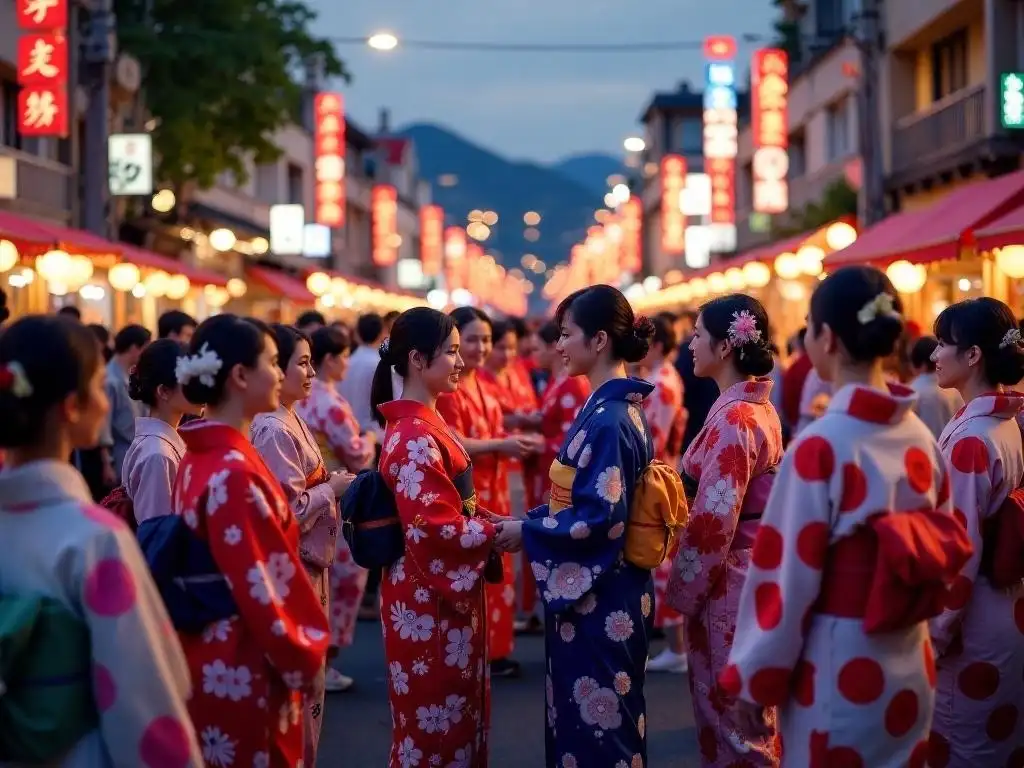
Welcome to Feudal Japan History, where we invite you to embark on a captivating journey through the vibrant tapestry of Japan's feudal era. In our latest article, The Colorful World of Kimono: Fashion Traditions at Japanese Festivals, we delve into the exquisite Japanese festival kimono traditions that bring to life the rich cultural heritage of this enchanting period. Discover the intricate designs, symbolic meanings, and the stories woven into each garment that have shaped Japan's festive celebrations.
Are you ready to unravel the colorful threads of history that connect tradition and festivity? Join us as we explore the fascinating world of kimonos and the cultural significance they hold!
Introduction to Japanese Festival Kimono Traditions
The vibrant tapestry of Japanese festival kimono traditions reflects not just the aesthetic beauty of the garments themselves but also the rich cultural heritage of Japan. Kimonos, often adorned with intricate patterns and vibrant colors, serve as a visual representation of Japan’s history, values, and social customs. Festivals in Japan are a celebration of community, spirituality, and seasonal changes, and the attire worn during these occasions plays a pivotal role in expressing cultural identity and continuity.
This article delves into the multifaceted world of kimono traditions as they are showcased during Japanese festivals, exploring their historical significance, cultural importance, and the evolution of styles over time. By understanding these vibrant garments, we can gain deeper insights into the essence of Japanese culture and the role these traditions play in contemporary society.
Overview of Kimono in Japanese Culture
The kimono is more than just clothing; it is a profound symbol of Japanese identity, encapsulating centuries of tradition and craftsmanship. Traditionally made from silk, cotton, or synthetic fabrics, kimonos are characterized by their unique T-shape and wrap-around design, which is both elegant and functional. The choice of fabric, color, and pattern often conveys information about the wearer, including their age, marital status, and the occasion for which the kimono is worn.
In Japanese culture, the kimono is typically worn during significant life events, such as weddings, tea ceremonies, and, notably, festivals. Each garment reflects aesthetic principles rooted in nature, philosophy, and art, making the kimono a living canvas of cultural expression.
Importance of Kimono in Festivals
During festivals, the kimono transcends its role as mere clothing; it becomes a means of celebrating heritage and community. Festivals such as Hanami (cherry blossom viewing) and Tanabata (star festival) see participants donning colorful kimonos, which not only enhance the festive atmosphere but also strengthen communal bonds among attendees.
The significance of kimono in these events is multifaceted:
- Cultural Expression: Kimonos allow individuals to express their cultural identity and pride, showcasing traditional patterns and styles that may vary from region to region.
- Social Cohesion: Wearing kimonos at festivals fosters a sense of belonging and unity among participants, reinforcing communal ties.
- Preservation of Tradition: The continued practice of wearing kimonos during festivals serves as a vital link to Japan’s past, ensuring that these traditions are passed down through generations.
Historical Background of Kimono Traditions
Evolution of Kimono Styles Through the Ages
The evolution of kimono styles is a story that spans centuries, reflecting the dynamic changes in Japanese society, aesthetics, and technology. From the Heian period (794-1185), where the jūnihitoe (a multi-layered garment) was popular among aristocrats, to the more simplified styles of the Edo period (1603-1868), the kimono has continually adapted to the cultural and social currents of the time.
Key changes in kimono styles include:
- Fabric Innovations: The introduction of new materials and dyeing techniques led to more intricate designs and a wider variety of colors.
- Regional Variations: Different regions developed unique styles, with distinct patterns and motifs representing local culture and nature.
- Modern Adaptations: Today, kimonos are often tailored for contemporary use, with adaptations that blend traditional aesthetics with modern functionality.
Key Historical Events Influencing Kimono Fashion
Several historical events have significantly influenced the evolution of kimono fashion. Notable among them are:
- The Meiji Restoration (1868): This period marked Japan’s rapid modernization and Westernization. The transition from traditional to Western attire began, but many aspects of kimono fashion were preserved and adapted.
- Post-War Era (1945-1950s): After World War II, there was a resurgence in the interest of traditional garments, leading to a revival of kimono culture as a symbol of national identity.
- Cultural Festivals and Events: Various cultural festivals have played a crucial role in promoting kimono traditions, encouraging new generations to engage with their heritage.
Through exploring the historical context and cultural significance of kimono traditions at Japanese festivals, we can appreciate not only their beauty but also their enduring role in shaping Japanese identity and community life.
Types of Kimonos Worn at Japanese Festivals
Kimonos, the traditional garments of Japan, play a pivotal role in the vibrant atmosphere of Japanese festivals. The selection of kimono types is vast, reflecting both the occasion and the wearer's status. The most common types of kimonos worn during these celebrations include formal and informal styles, each with its unique characteristics and cultural significance.
Formal Kimonos: Furisode and Tomesode
Formal kimonos, particularly Furisode and Tomesode, are often worn by women during significant festivities.
- Furisode is characterized by its long, flowing sleeves, which can reach up to 100 centimeters in length. This style is traditionally worn by young, unmarried women and is often adorned with intricate patterns and vibrant colors. The Furisode is emblematic of youth and is typically worn at events such as Coming of Age Day or weddings.
- Tomesode, on the other hand, is commonly worn by married women and features shorter sleeves, usually around 50 centimeters. It is often more subdued in color and design, focusing on elegance and sophistication. Tomesode is frequently seen at formal occasions, including tea ceremonies and traditional weddings, and its motifs usually represent auspicious symbols.
Both Furisode and Tomesode are crafted from high-quality silk and are often layered with other garments, such as obi (sashes) and haneri (collars), enhancing their formal appearance.
Informal Kimonos: Yukata and Komon
Informal kimonos like Yukata and Komon are popular choices for summer festivals and casual gatherings.
- Yukata is a lightweight cotton kimono, often worn during the hot summer months and at festivals such as Hanabi (fireworks festivals). The Yukata features vibrant colors and playful patterns, making it a favorite among festival-goers. It is easy to wear and typically paired with a simple obi, making it a comfortable choice for outdoor events.
- Komon, while slightly more formal than the Yukata, is still considered an informal kimono. It is characterized by a repeated pattern throughout the fabric, often in muted colors. Komon can be worn for a variety of occasions, from casual outings to smaller festivals, and provides a balance between comfort and style.
Both Yukata and Komon allow for personal expression through fabric choice and accessories, making them popular during festive celebrations across Japan.
Specialty Kimonos for Unique Festivals
Certain festivals in Japan feature specialty kimonos that reflect the unique cultural heritage of the region. For instance, during the Gion Matsuri in Kyoto, participants often wear Hiki-yama kimonos, which are specifically designed for the festival's parade floats. These kimonos are elaborately decorated, showcasing the rich history and craftsmanship of the area.
Similarly, the Awa Odori festival in Tokushima features dancers in distinctive Awa Odori kimonos, which are designed for ease of movement to accommodate the energetic dance style. These kimonos are typically made from lightweight fabrics and feature vibrant patterns that represent the lively spirit of the festival.
The diversity of specialty kimonos highlights the deep connection between regional celebrations and the artistic expression found in traditional Japanese clothing.
Regional Variations in Festival Kimonos
Japan's vast geography and cultural diversity lead to a variety of festival kimono styles across different regions. Each area possesses distinct traditions that influence the design and use of kimonos during celebrations.
Distinct Styles from Different Regions of Japan
Different regions in Japan showcase unique styles in their festival kimonos. For example, in the Okinawa Prefecture, the traditional Ryukyu kimono is often worn during local festivals. These kimonos are known for their bright colors and bold patterns, representing the tropical nature of the islands.
In contrast, the Tōhoku region features Kanto-dori kimonos, which are distinguished by their intricate weaving techniques and often darker color palettes. The local festivals, such as the Kanto Matsuri, highlight these unique kimonos, showcasing the region's specific cultural identity.
Influence of Local Customs on Kimono Design
Local customs play a significant role in shaping the design of festival kimonos. For instance, the Tanabata Matsuri celebrates the meeting of the stars and is marked by kimonos adorned with motifs of bamboo and stars, reflecting the festival's themes.
Moreover, the Nebuta Matsuri in Aomori features colorful floats and lively parades, inspiring kimonos with bright, vivid designs that capture the festive atmosphere. The incorporation of local symbols and colors in kimono fabric illustrates how deeply festival traditions are interwoven with regional identity.
The rich tapestry of Japanese festival kimono traditions reflects the harmony of cultural heritage, artistry, and regional diversity, making each festival a unique celebration of Japan's history and society.
The Role of Colors and Patterns in Festival Kimonos
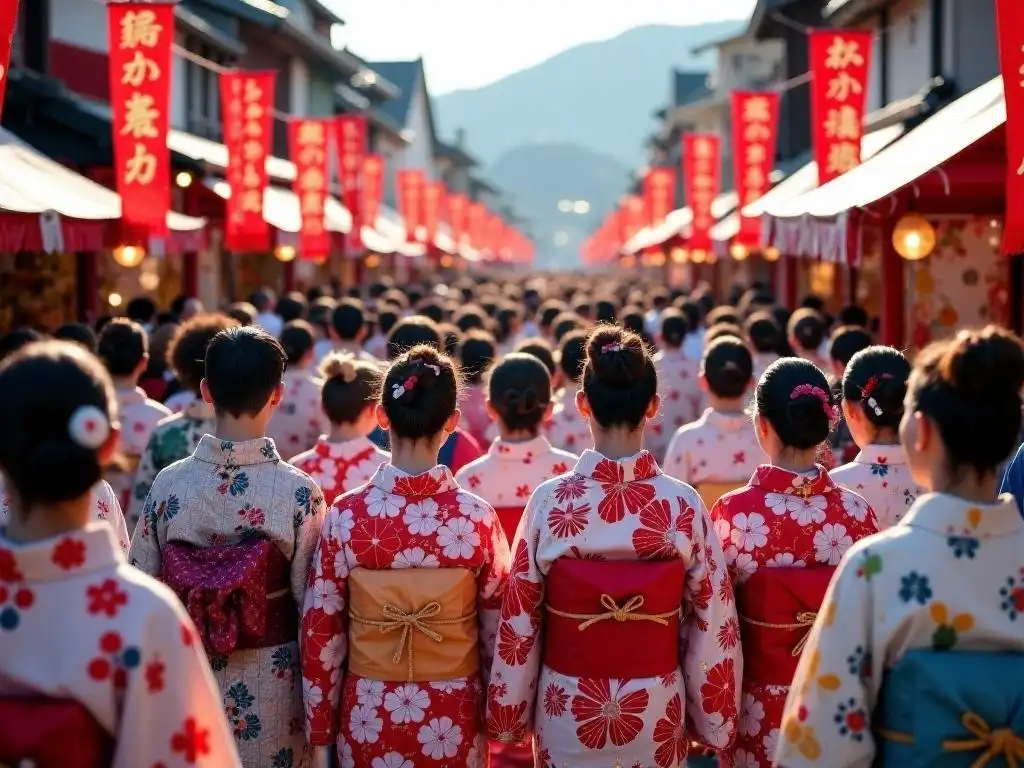
Festival kimonos are renowned for their vibrant colors and intricate patterns, which play a significant role in expressing cultural identity and seasonal celebration in Japan. These garments are not merely clothing but are imbued with symbolism and tradition that reflect the wearer’s social status, the occasion, and even the time of year. During festivals, the choice of kimono can convey messages of joy, respect, and connection to heritage.
The colors and patterns chosen for festival kimonos often vary depending on the specific festival and its associated themes. For instance, summer festivals may feature lighter fabrics with bright, cheerful hues, while winter celebrations might embrace deeper, richer tones. The interplay of colors and patterns transforms the kimono into a canvas showcasing Japan’s artistic heritage.
Symbolism of Colors in Japanese Culture
In Japanese culture, colors have deep-rooted meanings that extend beyond mere aesthetics. Each color evokes specific feelings and connotations, often tied to nature and spiritual beliefs. Here are some key colors and their associated meanings:
- Red: Symbolizes protection against evil spirits and is often seen in celebratory contexts. It is a color of vitality and passion.
- White: Represents purity and cleanliness, commonly used in weddings and other auspicious occasions.
- Blue: Associated with calmness and tranquility, blue is often linked to the sky and the sea.
- Black: Traditionally signifies formality and elegance, but can also represent mourning in certain contexts.
- Green: Symbolizes renewal and life, reflecting the natural world.
- Gold and Silver: These colors represent wealth and prosperity, frequently used in festive decorations.
Understanding these color meanings helps festival-goers select kimonos that are not only visually appealing but also culturally significant.
Traditional Patterns and Their Meanings
The patterns on kimonos are as varied as the colors, each carrying its own significance. Some of the most popular traditional patterns include:
- Asanoha (Hemp Leaf): Symbolizes growth and resilience, often associated with the hope for a healthy life.
- Seigaiha (Blue Ocean Waves): Represents peace, good luck, and the idea of living harmoniously with nature.
- Kikkō (Tortoise Shell): Signifies longevity and good fortune, inspired by the longevity of turtles.
- Tachiwaki (Standing Waves): Reflects the dynamic movement of water, symbolizing strength and vitality.
- Aoi (Hollyhock): Often associated with the Tokugawa family, symbolizing loyalty and the connection to the samurai heritage.
These patterns are meticulously woven or dyed into the fabric, making every kimono a unique representation of artistic mastery and cultural storytelling.
Accessories and Complementary Attire
To complete the ensemble, festival kimonos are typically paired with various accessories that enhance both their beauty and functionality. These accessories play an important role in maintaining the traditional aesthetic while ensuring comfort during festivities.
Essential Accessories for Festival Kimono Outfits
- Obi (Belt): The obi is a wide belt that secures the kimono and adds an elegant touch. Various styles exist, from the formal obi used in weddings to more casual versions for festivals. The choice of obi often reflects the formality of the occasion.
- Obijime (Cord): This decorative cord is tied around the obi to keep it in place and add an extra layer of embellishment. It can be made from silk, cotton, or synthetic materials and is available in a variety of colors.
- Haneri (Collar): The haneri is a detachable collar that adds a pop of color or pattern to the kimono. It is often embroidered or dyed and can be easily changed to suit different occasions.
- Tabi (Socks): Traditional split-toe socks worn with sandals, providing comfort while maintaining the kimono's aesthetic.
- Obiage and Obijiri: These are additional layers of fabric that peek out from the obi, often used to add color and texture.
Footwear and Other Fashion Elements
Footwear is an essential part of the festival kimono outfit, contributing to both style and comfort. Common choices include:
- Zori: Flat sandals made of rice straw or synthetic materials, often worn during formal occasions. They are typically paired with tabi socks.
- Geta: Traditional wooden sandals that elevate the wearer, providing a unique sound and aesthetic. Geta are often chosen for summer festivals due to their breathability.
Additionally, accessories like kanzashi (hair ornaments) and hachimaki (headbands) can enhance the overall festive look. Kanzashi can feature intricate designs, often made from silk, showcasing seasonal themes or personal style. Hachimaki are sometimes worn during energetic festival activities, symbolizing determination and dedication.
Together, these elements create a complete and harmonious festival attire that honors tradition while celebrating the joy of communal festivities.
The Experience of Wearing a Kimono at Festivals
Wearing a kimono during Japanese festivals is not just about donning a beautiful garment; it is an immersive experience steeped in cultural significance and personal connection. The moment one slips into a kimono, they are enveloped in layers of history, tradition, and artistry. The fabrics, often adorned with intricate patterns and vibrant colors, reflect the themes of the season or the festival itself, creating a visual tapestry that celebrates Japanese culture.
As festival-goers walk through the bustling streets, the rustle of the kimono fabric accompanies their every movement, enhancing the sensory experience. The act of wearing a kimono involves a careful process of dressing, which includes tying an obi (sash) and arranging the garment to ensure it sits perfectly. This meticulous preparation becomes part of the festival experience, fostering a sense of anticipation and joy. Moreover, the communal aspect of dressing in kimonos, often shared among family and friends, amplifies the festive spirit.
Rituals and Etiquette for Festival Attire
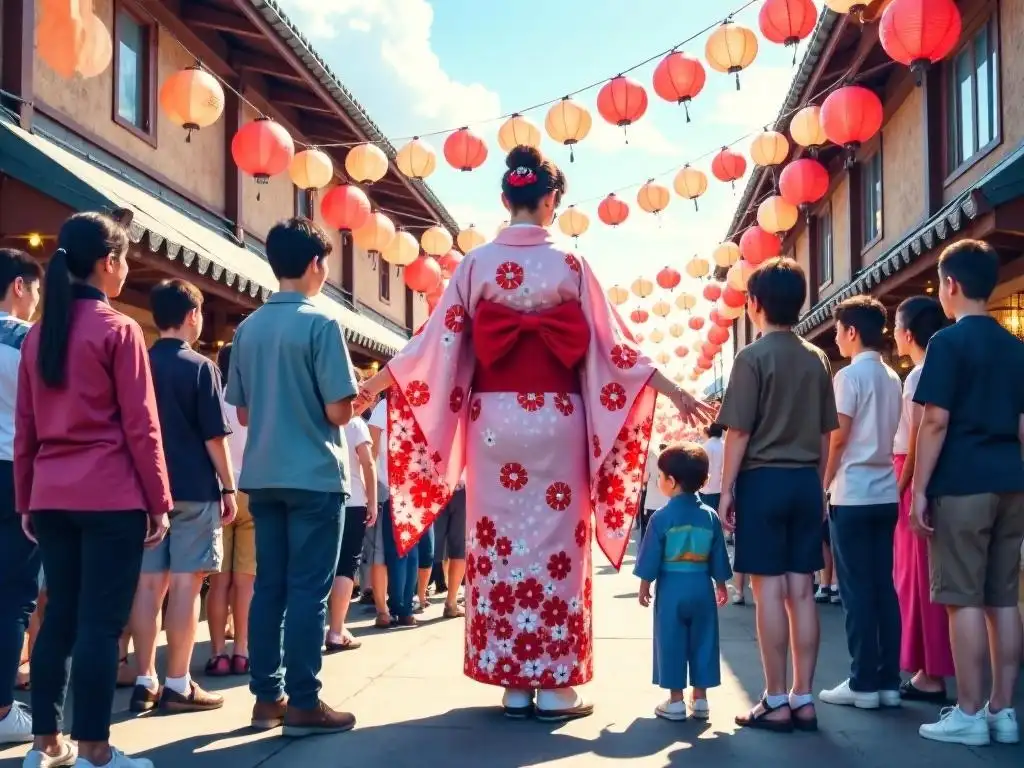
When attending a festival in a kimono, certain rituals and etiquette are observed to honor the tradition. First and foremost, the choice of kimono is often influenced by the festival’s theme, time of year, and personal significance. For example, during Hanami (cherry blossom viewing), light-colored kimonos with floral patterns are popular, symbolizing the ephemeral beauty of the cherry blossoms.
Proper etiquette dictates how one carries themselves while wearing a kimono. Posture is crucial; festival-goers are encouraged to stand tall and walk gracefully, as these movements reflect respect for the garment and the occasion. Additionally, there are specific ways to handle the kimono, such as ensuring the hem does not drag on the ground and that the obi is securely tied to prevent any wardrobe malfunctions.
Moreover, interactions during festivals are infused with a sense of decorum. Greetings, bowing, and even the exchange of gifts are conducted with a level of formality that aligns with the aesthetic of the kimono. This adherence to etiquette not only enhances the festival atmosphere but also connects wearers to the deeper cultural narratives of Japan.
Personal Stories: Experiences of Festival-Goers
Personal experiences of wearing a kimono at festivals highlight the emotional and cultural connections individuals have with this traditional attire. Many festival-goers recount how wearing a kimono allows them to feel a deeper connection to their heritage. For instance, a young woman named Aiko shared her experience of attending the Gion Matsuri in Kyoto. Dressed in a vibrant, hand-painted yukata, she felt a sense of pride as she joined the parade, embodying the spirit of the festival and connecting with her ancestors.
Similarly, older generations often share stories of their first experiences in kimonos, recalling how their mothers or grandmothers dressed them for festivals. These memories carry a nostalgic weight, as they pass down not only the garments but also the traditions and values associated with them. Many also express how the kimono serves as a bridge between generations, uniting family members in celebration, as they don similar attire and partake in age-old customs.
The emotional aspect of these stories underscores the kimono's role as more than just clothing; it is a vessel of memory, identity, and community, enriching the festival experience for all involved.
Conclusion: Celebrating Japanese Festival Kimono Traditions
The traditions surrounding kimonos at Japanese festivals represent a rich tapestry of cultural identity and artistic expression. Each festival presents an opportunity to celebrate not only the beauty of the kimono but also the stories and histories that accompany its wear. As the vibrant colors and intricate designs come alive during these events, they serve as a reminder of Japan's enduring heritage and the importance of preserving these customs for future generations.
The Ongoing Relevance of Kimono in Contemporary Japan
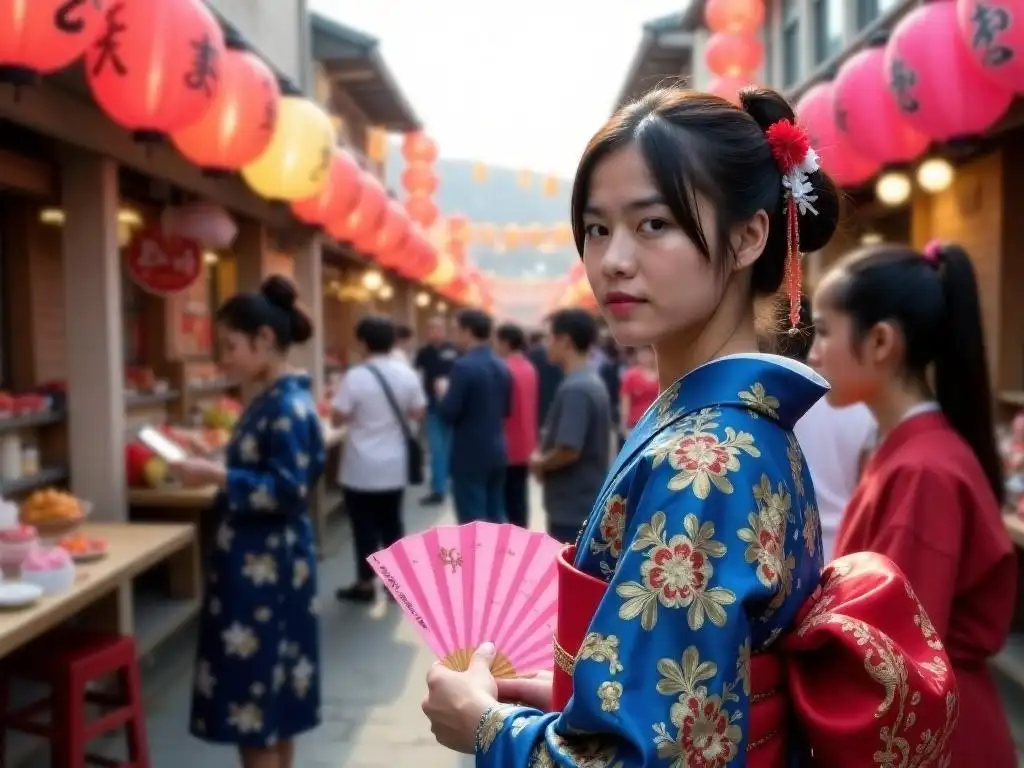
In contemporary Japan, the kimono continues to hold significant relevance in both ceremonial and casual contexts. While Western fashion influences are prevalent, many Japanese people still embrace the kimono for special occasions, including weddings, tea ceremonies, and, of course, festivals. This enduring popularity is evident in the rise of kimono rental shops, which cater to both locals and tourists looking to experience the beauty of traditional attire.
Furthermore, modern designers are reinterpreting kimono aesthetics, blending traditional elements with contemporary styles. This fusion not only keeps the kimono relevant but also makes it accessible to younger generations who may seek to express their individuality while honoring their cultural roots.
Future of Japanese Festival Kimono Traditions
Looking ahead, the future of Japanese festival kimono traditions appears promising, as efforts to preserve and innovate these practices continue. Educational initiatives aimed at teaching younger generations about the history and significance of kimonos are vital in ensuring that these traditions are not lost. Workshops and community events focused on kimono dressing and care are becoming increasingly popular, fostering a culture of appreciation for this timeless garment.
Moreover, the global interest in Japanese culture has led to a resurgence in kimono appreciation outside Japan, with international festivals showcasing Japanese attire. This global perspective not only celebrates the kimono but also invites cross-cultural dialogue, allowing for a rich exchange of fashion traditions.
As Japan navigates the complexities of modernity, the colorful world of kimono at festivals remains a vibrant expression of cultural identity, bridging the past with the future.
References and Further Reading on Japanese Kimono Traditions
The study of Japanese festival kimono traditions is rich and diverse, drawing from various sources that explore the historical, cultural, and artistic significance of kimono within the context of Japanese festivals. Here are some essential references and further reading materials that provide deeper insights into this vibrant aspect of Japanese culture:
- Books:
- Kimono: Fashioning Culture by Christine A. Yano: This book examines the significance of kimono in Japanese culture, including its role in festivals and traditional ceremonies.
- The Book of Kimono: The Complete Illustrated Guide to Style and Wear by Akiyo Shimizu: This guide provides an in-depth look at different kimono styles, fabrics, and the cultural meanings behind them, making it a valuable resource for understanding festival attire.
- Japanese Costume and Textiles by Michael O. O’Donnell: A comprehensive overview of traditional Japanese clothing, including the evolution and significance of kimono in various cultural contexts.
- Academic Journals:
- The Journal of Japanese Studies: This journal publishes scholarly articles that often touch upon the cultural practices surrounding kimono, including its role in festivals and public celebrations.
- Asian Textile Studies: Focused on the study of textiles in Asia, this journal includes articles that explore the materials and techniques used in kimono production, particularly for festival wear.
- Online Resources:
- The Kimono Museum website offers extensive information about different styles of kimono, their historical contexts, and their significance in festivals.
- The National Museum of Modern Art, Tokyo provides online exhibitions that include traditional kimono and their usage in contemporary and historical festival settings.
- Documentaries and Films:
- The Kimono Revolution: This documentary explores the resurgence of kimono culture in modern Japan, highlighting its use during festivals and traditional ceremonies.
- Woven Dreams: The Art of Kimono Making: A film that delves into the intricate process of kimono making, showcasing how these garments are crafted for special occasions, including festivals.
- Cultural Institutions:
- The Japanese Cultural Center often hosts workshops and exhibitions on the art of kimono wearing and its significance during festivals, providing an interactive way to learn about these traditions.
- Local Japanese community organizations frequently hold events that celebrate festival traditions and may include demonstrations or talks about the cultural importance of kimono.
Engaging with these resources will enhance your understanding of Japanese festival kimono traditions, providing a comprehensive view of their historical evolution, cultural significance, and the artistry involved in their creation.
- Introduction to Japanese Festival Kimono Traditions
- Historical Background of Kimono Traditions
- Types of Kimonos Worn at Japanese Festivals
- Regional Variations in Festival Kimonos
- The Role of Colors and Patterns in Festival Kimonos
- Accessories and Complementary Attire
- The Experience of Wearing a Kimono at Festivals
- Rituals and Etiquette for Festival Attire
- Personal Stories: Experiences of Festival-Goers
- Conclusion: Celebrating Japanese Festival Kimono Traditions
- The Ongoing Relevance of Kimono in Contemporary Japan
- Future of Japanese Festival Kimono Traditions
- References and Further Reading on Japanese Kimono Traditions
Frequently Asked Questions
What is the significance of kimono traditions in Japanese festivals?
Kimono traditions play a vital role in Japanese festivals as they represent cultural heritage and artistic expression. Wearing kimonos during these events signifies respect for tradition and enhances the festive atmosphere.
How do different festivals influence kimono styles?
Each festival has its unique theme and cultural background, which influences the styles and colors of kimonos worn. For example, bright colors and floral patterns are often favored during spring festivals, while darker hues may be more common in autumn events.
Are there specific types of kimonos for festivals?
Yes, there are specific types of kimonos designed for festivals, such as the yukata, a lighter cotton kimono often worn in summer festivals. These kimonos are typically more colorful and casual, making them ideal for outdoor celebrations.
What role do accessories play in festival kimono outfits?
Accessories are essential in enhancing the overall look of festival kimonos. Items like obi (sashes), obijime (cords), and kanzashi (hair ornaments) add a touch of elegance and personalization to the traditional attire.
How can one learn more about kimono traditions at festivals?
To explore more about kimono traditions at festivals, consider visiting cultural events, attending workshops, or reading expert-driven articles on platforms like "Feudal Japan History." These resources provide insightful information on the significance and evolution of these traditions.
Final Reflection: Embracing the Richness of Japanese Festival Kimono Traditions
The vibrant world of Japanese festival kimono traditions is not just a celebration of fashion; it is a profound expression of culture and identity that resonates deeply in today's global society. As we navigate an increasingly interconnected world, the significance of these traditional garments becomes even more pronounced, reminding us of the beauty found in heritage and the stories woven into every thread. The colorful patterns and intricate designs of kimonos serve as a powerful symbol of cultural pride and continuity, urging us to appreciate and honor our own traditions while embracing diversity.
Cultural traditions, like the kimono, have a unique way of shaping our social landscape and fostering connections among individuals. The act of wearing a kimono during festivals is not merely about aesthetics; it is a ritual that binds communities together, celebrating shared history and values. As one observer noted, Tradition is not the worship of ashes, but the preservation of fire.
This sentiment captures the essence of how these practices keep the spirit of culture alive, igniting a sense of belonging and continuity that transcends generations. The ongoing popularity of kimono-wearing at festivals illustrates a collective desire to connect with our roots while inviting others to partake in the rich tapestry of our shared human experience.
As you reflect on the themes presented in this article, I invite you to consider how you can incorporate elements of tradition into your own life. Whether it’s through fashion, art, or community engagement, find ways to celebrate your heritage and the diverse cultures around you.
Let the colorful world of kimono inspire you to explore your own traditions and share them with others, fostering a deeper understanding and appreciation for the myriad of stories that shape our identities. In doing so, we not only honor our past but also pave the way for a more inclusive and vibrant future.
Unveil Your Own Kimono Journey!
Thank you for exploring the vibrant traditions of kimono fashion at Japanese festivals! We hope you enjoyed discovering the rich history and stunning artistry that kimonos embody. Now, it's time to immerse yourself even further in this beautiful world.
Here are some exciting ways to get involved and celebrate this cultural heritage:
- Explore local events: Look for cultural festivals or events in your area where you can experience traditional Japanese attire firsthand. Many of these gatherings offer kimono rentals or dressing experiences that allow you to try on this exquisite garment.
- Start your own collection: Consider researching and collecting kimonos, or even trying your hand at sewing your own! There are numerous online tutorials available to help you create a unique piece inspired by this beautiful tradition.
- Share the beauty: Take a moment to share this article and spread the joy of kimono culture with your friends and family. A simple post on social media could ignite their interest in exploring Japan's rich fashion history!
As you reflect on these suggestions, consider: What aspect of kimono culture intrigues you the most, and how will you celebrate it in your own life?