
Agricultural Festivals: Celebrating the Bounty of the Land


Welcome to Feudal Japan History, where we embark on an intriguing journey through the captivating landscape of Japan’s feudal era. Dive deep into the rich tapestry of Japan feudal era agricultural festivals, where the cycles of nature and the spirit of community intertwine in vibrant celebrations of harvest and gratitude. These festivals not only reflect the agricultural practices of the time but also reveal the profound cultural and societal values that shaped the lives of those in this remarkable period.
Are you ready to uncover the stories behind these festive gatherings? Join us as we explore the bountiful traditions that have stood the test of time!
- Introduction to Japan's Feudal Era Agricultural Festivals
- Historical Context of Agricultural Festivals in the Japan Feudal Era
- Types of Agricultural Festivals Celebrated in Feudal Japan
- Cultural Significance of Agricultural Festivals in Feudal Japan
- Regional Variations of Agricultural Festivals in Feudal Japan
- The Impact of Agricultural Festivals on Feudal Japanese Society
- Modern-Day Relevance of Japan Feudal Era Agricultural Festivals
- Conclusion: The Enduring Legacy of Agricultural Festivals in Japan's Feudal Era
-
Frequently Asked Questions
- What were the main agricultural festivals in the Japan feudal era?
- How did agricultural festivals impact society during the feudal period?
- What were the cultural significances of these festivals?
- How did the ruling classes influence agricultural festivals?
- Are there any modern-day celebrations that stem from feudal agricultural festivals?
- Final Reflection: Celebrating the Legacy of Agricultural Festivals
- Celebrate and Connect with Japan's Agricultural Heritage!
Introduction to Japan's Feudal Era Agricultural Festivals
Agricultural festivals played a pivotal role in the cultural and social fabric of feudal Japan, reflecting the deep-rooted connection between the people and their land. During this era, which spanned from the 12th to the 19th centuries, agriculture was not merely an economic activity but a vital aspect of daily life and community identity.
Festivals celebrating the bounty of the land served as a means to express gratitude to deities, seek blessings for future crops, and reinforce communal bonds among villagers. This article delves into the rich tradition of agricultural festivals during the Japan feudal era, exploring their historical significance, cultural practices, and evolving role in society.
Overview of Agricultural Festivals in Feudal Japan
Agricultural festivals, known as "Nōgyō-sai" or "Kōrō-sai," were celebrated throughout the various regions of Japan, each with its unique customs and rituals. These festivals typically coincided with important agricultural milestones, such as planting, harvest, and the changing of the seasons.
- Key Features of Agricultural Festivals:
- Seasonal Celebrations: Festivals were often aligned with the agricultural calendar, marking significant events like rice planting in spring or rice harvesting in autumn.
- Ritual Offerings: Villagers would offer rice, sake, and other produce to their local deities as a sign of respect and gratitude.
- Cultural Performances: Many festivals included traditional music, dance, and theatrical performances, which were meant to entertain the community and invoke good fortune.
- Community Involvement: These events fostered a sense of unity, as entire villages came together to participate in the festivities, reinforcing social ties.
Through these activities, festivals not only celebrated agricultural success but also served as a platform for cultural expression and community solidarity.
Importance of Agricultural Festivals in Japanese Culture
Agricultural festivals held significant importance beyond mere celebration; they were integral to the spiritual and social life of feudal Japan. These festivals embodied the Shinto belief system, which emphasizes the relationship between humans and the natural world. The following points highlight their cultural significance:
- Spiritual Connection: Festivals were believed to appease agricultural deities, ensuring a bountiful harvest and the well-being of the community.
- Cultural Heritage: They preserved traditional practices, folklore, and local customs, passing them down through generations. This helped maintain a sense of identity and continuity amidst the changes brought by the feudal system.
- Economic Implications: By fostering a strong agricultural community, these festivals contributed to economic stability, ensuring food security and the sustenance of local economies.
- Social Cohesion: Festivals strengthened community bonds, encouraging cooperation among villagers, which was crucial for success in agricultural endeavors.
The agricultural festivals of feudal Japan were more than just communal gatherings; they were vital expressions of the cultural, spiritual, and economic dimensions of life, reflecting the harmonious relationship between the Japanese people and their land.
Historical Context of Agricultural Festivals in the Japan Feudal Era
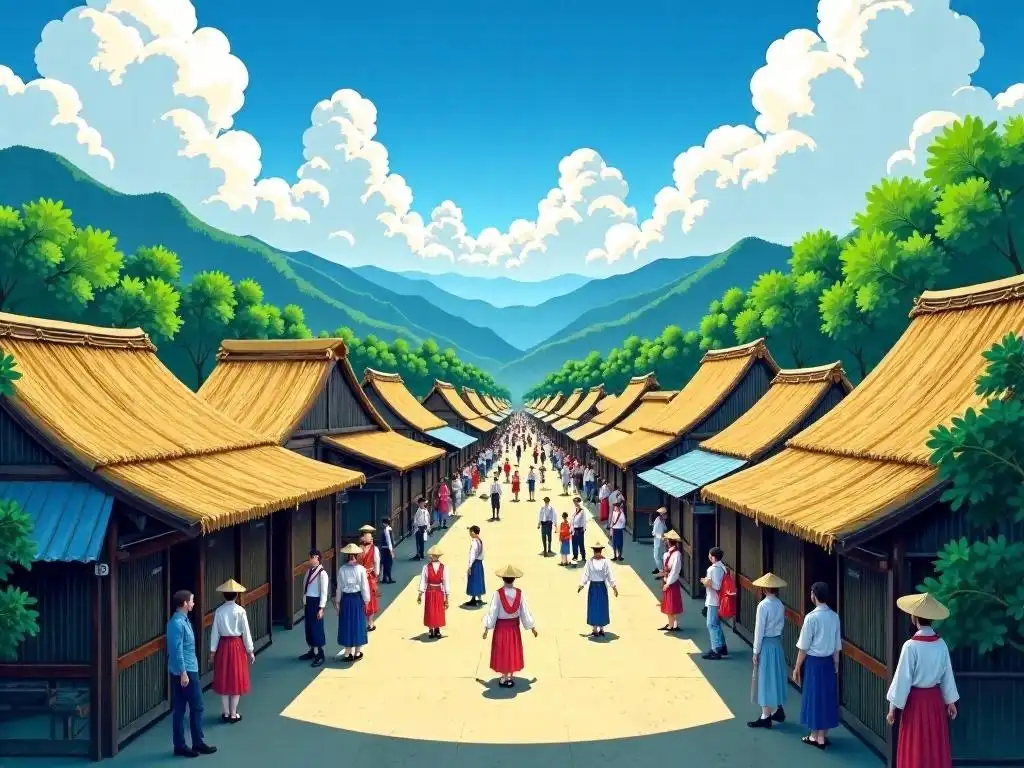
Agricultural festivals in the Japan feudal era were deeply rooted in the cultural and societal fabric of the time. These celebrations served not only as a means of honoring the harvest but also as pivotal events that reinforced community ties and shaped social hierarchies. Understanding the historical context of these festivals requires an examination of the agricultural practices prevalent during the feudal period, the seasonal rhythms of farming, and the religious beliefs that informed these celebrations.
The Role of Agriculture in Feudal Japanese Society
Agriculture was the backbone of the economy in feudal Japan, with rice being the dominant crop. The agrarian lifestyle dictated the rhythms of daily life, and the success of the harvest had direct implications for the well-being of the populace.
- Economic Foundation:
- The land was primarily owned by the samurai class, who ruled over the peasantry. This structure created a dependency of the lower classes on the agricultural output, as their taxes were often paid in rice.
- Agricultural productivity was essential for sustaining the feudal lords and their warriors, reinforcing the importance of festivals as a celebration of this bounty.
- Cultural Significance:
- Festivals, known as “matsuri”, were not merely agricultural in nature; they intertwined religious, cultural, and social elements. They reflected the community's gratitude to deities for a successful harvest and sought blessings for future crops.
- Various rituals were performed during these festivals, including offerings to gods and spirits, which were believed to ensure fertility and abundance.
- Community Bonding:
- Agricultural festivals fostered a sense of unity among villagers. They provided an opportunity for people to come together, share food, and celebrate their collective labor.
- Activities often included traditional dances, music, and games, reinforcing community identity and cultural heritage.
Key Historical Events Influencing Agricultural Festivals
Several key historical events significantly influenced the nature and evolution of agricultural festivals throughout the Japan feudal era.
- The Introduction of Rice Cultivation:
- The transition to wet-rice cultivation during the Yayoi period (300 BCE to 300 CE) laid the groundwork for the importance of rice in Japanese society. This agricultural revolution established rice as a staple crop, leading to the emergence of various festivals centered around rice planting and harvesting.
- The Rise of Shinto and Buddhist Practices:
- The integration of Shinto beliefs with Buddhist practices during the Heian period (794-1185) enriched the cultural landscape of agricultural festivals. The worship of kami (spirits) associated with rice and agriculture became intertwined with Buddhist rituals, resulting in more elaborate celebrations.
- The Sengoku Period (1467-1603):
- The tumultuous Sengoku period, marked by constant warfare and social upheaval, saw the rise of local lords who used agricultural festivals as a means to legitimize their power and foster loyalty among their subjects. Festivals became public displays of strength and stability, often funded and organized by these leaders.
- The Edo Period (1603-1868):
- The establishment of peace during the Edo period led to a flourishing of culture and arts, including festivals. Increased stability allowed for more elaborate and diverse agricultural festivals, which incorporated various regional customs and traditions, reflecting the unique agricultural practices of different areas.
Agricultural festivals during the Japan feudal era were not merely celebrations of the harvest but were deeply interconnected with the economic, cultural, and social dynamics of the time. They evolved through historical events, shaping the collective identity of communities and highlighting the significance of agriculture in sustaining feudal society.
Types of Agricultural Festivals Celebrated in Feudal Japan
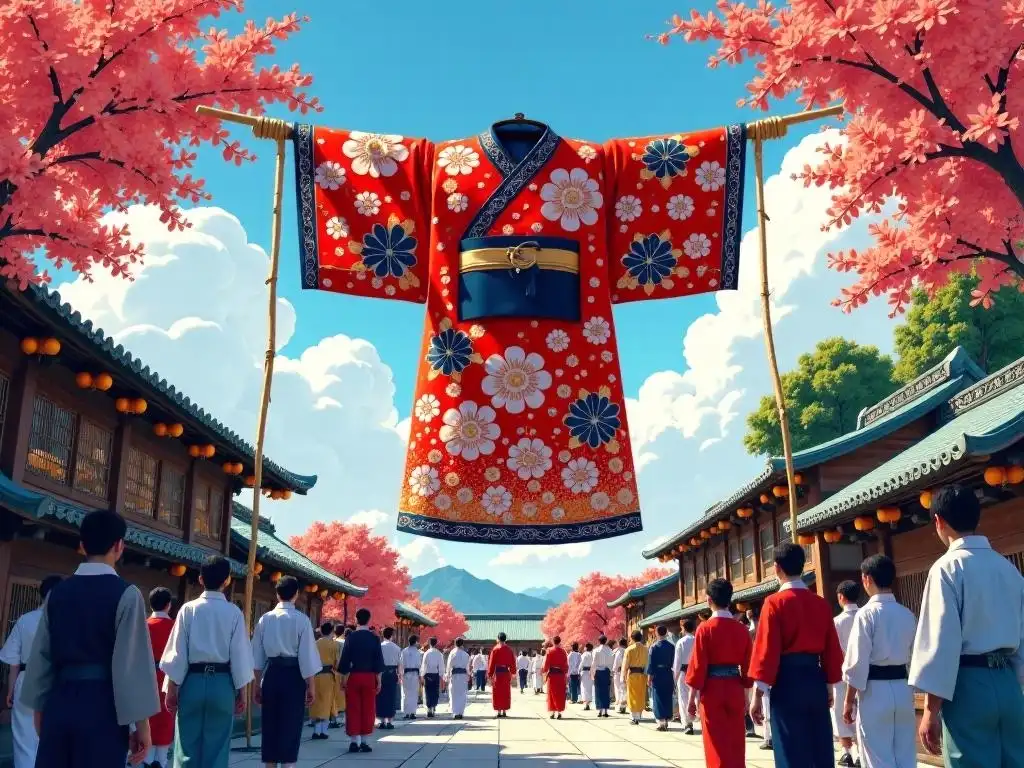
Rice Planting Festivals (Taue Matsuri)
Rice planting festivals, known as Taue Matsuri, were integral to the agricultural calendar in feudal Japan, reflecting the deep-rooted cultural significance of rice cultivation in Japanese society. Celebrated primarily in spring, these festivals marked the onset of the rice planting season, which was crucial for ensuring a bountiful harvest.
During Taue Matsuri, communities would come together to participate in various rituals and ceremonies aimed at honoring the rice deity, Inari, who was believed to oversee rice cultivation. The festivities often included processions, traditional music, and dance, creating a festive atmosphere.
Key Elements of Taue Matsuri
- Ritual Offerings: Farmers would present offerings of rice, sake, and vegetables to the deities, seeking blessings for a fruitful season.
- Community Involvement: Villagers of all ages participated in the planting process, symbolizing unity and cooperation.
- Cultural Performances: Traditional dances, such as the Miko Mai performed by shrine maidens, added a spiritual dimension to the celebrations.
The Taue Matsuri served not only as a practical event to initiate the planting of rice but also as a means to strengthen community bonds, showcasing the interdependence of social and agricultural practices in the feudal era.
Harvest Festivals (Shuki Matsuri)
The Shuki Matsuri, or harvest festivals, were celebrated in the autumn months, marking the completion of the rice harvest. These festivals were significant events in feudal Japan, representing gratitude for the land's bounty and the hard work of the farmers.
Shuki Matsuri involved elaborate celebrations, often held in the fields where the rice was harvested. The festivals included a variety of activities designed to honor the gods and ensure the fertility of the land for future harvests.
Features of Shuki Matsuri
- Thanksgiving Rituals: Farmers would express their gratitude through offerings of the first rice harvested, often dedicating it to the local shrines.
- Festive Feasts: Communities would gather to enjoy meals made from the new harvest, reinforcing social ties and celebrating the fruits of their labor.
- Cultural Displays: The festivals often showcased traditional music, dances, and games, creating an atmosphere of joy and celebration.
The Shuki Matsuri not only highlighted the importance of rice in the feudal economy but also illustrated the spiritual connection between the people and the land, reinforcing the belief that harmony with nature was essential for prosperity.
Other Notable Agricultural Celebrations
In addition to Taue Matsuri and Shuki Matsuri, feudal Japan hosted a variety of other agricultural celebrations that highlighted different aspects of farming and local customs. These festivals were deeply embedded in the cultural fabric of Japanese society and served to promote agricultural knowledge and practices.
Examples of Other Celebrations
- Ushi Matsuri (Cattle Festival): Celebrated in regions where cattle farming was prominent, this festival honored the role of cattle in agriculture, particularly for plowing fields. Rituals often included parades featuring decorated oxen and offerings to agricultural deities.
- Kagura Matsuri: While primarily a Shinto ritual, Kagura Matsuri took place in many agricultural communities. It involved performances and dances that were believed to invite blessings for a good harvest.
- Koshihikari Festival: Held to celebrate the cultivation of specific rice varieties, such as Koshihikari, this festival included tastings, cooking competitions, and educational activities focused on rice cultivation techniques.
These festivals collectively illustrate the diverse agricultural practices in feudal Japan and the profound cultural significance attributed to farming. By celebrating the cycles of planting and harvesting, these events fostered a deep respect for nature and the agrarian lifestyle, which were central to the identity of Japanese society during the feudal era.
Cultural Significance of Agricultural Festivals in Feudal Japan
Agricultural festivals in feudal Japan were not merely celebrations of the harvest; they held profound cultural significance that intertwined spiritual beliefs, community dynamics, and the rhythms of nature. These festivals were pivotal in reinforcing the social fabric of rural communities, showcasing the relationship between the people and the land.
Spiritual Beliefs and Agricultural Festivals
Spirituality was at the core of agricultural festivals in feudal Japan. Many festivals were dedicated to Shinto gods, particularly Inari, the deity of rice and agriculture. Farmers believed that by honoring these gods through rituals and offerings, they could ensure a bountiful harvest.
- Ritual Practices:
- Special prayers and offerings, such as rice and sake, were made to appease the deities.
- Festivals often included purification rites, where participants would cleanse themselves before approaching sacred spaces.
The connection between spirituality and agriculture is further exemplified in the belief systems surrounding rice cultivation. Rice was considered a sacred gift from the gods, and its growth was seen as a reflection of divine favor.
“In the eyes of the farmers, the harvest was not just a result of labor but a manifestation of cosmic balance and divine blessing.”
Agricultural festivals were also vital for community involvement and social cohesion. These events brought together farmers, artisans, and villagers, fostering a sense of unity and shared purpose.
- Collaborative Efforts:
- Preparation for festivals often required collective action, such as building floats or organizing dances, which strengthened community bonds.
- Villagers engaged in communal meals, sharing the bounty of their harvests and celebrating mutual success.
The festivals served as a platform for social interaction and the reinforcement of community identity. They provided an opportunity for the younger generations to learn about their cultural heritage and the importance of agriculture within their society.
Festivals as a Reflection of Seasonal Changes
Agricultural festivals in feudal Japan were closely tied to the seasonal calendar, reflecting the agricultural cycles inherent to rice farming and other crops. Each festival marked significant points in the agricultural year, signaling times for planting, harvesting, and giving thanks.
- Seasonal Festivals:
- Shunki-Sai: Held in spring, this festival celebrated the planting of rice, featuring rituals that invoked rain and fertility.
- Niiname-sai: A harvest festival in autumn, where the first rice of the season was offered to the emperor in a grand ritual, symbolizing gratitude for the land's bounty.
The timing and activities of each festival were closely aligned with the agricultural calendar, emphasizing the people's dependence on the natural world.
Through these festivals, the connection between the people and their environment was celebrated, as each event encapsulated the essence of feudal Japan's agricultural practices and the intertwined beliefs that supported them. These gatherings were more than just rituals; they were the lifeblood of rural societies, reinforcing cultural values and fostering a deep respect for the land that sustained them.
Regional Variations of Agricultural Festivals in Feudal Japan
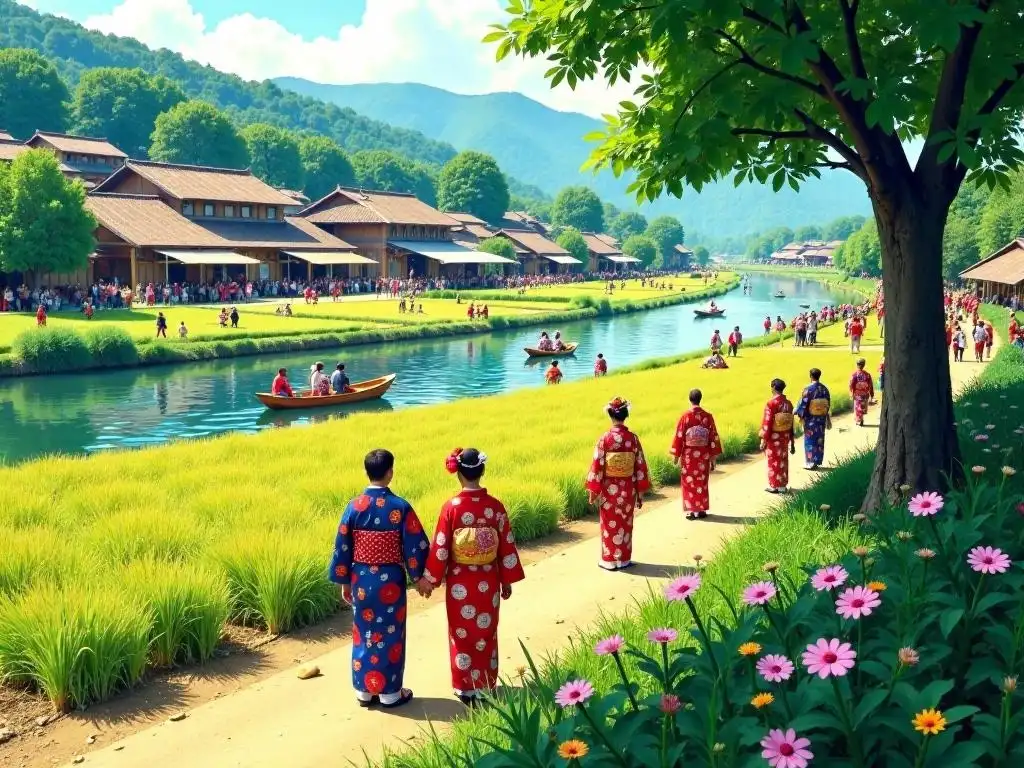
Agricultural festivals in feudal Japan were deeply rooted in local traditions, customs, and the specific environmental conditions of each region. These festivals not only celebrated the harvest but also served as an important cultural practice that reinforced community ties and spiritual beliefs. The differences in celebrations across Japan's regions showcase the diversity of agricultural practices and the significance of local customs in shaping these events.
Differences in Celebrations Across Japan's Regions
The regional variations of agricultural festivals can be attributed to geographical factors, climate, and the predominant crops cultivated in each area. Key examples include:
- Kanto Region:
- Festivals such as the Kamakura Matsuri focus on rice cultivation, with rituals performed to ensure a successful harvest. Participants engage in traditional dances and offerings to deities, celebrating the importance of rice in their diet.
- Kansai Region:
- In this area, the Tenjin Matsuri in Osaka highlights the significance of the plum blossom and rice. The festival features elaborate boat processions and fireworks, symbolizing the region's rich agricultural and cultural heritage.
- Tohoku Region:
- The Aomori Nebuta Matsuri is a vibrant festival celebrating the summer harvest. It features large, illuminated floats depicting historical and mythological figures, reflecting local legends tied to agricultural cycles.
- Kyushu Region:
- Here, the Yasaka Matsuri in Fukuoka showcases the sweet potato harvest, with processions and offerings dedicated to the spirits of the land. This festival emphasizes gratitude for the region's unique agricultural products.
These regional festivals not only celebrate local crops but also reinforce community identity, with each event varying in traditions, music, and performances, all tied to the specific agricultural practices of the area.
Influences of Local Customs on Agricultural Festivals
Local customs played a pivotal role in shaping the agricultural festivals of feudal Japan. These customs often stemmed from Shinto beliefs, animism, and the integration of various cultural elements over time. Key influences include:
- Shinto Rituals: Many festivals incorporated Shinto practices, reflecting the belief that deities inhabited natural elements. For example, rituals to honor the Inari deity, associated with rice, were common across various regions, emphasizing the spiritual connection to agricultural prosperity.
- Seasonal Changes: Festivals were often timed to coincide with planting and harvesting seasons, reflecting the cyclical nature of agriculture. For instance, rice planting festivals in spring involved community gatherings for rituals and celebrations, while harvest festivals in autumn were marked by feasts and communal activities.
- Local Legends and Folklore: Many agricultural festivals drew inspiration from local myths and stories. These narratives often explained the origins of certain crops or the reasons for the festival's customs, enriching the cultural significance of the celebrations.
- Agricultural Techniques: The methods of cultivation and the types of crops grown in each region directly influenced the nature of the festivals. For example, regions specializing in rice would have festivals centered around rice planting and harvesting, while areas focused on vegetables would celebrate different produce.
The agricultural festivals of feudal Japan were not monolithic but varied widely across regions. These differences were influenced by a combination of local customs, environmental conditions, and agricultural practices, showcasing the rich tapestry of cultural identity within Japan's feudal society. Through these celebrations, communities not only expressed gratitude for the land's bounty but also strengthened their social fabric and cultural heritage.
The Impact of Agricultural Festivals on Feudal Japanese Society
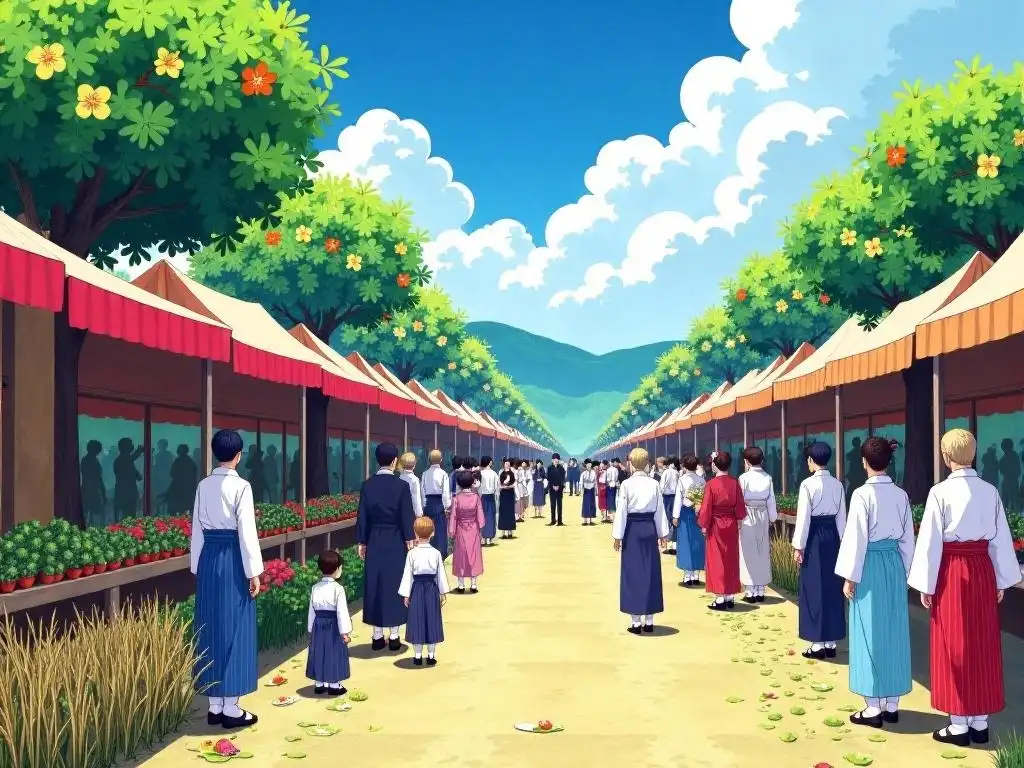
Agricultural festivals during the Japan feudal era played a crucial role in shaping the social fabric and economic landscape of the time. These festivals, often tied to the agricultural calendar, were not just celebrations of harvests but were deeply embedded in the societal norms, religious beliefs, and economic practices of feudal Japan. They served as a unifying force for communities, reinforcing social ties and cultural identity among the populace.
Economic Implications of Celebrating Agricultural Festivals
The economic impact of agricultural festivals was significant in several ways:
- Boosting Local Economies:
- Agricultural festivals were major events that attracted large gatherings, leading to increased commerce. Local artisans and merchants would set up stalls to sell their goods, from food and crafts to textiles and tools. This influx of visitors stimulated local economies, providing a much-needed boost to farmers and traders alike.
- Resource Allocation:
- Organizing such festivals required careful planning and resource allocation. Villagers would often pool resources to prepare for the festivities, ensuring that enough food and materials were available. This communal effort led to improved agricultural practices and resource management, as communities learned to cooperate more effectively.
- Encouragement of Agricultural Innovation:
- Festivals often featured contests or displays of agricultural techniques, encouraging farmers to innovate and improve their methods. For example, showcasing superior rice strains or novel irrigation techniques would inspire others to adopt these practices, ultimately enhancing productivity.
- Religious Offerings and Rites:
- Many festivals involved rituals and offerings to deities, particularly in rice cultivation, which was central to feudal Japanese agriculture. These rituals were believed to ensure bountiful harvests, directly linking the success of agriculture to the prosperity of the community. The economic stability derived from successful harvests could lead to increased tax revenues for feudal lords, impacting the broader economic structure of the era.
Festivals as a Means of Cultural Preservation
Agricultural festivals in feudal Japan were not solely economic events; they were also vital for cultural preservation and identity.
- Transmission of Traditions:
- These festivals served as a platform for passing down traditional practices, folklore, and customs from one generation to the next. Through storytelling, dance, and music, the cultural heritage was actively maintained, ensuring that the unique identities of various regions were celebrated and preserved.
- Community Identity and Solidarity:
- Festivals fostered a sense of belonging among participants. By coming together to celebrate the harvest, communities reinforced their collective identity and solidarity. This was particularly important in a feudal system where local identities often clashed with the overarching power of the samurai class.
- Religious Significance:
- Many agricultural festivals were closely linked to Shinto and Buddhist practices, with rituals aimed at appeasing deities responsible for agriculture. This interplay of religion and agriculture not only preserved spiritual beliefs but also provided a framework for community gatherings and collective worship.
- Symbolism in Art and Literature:
- The themes of agricultural festivals found expression in various forms of art, such as paintings, poetry, and theater. These artistic representations played a crucial role in embedding the significance of agriculture into the cultural psyche of feudal Japan, ensuring that the values of hard work and gratitude for the land were celebrated in multiple facets of life.
Agricultural festivals during the Japan feudal era were multifaceted events that significantly impacted the economy and cultural landscape. They fostered community ties, encouraged economic activity, and preserved the rich cultural heritage of Japan, making them an essential component of feudal society.
Modern-Day Relevance of Japan Feudal Era Agricultural Festivals
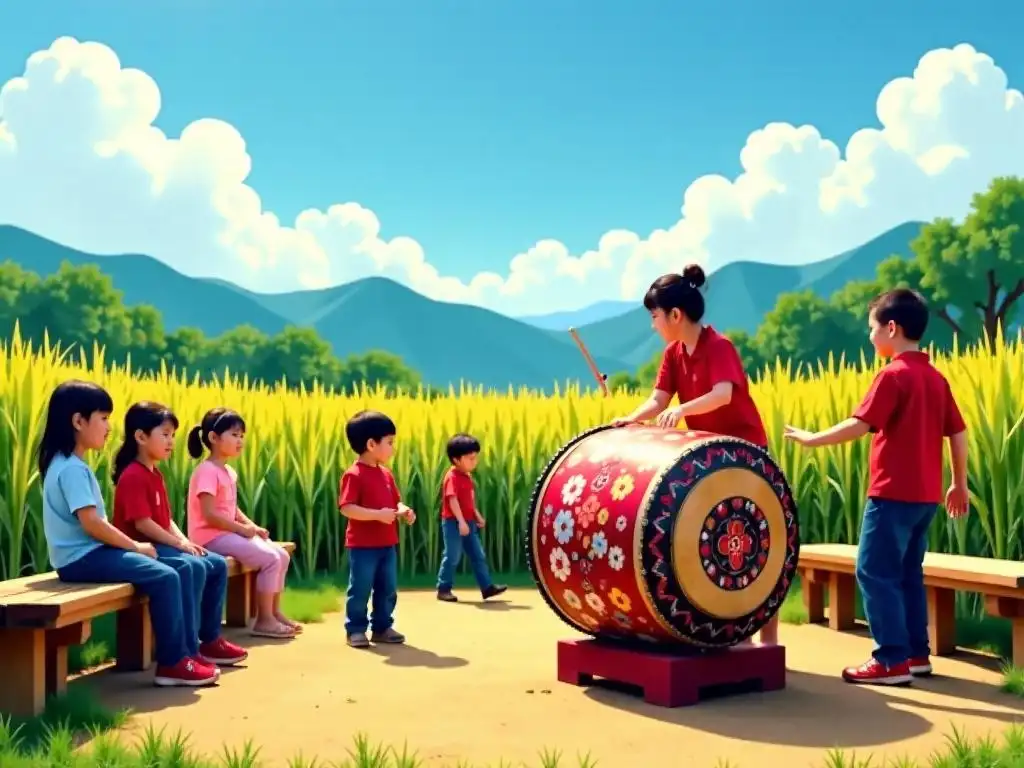
Agricultural festivals in the Japan feudal era were not merely celebrations of harvest but also crucial events that reinforced community bonds, cultural identity, and spiritual connections to the land. Today, these festivals continue to hold significance, reflecting a continuity of tradition that resonates in modern Japanese society. The lessons learned from these historical practices inform contemporary agricultural and cultural policies, fostering a sense of belonging and appreciation for local heritage.
Continuation of Traditional Festivals in Contemporary Japan
Many of the agricultural festivals that originated during the feudal era have been preserved and adapted to modern contexts. These festivals often coincide with the harvest seasons, celebrating the bounty of rice and other crops, which were integral to feudal Japanese life.
- Examples of Celebrated Festivals:
- Matsuri: These festivals are held throughout Japan, where local communities gather to honor the deities believed to protect the harvest.
- Inaho Matsuri: Celebrated in various regions, this festival involves traditional dances, offerings of rice, and rituals to ensure a good harvest.
The persistence of these festivals showcases the enduring appreciation for agricultural cycles and the spiritual dimensions of farming. They bring communities together, reinforcing social ties and creating a shared cultural identity that transcends generations.
In many cases, modern adaptations of these festivals incorporate contemporary elements, such as local cuisine and arts, while retaining the core rituals and practices. This blend of old and new attracts younger generations, ensuring that the traditions of the feudal era remain relevant.
Tourism and Agricultural Festivals: A Link to the Past
Agricultural festivals in Japan have also become significant attractions for both domestic and international tourists, serving as a bridge to the rich history of the Japan feudal era. These events offer a unique opportunity for visitors to experience the agricultural heritage and cultural practices that shaped the nation.
- Impact on Local Economies:
- Boosting Tourism: Many regions have capitalized on their historical festivals to promote tourism, drawing visitors who seek authentic cultural experiences.
- Local Products: Festivals often feature local produce, crafts, and foods, helping to support local farmers and artisans.
For example, the Aoi Matsuri in Kyoto, which has its roots in the Heian period, is not only a celebration of agriculture but also a showcase of traditional clothing, rituals, and music, attracting thousands of visitors each year.
Through these festivals, tourists gain insights into Japan's agricultural practices, community values, and the historical significance of crops. This connection to the past fosters appreciation for Japan's feudal history and the agricultural practices that have evolved over centuries.
The modern-day relevance of Japan feudal era agricultural festivals lies in their ability to preserve cultural heritage, strengthen community bonds, and enhance local economies through tourism. By celebrating the bounty of the land, these festivals continue to echo the values and traditions established during the feudal era, illustrating the profound impact of agricultural practices on Japanese society.
Conclusion: The Enduring Legacy of Agricultural Festivals in Japan's Feudal Era
The agricultural festivals of Japan's feudal era hold a significant place in the historical and cultural landscape of the nation. These festivals were not merely celebrations of harvests; they served as vital social glue, uniting communities and reinforcing the agricultural calendar that dictated the rhythms of life. The roots of these events can be traced back to ancient beliefs in rice cultivation, which was not only an economic backbone but also a spiritual endeavor.
Throughout the feudal period, festivals such as Matsuri provided opportunities for villagers to come together, express gratitude to the deities, and seek blessings for future harvests. The rituals often involved traditional dances, music, and offerings, encapsulating the essence of communal identity. Such gatherings were crucial in a time when agricultural success determined survival and prosperity.
The legacy of these festivals is not just historical; they are a testament to the enduring relationship between the Japanese people and their land. Many traditions from the feudal era continue to be celebrated today, showcasing a rich tapestry of beliefs and practices that have been passed through generations.
Final Thoughts on the Cultural Heritage of Agricultural Festivals
The cultural heritage stemming from Japan's feudal era agricultural festivals is an intricate blend of spirituality, community engagement, and economic necessity. These festivals were pivotal in nurturing a collective identity among the agricultural societies of feudal Japan. For instance, the Daijo-sai, a festival celebrating the first harvest, was not only a royal affair but also a time for local communities to reaffirm their ties to the land.
With the passage of time, while the socio-economic structures have evolved dramatically, the essence of these festivals remains alive. They serve as a reminder of the values of gratitude, respect for nature, and communal solidarity. By understanding these traditions, we gain insight into the societal structures and cultural priorities of the time, enriching our appreciation of Japan's historical narrative.
Call to Appreciate and Preserve Agricultural Traditions
In contemporary Japan, there is a growing movement to appreciate and preserve agricultural traditions, including the festivals that celebrate them. As modernization sweeps across the globe, these festivals provide a vital link to the past, helping to maintain a sense of identity and continuity for future generations.
Communities are encouraged to participate in local festivals and support the artisans and farmers who keep these traditions alive. Efforts to document and share the stories of these festivals are equally important, ensuring that the knowledge and practices endure.
- Engage: Attend local festivals to experience the rich cultural tapestry firsthand.
- Support: Advocate for local agriculture and the preservation of traditional practices.
- Educate: Share knowledge about the historical significance of these festivals with others.
By doing so, we not only honor the legacy of Japan's feudal era agricultural festivals but also contribute to a sustainable future that values cultural heritage alongside economic progress. The preservation of these traditions is essential for fostering a deeper understanding of Japan's history and the lasting impact of its agricultural practices.
Frequently Asked Questions
What were the main agricultural festivals in the Japan feudal era?
The Japan feudal era agricultural festivals included events like Niinamesai, which celebrated the harvest, and Kamo Matsuri, honoring the rice deity. These festivals were crucial for community unity and agricultural success.
How did agricultural festivals impact society during the feudal period?
These festivals played a significant role in strengthening social bonds within communities. They provided opportunities for rituals, celebrations, and the expression of gratitude for the harvest, fostering a sense of belonging.
What were the cultural significances of these festivals?
The cultural significance of agricultural festivals lay in their connection to Shinto beliefs and the reverence for nature. They reflected the spiritual and social dynamics of feudal Japan, showcasing the importance of agriculture in daily life.
How did the ruling classes influence agricultural festivals?
Ruling classes often sponsored festivals to demonstrate their power and ensure the loyalty of their subjects. Their involvement also helped to legitimize their authority and promote prosperity among the peasantry.
Are there any modern-day celebrations that stem from feudal agricultural festivals?
Yes, many modern Japanese festivals, such as Oni Matsuri and Kagura, preserve the traditions of feudal agricultural festivals. These events continue to celebrate the bounty of the land and maintain cultural heritage.
Final Reflection: Celebrating the Legacy of Agricultural Festivals
Agricultural festivals, particularly those rooted in Japan's feudal era, remind us of the profound connection between culture and the land. These vibrant celebrations not only honor the harvest but also serve as a testament to the resilience and ingenuity of communities throughout history. In a world increasingly detached from its agricultural roots, understanding the significance of these festivals becomes crucial in appreciating our shared heritage and the importance of sustainable practices.
Cultural traditions, such as Japan's feudal agricultural festivals, continue to shape our social landscape by fostering a sense of community and belonging. These events are more than mere celebrations; they are a reflection of the values, struggles, and triumphs of generations past. As we witness a resurgence of interest in local food systems and traditional practices, we can draw inspiration from the wisdom embedded in these festivals. Tradition is not the worship of ashes, but the preservation of fire.
— Gustav Mahler. This quote encapsulates the essence of how we can honor our past while igniting a passion for sustainable living today.
As you reflect on the significance of agricultural festivals, consider how their lessons can be applied in your own life. Embrace the spirit of community and sustainability by participating in local celebrations, supporting farmers, and advocating for practices that honor the land. Let these festivals inspire you to cultivate a deeper connection with nature and your community, ensuring that the bounty of the earth is celebrated and preserved for future generations.
Celebrate and Connect with Japan's Agricultural Heritage!
Thank you for exploring the rich tradition of agricultural festivals in Japan! By diving into these vibrant celebrations, you’ve uncovered the beautiful connection between culture and nature. Now, it’s time to take that inspiration and translate it into action!
Here are a few ways you can deepen your engagement with this fascinating aspect of Japanese culture:
- Experience a Local Festival: Seek out an agricultural festival in your area or plan a trip to Japan during one of its renowned celebrations. Engage with the community and witness the traditions first-hand!
- Share the Story: Spread the word about these remarkable festivals. Share your newfound knowledge with friends or on social media to inspire others to appreciate the beauty of agriculture within culture.
- Get Involved: Consider volunteering at a community garden or a local farm. It’s a meaningful way to honor agricultural traditions while giving back to your community.
Now that you’re equipped with new ideas, what aspect of agricultural festivals excites you the most, and how do you plan to incorporate it into your own life?