
The Power of Alliances: How Diplomacy Fueled Japan's Unification Efforts


Welcome to Feudal Japan History! Prepare to embark on a fascinating journey through the intricate tapestry of Japan’s feudal era. In our featured article, "The Power of Alliances: How Diplomacy Fueled Japan's Unification Efforts," we delve into the pivotal role that diplomacy played in shaping the political landscape of this period.
Discover how strategic alliances and negotiations not only influenced power dynamics but also sowed the seeds for a unified Japan. Join us as we unravel the complexities of Japan feudal era diplomacy and uncover the stories that forged a nation—your adventure in understanding this remarkable chapter of history begins here!
Introduction to Japan's Feudal Era Diplomacy
The feudal era of Japan, spanning from the late 12th century to the mid-19th century, was marked by a complex tapestry of power dynamics, regional conflicts, and shifting alliances. During this period, diplomacy emerged as a vital tool that enabled various clans and rulers to navigate the turbulent political landscape, ultimately leading to Japan's unification under a centralized government.
This article delves into the intricate role that diplomacy played in shaping alliances, fostering cooperation, and facilitating the resolution of conflicts among the warring factions. By exploring the nuances of Japan feudal era diplomacy, we aim to provide a comprehensive understanding of how these diplomatic efforts influenced the broader narrative of Japan's unification.
Overview of the Feudal System in Japan
At the core of Japan's feudal era was a hierarchical system characterized by a distinct class structure. The shogunate held paramount power, with the emperor serving as a symbolic figurehead. The system was primarily divided into the following classes:
- Shogun: The military leader and ultimate authority in governance.
- Daimyo: Powerful feudal lords who ruled over vast territories, often engaging in territorial disputes.
- Samurai: The warrior class, serving the daimyo and adhering to the code of bushido.
- Peasants: The backbone of society, responsible for agricultural production and labor.
This feudal structure created a fragmented political landscape, where loyalty and allegiance were paramount. As various clans vied for dominance, the need for strategic alliances became apparent, making diplomacy a crucial element of political maneuvering.
Importance of Diplomacy in Historical Context
Diplomacy during the feudal era was not merely about negotiations; it represented a sophisticated interplay of power, trust, and strategy. Several key factors underscore the importance of diplomacy in this historical context:
- Conflict Resolution: Diplomacy provided a means to resolve disputes without resorting to warfare, preserving resources and lives.
- Strategic Alliances: Forming alliances was essential for survival and expansion, allowing weaker clans to band together against common threats.
- Cultural Exchange: Diplomatic missions facilitated the exchange of ideas, technologies, and cultural practices, enriching Japan's societal fabric.
Ultimately, the nuanced practice of diplomacy played a pivotal role in shaping alliances that would influence the trajectory of Japan's unification efforts.
Historical Context of Japan's Unification
The unification of Japan was a protracted process that unfolded over several centuries, driven by both military conquests and diplomatic negotiations. Understanding the historical context of this unification requires an examination of the fragmented political landscape that characterized feudal Japan.
The Fragmented Political Landscape of Feudal Japan
Japan's political landscape during the feudal era was marked by division and conflict. The warring states period (Sengoku Jidai), spanning from the 15th to the 17th century, epitomized this fragmentation. Key features of this era included:
- Numerous Clans: Over 200 clans competed for control, leading to constant warfare and shifting power dynamics.
- Localized Power Structures: The lack of a centralized authority resulted in localized governance and frequent territorial disputes.
- Vassal Relationships: Loyalty among samurai to their daimyo often shifted, complicating alliances and enmities.
This environment of instability created fertile ground for diplomatic initiatives aimed at unification.
Key Players in the Unification Process
Several influential figures emerged during Japan's path to unification, each leveraging diplomacy to achieve their goals. Notable players included:
- Oda Nobunaga: A formidable warlord who used both military might and diplomatic strategies to consolidate power.
- Toyotomi Hideyoshi: Nobunaga's successor, who adeptly navigated alliances and rivalries to further unify Japan.
- Tokugawa Ieyasu: The founder of the Tokugawa shogunate, whose diplomatic acumen established a lasting peace after years of conflict.
These leaders exemplified how diplomacy, intertwined with military strategy, was integral to the unification of Japan, shaping the nation's political future for generations to come.
The Role of Diplomacy in Unification Efforts
During Japan's feudal era, diplomacy played a pivotal role in the unification of the country, which was marked by a fragmented landscape of warring states, known as the Sengoku period. This chaotic environment necessitated the development of strategic alliances and negotiation tactics that helped various clans consolidate power and influence. Diplomacy was not merely a tool for maintaining peace; it was also crucial for securing resources, forming alliances, and ultimately leading to the establishment of a centralized government under the Tokugawa shogunate.
The effectiveness of diplomacy during this period is evidenced by the successful unification efforts of key leaders, such as Oda Nobunaga, Toyotomi Hideyoshi, and Tokugawa Ieyasu. They recognized that fostering relationships through diplomatic channels could yield significant advantages over mere military might. This approach not only facilitated military campaigns but also enhanced political legitimacy and stability, laying the groundwork for a unified Japan.
Definition and Importance of Diplomacy in the Feudal Era
In the context of the feudal era, diplomacy can be defined as the art of negotiating and maintaining relationships between powerful clans and their leaders. It involved a range of activities, including formal negotiations, treaties, and strategic marriages, all aimed at securing alliances or fostering peace.
The importance of diplomacy during this time cannot be overstated. It served multiple functions:
- Conflict Resolution: Diplomacy provided a means to resolve disputes without resorting to warfare, allowing clans to focus on governance rather than constant battle.
- Power Consolidation: By forming alliances, clans could amplify their military strength and territorial control, reducing the risk of isolation.
- Cultural Exchange: Diplomatic relationships often led to cultural exchanges that enriched the social fabric of Japan, enhancing mutual understanding and cooperation among different regions.
Key Diplomatic Alliances that Shaped Japan’s Future
Several key diplomatic alliances emerged during the feudal era that significantly impacted Japan's trajectory. Notable among them were:
- The Alliance of Oda and Tokugawa (1560): This alliance between Oda Nobunaga and Tokugawa Ieyasu was instrumental in their combined efforts to defeat rival clans. It laid the groundwork for Ieyasu's eventual rise to power.
- The Toyotomi-Hideyoshi and the Western Clans (1580s): Hideyoshi's diplomacy involved marrying into powerful families and securing alliances through negotiations, which expanded his influence and control over the western regions of Japan.
- The Treaty of Kan'ō (1440): While earlier than the Sengoku period, this treaty established a diplomatic precedent by formalizing alliances between the Ashikaga shogunate and various regional warlords, showcasing the long-standing tradition of diplomacy in Japan.
Strategies Employed in Japan’s Feudal Era Diplomacy
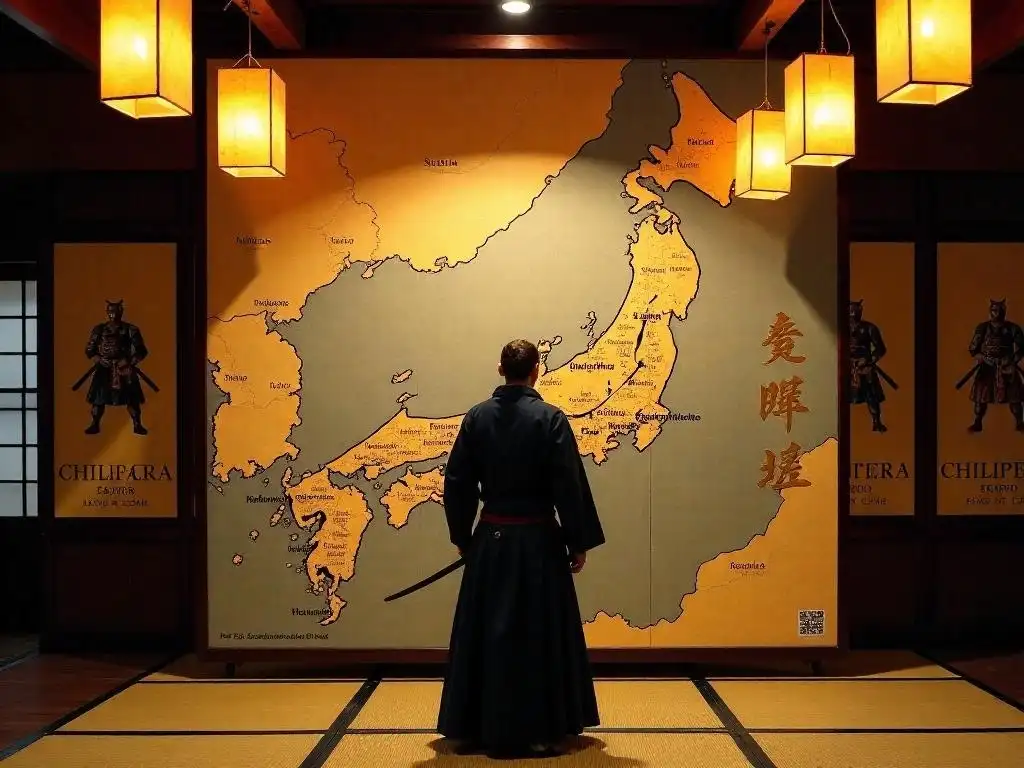
Diplomacy in feudal Japan was characterized by various strategies that leaders employed to achieve their political objectives. Understanding these strategies provides insight into the sophisticated nature of Japan's political landscape during this tumultuous period.
Marriage Alliances and Their Political Implications
Marriage alliances were a cornerstone of feudal diplomacy in Japan. By marrying into rival clans, leaders could secure peace and cooperation while also strengthening their political positions. These unions often resulted in:
- Legitimization of Power: Marriages helped legitimize claims to thrones or territories, as they connected powerful families and created a network of mutual support.
- Peace Treaties: Many marriages were accompanied by formal peace treaties, ensuring that hostilities would be quelled for the duration of the alliance.
- Inheritance of Titles and Lands: Through marriage, clans could gain access to new territories and titles, expanding their influence without military confrontation.
The Use of Negotiation and Warfare
Diplomacy in feudal Japan often involved a delicate balance between negotiation and warfare. Leaders understood that while negotiations could lead to fruitful alliances, the threat of military action was a powerful tool in itself. Key elements included:
- Strategic Negotiations: Leaders frequently engaged in discussions to reach compromises, often using the promise of military support as leverage during negotiations.
- Warfare as a Diplomatic Tool: At times, demonstrating military strength was necessary to persuade rivals to enter into favorable treaties or alliances. Victories in battle often led to enhanced bargaining power.
- Intelligence Gathering: Information about rival clans’ strengths and weaknesses was crucial. Diplomats often acted as spies, gathering intelligence to inform their strategies.
Cultural Exchanges as Diplomatic Tools
Cultural exchanges played a significant role in Japan's feudal diplomacy, as they fostered goodwill and mutual respect among different factions. Through these exchanges, clans could strengthen alliances and promote peace. Notable aspects included:
- Art and Literature: The exchange of art and literature not only showcased cultural sophistication but also served as a medium for building relationships.
- Religious Diplomacy: The dissemination of Buddhism and other spiritual practices often accompanied diplomatic missions, helping to unify diverse clans under shared beliefs and values.
- Festivals and Ceremonies: Hosting festivals or cultural ceremonies served as opportunities for clans to demonstrate their wealth and power while fostering camaraderie among allies.
Diplomacy during Japan's feudal era was a complex blend of negotiation, cultural exchange, and strategic alliances, which together played a crucial role in the unification of Japan.
Case Studies of Successful Diplomatic Efforts
Throughout the Japan feudal era, several key figures utilized diplomacy as a powerful tool for unification. These case studies highlight how strategic alliances and negotiations significantly altered the political landscape of Japan, ultimately leading to the consolidation of power under a central authority. By examining the actions of Oda Nobunaga and Toyotomi Hideyoshi, we can gain insights into the effective use of diplomatic efforts that shaped the course of Japanese history.
The Unification under Oda Nobunaga
Oda Nobunaga emerged as a pivotal figure in Japan's quest for unification during the late 16th century. His approach to diplomacy was characterized by a blend of military might and strategic alliances. Nobunaga understood that to consolidate power, he needed to neutralize potential threats from rival clans while simultaneously forging alliances with others.
One of Nobunaga's most notable diplomatic efforts was the alliance with the Azai clan through marriage. This union, although initially appearing beneficial, ultimately led to the betrayal and downfall of the Azai. Nobunaga's decisive military actions, coupled with shrewd political maneuvers, allowed him to eliminate significant opposition and expand his territory.
Additionally, Nobunaga employed diplomatic strategies to secure the support of influential daimyōs. By promising autonomy and protection in exchange for allegiance, he successfully integrated numerous clans into his growing domain. His innovative use of diplomacy, combined with his military prowess, set the groundwork for further unification efforts by his successors.
The Role of Toyotomi Hideyoshi in Diplomatic Engagements
Toyotomi Hideyoshi, who succeeded Oda Nobunaga, built upon his predecessor's diplomatic foundations to further unify Japan. Hideyoshi's reign was marked by a keen understanding of the political landscape and the importance of maintaining alliances. He pursued a variety of diplomatic engagements, including negotiations and military campaigns, to consolidate power.
One significant diplomatic achievement was Hideyoshi's efforts to unify the various daimyō clans through a series of "sankin-kōtai" policies, which required daimyōs to alternate residence between their domains and the capital. This practice not only solidified loyalty to Hideyoshi but also facilitated diplomatic discussions among the clans, promoting peace and stability.
Hideyoshi also sought to extend Japan's influence beyond its borders through diplomatic means. His attempts to negotiate with Korea and China exemplified his ambition for Japan's regional dominance. Although these efforts eventually led to military conflict, they underscore Hideyoshi's recognition of diplomacy as a critical instrument in achieving his unification goals.
The Impact of Diplomacy on the Unification Process
The impact of diplomacy on Japan's unification process cannot be overstated. Strategic alliances and negotiations played a crucial role in shaping the political landscape, allowing for a more cohesive approach to governance and territorial expansion. The following sections explore how these diplomatic efforts accelerated the unification process and the broader economic and social benefits they brought.
How Diplomatic Alliances Accelerated Unification
Diplomatic alliances served as catalysts for accelerated unification during the feudal era. By forming strategic partnerships, leaders like Nobunaga and Hideyoshi were able to pool resources, share intelligence, and coordinate military actions against common enemies. This collaboration not only weakened rival factions but also fostered a sense of unity amongst allied clans.
For instance, the alliance between Nobunaga and the Tokugawa clan proved instrumental in defeating the Takeda clan, a formidable opponent at the time. The combined forces of these clans showcased how diplomatic collaboration could lead to military success, paving the way for further territorial gains.
Moreover, the establishment of feudal networks through diplomacy allowed for the integration of various local customs and governance styles, creating a more unified administrative framework. This integration facilitated smoother transitions of power and governance, reducing the likelihood of internal strife.
The Economic and Social Benefits of Strategic Partnerships
The strategic partnerships formed during the Japan feudal era yielded significant economic and social benefits that contributed to the overall stability and eventual unification of the nation. By collaborating with allied clans, leaders could stimulate economic growth through shared resources, trade agreements, and cooperative agricultural practices.
Additionally, these alliances encouraged cultural exchanges among the clans, fostering a sense of shared identity and purpose. The spread of innovations, such as new agricultural techniques and military strategies, further enhanced the capabilities of allied clans, leading to more effective governance and defense.
The social benefits of these diplomatic efforts were also evident in the promotion of peace among rival factions. As clans recognized the mutual advantages of cooperation, the likelihood of conflict diminished, allowing for a more stable environment conducive to growth and prosperity.
The intricate web of diplomacy during the Japan feudal era played a fundamental role in the unification process, showcasing how alliances and strategic partnerships were instrumental in shaping the nation’s political, economic, and social landscape.
Challenges Faced in Diplomatic Relations

During the feudal era in Japan, diplomacy played a crucial role in the unification efforts of the nation. However, this diplomatic landscape was fraught with numerous challenges that impacted the effectiveness of alliances and negotiations. Understanding these challenges provides insight into how the political dynamics of the time shaped the course of Japanese history.
Internal Conflicts and Rivalries
One of the most significant obstacles to effective diplomacy in feudal Japan was the pervasive internal conflicts and rivalries among the daimyō (feudal lords). Each daimyō aimed to expand their power and territory, often leading to violent clashes and wars.
- Power Struggles: The constant power struggles between rival clans created an environment of mistrust. For instance, the conflicts between the Takeda and Uesugi clans in the 16th century exemplified how internal rivalries could derail diplomatic negotiations.
- Factionalism: Clans often formed factions, which complicated alliances. A daimyō might enter into an agreement with one clan while secretly plotting against another, leading to unstable and unreliable alliances.
- Influence of the Samurai Class: The samurai class, dedicated to loyalty and honor, sometimes prioritized personal or clan loyalties over diplomatic agreements. This clash of interests could undermine formal treaties and negotiations.
External Threats and Their Impact on Diplomacy
In addition to internal strife, external threats significantly influenced Japan's diplomatic relations during the feudal era. These threats often necessitated alliances and diplomatic maneuvers, but they also complicated the landscape.
- Foreign Invasions: The Mongol invasions in the late 13th century presented a formidable external threat. The need to unify against such invasions temporarily galvanized the daimyō into a rare cooperative diplomatic effort, but these alliances were often fragile and short-lived.
- European Contact: The arrival of European traders and missionaries in the 16th century introduced new political dynamics. While some daimyō saw opportunities for trade and technology exchange, others viewed these foreign influences as a threat to their power and sovereignty, complicating diplomatic relations.
- Cultural Exchange and Conflict: The introduction of Christianity and Western ideas led to cultural tensions that affected diplomatic relations. Some clans welcomed these changes for their potential benefits, while others resisted, fearing loss of traditional values and authority.
Conclusion: The Lasting Legacy of Diplomatic Alliances in Japan's History
The diplomatic alliances forged during Japan's feudal era had profound and lasting effects on the nation’s history. These alliances, though often challenged by internal conflicts and external threats, laid the groundwork for the eventual unification of Japan under a centralized government.
Reflection on the Importance of Japan Feudal Era Diplomacy
The importance of diplomacy during the feudal era cannot be overstated. It was through strategic alliances that many daimyō were able to consolidate power and navigate the complex political landscape of the time. The skills and strategies developed during this period continue to resonate in contemporary diplomatic practices.
- Foundation for Modern Diplomacy: The lessons learned from the feudal era, including the need for negotiation and the management of alliances, are foundational to understanding Japan's modern diplomatic strategies.
- Cultural Legacy: The emphasis on honor, loyalty, and respect in diplomatic relations during the feudal era has influenced Japan’s approach to international relations today, fostering a culture of diplomacy rooted in historical experiences.
Lessons Learned from Historical Alliances in Modern Context
As modern Japan navigates its role on the global stage, the lessons learned from feudal diplomacy remain relevant.
- Building Trust: Successful diplomacy relies heavily on building trust and understanding among parties, a principle that was evident in historical alliances.
- Adaptability in Negotiations: The ability to adapt to changing circumstances and to forge new partnerships when needed mirrors the diplomatic agility seen in feudal Japan.
- Cultural Sensitivity: Acknowledging and respecting cultural differences is vital, as seen in the interactions between foreign powers and Japanese clans during the feudal period.
The challenges faced in Japan's feudal era diplomacy not only shaped the history of unification but also provide valuable insights that continue to inform diplomatic relations today.
References
The study of Japan's feudal era and its intricate diplomacy is supported by a wealth of academic literature and historical texts. Here are some key references that delve into the complexities of alliances and diplomatic efforts during this transformative period in Japanese history:
-
"A History of Japan: 1334-1615" by George Sansom
This comprehensive work examines the political, social, and cultural developments in Japan from the Kamakura period to the early Edo period, highlighting the importance of diplomacy in unifying the nation.
-
"Japan: A Modern History" by James L. McClain
McClain's book provides insights into Japan's historical transitions, including the feudal era, and discusses the role of diplomacy in shaping modern Japan.
-
"The Samurai: A Military History" by Stephen Turnbull
This text explores the samurai class's influence on Japan's political landscape, including how alliances were formed and maintained through diplomatic channels.
-
"The Making of Modern Japan" by Beasley W.G.
Beasley provides a detailed account of Japan’s political evolution, emphasizing the significance of alliances during the unification process.
-
"Warriors of Japan as Portrayed in the War Tales" by Paul Varley
Varley’s work focuses on the narratives of warriors and their roles in diplomacy, shedding light on how military and diplomatic strategies intertwined.
Suggested Readings on Japan’s Political History
For those interested in further exploring the political intricacies of Japan's feudal era, the following suggested readings offer valuable perspectives and analyses:
-
"The Tale of the Heike"
This classic work recounts the struggle between the Taira and Minamoto clans and provides insights into the political alliances and rivalries that characterized feudal Japan.
-
"The Rise of the Samurai" by John W. Hall
Hall discusses the emergence of the samurai class and their role in Japanese politics, emphasizing the diplomatic strategies employed to consolidate power.
-
"Japanese History: A Very Short Introduction" by Christopher Goto-Jones
This concise guide gives an overview of Japan's historical development, including the feudal era, with a focus on diplomatic relations.
-
"The Sengoku Period: A Time of Conflict and Change" by Andrew G. Watanabe
Watanabe’s text explores the Sengoku period, detailing how diplomacy and alliances were pivotal in the attempts at unification.
-
"Feudal Japan: A History" by Richard J. Smethurst
This book provides a chronological account of feudal Japan, examining the political dynamics and the role of diplomacy in the unification processes.
Additional Resources on Feudal Diplomacy
To further understand the role of diplomacy in the unification of Japan during the feudal era, consider exploring these additional resources:
-
Documentaries and Lectures
Various documentaries on feudal Japan often feature segments on diplomacy and alliances. Look for titles available on educational platforms or streaming services.
-
Academic Journals
Journals such as the Journal of Japanese Studies and The Journal of Asian Studies frequently publish articles focusing on diplomatic history and political alliances in Japan.
-
Museums and Exhibits
Museums such as the Tokyo National Museum and the Kyoto National Museum often host exhibits on feudal Japan, including artifacts and displays related to diplomacy and political alliances.
-
Online Databases
Resources like JSTOR and Project MUSE provide access to scholarly articles and books that delve into the diplomatic practices during Japan’s feudal era.
-
Historical Societies
Organizations such as the Association for Asian Studies often hold conferences and workshops that explore topics related to Japanese history, including diplomacy.
By engaging with these references and resources, one can gain a deeper understanding of how diplomacy shaped Japan's unification efforts during the feudal era.
- Introduction to Japan's Feudal Era Diplomacy
- Historical Context of Japan's Unification
- The Role of Diplomacy in Unification Efforts
- Strategies Employed in Japan’s Feudal Era Diplomacy
- Case Studies of Successful Diplomatic Efforts
- The Impact of Diplomacy on the Unification Process
- Challenges Faced in Diplomatic Relations
- Conclusion: The Lasting Legacy of Diplomatic Alliances in Japan's History
- References
- What was the significance of diplomacy in the Japan feudal era?
- How did alliances impact the political landscape of feudal Japan?
- What were some common diplomatic strategies used in the Japan feudal era?
- How did cultural exchanges influence diplomacy during the feudal era?
- What role did military conflicts play in shaping Japan's diplomacy?
Frequently Asked Questions
What was the significance of diplomacy in the Japan feudal era?
Diplomacy played a crucial role in unifying Japan during the feudal era by fostering alliances between powerful clans, which helped to consolidate power and reduce conflicts.
How did alliances impact the political landscape of feudal Japan?
Alliances allowed feudal lords to strengthen their positions against rivals, enhancing their military strength and political influence, which was essential for maintaining control over their territories.
What were some common diplomatic strategies used in the Japan feudal era?
Feudal leaders often employed marriage alliances, hostage exchanges, and treaties to secure peace and mutual benefits, effectively shaping the course of Japanese history.
How did cultural exchanges influence diplomacy during the feudal era?
Cultural exchanges through trade and intermarriage facilitated better understanding and cooperation among clans, reinforcing diplomatic ties that contributed to the eventual unification of Japan.
What role did military conflicts play in shaping Japan's diplomacy?
While military conflicts were prevalent, they often led to shifts in alliances and prompted leaders to engage in diplomacy to avoid further warfare, illustrating the interconnectedness of diplomacy and conflict in this era.
Final Reflection: The Enduring Legacy of Japan's Feudal Era Diplomacy
The intricate web of alliances formed during Japan's feudal era serves as a powerful reminder of how diplomacy can shape nations and foster unity. In a world where conflicts often dominate headlines, the lessons drawn from Japan's historical diplomacy resonate profoundly today. The ability to navigate complex relationships and forge partnerships is not only a skill of the past but a necessity for contemporary global interactions. As we reflect on these historical alliances, we uncover the transformative potential of diplomacy in overcoming division and fostering collaboration.
Cultural and social landscapes have been indelibly shaped by the diplomatic efforts of the past. The alliances formed during Japan's feudal era were not merely political maneuvers; they were foundational in creating a sense of identity and community among disparate clans. This historical context reminds us that diplomacy is not just about treaties and negotiations; it is about understanding, respect, and shared goals. In the midst of chaos, there is also opportunity.
This quote encapsulates the essence of diplomacy, highlighting how even in turbulent times, the potential for unity and progress can emerge.
As we move forward, let us take inspiration from Japan's feudal era diplomacy and reflect on our own roles in fostering connections. Consider how you can build bridges in your personal and professional life, embracing the spirit of collaboration that transcends differences. The power of alliances is not confined to history; it is a living principle that can guide us toward a more harmonious future. Embrace the lessons of the past, and let them inspire you to cultivate diplomacy in your own life, creating a world where unity triumphs over division.
Embrace the Legacy: Take Action Today!
Thank you for journeying through the fascinating intricacies of Japan's diplomatic alliances and their role in unification. Your interest in this pivotal moment in history shows a deep appreciation for the power of collaboration and strategy! Now, let’s build on that knowledge and make a difference in our understanding of history and its relevance today.
Here are some immediate actions you can take to further explore the themes discussed:
- Dive Deeper: Explore the contributions of key figures in Japan's diplomacy and their strategies. Consider starting with our specially curated list of influential leaders from feudal Japan.
- Engage with Others: Participate in our community forum to share your thoughts and insights on the impact of diplomacy throughout history. Connecting with fellow enthusiasts can spark enriching discussions!
- Spread the Knowledge: Share this article on social media and inspire others to learn about the significance of alliances in shaping nations.
What lessons from Japan's unification can we apply to today's global diplomacy and alliance-building?