
The Samurai and the Environment: How Geography Influenced Their Development

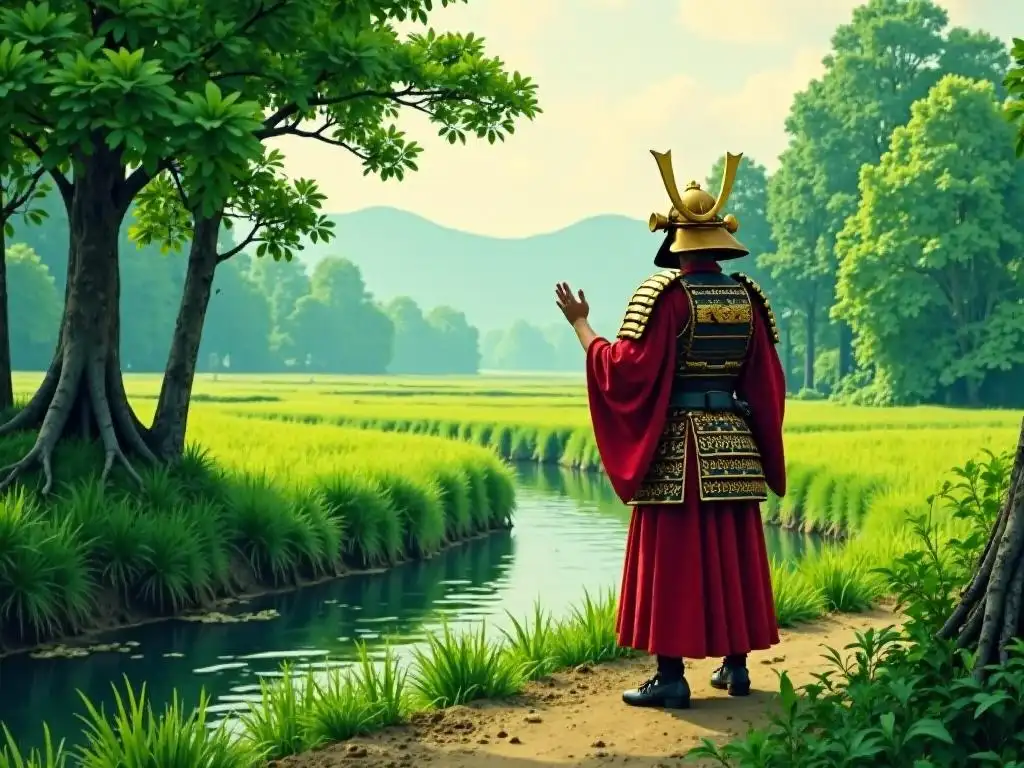
Welcome to Feudal Japan History, where we embark on a captivating journey through the intricate tapestry of Japan’s feudal era. In our latest article, "The Samurai and the Environment: How Geography Influenced Their Development," we delve into the profound ways in which geography shaped the legendary samurai class. What if the very landscapes they traversed were key to their rise and legacy?
Join us as we uncover the layers of history, culture, and society that define this remarkable period, and discover how the environment played a pivotal role in the lives of these fascinating warriors. Your exploration begins here—dive deeper with us!
Introduction to Geography's Impact on Samurai
The samurai, a class synonymous with honor, loyalty, and martial prowess, emerged during Japan's feudal era, a period deeply intertwined with the island nation's unique geography. Understanding how geography influenced the development of the samurai class offers profound insights into their societal structure, military strategies, and cultural practices. This article delves into the intricate relationship between the samurai and the environment, highlighting how Japan’s diverse landscapes shaped their evolution, roles, and legacy.
Overview of the Feudal Era in Japan
The feudal era, spanning from the late 12th century to the mid-19th century, marked a transformative period in Japanese history characterized by the rise of powerful clans and the establishment of a warrior class. This era saw the consolidation of power among military leaders, culminating in the dominance of the samurai. The social hierarchy was rigidly defined, with the emperor at the top, followed by shoguns, daimyōs, and the samurai themselves.
- Key Features of the Feudal Era:
- Decentralized Power: Regional warlords (daimyōs) held significant authority, often leading to conflicts.
- Bushido Code: The ethical code governing samurai conduct emphasized loyalty, honor, and discipline.
- Cultural Flourishing: Alongside military developments, this era also witnessed advancements in arts, literature, and philosophy.
Importance of Geography in Historical Context
Geography played a crucial role in shaping Japan's feudal society and the samurai class. The archipelago's mountainous terrain, coastal regions, and climate variations influenced not only where people settled but also how they interacted with each other and their environment.
- Geographic Influence on Society:
- Isolation: Japan's geographical barriers limited outside influence, fostering a unique culture.
- Resource Distribution: Availability of resources like rice, timber, and minerals dictated economic development and military capabilities.
The Geographic Landscape of Japan
Japan's geographic landscape is characterized by its mountainous terrain, extensive coastlines, and varied climates. These features have been instrumental in the formation of both its natural environment and its historical narrative, particularly regarding the samurai.
Major Geographic Features Influencing the Samurai
Several notable geographic features directly influenced the samurai's development:
- Mountain Ranges: The Japanese Alps and other ranges provided natural fortifications, making it difficult for invading forces to penetrate.
- Rivers and Valleys: Rivers served as critical transportation routes, facilitating trade and military movement, while fertile valleys supported agriculture.
- Coastal Access: Proximity to the sea allowed for maritime trade, which was vital for resource acquisition and cultural exchange.
Climate and Its Effect on Samurai Lifestyle
Japan's climate, ranging from humid subtropical in the south to cool temperate in the north, significantly impacted the samurai's way of life.
- Seasonal Variations:
- Agricultural Cycles: The samurai's reliance on rice farming meant that climate directly affected harvests, influencing economic stability.
- Military Tactics: Seasonal weather patterns, such as heavy rains or snow, dictated the timing and strategy of military campaigns.
Understanding these geographic elements provides a comprehensive view of how the samurai class was not only a product of social and political evolution but also a response to the environmental factors that shaped their existence.
The Formation of the Samurai Class
The formation of the Samurai class is a pivotal chapter in Japanese history, marked by a blend of social, political, and economic factors influenced significantly by geography. As Japan transitioned from a tribal society to a more organized political structure during the late Heian period (794-1185), the need for a warrior class emerged to protect land and uphold the authority of local lords, known as daimyo.
This transformation was not only a result of internal strife but also of the geographical landscape of Japan, which included mountains, forests, and coastal areas, shaping the methods of warfare, settlement, and societal organization.
Historical Background of Samurai Emergence
The emergence of the Samurai class can be traced back to the late 8th century, where local chieftains began to hire warriors for protection in the increasingly violent power struggles of the time. The Heian period saw the rise of powerful clans, such as the Taira and Minamoto, who capitalized on the fragmented political landscape. The geographical features of Japan, including its mountainous terrain, created natural fortifications and isolated communities, necessitating a local defense force.
The samurai evolved from these hired warriors into a distinct social class, characterized by their code of ethics known as Bushido, or "the way of the warrior." This code emphasized loyalty, honor, and martial prowess, which were deeply influenced by the environmental conditions of their homeland.
Geographic Regions Contributing to Samurai Development
Different geographic regions played significant roles in the development of the Samurai class.
- Kanto Region: Home to the Minamoto clan, this area was characterized by its fertile plains and proximity to the capital, Kyoto. The strategic advantage of controlling this region allowed the Minamoto to rise to prominence.
- Kansai Region: This region, particularly around Kyoto, was the political heart of Japan, where many samurai served as retainers to the imperial court. The urbanization and cultural development here shaped the samurai’s social and political affiliations.
- Kinki Region: Known for its mountainous terrain, this region fostered a unique style of warfare that emphasized guerrilla tactics and mobility, influencing local samurai strategies.
- Shikoku and Kyushu Islands: These islands were often battlegrounds for rival clans, with their rugged landscapes providing natural defenses and resources for warriors.
These geographic influences not only shaped the military strategies of the samurai but also their cultural identities, as local customs and traditions blended with the martial ethos of the warrior class.
The Influence of Geography on Samurai Warfare
The geography of Japan had a profound impact on the nature of samurai warfare, dictating tactics, strategies, and the outcomes of conflicts throughout the feudal era. The varied landscape, including mountains, rivers, and forests, presented both challenges and opportunities for samurai warriors.
Strategic Locations and Battles
Key battles in Japanese history were heavily influenced by geographical features. For example, the Battle of Dan-no-ura (1185), fought in the straits of the Shimonoseki, showcased the strategic significance of waterways and naval capabilities in samurai warfare. The narrow straits limited maneuverability, highlighting the importance of naval power and geography in determining the battle's outcome.
- The Battle of Sekigahara (1600) is another notable example where the terrain played a crucial role. The battlefield's layout allowed for strategic positioning and ambush opportunities that ultimately decided the unification of Japan under Tokugawa Ieyasu.
Geographic Advantages in Feudal Conflicts
Geographic advantages often dictated the success of samurai clans in feudal conflicts. Regions with:
- Natural Barriers: Mountains and rivers provided natural defenses, making it difficult for enemies to invade while allowing defenders to fortify their positions.
- Resource Availability: Areas rich in resources, such as rice paddies or timber, not only sustained armies during campaigns but also enabled clans to maintain their power through economic strength.
- Proximity to Trade Routes: Control over key trade routes allowed clans to strengthen their economies and gain strategic advantages over rivals by ensuring supply lines for arms and provisions.
Geography's impact on samurai was profound, influencing their formation, warfare tactics, and the very fabric of feudal Japanese society. The interplay between the environment and the evolving samurai class illustrates how geography shaped not only military strategies but also the socio-political landscape of feudal Japan.
The Societal Impact of Geography on the Samurai
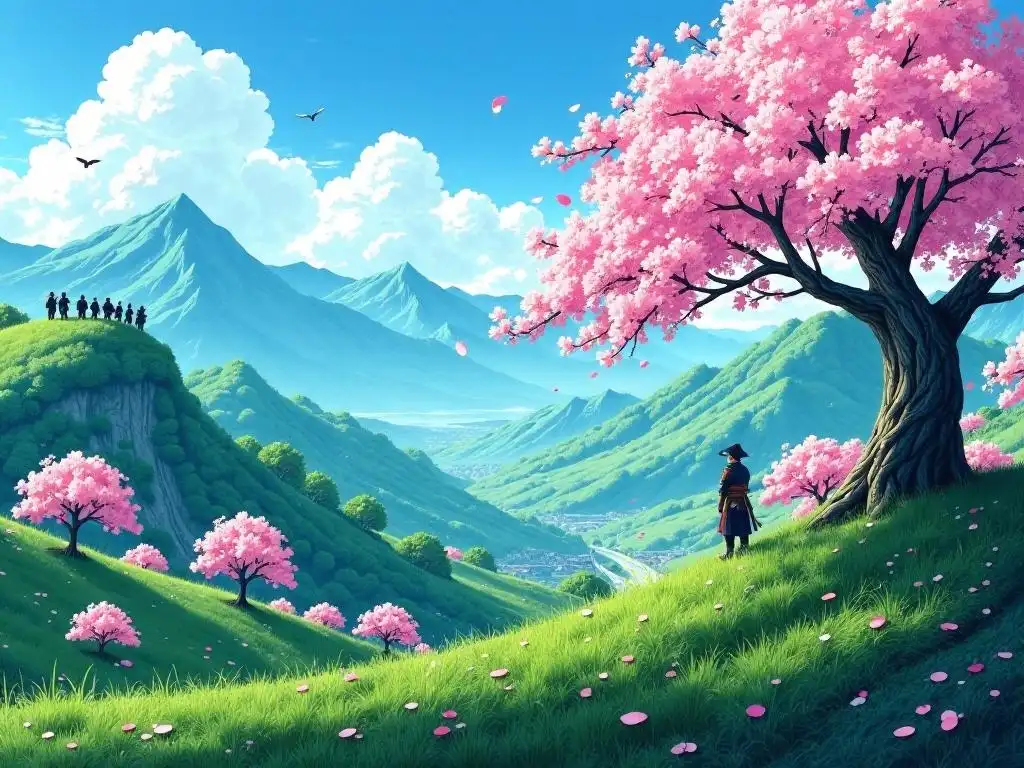
Geography played a crucial role in shaping the societal structure of the samurai class in feudal Japan. The diverse landscapes of the Japanese archipelago, from mountainous terrains to coastal plains, influenced not only the development of local cultures but also the political dynamics within regions. The samurai, as a warrior class, often emerged in response to the unique environmental challenges and opportunities presented by their geographic location.
In regions with fertile plains, such as the Kanto area, samurai families often settled as local lords, establishing their power through agricultural production and trade. Conversely, in more rugged and isolated areas, such as mountainous regions of the Chubu, warriors had to adapt their tactics and governance strategies to manage smaller, more localized communities. The availability of resources such as timber for building and iron for weaponry also varied by region, leading to distinct differences in both military capabilities and social organization among samurai.
Regional Variations in Samurai Culture
The samurai culture was not monolithic; rather, it displayed significant regional variations influenced by geography. In the northern regions, such as Hokkaido, samurai often engaged in a lifestyle that blended traditional warrior practices with local customs and indigenous influences. This resulted in unique martial arts styles and societal structures that reflected the harsh climates and the need for community cooperation to survive.
In contrast, the wealthy coastal regions, particularly around Kyoto and Osaka, fostered a more sophisticated samurai culture characterized by art, literature, and philosophy. The proximity to trade routes and urban centers allowed samurai families to engage more in governance and cultural exchange, leading to the emergence of a more refined warrior class. This cultural divergence showcases how geography not only dictated the samurai’s military and economic roles but also influenced their artistic and intellectual pursuits.
The Role of Geography in Samurai Loyalty and Fealty
Geography significantly influenced the relationships of loyalty and fealty within the samurai class. The physical landscape often dictated the boundaries of feudal domains, shaping alliances and rivalries. In regions where natural barriers like mountains and rivers formed clear divisions, samurai lords could establish more stable and defined territories, fostering loyalty among their vassals who depended on the land for sustenance and protection.
Conversely, in areas with more fluid boundaries, such as the plains of central Japan, shifting allegiances among samurai could lead to conflicts and instability. The geography of these regions often required samurai to navigate complex networks of loyalty, where familial ties, land ownership, and military prowess were all interlinked. This dynamic relationship between geography and feudal loyalty illustrates how the samurai class adapted to their environments in both military strategy and social organization.
The Interaction Between Samurai and the Environment
The interaction between the samurai and their environment was multifaceted, encompassing not only military practices but also agricultural and social aspects. The samurai were not merely warriors; they were also landowners and stewards of the land, which required them to adapt to the environmental conditions of their regions.
Sustainable Practices of Samurai in Agriculture
Many samurai families engaged in agricultural practices that reflected a deep understanding of their local environments. They implemented sustainable farming techniques that maximized yield while preserving the land's fertility. Crop rotation, for example, was commonly practiced to maintain soil health, and the samurai often promoted irrigation systems that utilized the natural waterways of their regions.
Moreover, samurai were known to encourage the cultivation of specific crops that suited their geographic conditions, such as rice in the lowland areas and barley in the more arid regions. This agricultural stewardship not only supported their economic foundations but also reinforced their status as responsible leaders within their communities, highlighting a symbiotic relationship between the samurai and the environment.
Environmental Challenges Faced by Samurai
Despite their adaptive strategies, samurai also faced significant environmental challenges that influenced their development. Natural disasters, such as earthquakes, tsunamis, and typhoons, frequently struck Japan, impacting agricultural production and threatening the stability of feudal domains. The samurai had to develop contingency plans to manage these crises, often leading to a greater emphasis on community resilience and cooperation.
Additionally, deforestation and land degradation due to over-farming and the demands of warfare posed long-term risks to the samurai's way of life. The need to protect and conserve their environments became increasingly evident, prompting some samurai to advocate for sustainable land use practices. This awareness of environmental limitations and challenges ultimately shaped the samurai's legacy, as they transitioned from mere warriors to stewards of their land, reflecting a nuanced relationship with the geography that defined their existence.
Conclusion: The Lasting Legacy of Geography on the Samurai
The geographical landscape of Japan played a pivotal role in shaping the development of the Samurai class and their influence throughout the feudal era. The rugged mountains, dense forests, and coastal regions not only dictated the strategies of warfare and the types of resources available but also influenced the social and political structures that arose.
The Samurai were more than just warriors; they were products of their environment, adapting to its challenges and utilizing its resources to establish themselves as a dominant class. As a result, the legacy of geography in Samurai history continues to be felt, impacting cultural perceptions of honor, loyalty, and the warrior ethos that define Japanese society even today.
Reflection on Geography's Role in Samurai History
Geography significantly influenced the socio-political dynamics of feudal Japan. The isolation provided by mountains and the sea fostered a unique culture and a distinct warrior class. The natural barriers could protect regions from outside invasions but also led to the formation of localized power structures.
This resulted in a fragmented political landscape dominated by various feudal lords, or daimyo, who relied on Samurai for military protection and governance. The varied topography also influenced military tactics, with mountainous terrains favoring ambush strategies, while open plains encouraged cavalry charges. Moreover, the availability of resources in different regions dictated the economic strength of Samurai clans, shaping their rise and fall.
Implications for Understanding Feudal Japan Today
Understanding the impact of geography on the Samurai opens a window into the broader historical context of feudal Japan. It highlights how environmental factors can shape social hierarchies and power dynamics within a culture. This perspective encourages modern scholars and enthusiasts alike to consider the intricate relationships between geography, culture, and history.
Furthermore, it fosters a deeper appreciation for the unique identity of Japan, where nature and society are intricately intertwined. As contemporary Japan continues to grapple with historical legacies, recognizing the geographical foundations of the Samurai's rise can inform discussions around nationalism, cultural identity, and environmental stewardship in the modern era.
References
Suggested Reading on Samurai and Geography
-
"Samurai: The Story of a Warrior Culture" by John M. G. Brown
This book provides a comprehensive overview of the Samurai's cultural and historical context, along with insights into how geography influenced their development.
-
"The Geography of Japan" by David W. Smith
An exploration of how Japan's physical landscape shaped its history, focusing on the relationship between geography and the rise of the Samurai class.
-
"Bushido: The Soul of Japan" by Inazo Nitobe
A classic text that discusses the ethical code of the Samurai and its connection to the natural environment of Japan.
Academic Sources on Feudal Japan History
-
"Warriors of Japan as Portrayed in the War Tales" by Thomas D. Conlan
This academic work examines the literature surrounding the Samurai and the geographical contexts that influenced these narratives.
-
"The Making of Modern Japan" by John D. Clausen
This comprehensive history includes discussions on how geographical factors contributed to the political structures that supported the Samurai.
-
"Feudal Japan: The Role of Geography in the Rise of the Samurai" by Susan H. Lee
An insightful analysis of the geographical influences on Samurai governance, warfare, and culture throughout Japan's feudal period.
- Introduction to Geography's Impact on Samurai
- The Geographic Landscape of Japan
- The Formation of the Samurai Class
- The Influence of Geography on Samurai Warfare
- The Societal Impact of Geography on the Samurai
- The Interaction Between Samurai and the Environment
- Conclusion: The Lasting Legacy of Geography on the Samurai
- References
- What role did geography play in the development of the Samurai?
- How did environmental factors contribute to Samurai culture?
- In what ways did geography affect Samurai warfare strategies?
- Can you explain the relationship between geography and Samurai loyalty?
- How did Japan's diverse geography impact the Samurai's role in society?
Frequently Asked Questions
What role did geography play in the development of the Samurai?
Geography significantly influenced the strategic locations of Samurai clans, affecting their military tactics and resource management. The terrain often dictated the type of warfare and fortifications used.
How did environmental factors contribute to Samurai culture?
Environmental factors such as climate and natural resources shaped Samurai lifestyles and values, including their art and philosophy. These elements fostered a strong connection between the Samurai and their land.
In what ways did geography affect Samurai warfare strategies?
The geographical landscape influenced the battle formations and movement of Samurai warriors. Mountains, rivers, and forests were often used to gain a tactical advantage in conflicts.
Can you explain the relationship between geography and Samurai loyalty?
Geography played a role in the feudal system, with land ownership leading to loyalty among Samurai. The proximity to their lords’ domains fostered a sense of duty tied to the land they protected.
How did Japan's diverse geography impact the Samurai's role in society?
Japan's diverse geography created a variety of regional cultures within the Samurai class. This diversity influenced their social hierarchy, code of conduct, and interactions with commoners across different regions.
Final Reflection: The Enduring Legacy of Geography on the Samurai
The intricate relationship between geography and the development of the Samurai is not merely a historical curiosity; it resonates profoundly with our contemporary understanding of how environment shapes culture and identity. As we navigate a world increasingly influenced by globalization and environmental challenges, the lessons drawn from the Samurai's deep connection to their land remind us that our surroundings significantly impact our values, traditions, and ways of life. The Samurai's evolution, rooted in the diverse landscapes of Japan, illustrates the timeless truth that geography is a powerful force in shaping societies.
The influence of geography on the Samurai extends beyond the past, continuing to echo in our cultural and social landscapes today. As we grapple with issues like climate change and urbanization, the Samurai's respect for nature and their strategic adaptation to their environment serve as a poignant reminder of the need for harmony between humanity and the natural world. To know the road ahead, ask those coming back.
This quote encapsulates the importance of learning from history, urging us to reflect on how the Samurai's geographical context informed their resilience and adaptability, qualities that are essential in our modern lives.
As we conclude this exploration of the Samurai and their environment, I invite you to reflect on your own relationship with the geography that surrounds you. Consider how your environment shapes your identity and values. Embrace the lessons of the Samurai—honor your roots, respect the land, and adapt to the challenges that arise. Let this reflection inspire you to cultivate a deeper connection with your surroundings, fostering a sense of responsibility and stewardship for the world we inhabit. Together, we can create a future that honors the past while embracing the potential for growth and harmony.
Embrace the Legacy: Protect Our Planet Inspired by the Samurai!
Thank you for taking the time to explore how geography shaped samurai culture in feudal Japan. By understanding their intricate relationship with the environment, we can draw valuable lessons for our own stewardship of the Earth. Let's transform this knowledge into meaningful action!
Here are some steps you can take to honor the samurai's legacy and contribute to environmental conservation:
- Join a local environmental group to participate in community cleanup events and restoration projects.
- Adopt eco-friendly practices in your daily life, such as reducing waste, conserving water, and choosing sustainable products.
- Share this article with friends and family to spark conversations about the importance of protecting our environment and learning from history's lessons!
What actions are you inspired to take today to ensure a sustainable future, just as the samurai once revered their land?