
Discovering Jidai Matsuri: A TimeTraveling Experience in Kyoto

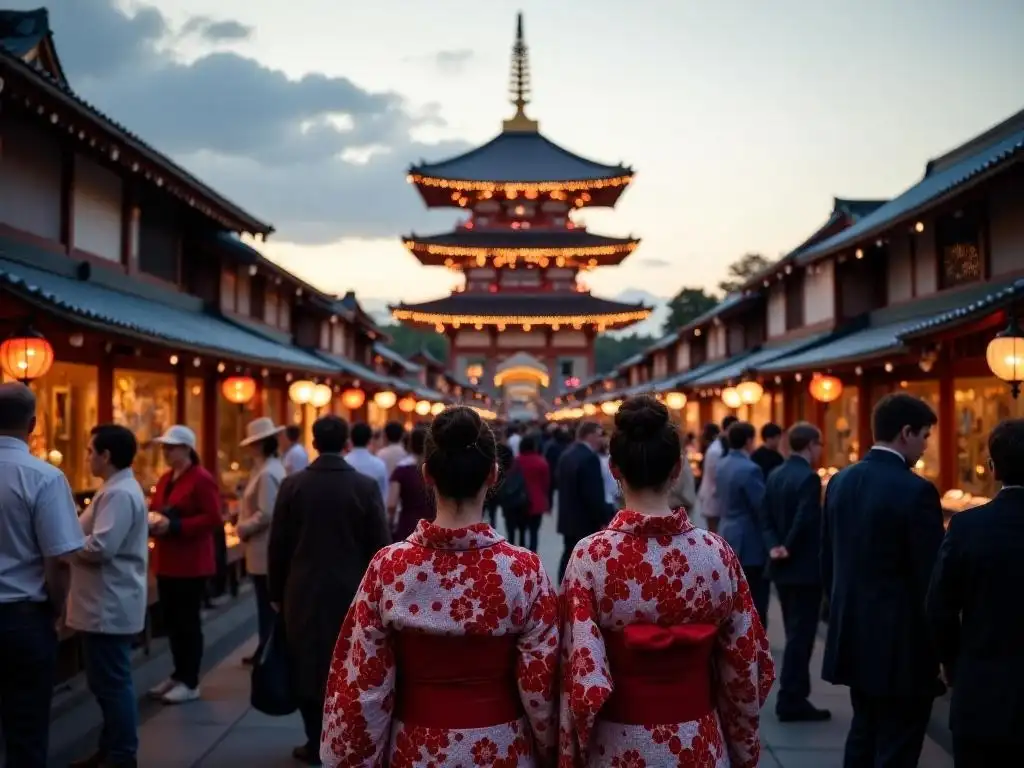
Welcome to Feudal Japan History! Here, we invite you to embark on an enthralling journey through the rich tapestry of Japan’s feudal era. Our spotlight today is on the captivating Jidai Matsuri festival in Kyoto, a vibrant celebration that transports you back in time, showcasing the cultural and historical essence of this remarkable period. As you delve into our in-depth exploration, you'll uncover the stories, traditions, and societal nuances that make the festival a truly unique experience. Get ready to satisfy your curiosity and discover the magic of Kyoto's past—read on to unveil the wonders that await!
- Introduction to Jidai Matsuri Festival Kyoto: A Cultural Gem
- Historical Background of the Jidai Matsuri Festival
- The Jidai Matsuri Festival Experience: What to Expect
- Participating in the Jidai Matsuri Festival: A Guide for Tourists
- Cultural Aspects of the Jidai Matsuri Festival
- Planning Your Visit to the Jidai Matsuri Festival
- Related Events and Festivals in Kyoto
- Conclusion: Embracing the Spirit of Jidai Matsuri in Kyoto
- Frequently Asked Questions
- Final Reflection: Embracing the Spirit of Jidai Matsuri in Kyoto
- Unveil the Magic of Jidai Matsuri!
Introduction to Jidai Matsuri Festival Kyoto: A Cultural Gem
The Jidai Matsuri, or "Festival of Ages," is a vibrant celebration that showcases the rich tapestry of Kyoto's history and cultural heritage. Held annually on October 22nd, this festival offers visitors a unique time-traveling experience, as it takes them through various historical periods of Japan, from the Heian era to the Edo period.
The Jidai Matsuri is not only a feast for the eyes with its stunning parades and traditional costumes but also serves as a reminder of Kyoto’s significance as Japan's ancient capital. As we delve into the details of this fascinating event, we'll explore its origins, the elaborate festivities, and its enduring importance in preserving the cultural identity of Kyoto and Japan as a whole.
What is the Jidai Matsuri Festival?
The Jidai Matsuri Festival is one of Kyoto's three main festivals, alongside the Gion Matsuri and the Aoi Matsuri. Established in 1895, it was created to commemorate the founding of Kyoto as the capital of Japan in 794. The festival features a grand procession that includes participants dressed in historically accurate costumes representing various periods of Japanese history. This colorful parade winds its way from the Imperial Palace to the Heian Shrine, covering a distance of approximately 2 kilometers.
The procession is divided into several segments, each depicting a different era, with participants showcasing the clothing, weapons, and tools of their respective times. Notable highlights of the festival include:
- Heian Period (794-1185): Participants don elaborate court costumes.
- Samurai Procession: An impressive display of samurai warriors in full armor.
- Folklore Characters: Actors portraying figures from Japanese mythology.
The festival not only serves to entertain but also educates attendees about the rich history of Japan.
The Significance of Jidai Matsuri in Kyoto's Cultural Heritage
The Jidai Matsuri holds profound significance in Kyoto's cultural heritage for several reasons. Firstly, it serves as a living history lesson, allowing both locals and tourists to immerse themselves in the traditions of the past. By bringing historical figures and events to life, the festival fosters a deeper appreciation for Japan's historical narratives.
Moreover, the festival strengthens community bonds as residents come together to prepare and participate in the celebrations. Local schools, organizations, and families often contribute to the festival, ensuring that the traditions are passed down through generations. The involvement of the community creates a sense of ownership and pride in their cultural heritage.
Another important aspect of Jidai Matsuri is its role in promoting tourism. The festival attracts thousands of visitors each year, showcasing Kyoto as a center of cultural tourism. By highlighting the beauty and significance of historical festivals, the Jidai Matsuri contributes to the economy and cultural exchange, drawing attention to other cultural events and historical sites in the area.
The Jidai Matsuri Festival is not just a colorful procession; it is a celebration of the rich history, community spirit, and cultural heritage that defines Kyoto. Through its vibrant displays and profound significance, the festival continues to play a vital role in preserving the legacy of Japan’s feudal era, making it a must-see event for all who visit this historic city.
Historical Background of the Jidai Matsuri Festival
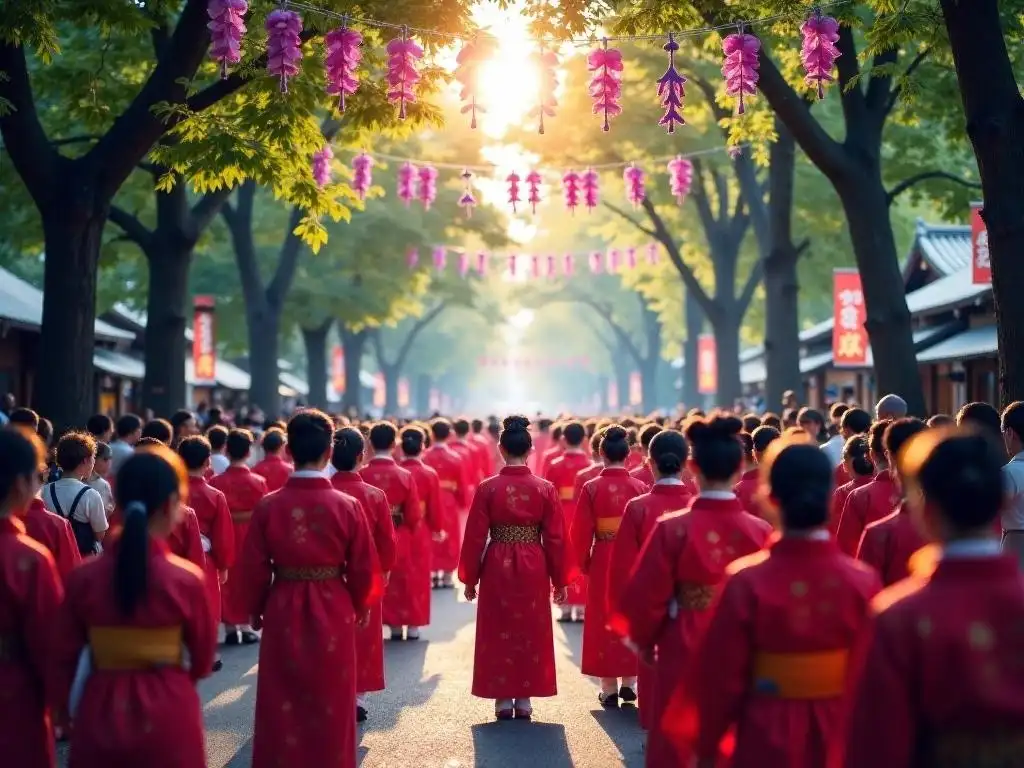
Origins of the Jidai Matsuri: From Meiji Restoration to Modern Day
The Jidai Matsuri, or Festival of Ages, first took place in 1895 as part of the celebrations commemorating the 1,100th anniversary of the founding of Kyoto. This vibrant festival was initiated during the Meiji Restoration, a period of significant change and modernization in Japan, marking the transition from feudalism to a more centralized government. The intention behind the festival was to celebrate the rich tapestry of Kyoto's history and to honor the city’s cultural heritage.
The festival was designed to showcase the various historical periods of Kyoto through an elaborate procession of people dressed in authentic costumes representing different eras, ranging from the Heian period (794-1185) to the Edo period (1603-1868). This effort served not only as a tribute to Kyoto's status as the imperial capital but also as a way to instill a sense of pride in the Japanese identity during a time when the country was rapidly modernizing.
The Jidai Matsuri has evolved over the years, adapting to contemporary sensibilities while retaining its historical roots. Today, it attracts thousands of visitors from around the world, transforming Kyoto into a living museum where the past is vividly brought to life through the traditions of the festival.
Key Historical Events Celebrated During the Festival
The Jidai Matsuri is not merely a parade; it encapsulates pivotal events and figures in Japanese history. Each year, the festival features a procession that includes representations of notable historical events, making it a fascinating journey through Japan's past. Here are some of the key historical events and themes that are celebrated:
- The Heian Period (794-1185): This era is showcased through costumes and performances reflecting the courtly life of the time, characterized by elegance and artistic expression. Notable figures, such as Emperor Kammu, who established Kyoto as the capital, are often highlighted.
- The Kamakura Period (1185-1333): The emergence of the samurai class during this period is commemorated, with participants donning armor that represents the warriors of the time. This era marked a significant shift in power dynamics in Japan, with the rise of feudal lords.
- The Muromachi Period (1336-1573): Known for its cultural flourishing, this period is celebrated through the inclusion of Noh performances and traditional arts, showcasing the unique aesthetics that developed during this time.
- The Edo Period (1603-1868): This period is depicted through the vibrant costumes of merchants and commoners, reflecting the social structure and economic growth of Japan during its longest period of peace. The representation of Edo culture highlights the importance of urban life and commerce.
- The Meiji Restoration (1868): As the festival originated during this transformative period, it also pays homage to the changes that led Japan into modernity. The costumes and themes reflect the blending of traditional and Western influences that defined this era.
The Jidai Matsuri festival not only serves as a reminder of Japan's rich historical heritage but also fosters a sense of continuity and connection to the past for both locals and visitors alike. Each year, as the parade winds through the streets of Kyoto, it invites everyone to step back in time and experience the story of Japan's feudal era in a truly immersive way.
The Jidai Matsuri Festival Experience: What to Expect
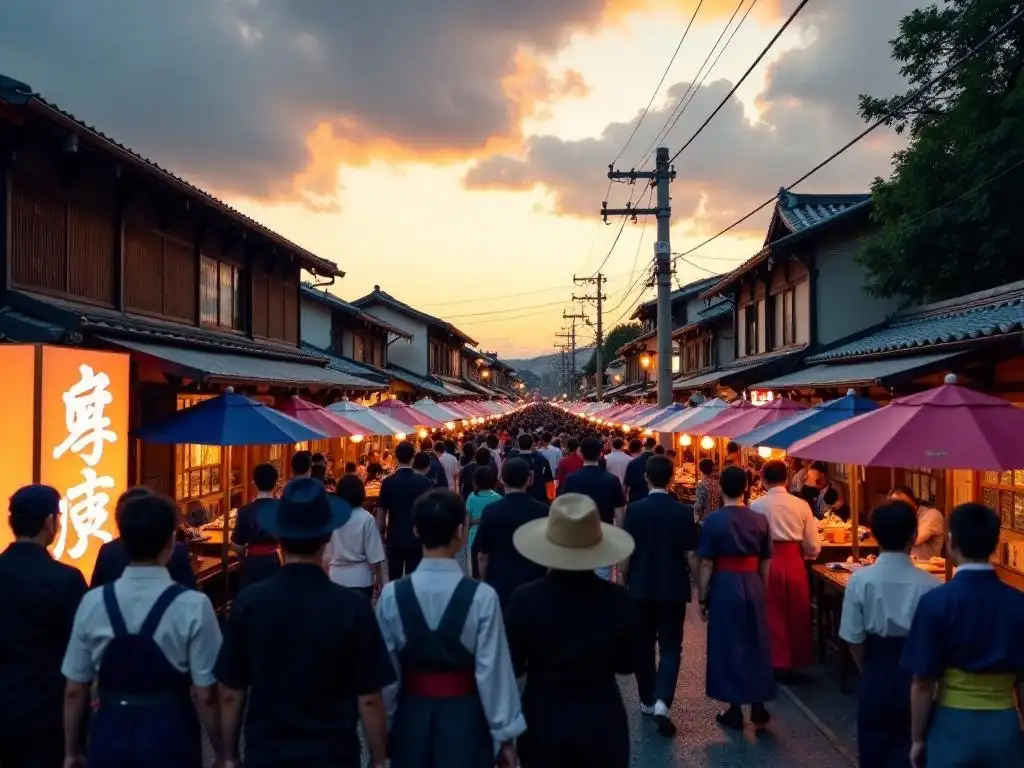
Attending the Jidai Matsuri festival in Kyoto offers a unique opportunity to immerse oneself in Japan's rich historical tapestry. Celebrated annually on October 22, this festival is a vibrant homage to Kyoto's illustrious past, showcasing the cultural and historical evolution of the city through a series of spectacular events and exhibitions.
From the moment you arrive, the atmosphere is electric with anticipation. Locals and tourists alike gather to witness the grand parade, which features elaborately dressed participants representing different eras of Japanese history. The festival not only serves as a visual feast but also as an educational experience, where participants can learn about the significance of each costume and the historical context behind it.
Date and Location of the Jidai Matsuri Festival in Kyoto
The Jidai Matsuri festival takes place every year on October 22, coinciding with the anniversary of the establishment of Kyoto as the capital of Japan in 794 AD. The festival begins at the Heian Shrine, a significant cultural site in Kyoto, and culminates in a vibrant procession that winds through the city streets.
Key Details:
- Date: October 22 annually
- Start Point: Heian Shrine
- Main Route: Through the city, ending at the Kyoto Imperial Palace
Visitors are encouraged to arrive early to secure a good viewing spot along the parade route. The event typically starts around 12:00 PM, but festivities leading up to the parade often begin earlier in the day, including various cultural performances and exhibitions.
Festival Highlights: Parades, Costumes, and Cultural Performances
One of the most captivating aspects of the Jidai Matsuri festival is its elaborate parade, featuring over 2,000 participants dressed in historically accurate costumes that represent various periods in Japanese history, from the Heian period (794-1185) to the Edo period (1603-1868).
Parade Highlights:
- Historical Costumes: Each participant’s costume is meticulously crafted, reflecting the attire of specific eras. The diversity of clothing styles provides a visual timeline of Japan’s fashion evolution.
- Traditional Music and Dance: Alongside the parade, performers showcase traditional Japanese music and dance, infusing the festival with a lively rhythm that captivates audiences.
- Cultural Demonstrations: Various cultural booths offer demonstrations of crafts such as calligraphy, tea ceremonies, and kintsugi (the art of repairing pottery with gold), allowing visitors to engage with Japan's artistic heritage.
The Jidai Matsuri festival is not just a celebration; it is a living history lesson that brings Japan’s past to life.
As the parade progresses, spectators are treated to a feast for the senses, with the colors, sounds, and scents of the festival creating an unforgettable experience. The culmination of the event at the Kyoto Imperial Palace is particularly striking, as it symbolizes the historical significance of this grand celebration.
The Jidai Matsuri festival in Kyoto is a must-see event for anyone interested in Japanese culture and history. The combination of parades, traditional performances, and the rich backdrop of Kyoto makes it an extraordinary experience that transports visitors back in time.
Participating in the Jidai Matsuri Festival: A Guide for Tourists
The Jidai Matsuri, or "Festival of Ages," is one of Kyoto’s most significant cultural events, celebrated on October 22nd each year. This festival is a vivid reenactment of the city’s historical timeline, featuring a grand procession that showcases the costumes and traditions from various periods of Japanese history. For tourists, participating in the Jidai Matsuri festival Kyoto offers a unique opportunity to immerse themselves in the rich cultural heritage of Japan.
To make the most of your experience, it is essential to plan ahead. Here are key aspects to consider:
- Timing: The main parade begins around noon, but it's advisable to arrive earlier to secure a good viewing spot. Many festivities and preparations take place throughout the morning.
- Dress Code: While there is no strict dress code, wearing traditional Japanese attire like a kimono can enhance your experience and connection with the festival.
- Local Etiquette: Respect the customs and practices observed during the festival. Photographs are often allowed, but always ask permission when capturing someone in traditional dress.
By understanding the festival's significance and preparing accordingly, tourists can fully appreciate this incredible celebration of Japan's feudal history.
Best Viewing Spots for the Jidai Matsuri Parade
Finding the right vantage point to watch the Jidai Matsuri parade is crucial for an optimal experience. Here are some of the best locations to enjoy the spectacle:
-
Heian Shrine:
Located at the starting point of the parade, Heian Shrine offers a close-up view of the participants as they prepare and set off. The shrine’s beautiful gardens also provide a stunning backdrop for photographs.
-
Shijo Street:
This bustling street is one of the most popular locations for viewing the parade. The atmosphere here is vibrant, with numerous local vendors and shops lining the route, making it convenient for food and souvenirs.
-
Kamo River Banks:
For a more relaxed viewing experience, head to the banks of the Kamo River. This spot allows for a scenic view of the procession against the natural beauty of Kyoto.
-
Maruyama Park:
While a bit further from the main route, Maruyama Park offers a peaceful setting and the chance to enjoy the local flora. It’s an excellent spot to take a break during the festivities.
-
Gion District:
Known for its traditional wooden machiya houses, Gion provides a picturesque setting to watch the parade. The combination of historical architecture and the festival atmosphere is truly enchanting.
Recommended Accommodations Near the Jidai Matsuri Events
Choosing the right place to stay during the Jidai Matsuri festival can enhance your overall experience. Here are some recommended accommodations that are conveniently located near the festival events:
| Accommodation Name | Type | Distance to Heian Shrine | Features |
|---|---|---|---|
| Hotel Granvia Kyoto | Luxury Hotel | 1.5 km | Direct train access, elegant dining options |
| Kyoto Century Hotel | Mid-range Hotel | 1.2 km | Spacious rooms, great city views |
| Gion Shinmonso Inn | Traditional Inn | 0.5 km | Experience a ryokan stay, close to Gion |
| Guesthouse K's House | Budget Hostel | 2.0 km | Affordable, friendly atmosphere, shared kitchen |
| The Celestine Kyoto Gion | Boutique Hotel | 0.8 km | Stylish rooms, walking distance to events |
When booking accommodations, consider making reservations well in advance, as spots fill up quickly during the festival season. Enjoy the festivities and embrace the cultural experience that the Jidai Matsuri festival Kyoto has to offer!
Cultural Aspects of the Jidai Matsuri Festival
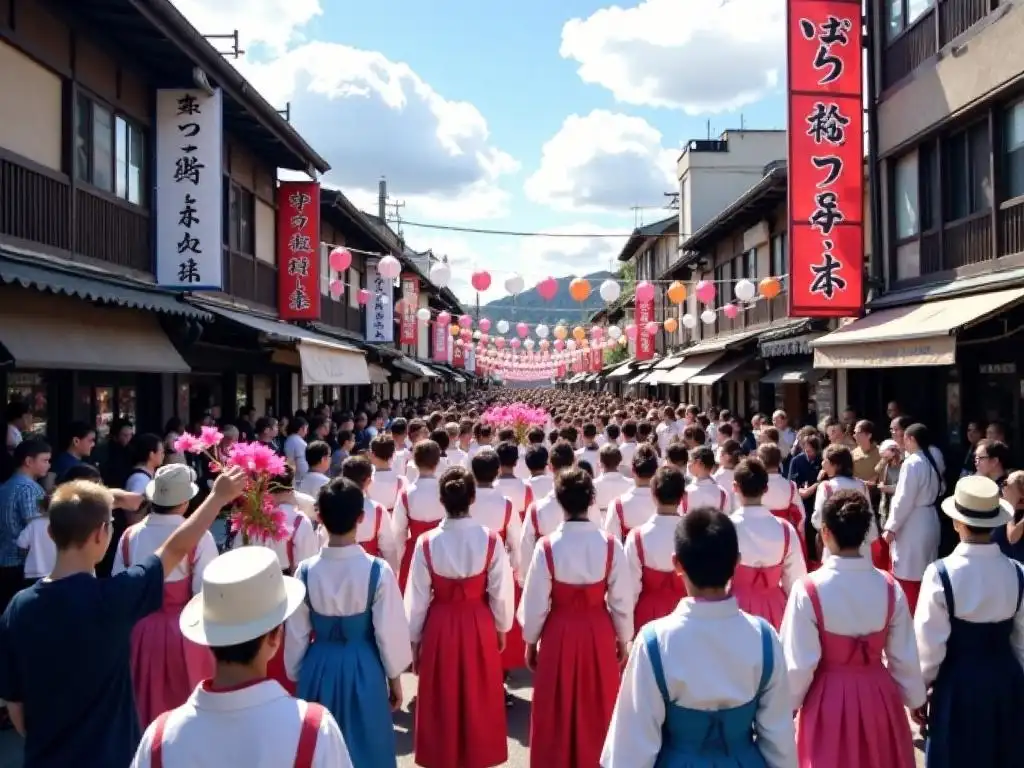
Traditional Costumes: A Journey Through Japan’s Feudal History
The Jidai Matsuri festival, held annually in Kyoto, is not just a celebration; it is a vibrant reenactment of Japan’s rich feudal history, prominently showcased through its traditional costumes. The festival, which takes place on October 22nd, features a grand procession that includes participants dressed in historical garb representing various periods of Japanese history, from the Heian period (794-1185) to the Edo period (1603-1868).
- Costume Evolution: The costumes worn during the Jidai Matsuri reflect the evolution of fashion throughout Japan's feudal era. Each outfit is meticulously crafted to represent the distinctive styles of specific periods, illustrating the societal norms and cultural values of the time. For example:
- Heian Period: Elegant, layered kimono with wide sleeves and intricate patterns.
- Kamakura Period: More practical armor for samurai, showcasing both functionality and status.
- Edo Period: Colorful, elaborate garments indicating the prosperity of the merchant class.
- Symbolism in Attire: Each costume not only serves as a visual representation of its era but also carries deep symbolic meanings. For instance, the colors and patterns often signify status, wealth, and regional affiliations. The use of specific fabrics—silk for nobility, cotton for commoners—further emphasizes the social hierarchy of feudal Japan.
- Craftsmanship and Preservation: The artisans involved in creating these traditional costumes are often descendants of those who would have crafted similar garments in centuries past. Their dedication to preserving these techniques ensures that the authenticity of the costumes remains intact, thus allowing festival-goers to experience a genuine representation of Japan’s feudal history.
Music and Dance: Cultural Performances at Jidai Matsuri
The Jidai Matsuri festival is not only a visual spectacle but also a rich auditory experience, blending traditional music and dance that enhances the overall atmosphere of this historic event. The performances during the festival draw from a deep well of cultural heritage, offering insights into the artistic expressions of Japan's past.
-
Traditional Music: The festival features a variety of traditional Japanese instruments, including:
- Shamisen: A three-stringed instrument that provides a haunting melody often associated with storytelling.
- Taiko Drums: Powerful percussion that energizes the crowd and evokes a sense of unity and celebration.
- Flutes and Koto: Offer softer, more melodic sounds that contrast with the robust rhythms of the taiko.
These instruments are not only used to accompany the procession but also to narrate the stories of the figures represented, creating a tapestry of sound that enriches the visual celebration.
-
Dance Performances: Dance plays a crucial role in the festival, with choreographed routines that reflect historical events and cultural tales. Some notable aspects include:
- Noh and Kabuki Influences: Elements from these traditional Japanese theater forms are incorporated into the dance performances, allowing participants to express complex narratives and emotions through movement.
- Regional Variations: Different regions of Japan contribute their unique dance styles, showcasing the diverse cultural heritage across the archipelago.
-
Cultural Significance: The music and dance at the Jidai Matsuri festival serve not only as entertainment but also as a means of educating attendees about Japan's feudal history. By engaging with these performances, visitors gain a deeper understanding of the cultural values and artistic expressions that defined various periods in Japan.
Through the combination of traditional costumes, music, and dance, the Jidai Matsuri festival offers a comprehensive cultural experience that transports attendees back in time, allowing them to appreciate the richness and diversity of Japan's feudal era.
Planning Your Visit to the Jidai Matsuri Festival
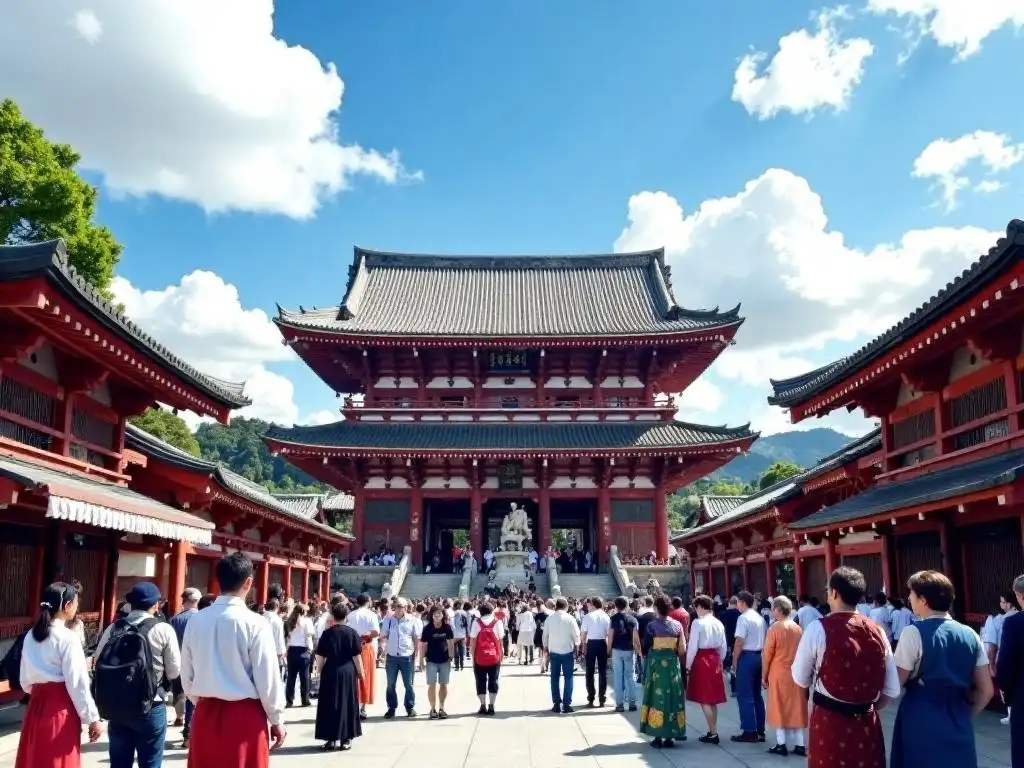
Planning a visit to the Jidai Matsuri festival in Kyoto can be an exciting adventure, providing a unique glimpse into Japan's rich feudal history. As one of the most significant cultural events in Japan, the festival is celebrated annually on October 22nd, showcasing a grand procession that reflects the historical eras of the country. Here are some essential tips to ensure you make the most of your experience.
Essential Tips for Attending the Jidai Matsuri Festival
-
Plan Your Arrival Early
To fully immerse yourself in the festival atmosphere, consider arriving in Kyoto a few days in advance. This allows you to explore the city's historical sites and other attractions that often tie into the festival's themes.
-
Check the Schedule
The festival features various events leading up to the main procession, including traditional performances and ceremonies. Visit the official Jidai Matsuri website or local tourism offices for the latest schedule of events.
-
Dress Appropriately
While modern clothing is perfectly acceptable, consider wearing traditional Japanese attire, such as a kimono or yukata, to enhance your experience. Not only does this show respect for the cultural heritage, but it also allows for fantastic photo opportunities.
-
Arrive Early for the Procession
The main procession starts at 12:00 PM, with participants dressed in historical costumes representing various periods of Japan. Arriving early to secure a good viewing spot is advisable, especially at key locations along the route, such as the Heian Shrine and Kyoto Imperial Palace.
-
Stay Hydrated and Energized
October weather in Kyoto can vary, so it's essential to stay hydrated and bring snacks. There will be food stalls scattered throughout the festival, offering local delicacies, but lines can be long.
-
Respect Local Customs
Be mindful of local customs and etiquette during the festival. Observe silence during significant ceremonies and ask for permission before taking photographs of participants in traditional attire.
Must-Visit Attractions in Kyoto During the Festival Season
During your stay in Kyoto for the Jidai Matsuri festival, take the opportunity to explore some of the city's iconic attractions that beautifully complement the festival experience. Here are some must-visit sites:
| Attraction | Description |
|---|---|
| Kyoto Imperial Palace | The historical residence of the Emperor of Japan, offering a glimpse into the imperial lifestyle and architecture. |
| Heian Shrine | Dedicated to the spirits of the first and last emperors of the Heian period, this shrine features beautiful gardens perfect for a peaceful stroll. |
| Nijo Castle | A UNESCO World Heritage Site, this castle showcases stunning architecture and historical significance from the Edo period. |
| Kiyomizu-dera Temple | Famous for its wooden stage that juts out over the hillside, this temple provides breathtaking views of the city, especially during autumn. |
| Gion District | Known for its traditional wooden machiya houses and geisha culture, Gion offers a glimpse into Kyoto's past, with numerous tea houses and shops. |
The Jidai Matsuri festival in Kyoto presents an excellent opportunity to delve into Japan's historical tapestry while enjoying the vibrant culture of the city. By planning your visit carefully and exploring the accompanying attractions, you can create a memorable time-traveling experience that honors the legacy of feudal Japan.
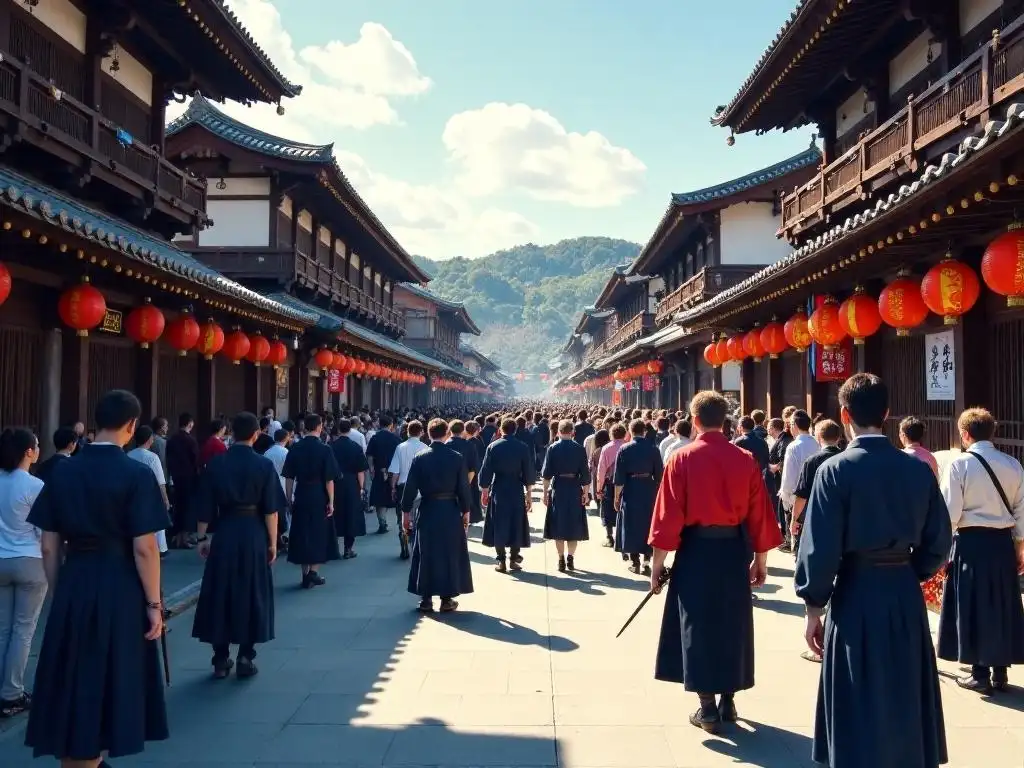
Kyoto, a city steeped in history and tradition, hosts a myriad of events and festivals that celebrate its rich heritage. Among these, the Jidai Matsuri festival stands out, but it is far from the only event that encapsulates the spirit of Kyoto's past. This section explores other notable festivals and events that resonate with the themes of feudal Japan and contribute to the cultural tapestry of the city.
Similar Cultural Festivals: Exploring Kyoto’s Rich Heritage
Kyoto is home to several festivals that echo the historical significance of the Jidai Matsuri. These festivals are not merely celebrations; they are a vibrant expression of the city’s cultural identity and traditions formed over centuries. Here are a few key festivals that are particularly noteworthy:
- Gion Matsuri:
- When: July
- Overview: Perhaps the most famous festival in Kyoto, Gion Matsuri features stunning floats, traditional music, and rituals that date back to the 9th century. The festival is closely associated with Yasaka Shrine and originally aimed to appease the gods during a plague.
- Aoi Matsuri:
- When: May 15
- Overview: This festival is characterized by its elegant procession from the Imperial Palace to the Kamo Shrines. Participants wear exquisite Heian-period costumes, reflecting the aristocratic culture of ancient Japan.
- Jizo Matsuri:
- When: September
- Overview: Celebrated at various temples throughout Kyoto, this festival honors Jizo, the protector of children and travelers. The event includes the decoration of Jizo statues with colorful garments and the offering of rice balls.
- Setsubun:
- When: Early February
- Overview: While not exclusive to Kyoto, this festival is widely celebrated in the city. It marks the beginning of spring and involves the ritual of throwing beans to drive away evil spirits, followed by various festivities at temples.
These festivals not only showcase the traditional attire, music, and rituals of Japan but also create opportunities for visitors to engage with the past in a lively, interactive manner.
Year-Round Events Celebrating Japan’s Feudal Era
In addition to seasonal festivals, Kyoto offers several year-round events that delve into the feudal era's history and culture. These events provide a deeper understanding of the societal structures, customs, and daily life during Japan's feudal period.
- Historical Reenactments:
- Various locations in Kyoto, such as Nijo Castle and the Kyoto Imperial Palace, host reenactments that allow visitors to witness samurai battles, traditional tea ceremonies, and other aspects of feudal life. These events often include detailed explanations and opportunities for audience participation.
- Cultural Workshops:
- Throughout the year, numerous workshops focus on traditional crafts, such as kimono-making, pottery, and calligraphy. These hands-on experiences allow participants to appreciate the skills and artistry that flourished during the feudal period.
- Guided Tours:
- Special guided tours are available that explore Kyoto’s historical sites linked to the feudal era. Knowledgeable guides share insights about the significance of various locations, including shrines, temples, and castles, enhancing the understanding of Japan’s feudal past.
- Exhibitions:
- Museums in Kyoto, such as the Kyoto National Museum, frequently host exhibitions dedicated to the feudal era, showcasing artifacts, weapons, and clothing from different periods. These exhibitions provide context and depth to the historical narrative of feudal Japan.
By participating in these events, visitors gain a multifaceted perspective of Kyoto's rich history and cultural heritage, enabling a deeper appreciation for the Jidai Matsuri festival and its significance in the broader spectrum of Japan’s feudal history.
Conclusion: Embracing the Spirit of Jidai Matsuri in Kyoto
The Jidai Matsuri festival in Kyoto is more than just a celebration; it is a vibrant tapestry of Japan's historical legacy. Each year, this extraordinary event allows participants and spectators alike to step back in time, immersing themselves in the rich cultural heritage that has shaped modern Japan. As the procession winds through the streets, adorned with vivid costumes and traditional music, the essence of feudal Japan comes alive, offering a unique experience that highlights the country's enduring spirit.
Reflecting on the Importance of Cultural Festivals in Japan
Cultural festivals like Jidai Matsuri play a crucial role in preserving and promoting Japan's historical narratives. These events serve as a vital link between the past and present, showcasing traditions that might otherwise fade into obscurity. The Jidai Matsuri, held annually on October 22, commemorates the founding of Kyoto as the imperial capital in 794, allowing attendees to witness a reenactment of various historical periods through stunning costumes and performances.
- Cultural Identity: Festivals reinforce cultural identity by celebrating shared heritage, fostering a sense of community among participants. Each costume worn during the Jidai Matsuri is meticulously crafted to reflect the attire of its respective era, from the Heian to the Edo periods, emphasizing the importance of historical representation.
- Tourism and Economic Impact: Events like Jidai Matsuri significantly boost local tourism, drawing thousands of visitors from around the globe. The influx of tourists not only stimulates the local economy but also encourages the preservation of traditional crafts and practices, ensuring that these art forms continue to thrive.
- Educational Value: For many attendees, the festival serves as an educational experience. The opportunity to witness history firsthand allows individuals to gain a deeper understanding of Japan's cultural evolution, fostering appreciation among both locals and visitors.
Your Next Steps: Experience the Jidai Matsuri Festival and Beyond
If you're planning to experience the Jidai Matsuri festival in Kyoto, here are some essential steps to ensure an unforgettable visit:
- Plan Your Visit:
- When to Go: The festival takes place on October 22nd each year. Arriving a few days early can provide additional opportunities to explore Kyoto’s rich history.
- Where to Stay: Consider accommodations within Kyoto to enjoy easy access to the festival and other cultural hotspots.
- Participate in the Festivities:
- Dress Up: Engage in the spirit of the festival by renting traditional clothing, such as a kimono or hakama, to blend in with the celebrations.
- Join Guided Tours: Many local guides offer tours that delve deeper into the festival's significance, providing insights that enrich the experience.
- Explore Beyond the Festival:
- Visit Historical Sites: Take advantage of your time in Kyoto to explore significant landmarks such as Kinkaku-ji (Golden Pavilion) or Fushimi Inari Taisha, each offering a glimpse into Japan's storied past.
- Taste Local Cuisine: Savor traditional Kyoto dishes, including kaiseki and yudofu, to complement your cultural exploration.
By participating in the Jidai Matsuri festival, you not only witness a remarkable cultural event but also contribute to the preservation of Japan's rich history. Embrace the spirit of this extraordinary festival, and allow it to inspire your journey through the captivating world of feudal Japan.
Frequently Asked Questions
What is the Jidai Matsuri festival in Kyoto?
The Jidai Matsuri festival is an annual event that celebrates Kyoto's rich history and cultural heritage, showcasing a spectacular parade of participants dressed in historical costumes from different periods.
When is the Jidai Matsuri festival held?
The Jidai Matsuri festival takes place on October 22nd every year, coinciding with the Heian Jingu Shrine's anniversary, making it a significant date in Kyoto's cultural calendar.
How does the Jidai Matsuri festival reflect Japan's feudal era?
The festival serves as a living history lesson, with participants representing various historical figures and eras, illustrating the evolution of Japanese society and culture during the feudal period.
What activities can visitors expect at the Jidai Matsuri festival?
Visitors can enjoy a procession of floats, traditional music performances, and various cultural displays, all aimed at immersing attendees in the historical essence of feudal Japan.
Is there any significance to the costumes worn during the Jidai Matsuri festival?
Yes, the costumes worn during the festival are meticulously recreated to represent different historical periods, highlighting the artistry and craftsmanship of traditional Japanese attire from the feudal era.
Final Reflection: Embracing the Spirit of Jidai Matsuri in Kyoto
The Jidai Matsuri festival in Kyoto is not just a celebration of history; it is a vibrant tapestry that weaves together the past and present, reminding us of our cultural roots. In today's fast-paced world, where traditions often fade into the background, the Jidai Matsuri stands as a powerful testament to the importance of preserving our heritage. This festival, with its stunning parades and rich historical significance, invites us to pause and reflect on the stories that shape our identities.
Cultural festivals like the Jidai Matsuri continue to influence our social landscape by fostering a sense of community and belonging. They serve as a reminder that our history is alive, breathing through the generations that come together to celebrate it. As the historian William Faulkner once said, "> The past is never dead. It's not even past." This sentiment resonates deeply within the context of the Jidai Matsuri, as it not only honors the warriors and figures of Kyoto's history but also inspires a collective memory that binds us together in the present.
As you reflect on the lessons from the Jidai Matsuri, consider how you can incorporate the spirit of this festival into your own life. Take a moment to appreciate the traditions that surround you, whether they be local festivals, family customs, or cultural practices. Embrace the opportunity to celebrate your own heritage and share it with others, fostering a deeper understanding of the diverse narratives that enrich our world. Let the Jidai Matsuri inspire you to become a steward of culture, ensuring that the stories of the past continue to resonate for generations to come.
Unveil the Magic of Jidai Matsuri!
Thank you for embarking on this journey through the vibrant tapestry of Jidai Matsuri in Kyoto. We hope you’ve uncovered the essence of this enchanting festival and its rich history. Now it’s time to take the next step and truly immerse yourself in this cultural wonder!
Here are some simple yet inspiring actions you can take right now:
- Plan your visit to Jidai Matsuri—mark your calendar for **October 22nd**! Experience the festival firsthand and witness the stunning procession.
- Share your newfound knowledge with friends and family—**initiate a conversation** about Jidai Matsuri and encourage a group plan to join this unique event together.
- Join community forums or social media groups focused on Japanese festivals. **Engage with fellow enthusiasts**, ask questions, and share experiences to deepen your understanding.
What aspects of the Jidai Matsuri are you most excited to experience in person? Share your thoughts below!