
The Decline of the Daimyo: Factors Leading to Their Fall in Power

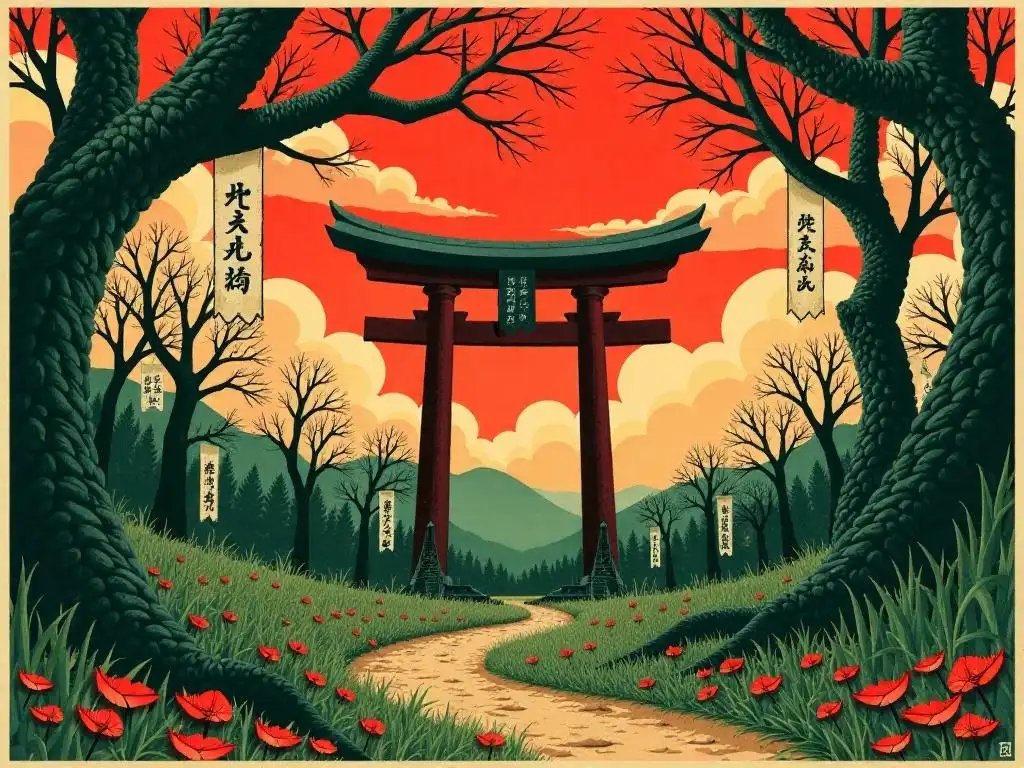
Welcome to Feudal Japan History, where we invite you to journey through the captivating narratives of Japan's feudal era. Here, you will uncover the intricate layers of historical, cultural, and societal aspects that shaped a nation. In our featured article, "The Decline of the Daimyo: Factors Leading to Their Fall in Power," we delve into the fascinating dynamics that led to the waning influence of these powerful feudal lords.
What forces conspired against their reign, and how did it reshape Japan's political landscape? Prepare to explore the untold stories and pivotal moments that marked this transformative period in history—your adventure begins now!
Introduction to the Decline of the Daimyo Power
The Decline of the Daimyo power marks a pivotal transition in Japanese history, signifying the end of an era characterized by feudal lords wielding substantial autonomy and influence over their territories. As pivotal figures in Japan's political landscape from the 12th to the 19th century, daimyo were not only military leaders but also crucial in shaping the societal and cultural frameworks of the time. This decline was not a sudden event; rather, it was a gradual process influenced by a myriad of internal and external factors.
Several key dynamics contributed to this decline, including the rise of central authority under the Tokugawa shogunate, changes in military technology, economic shifts, and social transformations. Understanding these factors provides a comprehensive insight into how the daimyo's power waned and ultimately led to the unification of Japan under a centralized government. This article will explore these elements in depth, unveiling the complexities surrounding the fall of the daimyo and their enduring legacy in the tapestry of Japanese history.
Understanding the Role of Daimyo in Feudal Japan
Daimyo were feudal lords who played a critical role in Japan's political and military systems. They were granted land and authority over specific regions, which allowed them to govern and protect their domains. The power they wielded was not merely a reflection of their wealth or land holdings; it was deeply intertwined with the loyalty of samurai warriors and the allegiance of local peasants. The following aspects highlight their significance during the feudal era:
- Military Power: Daimyo led their samurai in battle, maintaining local armies that were vital for both defense and territorial expansion. The strength of their military determined their influence and ability to resist central authority.
- Economic Authority: Control over agricultural production and trade routes allowed daimyo to amass wealth, impacting the economy of their regions. They collected taxes from peasants, which funded their military campaigns and lavish lifestyles.
- Cultural Influence: Beyond governance and military might, daimyo were patrons of the arts and culture. They sponsored literature, architecture, and the tea ceremony, contributing to the rich cultural heritage of Japan.
Despite their significant roles, the rise of the Tokugawa shogunate in the early 17th century began to alter the power dynamics, leading to a gradual decline of the daimyo’s influence. This shift set the stage for a centralized form of governance that would redefine Japan's political landscape.
- What were the main factors that led to the decline of the Daimyo power?
- How did the Tokugawa shogunate contribute to the fall of the Daimyo?
- What role did economic changes play in the decline of Daimyo influence?
- How did the social structure of Japan impact the Daimyo's decline?
- What was the significance of the Meiji Restoration in relation to the Daimyo?
Historical Context of the Daimyo Power

The Rise of Daimyo in the Feudal System
The Daimyo emerged as powerful feudal lords during Japan’s medieval period, specifically from the 12th century onwards. Their rise to power was largely driven by the political fragmentation that followed the Heian period. As the central authority weakened, various regional leaders began to assert control, leading to a decentralized political structure where local warlords, or Daimyo, became the primary rulers of their domains.
- Military Authority: The Daimyo were often powerful samurai who commanded their own armies. Their military prowess allowed them to expand their territories through conquest, consolidating power and resources.
- Land Ownership: The feudal system in Japan was heavily reliant on land ownership. Daimyo controlled vast estates, which they managed through a hierarchical structure of vassals and peasants. This economic control provided the Daimyo with the necessary funds to maintain their armies and support their political ambitions.
- Cultural Patronage: Alongside their military and economic power, Daimyo played a significant role in the cultural landscape of Japan. They became patrons of the arts, supporting the development of traditional practices such as tea ceremonies, Noh theater, and poetry. This cultural influence further solidified their status among the elite.
The rise of Daimyo was a critical factor in shaping Japan's feudal society, leading to a complex interplay between power, culture, and military might.
The Political Landscape of Feudal Japan
The political landscape of feudal Japan was characterized by a fragmented system of governance where multiple Daimyo vied for power. This environment created a dynamic yet unstable political structure, influenced by various factors:
- Shogunate Authority: The shogun, as the de facto leader of Japan, exercised considerable influence over the Daimyo. While the Daimyo had autonomy within their domains, they were required to pay allegiance to the shogunate. Over time, this relationship evolved, leading to tensions and conflicts that impacted the stability of Daimyo power.
- Internal Conflicts: The Sengoku period (1467–1603), also known as the "Warring States" period, saw numerous battles among Daimyo factions. The constant warfare not only drained resources but also resulted in the rise and fall of Daimyo, altering the balance of power within Japan.
- Foreign Influence: The arrival of European traders and missionaries in the 16th century introduced new technologies and ideas, which some Daimyo embraced to strengthen their military capabilities. However, the resulting cultural exchange also led to a clash with traditional values, contributing to the challenges faced by Daimyo authority.
These elements combined to create a volatile political environment that ultimately set the stage for the decline of the Daimyo power, as centralized authority began to reassert itself in the form of the Tokugawa shogunate. The interplay of military, economic, and cultural factors played a vital role in shaping the fate of the Daimyo during this transformative period in Japanese history.
Key Factors Contributing to the Decline of the Daimyo Power

The decline of the daimyo power during the late feudal period in Japan can be attributed to a confluence of several critical factors. Understanding these elements offers insight into how the political landscape of Japan transitioned from a feudal system dominated by regional lords to a centralized governance structure under the Tokugawa Shogunate.
Centralization of Power under the Tokugawa Shogunate
The establishment of the Tokugawa Shogunate in 1603 marked a significant turning point in Japanese history, leading to the gradual erosion of daimyo authority. The shogunate implemented a series of policies aimed at consolidating power, which fundamentally altered the dynamics of feudal governance.
The Impact of the Edo Period on Daimyo Authority
During the Edo period (1603-1868), the shogunate instituted the Sankin-kotai system, requiring daimyo to spend every other year in Edo (modern-day Tokyo). This policy served multiple purposes:
- Financial Burden: The costs associated with the daimyo's travel and the maintenance of their residences in Edo strained their finances, diverting resources away from their domains.
- Political Control: By forcing daimyo to reside in Edo, the shogunate could monitor their activities and reduce their capacity to conspire against central authority.
- Cultural Influence: The proximity to the shogunate fostered a culture of loyalty and dependence among the daimyo, as they became more integrated into the political and social life of Edo.
The outcome was a systematic weakening of the autonomous power that the daimyo had previously exercised over their territories.
Economic Changes and Their Effects on Daimyo Domains
The economic landscape of Japan underwent significant transformations during the late feudal era, impacting the power of the daimyo. These changes were largely driven by shifts in trade, agriculture, and the emergence of new economic classes.
The Shift from Agricultural to Commercial Economies
As Japan moved toward a more commercial economy, several factors contributed to the decline of the daimyo's economic power:
- Rise of Merchant Classes: The growth of a wealthy merchant class diminished the influence of the agrarian economy. Merchants began to play a crucial role in local economies, often accumulating more wealth than the daimyo themselves.
- Market Expansion: The development of urban centers and improved transportation networks facilitated trade, allowing merchants to operate independently of the daimyo's feudal structure. This shift undermined the traditional land-based wealth that had sustained the daimyo.
- Taxation Reforms: The shogunate implemented new taxation policies that centered on cash rather than rice, further eroding the economic foundation of the daimyo. As the focus shifted to monetary taxation, the daimyo found it increasingly difficult to maintain their power.
These economic changes not only weakened the daimyo's financial standing but also altered the social fabric of Japan, leading to a more stratified society where merchants gained prominence over the once-dominant warrior class.
The interplay of political centralization and economic transformation played a pivotal role in the decline of the daimyo power, setting the stage for the eventual modernization of Japan in the Meiji Restoration.
The decline of the Daimyo power in feudal Japan was significantly influenced by various social changes that fundamentally altered the structure of Japanese society. During the Edo period (1603-1868), Japan experienced a long era of peace under the Tokugawa shogunate, which led to profound transformations in social hierarchies and power dynamics. The stability of this period contributed to the erosion of the traditional influence that Daimyo held over their domains.
One of the key social changes was the shift from a warrior-centric society to a more merchant and artisan-focused one. As peace prevailed, the need for constant military readiness diminished, allowing the Samurai class to engage in commerce and other non-military pursuits. This transition not only diminished the Daimyo's military authority but also increased the economic power of merchants, who began to challenge the established social order.
Moreover, the rise of a new middle class, composed of wealthy merchants and skilled artisans, further diluted the power of the Daimyo. This burgeoning class began to influence local economies and politics, establishing a more egalitarian social structure that undermined the traditional feudal hierarchy. As the merchants gained wealth and influence, they often became patrons of cultural and artistic endeavors, shifting the focus of society away from the Daimyo and their domains.
Additionally, the increased literacy rates and education among the populace fostered a more informed citizenry. This new awareness allowed communities to question the authority of their Daimyo, leading to a decline in their traditional power and influence. As a result, the social fabric of Japan transformed, creating a landscape where the Daimyo's control was increasingly challenged.
The Rise of the Samurai Class and Its Implications
The rise of the Samurai class during the Edo period had profound implications for the decline of Daimyo power. Originally, the Samurai were vassals to the Daimyo, serving as their military enforcers and protectors. However, with the establishment of peace and the end of constant warfare, the role of the Samurai evolved dramatically.
As the Samurai transitioned from warriors to bureaucrats and land managers, their relationship with the Daimyo changed. Many Samurai found themselves increasingly reliant on the Daimyo for their livelihoods, leading to a complex web of loyalty and obligation. However, as the Samurai engaged in trade and entered the realms of commerce, they began to accumulate wealth independently, which diminished their direct dependence on the Daimyo.
This newfound economic power among the Samurai led to a gradual questioning of the traditional feudal loyalties. Samurai who were financially secure began to see themselves as equals to, or even above, their Daimyo in certain respects. This shift was further exacerbated by the Tokugawa shogunate's policies that favored merit over lineage, allowing Samurai from lower-ranked families to rise in status based on their contributions rather than their birthright.
The implications of this shift were significant. As the Samurai began to assert their autonomy, the Daimyo struggled to maintain their influence over these once-loyal retainers. This erosion of loyalty contributed to a weakening of Daimyo power, as Samurai started to form their own identities, often focusing on personal honor and economic success rather than feudal obligations. Thus, the rise of the Samurai class not only altered the dynamics of power within feudal Japan but also played a crucial role in the overall decline of the Daimyo's influence in society.
The Role of Internal Conflicts in the Decline of Daimyo Power

Internal conflicts played a pivotal role in the decline of daimyo power during Japan's feudal era. These conflicts, characterized by civil wars, factionalism, and shifting alliances, eroded the stability and control that the daimyo had over their domains. As power struggles intensified, the influence of the daimyo diminished, culminating in a significant transformation of Japan's political landscape.
Civil Wars and Their Impact on Daimyo Control
The civil wars that erupted during the late 15th and 16th centuries fundamentally altered the dynamics of power among the daimyo. Notably, the Sengoku period (1467-1615) marked a time of intense conflict, with various warlords vying for supremacy. During this period, the fragmentation of authority led to the rise of powerful regional leaders, while the traditional power of the central government waned.
The Sengoku Period: A Prelude to Decline
The Sengoku period, often referred to as the "Warring States" period, is characterized by a series of conflicts that fragmented Japan into numerous competing factions. Daimyo, seeking to expand their territories and influence, engaged in a relentless cycle of warfare. Key battles, such as the Battle of Okehazama in 1560 and the Battle of Sekigahara in 1600, showcased how military confrontations directly impacted the control and authority of the daimyo.
The incessant warfare led to:
- Resource Depletion: Continuous military campaigns drained the financial and human resources of the daimyo, leaving them vulnerable.
- Shifting Loyalties: Many samurai and vassals began to switch allegiances based on the outcome of battles, further destabilizing daimyo authority.
- Rise of New Power Dynamics: The emergence of powerful figures like Oda Nobunaga and Tokugawa Ieyasu shifted the balance of power away from traditional daimyo structures.
Factionalism among Daimyo and Its Consequences
Factionalism among the daimyo created a fragmented political landscape, where alliances were often short-lived and betrayals common. This instability accelerated the decline of their power, as conflicts among themselves hindered a unified response to external threats and challenges.
Alliances and Betrayals: A Fragile Balance of Power
The precarious nature of daimyo alliances during this period highlights the fragility of power. Alliances were frequently formed out of necessity but often unraveled due to mistrust or ambition. For example, the Hōjō clan and the Uesugi clan formed temporary alliances, only to find themselves at odds shortly thereafter.
This pattern of shifting allegiances had several consequences:
- Erosion of Trust: The constant betrayals among daimyo led to a breakdown of trust, making it difficult to form long-lasting coalitions.
- Increased Vulnerability: With their focus divided among internal conflicts, daimyo were less able to defend against external threats, including the encroachment of rival clans and the eventual rise of the Tokugawa shogunate.
- Fragmentation of Governance: As factionalism intensified, the ability of the daimyo to govern effectively diminished, leading to local unrest and a decline in loyalty among their samurai and peasants.
The internal conflicts characterized by civil wars and factionalism significantly contributed to the decline of daimyo power, setting the stage for the eventual rise of centralized authority under the Tokugawa shogunate. The intricate web of alliances and betrayals showcased the vulnerabilities of the daimyo, fundamentally altering Japan's political landscape as they transitioned from powerful feudal lords to diminished regional leaders.
External Influences Leading to the Decline of Daimyo Power
The decline of the Daimyo power during Japan's feudal era was significantly influenced by external forces that reshaped the political landscape of the nation. As Japan opened up to the world, these influences played a crucial role in dismantling the traditional structures of power held by the Daimyo.
Western Influence and the Opening of Japan
The arrival of Western powers in the 19th century marked a pivotal turning point for Japan. This interaction not only introduced new ideas and technologies but also challenged the existing political order, leading to significant changes in the power dynamics of the Daimyo.
The Arrival of Commodore Perry and Its Aftermath
In 1853, Commodore Matthew Perry of the United States arrived in Japan with a fleet of "Black Ships," demanding that Japan open its ports to American trade. This event exposed Japan's isolationist policies as outdated and unsustainable in the face of Western military and economic power. The subsequent Treaty of Kanagawa in 1854 resulted in:
- Opening of Ports: Japan was compelled to open several ports to American ships, allowing foreign trade and influence to seep into Japanese society.
- Unequal Treaties: The treaties that followed were often unequal, granting extraterritorial rights to foreigners and undermining the authority of the Daimyo.
- Increased Foreign Presence: The influx of foreign merchants and diplomats began to erode the Daimyo's control over their domains, as they were forced to accommodate Western interests.
The arrival of Perry not only accelerated Japan's opening but also ignited a sense of urgency among the Daimyo to reform and modernize, leading to internal strife and a reevaluation of their roles in a changing world.
The Meiji Restoration of 1868 was the culmination of various pressures, both internal and external, that contributed to the decline of the Daimyo's power. This period marked a radical shift from feudalism to a centralized modern state.
Transition from Feudalism to Modern Governance
The Meiji government embarked on a series of reforms aimed at modernizing Japan and consolidating power:
- Abolition of the Daimyo System: In 1871, the Daimyo were stripped of their titles and privileges, effectively dismantling the feudal structure that had governed Japan for centuries.
- Establishment of Prefectures: The traditional domains of the Daimyo were replaced by prefectures, which were directly controlled by the central government. This administrative overhaul centralized power and diminished local feudal authority.
- Conscription and National Army: The introduction of a conscription system created a national army, reducing the reliance on the samurai class and further diminishing the Daimyo's military power.
These reforms not only curtailed the political influence of the Daimyo but also facilitated Japan's rapid modernization, positioning the nation as a formidable power in the international arena. The decline of the Daimyo power was not merely a loss of authority but a transformation that set the stage for Japan's emergence as a modern state.
The Legacy of the Decline of Daimyo Power
Cultural and Historical Reflections on Daimyo Influence
The decline of daimyo power marked a significant transition in Japanese history, profoundly influencing cultural and societal aspects. The daimyo, as feudal lords, wielded considerable influence over their domains, shaping local customs, governance, and even the arts. With their diminishing power, Japan underwent a series of transformations that echoed through its culture.
- Impact on the Samurai Class:
- The samurai, once the elite warriors serving the daimyo, faced a crisis of identity as their lords lost authority. Many samurai were forced to adapt to new roles in an increasingly centralized society. This shift led to the emergence of new cultural practices, such as the bushido code being redefined in the context of peace rather than warfare.
- Transition to a Centralized Government:
- The weakening of the daimyo facilitated the rise of a more centralized government under the Tokugawa shogunate. This transition allowed for greater uniformity in governance, leading to the Edo period (1603-1868), characterized by relative peace, economic stability, and cultural flourishing.
- Cultural Renaissance:
- As political power shifted, the arts began to flourish in new ways. The decline of daimyo power coincided with a cultural renaissance, seen in the rise of Ukiyo-e (woodblock prints) and the popularity of Kabuki theater. These art forms reflected societal changes and the evolving identity of the Japanese people.
- Ideological Shifts:
- The decline also brought about significant ideological shifts. The philosophies of Confucianism gained traction, emphasizing loyalty and duty, albeit in a context that moved away from feudal allegiances. This change laid the groundwork for modern Japanese identity, shaped by new values of education and civic responsibility.
Lessons Learned from the Decline of Feudal Power Structures
The decline of daimyo power offers several key lessons regarding the sustainability of feudal systems and the dynamics of political authority:
- Adaptability is Key:
- The inability of the daimyo to adapt to changing political landscapes highlights the importance of flexibility in governance. As Japanese society transitioned towards a more centralized authority, those who could not pivot from feudal practices found themselves marginalized.
- Centralization vs. Autonomy:
- The balancing act between local autonomy and centralized control is crucial. The decline of the daimyo illustrates the tensions that can arise when local powers resist central authority. Effective governance requires a delicate equilibrium that respects local customs while enforcing broader regulations.
- Economic Foundations:
- The economic underpinnings of feudalism were deeply interconnected with the power of the daimyo. As trade routes expanded and commerce flourished, the reliance on agricultural wealth became untenable. This shifts the focus towards developing robust economic policies that can sustain power without solely depending on traditional feudal structures.
- Cultural Integration:
- The fusion of different cultural influences during the decline of the daimyo underscores the importance of cultural integration in political transitions. The acceptance of new ideas often leads to societal resilience and innovation, which are critical during periods of upheaval.
Conclusion: The End of an Era for the Daimyo in Japan
The decline of daimyo power marked the end of a significant era in Japanese history. As feudal lords lost their authority, Japan transitioned into a new political landscape that laid the groundwork for modern governance. This period not only transformed the political structure but also reshaped cultural identities and societal norms.
The legacy of the daimyo and their influence continue to resonate in contemporary Japan, serving as a reminder of the complexities of power dynamics. Understanding this decline provides valuable insights into the broader themes of political evolution, cultural adaptation, and the enduring quest for stability in governance. As Japan moves forward, the lessons learned from this historical transition remain relevant, illustrating that the past is indeed a crucial foundation for the future.
Final Thoughts on the Decline of the Daimyo Power and Its Historical Significance
The decline of the daimyo power marked a pivotal point in Japan's history, significantly influencing the political, social, and cultural landscape of the nation. This shift did not merely represent the fall of feudal lords; rather, it ushered in an era of profound transformation that laid the groundwork for modern Japan. The factors leading to this decline—ranging from economic changes to political centralization—were intertwined and complex, reflecting the dynamic nature of Japanese society during the late Edo period.
One of the most notable historical implications of the daimyo's decline was the centralization of power under the Tokugawa shogunate. As the shogunate sought to consolidate authority, the fragmentation of power among numerous feudal lords gave way to a more unified state. This transition was significant because it contributed to the establishment of a bureaucratic governance structure that would influence Japan's political framework for centuries to come. The shogunate's strategies not only curtailed the power of the daimyo but also introduced policies that promoted economic stability and cultural development, paving the way for Japan's eventual modernization.
Culturally, the decline of the daimyo power fostered a shift in societal norms and values. With the weakening of feudal allegiances, there was a gradual emergence of a merchant class that began to gain influence and wealth. This new social strata played a crucial role in the cultural renaissance of the Edo period, as commerce flourished and arts, literature, and education thrived. The decline of the daimyo also facilitated a movement towards a national identity, as the populace began to see themselves less as subjects of local lords and more as citizens of a unified Japan.
The decline of the daimyo power was not merely a loss of political influence but a catalyst for significant transformation in Japanese society. It heralded an era of centralization, economic evolution, and cultural flourishing that ultimately shaped the trajectory of Japan's future. Understanding this legacy is essential for comprehending the complexities of Japan's transition from a feudal society to a modern nation-state, and it underscores the importance of the daimyo's role in both historical and contemporary contexts. The decline of the daimyo power serves as a reminder of the fluid nature of authority and the profound impact of socio-political changes on the course of history.
Frequently Asked Questions
What were the main factors that led to the decline of the Daimyo power?
The decline of the Daimyo power was primarily due to political centralization, economic shifts, and the rise of the Tokugawa shogunate, which consolidated authority and reduced the autonomy of the Daimyo.
How did the Tokugawa shogunate contribute to the fall of the Daimyo?
The Tokugawa shogunate implemented strict policies that limited the Daimyo’s military and economic influence, including the sankin-kotai system, which required them to spend time in Edo, weakening their regional power.
What role did economic changes play in the decline of Daimyo influence?
Economic changes, such as the growth of commerce and the rise of a merchant class, diminished the Daimyo’s power, as wealth shifted from agriculture to trade, reducing their traditional sources of income.
The social structure shifted as the samurai class became less vital with the rise of a wealthier merchant class, leading to a loss of status and influence for the Daimyo, who could no longer rely solely on military power.
What was the significance of the Meiji Restoration in relation to the Daimyo?
The Meiji Restoration in 1868 marked the official end of the Daimyo's power, as it abolished the feudal system and established a centralized government, fundamentally transforming Japanese society and politics.
Final Reflection: Understanding the Decline of the Daimyo Power and Its Lasting Impact
The decline of the Daimyo power is not merely a historical phenomenon; it serves as a poignant reminder of how political structures can shift dramatically over time. As we navigate our contemporary world, the lessons from the fall of these feudal lords resonate with current discussions about authority, governance, and societal change.
The intricate web of factors that led to their decline—economic shifts, military transformations, and the rise of centralized power—reflects the fragility of power dynamics that can exist in any era. Indeed, history teaches us that no power is immune to change, and understanding these shifts is crucial for our own political awareness today.
The influence of the Daimyo's decline extends beyond mere historical interest; it has shaped the cultural and social landscape of Japan and continues to inform our understanding of leadership and authority. The transition from feudalism to a centralized government not only altered the political framework but also transformed societal norms and values. This evolution reminds us that power is not static, and the consequences of its decline can lead to profound societal shifts.
As historian John W. Hall aptly stated, "> The past is never dead. It's not even past." This quote encapsulates how the echoes of the Daimyo's fall still reverberate in modern discussions about power and governance.
As we reflect on the lessons from the decline of the Daimyo power, I invite you to consider how these historical insights can inform your own understanding of authority and responsibility in today's world. What can we learn from their rise and fall that might apply to our current leaders and institutions?
Embrace the opportunity to engage critically with the dynamics of power around you, recognizing that history is not just a record of what has been but a guide for what can be. Let us carry forward the lessons of the past, fostering a more informed and engaged society that learns from history to shape a better future.
Thank you for diving into the intriguing world of the daimyo and their decline in power! You’ve gained valuable knowledge about the historical factors that shaped feudal Japan, and now it's time to put that insight into action.
Here’s how you can further engage with this fascinating topic:
- Dive Deeper: Explore additional resources on feudal Japan to enrich your understanding. Consider reading insightful books or watching documentaries that highlight the lives and influences of the daimyo.
- Share Your Thoughts: Join the conversation! We invite you to share your perspectives on the impact of the daimyo's decline in power in the comments section below.
- Connect with History Enthusiasts: Subscribe to our newsletter to receive updates on the latest articles, discussions, and events related to feudal Japan.
What do you believe was the most significant factor in the decline of the daimyo, and how do you think it shaped Japan's future?