
Feudal Japan's Most Notorious Generals and Their Unique Tactics

Welcome to Feudal Japan History, where we delve into the captivating world of Japan’s feudal era! Prepare to embark on an exploration of the notorious generals who shaped the military landscape with their unique tactics. Discover the intricate strategies and bold maneuvers that defined battles and altered the course of history. What secrets lie behind their legendary successes? Join us as we unfold the tales of these remarkable figures and the innovative approaches that made them unforgettable. Dive deeper into the past and unravel the mysteries of Feudal Japan's Most Notorious Generals and Their Unique Tactics!
- Introduction to Feudal Japan's Notorious Generals and Their Tactics
- Key Characteristics of Notorious Generals in Feudal Japan
-
Prominent Generals of Feudal Japan and Their Unique Tactics
- Minamoto no Yoritomo: The Founder of the Kamakura Shogunate
- Takeda Shingen: The Tiger of Kai
- Uesugi Kenshin: The Dragon of Echigo
- The Use of Terrain and Psychological Warfare
- Oda Nobunaga: The Unifier of Japan
- Innovative Firearm Tactics and Battlefield Logistics
- Toyotomi Hideyoshi: The Master of Adaptation
- Analysis of Battle Tactics in Feudal Japan
- Comparison of Notorious Generals and Their Tactics
- Legacy of Feudal Japan's Generals and Their Tactics
- Conclusion: The Influence of Notorious Generals on Feudal Japan's Military History
-
Frequently Asked Questions
- What were the key tactics used by notorious generals in Feudal Japan?
- Who are considered the most notorious generals of Feudal Japan?
- How did cultural aspects influence the tactics of Feudal Japan generals?
- What role did battlefield geography play in the tactics of Feudal Japan?
- How did the tactics of Feudal Japan evolve over time?
- Final Reflection: The Enduring Legacy of Feudal Japan's Notorious Generals
- Unleash Your Inner Strategist: Dive Deeper into Feudal Japan!
Introduction to Feudal Japan's Notorious Generals and Their Tactics
The era of feudal Japan was a tumultuous period marked by power struggles, military innovation, and the rise of extraordinary leaders. This article delves into the lives and unique tactics of some of the most notorious generals of feudal Japan, who not only shaped the course of history but also left a profound impact on military strategy. As we explore their backgrounds, battle techniques, and their influence on Japanese society, we aim to shed light on how these figures navigated the complexities of warfare during a time when loyalty, honor, and prowess were paramount.
Overview of Feudal Japan's Military History
Feudal Japan, spanning from the late 12th century to the mid-19th century, was characterized by a decentralized political structure where local lords, known as daimyōs, wielded significant power. The military history of this era is defined by a series of conflicts and shifting alliances, largely influenced by the samurai class, who were not only warriors but also adherents to a strict code of conduct known as Bushido.
- Key Periods:
- Kamakura Period (1185–1333): The establishment of the first shogunate and the emergence of the samurai as a dominant military force.
- Muromachi Period (1336–1573): Marked by the rise of regional warlords and the onset of the Sengoku period, a time of constant military conflict.
- Edo Period (1603–1868): While primarily a time of peace, it saw the consolidation of power and the codification of military strategies.
The tactics employed during these times evolved dramatically as generals adapted to the changing battlefield dynamics and the introduction of new weaponry, such as firearms. Notable battles, like the Battle of Sekigahara in 1600, exemplify the complexities of strategy and the high stakes involved in feudal warfare.
Importance of Generals in Feudal Japan
Generals in feudal Japan played a crucial role in shaping not only the outcomes of battles but also the socio-political landscape of the time. Their ability to lead troops, form alliances, and devise innovative tactics directly influenced the power dynamics within Japan.
- Roles and Responsibilities:
- Commanding Forces: Generals were responsible for the training, organization, and movement of troops.
- Strategic Planning: Their skills in strategizing were essential for overcoming enemies, often involving complex maneuvers and psychological warfare.
- Political Influence: Many generals also held significant political power, leveraging military victories to enhance their standing and control over territories.
Through the examination of notorious generals like Oda Nobunaga, Toyotomi Hideyoshi, and Tokugawa Ieyasu, we can gain valuable insights into the effective methodologies that defined their campaigns and the lasting legacy they left on Japan's military traditions. Understanding their tactics not only sheds light on historical events but also provides a context for the evolution of modern military strategies.
Key Characteristics of Notorious Generals in Feudal Japan
The notorious generals of Feudal Japan are remembered not only for their military prowess but also for their distinctive characteristics that set them apart from their contemporaries. These traits often defined their leadership styles, influencing the course of battles and the fates of their clans. Understanding these key characteristics provides insight into the effective tactics they employed during their campaigns.
Leadership Qualities of Feudal Japan's Generals
Leadership in Feudal Japan required a combination of charisma, decisiveness, and adaptability. Notorious generals such as Oda Nobunaga, Toyotomi Hideyoshi, and Tokugawa Ieyasu exhibited distinctive leadership qualities that helped them unify Japan.
- Charismatic Authority: Many successful generals possessed a magnetic personality that inspired loyalty among their troops. For instance, Oda Nobunaga was known for his boldness and the ability to rally support from various factions, turning former enemies into allies.
- Decisiveness: Effective generals made quick, strategic decisions on the battlefield. During the Battle of Nagashino in 1575, Nobunaga's ability to adapt to changing circumstances was crucial in defeating the Takeda cavalry, showcasing the importance of decisiveness in battle.
- Adaptability: The ability to assess and respond to unexpected challenges was vital. Toyotomi Hideyoshi demonstrated this during the invasions of Korea (Imjin War), where he adapted his strategies based on evolving battlefield conditions.
- Diplomatic Skills: Notorious generals often engaged in diplomacy to gain advantages. Tokugawa Ieyasu's skillful alliances and negotiations were instrumental in achieving his long-term goals of unification and stability in Japan.
These leadership qualities contributed significantly to the generals' effectiveness in implementing their tactics and securing victories.
Strategic Mindsets and Tactical Innovations
The strategic mindsets of these generals were complemented by innovative tactics that reshaped warfare in Feudal Japan. Their unique approaches to battle not only reflected their individual philosophies but also influenced the broader military landscape.
- Use of Gunpowder: Generals like Oda Nobunaga were pioneers in the use of firearms on the battlefield. He famously utilized arquebuses in a coordinated volley fire during the Battle of Nagashino, which drastically changed traditional cavalry tactics and demonstrated the effectiveness of gunpowder weaponry.
- Psychological Warfare: Many notorious generals employed psychological tactics to intimidate enemies. For instance, Takeda Shingen was known to use elaborate strategies that included feigned retreats, which led opponents to underestimate his forces.
- Mobility and Maneuvering: The emphasis on mobility allowed generals to execute rapid movements, outflanking opponents. Hideyoshi’s campaigns often involved swift and unpredictable troop movements, allowing him to seize opportunities and catch adversaries off guard.
- Terrain Utilization: Understanding and utilizing the terrain was crucial for success. Generals like Ieyasu were adept at choosing battlefields that provided strategic advantages, such as high ground or defensive positions that could be fortified.
- Formation Tactics: The evolution of battlefield formations, such as the use of the "kisho" (rapid assault) formation, highlighted the tactical innovations of these generals. They effectively combined infantry, cavalry, and archers to create versatile formations that could adapt to the dynamics of combat.
The notorious generals of Feudal Japan were characterized by their exceptional leadership qualities and innovative tactical approaches. Their ability to adapt, inspire, and implement novel strategies not only defined their military successes but also left a lasting impact on Japan's military history. The legacy of these generals continues to influence military thought and strategy in contemporary contexts.
Prominent Generals of Feudal Japan and Their Unique Tactics
Minamoto no Yoritomo: The Founder of the Kamakura Shogunate
Minamoto no Yoritomo (1147-1199) is often heralded as one of the most influential figures in Japanese history, primarily due to his role in establishing the Kamakura Shogunate, Japan's first military government. His rise to power marked a significant transition from imperial rule to a feudal system dominated by warrior clans. Yoritomo's tactical genius was rooted in his ability to adapt and innovate in the face of adversity, particularly during the Genpei War (1180-1185) against the Taira clan.
Strategic Use of Alliances and Guerrilla Warfare
Yoritomo's strategy was characterized by the strategic forging of alliances with other clans, which proved essential in consolidating his power. He understood that a fragmented opposition could be defeated more easily, so he worked diligently to isolate the Taira clan.
- Coalition Building: By aligning with other minor clans and discontented samurai, Yoritomo created a network of support that significantly bolstered his military might. This coalition allowed him to assemble a diverse army, bringing together various regional strengths.
- Guerrilla Tactics: Yoritomo also employed guerrilla warfare to disrupt Taira supply lines and communication. His forces would engage in hit-and-run tactics, effectively harassing the enemy and diminishing their morale. This method was particularly effective in the rugged terrain of Japan, where large-scale battles were challenging.
- Psychological Warfare: Utilizing the element of surprise, Yoritomo's forces would often launch nighttime raids, exploiting the confusion and fear among the Taira troops. This unpredictability played a crucial role in his success during pivotal battles, such as the Battle of Dan-no-ura.
Overall, Yoritomo's unique tactics and strategic alliances not only led to his victory over the Taira but also laid the foundation for a new political order that would dominate Japan for centuries.
Takeda Shingen: The Tiger of Kai
Takeda Shingen (1521-1573) is renowned as one of Japan's most formidable generals during the Sengoku period, often referred to as the "Tiger of Kai." His leadership and military innovations made him a key player in the power struggles that defined feudal Japan. Shingen’s reputation was built on his tactical brilliance, particularly in the realm of cavalry warfare.
The Art of the "Kōsaku" and Swift Cavalry Charges
One of the hallmarks of Shingen's military tactics was his emphasis on mobility and speed, particularly through the use of cavalry. His forces were often composed of highly trained horsemen who executed rapid maneuvers on the battlefield.
- Kōsaku (“Field Maneuvers”): Shingen is credited with developing the concept of "kōsaku," which involved intricate battlefield formations that maximized the effectiveness of his cavalry. These formations allowed for quick adjustments during combat, enabling his troops to outmaneuver and encircle their enemies.
- Cavalry Charges: Shingen famously utilized the “swift cavalry charge,” a tactic that involved launching fast and aggressive assaults on enemy formations. His cavalry was trained to strike hard and retreat quickly, disorienting the enemy and creating openings for infantry to exploit. This tactic was particularly effective in battles such as the Battle of Kawanakajima.
- Use of Terrain: Shingen also had a profound understanding of terrain, often choosing battlefields that favored his cavalry's speed and maneuverability. He would position his troops strategically, taking advantage of hills and natural barriers to outflank and surprise his opponents.
Takeda Shingen's innovative tactics and mastery of cavalry warfare not only established him as a legendary general but also influenced military strategies in Japan for generations to come. His ability to adapt to different battlefield conditions and his focus on swift, decisive strikes were key to his success during the tumultuous Sengoku period.
Uesugi Kenshin: The Dragon of Echigo
Uesugi Kenshin, often referred to as the "Dragon of Echigo," is one of the most celebrated figures in the military history of feudal Japan. Born in 1530, Kenshin rose to prominence as a formidable warlord who governed the Echigo Province (modern-day Niigata Prefecture). His reputation as a general was solidified through his fierce battles against rivals such as Takeda Shingen, which have become legendary in Japan's history.
Kenshin was not only known for his martial prowess but also for his strict ethical code. He was a devout Buddhist and often reflected on the moral implications of warfare. This blend of spirituality and strategy made him a complex figure who prioritized not only victory but also the welfare of his people. His battles were characterized by tactical brilliance, often employing unconventional strategies that leveraged both his knowledge of terrain and an acute understanding of his enemies' psychology.
The Use of Terrain and Psychological Warfare
Uesugi Kenshin's mastery of terrain played a crucial role in his military successes. He often utilized the rugged landscapes of the Echigo Province, including rivers, mountains, and forests, to his advantage. This allowed him to conduct surprise attacks and ambushes, often catching his enemies off guard. His famous use of the "Kenshin's Mountain" strategy involved using high ground to gain a tactical advantage over his opponents, enabling him to control the battlefield effectively.
In addition to his adeptness at using terrain, Kenshin was a pioneer of psychological warfare. He understood the importance of morale and often employed tactics designed to intimidate his adversaries. For instance, he would send misleading messages or engage in deceptive maneuvers that created confusion and fear among enemy troops.
His reputation alone often instilled doubt and hesitation in his opponents, which would sometimes lead to victory even before the battle commenced. By combining his expertise in terrain with psychological tactics, Kenshin established himself not only as a warrior but also as a master strategist who could manipulate the battlefield to his favor.
Oda Nobunaga: The Unifier of Japan
Oda Nobunaga, born in 1534, was a pivotal figure in the unification of Japan during the late 16th century. Known for his ruthlessness and innovative thinking, Nobunaga played a crucial role in ending the Sengoku period, a time characterized by constant military conflict and social upheaval. His ambitious vision for a unified Japan drove him to adopt new military strategies that would change the landscape of warfare.
Nobunaga's leadership style was marked by a blend of aggression and pragmatism. He was not only a brilliant tactician but also a shrewd politician, forming alliances and utilizing diplomacy to further his goals. His campaigns were characterized by rapid and decisive action, often outmaneuvering his opponents and seizing key territories. Nobunaga's ability to adapt to changing circumstances on the battlefield was instrumental in his rise to power and his quest for unification.
Innovative Firearm Tactics and Battlefield Logistics
One of the most significant contributions of Oda Nobunaga to military tactics was his innovative use of firearms. During a time when traditional samurai warfare relied heavily on swords and bows, Nobunaga recognized the potential of matchlock guns, known as "tanegashima." He was among the first to effectively integrate these firearms into his army's tactics. Nobunaga's forces famously utilized a three-line formation during the Battle of Nagashino in 1575, allowing them to fire in volleys while maintaining a steady supply of ammunition and support.
Beyond firearms, Nobunaga's approach to battlefield logistics was revolutionary. He implemented systematic supply chains, ensuring that his troops were well-equipped and sustained during campaigns. This logistical efficiency allowed him to maintain prolonged campaigns and effectively mobilize his forces across Japan. Nobunaga's emphasis on organization and supply not only enhanced the effectiveness of his military but also set a precedent for future generations of Japanese leaders, shaping the way battles were fought in feudal Japan.
Through their unique tactics and strategies, both Uesugi Kenshin and Oda Nobunaga left indelible marks on the military history of feudal Japan, influencing generations of generals who followed in their footsteps.
Toyotomi Hideyoshi: The Master of Adaptation
Toyotomi Hideyoshi, one of Japan's most prominent feudal generals, is renowned for his remarkable ability to adapt to changing circumstances on the battlefield and in the political landscape. Rising from humble beginnings as the son of a peasant, Hideyoshi's ascent to power was marked by his strategic brilliance and innovative tactics. His ability to unify Japan during the late 16th century is a testament to his skill in maneuvering through complex scenarios and leveraging opportunities to his advantage.
Hideyoshi is best known for his role in the unification of Japan after a period of conflict known as the Sengoku period. His military campaigns were characterized by their flexibility and creativity, allowing him to respond effectively to different challenges. This adaptability not only made him a formidable military leader but also a shrewd political figure who understood the importance of alliances and diplomacy.
Flexible Strategies and Diplomatic Maneuvers
Hideyoshi's approach to warfare was defined by his use of flexible strategies, which often involved altering tactics based on the specific context of each battle. One of his most notable tactics was the use of deception. For instance, during the Siege of Takamatsu in 1582, Hideyoshi's forces constructed fake camps to create the illusion of a larger army, successfully intimidating the enemy into surrendering without a fight.
Moreover, Hideyoshi was adept at forming alliances through diplomatic maneuvers. Understanding that military strength alone was insufficient for long-term success, he engaged in negotiations and alliances with various daimyōs (feudal lords). His famous "kiki" or "crisis strategy" involved forging temporary coalitions to isolate his adversaries and weaken their power. This was particularly evident during the campaigns against rival clans, where he would often offer incentives to potential allies, ensuring he had a network of support that bolstered his military efforts.
In addition to his battlefield tactics, Hideyoshi implemented significant administrative reforms that improved the efficiency of his armies. By standardizing military practices and ensuring the loyalty of his troops through generous rewards and titles, he created a well-organized military apparatus that could be mobilized quickly in times of conflict.
Through a combination of flexible battlefield tactics and astute diplomatic efforts, Toyotomi Hideyoshi not only secured his position as one of the most notorious generals in feudal Japan but also laid the groundwork for a more unified and stable Japan that would influence its future for centuries to come. His legacy is a powerful reminder of the importance of adaptability in both military and political arenas.
Analysis of Battle Tactics in Feudal Japan
The feudal era of Japan, spanning from the late 12th century to the mid-19th century, was marked by a series of military conflicts that shaped the nation’s history and culture. The notorious generals of this period developed and implemented unique battle tactics that not only influenced the outcomes of specific battles but also left a lasting impact on the evolution of warfare in Japan. Understanding these tactics requires an analysis of the military strategies employed during this era, including the different phases of conflict, the influence of geography, and the socio-political landscape of feudal Japan.
Evolution of Military Tactics Throughout the Era
Throughout the feudal period, military tactics in Japan evolved significantly due to technological advancements, changes in warfare philosophy, and the shifting dynamics of power among the samurai clans.
- Early Tactics and the Rise of Cavalry:
- Initially, battles were characterized by large formations of infantry, often using traditional weapons such as bows and spears. However, as the importance of mobility became apparent, cavalry units began to play a more crucial role.
- The introduction of the katana, a curved sword designed for quick slashing, transformed close combat, allowing for swift and decisive strikes.
- The Use of Archery:
- Archery was a dominant tactic early in the feudal period, with skilled archers positioned to rain arrows upon enemy ranks before melee combat ensued.
- Notable generals, such as Minamoto no Yoritomo, effectively utilized archers in ambush tactics, taking advantage of terrain to surprise opponents.
- Siege Warfare Innovations:
- The proliferation of fortified castles during the Sengoku period brought about unique siege tactics. Generals like Oda Nobunaga employed innovative strategies, including the use of gunpowder weapons, to breach castle defenses.
- Techniques such as surrounding castles, cutting off supply lines, and psychological warfare became prevalent, showcasing a shift toward more strategic approaches in warfare.
- The Influence of Firearms:
- The introduction of firearms by Portuguese traders in the 16th century dramatically altered battle tactics.
- Generals like Takeda Shingen adapted their strategies to incorporate musketeers into their formations, demonstrating the integration of new technology with traditional samurai tactics.
- Naval Warfare and Coastal Strategies:
- Naval engagements also became significant, particularly for clans like the Wokou pirates. Their tactics included rapid assaults and the use of smaller, more maneuverable ships to outflank larger vessels.
- The strategic importance of controlling maritime routes led to the development of unique tactics that combined land and sea forces.
The Role of Samurai Culture in Shaping Tactics
The samurai culture was integral to the development of battle tactics during the feudal era. This warrior class, bound by a strict code of honor known as Bushido, influenced both the ethical and practical aspects of warfare.
- Bushido and Tactical Decision-Making:
- The principles of Bushido emphasized honor, loyalty, and bravery, which directly affected how battles were fought. Generals often made tactical decisions based not only on strategic advantage but also on maintaining their honor and that of their clan.
- The concept of “killing the enemy” was often balanced with the desire to capture opponents alive for ransom or to gain prestige.
- Individual Combat and Duel Tactics:
- Samurai were trained in individual combat skills, leading to a focus on one-on-one duels during battles. This emphasis on personal valor influenced tactics, as leaders often sought to engage in direct combat to demonstrate their prowess.
- Notorious generals like Miyamoto Musashi exemplified this with their unique fighting styles, which were rooted in the philosophy of strategic deception and adaptability.
- Clan Loyalty and Strategic Alliances:
- The feudal structure fostered a system of alliances and rivalries among clans, which affected military tactics. Generals had to navigate complex political landscapes, often forming alliances that altered their tactical approaches.
- The shifting loyalties among clans led to instances of betrayal and unexpected tactics, as seen in the Battle of Sekigahara, where strategic alliances played a crucial role in the outcome.
- Cultural Practices and Rituals:
- Certain cultural practices, such as the tea ceremony and calligraphy, were integrated into the samurai ethos and influenced their mindset during warfare. These rituals promoted discipline and focus, which were essential in the heat of battle.
- The samurai’s commitment to continuous training and self-improvement ensured that tactical innovations were always being developed and refined.
The analysis of battle tactics in feudal Japan reveals a complex interplay between evolving military strategies and the unique cultural influences of the samurai. The notorious generals of this era not only adapted to the changing landscape of warfare but also shaped it through their innovative tactics, reflecting the rich historical tapestry of Japan's feudal past.
Comparison of Notorious Generals and Their Tactics
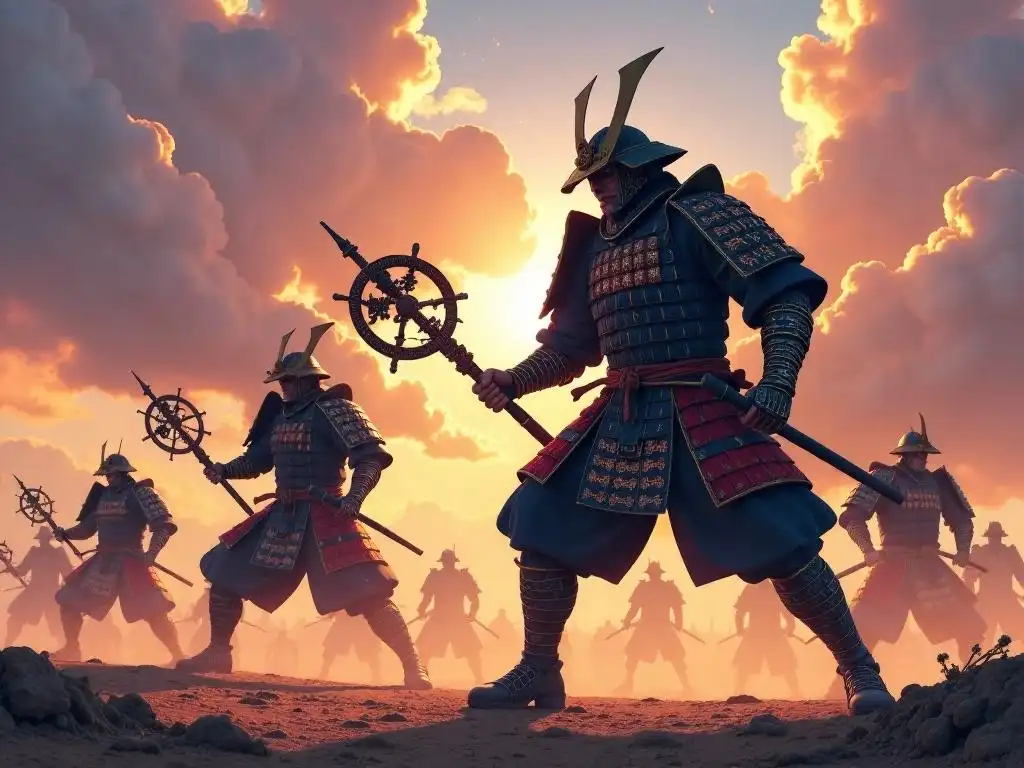
The feudal era of Japan was characterized by a multitude of influential generals, each with their own distinctive tactics that shaped the outcomes of countless battles. This section delves into a comparative analysis of some of the most notorious generals from this period, highlighting their individual strategies and the contexts in which they thrived. The tactics employed not only reflect their personal brilliance but also the prevailing conditions of their time, including political landscapes and societal norms.
Tactical Approaches: Offensive vs. Defensive Strategies
In the realm of military tactics during feudal Japan, generals often devised strategies that could be broadly classified into offensive and defensive approaches. Each tactic served a specific purpose depending on the circumstances of the battlefield and the objectives at hand.
- Offensive Strategies:
- Aggressive Maneuvering: Generals like Oda Nobunaga epitomized offensive tactics with rapid and aggressive maneuvers. Nobunaga’s famous use of the "kamikaze" or "divine wind" strategy aimed to surprise and overwhelm his opponents before they could properly mobilize. For instance, during the Battle of Okehazama in 1560, Nobunaga's forces, vastly outnumbered, launched a surprise attack on the encampment of the Imagawa clan, resulting in a decisive victory.
- Psychological Warfare: Some generals, such as Takeda Shingen, employed psychological tactics to intimidate enemies. Shingen was known for his fierce cavalry charges and the use of deceptive maneuvers to instill fear, often leading to the enemy’s premature withdrawal.
- Defensive Strategies:
- Fortification and Terrain Utilization: Defensive tactics were equally critical, especially for generals like Uesugi Kenshin. Kenshin often employed natural terrain to his advantage, using rivers and mountains to create formidable defenses. The Battle of Kawanakajima exemplifies this, where Kenshin's troops utilized the mountainous landscape to outmaneuver Takeda's forces.
- Attrition Warfare: Defensive strategies also included attrition, where generals like Tokugawa Ieyasu would engage in prolonged conflicts, wearing down the enemy over time. Ieyasu’s approach at the Battle of Sekigahara in 1600 showcased his ability to outlast adversaries through strategic positioning and waiting for the right moment to strike.
Influence of Geography on Tactical Decisions
Geography played a pivotal role in shaping the tactical decisions of notorious generals throughout feudal Japan. The diverse terrain, including mountains, rivers, and plains, dictated not only the strategies employed but also the outcomes of battles.
- Mountainous Regions:
- The rugged topography of regions such as Shinano and the Japanese Alps provided natural fortifications. Generals like Uesugi Kenshin thrived in such terrain, utilizing the high ground to execute flanking maneuvers and ambushes, effectively leveraging the landscape to dominate battlefield engagements.
- Rivers and Waterways:
- Rivers often served as both barriers and strategic advantages. Generals like Takeda Shingen would exploit rivers to slow enemy advances, while simultaneously using them as routes for their own surprise attacks. The movement of troops across rivers required careful planning and timing, as seen in the battles around the Kiso River, which often influenced troop movements significantly.
- Urban Warfare:
- The rise of castle towns during this period also dictated strategies. Generals such as Oda Nobunaga utilized urban settings to their advantage, converting cities into strongholds capable of withstanding sieges. The tactical decisions made during the Siege of Inabayama Castle highlighted how urban environments could be transformed into formidable defensive positions, allowing for prolonged resistance against larger forces.
The notorious generals of feudal Japan employed a variety of tactics that were heavily influenced by both their strategic preferences and the geographical context in which they operated. Understanding these elements provides valuable insight into the military history of this era, illustrating the complexity and ingenuity involved in warfare during feudal Japan.
Legacy of Feudal Japan's Generals and Their Tactics
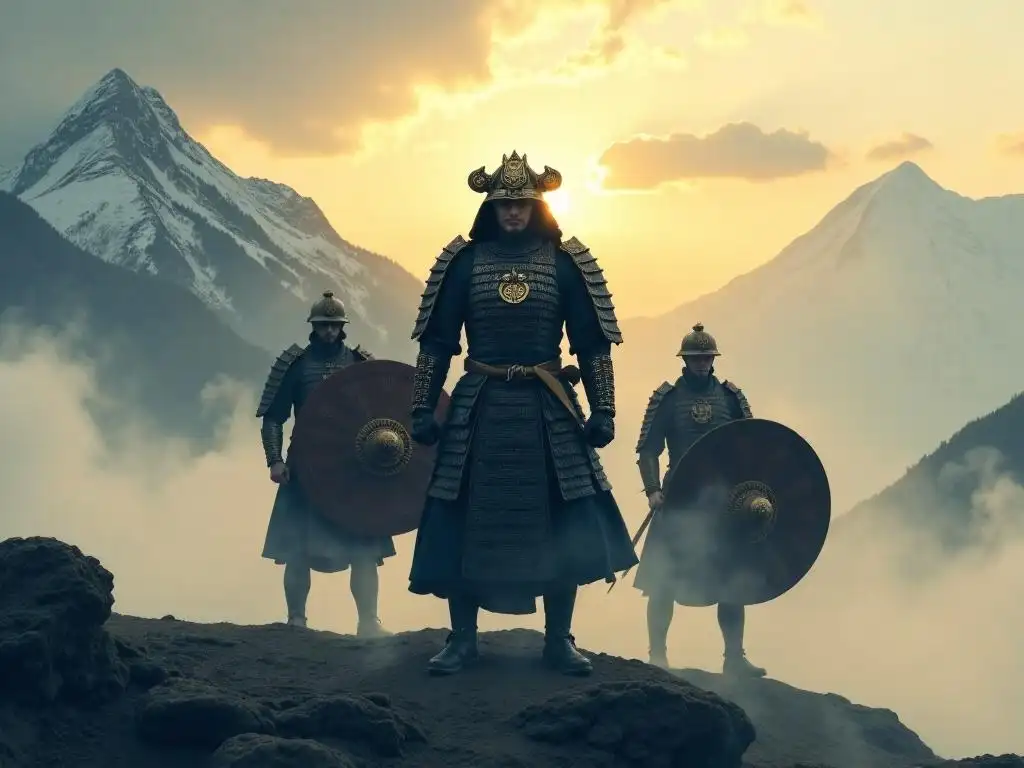
The legacy of feudal Japan's generals is deeply woven into the fabric of Japanese history, shaping military strategies and national identity. From the samurai's code of honor to the intricate battle tactics employed, these figures have left an indelible mark on both historical narratives and contemporary military practices.
One of the most significant aspects of this legacy is the development of unique tactics that emphasized strategy over brute force. Generals like Oda Nobunaga and Toyotomi Hideyoshi utilized innovative approaches, such as the use of firearms in battle and the establishment of supply lines, which transformed traditional warfare. Their techniques are studied in military academies today, illustrating how historical tactics can influence modern strategic thought.
Lasting Impacts on Modern Japanese Warfare
The tactics honed during the feudal era have not only influenced historical battles but have also provided frameworks for modern Japanese military strategies. The principles of flexibility, deception, and surprise, which were hallmark strategies of generals like Minamoto no Yoritomo and Takeda Shingen, are still relevant in today’s military doctrines.
- Integration of Technology: The feudal generals were adept at integrating new technologies into their strategies. For instance, Nobunaga's early adoption of muskets reshaped battlefield dynamics. Today, Japan continues to innovate, utilizing advanced technology in its Self-Defense Forces.
- Asymmetrical Warfare: Many generals employed tactics that emphasized asymmetrical approaches, often exploiting the weaknesses of larger forces. This concept remains critical in modern military strategy, where smaller, agile units can effectively counter larger adversaries.
- Psychological Warfare: The use of psychological tactics to demoralize the enemy was prevalent. Hideyoshi, for instance, was known for his deceptive maneuvers. This psychological aspect continues to play a role in contemporary military engagements, where undermining the enemy's morale can lead to victory.
The rich tapestry of feudal tactics serves as a foundation for not only military training but also strategic planning in various fields, reinforcing the relevance of historical study in understanding modern defense operations.
Cultural Representations of Generals in Literature and Media
The portrayal of feudal Japan's generals in literature and media has significantly contributed to their legacy, inspiring a cultural reverence for these figures. Works of fiction, historical texts, films, and anime often dramatize their lives, emphasizing their tactics and philosophies.
- Historical Novels: Authors like Yoshikawa Eiji, through works such as Musashi, explore the lives of samurai and generals, capturing their strategic brilliance and ethical dilemmas. These narratives often highlight the tactical innovations that defined their careers, offering insights into their decision-making processes.
- Film and Television: Movies such as The Last Samurai and series like Shogun bring feudal generals to life, showcasing their martial prowess and strategic acumen. These portrayals often blend historical fact with fiction, allowing audiences to engage with the complexities of their tactics.
- Video Games: Video games such as Total War: Shogun 2 allow players to experience the tactical challenges faced by these generals. Players often employ strategies reflective of the historical figures’ methodologies, providing a dynamic way to understand their legacy.
Through these cultural representations, the tactics and stories of feudal Japan's notorious generals continue to captivate audiences, ensuring that their influence endures in both military thought and popular culture. The interplay between history and modern media not only educates but also inspires future generations to explore the rich heritage of feudal Japan.
Conclusion: The Influence of Notorious Generals on Feudal Japan's Military History
Summary of Key Tactics and Their Historical Significance
The notorious generals of Feudal Japan, such as Oda Nobunaga, Toyotomi Hideyoshi, and Tokugawa Ieyasu, employed unique and innovative tactics that not only changed the course of battles but also shaped the military landscape of their time. These tactics were often a reflection of their strategic foresight and adaptability in the face of evolving warfare conditions.
- Psychological Warfare:
- Generals like Nobunaga utilized psychological tactics to instill fear in their enemies. This included the use of surprise attacks and the display of overwhelming force, which often led to demoralization before battles even commenced.
- Innovative Use of Firearms:
- The introduction of matchlock rifles during the late 16th century revolutionized combat. Nobunaga was among the first to effectively integrate firearms into traditional samurai warfare, employing them in mass formations that increased the lethality of his forces.
- Flexible Command Structures:
- Hideyoshi demonstrated remarkable skill in creating a flexible command structure that allowed for rapid decision-making on the battlefield. This adaptability was crucial during the Siege of Odawara, where he effectively coordinated multiple troops to besiege the Hojo clan.
- Logistics and Supply Chain Management:
- The importance of logistics cannot be overstated. Generals like Ieyasu focused on securing supply lines and maintaining morale among troops, which proved essential for sustaining prolonged campaigns, such as during the Battle of Sekigahara.
- Terrain Utilization:
- Effective generals understood the significance of terrain in battle. For instance, Ieyasu’s use of natural barriers and elevation during engagements gave him a tactical advantage, allowing his forces to outmaneuver larger armies.
These tactics not only contributed to the individual successes of these generals but also laid the groundwork for the centralized authority that emerged in Japan afterward.
Final Thoughts on the Tactical Genius of Feudal Japan's Generals
The tactical genius of Feudal Japan's notorious generals remains a cornerstone of military history, illustrating how innovative strategies can overturn the course of conflicts. Their ability to adapt to changing circumstances, leverage psychological factors, and employ new technologies underscores the dynamic nature of warfare during this era.
As we reflect on their contributions, it is clear that these generals were not merely warriors but also master strategists who understood the complexities of human psychology, logistics, and environmental factors. Their legacies continue to influence military strategy and thought, highlighting the timeless nature of their tactical innovations.
The notorious generals of Feudal Japan exemplify how individual brilliance in tactics can lead to historical transformations. Their stories serve as enduring examples of strategic creativity and military leadership in one of history's most fascinating periods.
Frequently Asked Questions
What were the key tactics used by notorious generals in Feudal Japan?
Notorious generals in Feudal Japan employed various strategic maneuvers, such as ambushes, flanking, and psychological warfare to gain the upper hand in battles.
Who are considered the most notorious generals of Feudal Japan?
Some of the most notorious generals include Oda Nobunaga, Toyotomi Hideyoshi, and Tokugawa Ieyasu, each known for their unique tactics and significant influence on Japanese history.
How did cultural aspects influence the tactics of Feudal Japan generals?
Cultural beliefs and values, such as samurai honor and loyalty, significantly shaped the tactics used by generals, emphasizing the importance of strategy alongside bravery in warfare.
What role did battlefield geography play in the tactics of Feudal Japan?
Generals often used geography to their advantage, employing the natural landscape for tactical positioning, such as using mountains for defense or rivers to create barriers against enemy advances.
How did the tactics of Feudal Japan evolve over time?
As warfare progressed, tactics evolved from traditional samurai combat to more innovative strategies, incorporating gunpowder and cannons, reflecting changes in technology and military organization.
Final Reflection: The Enduring Legacy of Feudal Japan's Notorious Generals
The tactics employed by the notorious generals of Feudal Japan resonate profoundly in today's strategic thinking and leadership. Their ability to adapt, innovate, and lead in the face of adversity speaks to the timeless nature of military strategy and the human spirit. In a world where challenges are ever-evolving, the lessons drawn from these historical figures remind us that effective leadership often hinges on the ability to think critically and act decisively.
Cultural narratives surrounding these generals continue to shape our understanding of strategy and warfare. Their unique approaches not only defined the outcomes of battles but also influenced the very fabric of Japanese society. As we reflect on their legacies, we can appreciate the words of Sun Tzu: In the midst of chaos, there is also opportunity.
This notion underscores the importance of seizing moments of uncertainty, a lesson that extends beyond the battlefield into our personal and professional lives.
As we consider the impact of these notorious generals and their tactics, I invite you to reflect on your own experiences with leadership and strategy. How can you apply the lessons learned from these historical figures to navigate the complexities of your own life?
Embrace the challenge of adapting to change, and let the stories of these remarkable leaders inspire you to forge your own path with courage and ingenuity. The legacy of Feudal Japan's generals is not just a chapter in history; it is a call to action for all of us to become strategic thinkers in our own right.
Unleash Your Inner Strategist: Dive Deeper into Feudal Japan!
Thank you for exploring the incredible world of Feudal Japan's most notorious generals with us! We hope you’ve gained valuable insights into the unique tactics that shaped their legendary legacies. Now, it’s time to embrace your inner strategist and take action!
Here are some steps you can take to further immerse yourself in this fascinating history:
- Explore a New Perspective: Delve into the life and tactics of a specific general to understand how they overcame challenges and what modern strategies we can learn from their experiences.
- Engage with the Community: Share your thoughts or insights about these generals in our comments section! Your perspective could spark engaging discussions with fellow history enthusiasts.
- Create Your Own Strategy: Draft a battle plan inspired by your favorite general’s tactics—consider how you would tackle a contemporary challenge using their strategies.
What unique lesson from these generals resonates with you, and how will you apply it to your own life?