
The Evolution of Family Units: Changes in Structure Throughout the Feudal Era

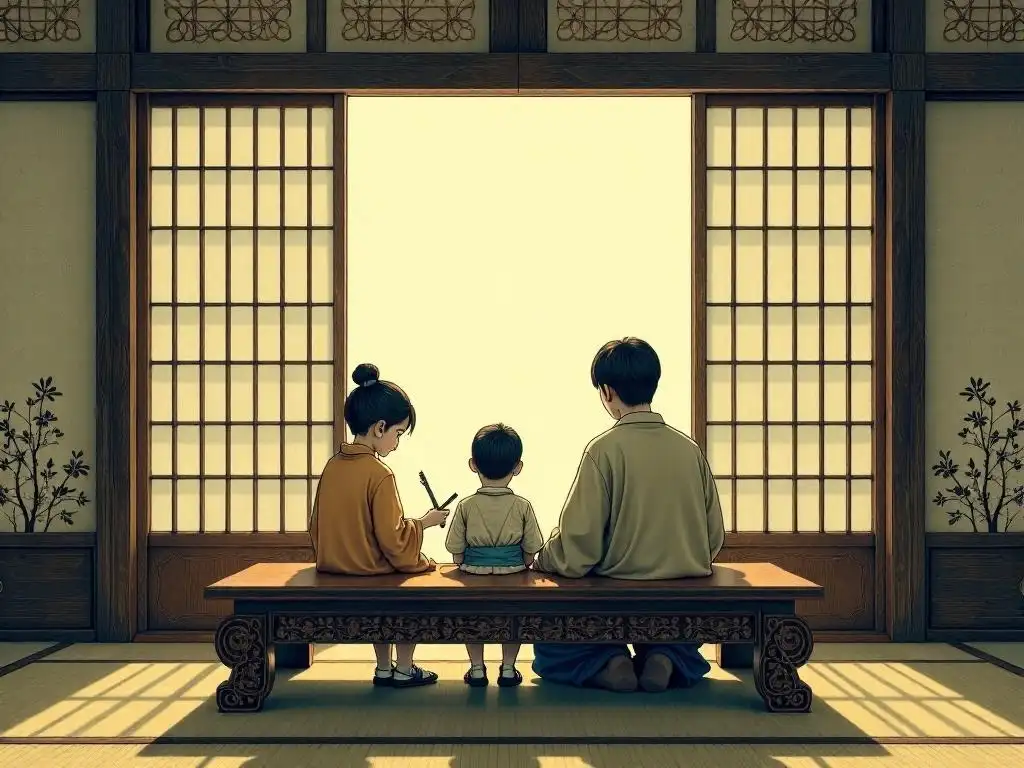
Welcome to Feudal Japan History, where the rich tapestry of Japan’s past unfolds before you. Dive into our latest article, “The Evolution of Family Units: Changes in Structure Throughout the Feudal Era,” and discover how the intricate feudal Japan family structure shaped societal norms and cultural practices. What roles did loyalty and hierarchy play within these families?
As you explore the complexities of daily life in this fascinating era, prepare to uncover insights that will challenge your understanding of familial bonds in feudal Japan. Join us on this journey through time and let the stories of the past captivate your imagination!
The family unit in feudal Japan underwent significant transformations as the socio-political landscape evolved, reflecting broader changes in power dynamics, economic conditions, and cultural practices. Understanding the feudal Japan family structure not only sheds light on the intimate aspects of daily life during this era but also provides essential insights into the societal hierarchies and values that governed relationships and responsibilities.
From the noble clans to the peasant households, each family unit played a pivotal role in the maintenance of feudal order, and their evolution mirrors the complexities of a society in flux. This article delves into the various stages of family structure throughout the feudal era, highlighting key shifts and their implications on both familial and societal levels.
The Early Feudal Family Structure
The early feudal period, characterized by the rise of powerful clans and the establishment of the samurai class, saw family units primarily organized around patriarchal authority. The ie (家), or household, functioned as a crucial economic and social unit, with the head of the family—usually the oldest male—making decisions that affected all members.
- Key Features of Early Family Units:
- Patriarchal Leadership: Authority rested with the eldest male, who was responsible for the family's honor and welfare.
- Extended Families: Households often included multiple generations, fostering a collective identity and shared responsibilities.
- Marriage Alliances: Strategic marriages were commonly used to strengthen ties between clans and secure power.
The Influence of Samurai Culture on Family Dynamics
As the samurai class rose to prominence during the Kamakura and Muromachi periods, the structure of family units began to reflect the values and expectations of this warrior elite. The samurai family unit became a microcosm of the broader feudal system, emphasizing loyalty, honor, and duty.
- Characteristics of Samurai Family Structure:
- Emphasis on Honor: Family reputation was paramount, influencing the actions and decisions of all members.
- Role of Women: While often relegated to domestic spheres, women from samurai families were crucial in maintaining household stability and managing family affairs.
- Adoption Practices: The adoption of heirs became a common practice to ensure the continuity of family lines, especially when biological heirs were not available.
Changes in Family Structure During the Edo Period
With the establishment of the Tokugawa shogunate, Japan experienced a period of relative peace and stability known as the Edo period. This era brought about significant changes to family structures, particularly among the merchant and farming classes.
- New Family Dynamics:
- Nuclear Families: The growing urbanization led to the rise of nuclear family units, as younger generations sought independence.
- Economic Shifts: Increased commerce allowed for greater financial independence within families, changing traditional roles and hierarchies.
- Cultural Influences: The arts and literature of the time began to reflect and question familial roles, leading to evolving perceptions of marriage and parenthood.
Conclusion: The Legacy of Feudal Family Structures
The evolution of family units throughout the feudal era in Japan illustrates a complex interplay between socio-political changes and cultural practices. The various structures that emerged not only shaped the daily lives of individuals but also laid the groundwork for modern Japanese family dynamics. Understanding these transformations provides crucial insight into the historical context of family life and societal organization in Japan.
By examining the feudal Japan family structure, we can appreciate the intricate tapestry of relationships and responsibilities that defined this pivotal period in history.
- The Early Feudal Family Structure
- The Influence of Samurai Culture on Family Dynamics
- Changes in Family Structure During the Edo Period
- Conclusion: The Legacy of Feudal Family Structures
Introduction to Feudal Japan Family Structure
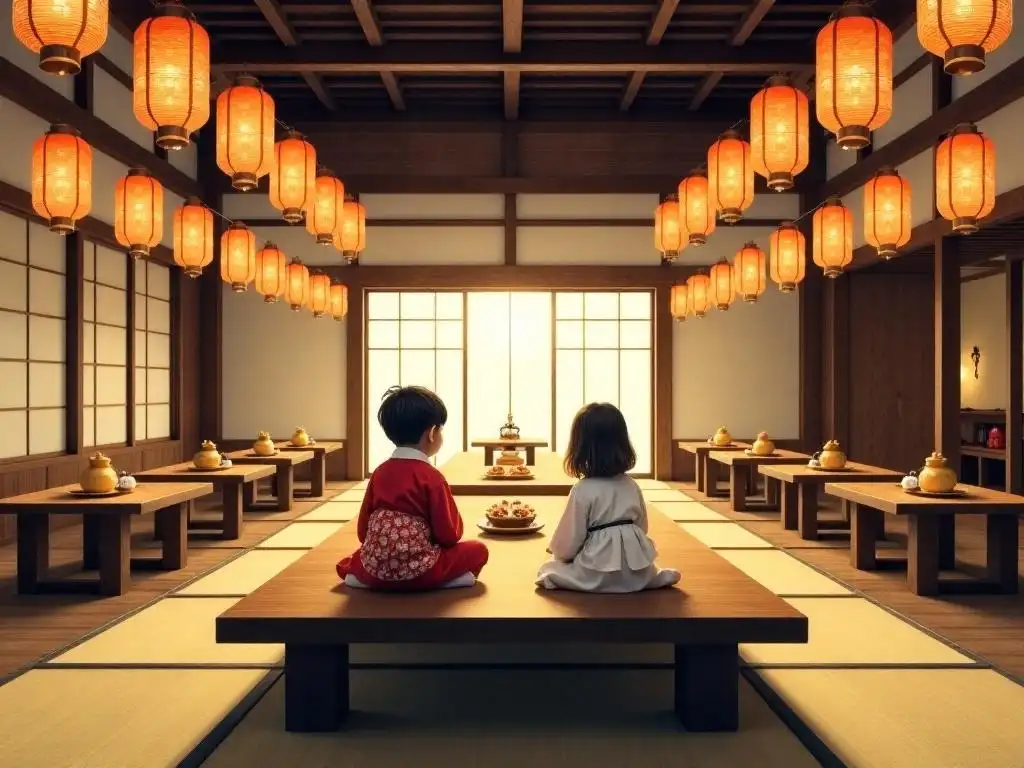
The family structure in feudal Japan was intricately tied to the societal hierarchy and cultural norms of the time. This era, spanning from the late 12th century to the mid-19th century, witnessed significant transformations in family dynamics, roles, and responsibilities. Understanding the feudal Japan family structure reveals much about the values and social organization of the period.
In feudal Japan, families were not merely units of personal relationships but were deeply embedded in the socio-political fabric of the time. Family lineage, loyalty to the clan, and adherence to social roles dictated the status and function of each member. As such, the evolution of family units during this era reflects broader historical changes, including shifts in governance, economic developments, and cultural exchanges.
Overview of Family Dynamics in Feudal Japan
Family dynamics in feudal Japan were characterized by a patriarchal structure, where authority was typically vested in the eldest male, often referred to as the oya (parent). This hierarchical model established clear roles and responsibilities within the household, including:
- Patrilineal Descent: Inheritance and family name were passed down through the male line. This system ensured the continuity of family power and land ownership.
- Roles of Women: Women primarily managed the household and were responsible for child-rearing. Their contributions, while crucial, were often undervalued in terms of social status. The nyōbō (wife) played a supporting role, with her worth measured by her ability to bear sons.
- Extended Families: Households often included extended family members, such as grandparents, uncles, and aunts, contributing to a larger family network. This structure provided mutual support and reinforced family bonds.
Example of Family Structure
An example of a typical family unit in feudal Japan can be found in the samurai class. A samurai household often comprised:
- The Samurai: The head of the family, responsible for military duties and maintaining the family honor.
- The Wife: Managed the home, raised children, and sometimes assisted in the family business.
- Children: Sons were groomed to inherit their father's role, while daughters were often married off to strengthen alliances with other families.
Importance of Family Units in Japanese Society
Family units in feudal Japan were foundational to the social order, acting as the primary means of transmitting cultural values and social norms. Their importance can be highlighted through various aspects:
- Cultural Transmission: Families were responsible for instilling values such as loyalty, respect, and duty, which were integral to samurai ethics and Japanese society as a whole.
- Economic Function: Families operated as economic units. Agricultural families worked together to manage land and produce goods, while merchant families engaged in trade, with each member contributing to the family's economic survival.
- Political Alliances: Marriages were often strategic, serving to strengthen alliances between clans and enhance power dynamics. The family unit played a crucial role in maintaining and expanding influence within the feudal system.
- Social Stability: The family structure provided a sense of security and stability in a society often marked by conflict and change. It created a support network that could withstand external pressures, such as warfare or economic hardship.
The feudal Japan family structure was a complex and vital aspect of life during this era. It shaped not only individual identities but also the broader societal framework, influencing everything from governance to cultural practices. As such, understanding these family dynamics is essential for a comprehensive exploration of Japan's feudal era.
Historical Context of Family Structures in Feudal Japan
In feudal Japan, family structures were deeply influenced by the socio-political landscape, cultural norms, and economic activities of the time. The concept of the family unit during this period was not just a personal or domestic matter; it was intrinsically linked to the broader societal framework. Governance, land ownership, and social hierarchies all played a pivotal role in shaping family dynamics.
The feudal system, characterized by a hierarchy of lords, vassals, and peasants, created distinct family roles and responsibilities. Families served as fundamental units of labor and loyalty, often aligning themselves with a particular clan or lord. The hierarchical nature of society extended into the family, where lineage and inheritance were paramount, often dictating social status and wealth.
Cultural practices, such as ancestor worship and the veneration of family lineage, further cemented the importance of family in feudal Japan. In this context, the family was not merely a living arrangement but a critical institution that ensured the continuity of social order and cultural practices.
The Role of the Samurai Class in Shaping Family Structures
The samurai class played a crucial role in defining the family structures of feudal Japan. As the ruling warrior class, samurai families were often centralized around the notion of loyalty, honor, and martial prowess. The bushido code, which emphasized virtues such as loyalty and bravery, influenced not only the samurai’s conduct but also that of their families.
- Patriarchal Authority: In samurai households, the father typically held absolute authority. The eldest son was expected to inherit the family estate, thus reinforcing the importance of male lineage. This led to a strong emphasis on producing male heirs, often resulting in multiple marriages (concubines) to secure succession.
- Family Clans: Samurai families often operated as clans, with extended family members playing specific roles within the household. Marriages were frequently arranged to strengthen alliances with other clans, demonstrating how family structures were intertwined with political strategies.
- Education and Training: Sons of samurai families received rigorous education and training in martial arts, literature, and philosophy. This educational focus was designed to prepare them not only for military service but also for leadership roles within their families and communities.
The samurai’s influence extended beyond their immediate households, impacting the societal perception of family structures throughout Japan. Their emphasis on loyalty and duty became central themes in the broader cultural narrative.
Influence of Agricultural Society on Family Dynamics
Agricultural society significantly influenced family dynamics in feudal Japan, where the majority of the population was engaged in farming. The agrarian economy necessitated a cooperative family structure, where each member had specific roles to play in ensuring the success of the household.
- Collective Labor: Families worked collectively in the fields, with tasks divided by age and gender. Men typically focused on heavier labor, while women managed domestic tasks and assisted in agricultural duties. This division of labor reinforced traditional gender roles within the family.
- Land Ownership and Inheritance: Land was a critical asset in feudal Japan, and family units often worked on ancestral lands passed down through generations. The practice of primogeniture (inheritance by the eldest son) was common, which often led to conflicts among siblings and necessitated careful management of resources.
- Community Ties: Families frequently engaged with neighboring households, forming tight-knit communities that supported each other through festivals, rituals, and shared agricultural practices. This communal aspect of family life not only strengthened bonds within the family but also established a network of social support.
The agricultural backdrop created a family structure that was not only focused on survival but also on community cohesion, shaping the social fabric of feudal Japan.
Changes in Family Units from Heian to Edo Periods
The evolution of family units in Japan from the Heian (794-1185) to the Edo (1603-1868) periods reflects broader societal changes and shifts in cultural values.
- Heian Period: During this time, the noble families emphasized patrilineal descent and courtly culture. The family structure was characterized by extended family units where maternal influences were significant, particularly in the upbringing of children. Women often wielded considerable power within the household, managing finances and household affairs.
- Kamakura and Muromachi Periods: As the samurai class rose to prominence, family structures began to shift. The focus on military prowess and the establishment of warrior families led to a more rigid patriarchal framework. Marriages were strategic, aimed at fostering alliances, and women’s roles became more confined to domestic spheres.
- Edo Period: The Edo period solidified the changes initiated in earlier periods, with a more defined nuclear family structure emerging. The rise of the merchant class also introduced economic shifts, leading to increased mobility and changes in family dynamics. The nuclear family became more common, with a focus on self-sustaining units, as urbanization drew families into towns and cities.
The transition from the Heian to the Edo period illustrates how external forces, such as warfare, economic change, and social mobility, influenced the evolution of family units, creating a complex tapestry of family structures in feudal Japan.
The feudal Japan family structure was a dynamic and evolving entity, shaped by various factors including class, agriculture, and historical context. Understanding these elements is crucial for comprehending the intricate web of relationships that defined daily life in this era.
Hierarchical Structure of Feudal Japanese Families
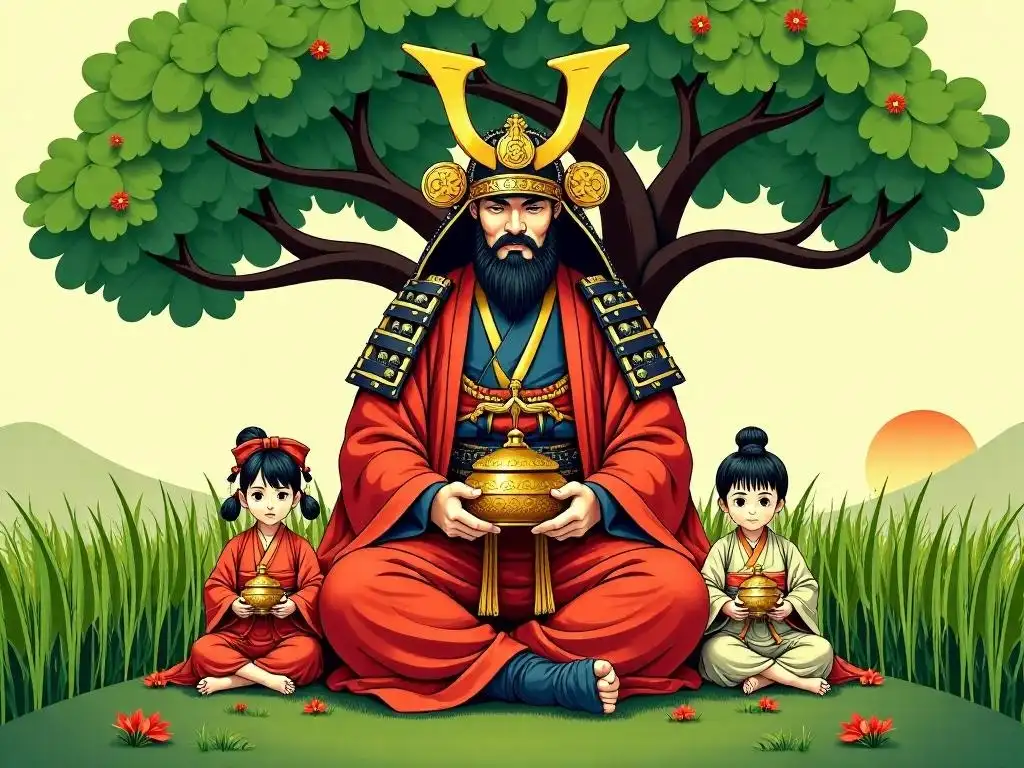
The family structure during feudal Japan was inherently hierarchical, reflecting the broader societal organization of samurai, farmers, artisans, and merchants. At the core of this structure was the importance of lineage and the preservation of family honor, which played a significant role in defining relationships and responsibilities within the family unit.
The Patriarchal System in Feudal Japan
In feudal Japan, the family unit was predominantly patriarchal, meaning that authority and lineage were traced through the male line. The head of the family, often referred to as the “ie” (家), held significant power over family decisions, financial matters, and the social standing of the family. This patriarch was typically the oldest male, such as the father or grandfather, whose role was not only to guide the family but also to ensure its prosperity and reputation within the community.
- Responsibilities of the Patriarch:
- Decision-Making: The patriarch made crucial decisions regarding marriage, property, and business.
- Discipline: He enforced family rules and traditions, ensuring adherence to societal norms.
- Representation: The patriarch often represented the family in community affairs, enhancing its social standing and influence.
The patriarchal system was reinforced by cultural practices and legal frameworks such as the “shinto” beliefs that emphasized male authority and ancestral worship. This system resulted in a strict hierarchy, not only within the family but also in relation to external societal structures.
Roles of Men and Women in Family Units
The roles of men and women in feudal Japan were clearly defined and deeply rooted in societal expectations. Men were primarily responsible for external affairs, while women’s roles were typically focused on the domestic sphere.
- Men’s Roles:
- Providers: Men worked as farmers, samurai, or merchants, depending on their social class, to provide for the family.
- Protectors: Especially for samurai families, men were expected to defend their honor and that of their family, often through military service.
- Women’s Roles:
- Household Management: Women managed the household, including cooking, cleaning, and child-rearing.
- Supportive Roles: In samurai families, women were also responsible for ensuring the education of children and managing the family’s finances in the absence of the patriarch.
While men were seen as the primary authority figures, women held significant power in managing family affairs and maintaining the household's internal harmony. This duality of roles contributed to a complex familial dynamic, where both men and women played essential parts in sustaining the family unit.
Generational Hierarchies and Their Impact on Family Dynamics
Generational hierarchies within feudal Japanese families significantly influenced family dynamics and day-to-day interactions. The structure typically included multiple generations living under one roof, where respect for elders was paramount.
- Elders and Ancestors: The oldest generation, usually the grandparents, were revered and their wisdom sought in decision-making. Their presence ensured continuity of traditions and values.
- Middle Generation: Parents, particularly the patriarch, held authority over their children, dictating their roles, marriages, and futures.
- Younger Generation: Children were expected to learn from their elders and prepare to take on family responsibilities, with an emphasis on obedience and respect.
This generational hierarchy created a clear chain of command and expectations. Disrespect towards elders was considered a significant breach of family ethics, which could lead to social ostracism. Furthermore, the interdependence among generations fostered a sense of collective responsibility for the family’s well-being and social standing.
Overall, the feudal Japan family structure was characterized by a rigid hierarchy, defined roles, and profound respect for generational authority. These elements interplayed to create a unique societal fabric that supported the values and traditions of feudal Japan.
Types of Family Units in Feudal Japan
The family unit in feudal Japan was a critical aspect of society, reflecting both the prevailing social norms and the hierarchical structure of the era. Understanding the various family structures is essential to grasp the complexities of social dynamics during this period.
Nuclear Families vs. Extended Families
In feudal Japan, family units can primarily be categorized into nuclear families and extended families, each serving distinct societal roles.
- Nuclear Families: This type consisted of a married couple and their children. While more common in urban settings, nuclear families were often less prominent in rural areas, where extended family structures prevailed. The nuclear family typically aimed for self-sufficiency, emphasizing the immediate needs of its members.
- Extended Families: These family units included multiple generations living together—grandparents, parents, children, and sometimes even aunts, uncles, and cousins. Extended families were particularly prevalent in agricultural communities, where collective labor was essential for farming and survival. This structure allowed for shared resources and responsibilities, reinforcing bonds and ensuring the continuity of family heritage.
The role of women within these family structures varied significantly. In extended families, women often managed household affairs and contributed to agricultural work, while in nuclear families, their responsibilities could be more focused on child-rearing.
The Role of Clans and Lineages in Family Structure
Clans and lineages played a pivotal role in defining family structures during feudal Japan. The importance of clan affiliation cannot be understated, as it influenced social status, political power, and economic resources.
- Clan Hierarchies: Families belonging to powerful clans (like the Minamoto or Taira) often held significant sway in the political landscape. These clans were not just familial groups; they were intricate networks of loyalty and obligation that shaped alliances and rivalries.
- Lineage and Ancestry: The concept of lineage was fundamental, as it determined inheritance rights and social standing. Families traced their ancestry back generations, often linking themselves to revered ancestors to bolster their prestige. This connection to lineage reinforced the notion of ie (家), or household, which served as both a familial and economic unit.
- Patriarchal Structures: Typically, the eldest male held authority over the family, making decisions regarding property, marriage, and family affairs. This patriarchal structure ensured that the clan's legacy continued through male descendants, further emphasizing the importance of males in maintaining familial and clan honor.
Adoption Practices and Their Significance
Adoption was a widespread practice in feudal Japan, particularly among samurai families and those without male heirs. It served several critical functions within the context of family structure.
- Continuity of Lineage: In a society where lineage was paramount, adoption allowed families to continue their bloodline and maintain their social status. Families would adopt a capable male, often a relative or a close family friend, to ensure the family's name and legacy persisted.
- Economic and Strategic Alliances: Adoption could serve as a means to forge alliances between families. By adopting a son from a rival or allied clan, families could strengthen ties and enhance their political influence.
- Cultural Norms: The practice of adoption reflected the broader societal norms regarding family. It was not uncommon for adopted sons to be treated with the same respect and responsibilities as biological sons, often assuming leadership roles within the family upon the death of the patriarch.
The feudal Japan family structure was multifaceted, shaped by social, economic, and political influences. Understanding these dynamics offers a deeper insight into the daily lives and societal organization of the time, illustrating the integral role families played in the broader context of feudal Japan.
Changes in Family Structure Throughout the Feudal Era
The feudal era in Japan, spanning from the late 12th century to the mid-19th century, witnessed significant transformations in family structures. This period was marked by the emergence of samurai clans, the rise of daimyō (feudal lords), and the complexities of the socio-political landscape. The feudal Japan family structure evolved in response to various factors, including warfare, economic shifts, and religious influences.
Families during this era were typically organized around a patriarchal system, where authority and inheritance were passed down through male lineage. However, the role of women and the composition of family units varied considerably, shaped by external pressures and societal norms. This section delves into the key changes in family structure throughout the feudal period, highlighting the impact of war, economic transformations, and religious beliefs.
Impact of War and Conflict on Family Units
The constant state of conflict during the feudal era, particularly during periods such as the Genpei War (1180-1185) and the Sengoku period (1467-1603), significantly influenced family dynamics.
- Displacement and Migration: Many families were forced to relocate due to warfare, leading to the creation of new family units in safer regions. This often resulted in the blending of different cultural practices and family customs.
- Role of Women: With many men called to battle, women took on more substantial roles within the household. They managed estates, made decisions regarding agriculture, and sometimes even participated in defense strategies.
- Adoption Practices: To maintain lineage and ensure the continuation of family names, adoption became common. Families would adopt sons from other families, especially during times of conflict when biological heirs might be lost.
The impact of conflict extended beyond immediate survival; it reshaped family structure and societal roles in unforeseen ways.
This adaptability of family units in response to war not only preserved lineage but also fortified community ties, creating a more resilient social fabric amidst chaos.
Shifts in Family Roles During Economic Changes
Economic transformations were pivotal in reshaping the feudal Japan family structure. As Japan transitioned from a primarily agrarian society to one with increased trade and commerce, the roles within families began to shift.
- Rise of the Merchant Class: With the growth of commerce, a new merchant class emerged. Families in this class often experienced a more egalitarian structure, as wealth was not solely tied to land ownership. This led to increased influence and autonomy for women in some cases, as they could contribute to family businesses.
- Land Ownership and Inheritance: The feudal system's focus on land ownership meant that families with significant landholdings held power. This led to a more rigid structure among noble families, where inheritance laws dictated the flow of wealth and land through male heirs, often sidelining daughters despite their contributions.
- Shift in Responsibilities: As family economies diversified, roles began to shift. For example, while men traditionally handled external affairs, women increasingly took charge of domestic economic activities, including managing household finances and production.
Economic changes not only influenced family roles but also highlighted the adaptability of family structures to new realities.
The interplay between commerce and family dynamics illustrates the complexity of social structures in feudal Japan, showcasing the resilience and adaptability of families in response to external pressures.
The Influence of Buddhism and Shinto on Family Dynamics
Buddhism and Shinto, the two dominant religions in Japan during the feudal era, played a crucial role in shaping family dynamics and values.
- Spiritual Practices and Family Rituals: Both religions emphasized the importance of ancestral veneration. Family units often engaged in rituals to honor their ancestors, strengthening familial bonds and collective identity.
- Moral and Ethical Frameworks: The teachings of Buddhism, particularly the concepts of compassion and interdependence, influenced family interactions and responsibilities. Shinto's focus on purity and harmony also encouraged families to maintain a peaceful household.
- Women’s Roles in Religious Practices: Women often held significant roles in religious ceremonies, particularly in Shinto shrines. This involvement allowed them to gain status and respect within their family units and communities.
The spiritual dimensions of family life provided a moral compass that guided interpersonal relationships and family responsibilities.
The integration of religious beliefs into daily family life underscored the importance of spiritual and moral frameworks in shaping the feudal Japan family structure, fostering a sense of belonging and continuity across generations.
The evolution of family structures during Japan's feudal era reflects a complex interplay of war, economic change, and religious influence. The adaptability of families in response to these factors reveals the resilience of the social fabric throughout this transformative period in history.
Cultural Practices Affecting Family Structures
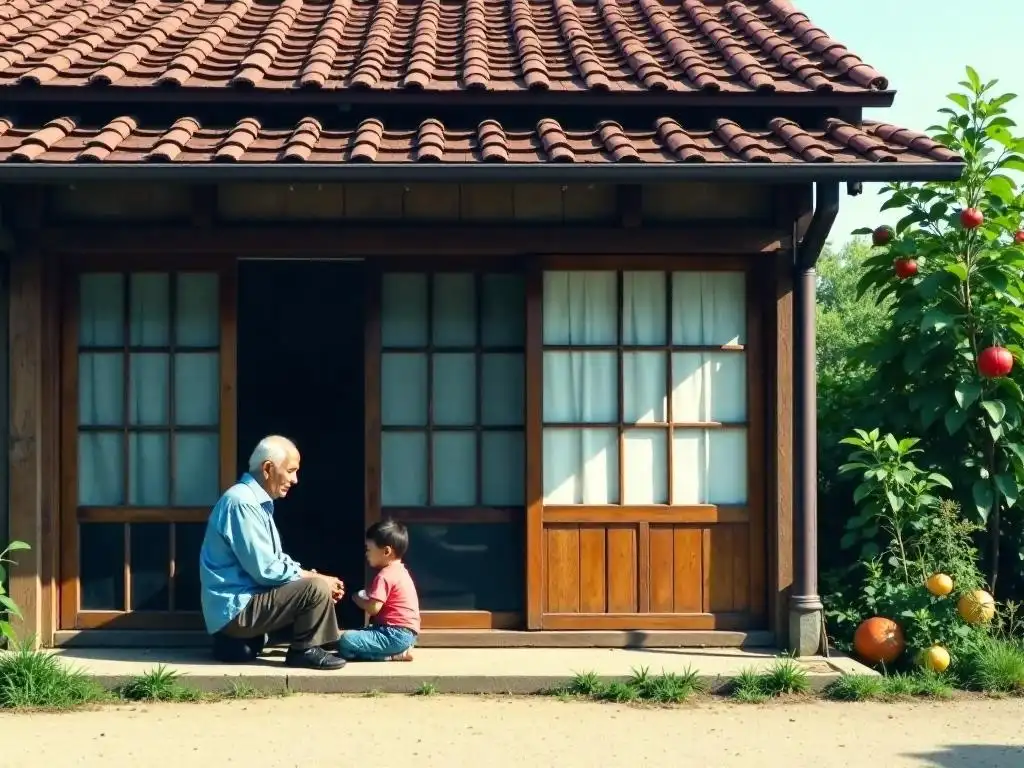
Marriage Traditions and Their Evolution
In feudal Japan, marriage was not merely a union of two individuals but a strategic alliance between families. The concept of arranged marriages (omiai) dominated this era, where parental consent was paramount. This practice can be traced back to the Heian period (794-1185), during which social status and political power heavily influenced marital decisions.
- Age and Timing: Young women were often married as early as 14, while men tended to wed later, often in their late teens or early twenties. This age disparity was significant as it reflected the societal expectations placed on women to bear children promptly.
- Influence of Samurai Culture: The samurai class added another layer to marriage traditions. Marriages among samurai families were often aimed at consolidating power and wealth. For instance, a prominent samurai might marry into another powerful family to strengthen alliances or secure loyalty.
The evolution of marriage practices can also be seen through the shift from arranged marriages to more romantic notions in later periods. By the Edo period (1603-1868), while arranged marriages remained prevalent, the idea of love marriages began to emerge, influenced by Western ideals and changes in societal values.
Rituals and Customs Reflecting Family Values
Rituals and customs played a critical role in defining family values within feudal Japan. These practices not only reinforced familial bonds but also illustrated the hierarchical nature of society.
- Celebration of Life Events: Important life events, such as births, coming-of-age ceremonies (seijin shiki), and funerals, were marked by intricate rituals. For example, the Shichi-Go-San festival celebrated the growth of children aged three, five, and seven and highlighted the importance of family lineage and continuity.
- Ancestral Worship: The practice of honoring ancestors was deeply ingrained in family life. Families would maintain ancestor tablets (ihai), which served as a reminder of the lineage and the values passed down through generations. This reverence for ancestors emphasized the importance of familial duty and respect within the family structure.
- Festivals and Gatherings: Seasonal festivals, such as Obon, served as occasions for families to reunite and honor deceased relatives. These gatherings reinforced family ties and showcased the familial hierarchy, as the head of the family would lead the rituals.
The customs surrounding family life reflected broader societal values, including respect for authority, the importance of duty, and the collective nature of family over individual desires.
The Role of Inheritance and Property in Family Structure
Inheritance and property rights were fundamental in shaping the family structure during the feudal era. The distribution of land and wealth influenced social status and familial alliances.
- Primogeniture: The practice of primogeniture, where the eldest son inherited the family estate, was prevalent among the samurai class. This ensured that the family's power and resources were consolidated rather than divided among multiple heirs. Consequently, this practice led to a clear hierarchy within families, where younger siblings often sought to establish their own paths, sometimes through service or marriage alliances.
- Women's Roles in Property: Although women were generally regarded as subservient within the patriarchal structure, they could inherit property, particularly in the absence of male heirs. This practice allowed women to wield a certain degree of power within the family unit, especially in managing household affairs and finances.
- Land as a Symbol of Status: Land ownership was a critical factor in determining a family's status within feudal Japan. Families with substantial landholdings commanded respect and influence, impacting their marriage prospects and social standing.
The intertwining of inheritance and property rights with family structure significantly affected relationships and interactions within and between families, reinforcing the hierarchical nature of feudal society.
Conclusion: The Legacy of Feudal Japan Family Structure

The family structure in feudal Japan not only defined social relationships but also shaped the very fabric of Japanese society. As we delve into the legacy of these family units, it becomes evident that the influences of this era continue to resonate in contemporary Japan.
Lasting Impacts of Feudal Family Units on Modern Japanese Society
The traditional family unit during the feudal era was characterized by a hierarchical structure, often encapsulated in the concept of ie (家), which emphasized lineage and the importance of ancestry. This system has left a profound mark on modern Japanese society in various ways:
- Patriarchal Influence: The dominance of male figures in the family persists today, where traditional gender roles remain influential in both familial and workplace dynamics.
- Respect for Elders: The Confucian value of respecting elders, rooted in the feudal family structure, is still a significant aspect of Japanese culture. This respect often manifests in family gatherings where elder family members receive deference and authority.
- Inheritance Practices: The practices established during the feudal period, such as primogeniture (the right of the firstborn to inherit), continue to affect property and wealth distribution within families, influencing contemporary legal frameworks.
- Cultural Ceremonies: Many traditional family ceremonies, such as weddings and funerals, are steeped in customs that trace back to feudal practices, reinforcing the importance of family lineage and heritage.
The dynamics of family units in feudal Japan have thus shaped modern societal norms, creating a bridge between historical practices and present-day lifestyles.
Reflections on the Evolution of Family Dynamics in Japan
Examining the evolution of family dynamics from the feudal era to the present reveals a remarkable transformation influenced by social, political, and economic changes. Key reflections include:
- Shift from Extended to Nuclear Families: The feudal era often saw extended families living together, which has gradually transitioned to more nuclear family structures in urban areas, driven by industrialization and modernization.
- Role of Women: While women held specific roles within the feudal family structure, their status has evolved significantly. Today, women occupy diverse roles in society, contributing to family income and decision-making, reflecting a shift towards more egalitarian practices.
- Changing Values: The rise of individualism and personal choice in family formation contrasts sharply with the collectivist values of the feudal era. Modern relationships often prioritize romantic love over familial obligation, showcasing a cultural shift in how family units are perceived and formed.
- Impact of Technology: Advances in technology and communication have altered family interactions and structures. Virtual connections can sustain relationships across distances, challenging traditional notions of family closeness.
The evolution of feudal Japan family structure has paved the way for contemporary family dynamics, illustrating a blend of resilience and adaptability that continues to shape Japanese society today. The historical context provides invaluable insights into understanding the complexities of modern relationships and familial obligations in Japan.
References for Further Reading on Feudal Japan Family Structure
Key Texts and Resources on Family Units in Feudal Japan
-
"The Making of Modern Japan" by John D. Pierson
This book provides a comprehensive overview of Japan’s transition from the feudal era to modernity, with insightful analysis on family units and their evolution during this period. Pierson's work combines historical narratives with sociocultural analysis, making it a fundamental resource for understanding the feudal Japan family structure.
-
"Women and the Family in Japanese History" by Merry E. Wiesner-Hanks
Wiesner-Hanks explores the role of women in Japanese families throughout history, emphasizing their influence during the feudal period. This text is crucial for understanding the gender dynamics within the family structure and how they shifted over time.
-
"The Japanese Family: A Study of Family Dynamics" by Takeo Doi
Doi's work offers valuable insights into the traditional Japanese family system, detailing the roles, responsibilities, and relationships that defined family life during the feudal era. His analysis also touches on the impact of Confucian ideals on familial structures.
-
"Feudal Japan: The Emergence of a New Society" by Paul Varley
Varley provides a detailed examination of how feudalism shaped social structures, including family units. This book is essential for understanding the broader societal context in which family dynamics evolved.
Suggested Academic Articles on Historical Family Dynamics
-
"The Samurai and the Family: Social Structures in Feudal Japan"
This article delves into the intricate relationship between samurai culture and family life, analyzing how the samurai's obligations shaped familial roles and responsibilities. It emphasizes the importance of loyalty and honor within the family unit.
-
"Marriage and Kinship in Early Modern Japan"
This academic piece discusses the evolution of marriage practices and kinship ties during the later periods of the feudal era. It highlights how these practices influenced family structure and dynamics, providing a deeper understanding of the feudal Japan family structure.
-
"Rural Families in Japan: Analyzing Structural Changes from the Edo to Meiji Periods"
This article examines the transformations in rural family units, focusing on how economic changes during the Edo period affected family structures and relationships. It offers a longitudinal perspective on the evolution of family units in Japan.
-
"Women in Feudal Japan: Their Roles in Family and Society"
This scholarly article provides an in-depth analysis of women's roles within the family and broader society during the feudal era. It discusses the implications of these roles on family dynamics and the overall structure of feudal Japan families.
-
"Family Structures and Social Change in Japan"
This research paper investigates the correlation between social changes in Japan and family structures throughout different historical periods, including the feudal era. It offers a comprehensive view of the factors that contributed to changes in family dynamics.
These resources provide a solid foundation for readers interested in the complexities of family structures in feudal Japan. By engaging with these texts and articles, one can gain a deeper understanding of how various historical, cultural, and societal factors influenced familial relationships and structures during this pivotal period in Japanese history.
Frequently Asked Questions
What were the primary family structures in feudal Japan?
The family structures in feudal Japan were predominantly patriarchal, with the father as the head of the household. Families were often organized into clans or households, emphasizing loyalty and duty.
How did the samurai class influence family dynamics?
The samurai class played a crucial role in shaping family dynamics, as their status mandated a strict adherence to codes of honor. This led to an emphasis on loyalty and obedience within families, often prioritizing the family's reputation above individual desires.
What impact did land ownership have on family units?
Land ownership was central to the feudal system, determining a family's wealth and status. Families with more land could provide better opportunities for their offspring, thus reinforcing social hierarchies and family loyalty.
How did marriage practices change during the feudal era?
Marriage practices evolved to strengthen political alliances and consolidate power among nobility. Arranged marriages became common, prioritizing strategic benefits over personal choice, reflecting the era's focus on family honor.
What role did women play in feudal Japan's family structure?
Women in feudal Japan had defined roles, primarily focused on household management and child-rearing. However, their contributions were vital for maintaining family stability and social ties, illustrating the complexity of their status within the patriarchal system.
Final Reflection: The Enduring Legacy of Feudal Japan Family Structure
The evolution of family units during the feudal era in Japan highlights a profound transformation that resonates with contemporary society. As we examine the intricate dynamics of feudal Japan family structure, we uncover not only the historical significance but also the enduring impact these familial configurations have on modern relationships and societal norms. The hierarchical nature of these families, often centered around loyalty and duty, serves as a striking reminder of how our understanding of family continues to evolve while still echoing the past.
Cultural and social landscapes are continuously shaped by the legacies of historical family structures. The rigid hierarchies and roles established during the feudal era have influenced contemporary family dynamics, often reflecting a blend of tradition and modernity. As we navigate our own familial relationships, we can appreciate the complexities that arise from these historical foundations. The family is both a haven in a heartless world and a school for the learning of the ways of the world.
This quote encapsulates the dual role of family, emphasizing its importance in shaping our identities and values, much like the families of feudal Japan.
As we reflect on the lessons from the feudal Japan family structure, I invite you to consider how these historical insights can inform your own understanding of family today. Embrace the opportunity to explore your family's roots and the values that have been passed down through generations. By recognizing the influence of the past, we can foster deeper connections and cultivate a family dynamic that honors tradition while embracing the future. Let us carry forward the lessons learned from history, ensuring that our family units remain resilient and adaptable in an ever-changing world.
Embrace the Evolution: Shape Your Understanding of Family in Feudal Japan!
Thank you for diving into the intricate journey of family units throughout the feudal era. You've uncovered the nuances of how relationships and societal structures evolved over time. Now it’s time to take your newfound insights and make them actionable!
Here are some steps you can take to deepen your understanding and engage with this fascinating topic:
- Explore Further: Delve into additional books and resources on Japanese history to grasp the familial ties and societal roles during this era.
- Join the Discussion: Connect with fellow history enthusiasts in our community forums focused on feudal Japan. Share your thoughts, insights, and questions about family dynamics.
- Reflect on Modern Parallels: Consider writing a blog post or journal entry that explores how past family structures continue to influence contemporary relationships.
What aspect of feudal family life resonates with you the most, and how do you see it influencing modern relationships?