
The Legacy of JapanWest Interactions in Modern Japanese Culture

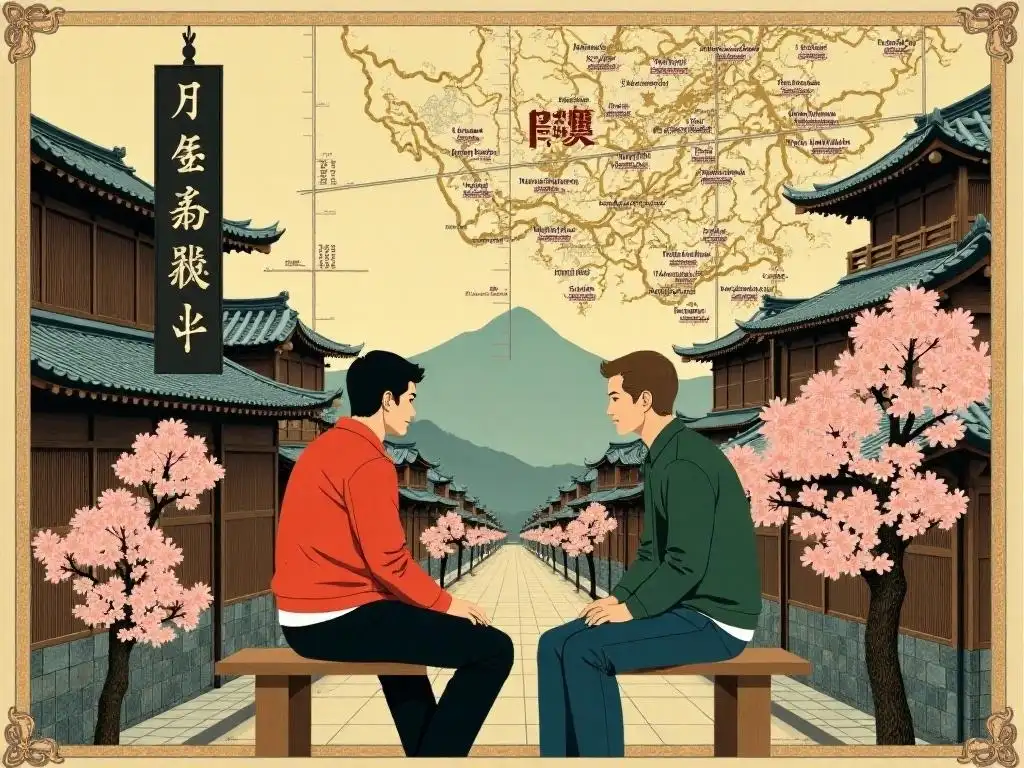
Welcome to Feudal Japan History, where we embark on a fascinating journey through the intricate tapestry of Japan's feudal era. Dive deep into the legacy of Japan West cultural interactions, a pivotal theme that has shaped modern Japanese culture in ways you might never have imagined. Our expert-driven articles will unveil the rich historical narratives and cultural exchanges that defined this intriguing period. Are you ready to discover how these interactions continue to influence contemporary Japan? Join us as we explore the depths of history and unlock the secrets of a bygone era.
Introduction to Japan-West Cultural Interactions
The interplay between Japan and Western nations has forged a unique narrative that has significantly influenced modern Japanese culture. This legacy, rooted in centuries of complex exchanges, reflects a tapestry of interactions ranging from trade and diplomacy to art and philosophy. Understanding the Japan-West cultural interactions is essential for grasping how these historical moments have shaped contemporary Japanese society, values, and aesthetics. The evolution of these relationships has led to a dynamic cultural landscape where traditional Japanese elements are interwoven with Western influences, resulting in a rich, multifaceted identity that continues to evolve today.
Overview of Japan-West Interactions
Japan's engagement with Western cultures can be traced back to the arrival of European traders and missionaries in the 16th century. This initial contact marked the beginning of a series of exchanges that would bring about both enrichment and conflict. Over time, Japan's interactions with the West shifted dramatically, particularly during pivotal eras such as the Tokugawa Shogunate and the Meiji Restoration. These phases not only transformed Japan's political landscape but also its cultural ethos, as new ideas and practices from the West began to permeate Japanese life.
Significance of Cultural Exchanges in History
Cultural exchanges between Japan and the West have played a crucial role in shaping historical narratives and societal development. These interactions provided opportunities for knowledge transfer, technological advancements, and artistic inspiration. Notably, they challenged existing norms and prompted a reevaluation of Japan's place in the world. The significance of these exchanges lies in their ability to foster innovation and adaptation, ultimately contributing to Japan's emergence as a modern nation while preserving its unique cultural heritage.
Historical Context of Japan-West Relations
Early Encounters: 16th Century Portuguese and Spanish Influence
The first significant Western presence in Japan emerged in the 1540s with Portuguese traders and Jesuit missionaries. This period introduced firearms, new trading practices, and Christianity to Japan. The Portuguese influence was pivotal, as it laid the groundwork for subsequent cultural interactions. Concurrently, Spanish influence also took root, particularly in the southern islands of Japan, where trade flourished and cultural exchanges occurred. These early encounters highlight the initial curiosity and adaptability of the Japanese society toward foreign elements.
The Tokugawa Shogunate and Isolationism
Following a brief period of openness, the Tokugawa Shogunate (1603-1868) imposed a policy of isolation known as sakoku. This isolationist stance limited foreign interaction and heavily regulated trade, allowing only the Dutch and Chinese to engage with Japan. While this period curtailed direct cultural exchanges, it also led to a unique development of Japan's internal culture, blending elements of Western influence that had already entered the society. The Tokugawa era exemplifies the tension between isolation and the desire for knowledge from the West, setting the stage for future encounters.
The Meiji Restoration: Opening Up to the West
The Meiji Restoration of 1868 marked a dramatic shift in Japan's relationship with the West. The fall of the Tokugawa Shogunate led to a renewed interest in modernization and Westernization. Japan actively sought to learn from Western countries, adopting their technologies, educational systems, and cultural practices. This era not only redefined Japan’s political landscape but also initiated a profound transformation in art, architecture, and societal norms. The legacy of this period is evident in modern Japanese culture, which continues to integrate Western influences while celebrating its rich traditions.
Key Cultural Influences from the West
The interactions between Japan and the West have profoundly shaped various aspects of Japanese culture, particularly in the realms of art, philosophy, technology, and fashion. This cultural exchange, which began in earnest during the 19th century with the Meiji Restoration, has resulted in a dynamic synthesis that continues to evolve today. The infusion of Western ideas and practices into Japanese society has not only modernized its cultural landscape but has also created a unique blend that reflects both traditional Japanese values and contemporary Western influences.
Western Art and Literature in Japan
Western art and literature began to permeate Japanese culture during the late Edo period and became more pronounced in the Meiji era. This period saw the introduction of new artistic styles and literary forms, such as realism and impressionism, which contrasted sharply with traditional Japanese aesthetics. Notable figures such as ukiyo-e artists adapted Western techniques, leading to a distinct hybrid style that incorporated elements from both traditions.
In literature, Western works were translated into Japanese, leading to the emergence of a modern literary scene. Authors like Natsume Sōseki and Mori Ōgai were influenced by Western literary movements, resulting in novels that explored themes of individualism and existentialism, which were relatively new to Japanese literature. This blend of Western literary styles with traditional Japanese narratives has enriched the literary tapestry of modern Japan.
The Impact of Western Philosophy and Education
The introduction of Western philosophy in Japan prompted a significant shift in intellectual thought. Philosophers such as John Stuart Mill and Friedrich Nietzsche were studied and critiqued, which encouraged Japanese thinkers to explore new ideas about democracy, rights, and individual freedoms. This philosophical dialogue contributed to the development of modern political thought in Japan, influencing movements that sought to reform Japanese society along more progressive lines.
In terms of education, the Western model was adopted extensively during the Meiji era. The establishment of a formal education system based on Western principles aimed to produce a literate and skilled populace. As a result, subjects such as science, mathematics, and foreign languages gained prominence in Japanese schools. This shift not only improved literacy rates but also fostered a generation of thinkers and innovators who would play pivotal roles in Japan's modernization.
Adoption of Western Technology and Industrial Practices
The impact of Western technology and industrial practices during the Meiji Restoration was transformative for Japan. Recognizing the need to catch up with Western powers, Japan embraced industrialization, adopting Western manufacturing techniques and machinery. This transition was evident in the establishment of railroads, telegraph systems, and factories that modernized Japan's economy.
As a result, Japan evolved from a primarily agrarian society into a burgeoning industrial powerhouse by the early 20th century. The adoption of Western technological advancements also led to improvements in infrastructure, healthcare, and military capabilities, which were crucial for Japan's emergence as a significant player on the global stage.
Modern Japanese Culture Shaped by Western Interactions
The legacy of Japan-West cultural interactions is vividly apparent in modern Japanese culture, where traditional practices coexist alongside contemporary Western influences. This synthesis has fostered a unique cultural identity that is both reflective of Japan's historical roots and responsive to global trends.
Fusion of Traditional and Western Art Forms
Modern Japanese art is characterized by a remarkable fusion of traditional and Western styles. Contemporary artists often draw inspiration from classic Japanese techniques, such as ink painting and calligraphy, while incorporating modern elements like abstraction and digital media. This interplay has led to innovative art forms, exemplified by artists like Takashi Murakami, who blends traditional motifs with contemporary pop culture aesthetics.
Moreover, exhibitions showcasing this hybrid art form have garnered international acclaim, illustrating how Japanese artists navigate and reinterpret their cultural heritage within a global context. This artistic dialogue not only enriches Japan's cultural landscape but also positions it as a significant contributor to the worldwide art scene.
The Role of Western Fashion in Contemporary Japan
Western fashion has had a profound impact on contemporary Japanese style, influencing everything from street fashion to haute couture. The 1980s and 1990s saw the rise of unique trends such as "Gyaru" and "Harajuku," blending Western fashion elements with traditional Japanese sensibilities. Designers like Issey Miyake and Yohji Yamamoto have garnered international recognition for their innovative approaches, seamlessly merging Western influences with Japanese craftsmanship.
Today, Japan remains a global fashion hub where Western brands coexist with local designers, creating a vibrant marketplace that celebrates diversity in style. The ongoing dialogue between Eastern and Western fashion continues to shape trends, making modern Japanese fashion a dynamic and influential force.
Influence of Western Cinema and Entertainment
The influence of Western cinema on Japanese entertainment is undeniable. The introduction of Hollywood films in the post-war era transformed Japanese film and television industries. Directors like Akira Kurosawa drew inspiration from Western storytelling techniques, blending them with traditional Japanese narratives to create films that resonate on both national and international levels.
In recent years, the popularity of Western genres, such as superhero films and romantic comedies, has permeated Japanese cinema and anime. This cross-cultural exchange has led to unique adaptations and original works that reflect both Western themes and Japanese cultural nuances. Moreover, the global appeal of Japanese anime and video games showcases how Western and Japanese entertainment continues to influence one another, creating a rich tapestry of narratives that captivate audiences worldwide.
Continued Japan-West Cultural Dialogues
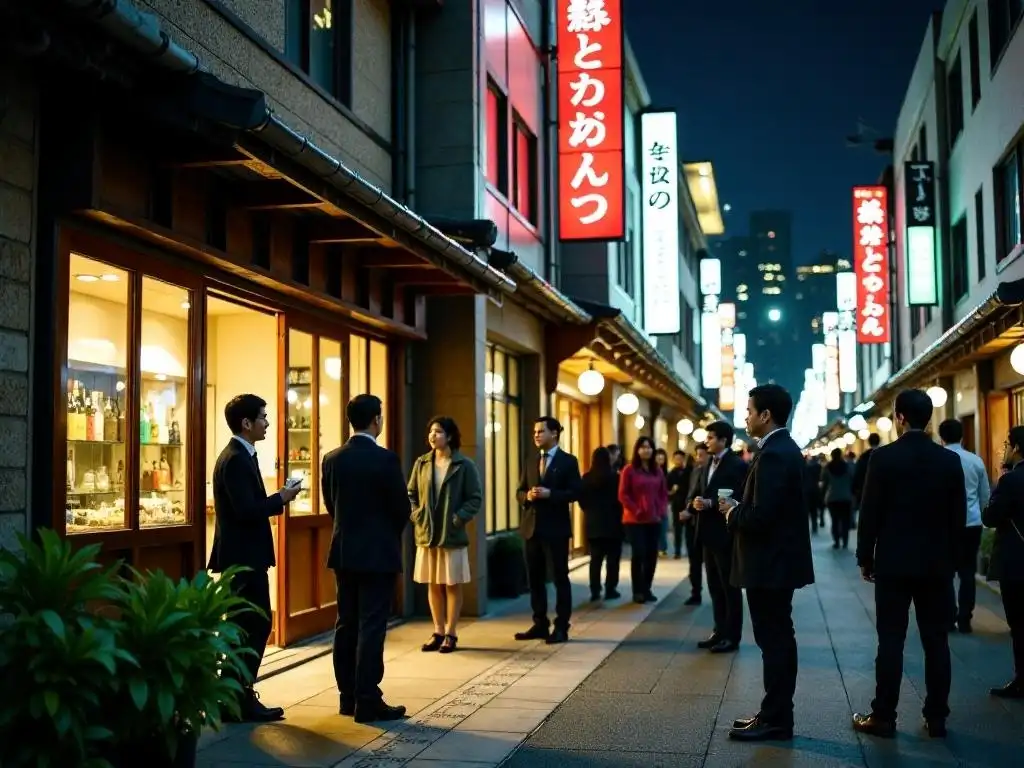
The dialogues between Japan and the West have not only persisted over centuries but have also evolved, significantly impacting modern Japanese culture. Following Japan's opening to the West during the Meiji Restoration in the late 19th century, an exchange of ideas, art forms, and philosophies began that would shape both societies. This ongoing interaction can be observed in various domains, including literature, fashion, and cuisine, which continue to blend traditional and contemporary elements from both cultures.
In recent years, Japan has seen a surge in interest from Western audiences regarding its unique cultural offerings. Events such as anime conventions and Japanese film festivals showcase this cultural dialogue, emphasizing the importance of continued exchange. Additionally, the rise of social media has allowed for instantaneous sharing of cultural products, enabling both Japanese and Western creators to influence and inspire each other. This continuous dialogue underscores the significance of mutual understanding and appreciation in fostering a diverse cultural landscape.
Contemporary Japanese Media and Globalization
Japanese media, particularly anime, manga, and video games, has become a prominent facet of cultural exchange with the West. The globalization of these media forms has not only entertained millions but has also introduced Western audiences to Japanese narratives, aesthetics, and cultural nuances. For instance, the success of series like "Attack on Titan" and "My Hero Academia" has led to increased interest in Japanese culture and language among Western fans.
Moreover, streaming platforms have revolutionized the accessibility of Japanese media, allowing for a wider audience to engage with these cultural products. As a result, contemporary Japanese media often incorporates global themes and storytelling techniques, making it more relatable to international audiences. This blending of cultures has also encouraged collaborative projects between Japanese creators and Western studios, further solidifying Japan's presence in the global entertainment industry.
Japan's Soft Power and Cultural Exports to the West
Japan's soft power strategy has played a crucial role in promoting its culture abroad. By leveraging its rich traditions in art, cuisine, and pop culture, Japan has successfully cultivated a positive global image. The concept of "Cool Japan" encapsulates this approach, emphasizing the export of cultural products that resonate with international audiences.
Culinary exports like sushi and ramen have gained immense popularity in the West, transforming dining experiences and promoting Japanese culinary arts. Similarly, traditional arts such as ikebana (flower arranging) and tea ceremonies have found their way into Western cultural practices, symbolizing a deep appreciation for Japanese aesthetics. Through these cultural exports, Japan not only enhances its international standing but also fosters a deeper understanding of its heritage and values.
Collaborative Projects: Art, Music, and Technology
In recent years, collaborative projects between Japan and Western countries have flourished, particularly in the realms of art, music, and technology. Artists from both regions frequently come together to create unique works that blend different cultural elements, resulting in innovative expressions that appeal to diverse audiences. For example, the fusion of traditional Japanese art techniques with contemporary Western styles has led to dynamic exhibitions in galleries worldwide.
Music collaborations have also gained momentum, with Japanese artists collaborating with Western musicians to create cross-genre hits. The success of artists like Kyary Pamyu Pamyu, who combines J-pop with Western influences, exemplifies this trend. Furthermore, Japan's technological advancements have paved the way for partnerships with Western firms, particularly in fields like robotics and animation, showcasing the strengths of both cultures.
Challenges and Critiques of Japan-West Interactions
Despite the many benefits of Japan-West cultural interactions, challenges and critiques persist. These issues often arise from misunderstandings, misinterpretations, and the complexities of cultural exchange in a globalized world.
Cultural Appropriation vs. Cultural Appreciation
One of the most significant challenges in Japan-West interactions is the fine line between cultural appropriation and cultural appreciation. While sharing and celebrating cultural elements can foster understanding, it can also lead to the commodification of traditions. Critics argue that when Western entities adopt Japanese cultural symbols without proper context or respect, it can dilute their meaning and significance.
Discussions surrounding this topic have prompted both Japanese and Western audiences to reevaluate the ways in which cultural exchanges occur. It is essential for individuals and organizations involved in cultural sharing to approach these interactions with sensitivity, ensuring that they honor the original context and significance of the cultural elements they engage with.
The Balance Between Tradition and Modernity
Another challenge lies in balancing tradition with modernity. As Japan continues to engage with Western cultures, there is often a tension between preserving traditional practices and embracing contemporary influences. This struggle can be particularly evident in the arts and education, where traditional Japanese forms may be overshadowed by global trends.
Finding this balance is crucial, as it allows for the evolution of cultural practices while respecting their origins. Many Japanese artists and creators strive to merge traditional techniques with modern styles, showcasing a dynamic interplay that honors both heritage and innovation. This delicate balance is vital in maintaining the richness of Japanese culture amidst the pressures of globalization.
Perspectives on Globalization in Japanese Society
The perspectives on globalization within Japanese society are varied and often complex. While many embrace the opportunities that globalization presents, such as increased cultural exchange and economic growth, others express concerns about the potential loss of cultural identity and authenticity.
In urban areas, globalization has led to a vibrant mix of cultures, where international influences can be seen in everything from fashion to food. However, in more rural regions, there is a strong desire to preserve traditional practices and lifestyles. This dichotomy reflects the ongoing discussions in Japan about the impact of globalization on its cultural landscape and identity.
Overall, the legacy of Japan-West interactions in modern Japanese culture is rich and multifaceted. While challenges exist, the continued dialogues and collaborations hold the potential for further growth and understanding in an increasingly interconnected world.
Conclusion: The Ongoing Legacy of Japan-West Cultural Interactions
The intricate tapestry of Japan-West cultural interactions has significantly shaped modern Japanese culture, leaving an indelible mark on various aspects such as arts, fashion, technology, and social norms. As Japan continues to navigate its identity in the global landscape, the enduring legacy of these exchanges serves as a reminder of the dynamic nature of cultural evolution. The fusion of traditional Japanese elements with Western influences has given rise to unique cultural phenomena, illustrating how both regions have mutually enriched each other's heritage.
Summary of Cultural Exchanges and Their Impact
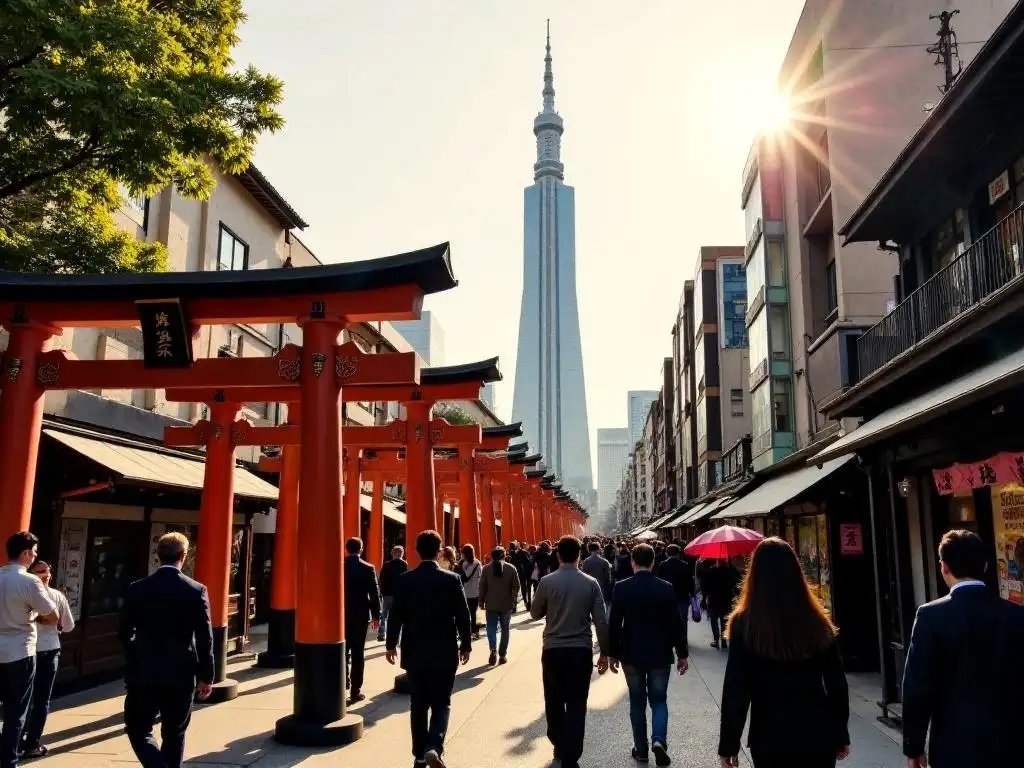
Cultural exchanges between Japan and the West have been profound and multifaceted. Key historical moments, such as the Meiji Restoration in the late 19th century, initiated a wave of Western influence that permeated Japanese society. This period saw the adoption of Western technologies, educational systems, and even governance structures, which transformed Japan into a modern state.
Notably, the influence of Western art movements, such as Impressionism and Cubism, can be seen in the works of Japanese artists who blended these styles with traditional techniques. The introduction of Western literature and philosophy has also fostered a rich dialogue, leading to a unique synthesis of ideas that continue to resonate in contemporary Japanese thought.
Moreover, culinary exchanges have created a vibrant fusion cuisine that showcases both Japanese and Western flavors. The popularization of Western food, such as hamburgers and pizza, alongside traditional Japanese dishes reflects a broader trend of cultural assimilation and adaptation.
Future Directions of Japan-West Relations in Culture
Looking ahead, the future of Japan-West cultural interactions appears promising and dynamic. As globalization continues to break down barriers, both regions are likely to engage in further exchanges across various fields. The rise of digital media and technology presents new avenues for collaboration, allowing for real-time cultural sharing and innovation.
Furthermore, the current interest in sustainability and environmental consciousness may lead to exchanges focused on traditional Japanese practices, such as minimalism and harmony with nature, which could influence Western lifestyles.
In the realm of pop culture, Japanese anime, manga, and gaming continue to gain international acclaim, creating a reciprocal interest in Western entertainment forms. This cross-pollination is likely to enrich both cultural landscapes, fostering a deeper understanding and appreciation of each other's heritage.
References and Further Reading on Japan-West Cultural Interactions
Recommended Books and Articles
-
"Japan and the West: The Perception of the West in Japan" by James A. Mangan
This book explores how Japan's perception of the West has evolved over the centuries, providing insights into the deeper cultural implications of these interactions.
-
"The Culture of Japan as Seen through Its Leisure" by Sepp Linhart and Sabine Frühstück
This work examines how leisure activities in Japan have been influenced by Western practices, highlighting the blending of cultural expressions.
-
"The Making of Modern Japan" by John W. Dower
A comprehensive analysis of the historical and cultural transformations in Japan influenced by Western interactions, spanning from the late 19th century to the contemporary era.
Notable Documentaries and Films on Japan-West Relations
-
"Jiro Dreams of Sushi"
This acclaimed documentary not only showcases the art of sushi-making but also reflects the evolution of Japanese culinary arts influenced by various cultural encounters.
-
"Tokyo Story"
A classic film that subtly addresses the impacts of modernization and Western influences on traditional family structures and values in Japan.
-
"The Last Samurai"
Although a dramatized interpretation, this film provides insights into the cultural clashes and eventual synthesis between Western and Japanese values during the Meiji Restoration.
These resources provide a deeper understanding of the complex and ongoing legacy of Japan-West cultural interactions, illustrating how these exchanges continue to shape contemporary society.
- Introduction to Japan-West Cultural Interactions
- Historical Context of Japan-West Relations
- Key Cultural Influences from the West
- Modern Japanese Culture Shaped by Western Interactions
- Continued Japan-West Cultural Dialogues
- Challenges and Critiques of Japan-West Interactions
- Conclusion: The Ongoing Legacy of Japan-West Cultural Interactions
- Summary of Cultural Exchanges and Their Impact
- Future Directions of Japan-West Relations in Culture
- References and Further Reading on Japan-West Cultural Interactions
- What are the main themes covered in the article about Japan-West cultural interactions?
- How did Japan-West interactions influence Japanese culture?
- What time period does the article focus on regarding Japan-West interactions?
- Are there any specific examples of cultural exchanges mentioned in the article?
- Who are the experts contributing to the article's insights on Japan-West cultural interactions?
Frequently Asked Questions
What are the main themes covered in the article about Japan-West cultural interactions?
The article explores historical, cultural, and societal aspects of Japan-West interactions, highlighting their impact on modern Japanese culture and identity.
How did Japan-West interactions influence Japanese culture?
Interactions with the West introduced new ideas and technologies, which led to significant changes in Japan’s art, literature, and even social structures, shaping contemporary Japanese culture.
What time period does the article focus on regarding Japan-West interactions?
The article primarily focuses on the feudal era, detailing how initial contacts evolved and what effects they had on Japan's future cultural landscape.
Are there any specific examples of cultural exchanges mentioned in the article?
Yes, the article cites examples such as the introduction of Western art techniques, culinary influences, and philosophical ideas that enriched Japanese traditions.
Who are the experts contributing to the article's insights on Japan-West cultural interactions?
The article features insights from historians, cultural scholars, and experts in Japanese studies, ensuring a well-rounded and authoritative perspective on the topic.
Final Reflection: The Enduring Legacy of Japan-West Cultural Interactions
The intricate tapestry of Japan-West cultural interactions has not only shaped the past but continues to resonate profoundly in our modern world. As we navigate an increasingly globalized society, understanding these historical exchanges illuminates the pathways through which ideas, art, and philosophies have flowed between cultures. The legacy of these interactions is a testament to the power of dialogue and exchange, reminding us that cultural boundaries are often more porous than we perceive.
Cultural exchanges between Japan and the West have fostered a rich dialogue that has transformed both societies in profound ways. From the adoption of Western technologies to the infusion of Japanese aesthetics into global art movements, the influence is reciprocal and ongoing. As we witness the rise of global pop culture, the fusion of traditional Japanese elements with Western styles serves as a reminder of our interconnectedness. Culture is the widening of the mind and of the spirit.
— Jawaharlal Nehru. This quote encapsulates the essence of cultural interactions, emphasizing how they enrich our understanding of the world and ourselves.
As you reflect on the lessons from Japan-West cultural interactions, consider how you can embrace this legacy in your own life. Engage with diverse cultures, seek out new experiences, and foster connections that transcend geographical boundaries. By doing so, you not only honor the rich history of these interactions but also contribute to a future where cultural appreciation and understanding thrive. Let us carry forward the spirit of exchange, ensuring that the legacy of our shared histories continues to inspire and unite us all.
Embrace the Richness of Japan's Cultural Tapestry!
Thank you for diving deep into the fascinating legacy of Japan's interactions with the world and how they've shaped modern Japanese culture. Your exploration of this topic has unlocked valuable insights into the complexities and beauty of this cultural exchange. Now it's time to take action and further enrich your understanding!
- Join a local cultural event to experience Japan's vibrant heritage firsthand. Look for workshops or festivals in your area that celebrate Japanese arts, cuisine, or traditional practices.
- Start a discussion on social media about your favorite aspects of modern Japanese culture influenced by these interactions. Engage with friends and broaden the conversation!
- Explore Japanese literature or film that reflects these cultural exchanges. A captivating novel or a classic film can provide a deeper appreciation for the themes discussed.
How will you integrate the dynamic influences of Japan's past into your life and recognize their relevance today?