
The Allure of Tanabata: Stars, Wishes, and Japanese Cultural Heritage

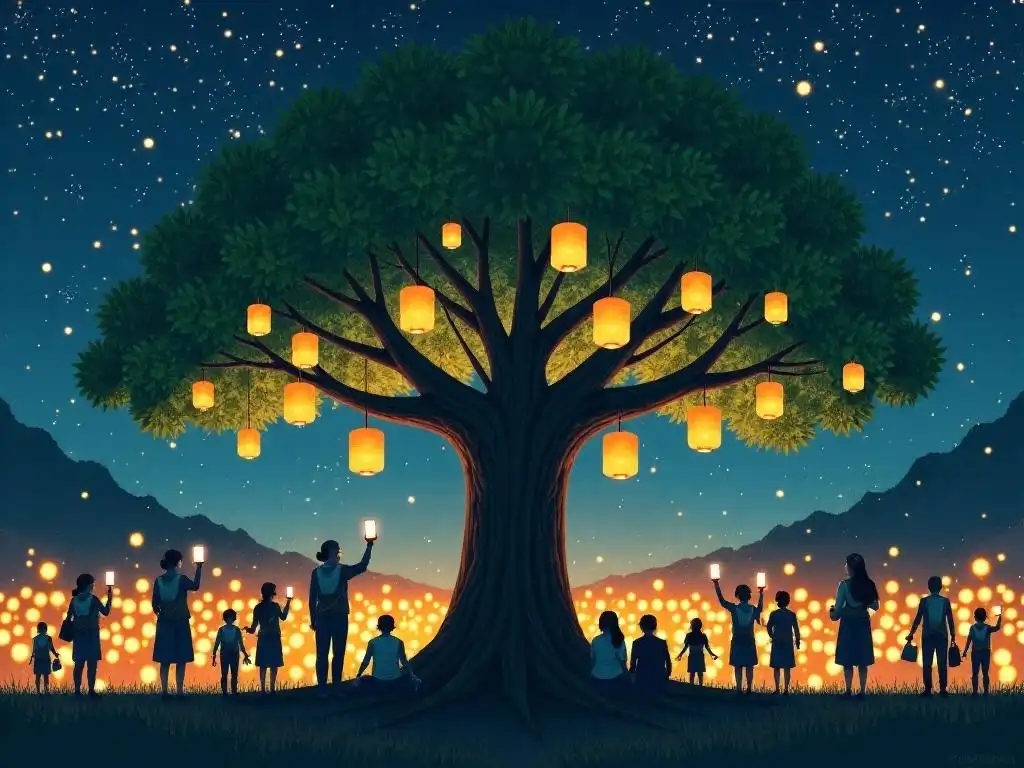
Welcome to Feudal Japan History, where the tapestry of Japan’s feudal era unfolds before your eyes. Dive into the captivating world of Tanabata, a celebration steeped in Japanese cultural significance that intertwines dreams, stars, and ancient traditions. Have you ever wondered how this enchanting festival reflects the heart of Japan’s rich heritage? Join us as we explore the allure of Tanabata, revealing its historical roots and its enduring charm in today's society. Read on to discover the magic that awaits!
Introduction to Tanabata and Its Japanese Cultural Significance
Tanabata, often referred to as the "Star Festival," is a vibrant celebration deeply rooted in Japanese culture. Held annually on the seventh day of the seventh month, this enchanting festival invites participants to celebrate the meeting of two celestial lovers, Orihime and Hikoboshi. Their love story, intertwined with themes of longing and hope, resonates with many, making Tanabata a symbol of dreams and aspirations across generations.
As traditional customs are honored, communities come alive with colorful decorations, and the air is filled with a sense of wonder. The festival's activities—ranging from writing wishes on tanzaku (small pieces of paper) to hanging them on bamboo branches—serve as a poignant reminder of the importance of dreams and the cultural value of expressing one's desires. The significance of Tanabata extends beyond mere festivities; it represents a unique blend of Japanese mythology, seasonal changes, and the enduring human spirit.
The Origins of Tanabata: Mythology and Folklore
The origins of Tanabata are steeped in ancient mythology, primarily derived from the Chinese legend of the Weaver Girl and the Cowherd. According to the tale, Orihime (the Weaver Girl) and Hikoboshi (the Cowherd) are separated by the Milky Way, only allowed to reunite once a year on the seventh day of the seventh month. This poignant narrative captures the essence of love, separation, and reunion, making it a powerful motif in Japanese cultural heritage.
Historically, Tanabata celebrations were influenced by agricultural practices, marking the end of the rice planting season. As communities gathered to pray for a bountiful harvest, the festival became a time to express gratitude and hope for the future. The incorporation of tanzaku into the festivities symbolizes not only individual dreams but also a collective yearning for prosperity and happiness.
In contemporary Japan, Tanabata has evolved into a lively festival characterized by colorful decorations, parades, and community events. The vibrant displays of bamboo adorned with wishes echo the age-old traditions, while the festival continues to foster a sense of unity and cultural pride among participants.
Through Tanabata, the intertwining of mythology, agriculture, and human emotion showcases the richness of Japan's cultural tapestry, offering a glimpse into the enduring significance of this beloved festival.
Celebrating Tanabata: Customs and Traditions
Tanabata, also known as the Star Festival, is celebrated annually on July 7th in Japan, marking the reunion of the deities Orihime and Hikoboshi. The festival is steeped in rich customs and vibrant traditions that reflect the cultural heritage of Japan. One of the key aspects of Tanabata is the writing of wishes on colorful strips of paper known as "tanzaku." Participants hang their wishes on bamboo branches, which are often decorated with various ornaments. This act symbolizes the hope for their dreams to come true.
Another cherished tradition is the preparation of special foods, such as "tanabata soba," a dish made with buckwheat noodles. The long noodles signify longevity and prosperity. Festivals often include parades and communal activities, where local communities come together to celebrate the occasion with lively music, dance, and fireworks.
Traditional Tanabata Decorations
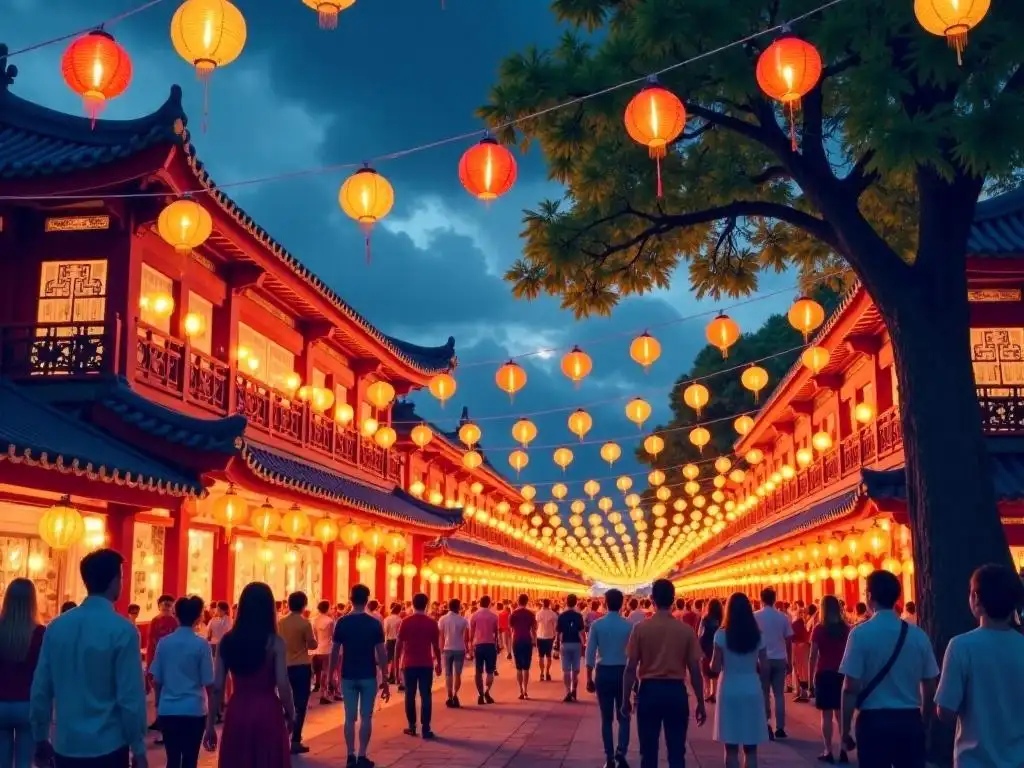
Traditional Tanabata decorations play a pivotal role in the festival, creating a festive atmosphere that is both enchanting and meaningful. The most iconic decorative elements include:
- Bamboo branches: These are often adorned with tanzaku, which are colorful strips of paper where people write their wishes. The bamboo is believed to represent growth and strength.
- Streamers: Long, colorful paper streamers are hung from the bamboo, symbolizing the weaving of dreams and wishes. They flutter in the breeze, adding a dynamic element to the decorations.
- Ornaments: Other decorative items include origami, small nets, and colorful paper decorations, which represent various blessings and good fortune. Each ornament has a specific meaning, contributing to the overall symbolism of hope and prosperity associated with Tanabata.
The vibrant colors and intricate designs of these decorations not only enhance the visual appeal of the festival but also serve as a reminder of the wishes and dreams that participants hope to realize.
Tanabata Celebrations Across Japan
Tanabata celebrations vary widely across different regions of Japan, each infusing the festival with local customs and unique flavors.
- Sendai Tanabata Matsuri: Perhaps the most famous Tanabata festival, the Sendai Tanabata Matsuri features enormous, intricately designed streamers and decorative displays that transform the city into a vibrant tapestry of color. Celebrated over several days in early August, it attracts visitors from all over Japan.
- Kawagoe Tanabata Festival: In Kawagoe, the festival is marked by traditional parades and the display of large, colorful floats. Local artisans showcase their crafts, adding to the festival's charm and cultural significance.
- Kochi Tanabata: This region celebrates Tanabata with a unique twist, incorporating local food festivals and traditional music. The Kochi Tanabata is known for its lively atmosphere and community participation, where residents come together to celebrate their heritage.
These varied celebrations highlight the adaptability of Tanabata, allowing communities to express their cultural identity while honoring the festival's core themes of hope and connection.
The Cultural Significance of Tanabata in Japanese Society
The cultural significance of Tanabata extends beyond mere celebration; it embodies themes of hope, renewal, and the interconnectedness of human experiences. This festival serves as a reminder of the importance of dreams and aspirations, resonating deeply within Japanese society.
Tanabata as a Symbol of Hope and Renewal
At its heart, Tanabata represents the longing for connection and the hope for a better future. The story of Orihime and Hikoboshi, who are separated by the Milky Way and can only meet once a year, reflects the universal desire for love and reunion. This narrative encourages participants to reflect on their own dreams and the relationships they cherish.
During the festival, many people engage in rituals that symbolize the release of worries and the renewal of aspirations. By writing their wishes on tanzaku and hanging them on bamboo, individuals express their hopes for personal growth, success, and happiness. This aspect of Tanabata reinforces its role as a catalyst for reflection and rejuvenation within Japanese culture.
The Influence of Tanabata on Japanese Arts and Crafts
Tanabata has significantly influenced various forms of Japanese arts and crafts, inspiring artists and artisans to create works that capture the festival's essence.
- Calligraphy: The tradition of writing wishes on tanzaku has led to the development of calligraphic arts, where the beauty of written language is celebrated. Calligraphers often showcase their skills during Tanabata, creating intricate designs that enhance the aesthetic appeal of the festival.
- Origami: The practice of origami, or paper folding, is closely associated with Tanabata. Artisans often create elaborate origami decorations that symbolize good fortune and happiness, further enriching the cultural tapestry of the festival.
- Textiles: Traditional textiles inspired by the themes of Tanabata often feature motifs of stars, bamboo, and flowing rivers. These designs reflect the natural beauty and interconnectedness of the universe, illustrating how deeply the festival is woven into the fabric of Japanese culture.
Through these artistic expressions, Tanabata continues to inspire creativity and foster a sense of cultural pride, ensuring its enduring significance in Japanese society.
Modern Tanabata: Contemporary Celebrations and Global Influence
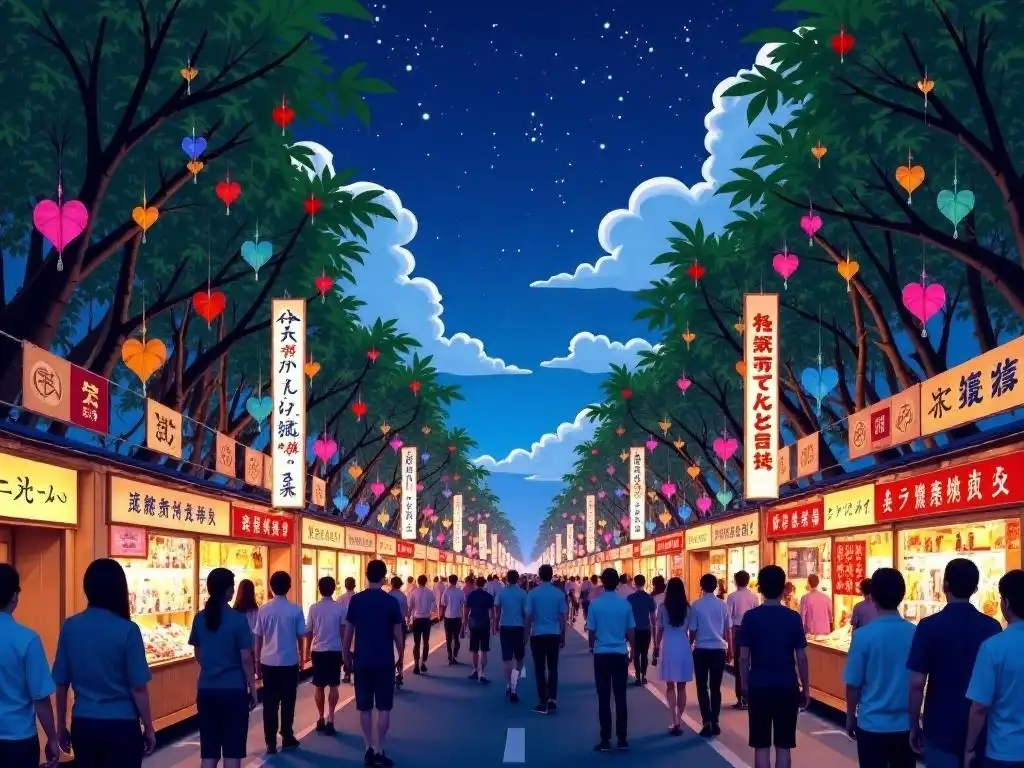
Tanabata, also known as the Star Festival, has evolved significantly from its origins in ancient Japan. While it retains its traditional elements, contemporary celebrations reflect broader societal changes and the influence of globalization. Today, Tanabata is celebrated not only in Japan but also in various parts of the world, showcasing a blend of old customs and modern interpretations.
Festivities typically include vibrant decorations made from colorful paper, known as tanzaku, where individuals write their wishes and hang them on bamboo branches. Modern Tanabata events often feature public gatherings, parades, and concerts, drawing large crowds. In cities like Sendai, the Tanabata Matsuri (Festival) has gained fame for its elaborate decorations and lively atmosphere, attracting both locals and tourists alike. Moreover, the festival's themes of love, hope, and connection resonate with many, making it a cherished celebration in contemporary society.
Tanabata in the Context of Globalization
The globalization of cultures has had a profound impact on Tanabata, transforming it into a festival that transcends national borders. As Japanese culture has gained international popularity, Tanabata has been embraced by various communities worldwide. This phenomenon has led to the incorporation of Tanabata elements into multicultural festivals, where people from diverse backgrounds come together to celebrate and share their wishes.
Additionally, the rise of social media has enabled the rapid dissemination of Tanabata traditions, allowing individuals to participate in the festival even if they are far from Japan. Online platforms showcase vibrant images of Tanabata celebrations, and many people engage in virtual wish-making, creating a sense of global community. This exchange of cultural practices highlights the adaptability of Tanabata, as it continues to evolve while maintaining its core significance.
Celebrating Tanabata Outside Japan
Tanabata celebrations have found their way into various countries, often adapted to fit local customs and traditions. In places like the United States, Tanabata festivals are commonly organized in Japanese cultural centers, where attendees can experience traditional performances, craft workshops, and authentic Japanese food. These events not only celebrate Tanabata but also educate participants about Japanese culture and history.
In addition to cultural centers, Tanabata has also been embraced in schools and universities, where students learn about the significance of the festival through activities such as tanzaku writing and art projects. These educational initiatives help foster understanding and appreciation for Japanese cultural heritage among diverse populations.
Conclusion: The Enduring Legacy of Tanabata in Japanese Culture
The enduring legacy of Tanabata in Japanese culture is a testament to its deep-rooted traditions and the universal themes it embodies. As a celebration of love, hope, and connection, Tanabata continues to captivate the hearts of both Japanese and non-Japanese people alike. Its ability to adapt to contemporary contexts while preserving its original significance underscores the resilience of cultural practices in an ever-changing world.
Tanabata not only serves as a reminder of the rich history of Japan but also highlights the importance of communal gatherings and shared wishes. As it continues to evolve and spread across the globe, Tanabata remains a symbol of cultural exchange, connecting people from all walks of life through the simple act of wishing upon a star.
Additional Resources and Recommendations
To deepen your understanding of Tanabata and its cultural significance in Japan, here are some valuable resources and recommendations:
Books and Literature
- "The Tale of the Bamboo Cutter": This classic Japanese folktale narrates the story of Princess Kaguya, whose connection to the stars resonates with Tanabata's themes. It provides a rich cultural context for the festival.
- "Japanese Festivals: A Guide to the Country's Most Colorful Celebrations": This book offers insights into various Japanese festivals, including Tanabata, highlighting their historical roots and cultural importance.
Documentaries and Films
- "Tanabata: The Star Festival": This documentary provides a visual exploration of Tanabata celebrations across Japan, showcasing regional variations and the festival's significance in contemporary society.
- Studio Ghibli Films: Films like "The Cat Returns" and "Whisper of the Heart" contain elements inspired by Tanabata, providing a delightful way to engage with Japanese culture while enjoying animated storytelling.
Online Resources
- Japan National Tourism Organization (JNTO): The official tourism website offers comprehensive information about Tanabata events, locations, and history, making it an excellent resource for travelers looking to experience the festival firsthand.
- Cultural Blogs and Vlogs: Many travel bloggers and YouTube channels focus on Japanese culture. Look for content specifically about Tanabata for personal experiences and tips on celebrating the festival.
Local Celebrations and Participation
- Attend Local Tanabata Festivals: If you're in Japan during July, visit cities like Sendai, known for its elaborate Tanabata decorations. Engaging in local traditions can provide firsthand insight into the festival's cultural significance.
- Join Community Celebrations: Many Japanese communities around the world hold Tanabata festivals. Participating in these events can enrich your understanding of the festival's enduring cultural legacy outside Japan.
By exploring these resources, you can gain a deeper appreciation for Tanabata and its place in Japanese cultural heritage, enriching your own experience of this enchanting festival.
- Introduction to Tanabata and Its Japanese Cultural Significance
- The Origins of Tanabata: Mythology and Folklore
- Celebrating Tanabata: Customs and Traditions
- Traditional Tanabata Decorations
- Tanabata Celebrations Across Japan
- The Cultural Significance of Tanabata in Japanese Society
- Modern Tanabata: Contemporary Celebrations and Global Influence
- Conclusion: The Enduring Legacy of Tanabata in Japanese Culture
- Additional Resources and Recommendations
Frequently Asked Questions
What is Tanabata and when is it celebrated?
Tanabata, also known as the Star Festival, is celebrated on the 7th day of the 7th month in Japan. It commemorates the meeting of two celestial lovers, Orihime and Hikoboshi, who are separated by the Milky Way.
What is the cultural significance of Tanabata in Japan?
The cultural significance of Tanabata lies in its themes of longing and hope. It encourages people to write their wishes on colorful strips of paper, known as tanzaku, and hang them on bamboo branches.
How do people typically celebrate Tanabata?
Celebrations often include festivals, where people display decorations, enjoy traditional foods, and participate in parades. Many communities also organize events featuring fireworks and cultural performances.
What are some common traditions associated with Tanabata?
Common traditions include writing wishes on tanzaku, decorating with bamboo, and participating in local festivals. Some people also visit shrines to pray for their wishes to come true.
How does Tanabata reflect Japanese values?
Tanabata reflects Japanese values such as the importance of community, connection, and the beauty of nature. It emphasizes the significance of hope and dreams, resonating with the collective spirit of the culture.
Final Reflection: The Enduring Magic of Tanabata and Its Cultural Significance
The allure of Tanabata resonates deeply in today's world, reminding us of the power of hope and connection. As we navigate through the complexities of modern life, the traditions surrounding Tanabata serve as a poignant reminder of our shared human experiences and the universal desire to dream and wish for a better future. The vibrant celebrations, steeped in history, continue to inspire people to pause, reflect, and engage with their aspirations, creating a bridge between the past and the present.
Culturally, Tanabata has woven itself into the fabric of Japanese society, influencing art, literature, and community gatherings. The festival not only celebrates the mythical love story of Orihime and Hikoboshi but also fosters a sense of unity among people as they come together to share their wishes and dreams. As the poet Matsuo Bashō once said, “The journey itself is my home,” highlighting the importance of connection and shared experiences in our lives. Wishes are the seeds of our dreams, and Tanabata reminds us to nurture them.
As you reflect on the themes of Tanabata, consider how you can incorporate the spirit of this festival into your own life. Take a moment to write down your wishes, share them with others, and celebrate the connections you have with those around you. Embrace the beauty of hope and the significance of cultural heritage, allowing the magic of Tanabata to inspire you to dream boldly and live authentically. Let this festival be a reminder that our aspirations, much like the stars, can guide us through the darkness and illuminate our paths toward a brighter future.
Unveil the Magic of Tanabata: Make Your Wishes Come True!
Thank you for immersing yourself in the enchanting world of Tanabata! You've explored the captivating stories and cultural significance behind this beautiful festival. Now, it's time to harness that inspiration and bring a touch of Tanabata magic into your life!
Here are some practical ways you can take meaningful action today:
- Create Your Own Wish: Write down a heartfelt wish and hang it on a bamboo branch to experience the spirit of Tanabata.
- Dive deeper into Japanese culture by researching other traditional festivals— what similarities do you find?
- Share the Joy: Host a Tanabata-inspired gathering with friends to celebrate cultural diversity and the art of wishes!
What wish will you write down this year, and how do you plan to celebrate Tanabata in your own unique way? We’d love to hear your thoughts!