
The Tokugawa Era's Impact on Japan's Agricultural Practices and Economy


Welcome to Feudal Japan History, where we invite you on an intriguing journey through the captivating tapestry of Japan’s feudal era. Today, we delve into the Tokugawa Era's agricultural practices, a period that dramatically shaped not just the landscape of farming but also the very foundation of Japan’s economy. What innovations and challenges did farmers face during this pivotal time?
Join us as we uncover the intricate relationship between agriculture and economic growth, revealing how the echoes of the past still resonate in modern Japan. Prepare to be enlightened and inspired as you explore the rich history that lies ahead!
Introduction to the Tokugawa Era
The Tokugawa Era, spanning from 1603 to 1868, marks a significant period in Japan's history characterized by a unique blend of political stability, cultural growth, and economic transformation. Under the leadership of the Tokugawa shogunate, Japan experienced profound changes that not only shaped its social structure but also redefined its agricultural practices and economic landscape.
This era is particularly notable for the development of a robust agrarian economy, which played a crucial role in sustaining the feudal system and supporting the burgeoning urban centers. Understanding the Tokugawa Era agricultural practices provides insights into how these developments influenced Japan's trajectory toward modernization.
Overview of the Tokugawa Period (1603-1868)
The Tokugawa Period, also known as the Edo Period, began when Tokugawa Ieyasu unified Japan after a long era of civil war. This unification established a centralized feudal government that maintained peace and stability, known as the Pax Tokugawa. The era is noted for its strict class hierarchy and social order, where the samurai class held political power while the peasants formed the backbone of agricultural production. This period laid the groundwork for significant advancements in agricultural techniques and policies, which would later influence Japan's economic foundations.
Significance of Agricultural Practices in Feudal Japan
Agriculture during the Tokugawa Era was not merely a means of sustenance; it was the cornerstone of Japan's economy. The rice crop, in particular, served as both a staple food and a measure of wealth. The production of rice directly influenced the socio-economic status of the samurai and the daimyo (feudal lords), as land was often assessed by the amount of rice it could yield. Agricultural practices not only provided food security but also facilitated trade and commerce, contributing to the growth of cities and the rise of a merchant class.
The Structure of Agriculture During the Tokugawa Era
The agricultural system in Japan during the Tokugawa Era was structured around several key components that defined land ownership, farming practices, and the roles of various social classes.
Land Ownership and Agricultural Policies
The Tokugawa shogunate implemented a series of land reforms that regulated land ownership and usage. The system of han (domains) allowed daimyo to govern their lands, which were often divided among peasant farmers. Policies such as the land survey provided a more accurate assessment of agricultural productivity, ensuring that taxes were fairly levied based on yield rather than arbitrary measures. The emphasis on sustainable farming practices and crop rotation led to increased productivity and improved agricultural techniques, fostering a more resilient agrarian economy.
Role of Samurai and Peasants in Farming
In the Tokugawa agricultural framework, the roles of samurai and peasants were distinctly defined yet interdependent. While samurai were primarily warriors and administrators, many were also landowners who relied on the labor of peasants for agricultural production. Peasants, often bound by various obligations, worked the land and produced the essential crops that sustained both their families and the samurai class. This complex relationship between the classes created a dynamic and often tense social structure, where the success of agricultural practices directly influenced the stability of the Tokugawa regime.
Through these multifaceted interactions and policies, the Tokugawa Era left a lasting impact on Japan's agricultural practices and economic development, setting the stage for the country's eventual transition into modernization.
Innovations in Tokugawa Era Agricultural Practices
The Tokugawa Era, spanning from 1603 to 1868, marked a significant transformation in Japanese agriculture, characterized by innovative practices that greatly influenced production, sustainability, and local economies. This period is notable for the introduction of new crops, advanced farming techniques, and improved land management practices that not only enhanced agricultural output but also laid the groundwork for Japan's economic stability during the era.
Introduction of New Crops and Techniques
During the Tokugawa Era, farmers began to diversify their crops significantly. Notably, the introduction of maize (corn) and potatoes from the Americas enriched the Japanese diet and farming practices. These crops were well-suited to various climates across Japan, allowing farmers to cultivate them alongside traditional rice and barley.
In addition to new crops, advancements in agricultural techniques played a crucial role. The adoption of crop rotation methods helped maintain soil fertility and reduced pests, while the practice of intercropping—growing different crops in proximity—maximized land use and improved yields. Techniques like Sukiyaki farming, which involved cultivating rice and vegetables together, also became prevalent. These innovations not only boosted crop diversity but also contributed to a more resilient agricultural ecosystem.
Advances in Irrigation and Land Management
The Tokugawa period witnessed significant improvements in irrigation systems. The construction of canals and dikes facilitated better water management, allowing for more efficient irrigation of rice paddies, which was essential for enhancing productivity. Techniques such as terracing in hilly areas optimized land use, preventing soil erosion and maximizing agricultural output.
Land management practices evolved as well, with the establishment of proper land surveys and documentation. The Shogunate's policies encouraged land reclamation and the improvement of underutilized land, leading to an increase in arable land. The promotion of communal farming practices helped share knowledge and resources, fostering a cooperative spirit among farmers and enhancing overall productivity.
Economic Implications of Agricultural Changes
The agricultural advancements during the Tokugawa Era had profound economic implications, fundamentally altering the landscape of Japan's economy. The increase in agricultural productivity not only supported the growing population but also stimulated various facets of the economy, including trade and local markets.
Agricultural Productivity and Economic Growth
The innovations in agricultural practices led to a marked increase in productivity, which is a critical factor in economic growth. With improved techniques and crop varieties, rice yields surged, resulting in surplus production. This surplus was crucial for supporting the burgeoning urban populations and the samurai class, who required stable food supplies.
The increase in agricultural output directly contributed to the economic prosperity of the Tokugawa period. The surplus allowed for the accumulation of wealth among landlords and farmers alike, leading to increased spending, investment in local crafts, and improved standards of living. Overall, the agricultural sector became a backbone of the Tokugawa economy, promoting stability and growth.
Trade and Market Expansion Due to Agricultural Surplus
As agricultural productivity soared, so did trade. The surplus of crops, particularly rice, facilitated the development of a more structured market economy. Farmers were able to sell their excess produce in local markets, which not only diversified their income streams but also contributed to the growth of towns and cities.
Market expansion was further supported by the Tokaido Road, which improved transportation and communication between major urban centers. The flow of goods, including agricultural products, textiles, and crafts, became more efficient, leading to the establishment of vibrant local markets and trade networks. This interconnectivity among regions fostered economic interdependence and helped solidify Japan's economic framework during the Tokugawa Era.
The Tokugawa Era's innovations in agricultural practices reshaped Japan's agricultural landscape, leading to unprecedented economic growth and market expansion that would influence the nation for generations to come.
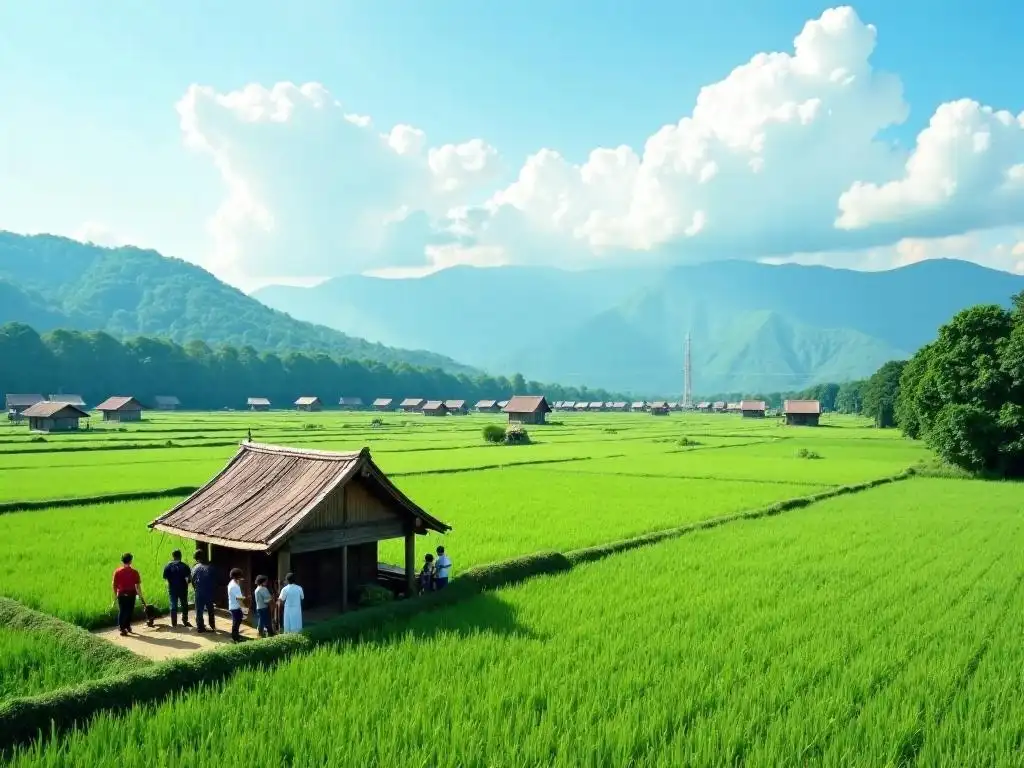
The Tokugawa Era, spanning from 1603 to 1868, was a significant period in Japan’s history that laid the groundwork for modern agricultural practices and societal structures. The Tokugawa shogunate implemented a centralized feudal system that influenced land ownership, agricultural productivity, and the social hierarchy. A rigid class structure emerged, with samurai, farmers, artisans, and merchants occupying distinct roles. This stratification dictated agricultural practices, as farmers were primarily responsible for cultivating the land, while samurai maintained order and collected taxes.
Under the Tokugawa regime, the government promoted agricultural development through a variety of policies, including land surveys and improved irrigation systems. These initiatives aimed to increase rice production, as rice was not only a staple food but also served as a currency and tax measure. The emphasis on rice cultivation significantly shaped rural communities, fostering a sense of identity and purpose among farmers.
The social structure was closely tied to agricultural output. Wealthy landowners, often samurai, exerted control over farmers who worked the fields, leading to a system where agricultural success was paramount for social stability. This relationship created a complex dynamic where the prosperity of rural communities directly impacted the Tokugawa economy and societal order.
Impact on Rural Communities and Village Life
The Tokugawa Era brought about profound changes in rural communities and village life. The introduction of new agricultural techniques, such as crop rotation and improved seed varieties, increased yields and allowed for greater food security. Villages became centers of agricultural production, fostering strong community ties among farmers.
Villagers participated in cooperative efforts to maintain irrigation systems and shared resources, reinforcing communal bonds. Festivals and rituals related to agricultural cycles became integral to village life, celebrating the harvest and seeking blessings for future crops. However, the rigid social hierarchy also meant that the benefits of agricultural prosperity were not evenly distributed. Wealthier landowners often reaped the rewards, while tenant farmers faced hardships, including high taxes and limited land access.
The increased agricultural productivity during the Tokugawa Era contributed to population growth, which in turn led to the expansion of market towns and rural commerce. Despite the challenges, rural communities developed a unique culture that balanced agricultural practices with social and spiritual traditions, shaping the essence of Japanese village life.
The Relationship Between Agriculture and Urban Development
The relationship between agriculture and urban development during the Tokugawa Era was symbiotic. As agricultural practices improved, cities began to flourish due to the surplus of food produced by rural communities. This surplus supported growing urban populations, with towns like Edo (modern-day Tokyo) becoming bustling centers of trade and culture.
Urban development was closely linked to agricultural output, as cities relied on rural areas for food supplies. The growth of market towns facilitated the exchange of agricultural products, creating a vibrant economy that connected rural and urban environments. Merchants played a crucial role in this exchange, transporting goods from farms to towns and introducing new products and ideas.
Moreover, the Tokugawa government encouraged the establishment of roads and transportation networks, further enhancing trade between rural and urban regions. This interconnectedness not only stimulated economic growth but also contributed to the cultural exchange that characterized the era. As cities expanded, they began to influence rural lifestyles, introducing new agricultural practices and consumer goods that altered traditional farming methods.
Challenges Facing Tokugawa Agricultural Practices
Despite the advancements in agricultural practices during the Tokugawa Era, several challenges hindered sustainable development. These challenges included natural disasters, social unrest, and the limitations imposed by the feudal structure.
Natural Disasters and Their Economic Impact
Natural disasters posed significant threats to agricultural productivity throughout the Tokugawa Era. Japan's vulnerability to earthquakes, tsunamis, and typhoons frequently disrupted farming activities and devastated rural communities. For example, the great famine of 1732 resulted from a combination of crop failures due to poor weather and natural calamities, leading to widespread suffering and economic decline.
The economic impact of these disasters was profound. When crops failed, farmers struggled to pay taxes, which were often levied in rice. This situation led to increased debt and social unrest, as farmers faced starvation and poverty. The government’s inability to effectively respond to these crises often resulted in riots and protests, highlighting the fragility of the agricultural system and the reliance on favorable natural conditions.
Resistance and Reforms in Agricultural Policies
In response to the challenges faced by farmers, resistance movements emerged, advocating for reforms in agricultural policies. Many farmers organized protests against excessive taxation and demanded more equitable land distribution. These movements highlighted the tensions within the rigid social structure and the struggles of the peasantry.
Recognizing the need for reform, some Tokugawa leaders implemented policies aimed at improving agricultural conditions. Initiatives included promoting crop diversification, encouraging the adoption of new farming techniques, and revising tax structures to alleviate the burdens on farmers. However, these reforms were often met with resistance from the samurai class, which feared losing their economic power and social status.
The struggle for reform ultimately laid the groundwork for the changes that would come with the Meiji Restoration, as the lessons learned during the Tokugawa Era informed future agricultural policies and economic strategies. The legacy of this era continues to influence Japan’s agricultural practices today, reflecting the intricate relationship between history, society, and the economy.
Conclusion: Legacy of Tokugawa Agricultural Practices on Modern Japan
The Tokugawa Era, spanning from 1603 to 1868, left an indelible mark on Japan's agricultural landscape and economic structure. The policies enacted during this period not only enhanced agricultural productivity but also laid the groundwork for Japan's modern agricultural practices. The emphasis on rice cultivation, the introduction of irrigation techniques, and the establishment of land management systems contributed significantly to food security and rural livelihoods.
The legacy of Tokugawa agricultural practices is evident in how contemporary Japan approaches agriculture today. While modern techniques and technologies have evolved, the foundational principles of sustainable farming, community cooperation, and regional specialization trace their roots back to the Tokugawa period. This historical context provides insight into Japan's resilience and adaptability in agricultural practices over the centuries.
Lasting Effects on Contemporary Japanese Agriculture
The agricultural policies of the Tokugawa Era fostered a stable and productive environment that continues to influence Japan's agricultural sector. Key aspects of these lasting effects include:
- Rice as a Staple Crop: The Tokugawa government prioritized rice cultivation, establishing it as a staple food source. This focus has persisted into modern times, with rice remaining a central element of the Japanese diet and culture.
- Irrigation and Land Management: Innovations in irrigation systems developed during the Tokugawa period enabled more efficient water use, which is still vital for contemporary farming. The principles of land management established during this era continue to inform practices that promote sustainability and productivity.
- Local Agricultural Techniques: The emphasis on regional crops and farming methods has led to the preservation of diverse agricultural practices across Japan. This localization fosters biodiversity and resilience in the face of climate change and global agricultural challenges.
These enduring elements demonstrate the Tokugawa Era's profound influence on contemporary agricultural practices, reflecting a blend of tradition and modernity in Japan's farming methodologies.
Reflection on Economic Policies and Agricultural Sustainability
The economic policies of the Tokugawa Era revolved around fostering a stable agrarian economy, which directly impacted agricultural sustainability. The shogunate implemented regulations that balanced the needs of the samurai class with those of the peasantry, leading to an economy that, while rigid, provided a degree of stability.
Key reflections on these economic policies include:
- Taxation and Incentives: The system of taxation was designed to ensure a steady income for the ruling class while incentivizing farmers to maximize production. This balance between state needs and agricultural output contributed to long-term sustainability.
- Community Collaboration: The era's emphasis on community and cooperative farming practices encouraged shared resources and knowledge, fostering a sense of stewardship among farmers. Such collaboration is vital in modern sustainable agriculture, where community engagement plays a key role in environmental stewardship.
- Crisis Management: The Tokugawa government implemented strategies to manage agricultural crises, such as famines and natural disasters, by stockpiling rice and distributing aid. This historical precedent highlights the importance of proactive measures in ensuring agricultural resilience, a principle increasingly relevant in today's climate-affected agricultural landscape.
The reflection on these policies illustrates how they contributed to agricultural sustainability and informed modern approaches to economic stability and environmental responsibility.
References
Suggested Reading on Tokugawa Era Agricultural Practices
- "The Tokugawa World" by James L. McClain - This comprehensive text explores the societal and agricultural frameworks that defined the Tokugawa period.
- "Agriculture and the Samurai" by Richard J. Smethurst - An insightful examination of how samurai governance influenced agricultural development.
- "Rice as Self: Japanese Identities through Time": by Tessa Morris-Suzuki - A study focusing on the cultural significance of rice in Japan, tracing its importance back to the Tokugawa Era.
Academic Sources for Further Exploration of Economic History in Japan
- "Japan's Economic History: 1600-1990": by Shinozaki Masahiro - A detailed account of Japan's economic transformations, including the Tokugawa period.
- "The Economic Development of Japan: Growth, Stability, and Crisis": by John C. Campbell - An analysis of Japan’s economic history with a focus on agricultural policies.
- "Feudalism in Japan" by Peter D. Shiroto - This academic work discusses the socio-economic structures of feudal Japan, providing context for agricultural practices during the Tokugawa Era.
- Introduction to the Tokugawa Era
- The Structure of Agriculture During the Tokugawa Era
- Innovations in Tokugawa Era Agricultural Practices
- Economic Implications of Agricultural Changes
- The Tokugawa Era's Agricultural Practices and Social Structure
- Challenges Facing Tokugawa Agricultural Practices
- Conclusion: Legacy of Tokugawa Agricultural Practices on Modern Japan
- References
- What was the Tokugawa Era?
- How did the Tokugawa Era influence agricultural practices in Japan?
- What role did agriculture play in the Tokugawa economy?
- Were there any significant technological advancements in agriculture during the Tokugawa period?
- How did the social structure affect agricultural practices in the Tokugawa Era?
Frequently Asked Questions
What was the Tokugawa Era?
The Tokugawa Era (1603-1868) was a significant period in Japanese history marked by political stability, economic growth, and cultural development under the rule of the Tokugawa shogunate.
How did the Tokugawa Era influence agricultural practices in Japan?
During the Tokugawa Era, there was a shift towards intensive farming techniques and the introduction of new crops, which significantly improved productivity and sustainability in Japanese agriculture.
What role did agriculture play in the Tokugawa economy?
Agriculture was the backbone of the Tokugawa economy, providing the necessary resources for taxation, trade, and the support of a growing urban population.
Were there any significant technological advancements in agriculture during the Tokugawa period?
Yes, the Tokugawa Era saw the adoption of various agricultural tools and techniques, including improved irrigation methods and crop rotation, which enhanced overall farming efficiency.
The social structure, characterized by a rigid class system, influenced land ownership and farming practices, where peasants worked the land while samurai and daimyos controlled it, impacting the overall agricultural economy.
Final Reflection: The Enduring Legacy of Tokugawa Era Agricultural Practices
The agricultural practices established during the Tokugawa Era continue to resonate in Japan's modern economy, illustrating the profound connection between past innovations and present realities. As we explore the intricate systems of farming, irrigation, and land management that flourished during this period, it becomes evident that these practices laid the groundwork for Japan's agricultural resilience and economic stability today. The Tokugawa Era was not just a time of peace and governance; it was a pivotal moment that shaped the very fabric of Japanese society and its relationship with the land.
Clearly, the influence of Tokugawa agricultural practices extends beyond mere historical significance; it is woven into the cultural and social landscape of contemporary Japan. The methods of crop rotation, sustainable farming, and community-based agriculture that emerged during this era have fostered a sense of stewardship towards the environment that persists today. As noted by historian John Dower, The past is not a dead weight; it is a living force that shapes our present and future.
This perspective invites us to recognize how the agricultural innovations of the Tokugawa period continue to inform modern practices, emphasizing sustainability and community engagement in agriculture.
As we reflect on the lessons from the Tokugawa Era, I invite you to consider how these historical insights can inspire your own relationship with agriculture and the environment. What can we learn from the past to cultivate a more sustainable future?
Embrace the wisdom of those who came before us, and let it guide your actions—whether in supporting local farmers, practicing sustainable gardening, or advocating for policies that honor our agricultural heritage. The legacy of the Tokugawa Era is not just a chapter in history; it is a call to action for each of us to nurture our land and communities for generations to come.
Cultivate Your Knowledge: Dive Deeper into Japan's Agricultural Legacy!
Thank you for exploring the fascinating dynamics of the Tokugawa Era's impact on Japan’s agricultural practices and economy. Your journey through this rich historical landscape has equipped you with insights that resonate even today. Now, it’s time to take actionable steps to deepen your understanding and appreciation of Japan’s agricultural evolution.
Here are some ways you can enrich your knowledge and engage with this captivating history:
- Start a garden using traditional Japanese methods – Research and implement techniques such as raised beds or specific crop rotations that were prevalent during the Tokugawa period.
- Share your newfound knowledge with friends or engage in discussions on social media – connect with fellow enthusiasts by using hashtags related to Japanese history and agriculture.
- Visit local farms or markets that showcase traditional Japanese crops or agricultural practices, allowing you to witness the ongoing influence of historical methods in contemporary farming.
What aspect of Japan’s agricultural transformation during the Tokugawa Era intrigues you the most, and how might you relate it to today’s farming practices?