
The Cultural Renaissance: How the Samurai Class Influenced Arts and Literature

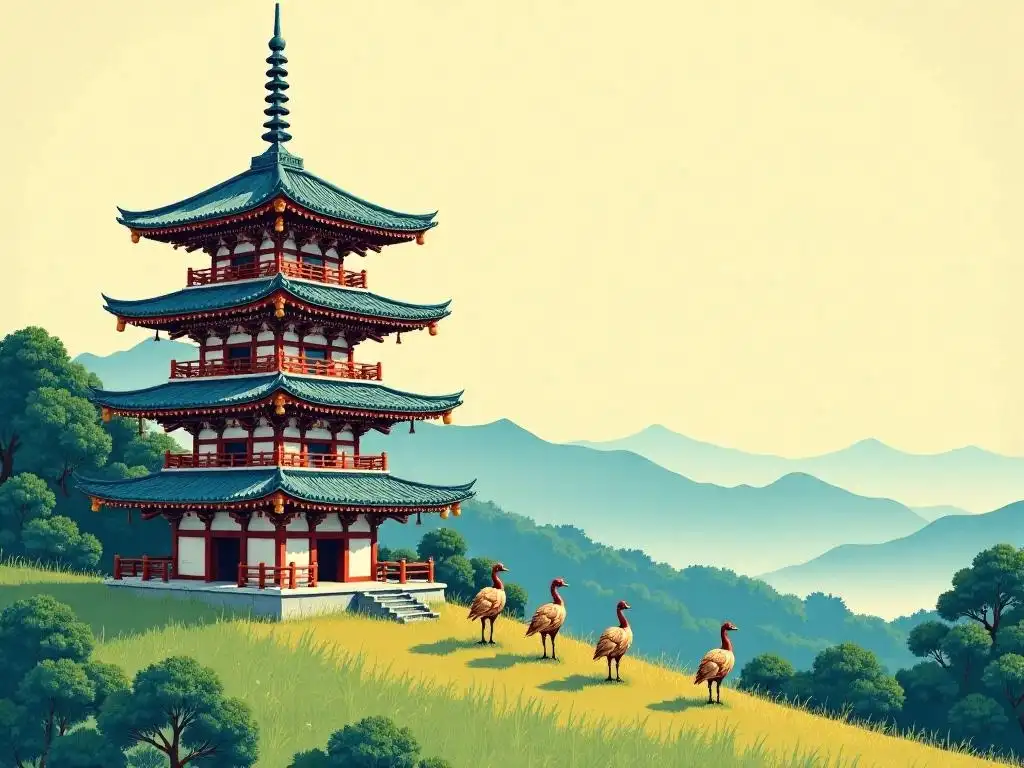
Welcome to Feudal Japan History! Dive into the rich tapestry of Japan’s feudal era, where the echoes of the past resonate through the arts and culture. In our featured article, "The Cultural Renaissance: How the Samurai Class Influenced Arts and Literature," we unravel the profound impact of the samurai on Japanese artistic expression. Discover how this noble class not only shaped political landscapes but also ignited a vibrant cultural renaissance that still captivates hearts today. Prepare to embark on a journey that explores the intricate connections between power, artistry, and identity in feudal Japan.
Introduction to Samurai Influence on Japanese Arts
The samurai class, often romanticized as the noble warriors of feudal Japan, played a pivotal role not only in the political landscape but also in shaping the cultural fabric of the nation. Their influence on arts and literature during the feudal era marks a significant cultural renaissance in Japan, where the ideals of bushido, or the way of the warrior, extended beyond the battlefield into the realms of aesthetics, philosophy, and expression.
This article will explore the profound impact the samurai had on Japanese arts, emphasizing how their values and lifestyles fostered a unique cultural identity that continues to resonate in modern Japan.
Overview of the Samurai Class in Feudal Japan
The samurai were a distinct social class that emerged during the Heian period (794-1185) and became prominent in the Kamakura period (1185-1333). They were primarily known as skilled warriors serving various feudal lords, known as daimyo. However, their role transcended mere military engagement; samurai adhered to a strict code of conduct, which prioritized loyalty, honor, and discipline. The samurai's commitment to these principles significantly influenced their patronage of the arts and literature, as they sought to cultivate a refined image that mirrored their martial prowess.
Importance of Arts and Literature in Japanese Culture
In Japan, arts and literature have always held a revered position, serving not only as forms of expression but also as vehicles for philosophical and spiritual exploration. During the feudal era, the samurai class became instrumental in elevating the importance of these cultural elements. They actively patronized various art forms, including poetry, calligraphy, painting, and theater, which flourished under their support. The samurai’s appreciation for aesthetics prompted a blending of martial values with artistic pursuits, leading to a rich tapestry of cultural achievements that defined the era.
Historical Context of the Samurai Class
Emergence of the Samurai in Feudal Japan
The roots of the samurai can be traced back to the early Heian period when powerful clans began to form in response to local conflicts and the need for protection. As the central authority weakened, these clans relied on skilled warriors to secure their interests. Over time, this warrior class evolved into an organized samurai class, recognized for their military expertise and loyalty. Their emergence marked a shift in the socio-political structure of Japan, laying the groundwork for the feudal system that characterized the subsequent centuries.
The Role of Samurai in Society and Politics
The samurai were not only warriors but also political actors who played critical roles in the governance of feudal Japan. They held positions of power within their clans, often serving as advisors, judges, and land administrators. This multifaceted role allowed them to influence not just military strategies, but also cultural policies. Their involvement in political affairs often intersected with their artistic patronage, as they sought to use culture as a means of legitimizing authority and reinforcing social hierarchies.
Transition from Warriors to Cultural Patrons
As Japan entered the peaceful Edo period (1603-1868), the samurai began to transition from their traditional role as warriors to that of cultural patrons and scholars. With the decline of military conflict, many samurai redirected their energies towards the arts and literature, leading to a flourishing of cultural expression.
They began to support various art forms, including tea ceremonies, flower arranging (ikebana), and traditional theater (Noh and Kabuki), which reflected their nuanced understanding of aesthetics and philosophy. This transition not only enriched Japanese culture but also solidified the samurai's legacy as influential figures in the arts, shaping the identity of Japan for generations to come.
Samurai Influence on Japanese Arts
The samurai class, often romanticized in popular culture, was not only a military elite but also a significant cultural force in feudal Japan. Their influence on Japanese arts is profound, shaping various art forms, aesthetics, and cultural practices. Samurai values, such as honor, discipline, and a deep connection to nature, permeated the arts, leading to a unique synthesis of martial and artistic expression. The samurai's patronage of artisans and their involvement in cultural activities fostered an environment where arts flourished alongside military prowess.
One of the key aspects of samurai influence on Japanese arts is the concept of wabi-sabi, which embodies the beauty of imperfection and transience. This philosophy resonated with the samurai's understanding of life and death, emphasizing simplicity and humility. As a result, art forms such as pottery, tea ceremonies, and garden design began to reflect these values, emphasizing natural materials and asymmetry. Thus, the samurai's worldview significantly shaped the aesthetic direction of Japanese arts.
The Aesthetic Values of the Samurai
The aesthetic values of the samurai were deeply intertwined with their code of conduct, known as Bushido. This code emphasized virtues like loyalty, bravery, and honor, which translated into a distinctive approach to aesthetics. The samurai's appreciation for nature and the fleeting moments of beauty is vividly captured in the art movements of the time.
- Simplicity and Restraint: Samurai aesthetics favored simplicity, which is evident in the minimalist designs of many art forms. This simplicity was not just a stylistic choice but a reflection of the samurai's disciplined lifestyle.
- Emphasis on Nature: The samurai saw nature as a source of inspiration and strength. This respect for the natural world influenced various art forms, including landscape painting and garden design, where elements like water, rocks, and trees were used to symbolize deeper philosophical concepts.
- Harmony and Balance: The notion of balance was crucial in samurai aesthetics. Artworks often aimed to achieve a harmonious relationship between different elements, mirroring the balance the samurai sought in their lives between duty and personal expression.
The samurai's aesthetic values fostered a rich cultural landscape that celebrated not only martial skill but also the beauty found in everyday life.
Key Art Forms Influenced by Samurai
The samurai class left an indelible mark on various art forms, cultivating a rich tapestry of cultural expression. Some of the key art forms influenced by the samurai include:
- Ink Wash Painting (Sumi-e): This form of painting emphasizes the beauty of simplicity and the use of negative space, reflecting the samurai's aesthetic values. The focus on brush technique and spontaneity mirrors the samurai's martial discipline.
- Ceramics and Pottery: Samurai patronage led to the development of unique styles of ceramics, such as Raku ware, which was often used during tea ceremonies. The earthy textures and colors reflected the samurai's connection to nature.
- Calligraphy: The art of writing became a means of expression for samurai, where the brush strokes represented not just words but the character and spirit of the writer. Calligraphy was often integrated into paintings, enhancing their aesthetic appeal.
- Martial Arts and Theatre: The samurai's emphasis on physical discipline also influenced the performing arts. Their techniques and philosophies were integrated into traditional Japanese theatre forms, including Noh and Kabuki, adding depth to character portrayals and narratives.
These art forms were not merely decorative; they served as a means of expressing the samurai ethos, intertwining the martial and the artistic in a profound manner.
The Impact of Samurai on Japanese Literature
The samurai's influence extended beyond the visual arts to the realm of literature, where their values and experiences found expression in various literary forms. The samurai's life, steeped in the complexities of loyalty, honor, and the inevitability of death, provided rich material for literary exploration.
The samurai class played a pivotal role in the development of Japanese literature, particularly during the Muromachi and Edo periods. Their patronage supported writers and poets, fostering an environment where literature could thrive. The themes of adventure, honor, and the struggles of the samurai became central motifs in Japanese narratives, reflecting the complexities of their existence.
Samurai Literature: Themes and Characteristics
Samurai literature is characterized by specific themes that resonate with the values and experiences of the samurai class:
- Honor and Loyalty: Literature often explored the concepts of giri (duty) and ninjo (human emotion), highlighting the tension between personal feelings and societal obligations. Stories like The Tale of the Heike illustrate the tragic consequences of loyalty and honor.
- The Nature of Bushido: The samurai code of conduct is frequently depicted in literature, offering insights into the moral dilemmas faced by warriors. Works such as Hagakure delve into the philosophical underpinnings of Bushido, blending practical advice with moral reflections.
- Mortality and Transience: The samurai's awareness of mortality is a recurring theme, often portrayed through poetic expressions and narratives that reflect on the fleeting nature of life. This theme resonates with the aesthetic principles of wabi-sabi.
- Conflict and Resolution: Many literary works depict the struggles between rival clans, the internal conflicts of samurai, and the resolution of these conflicts through honor or tragedy, providing a rich narrative tapestry that reflects the tumultuous times of feudal Japan.
Through these themes, samurai literature not only entertained but also provided moral and philosophical reflections that continue to resonate in Japanese culture.
The Role of Samurai in Noh and Kabuki Theatre
The samurai also had a significant impact on traditional Japanese theatre, particularly in Noh and Kabuki, where their values and experiences were dramatized for audiences.
- Noh Theatre: Noh is a classical form of Japanese drama characterized by its slow, stylized movements and poetic dialogue. Samurai actors often played key roles, bringing authenticity to the portrayal of warrior characters. The themes of honor, duty, and the supernatural are prevalent in Noh plays, reflecting the samurai's beliefs and experiences.
- Kabuki Theatre: Emerging later than Noh, Kabuki is known for its vibrant costumes, exaggerated movements, and energetic performances. Samurai were influential patrons of Kabuki, and their tales of valor and loyalty were adapted into popular plays. The samurai's dramatic life events provided rich material for Kabuki narratives, engaging audiences with themes of love, betrayal, and honor.
In both forms of theatre, the samurai's influence is evident in the narratives, themes, and performance styles, showcasing their complex relationship with arts and culture in feudal Japan. The legacy of the samurai continues to shape the landscape of Japanese arts, emphasizing the enduring connection between martial values and cultural expression.
Case Studies of Samurai Influence on Arts and Literature
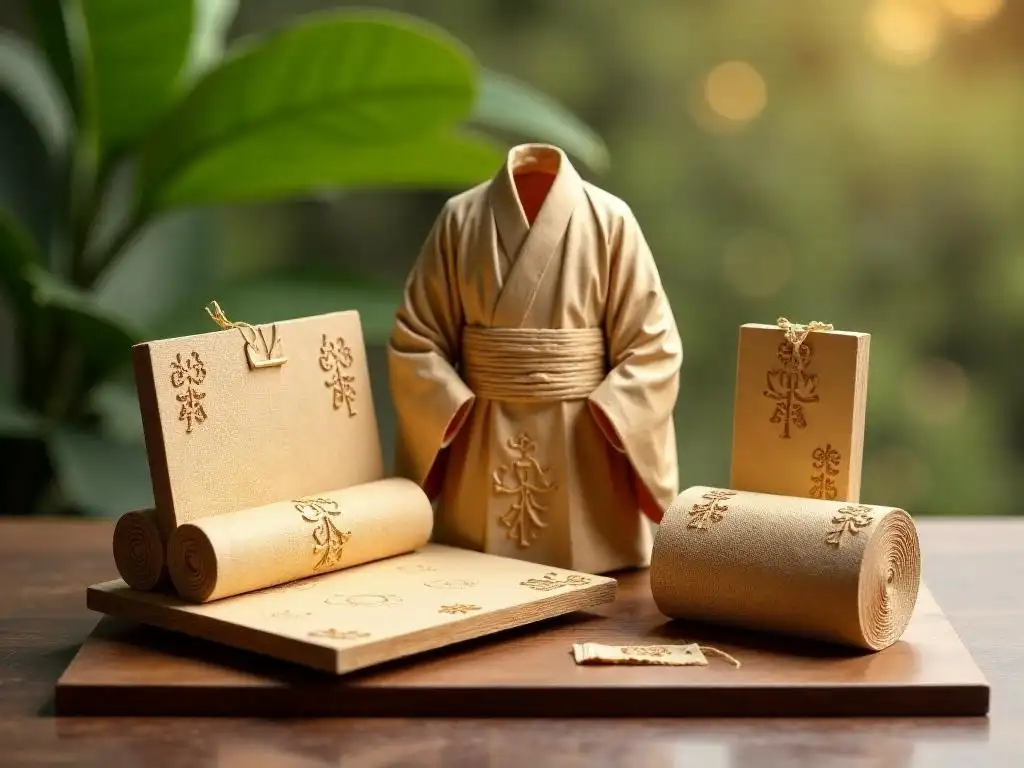
The samurai class played a pivotal role in shaping the cultural landscape of feudal Japan, particularly through their influence on various art forms and literature. This section delves into specific case studies that illustrate the depth and breadth of samurai impact on Japanese arts and literary traditions. By examining notable examples, we can understand how the values and aesthetics of the samurai transcended their martial ethos, fostering a rich cultural renaissance.
Analyzing Specific Works of Art
One of the most striking examples of samurai influence in the visual arts can be seen in the works of famed ukiyo-e artists like Katsushika Hokusai and Utagawa Hiroshige. Their prints often depicted samurai in various settings, showcasing their virtues and valor. For instance, Hokusai's series "Thirty-Six Views of Mount Fuji" features samurai engaged in daily life, reflecting the harmony between nature and the warrior spirit.
Moreover, the intricate armor and weaponry of the samurai have long been subjects of artistic expression. The craftsmanship of samurai swords (katana) is not merely functional but also an art form, embodying the philosophy of “wabi-sabi,” which appreciates beauty in imperfection. The aesthetics of these weapons often find expression in various art forms, including ceramics and textiles, showcasing their cultural significance beyond mere combat tools.
Literary Works That Embody Samurai Influence
In literature, the samurai's influence is prominently featured in classical texts such as "The Tale of the Heike" and "The Book of Five Rings" by Miyamoto Musashi. "The Tale of the Heike," an epic narrative, chronicles the rise and fall of the Taira and Minamoto clans, illustrating the samurai's code of honor and loyalty. Its poetic structure and themes of impermanence resonate with the samurai ethos of accepting fate with dignity.
Miyamoto Musashi's "The Book of Five Rings," on the other hand, is a treatise on strategy, philosophy, and martial arts. It transcends its practical intent to become a literary masterpiece that emphasizes the importance of mental discipline and the art of living, further solidifying the samurai's role as not just warriors, but as philosophers and artists of life.
The Lasting Legacy of Samurai Influence
The legacy of samurai influence on Japanese arts and literature extends far beyond the feudal era, permeating contemporary culture and artistic expressions. This enduring impact is evident in various modern interpretations and representations of the samurai spirit.
Modern Interpretations of Samurai in Arts
In contemporary art, the samurai’s legacy is explored through various mediums, from film to visual arts. Iconic films such as Akira Kurosawa's "Seven Samurai" have not only redefined the samurai genre but have also influenced global perceptions of Japanese culture. The aesthetics of the samurai, characterized by discipline and honor, continue to inspire artists, leading to new interpretations that resonate with modern audiences.
Moreover, street art and graphic novels have embraced samurai themes, showcasing their timeless qualities in a contemporary context. This fusion of traditional samurai elements with modern artistic expressions highlights the adaptability of their influence.
Samurai Influence in Present-Day Literature
In literature, the samurai ethos finds new life in contemporary novels and manga. Works like "Shogun" by James Clavell and "Lone Wolf and Cub" by Kazuo Koike and Gōseki Kojima exemplify how the samurai narrative continues to captivate readers. These stories often explore themes of honor, conflict, and personal growth, echoing the values held by the samurai class.
Furthermore, modern authors are increasingly weaving samurai themes into their narratives, reflecting on the complexities of honor and duty in today’s world. This literary resurgence serves as a testament to the enduring legacy of the samurai, illustrating how their influence on Japanese arts continues to evolve while remaining deeply rooted in history.
Conclusion
The influence of the samurai class on Japanese arts and literature during the feudal era is both profound and multifaceted. This cultural renaissance, which flourished under the patronage of samurai leaders, not only enriched the artistic landscape of Japan but also laid the groundwork for many of the aesthetic principles that continue to resonate in contemporary Japanese culture. From the delicate strokes of ink on paper to the rhythmic cadence of poetry, the samurai's impact is evident in various forms of expression that have shaped the national identity.
Recap of Samurai Influence on Japanese Arts and Literature
Throughout the feudal period, samurai were not merely warriors; they were also patrons and practitioners of the arts. Their dedication to bushido, the way of the warrior, emphasized virtues that transcended martial prowess and extended into cultural pursuits. This led to the proliferation of various art forms, including:
- Literature: Samurai contributed to the development of Japanese poetry, particularly through forms such as haiku and renga. Prominent figures like Matsuo Bashō exemplified how samurai ideals influenced the themes of nature, mortality, and the human experience in their works.
- Visual Arts: The samurai's appreciation for aesthetics fostered advancements in painting, ceramics, and calligraphy. The use of minimalist design and natural elements in art reflects the samurai's connection to the principles of Zen Buddhism, emphasizing simplicity and tranquility.
- Theater: Samurai patronage played a crucial role in the evolution of traditional Japanese theater, including Noh and Kabuki. These art forms often portrayed samurai themes, exploring honor, loyalty, and the complexities of human emotion.
The enduring legacy of the samurai’s contributions is evident in today’s arts, where contemporary artists draw inspiration from these historical influences, creating a rich tapestry that honors the past while exploring new horizons.
The Continuing Relevance of Samurai Culture in Contemporary Japan
In modern Japan, the samurai's influence persists, manifesting in various aspects of society, culture, and even business practices. The ideals of honor, loyalty, and discipline that characterized the samurai class continue to resonate with many Japanese people today. This cultural heritage can be seen in:
- Martial Arts: Traditional martial arts, such as Kendo and Aikido, are not just physical disciplines but also embody the philosophical teachings of the samurai, emphasizing respect, self-control, and the pursuit of excellence.
- Fashion and Aesthetics: Elements of samurai armor and clothing styles have influenced contemporary fashion, inspiring designers who incorporate historical motifs into modern attire, blending functionality with a sense of heritage.
- Literature and Media: Samurai themes remain prevalent in literature, films, and anime, showcasing the complex narratives of loyalty, conflict, and the warrior's journey. These mediums serve not only as entertainment but also as a means to explore the cultural identity of Japan.
- Cultural Events: Festivals celebrating samurai history and heritage, such as the yearly re-enactments of famous battles or traditional ceremonies, help keep the spirit of the samurai alive, fostering a sense of pride and continuity in Japanese culture.
The samurai class has left an indelible mark on Japanese arts and literature, creating a legacy that continues to inspire and shape contemporary cultural expressions. Their influence serves as a testament to the enduring power of art in bridging the past and present, allowing the rich traditions of feudal Japan to thrive in modern society.
- Introduction to Samurai Influence on Japanese Arts
- Historical Context of the Samurai Class
- Samurai Influence on Japanese Arts
- The Impact of Samurai on Japanese Literature
- Case Studies of Samurai Influence on Arts and Literature
- The Lasting Legacy of Samurai Influence
- Conclusion
- What was the role of the samurai in the cultural renaissance of Japan?
- How did samurai values shape Japanese literature?
- In what ways did samurai patronage affect artistic expression?
- Can you name some specific art forms influenced by the samurai?
- What impact did the samurai have on Japanese aesthetics and design?
Frequently Asked Questions
What was the role of the samurai in the cultural renaissance of Japan?
The samurai played a pivotal role in the cultural renaissance by promoting arts such as literature, painting, and theater, which flourished during their reign.
How did samurai values shape Japanese literature?
Samurai values such as honor, loyalty, and discipline were reflected in Japanese literature, influencing themes and character development in various literary works.
In what ways did samurai patronage affect artistic expression?
The patronage of the samurai class provided financial support and protection for artists, leading to a vibrant and diverse artistic expression during the feudal period.
Can you name some specific art forms influenced by the samurai?
The samurai influenced several art forms, including calligraphy, tea ceremonies, and martial arts, which all embodied their philosophies and aesthetics.
What impact did the samurai have on Japanese aesthetics and design?
The aesthetics and design promoted by the samurai emphasized simplicity, natural beauty, and spiritual depth, significantly shaping the Japanese aesthetic and influencing contemporary culture.
Final Reflection: The Enduring Legacy of Samurai Influence on Japanese Arts
The impact of the samurai class on Japanese arts and literature is not merely a historical footnote; it is a vibrant thread woven into the fabric of contemporary culture. As we navigate a world that often feels disconnected from its roots, the samurai's dedication to artistry and discipline serves as a powerful reminder of how cultural legacies can shape our present and future. The samurai's influence on Japanese arts is a testament to the profound connection between identity, creativity, and societal values.
Culturally, the samurai's ethos continues to resonate, inspiring artists, writers, and thinkers across generations. Their commitment to honor, beauty, and the pursuit of excellence has left an indelible mark on various art forms, from traditional ink painting to modern cinema. As the renowned Japanese author Yukio Mishima once stated, The samurai is a man who has made a vow to himself to pursue beauty.
This pursuit of beauty, rooted in the samurai spirit, encourages us to explore our own creative expressions and to appreciate the artistry that surrounds us.
As we reflect on the lessons of the samurai class, I invite you to consider how their values can enrich your own life. Embrace the idea that art is not just a form of expression but a pathway to understanding and connecting with the world around you. Whether through painting, writing, or any other creative endeavor, let the samurai's legacy inspire you to cultivate your own artistic journey. In doing so, you contribute to the ongoing cultural renaissance that honors the past while shaping a vibrant future.
Unleash Your Inner Artist – Embrace the Samurai Spirit!
Thank you for diving into the fascinating world of the samurai and their profound impact on arts and literature. By exploring their legacy, you’ve uncovered valuable insights into the cultural renaissance that shaped Japan. Now, it’s time to take those inspirations and turn them into action!
Here’s how you can connect further with this vibrant heritage:
- Create your own art inspired by samurai traditions, whether it’s through painting, writing, or a form of martial arts. Let their values guide your creative expression!
- Join a community or workshop focused on traditional Japanese arts. This is a wonderful opportunity to meet like-minded individuals and share your artistic journey.
- Share your insights with friends or on social media! Start meaningful conversations about the samurai’s influence and its relevance to your life today.
What aspect of samurai culture resonates most with you, and how will you incorporate it into your daily life?