
The Guilds of Knowledge: Craftsmanship and Training in Feudal Japan


Welcome to Feudal Japan History, where we invite you to embark on an extraordinary journey through the rich tapestry of Japan’s feudal era. This is not just a recounting of dates and events; it's a deep dive into the craftsmanship training that shaped a society, cultivating both artistry and skill among its people. In our featured article, "The Guilds of Knowledge: Craftsmanship and Training in Feudal Japan," we unravel the intricate web of guilds that fostered innovation and expertise during this transformative period.
Prepare to unlock the secrets of Japan’s cultural heritage and discover how the artisans of the past laid the groundwork for the future. Are you ready to explore the legacy of craftsmanship that continues to inspire today?
- Introduction to Craftsmanship and Training in Feudal Japan
- Historical Context of Craftsmanship Training in Feudal Japan
- The Guild System: Structure and Function
- Craftsmanship Training Methods in Feudal Japan
- Cultural Significance of Craftsmanship in Feudal Japan
- Challenges Faced by Craftsmen and Guilds
- Conclusion: Legacy of Craftsmanship Training in Feudal Japan
- References and Further Reading on Craftsmanship in Feudal Japan
-
Frequently Asked Questions
- What were the main features of craftsmanship training in feudal Japan?
- How did guilds influence craftsmanship during this period?
- What types of crafts were prominent in feudal Japan?
- How did social status affect access to craftsmanship training?
- What impact did craftsmanship training have on Japanese culture?
- Final Reflection: The Enduring Legacy of Craftsmanship in Feudal Japan
- Unveil the Rich Traditions of Feudal Japan!
Introduction to Craftsmanship and Training in Feudal Japan
In the intricate tapestry of Japan's feudal era, spanning from the late 12th century to the mid-19th century, the concepts of craftsmanship and training played pivotal roles in shaping not only the economy but also the culture and societal norms. This period, marked by the rise of samurai rule and the establishment of a rigid social hierarchy, saw the emergence of specialized guilds dedicated to various crafts and trades. These guilds were not merely economic entities; they were vital institutions that preserved and transmitted knowledge, skills, and traditions across generations.
As we delve into the nuances of craftsmanship training in feudal Japan, we will explore how these guilds functioned, the significance of their practices, and the lasting legacy they left on Japanese society. Understanding this aspect of feudal Japan offers valuable insights into the broader historical and cultural framework of the time, highlighting the intricate relationships between artisans, their crafts, and the social structures that governed their lives.
Feudal Japan was characterized by a hierarchical social system that influenced every aspect of life, including craftsmanship. At the top of this hierarchy were the samurai, the warrior class that held significant political power. Below them were the daimyōs, feudal lords who governed large territories and often employed skilled artisans to produce weapons, armor, and other necessities for warfare.
The peasants, who made up the majority of the population, were primarily engaged in agriculture but also contributed to the craft economy through various trades. Artisans and craftsmen occupied a distinct position within this structure, often organized into guilds that facilitated the exchange of knowledge and skills. These guilds ensured that craftsmanship was not only a means of livelihood but also a respected vocation, with training passed down through apprenticeships that emphasized mastery and tradition.
Importance of Craftsmanship in Japanese Society
Craftsmanship was deeply embedded in the cultural identity of feudal Japan, influencing everything from daily life to religious practices. The high regard for artisanship can be seen in the production of exquisite textiles, ceramics, and metalwork, which were often imbued with cultural significance and intricate designs.
The kanji characters for “craftsmanship” (工芸, kōgei) imply not just the act of creating but also the artistry and skill involved. This reverence for craftsmanship was reflected in the role of artisans within society; they were seen not merely as laborers but as custodians of cultural heritage. Moreover, craftsmanship training was essential for ensuring that the techniques and knowledge associated with specific trades were preserved and refined over generations.
Purpose of the Article on Craftsmanship Training
This article aims to provide a comprehensive exploration of craftsmanship training in feudal Japan, focusing on the methods, significance, and impact of these practices. By examining the structures and functions of guilds, the training processes involved, and the broader implications for society, we will uncover the intricate relationship between craftsmanship, culture, and education.
Through this exploration, we hope to illuminate the legacy of craftsmanship in feudal Japan, drawing connections to contemporary practices and the enduring influence of these historical guilds. By understanding the depth of craftsmanship training during this era, we can appreciate its role not only in the economic framework of feudal Japan but also in the rich tapestry of its cultural history.
Historical Context of Craftsmanship Training in Feudal Japan
Evolution of Craftsmanship in Ancient Japan
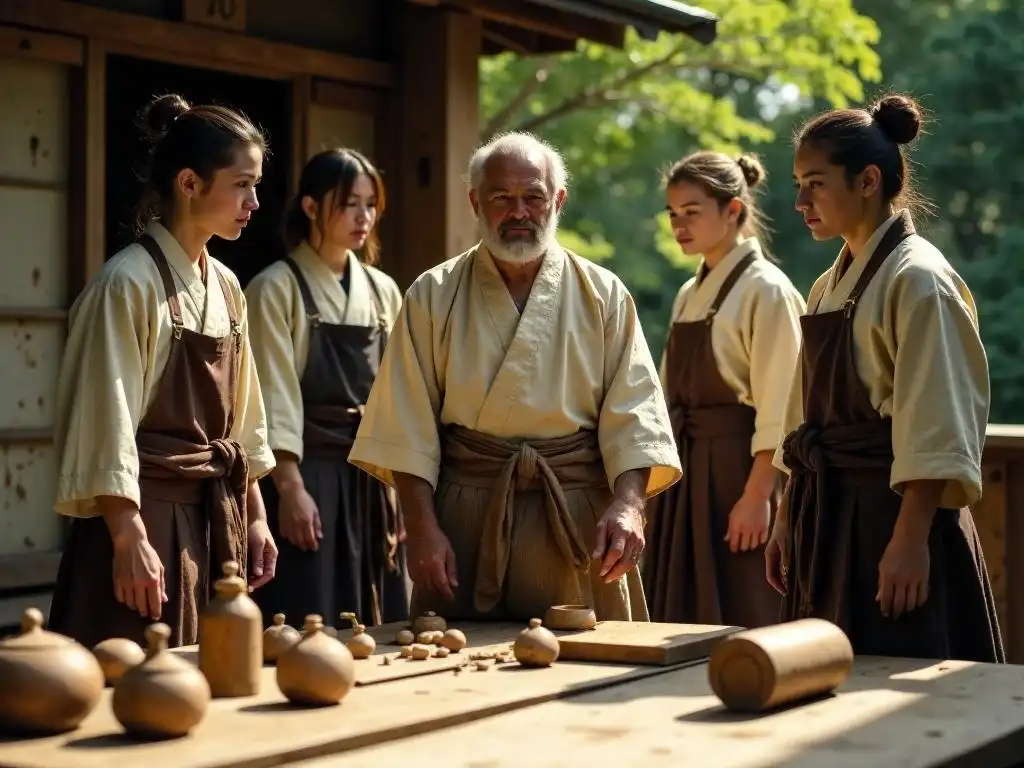
Craftsmanship in ancient Japan began to flourish during the Jomon period (c. 14,000 - 300 BCE), where artisans created intricate pottery and tools using available natural resources. As society transitioned into the Yayoi period (c. 300 BCE - 300 CE), advancements in agriculture led to increased specialization in various crafts. By the time of the Heian period (794-1185), skilled artisans were essential to both court life and the burgeoning merchant class, paving the way for a more structured approach to craftsmanship training.
In the Kamakura period (1185-1333), the rise of the samurai class further influenced craftsmanship. The demand for weapons, armor, and tools surged, leading to the establishment of formal training methods within the crafts. Artisans began to form families or clans dedicated to specific trades, passing down their knowledge through generations. This period also marked the beginning of the guild system, which organized craftsmen into groups that maintained standards and regulated practices within their trades.
Influence of the Samurai Class on Craftsmanship
The samurai class played a pivotal role in shaping the landscape of craftsmanship training in feudal Japan. As the elite warrior class, samurai not only required weapons and armor but also sought aesthetically pleasing and functional items reflecting their status. This created a demand for high-quality craftsmanship, particularly in areas such as sword-making, armor crafting, and the production of ceremonial items.
Samurai patronage led to the establishment of master-apprentice relationships, where young artisans would train under skilled masters. This system ensured that traditional techniques and specialized knowledge were preserved while also fostering innovation. For instance, swordsmiths like Masamune became legendary not just for the quality of their blades but for the methods they developed, which were taught to their apprentices and transformed into distinct styles over time.
Moreover, the samurai's appreciation for the arts, including tea ceremonies and calligraphy, further enriched the culture of craftsmanship. Artisans were often called upon to create exquisite utensils and scrolls, integrating technical skills with artistic expression. This interplay of functionality and aesthetics became a hallmark of craftsmanship in feudal Japan, deeply influencing training methods and craftsmanship standards.
The Role of Guilds in Feudal Japanese Society
Guilds, known as za, emerged as crucial institutions in feudal Japan, providing structure and support for craftsmen across various trades. These guilds were formed to regulate the craft industry, ensuring quality control, fair pricing, and the dissemination of knowledge. They played an essential role in the training of apprentices, who often began their journeys at a young age, learning the trade through hands-on experience under the guidance of a master craftsman.
The structure of these guilds typically followed a hierarchical model:
- Master Craftsman: The most skilled and experienced member, responsible for overseeing the training of apprentices and ensuring the quality of work.
- Journeyman: A craftsman who had completed their apprenticeship and was skilled enough to work independently but was still in the process of gaining full recognition.
- Apprentice: A novice who learned the trade through direct instruction and practice, often in exchange for labor.
Guilds also served as a means of social networking, allowing craftsmen to collaborate on larger projects, share resources, and collectively advocate for their interests. The Tokugawa shogunate (1603-1868) further formalized these guilds, recognizing them as essential contributors to the economy and cultural heritage of Japan.
Craftsmanship training in feudal Japan was deeply intertwined with the historical, cultural, and social fabric of the time. The evolution of craftsmanship, the influence of the samurai class, and the establishment of guilds all contributed to a rich tradition of skilled trades that not only defined the era but also laid the groundwork for Japan's future artistic and industrial endeavors.
The Guild System: Structure and Function
Definition of Guilds in Feudal Japan
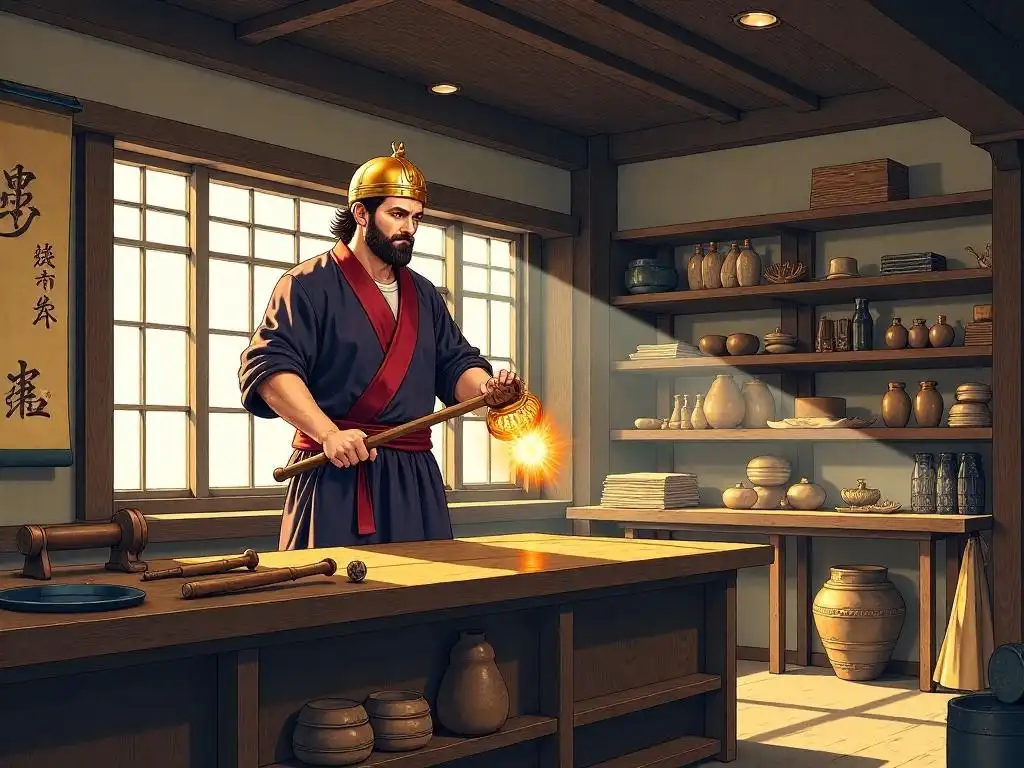
In feudal Japan, guilds, known as za (座), played a crucial role in the economy and societal structure. These organizations were formed by artisans and craftsmen to ensure the quality of their trades while providing a framework for training and apprenticeship. Guilds operated under a system of mutual assistance, where members supported each other through shared resources, knowledge, and protection against external competition.
The primary purpose of these guilds was to maintain standards of craftsmanship and to facilitate the transfer of skills. Each guild focused on specific crafts, such as textiles, pottery, metalwork, and woodworking. This specialization allowed for the honing of skills and the preservation of traditional techniques, which were essential in a society that valued craftsmanship as both an art and a means of livelihood.
Guilds also played a pivotal role in the economic landscape of feudal Japan, as they regulated prices, controlled the supply of goods, and established trade relationships. They held significant influence over local economies and were often involved in the political sphere, negotiating with feudal lords to secure their interests.
Types of Guilds: Specializations in Craftsmanship
The guild system in feudal Japan encompassed a wide range of specialized crafts, each contributing uniquely to the cultural and economic fabric of society. Here are some notable types of guilds:
- Textile Guilds: Focused on the production of silk and cotton fabrics. Notable guilds included the Nishijin-ori in Kyoto, known for its exquisite silk weaving.
- Pottery Guilds: Specialized in ceramic production, with famous styles such as Imari and Bizen originating from specific regions.
- Metalworking Guilds: Crafted tools, weapons, and decorative items. The swordsmiths of the Bizen province were particularly renowned for their mastery in producing katana.
- Woodworking Guilds: Produced furniture and architectural elements, contributing to the aesthetic of traditional Japanese buildings.
- Sake Breweries: Formed guilds to regulate the production of sake, ensuring quality and maintaining traditional brewing methods.
Each guild not only trained its members in specialized techniques but also maintained a repository of knowledge that was passed down through generations. This emphasis on craftsmanship training was vital for the preservation of cultural heritage in feudal Japan.
Hierarchical Structure of Guilds and Their Members
The hierarchical structure of guilds in feudal Japan was well-defined, reflecting the relationships between various members and their roles within the organization. Understanding this structure is essential for grasping how craftsmanship training was organized and delivered:
- Master Craftsman (Dai-nyū): At the top of the hierarchy, the master craftsman was responsible for overseeing all guild activities, ensuring quality control, and passing on knowledge to apprentices. They were often highly respected figures within their communities.
- Journeymen (Waki-nyū): These individuals had completed their apprenticeships and were skilled in their craft. They played a crucial role in assisting masters and training apprentices, while also taking on independent projects to build their reputations.
- Apprentices (Deshi): Young individuals aspiring to learn a craft would join guilds as apprentices. This training could last several years, during which apprentices learned the technical skills and cultural knowledge necessary to excel in their chosen craft.
- Associates (Kou): Some guilds also included members who were not directly involved in craftsmanship but supported the guild's activities, such as merchants selling the crafted goods or administrative roles ensuring the guild's operations ran smoothly.
This structured approach to membership within guilds ensured that each generation of craftsmen received comprehensive training, fostering not only skill development but also a deep appreciation for their craft. The emphasis on mentorship within the guild system was pivotal in maintaining the high standards of craftsmanship that feudal Japan is renowned for today.
By understanding the guild system's structure and function, one can appreciate how craftsmanship training in feudal Japan shaped both the economy and the cultural identity of the era. The legacy of these guilds continues to influence modern Japanese craftsmanship and training practices.
Craftsmanship Training Methods in Feudal Japan
In feudal Japan, craftsmanship was not merely a means of livelihood but a revered art form that demanded rigorous training and dedication. The methods of craftsmanship training were deeply rooted in tradition and often conveyed through familial or guild structures. This section explores the primary methods of training artisans, focusing on the apprenticeship system and the master-disciple relationships that shaped the craftsmanship landscape of the era.
Apprenticeship: The Traditional Path to Mastery
Apprenticeship served as the cornerstone of craftsmanship training in feudal Japan, providing a structured environment for skill acquisition and mastery. This method was not just a means to learn a trade; it was an immersion into the cultural and philosophical values of craftsmanship.
Duration and Stages of Apprenticeship
The apprenticeship typically lasted several years, often ranging from three to ten years, depending on the complexity of the craft. The duration was influenced by factors such as:
- Type of Craft: More intricate crafts like sword forging could require longer apprenticeships compared to simpler trades.
- Individual Ability: Some apprentices showed exceptional talent, allowing them to progress faster through the stages.
The apprenticeship process can be divided into distinct stages:
- Novice Phase:
- Duration: 1-3 years
- Activities: Basic tasks like cleaning tools, fetching materials, and observing the master at work.
- Intermediate Phase:
- Duration: 2-4 years
- Activities: More hands-on experience, including assisting in simple projects and beginning to work independently on smaller tasks.
- Advanced Phase:
- Duration: 2-3 years
- Activities: Undertaking significant projects, refining techniques, and preparing for the eventual transition to mastery.
Skills Acquired Through Apprenticeship
Through the apprenticeship journey, apprentices acquired not only technical skills but also an understanding of the craft’s cultural significance. Key skills developed included:
- Technical Proficiency: Mastery of tools and techniques specific to the craft.
- Attention to Detail: Learning the importance of precision and quality.
- Problem-Solving: Developing the ability to troubleshoot issues that arise during the crafting process.
- Cultural Appreciation: Understanding the historical and artistic context of their craft, which was crucial for creating works that resonated with societal values.
Master-Disciple Relationships in Craftsmanship Training
The relationship between a master craftsman and their disciple was central to effective training in feudal Japan. This bond fostered not only skill development but also the transmission of knowledge and values across generations.
- Mentorship: Masters acted as mentors, guiding apprentices through practical challenges and instilling ethical standards associated with the craft.
- Cultural Transmission: The master-disciple dynamic facilitated the sharing of traditional techniques and philosophies, ensuring that the essence of the craft was preserved.
- Social Status: The respect accorded to master craftsmen conferred social status upon their apprentices, who were viewed as the future bearers of the craft's legacy.
The master-disciple relationship was characterized by mutual respect and dedication, with the disciple often living with the master to immerse themselves fully in the craft. This close-knit training environment allowed for an in-depth exploration of both technical skills and the underlying cultural narratives that defined their work.
Craftsmanship training in feudal Japan was a multifaceted process that combined rigorous apprenticeship methods with profound master-disciple relationships. This system not only ensured the survival of traditional crafts but also enriched the cultural fabric of Japanese society.
Role of Formal Education in Craftsmanship
In feudal Japan, formal education played a crucial role in the development and transmission of craftsmanship skills. This educational framework was largely decentralized and varied widely depending on the region, craft, and the social status of the artisans involved. The methodology of imparting knowledge was often practical and hands-on, emphasizing the importance of direct experience in mastering a craft.
The Structure of Craft Schools
Formal education for craftsmen typically took place in specialized schools or guilds, known as kōgō. These institutions were often established by master artisans who sought to pass on their techniques and knowledge to apprentices. The typical structure involved a hierarchy where:
- Masters: Highly skilled artisans who had honed their craft over many years. They were responsible for teaching apprentices and ensuring the quality of work produced.
- Journeymen: Skilled craftsmen who had completed their apprenticeships but had not yet achieved mastery. They often traveled to different regions to gain further experience and refine their skills.
- Apprentices: Young individuals, typically from humble backgrounds, who entered the guild to learn the craft. Their training could last anywhere from several years to a decade, depending on the complexity of the craft.
This hierarchical structure ensured that knowledge was systematically passed down through generations, preserving traditional techniques while allowing for innovation within the craft.
Curriculum and Training Techniques
The curriculum in these guilds was often comprehensive, covering both the theoretical aspects of craftsmanship and practical skills. Key components of the training included:
- Observation and Imitation: Apprentices learned by closely observing their masters at work. This method emphasized the importance of mastering foundational techniques before progressing to more complex tasks.
- Hands-On Practice: Apprentices engaged in practical exercises, creating items under the supervision of their masters. This experiential learning reinforced skills and allowed for immediate feedback.
- Cultural Education: In addition to technical skills, apprentices were often educated in the cultural significance of their craft, including its history and role in society. This holistic approach helped apprentices appreciate the value of their work beyond mere functionality.
Impact on Society and Economy
The role of formal education in craftsmanship not only shaped the artisans themselves but also had broader implications for Japanese society and the economy. Skilled craftsmen were essential for producing goods that supported the feudal economy, including textiles, ceramics, and metalwork. Their training ensured a consistent level of quality and innovation, which contributed to the reputation of Japanese craftsmanship both domestically and abroad.
Furthermore, the respect accorded to artisans in feudal Japan often mirrored that of samurai and other esteemed social classes. As a result, the education and training of craftsmen were integral to the social fabric of the time, fostering a sense of pride and identity within communities.
Formal education in craftsmanship during feudal Japan was a vital component of the artisan's journey. It not only equipped individuals with the necessary skills but also enriched the cultural and economic landscape of the era, leaving a legacy that continues to influence Japanese craftsmanship today.
Cultural Significance of Craftsmanship in Feudal Japan
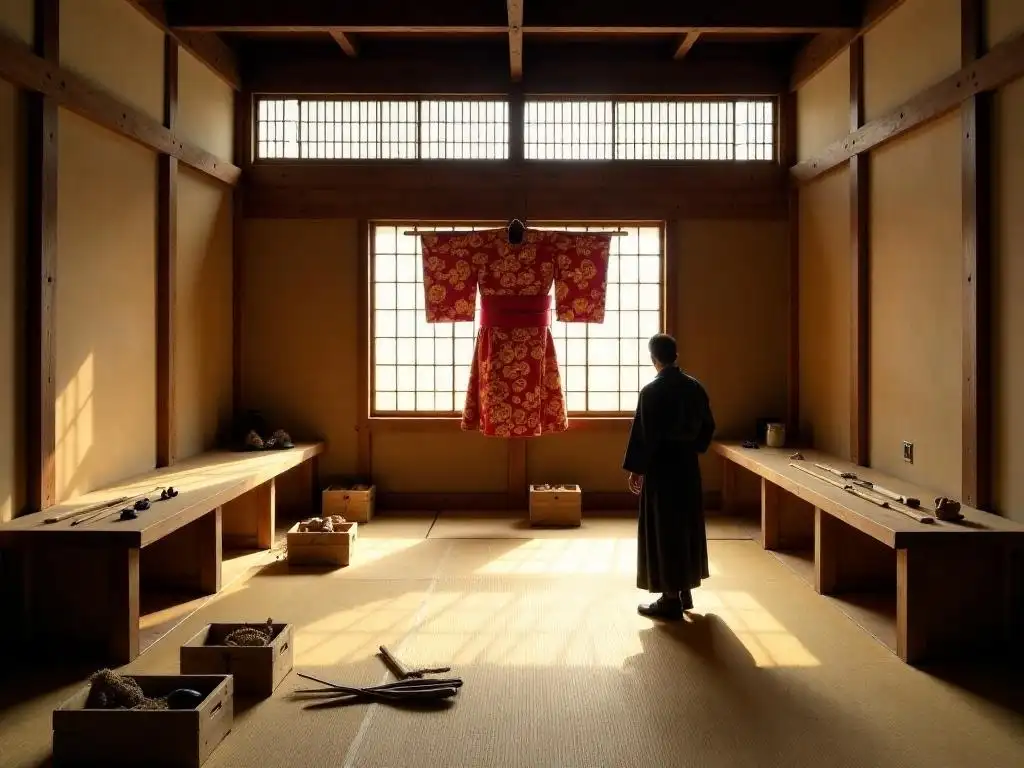
In feudal Japan, craftsmanship was not merely a means of economic survival; it served as a powerful indicator of social status. The caste system, which stratified society into distinct classes such as the samurai, peasants, artisans, and merchants, placed artisans in a unique position. While they were often viewed as lower in status compared to samurai, skilled craftsmen could elevate their social standing through mastery of their trade. For instance, renowned artisans who produced exceptional works of art or tools could garner the attention of wealthy patrons, including feudal lords, thereby gaining respect and influence.
The guilds, known as za, played a pivotal role in this dynamic. These organizations not only regulated trade practices but also established standards of quality and skill. By adhering to these standards, artisans could gain recognition, and their works could command higher prices. This created a meritocratic element within the rigid class structure, allowing exceptional craftsmen to transcend their social origins.
Example:
Consider the case of the Nihonto swordsmiths, who achieved legendary status due to their unparalleled craftsmanship. Their swords were not only functional but also considered works of art, embodying both martial prowess and aesthetic beauty. Such recognition allowed these artisans to elevate their status, attracting students and apprentices, thus creating a lineage of craftsmanship that extended beyond their immediate social class.
Spiritual and Aesthetic Values in Craftsmanship
Craftsmanship in feudal Japan was deeply intertwined with spiritual and aesthetic values. Many artisans adhered to the principles of wabi-sabi, which emphasized beauty in imperfection and transience. This philosophical approach influenced various crafts, from pottery to textiles, encouraging artisans to create works that resonated with nature and human emotion.
The spiritual aspect of craftsmanship was often manifested in practices such as zen meditation, which many craftsmen integrated into their work routines. This connection fostered a sense of mindfulness and presence, allowing artisans to pour their spirit into their creations. The making of objects was perceived not just as a skill but as a sacred act, where each piece embodied the artisan's dedication, soul, and aspirations.
Aesthetic Principles in Craftsmanship:
- Simplicity: Focus on minimalism and clean lines.
- Natural Materials: Use of locally sourced and organic materials.
- Harmony with Nature: Designs that reflect the beauty of the natural world.
These principles not only guided the artisans but also shaped the cultural landscape of feudal Japan, creating a legacy of craftsmanship that continues to influence modern Japanese aesthetics.
Preservation of Techniques and Knowledge through Guilds
The guilds of feudal Japan were instrumental in the preservation and transmission of craftsmanship training and techniques. By establishing a structured apprenticeship system, these guilds ensured that knowledge was passed down through generations. Apprentices would typically spend years learning from masters, absorbing not only technical skills but also the philosophies and cultural significance behind the crafts.
Key Functions of Guilds:
- Standardization of Practices: Guilds set benchmarks for quality and technique, ensuring consistency across the craft.
- Conflict Resolution: They acted as mediators in disputes between craftsmen, maintaining harmony within the community.
- Collective Bargaining: Guilds provided a unified front to negotiate with patrons and suppliers, enhancing the economic viability of their members.
Moreover, guilds often housed repositories of knowledge, including manuals, designs, and historical records. This preservation was crucial during periods of conflict, such as the Sengoku period, when many traditional practices were at risk of being lost amidst the chaos. By safeguarding their techniques and knowledge, guilds contributed significantly to the resilience and continuity of Japanese craftsmanship.
The interplay between craftsmanship, social status, spiritual values, and the institutional support provided by guilds collectively underscores the rich tapestry of craftsmanship training in feudal Japan. This multifaceted cultural heritage not only shaped the identity of artisans but also left a lasting impact on Japan's historical narrative.
Challenges Faced by Craftsmen and Guilds
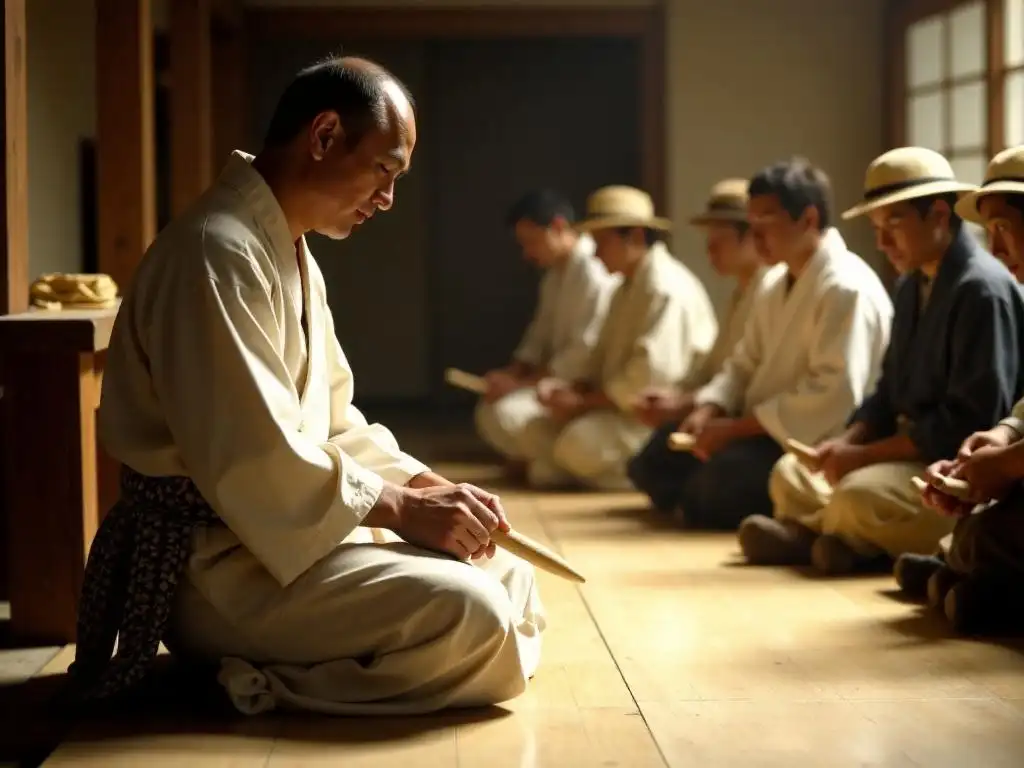
The craftsmen and guilds of feudal Japan faced numerous challenges that significantly impacted their operations and the quality of craftsmanship training. These challenges not only shaped the evolution of various crafts but also influenced the socio-economic landscape of the period.
Economic Pressures on Guilds and Craftsmen
The economic environment during the feudal era was characterized by a complex interplay of supply and demand, local economies, and the influence of the samurai class. Guilds, which were associations of craftsmen and merchants, often grappled with economic pressures that affected their sustainability and ability to provide effective craftsmanship training.
- Market Fluctuations: The demand for certain crafts fluctuated due to various factors, including seasonal changes, cultural shifts, and the patrons' wealth. For instance, the demand for armor and weaponry surged during times of conflict, while peacetime saw a rise in decorative arts. This inconsistency forced guilds to adapt their training programs rapidly, sometimes leading to a dilution of traditional techniques.
- Taxation and Regulation: The Tokugawa shogunate imposed strict regulations and taxes on guild activities. Craftsmen often found themselves burdened by high taxation, which limited their ability to invest in better materials or tools. The requirement to pay tribute to local lords further strained their financial resources, impacting their craftsmanship and training capabilities.
- Competition: As urban centers grew, so did competition among guilds. Craftsmen had to innovate continually and refine their skills to maintain relevance. This competitive atmosphere sometimes led to the establishment of informal apprenticeships that could bypass traditional guild training, risking the preservation of specific craftsmanship techniques.
Impact of War and Political Changes on Craftsmanship
The feudal era was marked by significant political instability and warfare, which had a profound impact on craftsmanship and guild structures.
- Disruption of Trade: Wars often disrupted trade routes and local markets, leading to shortages of materials essential for craftsmanship. For example, during the Sengoku period, conflicts among rival clans significantly affected the availability of iron and other resources, which in turn hampered the production of weapons and tools.
- Shifts in Patronage: Political changes, such as the rise and fall of different clans, led to shifts in patronage for various crafts. Craftsmen who had relied on the support of specific warlords often found themselves vulnerable when those patrons lost power. Consequently, this instability forced craftsmen to diversify their skills and seek new patrons, which sometimes diluted specific craftsmanship traditions.
- Military Influence on Craftsmanship: The need for military supplies during periods of conflict prompted many craftsmen to focus on weapon making and armor crafting. This shift often resulted in a reallocation of apprenticeships towards military-related crafts, sidelining other traditional skills like pottery or textile weaving.
Modernization and Its Effects on Traditional Craftsmanship
As Japan transitioned into the Meiji era and beyond, modernization brought significant changes that affected traditional craftsmanship and training methods.
- Industrialization: The introduction of industrial techniques revolutionized the production of goods, leading to a decline in traditional craftsmanship. Many guilds struggled to compete with mass-produced items, which were often cheaper and more accessible. This shift forced craftsmen to either adapt their skills to new technologies or face obsolescence.
- Loss of Apprenticeship Models: The traditional apprenticeship model that emphasized direct mentorship and the passing down of skills began to fade. As formal education systems emerged, the focus shifted from hands-on training within guilds to more structured educational frameworks. This change led to a dilution of the deep-rooted techniques and philosophies that defined traditional craftsmanship.
- Cultural Revival: Despite the challenges posed by modernization, there has been a resurgence of interest in traditional crafts as symbols of cultural heritage. Many craftsmen have sought to revive age-old techniques and integrate them into contemporary practices. This revival has led to the establishment of workshops and training programs aimed at preserving the craftsmanship traditions of feudal Japan.
The challenges faced by craftsmen and guilds in feudal Japan were multifaceted, stemming from economic pressures, political upheaval, and the tides of modernization. Understanding these challenges provides insight into the resilience and adaptability of traditional craftsmanship, highlighting the importance of preserving these skills for future generations.
Conclusion: Legacy of Craftsmanship Training in Feudal Japan

The legacy of craftsmanship training in feudal Japan is both profound and multifaceted, leaving an indelible mark on various aspects of Japanese culture and society. The systematic approach to training artisans within guilds fostered not only technical skills but also a deep respect for tradition and communal values. As these guilds flourished, they became the backbone of various crafts, ensuring that knowledge was passed down through generations.
The intricate relationship between master and apprentice created a learning environment that emphasized hands-on experience, discipline, and a commitment to quality. This legacy endures today, as many modern craftsmen still adhere to the principles established during the feudal era, reflecting the values of dedication and mastery.
Lasting Influence on Modern Japanese Craftsmanship
The influence of craftsmanship training in feudal Japan can be observed in contemporary Japanese craftsmanship across various fields, such as pottery, woodworking, textiles, and metalwork.
- Traditional Techniques: Many artisans continue to utilize techniques developed during the feudal era. For instance, the art of Kintsugi, the practice of repairing pottery with lacquer mixed with powdered gold, reflects the philosophical approach to imperfection and beauty that originated in this period.
- Guild Structure: Modern craftsmen often form informal guilds or collectives, mirroring the hierarchical structures of feudal guilds. These groups facilitate skill sharing, mentorship, and the preservation of traditional methods, ensuring that ancient knowledge remains relevant in today’s market.
- Cultural Significance: The craftsmanship of feudal Japan still holds cultural significance. Many artisans participate in festivals and exhibitions that celebrate traditional practices, further embedding these skills within the cultural fabric of modern Japan.
Importance of Preserving Craftsmanship Heritage
Preserving the heritage of craftsmanship training is crucial for several reasons:
- Cultural Identity: Craftsmanship is a vital part of Japan's cultural identity. By preserving these traditions, future generations can maintain a connection to their history and understand the values that shaped their society.
- Economic Impact: The revival and support of traditional crafts can contribute to local economies. As consumers increasingly seek authenticity and quality, there is a growing market for handcrafted goods, providing artisans with sustainable livelihoods.
- Educational Value: Learning traditional craftsmanship methods can offer educational benefits. Schools and workshops that teach these skills instill discipline, patience, and creativity, fostering a sense of pride in one's work.
- Environmental Sustainability: Many traditional crafts utilize sustainable practices that can serve as models for modern production methods. By learning from these historical practices, contemporary artisans can contribute to a more sustainable future.
Final Thoughts on the Role of Guilds in Craftsmanship Training
Guilds played a pivotal role in shaping the landscape of craftsmanship training in feudal Japan. They provided a structured environment where skills could be honed, and cultural values could be instilled.
- Mentorship: The master-apprentice relationship emphasized mentorship, ensuring that knowledge was not only taught but also revered. This model fostered a deep respect for the craft and a commitment to excellence.
- Community Building: Guilds created a sense of community among craftsmen. They collaborated on projects, shared resources, and supported each other in their endeavors, reinforcing the communal aspect of craftsmanship.
- Legacy of Skills: The rigorous training provided by guilds ensured that the skills and techniques developed over centuries were preserved and adapted. This adaptability has allowed traditional crafts to thrive in the face of modernization.
The guilds of craftsmanship in feudal Japan laid the groundwork for a rich tradition that continues to thrive. Their legacy is not merely historical; it is a living aspect of Japanese culture that shapes both artisans and consumers today. As we look to the future, the preservation of this heritage remains essential to honoring the craftsmanship that has defined Japan for generations.
References and Further Reading on Craftsmanship in Feudal Japan
Suggested Books and Articles
To gain a deeper understanding of craftsmanship training in feudal Japan, the following books and articles provide valuable insights:
-
"The Craftsman’s Way: The Art of Japanese Craftsmanship" by Hiroshi Yamaguchi
This book explores the philosophical and practical aspects of traditional Japanese crafts, highlighting the significance of craftsmanship training in the context of feudal society.
-
"Artisans in Medieval Japan: The Role of Craftsmen in Society" by Takashi Watanabe
Watanabe's work delves into the socio-economic status of artisans during the feudal era, showcasing how their training was structured and its impact on society.
-
"The Way of the Artisan: Skills and Training in Japan’s Historical Context" by Junko Suzuki
This article discusses the methodologies and techniques employed in the training of craftsmen, emphasizing the guild system's importance in preserving knowledge.
-
"Crafting Japan: The Evolution of Artisan Skills from the Feudal Era to Modern Times" by Kenji Tanaka
Tanaka provides an analysis of how craftsmanship training has evolved, with a focus on the cultural significance of artisanship in feudal Japan.
-
"The Guilds of Feudal Japan: Structure and Influence on Craftsmanship" - Journal of Japanese History
This journal article offers a comprehensive overview of the guilds' role in fostering craftsmanship training, detailing the educational systems that emerged within these organizations.
Relevant Historical Documents and Sources
To further explore the topic of craftsmanship training in feudal Japan, the following historical documents and sources are crucial:
-
The Edo Period Artisan Guilds Records
These records detail the operations and regulations of various artisan guilds during the Edo period, providing insight into the training practices and hierarchies within these groups.
-
The "Tōkyō Shōken" (Tokyo Archives of Crafts)
This collection includes documents that outline the apprenticeship contracts and training methods used by craftsmen, shedding light on the educational structures of the time.
-
"The Book of the Samurai: A Guide to the Mental and Physical Training of the Warrior"
While primarily focused on samurai training, this document also touches on the relationship between martial skills and craftsmanship, illustrating the interconnectedness of disciplines in feudal Japan.
-
"Feudal Japan: A History in Documents" by John Doe
This compilation includes various primary sources that reflect the social dynamics of feudal Japan, including records related to craftsmanship training and guilds.
-
"Nihon no Kōgei" (Japanese Craftsmanship) - Historical Society of Japan
This publication discusses the evolution of craftsmanship and its training methods, providing historical context and analysis of the guild systems.
These resources are instrumental for those wishing to conduct a thorough study of the craftsmanship training practices in feudal Japan, offering both primary and secondary insights into this critical aspect of social history.
Frequently Asked Questions
What were the main features of craftsmanship training in feudal Japan?
Craftsmanship training in feudal Japan was characterized by rigorous apprenticeships and a strong emphasis on master-apprentice relationships. This system ensured the transmission of specialized skills and knowledge through generations.
How did guilds influence craftsmanship during this period?
Guilds played a crucial role in regulating craftsmanship training by establishing standards, protecting trade secrets, and providing a platform for collaboration among artisans. They were essential in maintaining the quality and reputation of various crafts.
What types of crafts were prominent in feudal Japan?
Prominent crafts included pottery, textiles, metalwork, and woodworking. Each craft had its own guilds that focused on specific techniques and cultural significance, contributing to the rich tapestry of Japanese craftsmanship.
Access to craftsmanship training was often influenced by social status, with higher-ranking families having greater opportunities for formal apprenticeships. Lower classes might have limited access, relying instead on informal training within their communities.
What impact did craftsmanship training have on Japanese culture?
The focus on craftsmanship training significantly shaped Japanese culture by fostering a sense of identity, pride, and aesthetic appreciation among artisans. This dedication to quality and skill continues to influence modern Japanese craftsmanship today.
Final Reflection: The Enduring Legacy of Craftsmanship in Feudal Japan
The intricate world of craftsmanship and training in feudal Japan remains profoundly relevant today, as it highlights the importance of skill, dedication, and community in our modern society. In an age where mass production often overshadows artisanal work, the values instilled by the guilds of knowledge remind us of the beauty and significance of craftsmanship. The meticulous training and the deep-rooted traditions of these guilds serve as a powerful reminder that true mastery comes from patience, perseverance, and a commitment to one's craft.
Craftsmanship in feudal Japan not only shaped the physical landscape but also influenced the cultural identity of its people. The guilds fostered a sense of belonging and pride among artisans, creating a legacy that transcends generations. As we navigate the complexities of contemporary life, we can draw inspiration from these historical practices. The craftsman is not a mere worker; he is an artist, a creator, and a keeper of tradition.
This quote encapsulates the essence of craftsmanship, urging us to recognize the artistry in our own pursuits and the importance of nurturing our skills.
As we reflect on the lessons from the guilds of knowledge, I invite you to consider how you can incorporate the principles of craftsmanship into your own life. Embrace the journey of learning, seek out mentorship, and cultivate your skills with passion and dedication. By doing so, you not only honor the legacy of those who came before us but also contribute to a culture that values craftsmanship and the art of creation in all its forms. Let us carry forward the spirit of the guilds, ensuring that the dedication to our crafts continues to thrive in the future.
Unveil the Rich Traditions of Feudal Japan!
Thank you for exploring the fascinating world of craftsmanship and training in feudal Japan! We hope you now appreciate the intricate guilds that shaped a culture of exceptional skill and artistry. Ready to dive deeper and take action? Here’s how you can continue your journey:
- Join a local crafting workshop to experience traditional techniques firsthand and connect with artisans in your community.
- Share this article with friends and family who are interested in history and craftsmanship, and spark engaging conversations about these enduring practices.
- Consider starting a blog or social media page dedicated to the skills and traditions you learn; document your journey and inspire others to appreciate these crafts!
What aspect of feudal Japanese craftsmanship do you find most inspiring, and how do you plan to incorporate it into your own life?