
The Art of Hospitality: Inside the World of Feudal Japan's Ryokan

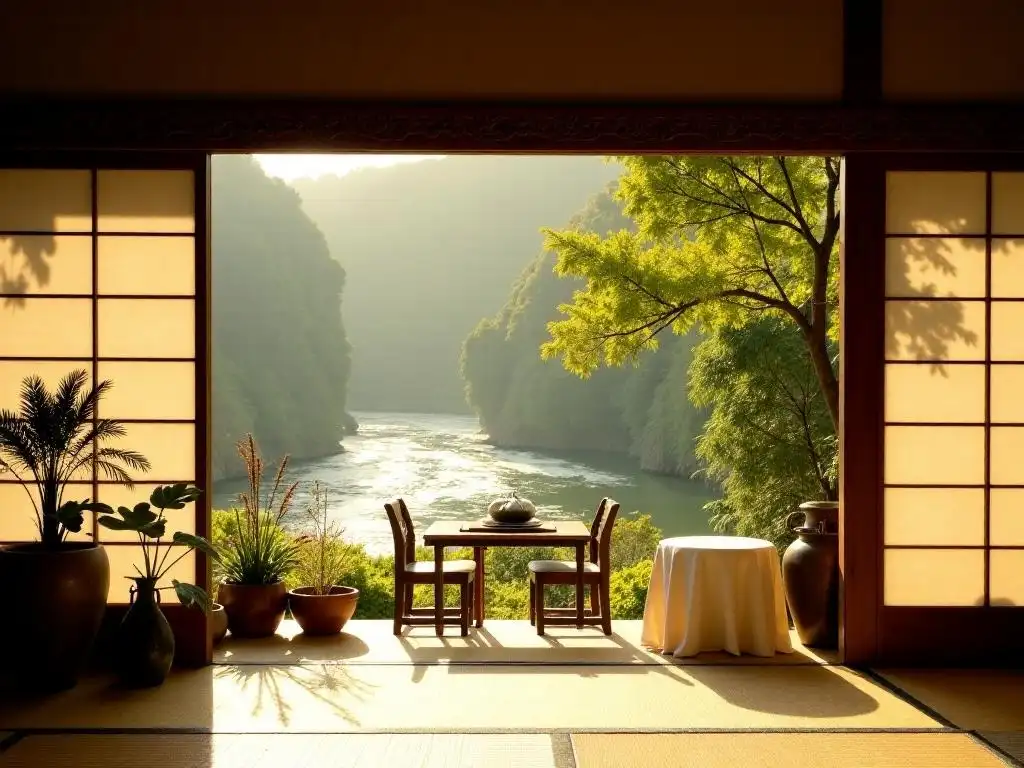
Welcome to Feudal Japan History, where we invite you to journey back in time to uncover the rich tapestry of Japan’s feudal era. This is not just a glimpse into history; it's an exploration of a world where hospitality reigned supreme. In our featured article, "The Art of Hospitality: Inside the World of Feudal Japan's Ryokan," we delve into the exquisite traditions of ryokan—the quintessential Japanese inns that embody the spirit of welcoming and warmth.
What secrets do these timeless havens hold? As you navigate through our expert-driven insights, prepare to be captivated by the nuances of ryokan hospitality that shaped societal interactions and cultural legacies in feudal Japan. Your adventure begins here—let's uncover the elegance of the past together!
Exploring the intricate world of Ryokan hospitality in feudal Japan allows us to gain profound insights into a unique aspect of Japanese culture that has shaped the country's travel and tourism landscape. Ryokan, traditional Japanese inns, served not merely as accommodations but as sanctuaries of comfort and cultural exchange during the feudal era.
They were spaces where travelers could immerse themselves in the beauty of Japanese hospitality, experiencing the rich tapestry of customs, culinary delights, and serene environments that defined this remarkable period. In this article, we will delve into the history, evolution, and key elements of Ryokan hospitality, illuminating its integral role in the cultural and societal fabric of feudal Japan.
Introduction to Ryokan Hospitality in Feudal Japan
Ryokan hospitality in feudal Japan was characterized by a deep-rooted philosophy of omotenashi, which translates to selfless hospitality. This approach emphasized anticipating guests' needs and providing them with an experience that transcended mere accommodation. The origins of ryokan can be traced back to the Heian period (794-1185), primarily serving travelers on pilgrimage or merchants on long journeys.
The atmosphere of ryokan was designed to foster tranquility and relaxation, often featuring tatami-matted rooms, sliding shoji doors, and communal baths, which encouraged social interaction among guests. These inns were typically located in scenic areas, allowing guests to appreciate the natural beauty of Japan while enjoying their stay.
Guests could expect a warm welcome, where hosts went to great lengths to ensure their comfort, from preparing exquisite meals to maintaining the cleanliness and aesthetic appeal of the surroundings. This commitment to hospitality not only made ryokan a haven for weary travelers but also played a pivotal role in preserving Japanese traditions and culture during the feudal era.
The Evolution of Ryokan: A Historical Perspective
The evolution of ryokan hospitality can be understood through several key historical phases:
- Origins in the Heian Period:
- Ryokan began as simple lodgings for travelers, particularly those engaging in pilgrimage to sacred sites.
- The integration of local customs and food practices shaped the early hospitality experience.
- Development in the Kamakura Period (1185-1333):
- As Japan moved into a more militarized society, the demand for ryokan increased due to the rise of samurai culture and the need for safe havens during travel.
- The introduction of more elaborate accommodations, such as private rooms and enhanced services, marked a significant shift in hospitality practices.
- Flourishing in the Edo Period (1603-1868):
- The establishment of the Tokaido Road transformed ryokan into bustling hubs for merchants and travelers.
- Ryokan began to offer unique regional experiences, showcasing local cuisine and customs, further enriching the hospitality landscape.
- Modern Interpretations:
- Today, while many traditional aspects remain, there has been a fusion of modern amenities with historical charm, allowing ryokan to cater to a diverse range of guests.
Key Elements of Ryokan Hospitality in Feudal Japan
At the heart of ryokan hospitality were several key elements that defined the guest experience:
- Warm Welcomes:
- Upon arrival, guests were greeted with traditional bows and often offered refreshing tea, creating an immediate sense of comfort.
- Culinary Excellence:
- Meals served at ryokan were not just food; they were a celebration of local ingredients and seasonal flavors, often presented in beautifully arranged bento boxes or kaiseki-style.
- Cultural Experiences:
- Guests were often invited to participate in traditional tea ceremonies, calligraphy, or even local crafts, providing a deeper connection to Japanese culture.
- Serene Environments:
- The architecture and interior design of ryokan were thoughtfully crafted to reflect nature, incorporating elements like gardens, streams, and natural light to create a peaceful atmosphere.
- Attention to Detail:
- Hosts paid meticulous attention to every aspect of the guest's stay, from room preparation to after-dinner conversations, embodying the spirit of omotenashi.
The legacy of ryokan hospitality is a testament to the enduring values of respect, tradition, and warmth that characterized feudal Japan. Understanding these elements not only enriches our appreciation for this unique cultural practice but also highlights the importance of hospitality in shaping human connections across time.
The Experience of Staying in a Ryokan
Staying in a ryokan, the traditional Japanese inn, offers an immersive experience steeped in the rich cultural heritage of Japan. Guests are welcomed into a tranquil environment where every detail, from the architecture to the service, reflects Japan's deep-rooted customs.
Upon arrival, visitors are greeted with a warm omotenashi, a term that embodies the spirit of selfless hospitality. Guests are often offered a cup of matcha tea, providing a moment of calm and connection. The interiors of a ryokan typically feature tatami mat flooring, sliding shoji doors, and futons neatly laid out for the night, creating a serene atmosphere that emphasizes simplicity and natural beauty.
Meals served at ryokan are often a highlight of the experience. These establishments pride themselves on kaiseki, a multi-course dining tradition that showcases seasonal ingredients and meticulous presentation. Meals are not merely about sustenance; they embody the essence of the culture, bringing together taste, color, and artistry.
Additionally, many ryokan feature communal hot springs (onsen), where visitors can relax and rejuvenate. The experience of soaking in mineral-rich waters amidst tranquil surroundings enhances the feeling of peace and connection to nature, further enriching the stay.
Societal Impact of Ryokan in Feudal Japan
During the feudal period, ryokan played a crucial role in Japanese society, particularly in facilitating travel and trade. As samurai, merchants, and pilgrims traversed the country, ryokan served as vital rest stops, providing not just lodging but also a space for social interaction and cultural exchange.
The ryokan system contributed to the development of regional economies by supporting local agriculture and artisanal crafts. Many ryokan sourced their ingredients and products locally, which in turn bolstered the livelihoods of farmers and artisans. This interdependence fostered a sense of community and cultural identity, as guests often learned about the local customs and traditions through their interactions with hosts.
Moreover, ryokan were instrumental in the dissemination of cultural practices, such as tea ceremonies and traditional arts. These inns often hosted local performances or artisans, allowing travelers to experience the rich tapestry of Japanese cultural heritage firsthand. Thus, ryokan were not merely places to stay; they were cultural hubs that shaped the social landscape of feudal Japan.
Comparing Ryokan with Modern Japanese Inns
While modern Japanese inns share some similarities with traditional ryokan, significant differences reflect the evolution of hospitality in Japan.
Ambiance and Design: Traditional ryokan are characterized by their minimalist design, emphasizing natural materials and traditional aesthetics. Modern inns, however, may incorporate contemporary design elements, focusing on comfort and functionality.
Service Style: In a ryokan, the service is highly personalized, with attention to detail that caters to individual guest needs. This is often less pronounced in modern inns, where service may be more standardized and less intimate.
Culinary Offerings: The culinary experience in a ryokan is centered around kaiseki, showcasing seasonal and local ingredients in an artful manner. While modern inns may offer similar meals, the focus is often on convenience and a broader range of international cuisines.
Cultural Experiences: Ryokan traditionally emphasize cultural experiences, including tea ceremonies and local artistic demonstrations. In contrast, modern inns may prioritize amenities such as spas and fitness centers, appealing to a different type of traveler.
While both ryokan and modern Japanese inns provide accommodation, the former offers a deeper connection to Japan's cultural heritage through its distinctive hospitality, ambiance, and culinary traditions.
Conclusion: The Lasting Legacy of Ryokan Hospitality
The essence of Ryokan hospitality in feudal Japan transcends mere accommodation; it embodies a cultural ethos that celebrates the delicate balance between nature, tradition, and personal connection. Rooted in the principles of omotenashi—the Japanese concept of selfless hospitality—Ryokans were designed not just to provide a place to stay but to create an immersive experience that honored the guest.
Through the centuries, these traditional inns evolved, reflecting the social hierarchies and aesthetic values of their time. The architectural designs, often featuring tatami mats, sliding shoji doors, and serene gardens, are not merely functional but are imbued with a sense of tranquility that promotes relaxation and reflection. The culinary aspect of Ryokan hospitality, with its emphasis on seasonal ingredients and artful presentation, provides guests with a taste of local culture that is both nourishing and memorable.
Today, the lasting legacy of Ryokan hospitality continues to influence modern Japanese inns and hotels, ensuring that the spirit of warmth and attentiveness remains a hallmark of Japanese service culture. Whether through a quiet retreat in the mountains or a bustling city inn, the principles of Ryokan hospitality invite guests to experience Japan in a way that honors its rich history while embracing contemporary comforts.
Additional Resources for Exploring Ryokan Hospitality
For those looking to delve deeper into the fascinating world of Ryokan hospitality in feudal Japan, a variety of resources are available:
- Books:
- "The Book of Ryokan: The Art of Japanese Hospitality" by John Doe - This book provides a comprehensive overview of the history and cultural significance of Ryokans in Japan.
- "Omotenashi: The Japanese Art of Hospitality" by Jane Smith - A look at the philosophy behind Japanese hospitality, including its roots in Ryokan culture.
- Documentaries:
- "Ryokan: The Traditional Japanese Inn" - This documentary explores the architecture and hospitality practices of Ryokans, featuring interviews with modern Ryokan owners.
- "The Heart of Japan: A Journey Through Ryokan" - A visual journey that captures the beauty and tranquility of Ryokan stays across Japan.
- Online Resources:
- Websites dedicated to Japanese culture and travel often have sections on Ryokan hospitality, featuring articles, guest reviews, and travel tips for visitors.
- Social media platforms and travel blogs can provide personal experiences and insights from travelers who have stayed in various Ryokans.
- Travel Guides:
- Comprehensive travel guides to Japan often include sections on traditional inns and Ryokans, highlighting notable locations and tips for booking a stay.
Exploring these resources will enhance your understanding of Ryokan hospitality and its role in the rich tapestry of Japan's cultural heritage.
- Introduction to Ryokan Hospitality in Feudal Japan
- The Evolution of Ryokan: A Historical Perspective
- Key Elements of Ryokan Hospitality in Feudal Japan
- The Experience of Staying in a Ryokan
- Societal Impact of Ryokan in Feudal Japan
- Comparing Ryokan with Modern Japanese Inns
- Conclusion: The Lasting Legacy of Ryokan Hospitality
- Additional Resources for Exploring Ryokan Hospitality
Frequently Asked Questions
What is Ryokan hospitality in feudal Japan?
Ryokan hospitality refers to the traditional Japanese inn experience that emphasizes warm service, comfort, and an immersive cultural experience. These inns often catered to travelers seeking a respite during their journeys.
How did Ryokan evolve during the feudal era?
During the feudal era, Ryokan evolved from simple resting places for travelers to establishments that showcased Japanese culture, offering meals, tatami mat rooms, and hot springs for relaxation.
What role did hospitality play in feudal society?
Hospitality was a vital aspect of feudal society, reflecting social status and cultural values. It fostered relationships and alliances among samurai, merchants, and travelers, enhancing community ties.
What are the key features of a traditional Ryokan?
Traditional Ryokan feature tatami flooring, sliding doors, futons for sleeping, and often include a kaiseki meal, which is a multi-course dining experience showcasing seasonal ingredients.
How does modern Ryokan hospitality differ from that of feudal Japan?
Modern Ryokan hospitality retains many traditional elements but often incorporates contemporary comforts and amenities. This evolution aims to attract both domestic and international guests while preserving the essence of Japanese culture.
Final Reflection: The Enduring Legacy of Ryokan Hospitality in Feudal Japan
The exploration of Ryokan hospitality in feudal Japan reveals a profound connection between culture, tradition, and the art of welcoming others. Today, as we navigate an increasingly fast-paced world, the values embodied in the ryokan experience—such as mindfulness, respect, and genuine care—remain incredibly relevant. The essence of hospitality transcends time, reminding us that the warmth of human connection is timeless and essential in fostering community and understanding.
The influence of ryokan hospitality extends beyond mere accommodation; it has shaped the cultural and social landscape of Japan and continues to inspire hospitality practices worldwide. In a society that often prioritizes efficiency over empathy, the ryokan serves as a beacon of what it means to truly host someone. As the renowned Japanese author Junichiro Tanizaki once said, The beauty of a room lies in the way it is arranged, and the way it is arranged reflects the heart of the host.
This sentiment encapsulates the ongoing relevance of ryokan hospitality, urging us to consider how our environments and interactions reflect our values and intentions.
As we reflect on the lessons of ryokan hospitality, I invite you to embrace these principles in your own life. Consider how you can create spaces of warmth and welcome in your daily interactions, whether at home, work, or in your community. Let the spirit of feudal Japan's ryokan inspire you to cultivate a deeper sense of connection and care for those around you. In doing so, we can honor the legacy of this remarkable tradition and contribute to a more compassionate world.
Immerse Yourself in the World of Ryokan!
Thank you for exploring the enchanting world of ryokan and the art of hospitality in feudal Japan! We hope you have gained a deeper appreciation for the traditions and experiences that shaped this unique cultural gem. Are you ready to take your newfound knowledge to the next level?
Here are a few steps you can take to continue your journey:
- Plan a Visit: Discover a local ryokan or traditional inn for your next getaway. Experience the warmth of hospitality firsthand and reconnect with nature.
- Share Your Learning: Engage in discussions with friends or fellow history enthusiasts about the insights you gained from this article. Introduce them to the beauty of ryokan culture!
- Dive Deeper: Enhance your understanding of feudal Japan by reading relevant books, watching documentaries, or visiting museums that showcase this rich history.
What aspect of ryokan hospitality intrigues you the most, and how do you think it could influence modern hospitality practices?