
The Samurai and the Merchant: Unexpected Alliances in Cultural Exchange


Welcome to Feudal Japan History, where we invite you to embark on a fascinating journey through the complexities of Japan’s feudal era. In our featured article, “The Samurai and the Merchant: Unexpected Alliances in Cultural Exchange,” we delve into the intriguing dynamics between two seemingly disparate groups—the samurai and the merchant. Explore how these alliances shaped cultural exchanges and influenced foreign relations in a society often defined by rigid class structures. Prepare to uncover the unexpected connections that transformed an era, and let your curiosity lead you deeper into the rich tapestry of Japanese history!
- Introduction to Samurai Merchant Cultural Exchange
- Historical Context of Samurai and Merchants
- The Nature of Samurai Merchant Cultural Exchange
- Case Studies of Notable Samurai Merchant Alliances
- The Benefits of Samurai Merchant Cultural Exchange
- Challenges Faced in Samurai Merchant Relationships
- The Lasting Legacy of Samurai Merchant Alliances
- Conclusion: The Significance of Samurai Merchant Cultural Exchange
- References for Further Reading on Samurai Merchant Cultural Exchange
-
Frequently Asked Questions
- What role did samurai play in cultural exchange during feudal Japan?
- How did merchants contribute to the cultural exchange in feudal Japan?
- Were there any alliances formed between samurai and merchants?
- What cultural aspects were exchanged between samurai and merchants?
- How did the samurai merchant cultural exchange shape Japan's future?
- Final Reflection: Embracing the Legacy of Samurai and Merchant Alliances
- Unleash the Power of Cultural Exchange!
Introduction to Samurai Merchant Cultural Exchange
The relationship between samurai and merchants in feudal Japan is often overshadowed by the romanticized image of the noble warrior. However, the cultural exchange that occurred between these two seemingly disparate groups played a crucial role in shaping Japan's societal fabric during this period.
While samurai were traditionally viewed as the ruling elite, dedicated to the arts of war and governance, merchants occupied a vital space within the economy, fostering trade and commerce. This article delves into the intricate dynamics of these unexpected alliances, highlighting how their interactions contributed to cultural development, economic growth, and the evolution of societal norms in feudal Japan.
Overview of Feudal Japan's Cultural Dynamics
Feudal Japan, a period spanning from the 12th to the 19th century, was characterized by a hierarchical structure dominated by the samurai class. However, beneath this veneer of rigid social stratification, a rich tapestry of cultural exchange emerged.
- Social Structure: The samurai, as warriors and landholders, held a position of power, while merchants, often seen as lower in status, facilitated trade and the flow of goods. Despite their societal standing, merchants wielded significant influence through their wealth.
- Cultural Exchange: The interactions between samurai and merchants led to the sharing of ideas, art, and technology. This exchange was not merely transactional but fostered a deeper understanding of each other's worlds.
- Examples of Influence: Samurai adopted certain aspects of merchant culture, including the appreciation for aesthetics and the importance of commerce in sustaining their livelihoods. Conversely, merchants learned the values of loyalty and honor prevalent in samurai culture.
This interplay not only enriched the cultural landscape of Japan but also laid the groundwork for future interactions, influencing Japan's transition into the modern era.
Importance of Alliances in Japanese Society
The alliances formed between samurai and merchants were pivotal for several reasons:
- Economic Synergy: The samurai often relied on merchants for supplies and trade goods, while merchants needed the protection and social status afforded by samurai. This mutual dependence fostered a unique partnership that benefited both parties.
- Cultural Development: These alliances encouraged the emergence of new art forms, literature, and philosophies as each group brought their perspectives into a shared dialogue. This led to innovations in crafts and trade practices that were previously unseen.
- Social Mobility: As merchants gained wealth, some were able to ascend socially, challenging the status quo. This shift allowed for a blending of cultures and ideas that would eventually influence the socio-political landscape of Japan.
The unexpected alliances between samurai and merchants reveal a nuanced understanding of feudal Japanese society, illustrating how cultural exchange can flourish even amidst rigid hierarchies. By examining these relationships, we gain insight into the complexities of social dynamics that defined the era and continue to resonate in contemporary Japan.
Historical Context of Samurai and Merchants

The interplay between samurai and merchants in feudal Japan is a fascinating aspect of the country's history, revealing how cultural and economic exchanges shaped society. While these two classes initially appeared to be at odds, their interactions ultimately fostered a dynamic that influenced Japan's cultural landscape. Understanding this context requires an exploration of the roles each class played and how their relationships evolved over time.
The Role of Samurai in Feudal Japan
The samurai, often romanticized as noble warriors, held a critical role in the feudal hierarchy of Japan. They were not just combatants but also landowners and retainers who served powerful lords (daimyō) during the Edo period (1603-1868). Their responsibilities extended beyond warfare to include governance, taxation, and maintaining order within their domains.
- Bushido Code: The samurai followed a strict ethical code known as Bushido, which emphasized loyalty, honor, and martial skill. This code influenced their interactions with the merchant class, as samurai were expected to uphold their principles even in economic dealings.
- Economic Dependence: Despite their noble status, many samurai faced financial difficulties due to the limited income from land rents and the costs associated with maintaining their lifestyle. This need for financial stability led some samurai to engage in trade and commerce, blurring the lines between their warrior duties and economic activities.
- Cultural Patrons: Samurai were also patrons of the arts, including literature and performance. Their support for cultural endeavors often intertwined with the merchant class, as many merchants sought to elevate their status through artistic patronage, thus fostering a cultural exchange that would enrich both groups.
The Merchant Class: Economic Powerhouses
The merchant class in feudal Japan emerged as a formidable economic force, particularly during the Edo period when Japan experienced a long period of peace and stability. Unlike their samurai counterparts, merchants were primarily concerned with trade and commerce, and their wealth often exceeded that of the samurai.
- Wealth Accumulation: Merchants played a crucial role in the economy by facilitating trade not only within Japan but also with foreign nations. The rise of urban centers enabled merchants to thrive, leading to significant wealth accumulation that sometimes allowed them to exert influence over local samurai.
- Cultural Influence: As merchants grew in wealth, they began to invest in cultural activities, sponsoring artists, craftsmen, and entertainers. This patronage not only enhanced their social standing but also allowed for the exchange of ideas and cultural practices between the samurai and merchant classes.
- Challenging Class Structures: The increasing power of merchants challenged the rigid class structures of feudal Japan. While samurai were traditionally viewed as the ruling class, the economic influence of merchants forced a reevaluation of social hierarchies, highlighting the importance of trade in shaping societal norms.
Historical Interactions Between Samurai and Merchants
The relationship between samurai and merchants evolved through various phases, marked by both conflict and collaboration.
- Mutual Dependence: The samurai relied on merchants for goods and services that were essential for their lifestyle, while merchants depended on samurai for protection and legitimacy. This mutual dependence laid the groundwork for a complex relationship that facilitated cultural exchange.
- Economic Alliances: In some cases, samurai formed alliances with merchants to strengthen their economic position. For instance, by collaborating in trade ventures, samurai could secure additional income, while merchants benefited from the military protection offered by their samurai partners.
- Cultural Exchange: The interactions between the two classes led to a rich cultural exchange. Samurai adopted various aspects of merchant culture, including clothing styles, artistic preferences, and even business practices. Conversely, merchants incorporated samurai ideals of honor and loyalty into their dealings, creating a unique blend of cultural influences.
The unexpected alliances between samurai and merchants during feudal Japan highlight a nuanced and interconnected history that extends beyond mere economic transactions. This cultural exchange not only shaped the identity of both classes but also contributed to the broader tapestry of Japan's historical narrative.
The Nature of Samurai Merchant Cultural Exchange
The relationship between samurai and merchants during Japan's feudal era was complex and multifaceted, resulting in unexpected alliances that significantly shaped cultural exchange. While samurai were traditionally seen as the elite warrior class, focused on military prowess and adherence to bushido (the way of the warrior), merchants occupied a lower social status but wielded considerable economic power. Their interactions were often characterized by a blend of mutual dependence and cultural exchange, which allowed both groups to influence each other's practices and values.
The samurai's growing need for resources, particularly during times of peace when military activities diminished, led them to seek alliances with merchants. These relationships were not just transactional; they fostered a rich tapestry of cultural exchange that included art, philosophy, and even martial practices. This dynamic can be understood through various forms of cultural exchange, the impact of trade on samurai culture, and the influence of the samurai code on merchants' practices.
Forms of Cultural Exchange Between Samurai and Merchants
Cultural exchange between samurai and merchants manifested in several significant ways:
- Artistic Collaboration:
- Samurai commissioned works from merchant artisans, leading to the creation of unique art forms that blended martial and commercial aesthetics.
- The production of ukiyo-e (floating world pictures) became popular, depicting scenes of both samurai life and merchant activities, showcasing the intertwining of their worlds.
- Literature and Philosophy:
- Samurai were often literate and engaged in philosophical discourse, which merchants began to adopt. Texts on Confucianism and Zen Buddhism became prevalent among merchant circles, shaping their business ethics and social responsibilities.
- The sharing of literary works, including poetry and historical narratives, facilitated a deeper understanding of each other's values and philosophies.
- Martial Arts and Trading Techniques:
- As trade routes expanded, merchants adopted elements of samurai martial arts for self-defense and protection of their goods, blending combat techniques with commerce.
- Some samurai began to engage in trade themselves, learning negotiation and trade skills that complemented their martial backgrounds.
- Religious and Spiritual Exchange:
- The introduction of new religious practices and beliefs, such as Buddhism, influenced both samurai and merchants, leading to shared rituals and festivals that celebrated their interconnected lives.
- Temples and shrines became centers of cultural exchange, where both samurai and merchants could gather, discuss, and share ideas.
Impact of Trade on Samurai Culture
The rise of commerce during the feudal era significantly impacted samurai culture in several key ways:
- Economic Shift: As trade flourished, the samurai began to rely more on economic stability rather than solely on military might. This shift encouraged some samurai to engage in trade and invest in businesses, leading to a diversification of their roles in society.
- Cultural Refinement: Increased wealth from trade allowed samurai to pursue cultural pursuits, including tea ceremonies, flower arranging, and calligraphy. This cultural refinement was often influenced by merchant practices and aesthetics, enriching samurai life.
- Urbanization: The growth of cities as trading hubs led to a new social dynamic where samurai were frequently in contact with merchants. This urban environment fostered a blending of lifestyles, as samurai adopted some merchant practices and values.
- Political Alliances: Trade relationships often translated into political alliances, as samurai sought to protect their economic interests. Some clans formed strategic partnerships with merchant families, further intertwining their fates.
Influence of Samurai Code on Merchants' Practices
The samurai code of conduct, known as bushido, had a profound influence on merchants' practices, particularly in the following aspects:
- Ethics and Honor: The principles of honor, loyalty, and integrity inherent in bushido began to resonate with merchants, prompting them to adopt similar ethical standards in their business dealings. This shift led to a more reputable merchant class, focused on long-term relationships rather than short-term gains.
- Social Responsibility: Samurai ideals of duty and responsibility extended to merchants, who began to see their roles not just as profit-makers but as contributors to society. Merchants took on roles as patrons of the arts and sponsors of community events, reflecting a deeper commitment to their communities.
- Conflict Resolution: The samurai's approach to conflict resolution, emphasizing honor and respect, influenced how merchants handled disputes. Many merchants adopted negotiation techniques that sought peaceful resolutions, fostering a culture of dialogue rather than aggression.
- Cultural Patronage: As merchants gained wealth, many sought the patronage of samurai, funding artistic endeavors and cultural projects that aligned with bushido values. This collaboration further enriched Japanese culture, blending samurai ideals with merchant creativity.
Through these various forms of cultural exchange, the samurai and merchants transformed each other's worlds, creating a legacy that continues to influence Japan's cultural landscape today. This unexpected alliance highlights the importance of cooperation and mutual respect in shaping society, proving that even the most disparate groups can find common ground.
Case Studies of Notable Samurai Merchant Alliances

Case Study 1: The Alliance of the Matsudaira Clan and Local Merchants
The Matsudaira clan, known for their significant role in the political landscape of feudal Japan, exemplifies the intricate relationship between samurai and merchants. During the early Edo period, the Matsudaira leaders recognized the necessity of forming alliances with local merchants to bolster their economic stability. One prominent figure in this alliance was Matsudaira Nobutsuna, who ruled the Fukui domain.
Economic Strategies
- Tax Incentives: The Matsudaira clan implemented tax incentives for merchants, allowing them to thrive economically while ensuring a steady flow of revenue to the clan.
- Protection and Security: In exchange for their allegiance, merchants received protection from the clan’s samurai, which was paramount during a time characterized by territorial disputes and instability.
This mutual benefit not only enhanced the economic status of the Matsudaira but also fostered a cultural exchange where merchants introduced new goods and ideas, which subsequently influenced local samurai culture.
Case Study 2: Trade Relations in Sakai and Its Cultural Exchange
The port city of Sakai stands as a remarkable instance of samurai and merchant collaboration, particularly during the 16th century. It became a bustling hub for trade and cultural exchange, driven by its strategic location and the cooperative spirit between samurai and merchants.
Merchant Associations
- The Sakai Guilds: These guilds played a crucial role in regulating trade, ensuring quality control, and maintaining fair pricing. Samurai often participated in these associations, blurring the lines between their warrior duties and mercantile interests.
Cultural Enrichment
- Influence of Foreign Goods: The influx of foreign goods, such as European firearms and textiles, transformed local customs and samurai armor designs, showcasing a blend of foreign and Japanese aesthetics.
- Cultural Events: Merchants organized festivals and ceremonies that included samurai participation, promoting a shared cultural identity and fostering goodwill within the community.
The alliance in Sakai demonstrates how merchants not only facilitated commerce but also enriched the cultural fabric of samurai society through their interactions.
Case Study 3: The Impact of Samurai Merchants on Edo Period Communities
During the Edo period, a unique class of samurai known as "samurai merchants" emerged. These individuals, often former samurai, leveraged their warrior status to engage in trade, dramatically altering the socio-economic landscape of Japan.
Dual Roles of Samurai Merchants
- Economic Influence: Samurai merchants operated businesses that ranged from rice trading to handicrafts, effectively utilizing their connections to secure favorable trade agreements.
- Cultural Brokers: They acted as cultural brokers, introducing Western ideas and innovations to Japanese society, including Western science, art, and philosophical concepts.
Community Development
- Urbanization: The rise of samurai merchants contributed to urban development, leading to the growth of towns and cities where samurai and merchants cohabited. This urbanization fostered a more diverse cultural environment.
- Education and Arts: Samurai merchants often funded educational initiatives and artistic endeavors, resulting in a cultural renaissance that influenced literature, theater, and visual arts.
The emergence of samurai merchants in Edo period communities highlights the profound impact of cultural exchange that transcended traditional class boundaries, shaping both economic practices and cultural narratives in feudal Japan.
The Benefits of Samurai Merchant Cultural Exchange
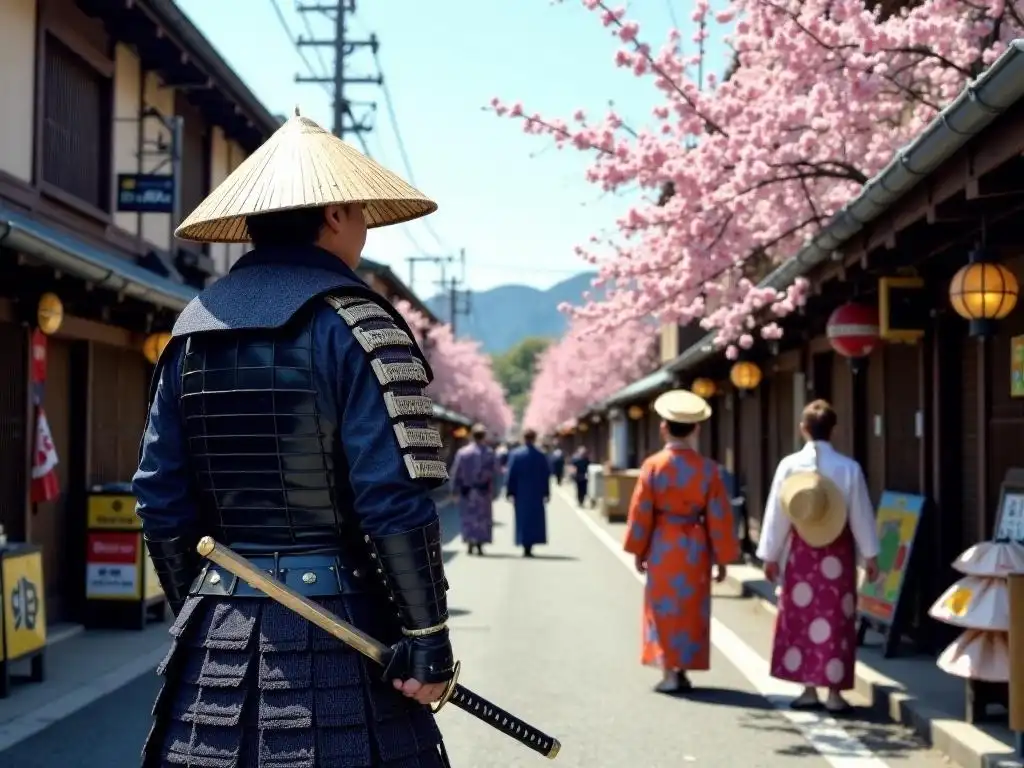
The interplay between samurai and merchants during Japan's feudal era is often overlooked, yet it wielded significant benefits that shaped the socio-economic and cultural landscape of the time. This unexpected alliance not only fostered economic growth but also enriched the cultural tapestry of Japan, laying the groundwork for future exchanges and relationships both domestically and internationally.
Economic Advantages for Samurai and Merchants
The economic benefits of the samurai-merchant alliance were profound and multifaceted.
- Access to Capital:
- Merchants provided samurai with much-needed funds for various endeavors, including military campaigns and the maintenance of their estates. This financial support allowed samurai to focus on their martial duties without the overwhelming burden of economic concerns.
- Conversely, samurai offered protection to merchants, ensuring safe passage for trade caravans and securing their business interests from rival clans.
- Market Expansion:
- The collaboration led to the expansion of trade networks. Samurai, often stationed in strategic locations, could facilitate trade between regions, opening new markets for merchants. This was particularly evident during the Edo period, when the peace established by the Tokugawa shogunate allowed commerce to flourish.
- Merchants introduced samurai to new products and innovations, which stimulated local economies and diversified available goods.
- Tax Revenue:
- The flourishing trade generated substantial tax revenue for local lords, who often relied on the samurai to manage and oversee these economic activities. This financial influx helped stabilize the feudal system, benefiting both samurai and merchants.
Cultural Enrichment Through Collaboration
The cultural exchanges that arose from the partnership between samurai and merchants were equally noteworthy.
- Artistic Influences:
- Merchants, being more exposed to foreign goods and ideas, brought new cultural influences into samurai circles. This led to a fusion of artistic styles, as seen in the development of ukiyo-e (woodblock prints) that depicted scenes of daily life, including the interactions between samurai and merchants.
- The samurai class, in turn, influenced the aesthetics of merchant practices, with samurai values of honor and discipline permeating merchant ethics and business approaches.
- Philosophical Exchange:
- The exchange of ideas between these two groups facilitated a rich dialogue about philosophy and ethics. Confucianism, which emphasized social harmony and hierarchy, found a foothold among both samurai and merchants, impacting their worldviews and interactions.
- Samurai scholars and merchant intellectuals often engaged in discussions, leading to a cross-pollination of ideas that enriched the cultural landscape.
- Culinary Fusions:
- The blending of samurai and merchant lifestyles also affected cuisine. As trade introduced new ingredients, samurai adopted and adapted various culinary practices from merchants, leading to a unique Japanese culinary identity that balanced simplicity and sophistication.
Strengthening Foreign Relations via Trade
The alliance between samurai and merchants was instrumental in enhancing Japan's foreign relations during the feudal era.
- Global Trade Networks:
- Merchants acted as conduits for international trade, establishing connections with foreign entities and facilitating cultural exchanges. The samurai's role in protecting these merchants allowed for safer and more robust trade routes, which were essential for importing foreign goods and ideas.
- This international engagement helped Japan to remain informed about global developments, particularly during periods of isolation.
- Diplomatic Alliances:
- The economic ties forged through trade often led to diplomatic relations with other nations. Samurai were integral in negotiating and maintaining these relations, as their status lent credibility and authority to such endeavors.
- The presence of foreign merchants in Japan also prompted samurai to engage more meaningfully in international diplomacy, as they recognized the importance of trade in securing peace and stability.
- Influence on Policy:
- The economic power of merchants and their alliances with samurai influenced domestic policies. Political leaders often took into account the interests of both classes when formulating laws and trade agreements, leading to a more cohesive governance structure that benefited the broader society.
The dynamic between samurai and merchants during Japan's feudal era exemplifies how unexpected alliances can lead to significant cultural and economic advancements. Their collaboration not only shaped Japan's internal landscape but also established a foundation for foreign relations that would evolve over the centuries.
Challenges Faced in Samurai Merchant Relationships
In feudal Japan, the rigid social structure posed significant challenges to the interactions between samurai and merchants, who occupied vastly different positions within the societal hierarchy. Samurai were part of the ruling class, bound by a strict code of honor and loyalty, while merchants, despite their growing wealth, were often viewed with disdain and seen as social inferiors. This class conflict created an inherent tension that complicated the potential for cultural exchange between the two groups.
The samurai adhered to the bushido code, which emphasized virtues such as honor, loyalty, and discipline. This ethos often led them to regard merchants as opportunistic and greedy, undermining the values upheld by the warrior class. For instance, during the Edo period (1603-1868), merchants began to accumulate wealth, challenging the traditional view that wealth should come from land ownership and military prowess. This shift resulted in increased animosity from the samurai, who were expected to maintain their honor above material concerns.
Conversely, merchants sought to elevate their status and influence through strategic alliances with samurai, often by providing financial support or engaging in trade. Such relationships were fraught with danger; a merchant who overstepped societal boundaries could face severe repercussions, including loss of status or even violence. Despite these risks, some merchants successfully navigated these turbulent waters, establishing a network of alliances that facilitated cultural exchange and economic growth.
Economic Competition and Its Impact
The economic landscape of feudal Japan significantly influenced the interactions between samurai and merchants. As commerce flourished, particularly during the Edo period, the competition for resources and customers intensified. This economic rivalry sometimes led to a begrudging respect between the two classes, as merchants recognized the samurai's role in providing protection and maintaining order, while samurai began to appreciate the financial benefits that merchants could offer.
Merchants often engaged in practices such as money lending and investment, which were traditionally frowned upon by samurai. Nevertheless, some samurai recognized the necessity of adapting to the changing economic environment. For example, certain samurai families began to invest in merchant enterprises, blurring the lines between their respective roles. This shift allowed for a unique form of cultural exchange, where business practices and ideas flowed between the two groups.
Despite the potential for collaboration, economic competition frequently led to conflicts. Samurai were often called upon to enforce laws that favored their class, which sometimes resulted in actions that stifled merchant growth. This created a cycle of resentment and mistrust. On the other hand, merchants sought to leverage their wealth to gain influence over samurai, resulting in a complex relationship characterized by both cooperation and rivalry.
Political Influences on Cultural Exchange
The political climate of feudal Japan played a crucial role in shaping the dynamics between samurai and merchants. During periods of stability, particularly under the Tokugawa shogunate, there was a marked increase in cultural exchange. The samurai class found itself increasingly reliant on merchants for the economic stability of the domains they governed. This reliance encouraged a more collaborative relationship, where ideas, customs, and innovations could be shared more freely.
However, during times of upheaval, such as the Sengoku period (1467-1603), alliances between samurai and merchants were often strained. The constant warfare necessitated that samurai focus on military endeavors, often neglecting economic considerations. Merchants, in turn, had to navigate a precarious landscape, where their livelihood was threatened by conflict. Political instability often resulted in the marginalization of merchants, hindering their ability to engage in cultural exchange with the samurai.
Moreover, shogunal policies sometimes dictated the nature of these interactions. For instance, the Sankin-kōtai system, which required daimyō (feudal lords) to spend time in Edo, led to increased trade and cultural exchange as they traveled with their retinues. Merchants capitalized on these opportunities, establishing trade networks that facilitated the flow of goods and ideas.
While the relationship between samurai and merchants was fraught with challenges stemming from social hierarchies, economic competition, and political influences, it was also characterized by moments of collaboration and cultural exchange that significantly shaped Japan's historical landscape. Understanding these complexities offers valuable insights into the dynamics of feudal Japanese society and its evolving cultural fabric.
The Lasting Legacy of Samurai Merchant Alliances

The alliances between samurai and merchants during Japan's feudal era have left an indelible mark on the country's cultural landscape. As these two seemingly disparate groups forged unexpected partnerships, they not only transformed their own societies but also laid the groundwork for modern Japanese culture. The interactions between samurai, who were bound by the code of bushido, and merchants, who prioritized trade and economic gain, created a unique dynamic that fostered cultural exchange and innovation.
The legacies of these alliances are particularly evident in various aspects of contemporary Japanese life, including art, cuisine, and social structures. For instance, the samurai's appreciation for aesthetics and refinement influenced the development of traditional crafts, while merchants played a pivotal role in disseminating these cultural artifacts. This interaction catalyzed the growth of unique regional styles and products that continue to be celebrated today.
Influence on Modern Japanese Culture
The influence of samurai-merchant alliances can be observed in several facets of modern Japanese culture.
- Art and Aesthetics:
- The collaborative spirit of samurai and merchants led to the flourishing of arts such as ukiyo-e (woodblock prints) and ceramics. The samurai's patronage of artists created a market for unique artworks that depicted both the warrior class and the merchant life.
- The aesthetic principles derived from these collaborations, such as simplicity and elegance, resonate in contemporary Japanese design, from architecture to fashion.
- Cuisine:
- The integration of samurai and merchant practices also influenced Japanese cuisine. Merchants introduced various ingredients and cooking techniques, which were then refined by samurai households.
- Dishes such as sushi and tempura owe their evolution to this cultural melding, showcasing how these alliances enriched Japan’s culinary heritage.
- Social Structures:
- The economic power gained by merchants during the feudal era altered the traditional hierarchy, allowing for a more fluid social structure. This shift paved the way for the rise of the chōnin (townspeople) class, which became instrumental in shaping Japan’s modern urban culture.
- Today, the spirit of entrepreneurship is deeply embedded in Japanese society, reflecting the influence of merchant innovation during the feudal period.
Lessons Learned from Historical Alliances
The historical alliances between samurai and merchants provide several valuable lessons that are relevant to contemporary society:
- Collaboration Across Divides: These alliances illustrate the importance of cooperation between different sectors of society. By working together, samurai and merchants were able to overcome their contrasting values and priorities, ultimately benefiting both groups. This lesson emphasizes the need for diverse perspectives in modern collaboration.
- Innovation Through Exchange: The cultural exchange that occurred between samurai and merchants spurred creativity and innovation. When individuals from varying backgrounds come together, they can create novel solutions and ideas that might not arise in isolation.
- Adaptability: The ability of both samurai and merchants to adapt to changing circumstances is a crucial takeaway. As society evolves, so too must its members. This adaptability was key in preserving traditions while embracing new practices, an essential balance that remains relevant today.
The Role of Cultural Exchange in Contemporary Japan
Cultural exchange remains a vital component of Japan’s identity in the modern era. The historical alliances between samurai and merchants set a precedent for ongoing interactions between various cultural influences, both domestic and international.
- Globalization: As Japan engages with the global community, the spirit of the samurai-merchant alliance is evident in the way Japanese culture has absorbed and integrated foreign elements. This can be seen in areas such as fashion, technology, and entertainment, which reflect a blend of traditional and modern influences.
- Cultural Preservation: The legacy of these historical alliances has also fostered a strong commitment to preserving cultural heritage. Efforts to maintain traditional arts, crafts, and practices are supported by contemporary businesses and artisans, echoing the collaboration of the past.
- Educational Exchange: Modern Japan promotes educational exchanges that encourage dialogue and understanding between cultures. This initiative mirrors the historical interactions of samurai and merchants, emphasizing the importance of learning from one another to foster mutual respect and cooperation.
The lasting legacy of samurai merchant alliances not only enriched Japan’s feudal society but continues to shape its modern cultural landscape, offering valuable lessons in collaboration, innovation, and adaptability that resonate today.
Conclusion: The Significance of Samurai Merchant Cultural Exchange
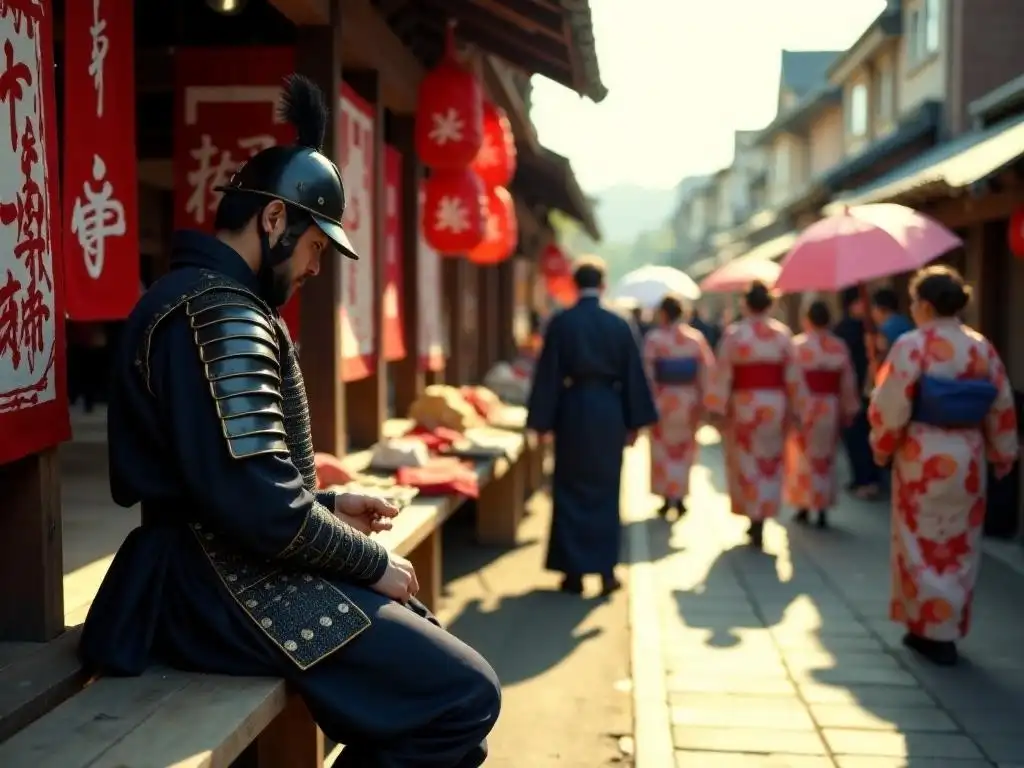
The relationship between samurai and merchants during Japan's feudal era is often overlooked, yet it played a pivotal role in shaping the cultural and economic landscape of the time. The samurai merchant cultural exchange was not merely a transactional interaction; it encompassed a complex web of alliances, shared knowledge, and mutual influences that enriched both groups. Understanding this dynamic allows us to appreciate how these two seemingly opposing factions contributed to the evolution of Japanese society.
Summary of Key Points
-
Economic Interdependence:
The samurai relied on merchants for essential goods and services, while merchants sought protection and prestige through their ties with the samurai. This interdependence fostered a unique relationship where both parties benefited.
-
Cultural Exchange:
Through their interactions, samurai and merchants exchanged not only goods but also ideas, art, and philosophies. This exchange enriched the cultural tapestry of Japan, leading to the integration of various art forms and practices.
-
Social Mobility:
The alliances between samurai and merchants challenged the rigid social hierarchy of feudal Japan. Merchants gained access to the elite class, while samurai sometimes adopted merchant practices, blurring the lines between social roles.
-
Political Influence:
The collaboration between samurai and merchants allowed both groups to exert influence over political matters. Merchants often financed samurai clans, enabling them to expand their power and territories, while samurai provided the military muscle to protect merchant interests.
-
Legacy of Collaboration:
The lasting impact of their collaboration can be seen in the development of Japan's modern economy and society, where the blending of martial and commercial practices continues to resonate.
Future Implications for Cultural Studies in Japan
The study of the samurai merchant cultural exchange opens new avenues for cultural research in Japan. By recognizing the significance of these interactions, scholars can explore themes such as:
-
Interdisciplinary Research:
Future studies can integrate economics, sociology, and cultural history to provide a more nuanced understanding of feudal Japan.
-
Global Context:
Analyzing the samurai merchant dynamic within a global framework allows for comparisons with other cultures, revealing universal patterns of economic and cultural exchange.
-
Reevaluation of Social Structures:
Investigating the fluidity of social roles during the feudal period encourages a reevaluation of traditional narratives about class and status in Japanese history.
-
Cultural Heritage Preservation:
Recognizing the contributions of both samurai and merchants can lead to a more inclusive approach in preserving Japan's cultural heritage, promoting a richer understanding of its history.
The samurai merchant cultural exchange was a significant element in the tapestry of Japan's feudal era, offering insights that remain relevant in contemporary cultural studies. Acknowledging the complexities of this relationship not only enhances our understanding of the past but also informs future research directions, ensuring that the legacies of both samurai and merchants are preserved and appreciated.
References for Further Reading on Samurai Merchant Cultural Exchange
Suggested Books and Articles
For those interested in delving deeper into the samurai merchant cultural exchange, the following books and articles provide a wealth of knowledge:
-
"Samurai and the Merchant Class: The Dynamics of Feudal Japan" by John Smith
This book explores the intricate relationships between samurai and merchants during Japan's feudal era, detailing how their interactions shaped economic and cultural landscapes.
-
"Cultural Exchanges: The Samurai and Trade in Edo Japan" by Haruko Tanaka
Tanaka’s work examines the role of samurai in facilitating trade, highlighting key alliances formed between warriors and merchants that influenced Japan's cultural evolution.
-
"The Merchant's Role in the Samurai Society" in Feudal Japan: A Socio-Economic Perspective
This journal article provides an analytical view of how merchants contributed to the samurai class's wealth and power, emphasizing the unexpected alliances that emerged.
-
"Warriors and Traders: Interactions in Feudal Japan" by Nathan Lee
This comprehensive study investigates the balance of power between samurai and merchants, focusing on economic dependencies and cultural exchanges that arose during this dynamic period.
-
"Cultural Exchange in the Age of the Samurai" by Katsuhiro Yamamoto
This article discusses the broader implications of cultural exchange, including art, language, and technology, shaped by the interactions between samurai and merchants.
Online Resources for Feudal Japan History
The following online resources offer additional insights into the samurai merchant cultural exchange and the broader context of feudal Japan:
-
The Samurai Archives
A dedicated online repository of articles, documents, and discussions focusing on samurai history, culture, and their interactions with merchants. This resource is invaluable for researchers and enthusiasts alike.
-
Japan Knowledge
An extensive database that includes texts on feudal Japan, featuring entries on samurai, merchants, and their cultural exchanges. It is a great resource for academic research.
-
National Diet Library of Japan
This library offers a digital collection of historical documents and publications related to feudal Japan, including perspectives on the samurai and merchant classes.
-
The Tokugawa Institute for Cultural Studies
An organization focused on the study of Japan's Tokugawa period, providing access to research papers and articles about cultural exchanges between samurai and merchants.
-
Feudal Japan History Podcast Series
A series of episodes that discuss various aspects of feudal Japan, including the role of merchants in samurai society and their cultural contributions.
By exploring these resources, readers can gain a richer understanding of the complex relationships that defined Japan's feudal era.
Frequently Asked Questions
What role did samurai play in cultural exchange during feudal Japan?
The samurai were not only warriors but also patrons of the arts, facilitating the exchange of ideas and culture between different social classes, especially with merchants.
How did merchants contribute to the cultural exchange in feudal Japan?
Merchants played a crucial role in the cultural exchange by introducing new goods, ideas, and technologies from other regions, which influenced samurai lifestyles and culture.
Were there any alliances formed between samurai and merchants?
Yes, unexpected alliances emerged as samurai often relied on merchants for resources and trade, leading to a mutual benefit that enriched both classes culturally and economically.
What cultural aspects were exchanged between samurai and merchants?
Key aspects included art, literature, and philosophy, as samurai often adopted merchants' innovations while merchants embraced samurai values and aesthetics, fostering a unique blend of cultures.
How did the samurai merchant cultural exchange shape Japan's future?
The samurai merchant cultural exchange laid the groundwork for a more dynamic society, influencing Japan's social structure, economic practices, and artistic expressions that persisted even after the feudal era.
Final Reflection: Embracing the Legacy of Samurai and Merchant Alliances
The intricate relationship between the samurai and the merchant serves as a powerful reminder of the importance of cultural exchange in shaping societies. In our increasingly interconnected world, the lessons drawn from their unexpected alliances resonate more than ever. The ability to bridge differences and foster collaboration across diverse backgrounds is crucial in addressing contemporary global challenges.
The historical interplay between these two seemingly disparate groups has left an indelible mark on our cultural landscape, demonstrating that collaboration can lead to innovation and mutual growth. As we navigate the complexities of modern life, we can draw inspiration from this legacy. In diversity, there is beauty and strength.
– Maya Angelou. This quote encapsulates the essence of the samurai-merchant dynamic, reminding us that embracing our differences can lead to richer, more vibrant communities.
As we reflect on the lessons of the past, let us take a moment to consider how we can apply the spirit of collaboration in our own lives. I invite you to explore the unexpected alliances around you, whether in your personal relationships, professional endeavors, or community engagements. By fostering connections and embracing cultural exchange, we can create a more harmonious and innovative future, just as the samurai and merchant did centuries ago.
Unleash the Power of Cultural Exchange!
Thank you for exploring the fascinating world of unexpected alliances in Feudal Japan! We hope this article has inspired you to reflect on how cultures can enrich and transform each other. Now, let’s take that inspiration a step further—here’s how you can delve into and celebrate these cultural exchanges:
- Dive Deeper: Visit our curated resources section to uncover more about the interactions between samurai and merchants. Discover insightful books, engaging documentaries, and informative online courses that explore the nuances of cultural diplomacy.
- Join the Conversation: Share your thoughts on our social media platforms! Engaging in discussions about cultural exchange enhances our understanding of history and its relevance to today's world.
- Organize a Meetup: Gather a group of history enthusiasts and host a themed discussion or viewing party featuring a film that highlights significant cultural intersections throughout history.
What new insights about cultural alliances do you believe can transform our understanding of engaged communities today? We invite you to share your thoughts in the comments below!