
The Samurai’s Armor: How It Shaped Combat Styles

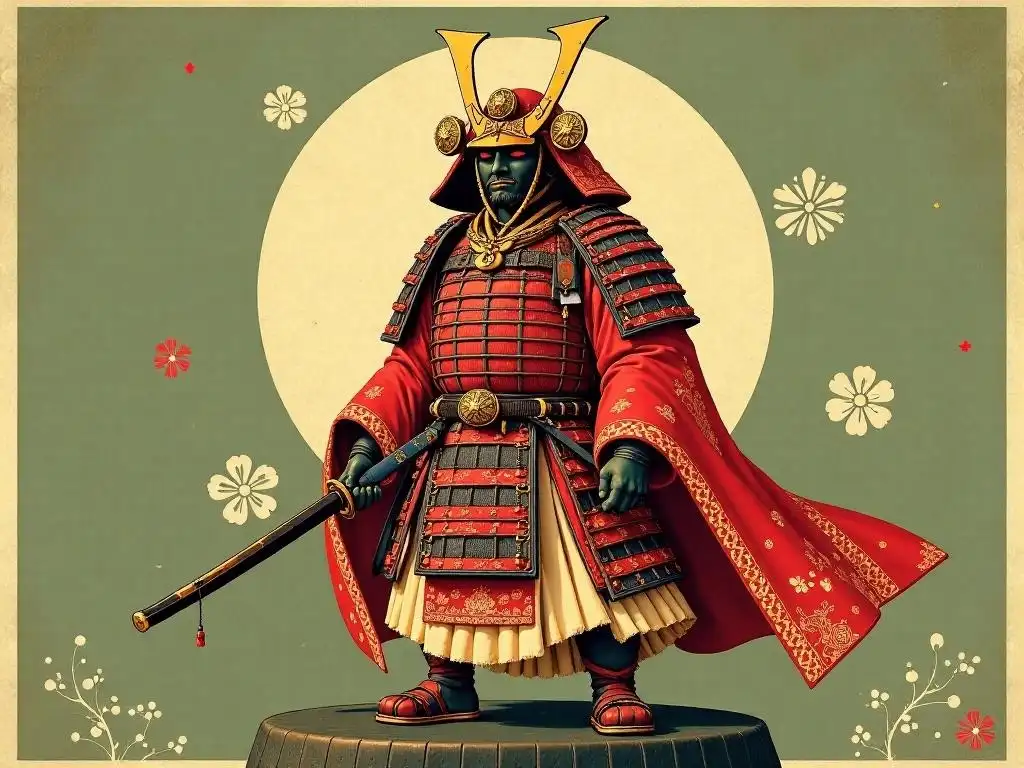
Welcome to Feudal Japan History, where we embark on a captivating journey into the heart of Japan’s feudal era. Unravel the intricate threads of historical, cultural, and societal aspects that defined this fascinating period. In our featured article, “The Samurai’s Armor: How It Shaped Combat Styles,” we delve deep into the world of samurai armor combat styles, exploring how the artistry and functionality of armor influenced the very essence of martial combat.
Get ready to discover the hidden stories and expert insights that will ignite your curiosity and deepen your understanding of this remarkable chapter in history. Your adventure starts here—let’s step into the past together!
The samurai armor, known as yoroi, is not just an iconic symbol of Japan's feudal era but also a crucial element that significantly influenced the combat styles of the samurai. Understanding the intricate design and functionality of this armor provides insight into how it shaped the strategies and tactics employed in battle.
This article delves into the relationship between samurai armor and combat styles, exploring the historical context, the evolution of armor design, and the materials that defined this essential aspect of samurai warfare. By examining these elements, we can appreciate how armor was not merely protective gear but a pivotal factor in the martial arts evolution of Japan.
Introduction to Samurai Armor and Combat Styles
Samurai armor was designed with both form and function in mind, enabling the wearer to engage effectively in the diverse combat scenarios they encountered. The armor's design directly influenced the samurai's movement, combat techniques, and overall effectiveness in battle. As we explore the nuances of samurai armor, we will see how its features catered to the various styles of combat, from horseback archery to close-quarters sword fighting.
Historical Context of Samurai Armor
To understand the significance of samurai armor in combat styles, it is essential to place it within the broader historical context of feudal Japan. The samurai emerged as a distinct warrior class during the late Heian period (794-1185) and became the ruling elite in the following centuries. Throughout this time, the demands of warfare evolved, leading to innovations in armor design that reflected the changing nature of combat.
The Evolution of Armor Design
The design of samurai armor underwent significant transformations, driven by advances in technology and shifts in warfare tactics. Initially, armor was made from leather and simple metal components, but as battles became more intense, the need for enhanced protection and mobility became paramount. Key developments include:
- Early Designs (Heian Period): Simple leather armor with minimal protection.
- Kamakura Period (1185-1333): Introduction of iron plates and more complex lacquering techniques.
- Muromachi Period (1336-1573): Development of the dō (chest armor) and increased use of layered construction for better defense.
- Azuchi-Momoyama Period (1573-1603): Emergence of the suiran style, combining aesthetics with practicality.
This evolution not only improved the samurai's survivability on the battlefield but also allowed them to adapt their combat styles to the capabilities of their armor.
Key Materials Used in Samurai Armor
The materials used in the construction of samurai armor were crucial in shaping both its protective qualities and the flexibility of the wearer. Key materials included:
- Iron and Steel: These metals formed the backbone of the armor, offering durability and strength against weapons.
- Leather: Used in conjunction with metal plates, leather provided flexibility and comfort.
- Silk and Cotton: Often employed for lacing and padding, these materials enhanced the fit and wearability of the armor.
- Lacquer: Applied to the armor for weather resistance and aesthetic appeal, lacquered surfaces also added an extra layer of protection.
Understanding the materials and their implications reveals how samurai armor not only safeguarded the warrior but also allowed for distinct combat styles tailored to specific battlefield conditions.
By examining these aspects, we can appreciate the profound influence of samurai armor on the evolution of combat styles and the martial traditions that emerged from Japan's feudal history.
Types of Samurai Armor and Their Impact on Combat Styles
Samurai armor, known as yoroi, was not merely a protective gear but a sophisticated ensemble that significantly influenced combat styles during Japan's feudal era. The design of the armor evolved over centuries, adapting to the changing nature of warfare and the tactical needs of the samurai. Each piece of armor served a specific purpose and, in combination, shaped the way samurai engaged in battle.
The materials used in crafting armor—such as leather, iron, and silk—allowed for a balance between protection and mobility. As combat techniques evolved, so did the armor styles, leading to the development of lighter and more flexible designs that enabled greater agility. This adaptability allowed samurai to execute dynamic maneuvers and engage in various combat styles that emphasized speed and precision.
Moreover, the aesthetic aspects of samurai armor, often adorned with elaborate designs and clan symbols, played a psychological role on the battlefield. The visual impact of a fully armored samurai could intimidate adversaries, while the intricate craftsmanship reflected the samurai's status and honor. Thus, the evolution of samurai armor was crucial not just for physical protection but also for shaping the very essence of samurai combat styles.
The Kabuto: Helmets and Their Tactical Importance
The kabuto, or helmet, was one of the most distinctive elements of samurai armor, designed to protect the head while offering tactical advantages. The various styles of kabuto, from the simple to the highly ornate, were engineered to deflect blows and minimize the risk of fatal injuries. The design often included a faceplate (mune) and a neck guard (shikoro), providing comprehensive protection while maintaining visibility and mobility.
Tactically, the kabuto played a crucial role in combat. Its shape was intended to channel strikes away from the head, while the added weight helped to stabilize the samurai during fierce engagements. Additionally, the kabuto often featured crests or ornaments that served as both identifiers and psychological tools, boosting the morale of allies while intimidating foes. The use of the kabuto allowed samurai to adopt aggressive styles, knowing they had adequate protection against head strikes.
The Do: Chest Armor and its Role in Defense
The do, or chest armor, was the core component of samurai armor, designed to offer substantial protection to vital organs. Made from a combination of metal plates and leather, the do was crafted to absorb and deflect blows while allowing for freedom of movement. Its design varied throughout the centuries, evolving from simple cuirasses to more complex and articulated forms.
The do's design significantly influenced combat styles, as it allowed samurai to engage in close-quarters combat with confidence. With adequate protection for the torso, samurai could adopt aggressive stances, relying on their swords or polearms while minimizing the risk of serious injury. The weight distribution of the do also contributed to the samurai's ability to execute powerful strikes and maintain balance during dynamic movements.
Moreover, the do often incorporated decorative elements that represented the samurai's clan, adding a layer of psychological warfare. The visual impact of an imposing do could demoralize opponents, allowing the wearer to leverage both physical and psychological advantages in combat.
The Sode: Shoulder Guards and Their Functionality
The sode, or shoulder guards, were critical in protecting the shoulders and upper arms during combat. These pieces of armor, often made from multiple plates, were designed to absorb the shock of strikes while allowing for full range of motion in the arms. The sode's design also served to protect against the downward strikes that were common in battle, ensuring that the samurai could fend off attacks without compromising their ability to wield weapons effectively.
Functionally, the sode played a significant role in the combat styles of the samurai. By safeguarding the shoulders, samurai could execute wide, sweeping movements with their swords or spears without fear of injury. This protection enabled them to adopt aggressive techniques that required both strength and finesse, allowing for a blend of offense and defense in their fighting style.
In addition to their practical uses, the sode also contributed to the overall aesthetic of samurai armor, often featuring intricate designs and embellishments. This combination of functionality and artistry made the sode a vital part of the samurai's combat readiness.
Samurai Combat Styles Influenced by Armor
The evolution of samurai armor directly influenced various combat styles, adapting the techniques and approaches used in battle. The symbiotic relationship between armor design and martial arts practice shaped the way samurai fought, emphasizing strategies that maximized the protective qualities of their gear while allowing for agility and precision.
Kenjutsu: The Art of the Sword
Kenjutsu, the traditional art of swordsmanship, was significantly impacted by the design and functionality of samurai armor. With the do providing protection to the torso and the sode guarding the shoulders, practitioners could focus on executing powerful and swift strikes. The armor allowed for a unique combat style that combined both offense and defense, enabling samurai to engage their opponents with calculated aggression.
The techniques of kenjutsu often emphasized the use of the katana, which required precise movements and control. The protective elements of armor allowed for a more dynamic approach, where samurai could employ techniques that involved quick advances and retreats, capitalizing on their opponent's weaknesses while minimizing their own exposure to attacks.
Iaijutsu: The Art of Drawing the Sword
Iaijutsu emerged as a combat style centered on the swift drawing and cutting motion of the katana from its scabbard. The design of the kabuto and do played a crucial role in this technique, as the armor provided essential protection during the initial moments of engagement. Practitioners of iaijutsu trained to execute rapid draws, often aimed at quickly incapacitating an opponent before they could react.
The lightweight and agile nature of later armor styles allowed for the fluid motions required in iaijutsu. This combat style became especially prominent among samurai, as it emphasized the importance of reaction time and the ability to respond to threats in a split second. The armor's design facilitated these rapid movements, making iaijutsu a favored technique on the battlefield.
Other Martial Arts Influenced by Samurai Armor
Beyond kenjutsu and iaijutsu, various other martial arts were shaped by the design and functionality of samurai armor. Techniques such as sojutsu (the art of the spear) and naginatajutsu (the art of the naginata) also evolved in response to the protective qualities of the armor.
- Sojutsu benefited from the mobility afforded by lighter armor, allowing for agile movements essential for thrusting and sweeping attacks.
- Naginatajutsu practitioners utilized the long reach of the naginata in conjunction with the armor's protective features, allowing for a unique blend of offense and defense.
The interplay between armor and martial arts created a rich tapestry of combat techniques that defined the samurai warrior's approach to battle, demonstrating the profound impact of armor design on the evolution of combat styles throughout feudal Japan.
The Cultural Significance of Samurai Armor in Combat
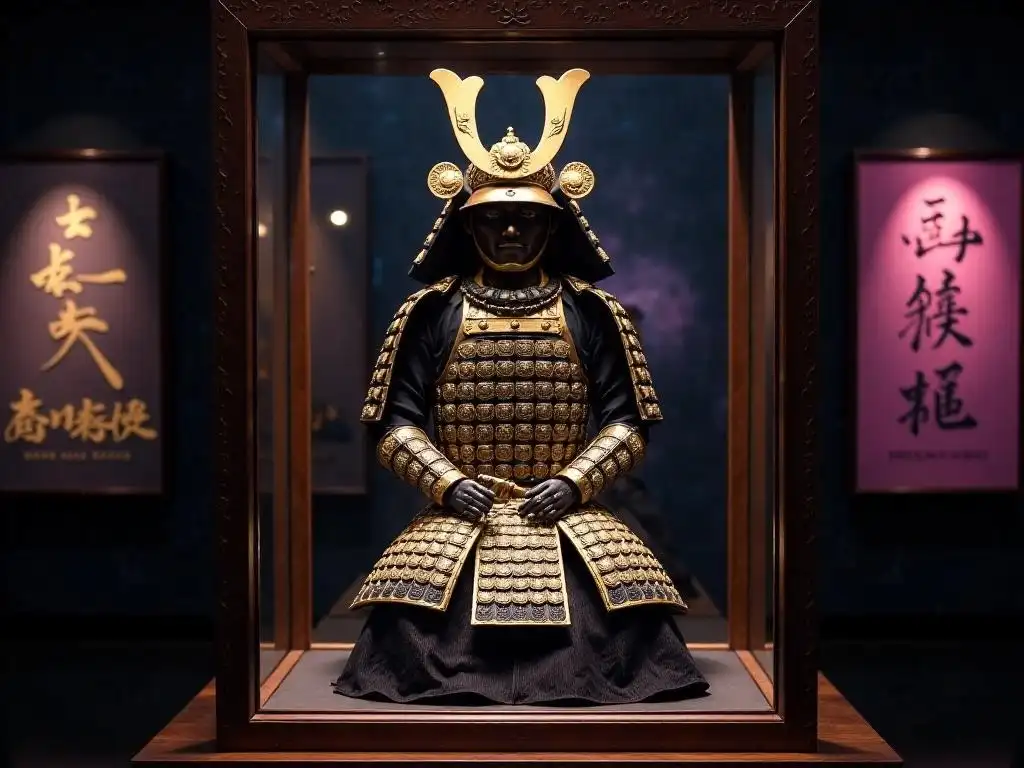
Samurai armor, known as yōkyō, was not merely a protective gear; it was a vital component of the samurai's identity and the cultural fabric of feudal Japan. The armor's design and aesthetics were steeped in symbolism, reflecting the values, beliefs, and martial ethos of the samurai class. Each piece of armor served both a functional and ceremonial purpose, intricately tied to the warrior's role in society.
The materials used in crafting armor, such as iron and leather, were often enhanced with elaborate decorations that conveyed the samurai's status, clan affiliation, and personal achievements. This blend of artistry and functionality ensured that the armor was both a protective suit in battle and a representation of the samurai's honor and dignity. The incorporation of family crests and colors into armor designs further solidified the connection between the individual samurai and their lineage, demonstrating loyalty and pride in their heritage.
Moreover, the act of donning armor was ritualistic, often performed with great care and reverence. The process signified the transition from a civilian life to that of a warrior, embodying the samurai's commitment to their duty and the samurai code, Bushido. This cultural significance of armor extended beyond the battlefield; it permeated various aspects of Japanese art, literature, and theater, highlighting its role as a symbol of strength, honor, and martial prowess.
Symbolism of Armor in Samurai Identity
The symbolism inherent in samurai armor cannot be overstated. Each component of the armor was designed not only for protection but also to project an image of power and nobility. For instance, the kabuto, or helmet, often featured elaborate designs, such as crests or horns, that represented the wearer’s clan and personal identity. This not only served as a deterrent in battle but also as a psychological tool to instill fear in the enemy.
Additionally, the colors and materials chosen for samurai armor had specific meanings. Dark colors often signified strength and resilience, while brighter hues might reflect a more flamboyant personality. The choice of material, from lacquered leather to metal plating, also spoke volumes about a samurai's wealth and social status. This interplay of aesthetics and practicality underscored how armor was a pivotal aspect of a samurai’s identity, shaping their persona in both life and death.
Furthermore, the adornments on the armor could carry personal significance, representing individual beliefs or achievements. For example, warriors might wear talismans or charms for protection in battle, further intertwining their identity with their armor. Thus, samurai armor was a profound symbol of the samurai’s character, ethics, and ultimate purpose in life.
Armor in the Context of Feudal Warfare
In the context of feudal warfare, samurai armor played a critical role in shaping combat styles and strategies. The design of the armor was influenced by the need for mobility and agility while providing adequate protection against various weapons used on the battlefield. The layered construction of the armor allowed for flexibility, enabling samurai to execute swift movements and complex techniques during combat.
Additionally, the presence of armor influenced the tactical approaches of samurai warriors. The heavy armor was often complemented by specific fighting styles, such as kenjutsu (swordsmanship) and naginatajutsu (the use of the naginata), which required the warrior to adapt their techniques to account for the added weight and bulk. This led to the development of unique combat maneuvers that leveraged both offensive and defensive capabilities, showcasing the intricate relationship between armor and martial arts.
Moreover, the evolution of armor throughout the feudal period mirrored changes in warfare strategies. As firearms were introduced, samurai armor underwent modifications to enhance protection against gunfire while maintaining the balance and agility required in traditional fighting styles. This adaptability reflected the samurai's resilience and ingenuity, illustrating how armor not only protected but also guided the evolution of combat tactics over centuries.
Conclusion: The Lasting Influence of Samurai Armor on Modern Martial Arts
The legacy of samurai armor continues to resonate in modern martial arts, permeating practices across the globe. Many contemporary martial arts, such as kendo and Iaido, draw inspiration from the techniques and philosophies rooted in samurai combat. The principles of discipline, respect, and honor embodied in the samurai ethos are prominent in these martial arts, emphasizing the importance of mental and physical training.
In addition, the aesthetic elements of samurai armor have influenced modern martial arts uniforms, often incorporating designs and colors reminiscent of historical armor. The spirit of the samurai, encapsulated in their armor, serves as a guiding philosophy for martial artists today, promoting a sense of connection to the past and an appreciation for the cultural significance of these ancient warriors.
The enduring influence of samurai armor extends beyond just the physical aspects of combat; it encapsulates a profound cultural heritage that continues to inspire and shape martial arts, fostering a deeper understanding of the values and traditions that define this ancient warrior class. As practitioners engage with these traditions, they participate in a living history that honors the samurai's legacy, ensuring that their spirit endures through the ages.
References and Further Reading
To gain a deeper understanding of samurai armor and its influence on combat styles throughout feudal Japan, the following references and further reading materials are highly recommended:
- Books
- "Samurai: The Last Warrior" by John Man
- This book provides an engaging narrative about the lives of samurai, including their armor and combat techniques, while highlighting historical contexts.
- "The Samurai: A Military History" by Stephen Turnbull
- Turnbull delves into the military strategies and innovations of the samurai, exploring how armor played a crucial role in their battlefield effectiveness.
- "Japanese Armor: The Samurai's Battle Dress" by David E. Jones
- A comprehensive examination of the design and function of samurai armor, including its evolution over time and its impact on martial arts.
- "Samurai: The Last Warrior" by John Man
- Academic Journals
- "The Role of Armor in Japanese Martial Arts"
- An insightful article that discusses the relationship between armor design and the development of various martial arts styles in Japan.
- "Warfare and the Samurai: A Study of Military Tactics"
- This journal article analyzes how samurai armor influenced combat tactics and strategies during different periods of feudal Japan.
- "The Role of Armor in Japanese Martial Arts"
- Online Resources
- The Samurai Archive
- A dedicated website that offers a wealth of information on samurai history, culture, and the evolution of armor and combat styles.
- The Metropolitan Museum of Art - Heilbrunn Timeline of Art History
- This online resource includes detailed entries on samurai armor, providing historical context and visual examples.
- The Samurai Archive
- Documentaries
- "Secrets of the Samurai Sword"
- This documentary explores the craftsmanship of samurai armor and weapons, shedding light on their importance in combat.
- "The Samurai: Warriors of Honor"
- A film that provides insights into the lives of samurai, including the role of armor in their combat styles.
- "Secrets of the Samurai Sword"
These resources will enrich your knowledge of samurai armor and its significant impact on combat styles, facilitating a broader understanding of the martial arts evolution within Japan's feudal era.
- Introduction to Samurai Armor and Combat Styles
- Historical Context of Samurai Armor
- Types of Samurai Armor and Their Impact on Combat Styles
- Samurai Combat Styles Influenced by Armor
- The Cultural Significance of Samurai Armor in Combat
- Conclusion: The Lasting Influence of Samurai Armor on Modern Martial Arts
- References and Further Reading
Frequently Asked Questions
What is the significance of samurai armor in combat?
Samurai armor was crucial as it provided protection while allowing for mobility. Its design influenced various combat styles, adapting to the needs of the battlefield.
How did samurai armor evolve over time?
Over centuries, samurai armor underwent changes in materials and designs, reflecting advancements in warfare and the cultural values of the era, which directly impacted combat techniques.
What are the main combat styles influenced by samurai armor?
Key combat styles like Kenjutsu and Iaijutsu were shaped by the protection and flexibility offered by armor, allowing samurai to engage effectively in both offensive and defensive maneuvers.
How did the design of samurai armor affect battle tactics?
The design of samurai armor influenced battle tactics by enhancing mobility and defense, leading to the development of strategies that utilized both agility and strength in combat.
Can modern martial arts trace their roots back to samurai combat styles?
Yes, many modern martial arts, such as Kendo and Aikido, have their origins in samurai combat styles, integrating principles of armor use and combat techniques developed during the feudal era.
Final Reflection: The Enduring Legacy of Samurai Armor in Combat Styles
The intricate design and functionality of samurai armor not only revolutionized combat styles in feudal Japan but also continue to resonate in modern martial arts and historical reenactments. The profound influence of samurai armor transcends time, reminding us that the past is not merely a collection of artifacts but a living legacy that shapes our present and future.
The cultural significance of samurai armor extends beyond its physical form; it embodies the spirit of discipline, honor, and artistry that defines the samurai ethos. As we explore the evolution of combat styles influenced by this iconic armor, we recognize its role in shaping not just fighting techniques but also the values that underpin them. The sword is a reflection of the soul; it is not just a weapon but an extension of the warrior's spirit.
This quote encapsulates the idea that the samurai's approach to combat was as much about personal integrity as it was about physical prowess.
As you reflect on the lessons embedded in the samurai's approach to armor and combat, consider how these principles can be applied in your own life. Embrace the values of resilience, adaptability, and honor in your personal and professional endeavors. Let the legacy of the samurai inspire you to forge your own path, equipped with the wisdom of the past as you navigate the complexities of the present and future.
Embrace the Warrior Spirit: Take Action Today!
Thank you for exploring the incredible influence of samurai armor on combat styles with us! Your curiosity about this fascinating aspect of feudal Japan enriches your understanding of history. Now, let's take the next steps to dive deeper into this captivating world.
- Explore the craftsmanship of historical samurai armor by visiting museums or online galleries. Experience firsthand the artistry and functionality that defined a warrior's identity.
- Engage with fellow history enthusiasts in forums or social media groups dedicated to feudal Japan. Share your insights, ask questions, and learn from diverse perspectives.
- Consider creating a visual project, such as a drawing or model inspired by samurai armor. Let your creativity connect you with the past in a personal and meaningful way.
What aspect of samurai history intrigues you the most, and how do you think their combat styles continue to influence modern martial arts today?