
The Evolution of Japanese Calligraphy: Influences Through the Ages

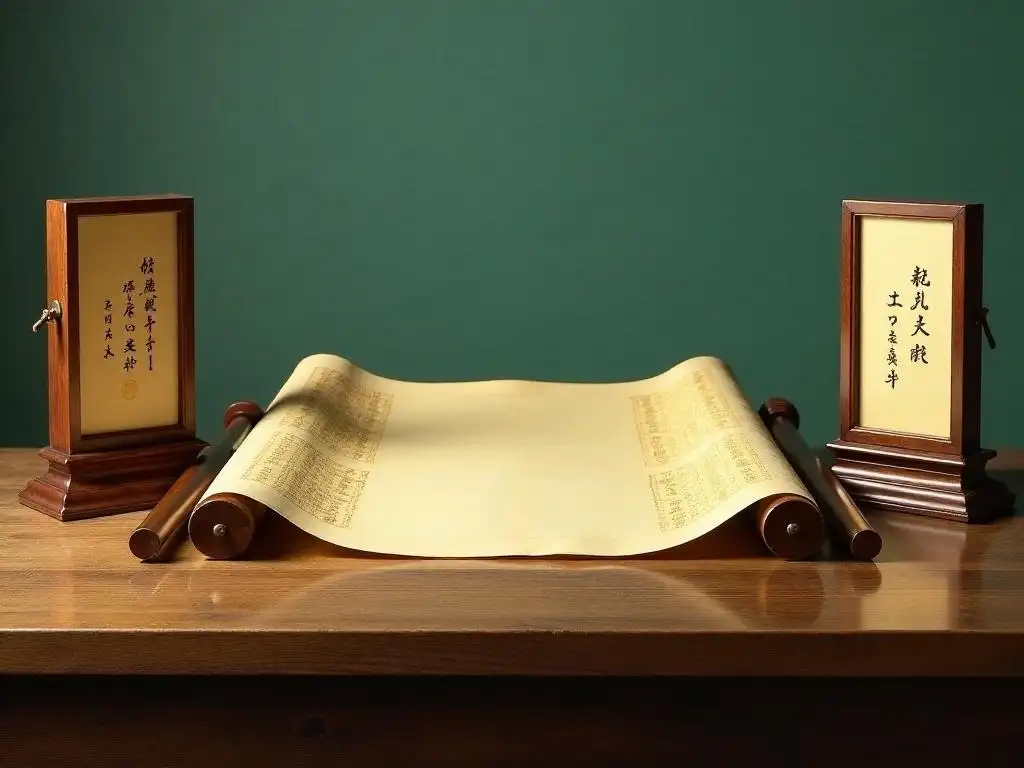
Welcome to Feudal Japan History, where we invite you to embark on a journey through the captivating tapestry of Japan’s feudal era. Delve into our latest article, “The Evolution of Japanese Calligraphy: Influences Through the Ages,” as we unveil the rich historical influences that have shaped this exquisite art form. From the strokes of ancient masters to the intricate styles that emerged over centuries, discover how calligraphy intertwines with culture and society, revealing a deeper understanding of Japan's past. Are you ready to explore the elegance and significance behind each character? Let’s begin!
Introduction to Japanese Calligraphy
Japanese calligraphy, or shodō, is a revered art form that embodies the intersection of beauty, history, and culture within Japan. This intricate practice not only serves as a means of communication but also reflects the aesthetics and philosophies of the periods in which it flourished.
Exploring the historical influences on Japanese calligraphy reveals a rich tapestry of cultural exchanges, artistic evolution, and societal shifts that have shaped its development from ancient times to the present day. This article delves into the various influences that have contributed to the evolution of Japanese calligraphy, offering insights into its significance within the broader context of Japanese literature and cultural heritage.
Understanding Japanese Calligraphy: A Historical Overview
Throughout its history, Japanese calligraphy has undergone significant transformations, influenced by various factors, including political changes, religious beliefs, and interactions with neighboring cultures. From the adoption of Chinese characters to the creation of unique Japanese scripts, the journey of Japanese calligraphy is marked by innovation and adaptation.
- Key Historical Periods:
- Heian Period (794-1185): The rise of kana scripts, representing a shift towards a more distinctly Japanese form of writing.
- Kamakura Period (1185-1333): The influence of Zen Buddhism on aesthetic principles and the emergence of new calligraphic styles.
- Edo Period (1603-1868): A flourishing of calligraphic schools and the integration of calligraphy into daily life and art.
This historical overview sets the stage for a deeper exploration of the origins of Japanese calligraphy and the various influences that have shaped its evolution.
The Importance of Calligraphy in Japanese Culture
Calligraphy in Japan transcends mere writing; it is considered a profound artistic expression that encapsulates the spirit and philosophy of the Japanese people. The importance of calligraphy can be observed in various aspects:
- Cultural Significance: Calligraphy is often used in ceremonies, celebrations, and as a form of spiritual expression.
- Educational Value: Mastery of calligraphy is regarded as an essential skill, reflecting discipline, patience, and dedication.
- Aesthetic Appreciation: Artistic calligraphy pieces are prized for their beauty and are frequently displayed in homes and galleries.
The Origins of Japanese Calligraphy
The origins of Japanese calligraphy can be traced back to its early interactions with Chinese culture, which played a pivotal role in shaping the art form as we know it today.
Early Influences: Chinese Calligraphy and Its Impact
The introduction of Chinese characters (kanji) to Japan in the 5th century marked a significant turning point in the development of Japanese writing systems. The influence of Chinese calligraphy is evident in the styles and techniques adopted by early Japanese calligraphers.
- Key Features of Chinese Calligraphy:
- Brush techniques emphasizing fluidity and expressiveness.
- The use of ink and paper, which became foundational elements in Japanese calligraphy.
- The concept of calligraphy as a reflection of the writer's character and emotions.
This early influence laid the groundwork for a unique Japanese interpretation of calligraphy that would evolve over the centuries.
The Introduction of Kanji: Bridging Cultures
With the adoption of kanji, Japan began to develop its own writing systems, including hiragana and katakana. This blend of characters not only facilitated communication but also allowed for the emergence of a distinctive calligraphic style.
- Cultural Bridging:
- The fusion of kanji with native Japanese expressions enabled a richer literary landscape.
- Calligraphy became a means of expressing Japanese identity while honoring Chinese artistic traditions.
The evolution of Japanese calligraphy is an ongoing narrative, influenced by historical events, cultural exchanges, and the continual adaptation of artistic practices. Through this exploration, we gain a deeper understanding of the profound impact that historical influences have had on the art of Japanese calligraphy.
The Heian Period: A Flourishing of Art and Literature
The Heian Period (794-1185) is often regarded as a golden era for Japanese culture, particularly in the realms of art and literature. Central to this flourishing was the development of Japanese calligraphy, which became a significant medium for expressing the subtleties of human emotion and the complexities of nature. During this time, the imperial court in Kyoto became a hub for artistic innovation, where calligraphy was not only a means of communication but also an esteemed art form that reflected the aesthetics and values of the period.
The Heian court saw an emphasis on elegance and refinement, which was manifested in the delicate and flowing styles of calligraphy. Calligraphers were highly regarded members of society who often held positions of influence within the court. Their work was characterized by its expressive quality, with a focus on the beauty of the characters and the rhythm of the brush strokes. This emphasis on aesthetics led to a distinctive style of calligraphy, known as sōsho (草書), which was informal and fluid, allowing for a more personal touch in written communication.
The Development of Hiragana and Katakana
One of the most significant advancements in Japanese calligraphy during the Heian Period was the development of the kana scripts—Hiragana and Katakana. These scripts emerged as a means to represent the Japanese language phonetically, allowing for a more nuanced expression of thought compared to the complex Chinese characters that were previously used.
Hiragana, developed primarily by women of the court, became the script of choice for poetry and prose, enabling writers to craft works that resonated with emotional depth and personal reflection. This was notably seen in famous literary works such as The Tale of Genji by Murasaki Shikibu. Conversely, Katakana was used predominantly by men and served administrative and formal purposes, making it crucial for scholarly texts and documentation.
The emergence of these scripts not only democratized literacy but also gave rise to new stylistic forms in calligraphy. The fluidity and simplicity of Hiragana allowed calligraphers to experiment with more expressive styles, enhancing the visual appeal of their writing.
Notable Calligraphers of the Heian Era
Several calligraphers from the Heian Period left a lasting impact on the evolution of Japanese calligraphy. One of the most renowned figures was Ono no Tōfu, celebrated for his graceful and flowing style that embodied the Heian aesthetic. His works exemplified a balance between beauty and legibility, influencing generations of calligraphers.
Another pivotal figure was Fujiwara no Yukinari, who developed a distinctive style that combined elements of Chinese calligraphy with Japanese techniques. His contributions were instrumental in establishing calligraphy as a respected art form within the court, and he produced works that are still studied for their artistic merit today.
These calligraphers not only refined techniques and styles but also contributed to the philosophical and aesthetic discourse surrounding calligraphy, asserting its place as a critical component of Japan's cultural heritage.
The Kamakura and Muromachi Periods: Transition and Transformation
The Kamakura (1185-1333) and Muromachi (1336-1573) periods marked a significant transition in Japanese society, influencing not only politics and military power but also the arts, including calligraphy. The rise of the samurai class and the establishment of a more decentralized form of governance had profound implications for cultural practices.
During this time, calligraphy began to reflect the values of the samurai, emphasizing discipline, strength, and directness. The shift from the aristocratic culture of the Heian court to a society where martial values prevailed transformed the themes and styles prevalent in calligraphy.
The Rise of Zen Buddhism and Its Influence on Calligraphy
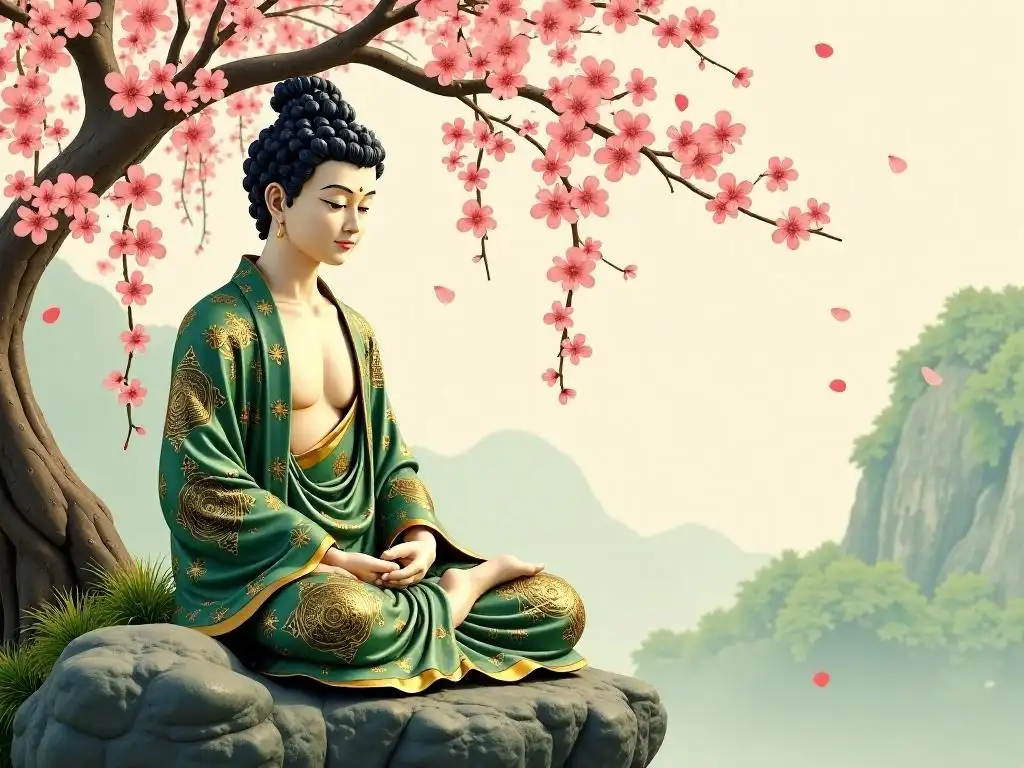
The introduction of Zen Buddhism during the Kamakura Period had a profound influence on Japanese calligraphy. Zen emphasizes simplicity, meditation, and the beauty of imperfection, which resonated deeply with calligraphic practices. Calligraphers began to adopt Zen philosophies, leading to the creation of a new style known as sumi-e (墨絵), or ink wash painting, which often incorporated calligraphic elements.
This period saw an increase in the practice of shodō (書道), the "way of writing," which emphasized the meditative aspects of calligraphy. Calligraphers like Sesshū Tōyō and Miyamoto Musashi were not only masters of brush techniques but also philosophers who integrated Zen principles into their art, creating works that celebrated spontaneity and the spiritual journey inherent in the act of writing.
The Emergence of New Styles and Techniques
As the Kamakura and Muromachi periods progressed, new styles and techniques in calligraphy began to emerge, reflecting the changing cultural landscape. The influence of Zen Buddhism facilitated the growth of a more expressive and individualistic approach to calligraphy, moving away from the rigid structures that characterized earlier forms.
This era saw the development of styles such as gyōshō (行書), or semi-cursive script, which allowed calligraphers to write more fluidly and quickly while maintaining aesthetic quality. The use of bold strokes and dynamic compositions became characteristic of this new style, giving rise to a more contemporary approach to calligraphy.
Additionally, the blending of painting and calligraphy became more pronounced during this time, with artists often incorporating poetic verses into their visual works, thus creating a harmonious fusion of text and image. This evolution not only enriched the art of calligraphy but also contributed to a broader cultural renaissance that celebrated the interconnectedness of various artistic disciplines in Japan.
The Edo Period: Calligraphy as a Cultural Symbol
During the Edo period (1603-1868), Japanese calligraphy began to flourish as a significant cultural symbol, reflecting the socio-political stability and relative peace that characterized this era. The samurai class, along with the emerging merchant class, increasingly valued calligraphy not just as an art form but as a means of expressing one's character and sophistication. Calligraphy became a medium through which individuals could demonstrate their education and refinement, leading to a heightened appreciation for aesthetic beauty in written characters.
The Edo period saw the establishment of various calligraphic schools that emphasized different styles and techniques. This was also a time when the influence of Zen Buddhism permeated many aspects of Japanese culture, including calligraphy. The practice of shodō (the way of writing) was often linked to Zen philosophies, promoting mindfulness and a meditative approach to writing. As a result, calligraphy became not only a method of communication but also a spiritual practice, embodying the principles of simplicity, directness, and the beauty of imperfection.
Calligraphy in the Context of Samurai Culture
For the samurai, calligraphy served as an essential part of their education and was often considered a reflection of their inner virtues. Mastery of calligraphy was viewed as an extension of martial arts—both required discipline, precision, and a deep commitment to personal development. Samurai were trained in various calligraphic styles, and their ability to write well was an indication of their refinement and status.
The act of writing was also imbued with philosophical significance. Samurai would often inscribe poems or proverbs that conveyed their values and ideals. This practice not only solidified their identity but also served as a means of connecting with their heritage and culture. Calligraphy became a way for the samurai to express their loyalty, honor, and emotional depth, making it an integral part of their cultural identity.
The Role of Calligraphy in Literature and Education
Calligraphy played a pivotal role in the education system during the Edo period, where literacy rates began to rise significantly among the general populace. Schools began to incorporate calligraphy into their curricula, recognizing its importance in fostering a sense of discipline and artistic expression. The ability to write beautifully was highly esteemed, leading to a greater emphasis on cultivating calligraphic skills in students.
Moreover, calligraphy was closely tied to the literary developments of the time. As literature expanded, particularly with the rise of ukiyo-zōshi (popular novels) and haiku poetry, calligraphy became a vital means of presenting these works. The visual aspect of written language added a layer of depth to literary expression, transforming the act of reading into a more immersive experience. The interplay between calligraphy and literature during this period reinforced the cultural significance of both forms of expression.
Modern Influences on Japanese Calligraphy
In the contemporary era, Japanese calligraphy has encountered a multitude of influences that have transformed traditional practices. The effects of globalization and technological advancements have led to a re-evaluation of calligraphy as both an art form and a medium of communication. Artists and practitioners now explore innovative ways to blend traditional techniques with modern styles, reflecting the dynamic nature of Japanese culture.
As the world becomes increasingly interconnected, contemporary calligraphers are experimenting with various materials and tools, often incorporating elements from Western art forms. This fusion has given rise to new expressions within calligraphy, allowing for a broader interpretation that appeals to diverse audiences. The evolution of Japanese calligraphy continues to be shaped by these modern influences, showcasing its adaptability and resilience.
Westernization and Its Effects on Traditional Practices
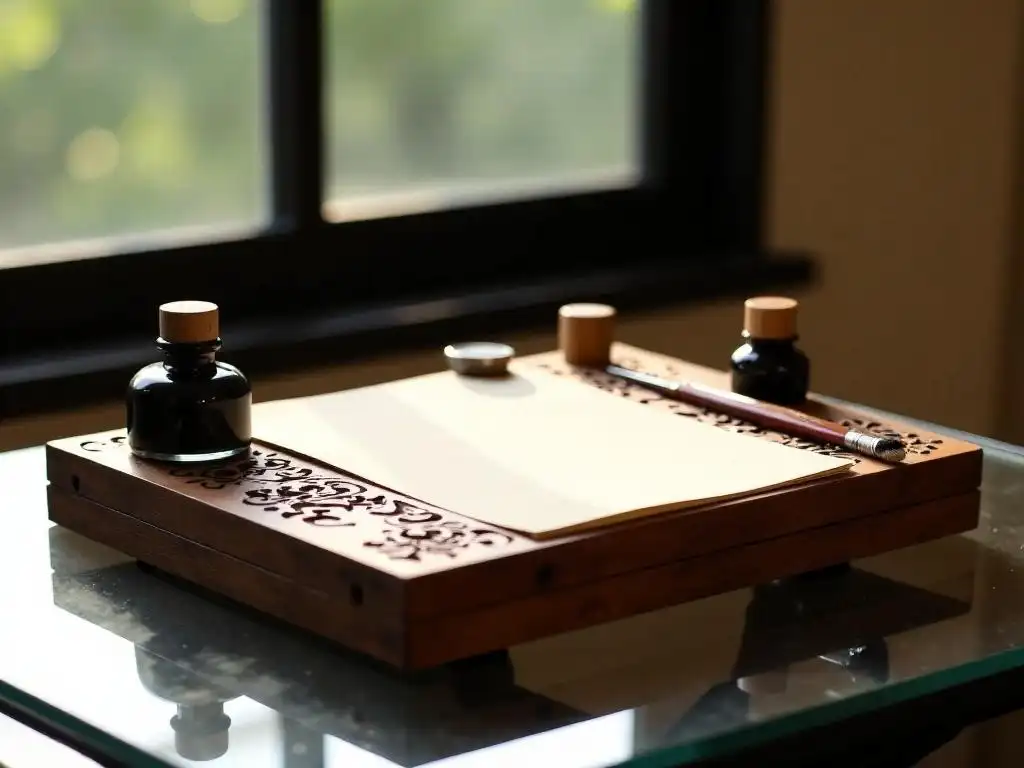
The process of Westernization during the Meiji Restoration (1868-1912) had profound implications for Japanese calligraphy. As Japan opened its doors to the West, there was a significant shift in cultural values, leading to the introduction of Western artistic concepts and techniques. This exposure prompted a reevaluation of traditional calligraphic styles, which were often viewed as outdated in comparison to Western artistic movements.
Many calligraphers began to incorporate Western elements into their work, experimenting with new forms and integrating Western philosophies of art. This blending of Eastern and Western influences challenged the traditional boundaries of calligraphy, leading to a rich dialogue between the two cultures. While some purists resisted these changes, others embraced the opportunity for innovation, recognizing that the evolution of calligraphy could coexist with its historical roots.
Contemporary Calligraphy: Blending Tradition and Innovation
Today, contemporary Japanese calligraphy is a vibrant and evolving art form that reflects the complexities of modern society. Artists are increasingly exploring the boundaries of calligraphy by fusing traditional techniques with innovative approaches. This includes the use of mixed media, digital technologies, and unconventional materials, allowing for new interpretations and expressions of the art form.
Moreover, contemporary calligraphers often engage in collaborative projects that bridge cultural divides, showcasing the universality of written language. Exhibitions and workshops frequently highlight the dynamic interplay between tradition and innovation, inviting audiences to appreciate calligraphy as both a historical practice and a contemporary art form. Through this blending of influences, Japanese calligraphy continues to thrive, demonstrating its enduring relevance in a rapidly changing world.
The Future of Japanese Calligraphy
As Japanese calligraphy moves forward into the 21st century, it faces both challenges and opportunities that could shape its evolution. The blending of traditional techniques with contemporary practices is crucial to keeping this ancient art form alive and relevant. With the increasing global interest in Japanese culture, calligraphy is poised to capture new audiences and inspire future generations. The future of Japanese calligraphy hinges on its adaptability, accessibility, and ability to maintain its rich historical roots while evolving in response to modern influences.
Reviving Traditional Techniques in a Modern Context
Reviving traditional techniques of Japanese calligraphy in today’s context involves a delicate balance between honoring the past and embracing the present. Artists and educators are increasingly focusing on workshops and classes that emphasize the fundamentals of traditional calligraphy, such as the use of specific brushes, ink, and paper.
- Workshops: Many art schools and cultural centers are offering workshops that range from beginner to advanced levels, allowing individuals to experience the tactile nature of calligraphy.
- Exhibitions: Contemporary calligraphers are regularly showcasing their work in exhibitions that highlight traditional forms while incorporating modern themes, making the art accessible to a broader audience.
- Interdisciplinary Projects: Collaborative projects that fuse calligraphy with other art forms, such as visual arts and digital design, are emerging. This not only revitalizes interest in traditional techniques but also encourages innovation.
These efforts contribute to a renewed appreciation for Japanese calligraphy, ensuring that its techniques and philosophies are not lost to time.
The Role of Technology in Preserving Calligraphic Arts
In an era where technology permeates every aspect of life, it plays a significant role in preserving and promoting Japanese calligraphy. Digital tools and platforms are being utilized to bridge the gap between traditional calligraphy and contemporary society.
- Digital Platforms: Online learning platforms and social media have created spaces for calligraphers to share their work, techniques, and tutorials, reaching a global audience far beyond the confines of physical classrooms.
- Software and Apps: There are various apps and programs that simulate the calligraphic experience, allowing users to practice strokes and styles without the need for traditional materials. This tech-driven approach can inspire new practitioners who might be intimidated by conventional methods.
- Virtual Reality (VR): Some innovators are exploring VR experiences that immerse users in the world of Japanese calligraphy, providing an interactive way to learn about its history and practice.
Through these technological advancements, Japanese calligraphy not only survives but flourishes, maintaining its cultural significance while adapting to the needs of a modern audience.
Conclusion: The Lasting Legacy of Japanese Calligraphy
Japanese calligraphy is more than just an art form; it embodies the historical, spiritual, and cultural essence of Japan. As it evolves, the influences of various periods and styles continue to be reflected in contemporary practices, creating a rich tapestry of expression that resonates with both artists and enthusiasts alike.
Reflecting on Historical Influences and Cultural Significance
The historical influences on Japanese calligraphy are profound, shaped by various factors such as Buddhism, literature, and political changes. Each era brought its unique styles and philosophies, from the simplicity of Zen aesthetics to the ornate flourishes of the Edo period.
- Cultural Exchange: The interaction between Japan and other cultures, particularly China, significantly shaped the development of calligraphy. This exchange introduced new techniques and styles that were adapted and integrated into Japanese practices.
- Preservation of Tradition: Despite the modern challenges it faces, the enduring commitment of artists and educators to preserve traditional practices ensures that the cultural significance of calligraphy remains intact.
- Symbol of Identity: Today, Japanese calligraphy serves as a symbol of national identity and pride, reflecting the values and history of its people.
The lasting legacy of Japanese calligraphy is not only rooted in its historical influences but also in its ability to adapt and inspire future generations. As it continues to evolve, it remains a vital part of Japan's cultural heritage, celebrating the beauty of language and the art of writing.
Additional Resources on Japanese Calligraphy Historical Influences
The study of Japanese calligraphy is a profound journey through the artistic and cultural evolution of Japan. To deepen your understanding of its historical influences, a variety of resources are available that cover a range of topics from technique to the cultural significance of calligraphy throughout different eras. Here are some suggested avenues for exploration:
Recommended Books and Articles for Further Reading
- "Japanese Calligraphy: A Complete Guide to Techniques and Materials" by Christine Flint Sato
- This comprehensive guide provides insights into the tools and techniques used in Japanese calligraphy, alongside historical context that traces its evolution through the ages.
- "The Art of Japanese Calligraphy" by Richard Lane
- An exploration of the aesthetic principles of Japanese calligraphy, this book also delves into its historical developments and the influence of various philosophical schools.
- "Calligraphy: A History" by Patricia A. Smith
- Although covering global calligraphy, this book dedicates chapters to the unique characteristics of Japanese calligraphy, illustrating its historical influences and transformations.
- Academic Journals
- Articles in journals such as The Journal of Japanese Studies and Asian Art often feature studies and papers on the historical context and influence of calligraphy in Japan, providing scholarly perspectives.
- Online Resources
- Websites like JSTOR and Google Scholar can be valuable for accessing research papers and articles dedicated to the history and influence of Japanese calligraphy.
Notable Museums and Exhibitions Featuring Japanese Calligraphy
- Tokyo National Museum
- The museum often hosts exhibitions showcasing historical artifacts, including ancient scrolls and calligraphy pieces that illustrate the evolution of Japanese writing styles and influences.
- The Sumida Hokusai Museum
- Dedicated to the famed artist Hokusai, this museum includes exhibits that feature his calligraphic works, highlighting the interplay between visual art and calligraphy in the Edo period.
- The Kyoto National Museum
- Renowned for its extensive collection of traditional arts, this museum frequently displays calligraphy works that reflect the influences of various dynasties and cultural movements.
- The British Museum (London)
- While not in Japan, the British Museum possesses a significant collection of Japanese art, including calligraphy. Exhibitions here can provide valuable insights into the international influences on Japanese calligraphy.
- The National Museum of Modern Art (Tokyo)
- This museum features contemporary and historical calligraphy works, bridging the past with modern interpretations and showcasing the ongoing evolution influenced by history.
These resources offer a wealth of information and cultural context that can enhance your understanding of Japanese calligraphy and its historical influences, providing both academic and artistic perspectives.
- Introduction to Japanese Calligraphy
- The Origins of Japanese Calligraphy
- The Heian Period: A Flourishing of Art and Literature
- The Development of Hiragana and Katakana
- Notable Calligraphers of the Heian Era
- The Kamakura and Muromachi Periods: Transition and Transformation
- The Rise of Zen Buddhism and Its Influence on Calligraphy
- The Emergence of New Styles and Techniques
- The Edo Period: Calligraphy as a Cultural Symbol
- Calligraphy in the Context of Samurai Culture
- The Role of Calligraphy in Literature and Education
- Modern Influences on Japanese Calligraphy
- Westernization and Its Effects on Traditional Practices
- Contemporary Calligraphy: Blending Tradition and Innovation
- The Future of Japanese Calligraphy
- Conclusion: The Lasting Legacy of Japanese Calligraphy
- Additional Resources on Japanese Calligraphy Historical Influences
- What is the significance of Japanese calligraphy in history?
- How did Chinese influences shape Japanese calligraphy?
- What are the main historical periods discussed in relation to Japanese calligraphy?
- Who are some notable calligraphers in Japanese history?
- What role does calligraphy play in modern Japanese culture?
Frequently Asked Questions
What is the significance of Japanese calligraphy in history?
Japanese calligraphy holds a significant place in Japan's cultural heritage, reflecting the aesthetic values and philosophical ideas of different historical periods.
How did Chinese influences shape Japanese calligraphy?
Chinese influences introduced various writing styles and techniques that were adapted and transformed, leading to the development of unique Japanese styles like Kana and Kanji.
What are the main historical periods discussed in relation to Japanese calligraphy?
The article explores several historical periods, including the Nara, Heian, Edo, and modern eras, highlighting how each period contributed to the evolution of calligraphy.
Who are some notable calligraphers in Japanese history?
Notable calligraphers include Ono no Michikaze and Yamamoto Tansai, whose works exemplify the artistic styles and techniques prevalent in their times.
What role does calligraphy play in modern Japanese culture?
In modern Japanese culture, calligraphy continues to be a respected art form, often used in ceremonies, art exhibitions, and as a means of personal expression.
Final Reflection: The Enduring Legacy of Japanese Calligraphy
The evolution of Japanese calligraphy is not just a historical narrative; it is a testament to the profound cultural exchanges that have shaped Japan's identity. Today, as we navigate an increasingly digital world, the art of calligraphy serves as a reminder of the beauty and significance of traditional craftsmanship. The intricate strokes and philosophical depth of Japanese calligraphy continue to resonate, illustrating how art can transcend time and technology.
Calligraphy has always been more than mere writing; it embodies the spirit of the era and the influences that have shaped it. The ongoing appreciation for this art form reflects our collective yearning for connection to our roots and the stories that define us. As noted by calligraphy master Shozo Sato, Calligraphy is not just about the letters; it’s about the heart and the soul behind them.
This sentiment underscores the importance of understanding the historical influences that have contributed to the evolution of Japanese calligraphy, as it remains a vital part of cultural heritage and identity.
As you reflect on the rich tapestry of Japanese calligraphy, consider how the lessons embedded in its strokes can inspire your own journey. Embrace the beauty of tradition while forging your path in the modern world. Let the elegance of calligraphy remind you of the importance of patience, precision, and passion in your pursuits. Take a moment to explore your own creative expressions, and allow the historical influences of this timeless art to guide you toward a deeper appreciation of both the past and the future.
Unveil the Beauty of Japanese Calligraphy Today!
Thank you for diving into the rich history of Japanese calligraphy with us! You've explored the intricate influences that have shaped this timeless art form, and now it's time to put your knowledge into action.
Here’s how you can deepen your appreciation and connection with Japanese calligraphy:
- Start your own calligraphy practice: Gather some basic supplies like brushes, ink, and paper, and begin experimenting with various styles. Allow your creativity to flow and express yourself on paper!
- Join a local or online calligraphy community: Connect with fellow enthusiasts to exchange tips, showcase your work, and explore different techniques. Engaging with others can greatly enhance your learning experience!
- Visit a museum or participate in a workshop: Immerse yourself in this beautiful art form by viewing historical pieces in person or taking part in a hands-on class to experience the feel of the ink and brush.
What aspect of Japanese calligraphy inspires you the most, and how will you incorporate it into your life? We would love to hear your thoughts!