
Cultural Innovations: Edo Period Inventions that Shaped Japan

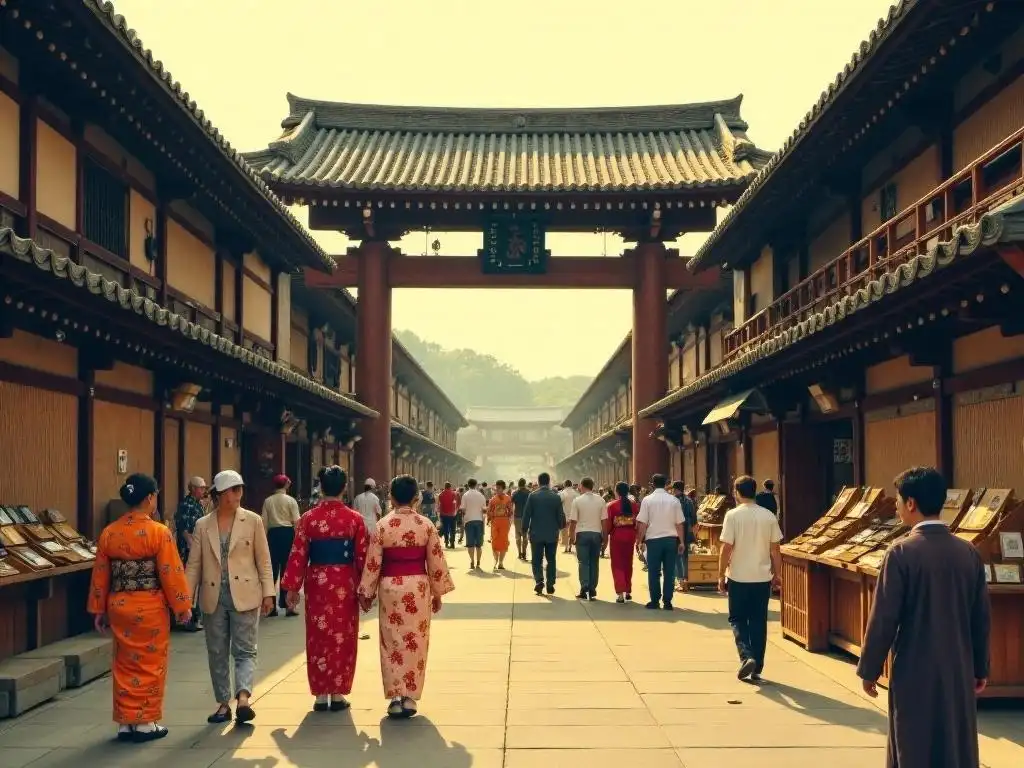
Welcome to Feudal Japan History, where we invite you to journey through the captivating tapestry of Japan's feudal era. In our feature article, “Cultural Innovations: Edo Period Inventions that Shaped Japan,” we delve into the remarkable Edo period cultural innovations that not only transformed society but also laid the groundwork for modern Japan. Prepare to uncover the extraordinary inventions and artistic advancements that flourished during this vibrant time. Join us as we explore the intricate connections between culture and history, and discover how these innovations resonate even today. Your adventure through the past begins here!
Introduction to Edo Period Cultural Innovations
The Edo period, spanning from 1603 to 1868, represents a transformative era in Japan's cultural history. During this time, the country experienced profound changes that not only shaped its societal structure but also birthed a wealth of cultural innovations that continue to influence Japan today.
This article will delve into the rich tapestry of Edo period cultural innovations, exploring how advancements in art, entertainment, cuisine, and literature played a pivotal role in the evolution of Japanese society. By highlighting these innovations, we aim to provide a comprehensive understanding of their significance and impact, inviting readers to appreciate the lasting legacy of the Edo period.
Overview of the Edo Period (1603-1868)
The Edo period, also known as the Tokugawa period, was marked by the unification of Japan under the Tokugawa shogunate. This era is characterized by relative peace, stability, and isolation from foreign influences, allowing for the flourishing of domestic culture. Major cities like Edo (modern-day Tokyo), Osaka, and Kyoto became vibrant centers of commerce and culture, fostering an environment where artistic expression thrived. The period saw the rise of a new merchant class, which contributed to the patronage of arts and cultural activities, thus enriching the cultural fabric of Japan.
Importance of Cultural Innovations in Japan’s Development
Cultural innovations during the Edo period were not merely artistic pursuits; they played a crucial role in shaping Japan’s national identity and social structure. These innovations contributed to the formation of a distinct Japanese culture that integrated various regional influences while fostering a sense of unity. The spread of new ideas and artistic forms helped bridge the gap between the samurai elite and the burgeoning merchant class, enabling a more inclusive cultural dialogue. Furthermore, these innovations laid the groundwork for modern Japanese society, influencing everything from art to culinary traditions that are still cherished today.
Key Edo Period Cultural Innovations
Throughout the Edo period, several key cultural innovations emerged, each contributing significantly to Japan's artistic and social landscape. Below are some of the most notable advancements:
The Rise of Ukiyo-e: Woodblock Printing
Ukiyo-e, or "pictures of the floating world," became a popular art form during the Edo period, characterized by its vibrant colors and intricate designs. Artists like Hokusai and Hiroshige captured the beauty of landscapes, kabuki actors, and scenes of everyday life through this unique woodblock printing technique. Ukiyo-e not only served as a means of artistic expression but also played a vital role in disseminating cultural narratives and influencing Western art movements.
Kabuki Theatre: A New Form of Entertainment
Kabuki emerged as a dynamic theatrical form during the Edo period, known for its elaborate costumes, stylized performances, and dramatic storytelling. Initially performed by women, it later evolved into an all-male art form, captivating audiences with its blend of music, dance, and drama. Kabuki not only entertained but also reflected the societal values and struggles of the time, making it an essential part of Japanese cultural heritage.
The Development of Japanese Cuisine: Sushi and Tea Ceremony
The Edo period marked significant advancements in Japanese cuisine, most notably the popularization of sushi and the refinement of the tea ceremony. Sushi, originally a method of preserving fish, evolved into a beloved culinary art form featuring fresh ingredients and artistic presentation. Meanwhile, the tea ceremony, or "chanoyu," became a ritualistic practice emphasizing aesthetics, harmony, and tranquility, reflecting the Zen Buddhist influence on Japanese culture.
Advances in Literature: Haiku and the Genroku Era
The Edo period also saw a flourishing of literature, particularly with the rise of haiku poetry and the Genroku literary movement. Poets like Matsuo Bashō elevated haiku to an esteemed art form, capturing the beauty of nature and the fleeting moments of life in just a few syllables. The Genroku era, known for its cultural richness, witnessed a surge in literary creativity, paving the way for modern Japanese literature and reinforcing the importance of literary expression in Japanese society.
Impact of Edo Period Innovations on Japanese Society
The Edo period, spanning from 1603 to 1868, was a time of remarkable cultural and technological advancements in Japan. These innovations not only transformed daily life but also had profound effects on the social fabric of the nation. The rise of a vibrant urban culture, the flourishing of arts, and the emergence of new social classes characterized this era. Innovations in various fields catalyzed a shift in societal norms and interactions, leading to a more interconnected and dynamic society.
One of the most significant impacts of Edo period innovations was the democratization of culture. With the rise of the merchant class, cultural products such as ukiyo-e (woodblock prints), kabuki theater, and literature became accessible to a broader audience. This shift allowed for greater participation in cultural activities, fostering a sense of community and shared identity among different social classes. Moreover, the innovations in communication and transportation facilitated the exchange of ideas and goods, further enhancing societal cohesion.
Changes in Social Structure and Class Mobility
During the Edo period, Japan's social structure was traditionally hierarchical, categorized mainly into four classes: samurai, farmers, artisans, and merchants. However, the cultural innovations of this era began to blur these rigid class boundaries. The economic prosperity brought about by agricultural advancements and the rise of commerce allowed some merchants to accumulate wealth equivalent to, or even surpassing, that of the samurai. This new economic power enabled merchants to gain social prestige, challenging the long-held norms of feudal hierarchy.
As a result, there was a gradual increase in social mobility, particularly among the merchant class. They began to patronize arts and culture, leading to the development of a unique urban culture. In cities such as Edo (modern-day Tokyo), the emergence of theaters, tea houses, and art galleries showcased the talents of artisans and entertainers, creating a vibrant social scene that attracted people from various backgrounds. This cultural flourishing fostered a new sense of identity and belonging, contributing to the eventual push for social reforms in the Meiji Restoration.
The Role of Merchants in Cultural Development
Merchants played a crucial role as patrons of the arts and culture during the Edo period. With their newfound wealth, they supported artists, writers, and performers, leading to a cultural renaissance that defined the era. The emergence of popular forms of entertainment, such as kabuki theater and ukiyo-e prints, can be attributed to the financial backing of affluent merchants who sought to display their status and sophistication.
Furthermore, merchants became instrumental in the spread of literacy and education. They opened schools and libraries, making literature more accessible to the public. As a result, the Edo period witnessed a surge in publishing and reading, with works ranging from historical narratives to popular fiction captivating the populace. This cultural investment not only enriched the lives of individuals but also fostered a sense of community and shared values, as people from different social classes engaged with these artistic expressions.
Influence of Edo Period Innovations on Modern Japan
The innovations of the Edo period have left an indelible mark on modern Japan, shaping various aspects of contemporary society. The cultural practices established during this time laid the groundwork for modern Japanese arts, crafts, and entertainment. For example, kabuki theatre continues to be celebrated today, and the influence of ukiyo-e can be seen in modern graphic arts and design.
Moreover, the Edo period's advancements in agriculture, particularly rice cultivation techniques, set the foundation for Japan's agricultural practices today. The emphasis on efficiency and sustainability in farming during the Edo period resonates with modern agricultural reforms aimed at enhancing food security and environmental stewardship.
In terms of social structure, the legacy of increased class mobility and the prominence of the merchant class can still be felt in Japan's economic and cultural landscape. The spirit of entrepreneurship and innovation that emerged during the Edo period continues to thrive, contributing to Japan's status as a global leader in technology and culture.
Technological Innovations During the Edo Period
The Edo period was not only a time of cultural flourishing but also a period of significant technological advancements that transformed various sectors of society. Innovations in agriculture, architecture, and transportation played a pivotal role in shaping the lives of the Japanese people, leading to increased efficiency, improved living conditions, and enhanced connectivity.
Agriculture and Rice Cultivation Techniques
Agriculture saw remarkable innovations during the Edo period, particularly in rice cultivation, which was the cornerstone of the Japanese economy. The introduction of new farming techniques, such as the use of improved irrigation systems and the development of more resilient rice varieties, allowed for higher yields. For instance, the "double cropping" technique, which involved planting rice twice a year, significantly increased food production and helped sustain the growing population.
Additionally, the establishment of agricultural societies facilitated the exchange of knowledge and practices among farmers, leading to further enhancements in crop management and soil fertility. These advancements not only improved food security but also contributed to the economic prosperity of the Edo period, allowing for the rise of a thriving merchant class and an expanding urban population.
Architectural Advances: The Traditional Japanese House
Architectural innovations during the Edo period resulted in the development of unique building styles that reflected the cultural values and environmental conditions of Japan. The traditional Japanese house, known as minka, exemplified these advancements. Characterized by their wooden structures, sliding doors (fusuma), and tatami mat flooring, minka were designed to be functional and adaptable to the changing seasons.
The architectural focus on harmony with nature is evident in the incorporation of gardens and natural elements into residential designs. Additionally, advancements in construction techniques, such as the use of raised floors to combat humidity and promote ventilation, improved the overall living conditions for families. The aesthetics and functionality of Edo period architecture continue to influence modern Japanese home designs, emphasizing simplicity, nature, and craftsmanship.
Innovations in Transportation: The Tokaido Road
The Edo period also witnessed significant advancements in transportation, particularly with the development of the Tokaido Road, a crucial highway connecting Edo to Kyoto. This thoroughfare facilitated trade, communication, and travel across the country, playing a vital role in the economic and cultural exchange during the period.
Innovations such as the establishment of post stations (shukuba) provided rest and respite for travelers, while the introduction of kago (palanquins) and norimono (sedans) improved the comfort of travel for the elite. The increased connectivity fostered the spread of culture and ideas, as merchants, artists, and travelers traversed these routes, contributing to a more unified national identity.
The technological innovations of the Edo period reshaped Japanese society, laying the groundwork for future developments in agriculture, architecture, and transportation that continue to influence Japan today.
Artistic Expressions and Their Cultural Significance
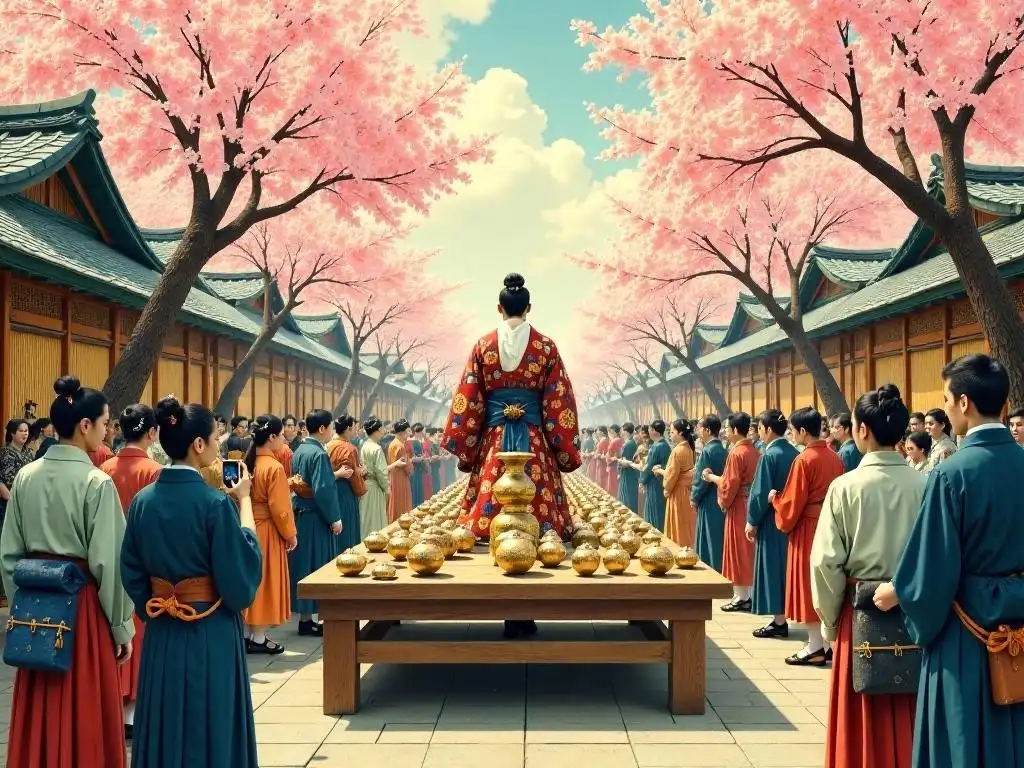
The Edo period (1603-1868) was a time of profound cultural transformation in Japan, marked by a flourishing of artistic expressions that reflected the era's unique societal dynamics. The period was characterized by a stable political environment under the Tokugawa shogunate, which allowed arts and culture to thrive among a burgeoning merchant class. This cultural explosion saw the emergence of various forms of art, literature, and performance that not only entertained but also conveyed deeper societal values and ideologies.
Artistic expressions during the Edo period were deeply intertwined with daily life and the social structure of the time. Traditional crafts, such as ukiyo-e (woodblock prints), tea ceremonies, and ceramics, flourished, providing insights into the aesthetics and values of the Japanese people. These art forms often depicted scenes of nature, kabuki theater, and the pleasures of urban life, encapsulating the vibrant spirit of Edo culture. The significance of these artistic expressions lies in their ability to capture the essence of a transforming society, making them invaluable for understanding the cultural heritage of Japan.
The Evolution of Traditional Japanese Arts
The Edo period witnessed significant developments in traditional Japanese arts, with many existing forms evolving and new styles emerging. Traditional painting, influenced by earlier styles such as Yamato-e, adapted to incorporate more vibrant colors and themes that resonated with the urban populace. The introduction of ukiyo-e allowed for mass production of art, making it more accessible to the common people. Artists like Hokusai and Hiroshige became household names as they depicted landscapes, city life, and beautiful women, contributing to a new aesthetic appreciation among the masses.
In addition to painting, other art forms, such as calligraphy, pottery, and textile arts, underwent transformations. The tea ceremony, for example, became a symbol of sophistication and cultural refinement, evolving into a highly ritualized practice that emphasized aesthetics, simplicity, and mindfulness. The evolution of these art forms during the Edo period played a crucial role in shaping Japan's cultural identity, blending traditional techniques with innovative ideas.
Influence of Edo Period Innovations on Visual Arts
Edo period innovations had a profound impact on visual arts, leading to the development of distinctive styles and techniques that would influence generations to come. The introduction of new materials, such as synthetic pigments and improved printing techniques, allowed artists to experiment with color and form, resulting in more dynamic compositions. This era also saw the rise of the nishiki-e, or "brocade print," which utilized multiple woodblocks to create intricate, multicolored prints.
Moreover, the interaction between different art forms, such as theater and painting, enriched the visual arts. Kabuki theater, with its elaborate costumes and staging, inspired artists to capture its dramatic essence in their works. This cross-pollination of ideas and aesthetics led to a unique visual language that defined the Edo period, influencing both contemporary and later Japanese art.
The Global Impact of Edo Cultural Innovations
The cultural innovations of the Edo period extended beyond Japan's borders, leaving a lasting global impact. As trade with European countries increased, Japanese art began to attract the attention of Western collectors and artists. The introduction of ukiyo-e prints to Europe in the 19th century inspired movements such as Impressionism and Art Nouveau, where Western artists admired the use of color, composition, and perspective found in Japanese art.
This cultural exchange fostered a greater appreciation for Japanese aesthetics worldwide, introducing elements of Japanese design into Western art and architecture. The global fascination with Edo period cultural innovations not only enriched international artistic movements but also laid the groundwork for Japan's modern cultural identity in a global context.
Conclusion: Legacy of Edo Period Cultural Innovations
The legacy of the Edo period's cultural innovations is profound and enduring, shaping not only Japan's artistic landscape but also its cultural identity. The artistic expressions that emerged during this time reflect the complexities of a society in transition, characterized by a unique blend of tradition and modernity. This legacy continues to resonate in contemporary Japanese culture, where the influence of Edo period innovations can be seen in various artistic disciplines.
Reflection on the Enduring Influence of Edo Period Inventions
The influence of Edo period inventions extends beyond mere aesthetics; it encapsulates a philosophical approach to art and life that values beauty, simplicity, and harmony. The principles established during this time have influenced countless aspects of Japanese culture, from design and architecture to contemporary art forms. The enduring popularity of traditional crafts and practices, such as the tea ceremony and calligraphy, is a testament to the lasting significance of Edo period innovations.
Modern Relevance of Edo Period Cultural Innovations in Japan
Today, Edo period cultural innovations continue to play a vital role in shaping Japan's identity and artistic expression. Modern artists draw inspiration from the techniques and themes of the Edo period, reinterpreting them within contemporary contexts. Additionally, the preservation of traditional arts, supported by government initiatives and cultural institutions, ensures that the legacy of the Edo period remains alive for future generations.
The Edo period serves as a reminder of the importance of cultural heritage and the ways in which past innovations can inform and enrich modern life. As Japan continues to navigate the complexities of globalization, the cultural innovations of the Edo period provide a rich foundation for a unique identity that honors tradition while embracing the future.
References
Scholarly Articles and Books on Edo Period Innovations
The Edo period (1603-1868) was a transformative era in Japanese history, characterized by significant cultural innovations that shaped various aspects of society. Numerous scholarly articles and books provide in-depth analyses of these innovations. For instance, "Edo Culture: Daily Life and Diversions in Urban Japan, 1600-1868" by M. William Steele explores the daily life of Edo period citizens and the cultural practices that emerged during this time.
Similarly, "The World of the Shining Prince: Court Life in Ancient Japan" by Ivan Morris offers insights into how earlier traditions fused with Edo innovations, creating a unique cultural landscape. Articles published in journals such as "Japan Review" and "The Journal of Asian Studies" also delve into specific innovations, discussing their impacts on art, literature, and social practices.
Primary Sources: Edo Period Literature and Art
Primary sources from the Edo period are invaluable for understanding the cultural innovations of the time. Notable literary works include "The Tale of Genji," which, although written in the Heian period, influenced Edo literature significantly, inspiring authors like Chikamatsu Monzaemon, known for his kabuki plays. Artistic expressions such as ukiyo-e (woodblock prints) are also crucial primary sources; artists like Hokusai and Hiroshige captured the urban landscapes and daily life of Edo, providing visual documentation of cultural innovations. Museums and libraries across Japan house collections of these works, allowing for a deeper appreciation of the artistic achievements of the period.
Further Reading
Suggested Books and Resources on Edo Period Culture
For readers interested in further exploring Edo period culture, several resources are highly recommended. "Japan in the Edo Period" by J. Thomas Rimer provides a comprehensive overview of the era, detailing its political, social, and cultural contexts. "The Arts of Japan: 2500 Years of Culture" by Yoshio Ikegami offers a broader perspective on Japanese art, including the significant contributions made during the Edo period. Additionally, "Edo: The City That Became Tokyo" by Roman R. M. delves into the evolution of Edo from a feudal town to a bustling metropolis, examining the cultural shifts that accompanied this transformation.
Online Archives and Digital Collections of Edo Artifacts
Several online resources offer access to digitized collections of Edo period artifacts, making them invaluable for research and education. The National Diet Library of Japan features a digital collection that includes historical texts, prints, and manuscripts from the Edo period. The Tokyo National Museum also provides an online repository of artifacts, including ceramics, textiles, and paintings that reflect the cultural innovations of the time. Furthermore, The British Museum's online collection showcases ukiyo-e prints and other Edo artifacts, complete with descriptions and historical context, allowing global audiences to appreciate the richness of Edo culture from afar.
- Introduction to Edo Period Cultural Innovations
- Key Edo Period Cultural Innovations
- Impact of Edo Period Innovations on Japanese Society
- Technological Innovations During the Edo Period
- Artistic Expressions and Their Cultural Significance
- Conclusion: Legacy of Edo Period Cultural Innovations
- References
- Further Reading
- What were some significant cultural innovations during the Edo period?
- How did the Edo period influence modern Japanese society?
- What role did commerce play in the cultural innovations of the Edo period?
- How did technology impact cultural innovations in the Edo period?
- What are some examples of Edo period inventions that are still relevant today?
Frequently Asked Questions
What were some significant cultural innovations during the Edo period?
The Edo period saw numerous cultural innovations, including the development of ukiyo-e woodblock prints, the rise of Kabuki theatre, and advancements in literature and art that reflected urban life.
How did the Edo period influence modern Japanese society?
The Edo period laid the groundwork for modern Japanese society through its emphasis on education, the establishment of merchant classes, and the promotion of arts that are still celebrated today.
What role did commerce play in the cultural innovations of the Edo period?
Commerce thrived during the Edo period, leading to the patronage of the arts and the emergence of a vibrant urban culture, which fostered innovations in literature, theatre, and visual arts.
How did technology impact cultural innovations in the Edo period?
Technological advancements, such as improved printing techniques, allowed for mass production of artistic works, making literature and art more accessible and enabling a flourishing of cultural expression.
What are some examples of Edo period inventions that are still relevant today?
Notable Edo period inventions include kintsugi (the art of repairing pottery with gold), sushi, and various culinary techniques that continue to influence Japanese cuisine and aesthetics today.
Final Reflection: The Enduring Legacy of Edo Period Cultural Innovations
The cultural innovations of the Edo period remain profoundly relevant today, showcasing how creativity and resilience can shape societies in transformative ways. As we navigate a world increasingly defined by rapid technological advancements and cultural exchanges, the lessons from this remarkable era remind us of the power of innovation to influence not just a nation, but the entire world. The ingenuity of the Edo period serves as a testament to the human spirit's capacity to adapt and thrive, even in the face of challenges.
The Edo period was not just a time of artistic and technological advancements; it was a period that laid the groundwork for modern Japanese identity and culture. The inventions and cultural practices that emerged during this time continue to resonate, influencing everything from contemporary art to culinary traditions. As we reflect on this legacy, we are reminded of the words of the renowned Japanese philosopher, Kitaro Nishida: The greatest thing in the world is to know how to belong to oneself.
This notion encapsulates the essence of the Edo period's cultural innovations, which encouraged individuals to express their uniqueness while contributing to a collective identity.
As we look to the future, let us take a moment to reflect on how we can harness the spirit of innovation that characterized the Edo period in our own lives. Consider how you can embrace creativity and cultural exchange in your daily experiences, fostering a deeper understanding of yourself and the world around you.
By doing so, we not only honor the legacy of the past but also pave the way for a future rich in cultural diversity and innovation. Embrace the lessons of the Edo period, and let them inspire you to contribute to the ongoing narrative of human creativity and resilience.
Unveil the Impact of Edo Innovations on Today's Japan!
Thank you for diving into the fascinating world of Edo period inventions with us! You've uncovered how these innovations have significantly shaped Japan’s rich cultural tapestry. Now, it's time to take action and explore their enduring legacy!
Here’s how you can continue your journey:
- Start a mini-exploration: Visit a local museum or cultural center that showcases artifacts from the Edo period. Experience history up close!
- Share your insights: Discuss the Edo innovations you found most intriguing in the comment section below. How do you think they influence modern Japan?
- Join a community: Seek out local or online groups focused on Japanese history and culture— exchange ideas and expand your knowledge together!
Which Edo invention do you believe has had the most lasting impact on contemporary life in Japan? We would love to hear your thoughts!