
The Dynamics of Power: Comparing Daimyo to European Feudal Lords

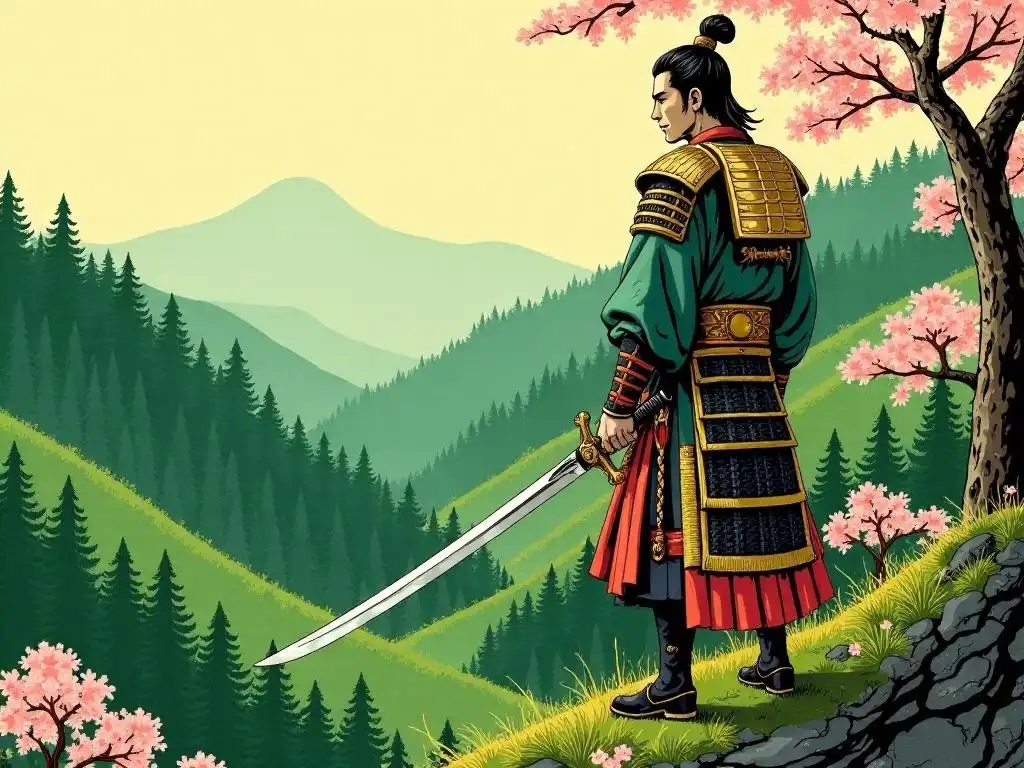
Welcome to Feudal Japan History, where we embark on a fascinating journey through the intricate tapestry of Japan’s feudal era. Here, you'll uncover the captivating dynamics of power as we delve into the compelling comparison of Daimyo vs European Feudal Lords. What drove these formidable leaders, and how did their roles shape the societies they governed?
Prepare to be intrigued as we navigate the historical, cultural, and societal landscapes that defined an era of honor, conflict, and transformation. Join us in exploring the depths of political history, and discover the secrets that lie within this enthralling chapter of Japan's past!
Introduction to Feudal Systems
Feudalism, a socio-political system that dominated medieval Europe and Japan, established a complex web of relationships based on land ownership and loyalty. In Japan, the feudal era, particularly during the Kamakura (1185–1333) and Muromachi (1336–1573) periods, saw the rise of powerful landholders known as Daimyo. These figures played a crucial role in shaping the political landscape of Japan, much like their European counterparts, the feudal lords. Understanding the dynamics of power between these two groups not only sheds light on their respective societies but also reveals the similarities and differences in their governance structures, cultural roles, and societal impacts.
Overview of Feudalism in Japan and Europe
Feudalism in both Japan and Europe was characterized by a hierarchical system where land was the primary source of wealth and power. In Europe, the king granted land to lords in exchange for military service, creating a network of obligations that defined the relationships between different social classes. Similarly, in Japan, the emperor granted land to the Daimyo, who, in turn, provided military support and loyalty. However, the structure and implications of these relationships varied significantly between the two regions.
- Key Features of Feudalism:
- Land Ownership: Central to both systems, determining wealth and power.
- Military Obligations: Lords and Daimyo were expected to provide armies in times of war.
- Vassalage: Loyalty and service were fundamental to these feudal ties.
Importance of Daimyo in Japanese Feudal Society
The Daimyo were not merely landowners; they were influential figures who governed vast territories and had significant control over their domains. They played a critical role in the political and military landscape of Japan. The power of the Daimyo was often absolute within their territories, allowing them to collect taxes, maintain armies, and administer justice. This autonomy led to the emergence of a decentralized political system, which, while providing stability in some regions, also fostered conflicts and rivalries among various Daimyo.
- Roles of Daimyo:
- Governors of Territories: Managed local affairs and ensured loyalty.
- Military Leaders: Commanded samurai and defended their domains.
- Cultural Patrons: Influenced the arts, religion, and local customs.
Role of European Feudal Lords in Medieval Europe
European feudal lords held a similar position of power within their domains. They were responsible for the administration of justice, collection of taxes, and maintenance of order. The relationship between a lord and his vassals was built on mutual obligations, forming the backbone of medieval society. Lords provided protection and land to their vassals, who, in return, pledged loyalty and military support.
- Functions of Feudal Lords:
- Land Administrators: Controlled estates and managed agricultural production.
- Military Commanders: Led troops into battle and protected their lands.
- Judicial Authorities: Settled disputes and enforced laws.
The Structure of Power: Daimyo vs European Feudal Lords
The comparison between the Daimyo and European feudal lords reveals both parallels and distinctions in their roles and power structures. While both were pivotal in their respective societies, the context and consequences of their power varied greatly due to cultural and historical factors.
Definition and Characteristics of Daimyo
Daimyo were the feudal lords of Japan, typically ruling over extensive lands and possessing considerable military power. They were often samurai themselves, embodying the warrior ethos that characterized the era. The Daimyo held absolute authority within their domains, with the ability to levy taxes, maintain armies, and enforce laws, establishing a unique governance style that was both feudal and localized.
- Characteristics of Daimyo:
- Autonomous Rule: Operated independently within their territories.
- Military Might: Commanded samurai and maintained a standing army.
- Cultural Influence: Sponsored arts and promoted local traditions.
Definition and Characteristics of European Feudal Lords
European feudal lords were landowners who held significant power in the medieval hierarchy. Their status derived from their landholdings, which formed the basis for their influence and authority. Lords managed estates, provided protection to their vassals, and engaged in warfare to defend or expand their territories, making them central figures in the feudal system.
- Characteristics of European Feudal Lords:
- Land-Based Power: Wealth and influence were tied to land ownership.
- Vassal Relationships: Maintained a network of loyalty and obligation.
- Military Leadership: Led knights and soldiers in defense of their lands.
Comparison of Power Hierarchies: Daimyo vs European Lords
When comparing the power hierarchies of Daimyo and European feudal lords, several key differences and similarities emerge. Both groups wielded significant authority within their domains and were essential in maintaining order and governance. However, the nature of their power, the structure of their relationships with subordinates, and the cultural context in which they operated differed markedly.
| Aspect | Daimyo | European Feudal Lords |
|---|---|---|
| Authority | Autonomous in their domains | Dependent on the king |
| Military Obligations | Direct command of samurai | Vassalage agreements with knights |
| Cultural Role | Influenced local customs | Patronage of arts and chivalry |
| Governance Style | Localized and decentralized | Hierarchical and centralized |
The dynamics of power between Daimyo and European feudal lords illustrate the complexities of feudal systems across cultures. By examining their roles, responsibilities, and authority, we gain a deeper understanding of how these figures shaped their societies and the lasting impact of feudalism in history.
Economic Foundations of Power
The economic structures underpinning the power of daimyo in Japan and European feudal lords were intricately linked to land ownership, agricultural production, and the labor systems that supported these economies. Understanding these economic foundations is crucial in drawing parallels and distinctions between these two prominent feudal systems.
Land Ownership and Agricultural Production in Japan
In feudal Japan, land ownership was not merely an economic asset but a symbol of power and prestige. The daimyo, or feudal lords, controlled vast tracts of land, which they managed through a system of agricultural production heavily reliant on rice cultivation. Rice was considered the currency of the time, serving as both sustenance for the population and a means of wealth accumulation.
The Shiki system, which referred to the rights of the daimyo over land, allowed them to collect taxes in the form of rice from the peasants who worked the land. This tax system created a direct relationship between the land, its productivity, and the daimyo's economic power. The quality of the land and the volume of rice produced were central to a daimyo's wealth and influence, reinforcing the significance of agricultural production in sustaining their power.
Land Ownership and Agricultural Production in Europe
In contrast, European feudal lords held land, often referred to as fiefs, granted to them by higher nobility or monarchs. These lands were typically worked by serfs or peasants who were bound to the land and provided labor in exchange for protection and the right to cultivate certain plots for their subsistence.
The agricultural production in Europe varied significantly by region, with crops such as wheat, barley, and oats being predominant. The manorial system characterized this landscape, where the lord's estate (manor) served as a self-sufficient unit, producing most of the goods required for daily life. The economic relationship was defined by a system of obligations; the lords provided protection, while the peasants owed labor and a portion of their produce.
The Role of Serfs and Peasants in Both Systems
Both the daimyo and European lords relied on a class of laborers to sustain their economic power; however, the roles and statuses of these laborers differed significantly. In Japan, peasants were generally free, able to own property, and had a degree of autonomy, though they were heavily taxed and bound to their land through obligations to their daimyo.
In Europe, serfs were often bound to the land and had limited rights. They could not leave the manor without permission from their lord, and their labor was compelled by the feudal obligations. While both systems relied on agricultural production, the degree of freedom and the nature of obligations placed upon the laborers highlighted a stark contrast in social mobility and economic agency between the two feudal structures.
Military Power and Influence
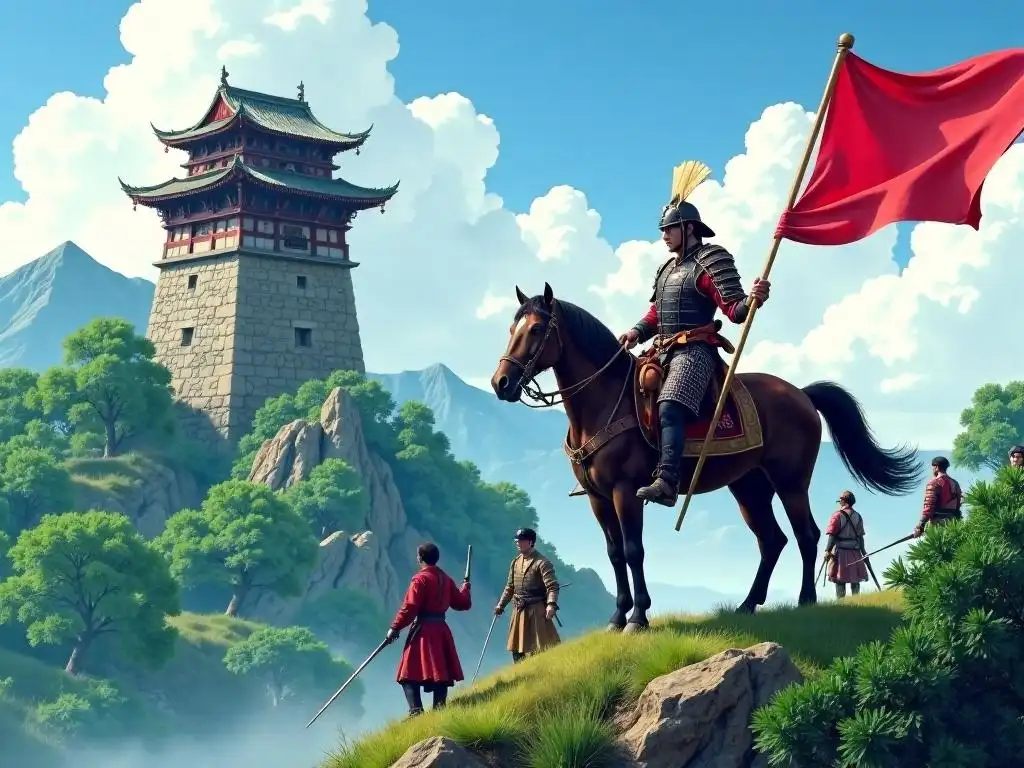
Military power was a defining characteristic of both daimyo and European feudal lords, shaping their authority and influence within their respective societies. The loyalty and martial prowess of their warrior classes were essential in maintaining control and expanding their domains.
Samurai Warriors: The Military Backbone of the Daimyo
The samurai were the elite warrior class of feudal Japan, serving as the military backbone of the daimyo. Samurai adhered to a strict code of honor known as Bushido, which emphasized loyalty, bravery, and martial skill. This code forged a deep bond between the samurai and their daimyo, with loyalty often regarded as paramount.
Daimyo would maintain their own armies of samurai, which were not only crucial for defense but also for territorial expansion and engaging in conflicts with rival domains. The samurai were well-trained in various forms of combat and wielded weapons such as swords and bows, making them formidable fighters on the battlefield. Their status was tied to their martial abilities, and successful warriors could gain prominence and rewards from their daimyo, further intertwining military power with social status.
Knights and Their Role in European Feudal Warfare
In Europe, knights served a similar role to the samurai, acting as heavily armored cavalry in service to their feudal lords. Knights were often granted land in exchange for military service, creating a relationship that bound them to their lord through mutual obligation. The chivalric code, which emphasized virtues such as honor, bravery, and courtly behavior, guided the knights' conduct both on and off the battlefield.
European warfare was characterized by a reliance on mounted knights, who played a significant role in battles and skirmishes. Their training in horsemanship and weaponry made them essential assets in the feudal military structure. Knights would often participate in tournaments and quests, which served both as training and a means to gain prestige and wealth.
Comparing Military Loyalty: Bushido vs Chivalry
The loyalty of samurai to their daimyo under Bushido and the allegiance of knights to their lords under the chivalric code highlight key differences in military loyalty between the two cultures. Bushido emphasized an unwavering loyalty to one's lord, often leading samurai to commit acts of seppuku (ritual suicide) rather than face dishonor. This intense devotion created a strong social and military bond that was central to the feudal system in Japan.
Conversely, the chivalric code allowed for a broader interpretation of loyalty, often intertwined with personal honor and the ideals of courtly love. While knights were expected to serve their lords faithfully, their loyalty could sometimes be swayed by personal ambition or romantic pursuits. This subtle difference in the nature of loyalty reflects broader cultural values and social structures, influencing the dynamics of power within both feudal Japan and medieval Europe.
Cultural Influence and Governance
The cultural influence and governance style of Daimyo in Japan closely parallels and contrasts with that of European feudal lords. This section delves into the unique characteristics of each system, examining how cultural practices and governance methods shaped their respective societies.
The Cultural Impact of Daimyo on Japanese Society
Daimyo, the powerful feudal lords of Japan, played a crucial role in shaping Japanese culture during the feudal era. Their influence extended beyond military power and land ownership; they were also patrons of the arts, education, and local traditions. Many Daimyo established cultural centers in their domains, promoting the development of traditional Japanese arts such as tea ceremonies, Noh theater, and Ikebana (flower arranging).
The architectural styles of castles built by the Daimyo, such as Himeji Castle, reflect a blend of functionality and aesthetic beauty, becoming symbols of power and cultural pride. Moreover, the Daimyo were instrumental in the spread of Buddhism and Shinto practices, often sponsoring temples and shrines that became central to community life. This patronage not only enhanced their status but also helped to unify the populace under shared cultural and spiritual beliefs.
The Cultural Impact of European Feudal Lords
Similarly, European feudal lords wielded significant cultural influence within their domains. They were key figures in the promotion of literature, music, and visual arts during the medieval period. Many lords served as patrons to poets, artists, and scholars, fostering a rich cultural environment that led to the flourishing of movements such as the Renaissance.
The construction of grand castles and cathedrals, such as the Notre-Dame in Paris, not only showcased the wealth of feudal lords but also served as centers for community gatherings and religious practices. Furthermore, European lords often engaged in chivalric traditions, which emphasized honor, loyalty, and martial prowess, shaping the societal values and norms of the time. The cultural legacies of both Daimyo and European lords have left lasting impacts that continue to influence their respective societies today.
Governance Methods: Daimyo's Domain Management vs European Lordship
The governance methods of Daimyo and European feudal lords reveal key differences in their approaches to managing their territories. Daimyo operated within a system known as "Han," where each lord governed a specific domain with considerable autonomy. They implemented a hierarchical structure, appointing local officials to oversee various aspects of administration, including taxation, law enforcement, and agricultural production. The system encouraged loyalty through direct engagement with the samurai class, whose allegiance was vital for maintaining order and power.
In contrast, European feudal lords often operated within a more fragmented system of vassalage. Lords granted land to vassals in exchange for military service and loyalty, creating a complex web of allegiances. Governance was less centralized, and the authority of lords could vary significantly based on local customs and the strength of their vassals. This led to a more decentralized form of governance, where local lords held significant power and autonomy, often resulting in conflicts and power struggles among themselves.
Political Alliances and Rivalries
The political landscape of feudal Japan and Europe was characterized by intricate alliances and rivalries that shaped the course of history for both regions. Marriages, pacts, and hostilities played pivotal roles in the stability and power dynamics of the Daimyo and European feudal lords.
The Importance of Marriages and Alliances among Daimyo
Marriages among Daimyo were strategic tools for establishing political alliances and securing power. By marrying their daughters to other influential Daimyo, families could forge alliances that would bolster their military strength and economic stability. These unions often led to the creation of powerful coalitions that could challenge rivals or defend against external threats.
For instance, the marriage alliance between Tokugawa Ieyasu and the Matsudaira clan solidified his position in the political landscape of Japan, ultimately leading to the establishment of the Tokugawa shogunate. Such alliances were not merely personal but deeply intertwined with political ambitions, ensuring the survival and prosperity of the clans involved.
Political Alliances among European Feudal Lords
Political alliances among European feudal lords were similarly crucial for maintaining power and influence. Marriages were often arranged to unite rival factions, secure claims to territories, or fortify defenses against common enemies. The infamous marriage between Eleanor of Aquitaine and Henry II of England exemplifies how personal unions could alter the political landscape by combining vast territories and resources.
Additionally, lords often formed leagues or confederations to strengthen their positions against powerful monarchs or rival lords. The Hanseatic League, for instance, was a commercial and defensive alliance of merchant guilds and towns in Northern Europe that significantly impacted trade and politics in the region. Such alliances were vital for both safeguarding territories and expanding influence.
Case Studies: Notable Daimyo and European Lords in History
To illustrate the dynamics of power among Daimyo and European feudal lords, several notable figures can be examined.
-
Daimyo Case Study: Oda Nobunaga
Oda Nobunaga was a prominent figure in the late 16th century who played a crucial role in the unification of Japan. His strategic marriages and military alliances enabled him to consolidate power, and his innovative tactics transformed warfare in Japan.
-
European Lord Case Study: William the Conqueror
William the Conqueror, the Duke of Normandy, successfully invaded England in 1066, establishing a powerful lordship through a mix of military prowess and strategic alliances. His reign marked the beginning of significant changes in English society and governance.
These case studies highlight how personal ambitions, cultural influences, and strategic alliances shaped the political landscapes of both feudal Japan and Europe, illustrating the complexities of power dynamics in their respective eras.
Decline of Power: Changes in the Feudal Systems
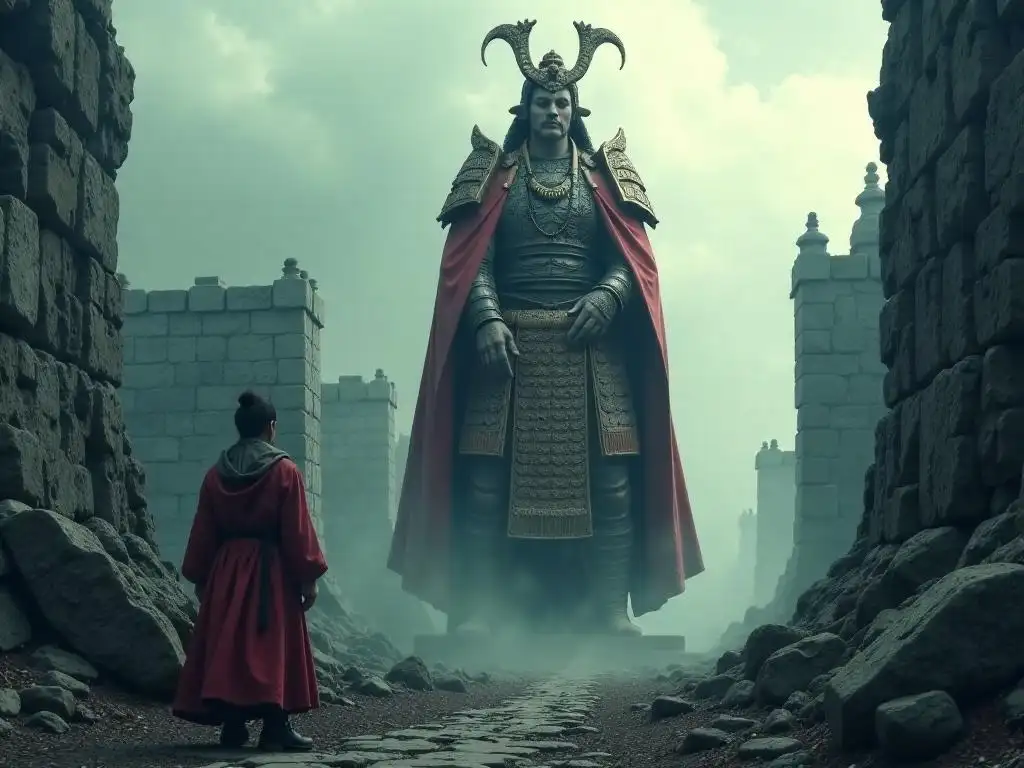
The decline of power among the Daimyo in Japan and the European feudal lords occurred under distinct circumstances, influenced by a variety of social, economic, and political factors. Both systems experienced significant transformations that led to the erosion of the traditional feudal hierarchy, paving the way for modern governance structures. Understanding these declines offers insight into how historical forces shaped the contemporary landscape in Japan and Europe.
Factors Leading to the Decline of Daimyo Influence
The decline of the Daimyo's influence in Japan can be attributed to several key factors:
- Meiji Restoration (1868): The restoration effectively dismantled the feudal system, restoring power to the Emperor and centralizing authority. The abolition of the Daimyo's feudal privileges and domains marked a significant turning point in Japanese history.
- Land Reforms: The introduction of land reforms by the Meiji government reallocated land from the Daimyo, redistributing it to farmers and promoting a more modern economic structure. This shift diminished the economic power of the Daimyo.
- Western Influence and Modernization: The need to modernize in response to Western pressures led to the adoption of new governance systems, military structures, and economic practices, which often sidelined traditional feudal lords.
- Rise of a National Identity: The emergence of a unified national identity reduced the regional power of the Daimyo. The focus shifted from loyalty to local lords to loyalty to the nation-state, undermining the feudal bonds that had previously defined Japanese society.
Factors Leading to the Decline of European Feudal Lords
Similarly, the decline of European feudal lords was influenced by a combination of factors:
- Rise of Centralized Monarchies: Monarchs began to consolidate power, reducing the influence of feudal lords. This centralization was often accompanied by the establishment of bureaucracies that replaced the need for feudal allegiances.
- Economic Changes: The transition to a market economy and the growth of towns weakened the economic base of feudal lords. As trade expanded, the importance of land diminished in favor of commerce and industry.
- The Black Death: The devastating impact of the Black Death in the 14th century led to a labor shortage, empowering peasants and undermining the feudal lord's control over their labor force. This shift contributed to the weakening of the feudal hierarchy.
- Cultural Shifts: The Renaissance and Enlightenment periods fostered ideas of individualism and egalitarianism, promoting social mobility and challenging the traditional privileges of the nobility.
Comparative Analysis of the End of Feudalism in Japan and Europe
While both Japan and Europe experienced the decline of feudalism, the processes and outcomes differed significantly:
- Timing and Context: The decline of Japanese feudalism culminated in the late 19th century with the Meiji Restoration, whereas European feudalism began to disintegrate in the late Middle Ages, influenced by events like the Hundred Years' War and the rise of centralized nation-states.
- Nature of Change: Japan's transition involved a rapid modernization campaign aimed at strengthening the nation against Western imperialism, leading to the establishment of a centralized bureaucratic state. In contrast, Europe saw a more gradual shift, with the decline of feudal lords interspersed with the rise of parliamentary systems and constitutional monarchies.
- Cultural and Social Impacts: In Japan, the end of the Daimyo's power led to a strong sense of nationalism and industrialization that shaped modern Japanese identity. In Europe, the decline of feudal lords contributed to the development of democratic ideals and social contracts, influencing modern governance.
Conclusion: Lasting Legacies of Daimyo and European Feudal Lords
The legacies of the Daimyo and European feudal lords continue to resonate in contemporary society, reflecting the historical complexities of power and governance.
The Impact of Daimyo on Modern Japanese Society
The influence of the Daimyo can still be seen in Japan's regional governance structures and cultural practices. Their historical roles as local rulers fostered a sense of loyalty and community that persists today. Moreover, the architectural and cultural heritage of the Daimyo era, including castles and festivals, remains integral to Japan's identity. The transition from feudalism to a centralized state under the Meiji Restoration laid the foundation for Japan's modern political and social systems.
The Legacy of European Feudal Lords in Contemporary Europe
In Europe, the legacy of feudal lords is evident in the structure of modern aristocracy and the continued existence of noble titles. While feudal power has diminished, the cultural heritage associated with these families—such as art, architecture, and traditions—continues to enrich European society. Furthermore, the historical narrative of feudalism has shaped contemporary discussions about social hierarchy, land ownership, and governance.
Final Thoughts on Daimyo vs European Feudal Lords
The comparison between Daimyo and European feudal lords reveals profound insights into the dynamics of power and influence across cultures. While both systems shared similarities in their feudal structures, the unique historical contexts and outcomes of their declines highlight the diverse paths societies can take. The legacies of both the Daimyo and European feudal lords remind us of the enduring impact of history on modern governance and societal values. Understanding these historical dynamics enriches our appreciation of contemporary political landscapes and cultural identities.
References and Further Reading
To deepen your understanding of the nuanced comparisons between the Daimyo of Japan and European feudal lords, the following resources provide extensive insights into their respective historical contexts, societal structures, and political dynamics. These readings encompass a range of books, articles, and academic journals that explore both Japanese and European feudal systems in detail.
Suggested Books on Japanese Feudal History
- "The World of the Shining Prince: Court Life in Ancient Japan" by Ivan Morris
- This book offers a glimpse into the aristocratic and courtly life during the Heian period, setting the stage for understanding the rise of the Daimyo.
- "Daimyo: The Landlords of Japan" by Michael A. E. Kagan
- Kagan's work provides an in-depth analysis of the Daimyo's role in Japan's feudal system, exploring their political power, economic influence, and military responsibilities.
- "Samurai and Daimyo: The World of the Japanese Warrior" by Stephen Turnbull
- This book focuses on the military aspects of the Daimyo and the samurai, detailing their conflicts, alliances, and the evolution of warfare in feudal Japan.
- "Japan's Feudal Age: The Emergence of the Samurai" by Richard Storry
- Storry delves into the historical development of feudalism in Japan, examining the socio-political environment that gave rise to the Daimyo and their domains.
Recommended Sources on European Feudalism
- "Feudal Society" by Marc Bloch
- A classic text that analyzes the structure and functions of feudalism in medieval Europe, providing foundational knowledge for comparisons with Japanese feudalism.
- "The Origins of the English Gentry" by R. H. Hilton
- This book explores the rise of the gentry in England, examining their roles and responsibilities in the feudal hierarchy, akin to the Daimyo in Japan.
- "Medieval Europe: A Short History" by Judith Bennett
- Bennett’s concise overview of medieval Europe offers context for understanding the complexities of feudal systems, including the roles of lords and vassals.
- "The Feudal Revolution and Its Consequences" by David C. Douglas
- Douglas discusses the transformative effects of feudalism in Europe and how these developments influenced power dynamics and governance.
Academic Journals and Articles for In-Depth Study
- "The Journal of Japanese Studies"
- This academic journal publishes articles on various aspects of Japanese culture and history, including studies on the Daimyo and their political influence.
- "Past & Present"
- A journal that often features articles comparing different historical contexts, including the dynamics of power between various feudal systems.
- "The American Historical Review"
- With a wide range of articles on European history, this journal provides comparative studies that can shed light on the similarities and differences between European and Japanese feudal lords.
- "Feudalism in History" by Eric E. J. Hobsbawm
- An insightful article that assesses feudalism's impact on social structures and governance, offering a comparative perspective that is useful for understanding the Daimyo.
These references serve as valuable tools for anyone looking to explore the complexities of feudal power dynamics, offering rich insights into the roles and influences of both Daimyo and European feudal lords.
- Introduction to Feudal Systems
- The Structure of Power: Daimyo vs European Feudal Lords
- Economic Foundations of Power
- Military Power and Influence
- Cultural Influence and Governance
- Political Alliances and Rivalries
- Decline of Power: Changes in the Feudal Systems
- Conclusion: Lasting Legacies of Daimyo and European Feudal Lords
- References and Further Reading
- What is a Daimyo in the context of feudal Japan?
- How do Daimyo compare to European feudal lords?
- What role did samurai play in the power dynamics of Daimyo?
- How did the relationships between Daimyo and their vassals differ from those in European feudalism?
- What impact did the unification of Japan have on the power of Daimyo?
Frequently Asked Questions
What is a Daimyo in the context of feudal Japan?
A Daimyo was a powerful Japanese feudal lord who governed large estates and had significant political and military influence during the feudal era.
How do Daimyo compare to European feudal lords?
While both were landowners with vassals, Daimyo operated under a more centralized authority in Japan, whereas European lords often had independent power within their regions.
What role did samurai play in the power dynamics of Daimyo?
Samurai were the warrior class serving the Daimyo, providing military service in exchange for land, which reinforced the feudal hierarchy.
How did the relationships between Daimyo and their vassals differ from those in European feudalism?
The relationships were often more personal and loyalty-based in Japan, while European feudalism emphasized contractual obligations and land exchange.
What impact did the unification of Japan have on the power of Daimyo?
The unification of Japan under leaders like Oda Nobunaga and Toyotomi Hideyoshi diminished the power of many Daimyo, centralizing authority and leading to the rise of a more unified state.
Final Reflection: Understanding Power Dynamics Through History
The exploration of power dynamics between Daimyo and European Feudal Lords is not just a historical inquiry; it is a lens through which we can understand the complexities of authority and governance in our modern world. The intricate relationships of loyalty, land, and power that defined these feudal systems resonate today, reminding us that the structures of power are often deeply rooted in historical precedents. As we navigate contemporary issues of leadership and authority, the lessons from these feudal hierarchies remain strikingly relevant.
Cultural and social landscapes are continuously shaped by the legacies of power structures, and the comparison between Daimyo and European Feudal Lords highlights the diverse expressions of authority across different societies. The dynamics of loyalty and rebellion, as seen in both contexts, reflect ongoing struggles for power and identity that persist in our global society. > “History is not just about the past; it is a guide to understanding the present and shaping the future.” This observation underscores the importance of examining these historical figures and their influence on modern governance and social relations.
As we reflect on the lessons drawn from the comparison of Daimyo and European Feudal Lords, I invite you to consider how these insights can inform your understanding of power in your own life. What dynamics of authority do you observe in your community, workplace, or personal relationships? By recognizing the historical roots of these power structures, we can better navigate our interactions and advocate for more equitable systems. Let this reflection inspire you to engage thoughtfully with the dynamics of power around you, fostering a deeper understanding of both history and your role within it.
Unveil the Power Dynamics of History!
Thank you for exploring the fascinating parallels between the **Daimyo of Japan** and **European feudal lords**! By delving into their complexities, you've gained insights into how power shaped not just individual realms, but entire cultures. Now, it’s time to take your newfound knowledge and share it with the world!
Here are some exciting actions you can take next:
- Dive deeper: Explore additional resources about specific Daimyo or European lords that captivate you, and uncover their unique stories and legacies!
- Join the conversation: Share your thoughts in our forum and engage with others as they interpret these power dynamics in various contexts.
- Spread the knowledge: Share this article on your social media to ignite discussions among your friends about how history continues to shape today’s power structures!
What surprises you the most about the similarities and differences between the Daimyo and European feudal lords?