
The Rise and Fall of the Samurai: Analyzing the Factors Leading to Their Decline

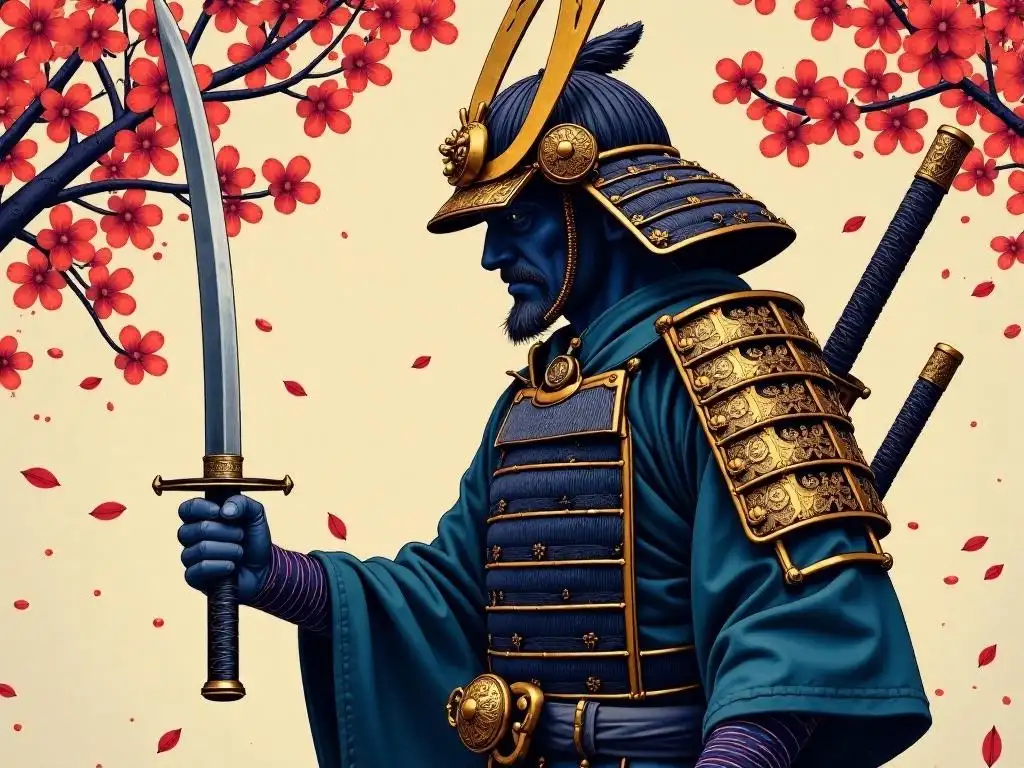
Welcome to Feudal Japan History, where we delve deep into the fascinating tapestry of Japan’s feudal era. Here, you’ll uncover the intricate layers of history that shaped a nation, with a special focus on the decline of the samurai. In our featured article, “The Rise and Fall of the Samurai: Analyzing the Factors Leading to Their Decline,” we unravel the complex political and social dynamics that contributed to the end of this iconic warrior class.
Prepare to embark on a journey that illuminates the past and invites you to explore further. What forces led to such a monumental shift in power? Let’s uncover the answers together!
The samurai, an iconic symbol of Japan's feudal era, represent a complex social class that evolved over centuries, influencing the political, cultural, and military landscape of the nation. Their rise to prominence was marked by a distinct code of honor, loyalty, and martial prowess, establishing them as the elite warriors of feudal Japan.
However, the decline of the samurai is equally significant, revealing critical shifts in societal structures, economic conditions, and political power dynamics that led to the disintegration of their status and influence. This article will delve into the multifaceted factors that contributed to the decline of the samurai class, exploring their origins, roles within feudal society, and the historical periods that defined their downfall.
Introduction to the Samurai Class
Overview of Samurai Origins
The origins of the samurai can be traced back to the late Heian period (794-1185), when the need for military protection grew amidst political instability and rising local uprisings. Initially serving as armed retainers for noble families, these warriors gradually distinguished themselves through their skill in combat and adherence to the bushido code—a moral framework emphasizing virtues such as loyalty, honor, and discipline. As the samurai class solidified its identity, it became integral to the feudal system, shaping the governance and social hierarchy of Japan.
The Role of Samurai in Feudal Japan
Samurai played a pivotal role in maintaining the feudal order, often acting as both military leaders and local administrators. Their responsibilities extended beyond warfare; they were crucial in upholding law and order, collecting taxes, and managing land. The samurai's dual role as warriors and bureaucrats allowed them to wield significant power, influencing not only military campaigns but also the political landscape of Japan. Their cultural contributions, including literature, art, and philosophy, further cemented their status within society, making them emblematic of Japanese heritage.
Defining the Decline of the Samurai
What Does "Decline of the Samurai" Mean?
The phrase "decline of the samurai" refers to the gradual erosion of the samurai's power, status, and relevance in Japanese society, particularly during the late Edo period (1603-1868) and the subsequent Meiji Restoration (1868). This decline was marked by various socio-economic changes, including the rise of a merchant class, the centralization of power, and the introduction of modern military practices. As Japan transitioned from a feudal society to a more centralized and industrialized nation, the samurai found themselves facing existential challenges that undermined their traditional roles.
Key Periods Marking the Decline
Several key periods highlight the decline of the samurai class:
- Edo Period (1603-1868): Although the samurai enjoyed relative stability during this time, the peace enforced by the Tokugawa shogunate diminished their military relevance, leading to a decline in their economic power and status.
- Sakoku (Isolation Policy): Japan's isolation from foreign influences limited the samurai's exposure to new ideas and military technologies, leaving them ill-equipped to adapt to changing circumstances.
- Meiji Restoration (1868): This transformative era abolished the feudal system, leading to the disbandment of samurai clans and the establishment of a conscript army, effectively rendering the samurai obsolete.
Through a detailed analysis of these factors and events, this article will provide a thorough understanding of the decline of the samurai, illuminating how historical context, societal change, and evolving military practices converged to reshape Japan's social landscape.
Historical Context of Samurai Decline
The decline of the samurai class in Japan is deeply rooted in a series of historical events and societal transformations that unfolded over several centuries. To understand the decline, it is essential to consider the political, economic, and social contexts that contributed to the diminishing power and status of the samurai.
By the late 19th century, Japan was undergoing significant modernization and westernization, which drastically altered the traditional feudal structure. The Meiji Restoration of 1868 marked a pivotal moment, as it aimed to consolidate imperial power and abolish the feudal system. This transition away from the samurai-dominated society set the stage for a new era that challenged the very foundations of samurai identity and authority.
Political Changes in Feudal Japan
The political landscape of feudal Japan played a crucial role in the decline of the samurai. The shift from a decentralized feudal system, characterized by powerful daimyōs (feudal lords) and their samurai retainers, to a centralized government under the Emperor weakened the samurai's hold on power.
- The End of the Edo Period: The Tokugawa shogunate, which ruled from 1603 to 1868, maintained a rigid social hierarchy, with the samurai at the top. However, by the 19th century, the shogunate faced internal strife and external pressures from Western powers, leading to its eventual downfall.
- The Meiji Restoration: Following the restoration, the new Meiji government implemented policies that dismantled the samurai’s privileges. The abolition of the feudal class system in favor of a merit-based society diminished the samurai's political significance.
- Military Reforms: The establishment of a conscripted army further reduced the samurai's role as the primary military force in Japan. The introduction of modern military practices and technology rendered traditional samurai skills obsolete.
Economic Shifts Influencing Samurai Status
The economic landscape of Japan also underwent dramatic changes that contributed to the decline of the samurai class. As the country transitioned from a feudal economy to a more capitalist structure, the traditional economic foundations that supported the samurai began to erode.
- Tax Reforms: The samurai were often compensated through stipends paid in rice, which represented their income and social status. However, with the introduction of new taxation systems and the decline of agricultural productivity, these stipends became increasingly inadequate.
- Rise of the Merchant Class: The growing power of the merchant class shifted the economic dynamics of society. Merchants began to amass wealth that rivaled that of the samurai, leading to a reevaluation of social hierarchies. As commerce flourished, the samurai's reliance on agricultural income diminished, further marginalizing their economic status.
- Industrialization: The move toward industrialization and modernization meant that many samurai struggled to adapt to new economic realities. The traditional roles and skills they once held were no longer in demand in an increasingly industrialized society.
Societal perceptions and the values associated with the samurai class underwent significant transformation during Japan's modernization period, contributing to their decline.
The Erosion of Samurai Code (Bushido)
The samurai code, known as Bushido, was a set of ethical principles that governed the behavior and mindset of samurai warriors. However, as Japan modernized, the relevance of these principles began to fade.
- Changing Values: With the rise of Western influence, traditional values were challenged. Concepts such as honor and loyalty, central to the Bushido code, became less significant in a rapidly changing society focused on economic progress and modernization.
- Loss of Purpose: As the samurai lost their political and military roles, the very essence of Bushido was called into question. The samurai class struggled to find a new identity in a society that no longer revered their traditional roles.
- Disillusionment: Many samurai faced disillusionment as their status diminished. The sense of duty and loyalty that had once defined them became increasingly difficult to uphold in a modernizing Japan that valued different ideals.
Shifts in Public Perception of Samurai
The public perception of samurai underwent a profound transformation during the late 19th century, influenced by both political and social changes.
- Romanticism vs. Reality: While earlier periods celebrated samurai as noble warriors, the realities of their declining power led to a more nuanced view. The samurai began to be seen not just as noble fighters but also as individuals struggling to adapt to new realities.
- Cultural Representation: Literature, theater, and later cinema began to portray samurai in a more complex light, often highlighting their struggles and vulnerabilities. This shift in representation reflected the changing societal attitudes toward the samurai and their fading importance.
- Emergence of New Heroes: As industrialization progressed, new societal heroes emerged, such as entrepreneurs and intellectuals, who embodied the values of modernization. This shift further marginalized the samurai, as they were no longer seen as the ideal figures in Japanese society.
The decline of the samurai was a multifaceted process influenced by political changes, economic shifts, and evolving social dynamics. Understanding these factors provides valuable insights into the transformation of Japanese society during this pivotal period in history.
Military Transformations Impacting Samurai Power
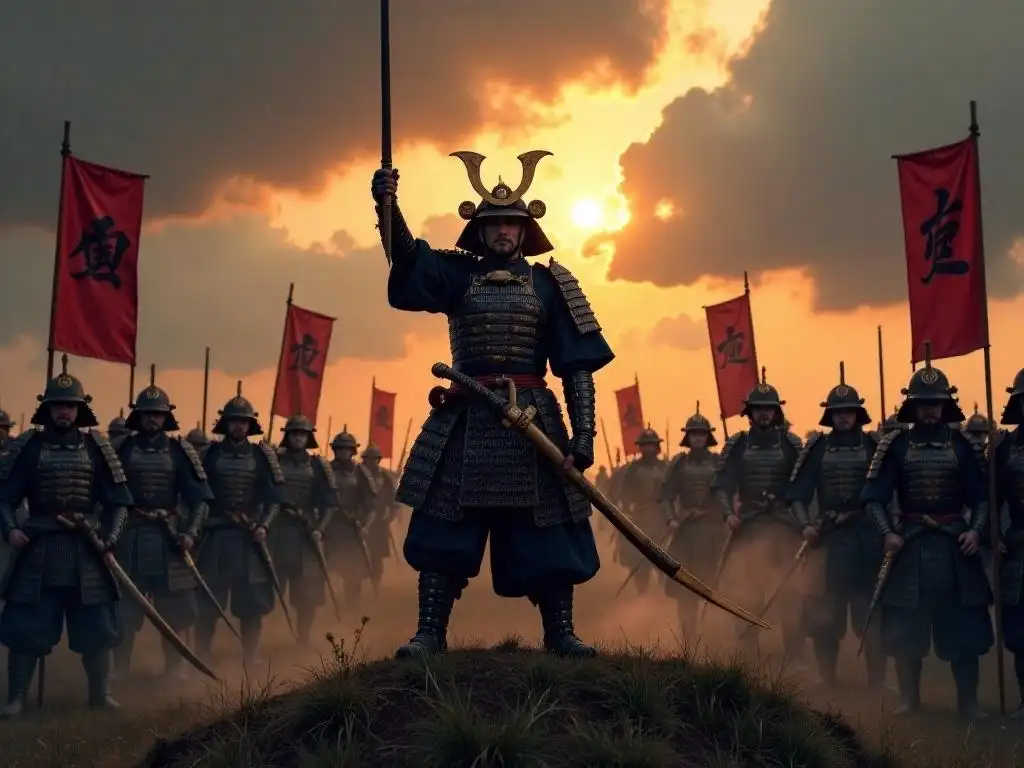
The decline of the samurai can be significantly attributed to various military transformations that reshaped the landscape of warfare in Japan. As the needs of the battlefield evolved, the samurai class, once revered as the elite warriors of Japan, faced challenges that diminished their traditional roles and power. Two critical transformations during this period were the introduction of firearms and the shift towards professional armies.
The Introduction of Firearms
The arrival of firearms in Japan during the 16th century marked a pivotal shift in military strategy and power dynamics. Initially introduced by Portuguese traders, these weapons quickly gained popularity and were adapted to suit the unique conditions of Japanese warfare. Firearms, particularly matchlocks, allowed soldiers to engage enemies from a distance, reducing the effectiveness of traditional samurai combat techniques that relied on close-quarters fighting with swords and polearms.
- Impact on Samurai Tactics: The samurai, who prided themselves on their combat skills and the bushido code, found themselves challenged by soldiers equipped with guns. Battles increasingly favored those who could field larger numbers of infantry armed with firearms, leading to a decline in the samurai's battlefield prowess.
- Shift in Military Organization: As firearms became more widespread, military organization began to shift towards the formation of units that could effectively deploy these weapons. This not only disrupted the samurai's traditional role as the primary military force but also encouraged the rise of new strategies and formations that diminished the samurai's importance in warfare.
The Movement Towards Professional Armies
The transition from feudal levies of samurai to professional standing armies further contributed to the decline of the samurai class. By the late 17th century, as Japan moved toward centralized governance under the Tokugawa shogunate, the need for a more organized military structure became evident.
- Centralization of Power: The Tokugawa shogunate sought to consolidate power and control over the various daimyo (feudal lords) and their samurai retainers. This centralization led to the establishment of professional armies, which were often composed of foot soldiers and artillery units that were paid and trained continuously.
- Reduction of Samurai Roles: As these professional armies became more effective, the role of the samurai shifted from that of warriors to bureaucrats and administrators. Many samurai found themselves in positions that did not require martial prowess, thus eroding the warrior culture that had once defined their identity.
Cultural Implications of Samurai Decline
The decline of the samurai was not solely a military phenomenon; it also had profound cultural implications that reshaped Japanese society and identity. As the samurai lost their status and power, the ideals and values associated with this class experienced significant transformation.
The Influence of Westernization on Samurai Ideals
The arrival of Western influence in the 19th century brought about dramatic changes in Japanese society, further accelerating the decline of the samurai class. As Japan opened up to the world, it faced new political and cultural pressures that challenged traditional samurai values.
- Adoption of Western Military Practices: The Meiji Restoration in 1868 marked a turning point, as Japan sought to modernize its military and government structures. The samurai, who had once been the embodiment of martial excellence, now had to confront the reality that Western armies were more advanced in terms of technology and organizational structure.
- Erosion of Bushido: The bushido code, which emphasized loyalty, honor, and martial skill, began to lose its prominence as Western ideals of individualism and rationalism took root. This cultural shift diminished the samurai's role as models of virtue, leading to a broader questioning of their societal influence.
Transition from Samurai to Modern National Identity
As Japan progressed into the modern era, the samurai class gradually transformed into symbols of a bygone age. This transition was essential in the formation of a new national identity that embraced modernity while trying to honor the past.
- Reinterpretation of Samurai Legacy: The samurai became romanticized figures in Japanese culture, often depicted in literature, film, and art as embodiments of honor and loyalty. This nostalgic view helped to preserve aspects of samurai culture even as their political power waned.
- Formation of a National Identity: The decline of the samurai coincided with the rise of a collective national identity that was no longer tied to feudal allegiances. Instead, the focus shifted to a unified state and citizenry, ultimately paving the way for Japan to emerge as a modern nation-state in the early 20th century.
The decline of the samurai was shaped by complex military and cultural transformations that fundamentally altered Japan's societal structure, paving the way for a new era in Japanese history.
Summary of Factors Leading to Samurai Decline
The decline of the samurai class in Japan is a multifaceted phenomenon influenced by various political, economic, and social factors that unfolded over several centuries. This decline did not occur overnight; rather, it was a gradual process marked by significant transitions in Japanese society.
Key elements contributing to the weakening of the samurai's power included the rise of centralized governance, changes in military technology, economic shifts, and the advent of modernity. Each of these factors played a crucial role in reshaping the social hierarchy and diminishing the status of the samurai, ultimately leading to their obsolescence as a dominant force in Japanese society.
Recap of Political, Economic, and Social Influences
- Political Changes: The establishment of the Tokugawa shogunate in the early 17th century initiated a period of relative peace known as the Edo period, which diminished the samurai's need as warriors. As the shogunate centralized power, the samurai's role transitioned from military leaders to bureaucrats, reducing their martial prominence. The Meiji Restoration in 1868 marked a significant political shift, as the new government sought to modernize Japan and disband the samurai class entirely.
- Economic Factors: The economic landscape of Japan evolved rapidly during the Edo period. As commerce flourished and the merchant class gained wealth, the once-feared samurai found their economic importance waning. The rigid class system began to blur, undermining the samurai's social standing. Increased taxation and the inability to sustain their lifestyle forced many samurai into financial ruin, further contributing to their decline.
- Social Dynamics: The samurai's identity was deeply intertwined with their warrior code, bushido. However, as Japan modernized, the values and practices that defined the samurai began to fade. The rise of education and enlightenment ideals challenged traditional notions of honor and loyalty, allowing for new social structures that marginalized the samurai class. Additionally, the increasing influence of Western culture and ideology led to a reevaluation of the samurai's role in society.
Lasting Impact of the Decline of the Samurai on Japanese History
The decline of the samurai had profound and lasting effects on Japanese history. Firstly, it facilitated the transition from a feudal society to a modern nation-state. The abolishment of the samurai class and the redistribution of their lands allowed for the emergence of a more egalitarian society, fostering industrial growth and modernization. This shift laid the groundwork for Japan's transformation into a global power in the 20th century.
Moreover, the samurai's decline also influenced cultural narratives and national identity. The romanticized image of the samurai persists in Japanese culture, symbolizing ideals of honor, loyalty, and discipline. This legacy continues to resonate in literature, film, and national consciousness, shaping Japan's identity even in contemporary times. The samurai's fall serves as a cautionary tale about the impermanence of power and the adaptability of society to change.
Conclusion
The decline of the samurai was not merely the end of a class but a significant watershed moment in Japanese history. Understanding the complex interplay of political, economic, and social factors provides valuable insights into how societies evolve and adapt to changing circumstances. The samurai's journey from revered warriors to a marginalized class illustrates the dynamic nature of history and the inevitability of change.
Reflecting on the Legacy of the Samurai
Reflecting on the legacy of the samurai reveals a rich tapestry of values and traditions that continue to influence Japanese society today. Their ideals of honor, loyalty, and discipline remain integral to the cultural fabric of Japan. The samurai's legacy is evident in martial arts, literature, and even modern business practices, where principles of dedication and respect are highly regarded. This enduring impact underscores the samurai's role not just as warriors, but as cultural icons that have shaped Japan's identity over centuries.
Lessons from the Rise and Fall of the Samurai Class
The rise and fall of the samurai class impart critical lessons about adaptability, resilience, and the importance of evolution in societal roles. As the samurai transitioned from warriors to bureaucrats and ultimately to relics of the past, their story illustrates the necessity for individuals and classes to adapt to changing times. The samurai's decline serves as a reminder that no social structure is permanent, and those who resist change may find themselves outpaced by history. This lesson resonates today, emphasizing the importance of embracing change and adapting to new realities in an ever-evolving world.
- Introduction to the Samurai Class
- Defining the Decline of the Samurai
- Historical Context of Samurai Decline
- Social Factors Leading to the Decline of Samurai
- Military Transformations Impacting Samurai Power
- Cultural Implications of Samurai Decline
- Summary of Factors Leading to Samurai Decline
- Conclusion
- What were the key factors leading to the decline of the samurai?
- How did the Meiji Restoration impact the samurai class?
- In what ways did Western influence contribute to the samurai's decline?
- What role did internal conflicts play in the decline of the samurai?
- How does the decline of the samurai reflect broader changes in Japanese society?
Frequently Asked Questions
What were the key factors leading to the decline of the samurai?
The decline of the samurai was influenced by several factors, including the rise of merchant classes, changes in military technology, and the centralization of power by the Tokugawa shogunate.
How did the Meiji Restoration impact the samurai class?
The Meiji Restoration in 1868 marked a significant turning point, as it abolished the samurai class and transitioned Japan towards a modern military and government structure, effectively ending the feudal era.
In what ways did Western influence contribute to the samurai's decline?
Western influence introduced new ideas and technologies that undermined the samurai's traditional role, promoting industrialization and a professional army over the reliance on samurai warriors.
What role did internal conflicts play in the decline of the samurai?
Internal conflicts, such as the Boshin War, weakened the samurai's power and unity, leading to their eventual demise as political factions struggled for control during a turbulent period in Japan.
How does the decline of the samurai reflect broader changes in Japanese society?
The decline of the samurai mirrors broader societal shifts towards modernization, urbanization, and the emergence of a new social hierarchy, highlighting the transition from a feudal system to a more contemporary state.
Final Reflection: Embracing Change in the Face of Decline
The decline of the samurai is not merely a historical event; it serves as a poignant reminder of how societal evolution can reshape identities and roles. As we navigate our own rapidly changing world, the lessons learned from the samurai's rise and fall resonate deeply today. The samurai, once the epitome of honor and martial prowess, faced inevitable decline due to shifting political landscapes, economic transformations, and cultural revolutions. This narrative compels us to reflect on how we adapt to change and the importance of resilience in the face of adversity.
Cultural legacies, like that of the samurai, continue to influence our understanding of honor, duty, and identity. The samurai's decline illustrates that even the most revered institutions can falter when they resist transformation. As we witness similar shifts in contemporary society—be it through technological advancements or evolving social norms—we are reminded of the need to embrace change rather than cling to outdated paradigms. The only constant in life is change,
a truth that echoes through the ages and invites us to reconsider our own paths.
As we conclude this exploration of the samurai's decline, I invite you to reflect on your own life and the changes you face. How can you learn from the past to navigate your own challenges? Embrace the lessons of adaptability and resilience, and consider how you can apply these principles to foster growth in your personal and professional endeavors. The story of the samurai is not just a tale of decline; it is an invitation to rise anew, embracing the future with courage and an open heart.
Unveil the Legacy of the Samurai: Take Action Today!
Thank you for diving into the fascinating world of the samurai and their incredible journey through history. You've gained insights into the intricate factors that shaped their rise and decline, revealing key lessons that remain relevant today. Now it’s time to embrace the spirit of these warriors in your own life.
Here are a few ways to continue your exploration and keep the conversation alive:
- Join a discussion group focused on feudal history or samurai culture to share ideas and connect with fellow enthusiasts.
- Create a visual timeline of significant events that led to the samurai's decline and share it with your friends or on social media.
- Visit a local museum or cultural center that exhibits artifacts from this era to deepen your understanding and appreciation of samurai heritage.
Which aspect of samurai culture resonates with you the most, and how can you incorporate its lessons into your modern life?