
The Art of War: Military Education in Feudal Japan

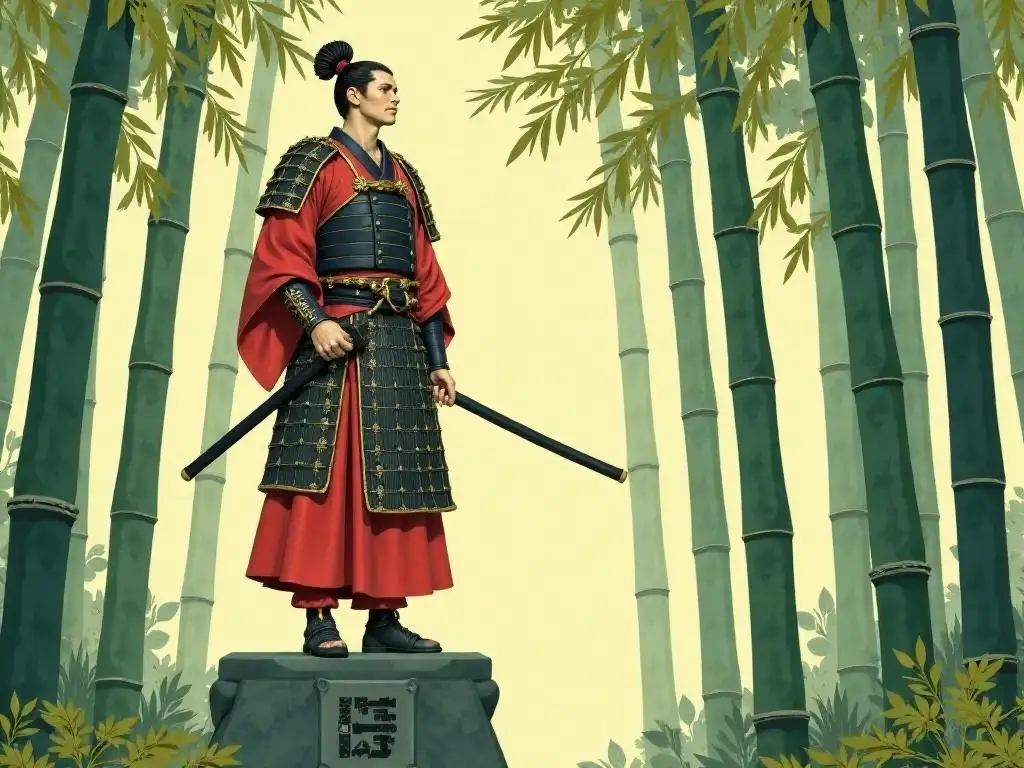
Welcome to Feudal Japan History, where we invite you to embark on a captivating journey through the intricate tapestry of Japan’s feudal era. In this exploration, we delve into the fascinating realm of military education in feudal Japan, uncovering the strategies, philosophies, and training that shaped the warriors of this storied past.
Prepare to be intrigued as we unravel the nuances of a society built on honor and discipline, and discover how these elements continue to influence Japan’s cultural heritage. Dive deeper into our article, "The Art of War: Military Education in Feudal Japan," and unlock the secrets of a time where knowledge was as powerful as the sword.
Introduction to Military Education in Feudal Japan
The concept of military education in feudal Japan is a profound aspect that intertwines with the country's rich history, societal norms, and cultural ideologies. This era, which spanned from the late 12th century to the early 17th century, saw the emergence of the samurai class, who were not only warriors but also intellectuals and strategists.
Understanding military education during this time provides insight into how martial skills were taught, learned, and revered within the context of Japanese society. This article delves into the methodologies, philosophies, and institutions that shaped military training, highlighting its significance in feudal Japan's political and social fabric.
Overview of Feudal Japan
Feudal Japan was characterized by a hierarchical structure dominated by land-owning lords, or daimyōs, and their loyal samurai warriors. This period was marked by constant warfare, political intrigue, and the necessity for military prowess. The samurai, as the elite warrior class, were expected to master various skills, including strategy, weaponry, and leadership, to uphold their honor and serve their lords. The education of these warriors was not solely focused on combat; it also encompassed moral training, philosophy, and the arts, reflecting a complex interplay between warfare and culture.
Importance of Military Education in Society
Military education played a crucial role in shaping not only the samurai but also the society at large. The rigorous training processes instilled values such as loyalty, discipline, and honor, which were paramount in samurai culture. Additionally, military education contributed to the development of a structured society, where individuals were trained to fulfill specific roles within the feudal hierarchy. This education was often a family legacy, passed down through generations, ensuring that the skills and values of the samurai were preserved and adapted over time.
Historical Context of Military Training
The Rise of the Samurai Class
The samurai class began to rise during the late Heian period, gaining prominence as skilled warriors essential to the protection of their lords' territories. As the need for a professional military force grew, so did the systems of education designed to train these warriors. Feudal lords established dojo (training halls) and academies where young samurai could learn the arts of war, including kenjutsu (swordsmanship), archery, and horseback riding. This formalized approach to military education not only enhanced individual combat skills but also fostered a sense of camaraderie and loyalty essential for effective military operations.
Political Influence on Military Education
The political landscape of feudal Japan heavily influenced military education. Different periods, such as the Kamakura and Muromachi periods, saw shifts in power dynamics that affected training methodologies. For instance, as the Ashikaga shogunate rose, the emphasis on strategy and tactics became increasingly important, reflecting the need to adapt to changing warfare techniques and enemy tactics. Furthermore, political alliances often dictated the nature of military education, as samurai were trained not only to be warriors but also to be diplomats and leaders, capable of navigating the complexities of feudal politics.
Through this exploration of military education in feudal Japan, we can appreciate the intricate relationship between warfare, culture, and society that defined this remarkable period in Japanese history.
Key Components of Military Education
Military education in feudal Japan was a multifaceted system that encompassed various elements essential for producing skilled warriors. The training focused not only on physical combat skills but also on strategic thinking, discipline, and moral character. The following components were pivotal in shaping the military education of samurai and other warriors during this era:
- Physical Training: This included rigorous exercises to improve strength, agility, and endurance. Techniques such as archery, swordsmanship, and horseback riding were fundamental, with each warrior mastering multiple weapons and forms of combat.
- Martial Arts: Various martial arts schools emerged, each emphasizing different techniques and philosophies. Notable styles included Kenjutsu (swordsmanship), Kyudo (archery), and Sojutsu (spear techniques). Each discipline contributed to the overall martial prowess of the samurai.
- Strategic Studies: Understanding battlefield tactics and strategies was crucial. Samurai studied classic texts like Sun Tzu's "The Art of War," alongside local strategies tailored to Japan's unique landscape and warfare practices.
- Mental Conditioning: Mental resilience was essential for samurai education. Training included meditation and philosophy, which helped warriors maintain focus and composure during battle.
- Cultural Education: Military education also encompassed cultural aspects, instilling values such as loyalty, honor, and duty. This cultural grounding was vital for maintaining the samurai's role in society.
Samurai Training Regimens
Samurai training regimens were comprehensive and rigorous, designed to prepare warriors for the realities of combat and the responsibilities of their societal roles. These regimens varied based on the period, location, and individual dojo, but generally included several core elements:
- Daily Practice: Samurai engaged in daily practice sessions focusing on weapon techniques and physical conditioning. This often involved repetitive drills to enhance muscle memory and reflexes.
- Combat Simulations: Training included mock battles and duels to provide warriors with practical experience in a controlled environment. These simulations helped to build teamwork and strategy.
- Use of Equipment: Warriors learned to handle various weapons, including swords (katana), spears (yari), and bows (yumi). Mastery of each weapon type was critical for versatility in battle.
- Mental Fortitude: Training also involved mental exercises such as meditation and philosophical study, which were believed to enhance focus and clarity of thought. This aspect prepared samurai for the psychological demands of warfare.
- Evaluation and Mentorship: Experienced samurai often mentored younger warriors, providing guidance and assessment. This mentorship was crucial for transferring knowledge and fostering the next generation of leaders.
Role of Bushido in Military Education
Bushido, the "Way of the Warrior," played an integral role in shaping the principles and practices of military education in feudal Japan. This ethical code emphasized virtues such as honor, loyalty, courage, and self-discipline, influencing not only combat training but also the personal development of samurai.
- Ethical Framework: Bushido provided a moral compass for samurai, guiding their behavior in both military and civilian life. Understanding and embodying these values were crucial components of their education.
- Leadership Development: The principles of Bushido encouraged samurai to develop leadership qualities, preparing them to take on roles as commanders and protectors of their clans and communities.
- Ceremonial Practices: The adherence to Bushido often included participation in rituals and ceremonies that reinforced these values. Such practices helped to create a strong sense of identity and purpose among warriors.
- Influence on Training Methods: The ideals of Bushido influenced the methods of training and education in dojos, where emphasis was placed on not only physical prowess but also character development.
Institutions of Military Learning
The institutions of military learning in feudal Japan were varied and significant in shaping the education of samurai and other warriors. These establishments provided structured environments for training and knowledge transfer, ensuring that the warrior class was well-prepared for their roles in society and warfare.
The Role of Dojo in Feudal Japan
Dojo, or training halls, were central to the military education of samurai in feudal Japan. These institutions provided a dedicated space for warriors to engage in rigorous training and study. Key aspects of dojos included:
- Structured Learning Environment: Dojos offered a formal setting for instruction, where experienced instructors (sensei) guided students through various martial arts disciplines and combat techniques.
- Community Building: The dojo served as a community hub for samurai, fostering camaraderie and mutual support among warriors. This sense of belonging was crucial for morale and loyalty.
- Cultural Transmission: Beyond physical training, dojos were places where the philosophies of Bushido and other cultural teachings were imparted, ensuring that samurai internalized the values essential to their identity.
- Adaptation and Evolution: As warfare evolved, so too did the practices taught in dojos, allowing samurai to adapt to new challenges and enemies.
Notable Military Schools and Their Impact
Several notable military schools emerged during feudal Japan, each contributing significantly to the development of military education and the warrior class. These schools often had distinct philosophies and training methods:
- Kashima Shinto-ryu: Founded in the 16th century, this school emphasized the spiritual aspects of martial arts alongside physical techniques. Its teachings focused on the unity of body, mind, and spirit, influencing many samurai.
- Yagyu Shinkage-ryu: Established by Yagyu Munenori, this school is renowned for its strategic approach to swordsmanship. The Yagyu family served as sword instructors to the Tokugawa shogunate, impacting military training at the highest levels.
- Tenshin Shoden Katori Shinto-ryu: One of the oldest martial arts schools in Japan, it encompasses a wide range of weapons and tactics. Its teachings have been preserved and passed down through generations, showcasing the historical depth of military education.
- Muso Jikiden Eishin-ryu: Focused on iaijutsu (the art of drawing the sword), this school has a rich legacy and remains influential in modern Japanese martial arts, demonstrating the lasting impact of military education.
Through these institutions and their teachings, military education in feudal Japan not only prepared warriors for combat but also instilled values and skills that would shape the course of Japanese history.
The Curriculum of Military Education
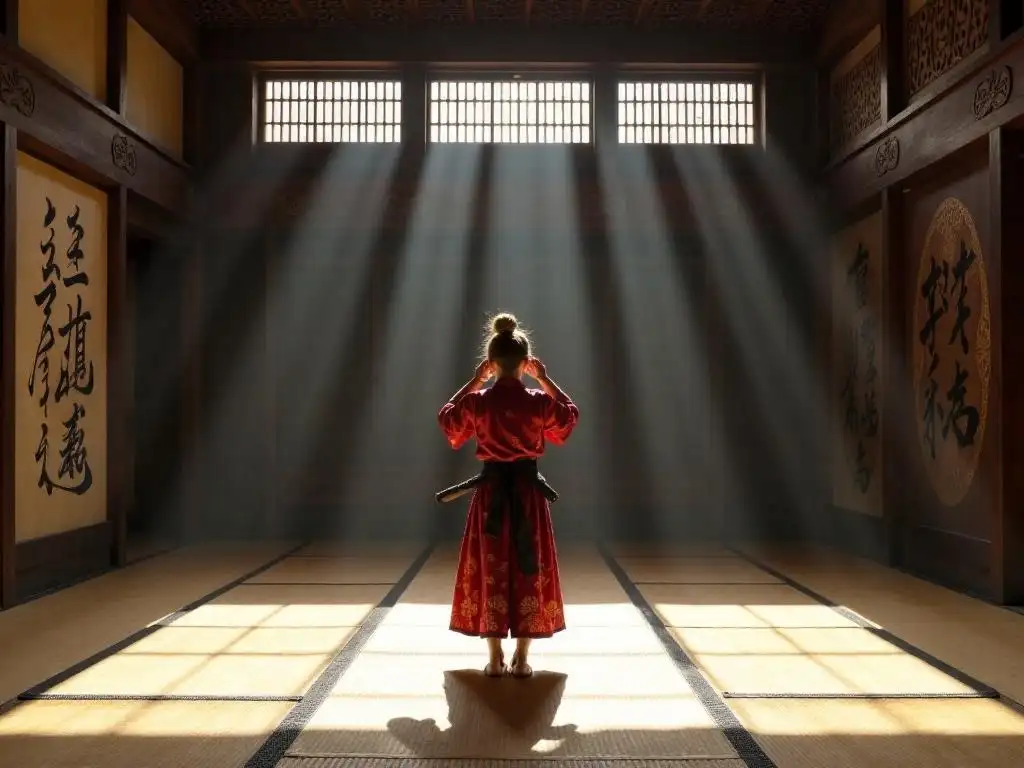
The curriculum of military education in feudal Japan was comprehensive and multifaceted, designed to prepare samurai not only for the battlefield but also for roles as leaders and strategists. It encompassed physical training, martial arts, the study of strategy, and the cultivation of leadership qualities. Young samurai began their education at an early age, often starting with physical conditioning and basic weapon training.
A significant part of their education involved practical skills such as archery, swordsmanship, and horsemanship. These martial disciplines were complemented by intellectual pursuits, including the study of classical texts on warfare, philosophy, and ethics. The goal was to create well-rounded warriors who could think critically and make informed decisions in the heat of battle.
The curriculum also emphasized the importance of discipline, loyalty, and honor—values that were central to the samurai code, known as Bushido. The combination of physical prowess and moral integrity was essential for a samurai’s development, as they were expected to embody the virtues of a warrior while maintaining their status as noblemen.
Training in Archery and Swordsmanship
Training in archery and swordsmanship was foundational to the military education of samurai. Archery, or kyujutsu, was particularly esteemed and taught from a young age. Samurai practiced with the longbow, which required exceptional skill and precision. Training sessions often took place in specially designated ranges where students learned to shoot accurately while on horseback, simulating the conditions they would face in battle.
Swordsmanship, or kenjutsu, was equally critical. Samurai trained in various forms of combat, focusing on techniques for both offense and defense. Different schools of thought emerged, each with distinct philosophies and techniques. For instance, the Kashima Shinto-ryu and Itto-ryu schools emphasized fluid movements and adaptability, while others focused on strict forms and discipline.
Both disciplines were not only physical exercises but also spiritual practices, teaching patience, concentration, and respect for opponents. Advanced practitioners often sought to achieve a state of mushin, or "no mind," allowing them to react instinctively and effectively during combat.
Learning Strategy and Leadership Skills
In addition to physical training, the curriculum included a strong emphasis on strategy and leadership skills. Samurai were taught to analyze battles, understand the principles of warfare, and develop tactical plans. They studied the works of renowned strategists, such as Sun Tzu and Miyamoto Musashi, whose teachings provided valuable insights into the nature of conflict and the art of war.
Leadership training was essential, as samurai were expected to lead troops and make critical decisions under pressure. This involved learning how to inspire loyalty, communicate effectively, and manage resources. Role-playing scenarios and simulated battles were common practices to help develop these crucial skills.
Moreover, the concept of moral authority was integral to leadership training. Samurai were taught that effective leaders must earn the respect and trust of their followers, not just through skill in battle but by demonstrating honor, wisdom, and compassion. This comprehensive approach aimed to produce not only skilled warriors but also capable leaders.
The Study of Historical Battles and Tactics
An integral part of military education in feudal Japan was the study of historical battles and tactics. Samurai immersed themselves in the analysis of past conflicts, examining the strategies employed by successful generals and the lessons learned from defeats. This historical perspective provided valuable insights that could be applied to contemporary warfare.
Students would often engage in discussions about famous battles, such as the Battle of Sekigahara and the Genpei War, dissecting the decisions made by commanders and the impact of terrain, weather, and troop morale on the outcomes. By understanding these dynamics, samurai could develop their strategic thinking and adapt to various combat situations.
Additionally, many samurai kept detailed records of their own experiences in battle, which served as personal case studies for future generations. These accounts contributed to the collective military knowledge of the samurai class and emphasized the importance of continuous learning and adaptation in an ever-changing battlefield landscape.
The Role of Family and Lineage in Military Education
The role of family and lineage in military education during feudal Japan was significant, as it influenced not only the quality of education but also the opportunities available to aspiring samurai. Families with a long history of military service often had established networks and resources that facilitated access to superior training and mentorship.
Inheritance of Military Knowledge
Military knowledge was typically passed down through generations, with fathers imparting their skills and experiences to their sons. This inheritance of knowledge was essential in maintaining the family's martial legacy. Many samurai families established their own schools, where they taught their sons the family’s unique techniques and philosophies.
This form of education was often supplemented by apprenticeships with renowned instructors, ensuring that young samurai received a well-rounded education. In some cases, families would arrange marriages or alliances to secure access to the best teachers, further enhancing their educational prospects.
The emphasis on lineage not only reinforced the importance of family honor but also created a culture where military expertise was closely tied to family name and status within the samurai class.
Influence of Family Status on Education Opportunities
Family status played a crucial role in determining the level and quality of military education a samurai received. Those from higher-ranking families often had access to elite training and prestigious instructors, while lower-ranking samurai or those from commoner backgrounds faced limitations in their educational opportunities.
The disparity in training led to a significant divide within the samurai class, where the elite received a more comprehensive and refined education, while others might struggle to attain the same level of skill and knowledge. This stratification had lasting implications for the social dynamics of feudal Japan, influencing everything from military leadership to the outcomes of conflicts.
Ultimately, the intertwining of military education with family and lineage solidified the samurai's social structure, perpetuating the values and traditions of feudal Japan while also shaping the capabilities and responsibilities of its warrior class.
The Evolution of Military Education
Military education in feudal Japan has undergone significant transformations throughout its history, reflecting the changing needs of society and the complexities of warfare. Initially, military training was informal and heavily reliant on lineage, where skills were passed down through familial ties. The samurai class, emerging in the Heian period (794-1185), began to formalize this education, focusing on the martial arts, strategy, and loyalty to their lords.
As Japan entered the Kamakura period (1185-1333), the necessity for organized military structures became apparent. This era saw the establishment of warrior schools, which emphasized not only combat techniques but also ethics and governance. Subsequently, during the Muromachi period (1336-1573), the introduction of new weaponry, such as firearms, necessitated a shift in training methodologies, incorporating firearms training alongside traditional martial arts.
By the time Japan reached the Edo period (1603-1868), military education became more institutionalized. The samurai class engaged in a rigorous curriculum that included strategy, philosophy, and the arts, reflecting a broader understanding of warfare and its implications on society. Ultimately, military education evolved from a familial tradition into a structured system that balanced martial prowess with cultural education, setting the stage for future military developments in Japan.
Changes in Training Methods Through the Eras
Throughout the various periods of feudal Japan, training methods evolved significantly, influenced by both the political landscape and technological advancements. In the early samurai era, training was primarily conducted through practical combat experience, often in the form of duels or small-scale skirmishes. Young samurai learned the fundamentals of swordsmanship and horsemanship under the guidance of experienced warriors, with an emphasis on personal honor and discipline.
As Japan transitioned into the Kamakura period, the need for more comprehensive training programs emerged. Schools such as the Tenshin Shōden Katori Shintō-ryū began to formalize instruction, introducing structured syllabi that included not only sword techniques but also tactics and strategy. This period emphasized the importance of learning from historical battles and employing strategy over brute strength.
The introduction of firearms in the late Muromachi period marked a pivotal change in military education. Training increasingly included firearms handling, leading to the establishment of specialized schools. By the Edo period, military education further diversified, incorporating not only martial skills but also elements of Confucian philosophy and ethics, aiming to cultivate a well-rounded warrior.
Impact of Foreign Influence on Japanese Military Education
The influence of foreign powers on Japan's military education cannot be understated, particularly during the interactions of the late 16th century and the subsequent periods of isolation. The arrival of Portuguese traders introduced firearms and new military strategies that compelled Japanese leaders to adapt their training methods.
During the Sengoku period (1467-1603), when Japan was engulfed in civil strife, foreign mercenaries and missionaries brought different perspectives on warfare and military organization. This led to the incorporation of Western military techniques and strategies, resulting in a hybrid approach to training that combined traditional samurai practices with innovative tactics.
In the late Edo period and early Meiji Restoration (1868), Japan's increasing desire to modernize its military education was heavily influenced by Western powers. The adoption of Western military academies and the incorporation of modern warfare techniques transformed the samurai training system into a more contemporary military education structure, emphasizing discipline, strategy, and technology. This significant shift laid the groundwork for Japan's modernization efforts and its emergence as a formidable military power in the 20th century.
Challenges and Critiques of Military Education
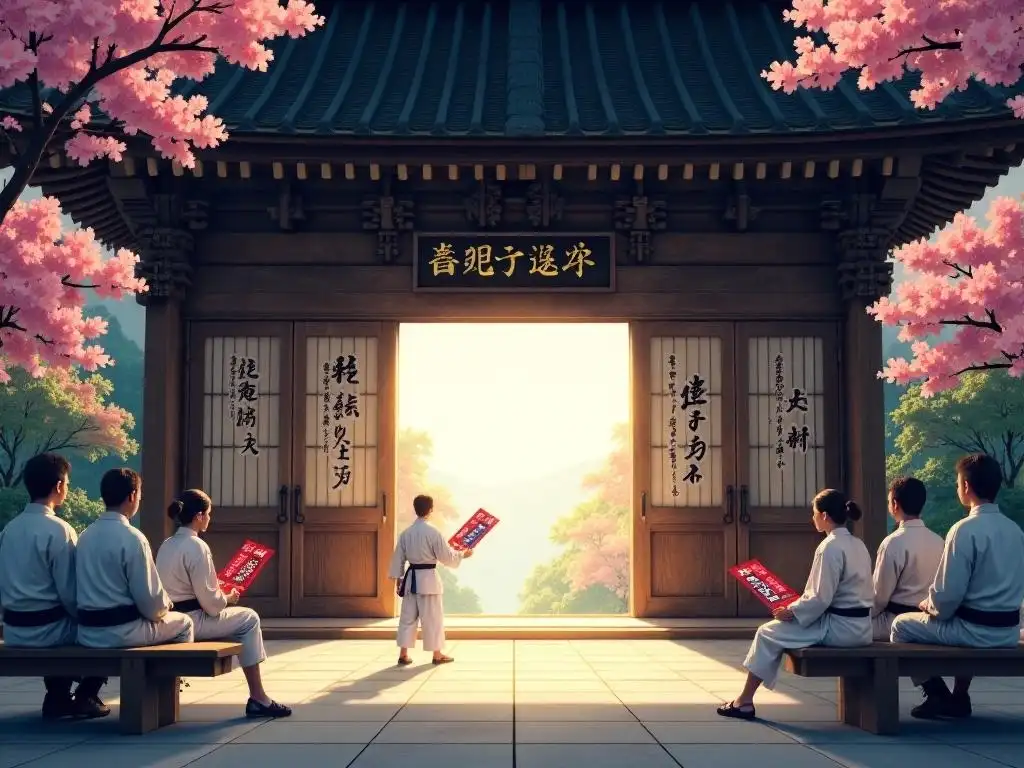
Despite its evolution, military education in feudal Japan faced several challenges and critiques. The rigid caste system often limited access to training and education, creating disparities within the samurai class. Many argued that this exclusivity hindered the development of a more versatile and capable military force.
Limitations of the Samurai Training System
The samurai training system, while rich in tradition and martial knowledge, had notable limitations. Primarily, it was heavily centered on individual combat skills and adherence to bushido, the code of conduct for samurai. This focus on individual valor often overshadowed the importance of teamwork and collective strategy, which are vital in larger military engagements.
Moreover, the emphasis on traditional techniques could lead to a resistance against adopting new technologies and strategies. As warfare evolved, particularly with the introduction of firearms and artillery, many samurai struggled to adapt, resulting in significant losses during conflicts such as the Boshin War (1868-1869). The inability to modernize training and tactics ultimately exposed the vulnerabilities of the samurai in the face of changing warfare dynamics.
Adaptation to Changing Warfare
As warfare became increasingly complex, the challenges of adapting military education to new realities became paramount. The samurai, traditionally trained for one-on-one combat and small skirmishes, faced difficulties when confronted with larger, more organized armies employing advanced tactics and technology.
The Meiji Restoration marked a crucial turning point, as Japan recognized the necessity of reforming its military education to align with modern warfare strategies. The establishment of military academies modeled after Western institutions aimed to address these challenges by focusing on comprehensive training that included strategy, logistics, and the use of modern weaponry.
While military education in feudal Japan laid the groundwork for a skilled warrior class, its limitations and resistance to change posed significant challenges. The adaptation to changing warfare was essential for Japan's transition from a feudal society to a modern nation-state, reflecting the ongoing evolution of military education in response to external pressures and internal critiques.
The Legacy of Military Education in Feudal Japan
The legacy of military education in feudal Japan is profound and multifaceted, shaping not only the military practices of the era but also the broader cultural and societal norms that emerged. Military education during this period was characterized by rigorous training and a deep philosophical underpinning, often rooted in the teachings of Confucianism, Buddhism, and the warrior code of bushido. The samurai, as the ruling military class, were not only trained in combat but also in leadership, ethics, and governance, which reinforced their role as both warriors and stewards of society.
The systems of military education were formalized in various ways, including the establishment of dojo (training halls) and the transmission of knowledge through oral traditions and written texts. Notable works, such as Sun Tzu's "The Art of War" and the "Hōjō Shigen" (a manual on military tactics), provided theoretical frameworks that influenced tactical education. This commitment to learning and discipline fostered a culture where military prowess was revered, and education was seen as essential for effective leadership and governance.
Influence on Modern Japanese Military Practices
The influence of military education in feudal Japan extends into modern Japanese military practices, particularly in the way that strategy, tactics, and the ethical dimensions of warfare are approached. Contemporary Japanese Self-Defense Forces (JSDF) still reflect the values of discipline, respect, and honor that were central to the samurai ethos. The emphasis on lifelong learning and continuous improvement in military training can be traced back to the rigorous educational systems established during the feudal era.
Moreover, martial arts, which evolved from the military training of the samurai, continue to play a significant role in modern Japan. Disciplines such as Kendo, Aikido, and Judo not only serve as martial training but also emphasize the mental and moral development of practitioners, echoing the holistic approach to education found in feudal military training. This enduring connection underscores the lasting impact of feudal military education on Japan's contemporary military and cultural identity.
Cultural Impact on Japanese Society
The cultural impact of military education in feudal Japan was significant, permeating various aspects of society beyond the battlefield. The samurai's commitment to education and self-discipline became a model for social conduct, influencing the behavior of the upper classes and the populace at large. Practices such as calligraphy, poetry, and tea ceremonies were often integrated into military training, fostering a culture that valued not only martial skills but also intellectual and artistic pursuits.
Additionally, the principles derived from military education, particularly bushido, shaped societal values such as loyalty, honor, and sacrifice. These ideals became foundational in defining relationships within families, communities, and between rulers and subjects. The samurai's role as both warrior and scholar contributed to a unique cultural identity that placed immense value on education, ethics, and the arts, which continues to resonate in Japanese society today.
Conclusion: The Enduring Significance of Military Education in Feudal Japan
The enduring significance of military education in feudal Japan lies in its profound influence on both historical and contemporary Japanese society. It established a framework for discipline, strategic thinking, and ethical conduct that transcended the battlefield, shaping the character of the samurai and, by extension, Japanese culture as a whole. The ideals and practices developed during this era continue to inform modern concepts of leadership and education, emphasizing the importance of a well-rounded approach to personal and professional development.
Reflection on Historical Lessons for Contemporary Society
Reflecting on the historical lessons of military education in feudal Japan offers valuable insights for contemporary society. The emphasis on ethical leadership, strategic thinking, and the importance of education in cultivating character and discipline are as relevant today as they were centuries ago. Modern organizations can draw from these lessons to foster environments that encourage continuous learning, resilience, and ethical decision-making.
In a world marked by rapid change and uncertainty, the ability to adapt and respond effectively to challenges is crucial. The samurai's holistic approach to education, integrating physical training with mental and ethical development, provides a model for developing well-rounded leaders who are prepared to navigate complex situations.
The Cultural Heritage of Military Training in Japan
The cultural heritage of military training in Japan is a rich tapestry that weaves together history, philosophy, and the arts. This heritage is not only preserved in the practices of modern martial arts but also in the societal values that emphasize respect, discipline, and a sense of duty. Festivals, ceremonies, and traditional arts continue to reflect the influence of samurai culture, celebrating the legacy of military education.
Understanding this heritage allows for a deeper appreciation of Japan's historical identity and its ongoing evolution. As contemporary society grapples with the challenges of modernity, the principles rooted in feudal military education serve as a reminder of the importance of education, cultural identity, and ethical conduct in shaping a resilient and cohesive society.
- Introduction to Military Education in Feudal Japan
- Historical Context of Military Training
- Key Components of Military Education
- Institutions of Military Learning
- The Curriculum of Military Education
- The Role of Family and Lineage in Military Education
- The Evolution of Military Education
- Challenges and Critiques of Military Education
- The Legacy of Military Education in Feudal Japan
- Conclusion: The Enduring Significance of Military Education in Feudal Japan
- What was the primary focus of military education in feudal Japan?
- How did samurai training differ from modern military education?
- What role did bushido play in military education?
- Were women involved in military education during feudal Japan?
- How did military education influence Japanese society during the feudal era?
Frequently Asked Questions
What was the primary focus of military education in feudal Japan?
Military education in feudal Japan primarily focused on combat skills, strategy, and leadership training, essential for samurai to succeed in battles and serve their lords effectively.
How did samurai training differ from modern military education?
Samurai training emphasized personal honor, discipline, and martial arts, while modern military education incorporates technology, teamwork, and structured curricula to prepare soldiers for contemporary warfare.
What role did bushido play in military education?
Bushido, the way of the warrior, instilled ethical values and moral conduct in samurai, shaping their military education to focus not only on combat skills but also on loyalty and honor.
Were women involved in military education during feudal Japan?
While predominantly male, some women, particularly from the samurai class, received training in martial arts and defense, contributing to their family's protection and maintaining their honor.
How did military education influence Japanese society during the feudal era?
Military education shaped the social hierarchy, created a distinct warrior class, and influenced cultural values, as samurai ideals permeated various aspects of Japanese life, from arts to governance.
Final Reflection: The Enduring Legacy of Military Education in Feudal Japan
The intricate tapestry of military education in feudal Japan continues to resonate profoundly in today's world, illustrating how the lessons of the past shape contemporary strategies and philosophies. The rigorous training and strategic thinking that defined the samurai class not only prepared them for battle but also instilled a sense of discipline and honor that transcends time. This historical framework serves as a powerful reminder of the importance of education in cultivating leadership and resilience in any era.
Cultural narratives surrounding military education in feudal Japan have profoundly influenced modern military practices and leadership development. The principles of strategy, ethics, and personal growth that emerged from this period are still relevant, as they inform contemporary discussions on military training and leadership. As Sun Tzu famously stated, In the midst of chaos, there is also opportunity.
This quote encapsulates the essence of military education, emphasizing the need for adaptability and foresight in the face of adversity—a lesson that remains vital in our rapidly changing world.
As we reflect on the significance of military education in feudal Japan, I invite you to consider how these historical lessons can be applied in your own life. Embrace the spirit of continuous learning and strategic thinking, whether in personal endeavors or professional pursuits. Let the legacy of the samurai inspire you to cultivate discipline, honor, and resilience in your journey, reminding us all that the art of war is not merely about conflict, but about the pursuit of excellence in every aspect of life.
Embrace the Wisdom of the Samurai!
Thank you for diving into the fascinating world of military education in Feudal Japan! You've uncovered valuable insights into the discipline, strategy, and resilience that shaped a remarkable culture. Now, it’s your turn to take action and delve deeper into this rich history.
- Start your journey by reading one of the recommended texts on samurai warfare to enhance your understanding. A great choice is The Book of Five Rings.
- Join our community by sharing your thoughts on military strategy in our discussion forum—let’s engage in meaningful conversations about this intriguing subject!
- Explore further! Plan a virtual tour to visit historical battle sites in Japan or watch documentaries that vividly portray these significant events.
What aspect of samurai military education resonates with you the most, and how can it inspire our modern understanding of strategy and discipline?