
The Revival of Traditional Japanese Theater in Modern Times

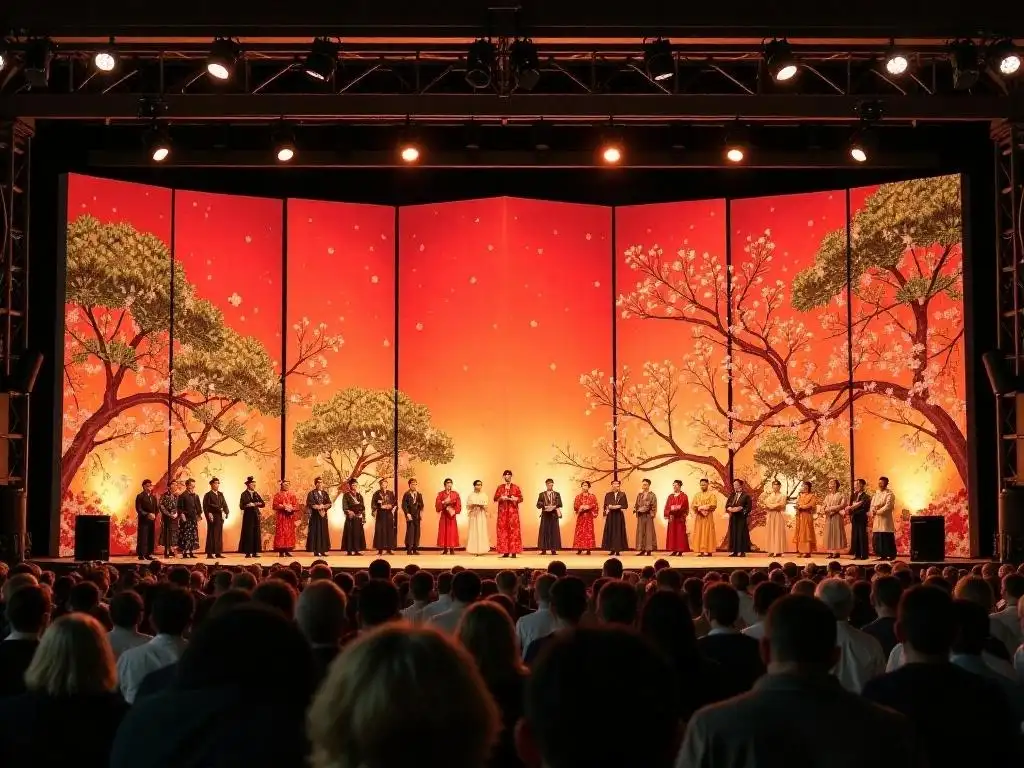
Welcome to Feudal Japan History, where we embark on an enthralling journey through the rich tapestry of Japan’s feudal era. Here, you will uncover the intricate layers of historical, cultural, and societal dynamics that shaped a nation. In our featured article, “The Revival of Traditional Japanese Theater in Modern Times,” we delve into the captivating resurgence of age-old performances that continue to resonate in contemporary culture.
Prepare to be fascinated as we explore the delicate balance between tradition and modernity, sparking your curiosity to learn more about this vibrant aspect of Japanese heritage. Dive in and let the stories of the past illuminate the present!
The revival of traditional Japanese theater in modern times is a fascinating journey that illustrates the resilience of cultural heritage amidst rapid societal changes. As Japan navigates its contemporary identity, the resurgence of traditional performing arts, particularly theater, serves as a vital link to its rich historical and cultural roots.
This article delves into the intricacies of this revival, exploring the various forms of traditional theater, such as Noh, Kabuki, and Bunraku, and examining the factors that have contributed to their renewed popularity and significance in today’s society. By understanding the historical context and the motivations behind this revival, we can appreciate how traditional Japanese theater not only entertains but also educates and inspires new generations, preserving the essence of a time-honored art form.
Introduction to Traditional Japanese Theater Revival
Traditional Japanese theater encompasses a diverse range of performance arts that have evolved over centuries. The revival of these art forms has become increasingly significant as more people seek to reconnect with Japan's cultural heritage. This renaissance is not merely an attempt to preserve the past; it is a dynamic and evolving movement that incorporates contemporary elements while honoring age-old traditions. The revival efforts highlight the importance of maintaining cultural identity in a globalized world and showcase how traditional arts can adapt to modern sensibilities.
Historical Context of Traditional Japanese Theater
The roots of traditional Japanese theater can be traced back to ancient times, with distinct forms emerging during the Heian period (794-1185).
- Noh: Originating in the 14th century, Noh is characterized by its slow, stylized movements and the use of masks to convey emotions. It often depicts historical events or moral dilemmas.
- Kabuki: Emerging in the early 17th century, Kabuki is known for its vibrant costumes, elaborate makeup, and dynamic performances that often include themes of love and revenge.
- Bunraku: This form of puppet theater, developed in the 17th century, combines intricate puppetry with narrative storytelling, accompanied by live music and chanting.
Each of these art forms has a rich history and unique characteristics, contributing to a broader understanding of Japan's cultural landscape. However, the 20th century witnessed a decline in audience interest, as modernization and Western influences began to overshadow traditional practices.
Factors Leading to the Revival of Traditional Japanese Theater
Several key factors have contributed to the revival of traditional Japanese theater in recent years:
- Cultural Preservation Efforts: Government initiatives and cultural organizations have prioritized the preservation of traditional arts, providing funding and resources to support performances and educational programs.
- Increased Global Interest: The global fascination with Japanese culture, fueled by anime, manga, and cuisine, has led to a renewed interest in its traditional art forms. International festivals and collaborations have introduced these performances to wider audiences.
- Modern Adaptations: Contemporary artists and theater companies are creatively reinterpreting traditional works, blending them with modern themes and technologies. This approach attracts younger audiences and encourages a fresh appreciation for the art forms.
- Educational Programs: Schools and universities are increasingly incorporating traditional theater into their curricula, allowing students to engage with and learn about their cultural heritage from a young age.
The revival of traditional Japanese theater is a testament to the enduring power of art to connect generations, educate the public, and preserve cultural identity in an ever-changing world. As this revival continues to unfold, it highlights the importance of maintaining a dialogue between the past and present, ensuring that these cherished traditions remain vibrant and relevant for future generations.
Key Players in the Revival Movement
The revival of traditional Japanese theater in modern times has been significantly influenced by a diverse array of individuals and organizations committed to preserving and promoting this rich cultural heritage. Some of the key players include:
- Theater Companies: Several renowned theater companies, such as the Shōchiku Co., Ltd., have played a pivotal role in staging and modernizing traditional performances, including Kabuki and Noh. These companies often collaborate with contemporary artists to reinterpret classic narratives, making them more accessible to modern audiences.
- Directors and Choreographers: Visionary directors like Hiroshi Koike and Yoshio Kato have been instrumental in blending traditional techniques with contemporary themes. Their innovative approaches have helped attract younger generations to the theater, ensuring the survival of these art forms.
- Academics and Scholars: Scholars specializing in Japanese theater history, such as Yoshiko Matsumoto, are vital in documenting and analyzing the evolution of these art forms. Their research often informs contemporary practices and helps contextualize traditional performances within modern society.
- Cultural Institutions: Organizations like the National Theatre of Japan and various local cultural centers actively promote traditional theater through festivals, workshops, and educational programs. Their efforts ensure that traditional performances remain relevant and appreciated in today's cultural landscape.
Modern Interpretations of Traditional Japanese Theater
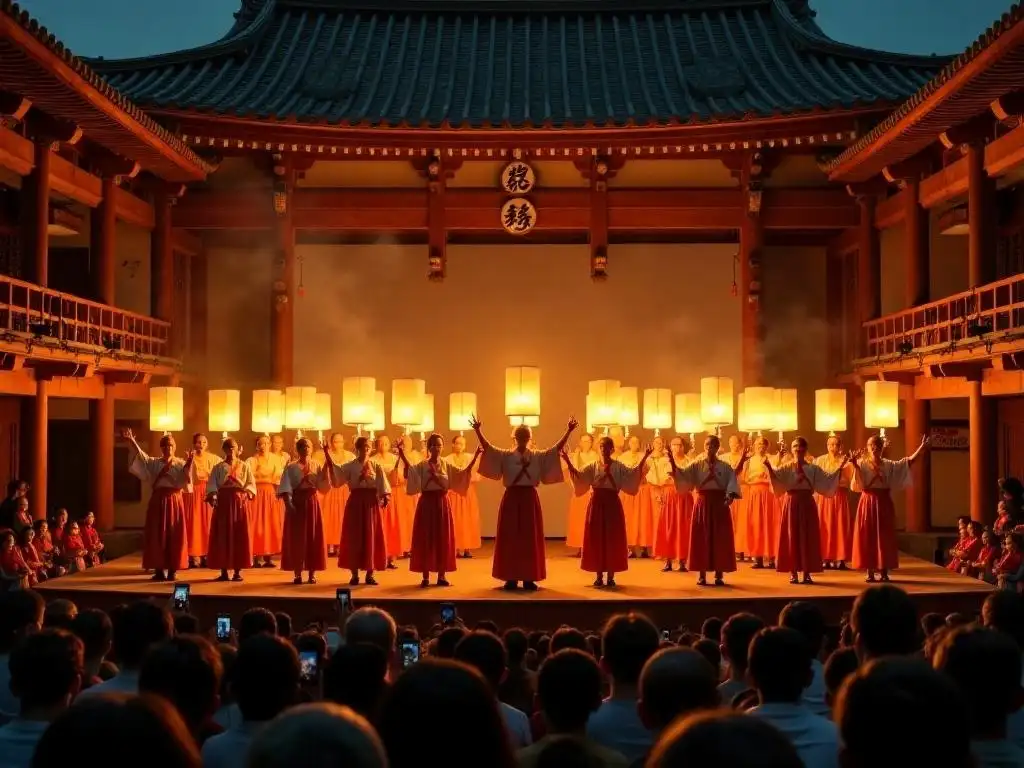
Modern interpretations of traditional Japanese theater showcase a fascinating blend of historical authenticity and contemporary innovation. This fusion allows traditional art forms to resonate with newer audiences while preserving their core essence.
- Experimental Productions: Contemporary theater productions often reinterpret traditional narratives through modern lenses. For instance, adaptations of classic Kabuki plays may incorporate modern staging techniques, multimedia elements, and even contemporary music, creating a hybrid performance that appeals to younger viewers.
- Cross-Cultural Collaborations: Artists from various cultural backgrounds have engaged with traditional Japanese theater, leading to unique interpretations. Collaborations between Japanese and Western artists have introduced new perspectives, such as integrating Western theatrical styles into Noh or Kabuki, enriching the viewing experience.
- Digital Platforms: The rise of digital media has also transformed how traditional theater is presented. Live-streaming performances and online workshops enable broader access to traditional theater, allowing audiences worldwide to experience these art forms without geographical barriers.
- Thematic Modernization: Many modern interpretations tackle contemporary social issues, such as gender identity and environmental concerns, through the lens of traditional stories. This thematic modernization helps bridge the gap between historical content and current societal dialogues, making the performances more relatable.
The Role of Education in Reviving Traditional Japanese Theater
Education plays a crucial role in the revival and sustainability of traditional Japanese theater. By fostering an understanding and appreciation of these art forms, educational initiatives are vital to ensuring their future.
- Formal Education Programs: Various universities and institutions offer specialized programs focusing on traditional Japanese theater. These programs often include courses in Kabuki, Noh, and Bunraku, providing students with both theoretical knowledge and practical experience.
- Workshops and Masterclasses: Regular workshops and masterclasses conducted by seasoned practitioners allow aspiring artists to learn from the masters. These hands-on experiences are invaluable for preserving the intricate techniques and styles that define traditional theater.
- Community Engagement: Local cultural organizations often run outreach programs aimed at engaging the community in traditional theater. By involving schools and community groups, these initiatives promote an understanding of cultural heritage, encouraging participation in performances and events.
- Digital Education Resources: The use of online platforms for educational purposes has expanded access to information about traditional theater. E-learning resources, including video tutorials and virtual lectures, provide a modern approach to learning about these historical art forms while reaching a global audience.
The revival of traditional Japanese theater is a multifaceted movement driven by key players, modern reinterpretations, and robust educational efforts. Together, these elements contribute to the continued relevance and appreciation of these timeless art forms in contemporary society.
Challenges Faced by Traditional Japanese Theater in Modern Times
The revival of traditional Japanese theater, while promising and vibrant, is not without its challenges. One of the significant hurdles is the declining audience interest among younger generations. As modern entertainment options such as movies, video games, and digital streaming proliferate, traditional forms like Noh, Kabuki, and Bunraku struggle to capture the attention of a demographic that is increasingly disconnected from these age-old art forms. This generational gap poses a risk of diminishing the audience base, making it difficult for theaters to sustain performances and attract new talent.
Another challenge is the preservation of traditional techniques and training methods. Many of the skills required for traditional Japanese theater are passed down through rigorous apprenticeship models, which can be time-consuming and demanding. As fewer individuals pursue these extensive training programs, there is a growing concern about the potential loss of authenticity and mastery in these art forms. Additionally, the financial burden of training and maintaining these art forms can deter both aspiring artists and established practitioners from pursuing careers in traditional theater.
Moreover, financial sustainability remains a pressing issue. Many traditional theaters operate on limited budgets, relying heavily on donations, government support, and ticket sales. This economic fragility is exacerbated by the ongoing impact of global events such as the COVID-19 pandemic, which has significantly affected live performances and audience attendance. The need for innovative funding strategies and partnerships with other cultural institutions becomes paramount for the survival of these theater forms.
Success Stories of Traditional Japanese Theater Revival
Despite the challenges, there are inspiring success stories that showcase the resilience and adaptation of traditional Japanese theater in modern times. One notable example is the integration of traditional theater with contemporary storytelling techniques. Productions that blend traditional narratives with modern themes and aesthetics have resonated with younger audiences. For instance, the adaptation of classic Kabuki plays into more relatable contexts has helped draw in new spectators who may not have been previously interested in the genre.
Another success story is the increased global interest in traditional Japanese theater. International festivals and cultural events have introduced Noh, Kabuki, and Bunraku to audiences worldwide, thereby expanding their reach. Collaborative projects with artists from various disciplines, including dance, music, and visual arts, have created innovative performances that appeal to a broader audience. This cross-cultural exchange fosters a greater appreciation for traditional theater outside Japan, simultaneously enriching its practice at home.
Furthermore, educational initiatives aimed at younger audiences have also played a crucial role in revival efforts. Workshops, school programs, and community outreach initiatives that introduce traditional theater to children and teenagers are essential. These programs not only educate the youth about the cultural significance of these art forms but also encourage participation and interest, thereby nurturing the next generation of performers and audiences.
The Future of Traditional Japanese Theater
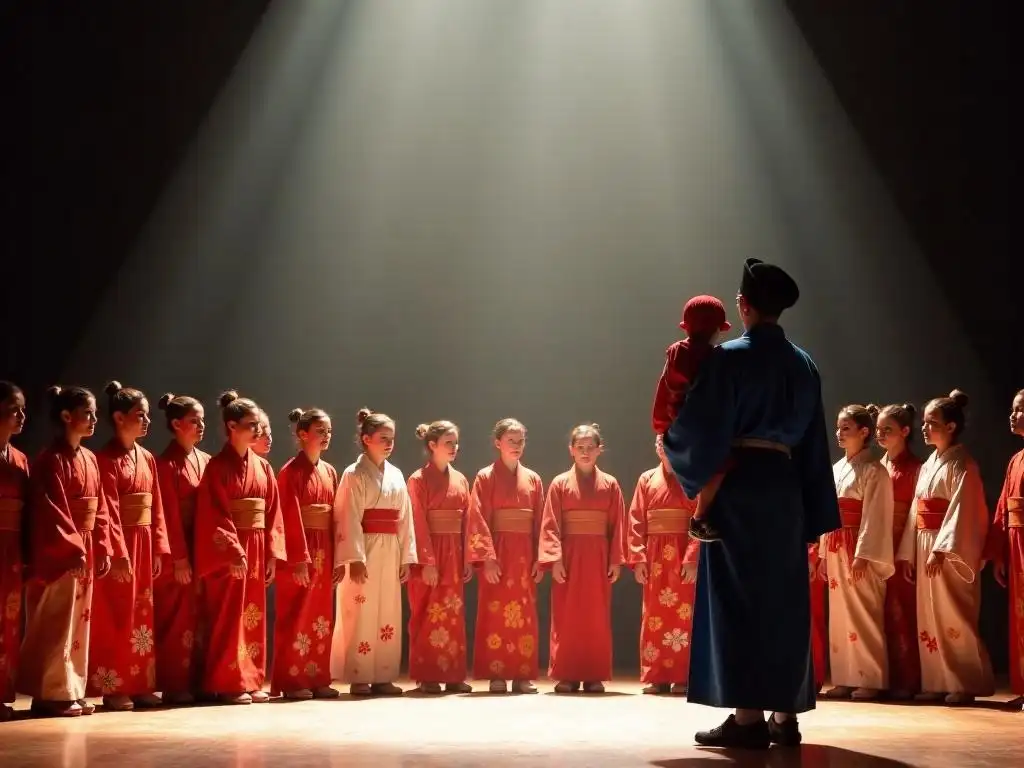
Looking toward the future, the revival of traditional Japanese theater appears promising yet requires strategic efforts to ensure its longevity. One of the key factors will be the incorporation of technology into performances. Embracing technologies such as augmented reality and virtual reality can enhance the viewing experience, making traditional theater more engaging for tech-savvy audiences. These innovations can present traditional stories in new and exciting ways, appealing to a modern audience while remaining rooted in cultural heritage.
Additionally, fostering collaborative projects between traditional theater practitioners and contemporary artists will be vital. Such collaborations can create hybrid performances that merge traditional techniques with innovative styles, thereby attracting diverse audiences. This approach can also promote cross-disciplinary creativity, allowing traditional theater to evolve while maintaining its core essence.
Moreover, global outreach will continue to play an essential role in the future of traditional Japanese theater. By participating in international festivals and engaging with global art communities, traditional Japanese theater can cultivate a wider audience. This not only promotes cultural exchange but also helps secure the financial stability needed for the arts to flourish.
While challenges remain, the revival of traditional Japanese theater in modern times offers a rich tapestry of opportunities. By embracing innovation, fostering collaboration, and reaching out to new audiences, these timeless art forms can continue to thrive and adapt in a rapidly changing world.
Conclusion: The Significance of Traditional Japanese Theater Revival
The revival of traditional Japanese theater in modern times is not merely a nostalgic return to the past; it represents a profound reconnection with Japan's cultural heritage. As audiences worldwide increasingly seek authentic experiences, traditional theater forms such as Noh, Kabuki, and Bunraku have found new life. These art forms serve as a window into Japan's history, philosophy, and aesthetics, emphasizing the importance of preserving and promoting cultural identity in a fast-paced, globalized world.
The significance of this revival also lies in its ability to foster a sense of community and belonging. By engaging with traditional performances, both performers and audiences create shared experiences that transcend generational gaps. The inclusion of modern elements—such as innovative staging, contemporary narratives, and fusion with other art forms—ensures that traditional theater remains relevant and appealing to younger audiences.
Moreover, the revival encourages critical discussions about cultural authenticity and the evolution of art. As traditional theater adapts to modern tastes and sensibilities, it raises questions about what constitutes tradition and how it can be reinterpreted while still honoring its roots. This ongoing dialogue enriches the cultural landscape of Japan, allowing for a more nuanced understanding of the past and its influence on the present.
The revival of traditional Japanese theater is significant not only for its artistic value but also for its role in cultural preservation, community building, and the evolution of art forms in contemporary society.
Additional Resources on Traditional Japanese Theater Revival
For those interested in exploring more about the revival of traditional Japanese theater, the following resources offer valuable insights and information:
- Books:
- The World of Kabuki: A Guide to the Traditional Japanese Theater by John M. McCarthy
- Noh: The Classical Theatre of Japan by Donald Keene
- Bunraku: The Art of the Japanese Puppet Theatre by Yoshio Kuno
- Documentaries:
- Kabuki: The Living Theatre of Japan - A documentary that showcases the vibrant performances and cultural significance of Kabuki.
- Noh: The Art of the Samurai - An exploration of Noh theater’s historical roots and its connection to samurai culture.
- Online Platforms:
- The National Theatre of Japan's official website offers performance schedules, educational materials, and insights into various traditional theater forms.
- The Japan Foundation's website provides resources on cultural exchange programs that feature traditional Japanese theater.
- Workshops and Performances:
- Local cultural centers and universities often host workshops and performances, providing hands-on experiences for those wishing to learn more about traditional theater.
- Attend festivals such as the Tokyo Kabuki Festival, which celebrates this unique art form and showcases both traditional and modern performances.
By delving into these resources, enthusiasts can gain a deeper understanding of traditional Japanese theater and its revival, enriching their appreciation of this vital aspect of Japan's cultural history.
- Introduction to Traditional Japanese Theater Revival
- Historical Context of Traditional Japanese Theater
- Factors Leading to the Revival of Traditional Japanese Theater
- Key Players in the Revival Movement
- Modern Interpretations of Traditional Japanese Theater
- The Role of Education in Reviving Traditional Japanese Theater
- Challenges Faced by Traditional Japanese Theater in Modern Times
- Success Stories of Traditional Japanese Theater Revival
- The Future of Traditional Japanese Theater
- Conclusion: The Significance of Traditional Japanese Theater Revival
- Additional Resources on Traditional Japanese Theater Revival
- What is the significance of the revival of traditional Japanese theater?
- How has modern technology influenced the revival of traditional Japanese theater?
- What are some key forms of traditional Japanese theater that are being revived?
- Who are the main contributors to the revival of traditional Japanese theater?
- What impact does the revival of traditional Japanese theater have on society today?
Frequently Asked Questions
What is the significance of the revival of traditional Japanese theater?
The revival of traditional Japanese theater plays a crucial role in preserving cultural heritage and promoting an understanding of historical performance arts among contemporary audiences.
How has modern technology influenced the revival of traditional Japanese theater?
Modern technology has enabled a wider audience reach through digital platforms, allowing traditional performances to be shared globally and attracting new generations to appreciate these art forms.
What are some key forms of traditional Japanese theater that are being revived?
Key forms include Noh, Kabuki, and Bunraku, each offering unique storytelling techniques and artistic expressions that reflect Japan's rich cultural history.
Who are the main contributors to the revival of traditional Japanese theater?
Artists, scholars, and theater companies are leading the revival, often collaborating to innovate while respecting the traditional techniques and narratives of the past.
What impact does the revival of traditional Japanese theater have on society today?
The revival fosters a deeper appreciation for cultural identity, encourages community engagement, and provides a platform for social commentary through performance art, enriching the modern cultural landscape.
Final Reflection: Embracing the Revival of Traditional Japanese Theater
The revival of traditional Japanese theater is not merely a nostalgic glance at the past; it is a vibrant reawakening that resonates deeply with contemporary society. As we navigate a world increasingly dominated by digital distractions and fleeting entertainment, the enduring allure of traditional performances reminds us of the profound cultural narratives that shape our identities. This revival serves as a powerful testament to the resilience of art forms that have stood the test of time, inviting us to reconnect with our roots and appreciate the artistry that has been passed down through generations.
Cultural heritage is not a relic of the past; it is a living, breathing entity that continues to influence our present and future. The resurgence of traditional Japanese theater has sparked a renewed interest in the values, aesthetics, and storytelling techniques that define this art form. As audiences flock to theaters, they are not just spectators but participants in a shared experience that fosters community and understanding. Art is the most beautiful of all lies.
This quote encapsulates the essence of theater, where the revival of traditional forms allows us to explore deeper truths about ourselves and our society.
As you reflect on the themes presented in this article, consider how you can engage with and support the revival of traditional Japanese theater in your own life. Seek out performances, learn about the history and significance of these art forms, and share your experiences with others. By doing so, you not only honor the legacy of traditional theater but also contribute to its ongoing evolution in modern times. Let this revival inspire you to appreciate the beauty of cultural traditions and recognize their relevance in our ever-changing world.
Thank you for taking the time to explore the fascinating revival of traditional Japanese theater! You've uncovered insights into the cultural richness and artistic ingenuity that continue to inspire audiences today. Now, it’s your turn to dive deeper into this captivating world and make your own mark!
Here are some powerful steps you can take right now:
- Join a local workshop or performance. Engaging directly with traditional arts can deepen your appreciation and understanding of this rich cultural practice.
- Share this article with friends or fellow culture enthusiasts. Spark conversations and ignite interest in the unending magic of Japan's theatrical heritage!
- Explore a contemporary interpretation. Discover modern adaptations of traditional plays. You might find a unique fusion that resonates with your artistic sensibilities!
What aspect of traditional Japanese theater fascinates you the most, and how do you envision contributing to its future revival?