
The Cultural Exchange Through Trade: Artifacts that Tell a Story

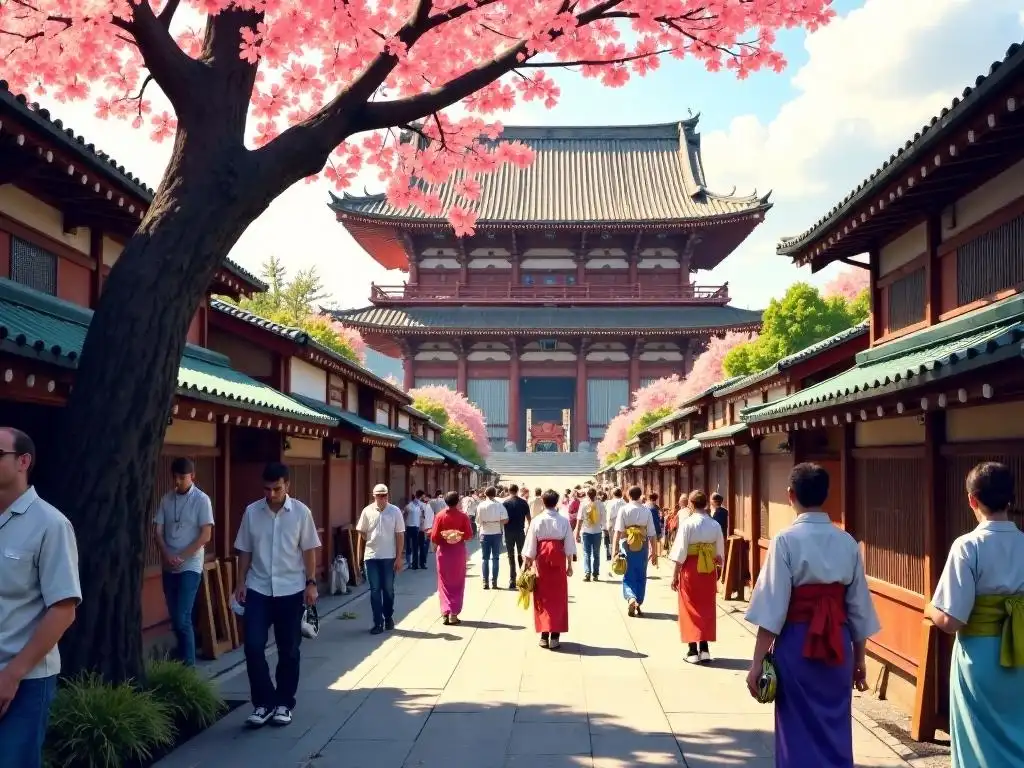
Welcome to Feudal Japan History, where the rich tapestry of Japan’s feudal era unfolds before you. Dive into our latest article, “The Cultural Exchange Through Trade: Artifacts that Tell a Story,” and discover how the intricate web of trade during this period shaped not only the economy but also the cultural landscape of Japan. From art to philosophy, the artifacts reveal tales of connection and transformation that are both captivating and enlightening. Join us as we unravel the threads of history and explore the profound impact of cultural exchange in feudal Japan—your journey into the past begins here!
Introduction to Cultural Exchange in Feudal Japan
The concept of cultural exchange in feudal Japan is a fascinating lens through which we can explore the intricate tapestry of historical interactions that shaped the nation. During the feudal era, spanning from the 12th to the 19th century, Japan was marked by a unique blend of isolationism and openness that allowed for a remarkable exchange of ideas, beliefs, and artifacts. This period witnessed the flourishing of trade, not only with neighboring countries like China and Korea but also with distant lands such as Portugal and the Netherlands.
Artifacts from this time serve as tangible evidence of these exchanges, revealing stories of adaptation, influence, and transformation that contributed to the rich cultural landscape of Japan. This article will delve into the nuances of how trade facilitated cultural interactions and the significance of key trade routes in shaping the identity of feudal Japan.
Overview of Feudal Japan's Trade Dynamics
During the feudal period, Japan's economy was primarily agrarian, with rice serving as the central commodity. However, trade played a crucial role in the development of urban centers and the distribution of goods. The Tokugawa shogunate, which ruled from 1603 to 1868, established a relatively stable political environment that fostered internal trade and foreign commerce. Notably, the Sakoku policy, which aimed to restrict foreign influence, paradoxically opened certain avenues for cultural exchange through regulated trade with the Dutch and Chinese at Nagasaki.
- Key Characteristics of Trade in Feudal Japan:
- Internal Trade: Flourished due to the network of roads and the development of merchant classes.
- Foreign Trade: Limited but significant, particularly with the Dutch and Chinese.
- Goods Traded: Included textiles, ceramics, and precious metals.
The interactions between traders, both domestic and foreign, created a melting pot of cultures that enriched Japanese society, influencing everything from art to religion.
Importance of Cultural Exchange in Historical Context
Understanding the importance of cultural exchange during this period is essential for grasping the broader historical narratives that define Japan. The arrival of foreign goods and ideas not only introduced new technologies and artistic styles but also spurred the evolution of existing Japanese customs. The adoption of tea culture from China and the introduction of Western painting techniques are just a few examples of how cultural exchange transformed Japan.
- Impact of Cultural Exchange:
- Artistic Innovations: The blending of styles led to unique art forms, such as Ukiyo-e woodblock prints.
- Religious Influences: The introduction of Christianity and its subsequent adaptation into Japanese spirituality.
- Technological Advancements: The importation of firearms and shipbuilding techniques that altered military strategies.
This rich exchange not only enhanced Japan's cultural landscape but also laid the groundwork for its eventual modernization in the late 19th century.
The Role of Trade in Cultural Exchange
How Trade Facilitated Cultural Interactions
Trade was a pivotal mechanism for cultural exchange in feudal Japan, serving as a conduit for the flow of ideas, practices, and artistic expressions. The movement of merchants, artisans, and diplomats across borders facilitated a dynamic interchange that went beyond mere economic transactions.
- Mechanisms of Cultural Interaction:
- Merchants as Cultural Ambassadors: Traders often shared stories, traditions, and knowledge from their homeland, influencing local customs.
- Artisan Exchanges: Craftsmen would adopt and adapt techniques from foreign influences, leading to hybrid styles in pottery, textiles, and metalwork.
- Celebration of Festivals: Trade fairs and markets became venues for cultural celebrations, integrating diverse traditions.
This vibrant exchange not only enriched local cultures but also fostered a sense of curiosity and openness to the world beyond Japan's shores.
Key Trade Routes in Feudal Japan
The geographical layout of Japan and its relationships with neighboring regions allowed for the establishment of crucial trade routes that facilitated cultural exchanges.
- Major Trade Routes:
- Tokaido Road: Connecting Edo (Tokyo) to Kyoto, this route was vital for the movement of goods and ideas between the capital and the cultural heart of Japan.
- Nagasaki: The main port for foreign trade, where Dutch and Chinese merchants introduced a wealth of foreign goods and knowledge.
- Silk Road Connections: Though indirectly, the Silk Road facilitated the exchange of silk and other luxury items, influencing Japanese fashion and craft.
The significance of these trade routes cannot be overstated, as they served not only as arteries for commerce but also as pathways for cultural dialogue that shaped the evolution of feudal Japanese society.
Artifacts as Symbols of Cultural Exchange
Artifacts serve as tangible representations of cultural exchange, acting as bridges between different societies and eras. In the context of feudal Japan, these items reflect the interactions, trade relationships, and mutual influences among various cultures. Through the examination of artifacts, we can gain insights into the complexities of these exchanges, revealing how goods were not merely traded but also how they carried with them ideas, traditions, and practices that shaped Japanese society.
The significance of artifacts extends beyond their physical form; they encapsulate the narratives of the people who created and utilized them. Each artifact tells a story of the cultural, economic, and social dynamics of its time, allowing historians and enthusiasts alike to piece together the intricate web of influences that characterized feudal Japan.
Definition and Significance of Artifacts
Artifacts are defined as objects created or used by humans, which hold historical, cultural, or social significance. Within the realm of cultural exchange in feudal Japan, artifacts represent more than just material possessions; they symbolize the interactions between Japan and other cultures, particularly through trade routes that connected the Japanese archipelago with the continent and beyond.
The significance of these artifacts lies in their ability to encapsulate the synthesis of ideas, aesthetics, and technologies. For instance, the introduction of foreign materials and techniques influenced Japanese artisans, leading to the development of unique styles that blended indigenous and foreign elements. This cultural convergence not only enriched the artistic landscape of Japan but also fostered a sense of identity and continuity within its society.
Types of Artifacts Reflecting Cultural Exchange
A variety of artifacts reflect the cultural exchange that occurred during Japan's feudal era. These can be categorized into several types:
- Ceramics: Items such as porcelain and stoneware, often imported from China, significantly influenced Japanese pottery styles and techniques.
- Textiles: Silk and other fabrics, which were traded extensively, played a crucial role in shaping fashion and textile production in Japan.
- Tools and Weapons: The introduction of foreign tools and weaponry, including swords and agricultural implements, transformed various aspects of Japanese life.
- Artworks: Paintings and prints that incorporated foreign themes or techniques provide insight into the cultural dialogue between Japan and other nations.
- Religious Artifacts: Items such as Buddhist sculptures and religious texts showcase the exchange of spiritual beliefs and practices.
These artifacts serve to illustrate the dynamic nature of cultural interactions and the ways in which trade facilitated the movement of ideas across borders.
Case Studies of Notable Artifacts
To better understand the impact of cultural exchange through trade, we can examine specific artifacts that highlight these interactions and their significance in feudal Japan.
The Influence of Chinese Ceramics on Japanese Culture
Chinese ceramics profoundly influenced Japanese pottery techniques and styles. The introduction of blue-and-white porcelain in the late 16th century, for instance, inspired Japanese artisans to experiment with new forms and glazes. This led to the emergence of distinct styles such as Imari and Arita, which blended Chinese aesthetics with Japanese sensibilities.
The high demand for Chinese ceramics in Japan also resulted in the development of local kilns that replicated and adapted these foreign designs. As a consequence, these ceramics became emblematic of cultural exchange, showcasing how foreign influences were synthesized into a uniquely Japanese expression. The ongoing appreciation for these works of art continues to resonate in contemporary Japanese culture, emphasizing the lasting legacy of this exchange.
The Role of Silk Trade in Cultural Exchange
The silk trade was a significant driver of cultural exchange during feudal Japan, with silk being one of the most coveted commodities. The influx of silk from China and later from Korea and Southeast Asia not only influenced fashion but also facilitated the exchange of ideas regarding textile production and dyeing techniques.
Japanese merchants engaged in the silk trade developed close ties with their foreign counterparts, leading to the sharing of cultural practices and artistic inspiration. The luxurious silk garments that emerged during this period became symbols of status and sophistication in Japanese society, influencing local customs and aesthetics.
Moreover, silk's role in cultural exchange extended beyond mere commerce; it fostered relationships among various cultures, creating a network of trade that allowed for the intertwining of art, fashion, and social practices. The legacy of the silk trade can still be seen today in Japan's textile industry, which continues to thrive on the traditions established during the feudal era.
The Impact of Cultural Exchange on Japanese Society
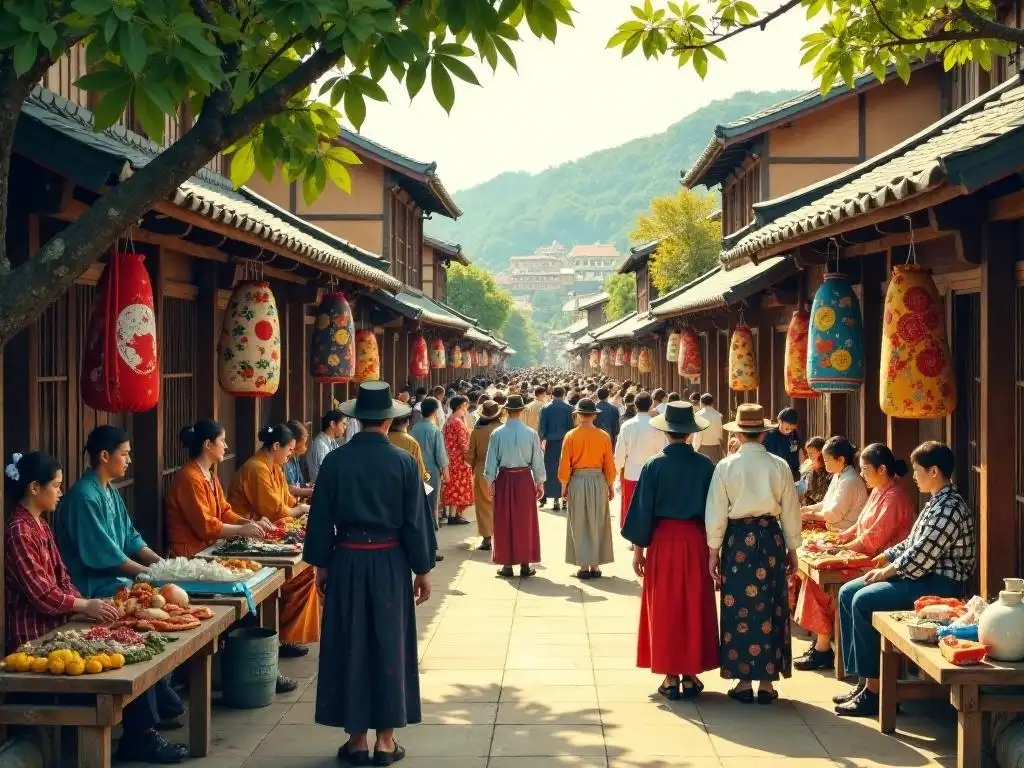
Cultural exchange during the feudal era of Japan significantly influenced the nation’s societal structure, beliefs, and artistic expressions. The influx of foreign ideas, goods, and technologies reshaped the traditional Japanese way of life, fostering a blend of indigenous and foreign elements. This interaction not only enriched Japanese culture but also laid the groundwork for future developments in various domains, including art, religion, and social organization.
The arrival of foreign merchants and diplomats introduced new philosophies and aesthetic ideals, which were often adapted and integrated into existing Japanese practices. The impact of these exchanges was profound, as they encouraged a more cosmopolitan worldview among the Japanese elite and common people alike. As trade routes expanded, so did the variety of goods available, leading to an increased appreciation for diversity and innovation within Japanese society.
Changes in Art and Aesthetics
The artistic landscape of feudal Japan underwent significant transformations due to cultural exchanges with neighboring countries, particularly China and Korea. These interactions introduced new artistic techniques, styles, and materials that were previously unknown. For example, the use of vibrant colors and intricate patterns in textiles, ceramics, and paintings began to reflect a synthesis of foreign influences and traditional Japanese aesthetics.
One notable outcome was the emergence of new art forms such as ukiyo-e, which blended traditional Japanese themes with influences from Chinese landscape painting. The incorporation of foreign motifs and techniques encouraged Japanese artists to experiment and expand their creative boundaries. This period saw the creation of stunning artifacts that tell stories of cultural melding, showcasing the beauty of diversity in artistic expression.
In addition to visual arts, literature experienced a renaissance as foreign ideas permeated Japanese storytelling. The introduction of narrative techniques and thematic elements from foreign texts enriched the Japanese literary tradition, leading to the creation of works that resonated with broader human experiences.
Evolution of Trade Practices and Customs
The evolution of trade practices in feudal Japan was marked by the interplay between domestic traditions and foreign influences. As trade routes expanded and foreign merchants began to engage more with Japanese markets, new customs and practices emerged that transformed the way commerce was conducted.
The introduction of foreign currencies and trade goods necessitated the development of more sophisticated commercial practices. Japanese merchants began to adopt and adapt various negotiation techniques and trading strategies gleaned from their interactions with foreign traders. This evolution fostered a more dynamic economy, allowing for the establishment of trade networks that connected Japan with Asia and beyond.
Additionally, the integration of foreign goods into everyday life changed consumption patterns among the Japanese populace. Items such as silk, spices, and ceramics became highly sought after, leading to a shift in societal values that emphasized luxury and status. This growing interest in foreign products not only enhanced the material culture of Japan but also shaped social hierarchies based on access to these goods.
The Influence of Foreign Ideas and Technologies
The arrival of foreign ideas and technologies during the feudal era had a lasting impact on Japanese society. Key technological advancements, particularly in agriculture and warfare, were integrated into Japanese practices, enhancing productivity and military capabilities. For instance, the introduction of new farming techniques and irrigation methods led to increased agricultural output, supporting population growth and urbanization.
Moreover, foreign military technologies, such as firearms from Portugal in the 16th century, revolutionized warfare in Japan. The adoption of gunpowder weaponry changed the dynamics of conflict and power, leading to significant shifts in political structures and the rise of new feudal lords.
The influence of philosophical ideas, particularly those stemming from Confucianism and Buddhism, also reshaped Japanese thought and governance. These ideologies provided frameworks for social order, ethics, and governance that became deeply embedded in Japanese culture. The integration of such foreign ideas encouraged a more structured and hierarchical society, impacting everything from education to family dynamics.
Challenges and Controversies in Cultural Exchange
While cultural exchange brought numerous benefits to feudal Japan, it also presented challenges and controversies that could not be overlooked. Misunderstandings between cultures often led to tensions, while conflicts arising from trade relations sometimes resulted in violence and distrust.
Misunderstandings and Cultural Appropriation
Misunderstandings between Japanese and foreign traders frequently arose due to differing cultural norms and values. Such misunderstandings could lead to mistrust, with foreign merchants sometimes feeling exploited or disrespected by Japanese counterparts, and vice versa. The nuances of negotiation styles, gift-giving practices, and social etiquette were often lost in translation, resulting in friction that could hinder trade relations.
Cultural appropriation also became a point of contention as foreign ideas and artifacts were adopted into Japanese culture. While borrowing and adapting foreign influences is a natural part of cultural evolution, certain instances led to debates about ownership and authenticity. Japanese artisans sometimes faced criticism for imitating foreign styles without proper acknowledgment, raising questions about the ethics of cultural exchange.
Conflicts Arising from Trade Relations
The expansion of trade routes and the influx of foreign merchants did not come without conflict. Competition for resources and market dominance often led to skirmishes between Japanese feudal lords and foreign traders. Moreover, the rise of powerful trading companies, such as the Dutch East India Company, sometimes resulted in exploitative practices that prioritized profit over equitable trade relations.
These conflicts were exacerbated by the political landscape of feudal Japan, where power struggles among rival lords could spill over into trade disputes. The need for control over lucrative trade routes and access to valuable resources led to confrontations that threatened both local and foreign interests.
The cultural exchange during feudal Japan was a complex tapestry of influences that reshaped Japanese society in profound ways. While it brought about artistic and technological advancements, it also posed challenges that necessitated careful navigation. Understanding these dynamics is crucial to appreciate the rich history of cultural exchange in feudal Japan.
Conclusion: The Lasting Legacy of Cultural Exchange in Feudal Japan
The cultural exchange that occurred during the feudal era of Japan profoundly shaped the nation’s identity and continues to influence its modern culture. This period was marked by vibrant trade relationships with neighboring countries, particularly China and Korea, which introduced a myriad of ideas, artistic styles, and technologies. The artifacts that emerged from this exchange serve as tangible reminders of how interconnectedness can foster cultural evolution.
Feudal Japan’s unique blend of indigenous traditions and foreign influences resulted in a rich tapestry of cultural heritage that is still visible today. For instance, the adoption of Chinese calligraphy and Buddhist practices not only modified the spiritual landscape of Japan but also enhanced its artistic expressions. This synthesis of ideas led to the development of distinctive Japanese art forms, such as ukiyo-e, which reflect both local themes and international influences.
In recognizing the lasting legacy of this cultural exchange, it becomes clear that the impact of trade extended beyond mere economic transactions; it was instrumental in shaping Japan's societal norms, artistic endeavors, and even philosophical thought. The artifacts left behind, from ceramics to textiles, tell a story of a nation that was not isolated but rather engaged in a dynamic dialogue with the world.
Summarizing the Impact of Trade on Japan's Cultural Identity
Trade in feudal Japan was pivotal in forging the nation’s cultural identity. The influx of goods, ideas, and artistic techniques from abroad enriched local customs and practices, allowing Japan to develop a unique cultural landscape that was both traditional and innovative. Key impacts include:
- Artistic Development: The arrival of Chinese ink painting and ceramics inspired Japanese artists, leading to the creation of new styles that blended local aesthetics with foreign techniques. For example, the introduction of blue-and-white porcelain influenced the production of Japanese ceramics, resulting in distinctive styles such as Imari ware.
- Religious Exchange: The trade routes facilitated the spread of Buddhism from China and Korea, which integrated with Shinto beliefs to create a unique spiritual framework. This melding of religions not only influenced art and architecture but also shaped societal values and practices.
- Language and Literature: The interaction with Chinese culture also led to significant developments in the Japanese language and literature. The adoption of kanji (Chinese characters) enriched the lexicon and allowed for new literary forms to emerge, influencing poetry and storytelling traditions.
- Culinary Influences: Trade brought diverse ingredients and culinary techniques to Japan, which transformed its cuisine. The introduction of soy sauce and noodles, for instance, became integral to Japanese culinary identity.
These elements illustrate how trade was more than an economic activity; it was a catalyst for cultural transformation that helped define Japan's unique identity.
Future Implications for Understanding Cultural Exchange Today
The legacy of cultural exchange during feudal Japan holds significant implications for contemporary society. As globalization continues to shape our world, understanding the historical precedents of cultural exchange can provide valuable insights into current dynamics. Key implications include:
- Appreciation of Diversity: The blend of cultures in feudal Japan underscores the importance of embracing diversity and the benefits of intercultural dialogue. In modern contexts, this understanding fosters greater appreciation for multiculturalism and collaboration.
- Lessons in Adaptability: Japan's ability to integrate foreign influences while retaining core cultural elements offers a model for adaptability. Today, societies facing globalization can learn from this historical adaptability, finding ways to incorporate new ideas while preserving traditions.
- Cultural Preservation: Awareness of the historical significance of cultural exchanges encourages ongoing efforts to preserve traditional arts and practices. As cultures continue to evolve, recognizing the value of heritage can guide future generations in maintaining their unique identities.
- Global Connections: The historical context of trade in feudal Japan highlights the interconnectedness of cultures. This serves as a reminder that today's global economy is also a platform for cultural exchange, emphasizing the need to foster respectful and enriching interactions among diverse cultures.
The cultural exchange in feudal Japan is not only a fascinating historical topic but also a relevant framework for understanding the complexities of cultural interactions in our present world. By studying this era, we gain insights into how trade and cultural exchange can lead to profound societal transformation, shaping identities that endure through time.
- Introduction to Cultural Exchange in Feudal Japan
- The Role of Trade in Cultural Exchange
- Artifacts as Symbols of Cultural Exchange
- Case Studies of Notable Artifacts
- The Impact of Cultural Exchange on Japanese Society
- Challenges and Controversies in Cultural Exchange
- Conclusion: The Lasting Legacy of Cultural Exchange in Feudal Japan
- What is the significance of cultural exchange in feudal Japan?
- How did trade contribute to cultural exchange in feudal Japan?
- What types of artifacts highlight cultural exchange in this period?
- Who were the key players in facilitating cultural exchange during feudal Japan?
- How did cultural exchange impact the arts in feudal Japan?
Frequently Asked Questions
What is the significance of cultural exchange in feudal Japan?
Cultural exchange during feudal Japan played a vital role in shaping society and the arts. It facilitated the introduction of foreign ideas, technologies, and artistic styles that enriched Japanese culture.
How did trade contribute to cultural exchange in feudal Japan?
Trade routes established with neighboring countries allowed for the exchange of goods, ideas, and customs. This interaction led to the incorporation of foreign elements into Japanese art and daily life.
What types of artifacts highlight cultural exchange in this period?
Artifacts such as ceramics, textiles, and tools provide tangible evidence of cultural interactions. These items often display a blend of Japanese and foreign artistic techniques and designs.
Who were the key players in facilitating cultural exchange during feudal Japan?
Merchants, diplomats, and missionaries acted as primary facilitators of cultural exchange. Their travels and interactions allowed for the cross-pollination of ideas and traditions across borders.
How did cultural exchange impact the arts in feudal Japan?
The influence of cultural exchange led to significant developments in Japanese art, including the adoption of new themes, materials, and techniques. This resulted in a dynamic artistic landscape that reflected both local and foreign inspirations.
Final Reflection: The Enduring Legacy of Cultural Exchange in Feudal Japan
Cultural exchange in feudal Japan remains a vital lens through which we can understand the intricate tapestry of human interaction and shared heritage. Today, as globalization connects us more than ever, the lessons from Japan's past resonate profoundly. The artifacts that emerged from this era not only tell stories of trade and commerce but also reflect the rich interplay of ideas, beliefs, and artistic expressions that shaped societies. In a world increasingly defined by cultural intermingling, the importance of understanding these exchanges cannot be overstated.
The influence of cultural exchange in feudal Japan extends far beyond its historical context, continuing to shape our contemporary cultural and social landscapes. As we navigate our own diverse societies, the stories of these artifacts remind us of the beauty found in collaboration and mutual respect. The words of the renowned historian Edward Said encapsulate this sentiment: The world is a tapestry of cultures, each thread contributing to the richness of the whole.
This perspective encourages us to appreciate the shared narratives that emerge from our interactions, fostering a sense of unity amidst diversity.
As we reflect on the significance of cultural exchange, let us embrace the lessons of the past and apply them to our lives today. Consider how you can engage with different cultures in your community, whether through art, cuisine, or dialogue. By actively participating in cultural exchange, you not only enrich your own experience but also contribute to a more harmonious and interconnected world. Take a moment to reflect on the stories that artifacts tell and how you can become a storyteller in your own right, weaving new threads into the ever-evolving tapestry of human culture.
Unveil the Rich Tapestry of Cultural Exchange!
Thank you for diving into the fascinating world of artifacts that illuminate cultural exchange through trade! Your curiosity has uncovered the stories that connect us across time and space. Now, it’s time to take action and deepen your understanding of our shared history.
Here are some exciting ways to expand your journey:
- Explore a local museum that features artifacts from various cultures and take notes on how they convey their unique stories.
- Join a discussion group focused on historical artifacts and their significance in cultural exchanges—share your insights and learn from others!
- Consider creating a digital scrapbook of your favorite artifacts and their cultural impacts, and share it on social media to inspire others.
Which artifact has sparked your curiosity the most, and how do you think it has influenced cultural connections today?