
Culinary Myths: Debunking Misconceptions About Feudal Japanese Food

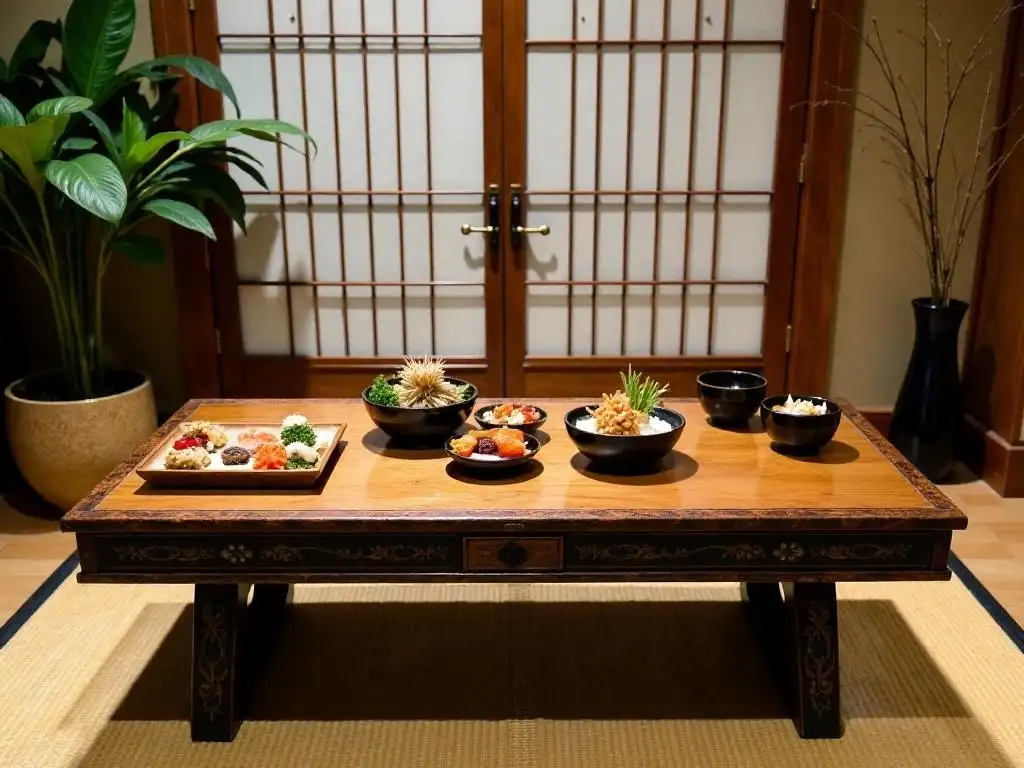
Welcome to Feudal Japan History, where we delve deep into the captivating tapestry of Japan’s feudal era! In our latest article, “Culinary Myths: Debunking Misconceptions About Feudal Japanese Food,” we challenge the common misunderstandings surrounding the rich and diverse culinary practices of this fascinating period. Prepare to uncover the truth behind the meals that once graced the tables of samurai and peasants alike, and discover how these historical dishes shaped the culture and society of feudal Japan. Join us on this flavorful journey that promises to tantalize your curiosity and enrich your understanding of Japan's past!
Introduction to Feudal Japanese Culinary Misconceptions
Feudal Japan, a period that spanned several centuries, is often romanticized in popular culture, leading to a myriad of misconceptions about its culinary practices. Understanding the nuances of feudal Japanese food is essential for appreciating how the historical, cultural, and societal contexts shaped the diets of its people. This article aims to unravel the complexities of these culinary myths and provide a clearer perspective on what constituted food in this era. By exploring common misconceptions, we can gain insight into the daily lives of feudal Japanese society and the significance of food in shaping their identities.
Understanding the Importance of Food in Feudal Japan
Food in feudal Japan was not merely a means of sustenance; it played a pivotal role in the social structure and cultural practices of the time. The availability of ingredients varied significantly depending on social class, geographical location, and seasonal changes.
- Social Hierarchy: The samurai class had access to a wider variety of foods, while peasants primarily consumed what they could grow. This disparity influenced the culinary landscape profoundly.
- Cultural Significance: Food was often tied to rituals and celebrations, reflecting the spiritual beliefs of the people. Meals were an integral part of festivals, religious observances, and family gatherings.
Understanding these dynamics helps debunk myths that oversimplify the diverse culinary traditions of feudal Japan.
The Role of Food in Feudal Japanese Society and Culture
The societal structure of feudal Japan was intricately woven with food practices, which varied greatly between classes. The samurai, for instance, were known for their disciplined lifestyle, which extended to their eating habits. Conversely, the commoners relied heavily on seasonal produce and local ingredients, emphasizing the importance of regional cuisine.
- Culinary Practices: Cooking methods ranged from simple boiling and grilling to more complex preparations involving fermentation and preservation.
- Symbolism: Certain foods carried symbolic meanings, such as rice, which was considered sacred and often used in religious offerings.
These cultural aspects are essential to understanding why many common beliefs about feudal Japanese food are inaccurate or overly generalized.
Common Feudal Japanese Culinary Myths
Myth 1: Sushi Was a Staple in Feudal Japan
While sushi is now a globally recognized symbol of Japanese cuisine, it was not a staple food during the feudal era. The origins of sushi date back to a method of preserving fish in fermented rice, which was quite different from the sushi we know today. The popularity of nigiri sushi, for instance, only emerged in the Edo period, long after the feudal era.
Myth 2: All Samurai Followed a Strict Diet
Another common misconception is that samurai adhered to a rigid dietary regimen. In reality, samurai diets varied widely based on personal preference, economic status, and regional availability of foods. While some may have followed specific dietary guidelines for health or discipline, many enjoyed a diverse array of foods, including vegetables, fish, and even sweets.
Myth 3: Japanese Cuisine Was Primarily Vegetarian
The notion that feudal Japanese cuisine was predominantly vegetarian fails to acknowledge the significant role of fish and meat in the diet. While Buddhism influenced some dietary practices, many Japanese people consumed fish, poultry, and game, particularly in coastal regions and among the samurai class.
Myth 4: Rice Was the Only Grain Consumed
Though rice was indeed a staple in feudal Japan, it was not the sole grain in the diet. Barley, millet, and even wheat were cultivated and consumed, especially by the lower classes who could not afford rice. These grains contributed to a more varied diet than commonly assumed.
Myth 5: All Meals Were Elaborate and Formal
The idea that every meal in feudal Japan was an elaborate affair is a misconception. While the upper classes enjoyed formal dining experiences, many meals were simple and practical, focused on nourishing the body rather than on presentation. Commoners often ate quick, straightforward meals that reflected their daily labor and available resources.
By addressing these myths, we can foster a more accurate understanding of feudal Japanese culinary practices, celebrating the rich tapestry of food that characterized this fascinating era.
Historical Context of Feudal Japanese Cuisine
Feudal Japan, spanning from the 12th to the 19th century, was a complex society where food played a pivotal role in daily life, social hierarchy, and cultural practices. The period was marked by the rise of the samurai, who governed the land through a system of feudalism, influencing not only the political landscape but also the culinary traditions. The cuisine of this era was characterized by simplicity and resourcefulness, shaped by the socio-economic conditions and the agricultural practices of the time.
Rice emerged as the staple food, symbolizing wealth and status, while other grains, vegetables, and fish were integral to the diet. The cultural significance of food is evident in the rituals and ceremonies associated with meals, reflecting the spiritual and social values of feudal Japan. The culinary practices were not only a means of sustenance but also a way to express identity, honor, and tradition.
The Evolution of Food Practices During the Feudal Era
Throughout the feudal era, food practices evolved significantly due to various factors, including agricultural advancements, social stratification, and the influence of Buddhist dietary restrictions. Initially, the samurai class and nobility had access to a diverse range of foods, including wild game and delicacies that were unavailable to the lower classes. As the era progressed, rice cultivation improved, leading to increased production and accessibility of rice for the common populace.
By the late feudal period, the introduction of new cooking techniques and preservation methods, such as pickling and fermenting, became prevalent. These practices were often dictated by social status, with the elite enjoying elaborate multi-course meals, while the lower classes relied on simpler, more practical dishes. The transformation of food practices reflects a broader narrative of societal change, where culinary traditions adapted to the demands of an evolving culture.
Influence of Geography on Feudal Japanese Food
Geography played a crucial role in shaping the culinary landscape of feudal Japan. The country's diverse topography, which includes mountains, rivers, and coastlines, contributed to a wide variety of local ingredients. Different regions specialized in specific agricultural products, leading to distinct culinary traditions. For instance, coastal areas thrived on seafood, while mountainous regions cultivated grains and root vegetables.
Seasonal variations further influenced food availability and preparation methods. The Japanese concept of "shun" emphasizes the importance of consuming ingredients at their peak freshness, promoting a diet rich in seasonal produce. This geographical and seasonal diversity not only enriched the diet of feudal Japanese people but also fostered a deep connection to the land and its resources.
The Impact of Trade and Foreign Influence on Culinary Practices
Trade and foreign influence were significant factors in the development of feudal Japanese cuisine. The arrival of European traders in the 16th century introduced new ingredients and cooking methods. For example, the introduction of Western foods like bread, sugar, and dairy products began to alter traditional diets, inspiring a fusion of flavors and techniques.
Furthermore, the Portuguese were instrumental in introducing methods of preservation, such as frying and the use of spices, which complemented existing culinary practices. The adoption of new foods was not without resistance, especially from the ruling classes, who viewed foreign influences with suspicion. However, over time, the integration of these elements enriched Japanese cuisine, leading to a more diverse culinary heritage.
Debunking the Myths: Reality of Feudal Japanese Food
Despite the romanticized perceptions of feudal Japanese cuisine, many misconceptions cloud the understanding of its true nature. Common myths suggest that feudal Japan's diet was monotonous or consisted solely of rice and fish. In reality, the culinary landscape was much more dynamic and varied, reflecting the complexities of the society at the time.
The Varied Diets of Different Classes in Feudal Japan
One of the most significant misconceptions is that all classes in feudal Japan shared a similar diet. In fact, the diet varied widely between social classes. The samurai and noble classes enjoyed a rich and diverse menu, including luxurious items such as game meat, seasonal vegetables, and elaborate presentations. On the other hand, the peasant classes primarily relied on rice, millet, and seasonal vegetables, often supplemented with foraged foods.
The disparity in diets illustrates the broader social hierarchy of feudal Japan, where food was both a privilege and a marker of status. The meals of the elite were often extravagant, featuring multiple courses, while the common folk's meals were simpler and focused on sustenance.
Seasonal Ingredients and Regional Variations in Cuisine
Another myth is the belief that feudal Japanese food lacked variety. Contrary to this notion, regional variations and seasonal ingredients played a critical role in shaping the cuisine. Each region had its specialties based on local agriculture and climate. For instance, the fertile plains of Kanto produced an abundance of rice, while the mountainous regions were known for their root vegetables and wild game.
Moreover, the Japanese culinary philosophy emphasizes the use of seasonal ingredients, leading to a dynamic and changing diet throughout the year. This concept of eating according to the seasons, known as "shun," means that the cuisine was rich in flavors and textures, adapting to the availability of fresh produce.
The Significance of Fermented Foods in Feudal Japan
Fermented foods are often overlooked in discussions of feudal Japanese cuisine, despite their critical importance. Items such as miso, soy sauce, and pickled vegetables were staples in the diet and played a vital role in food preservation. Fermentation not only extended the shelf life of perishable items but also added depth and complexity to flavors.
The process of fermentation was deeply rooted in Japanese culture, often linked to traditional practices and seasonal rituals. These foods were not merely functional; they were integral to the culinary identity of feudal Japan, enhancing dishes and providing essential nutrients during times of scarcity. The significance of fermented foods illustrates a sophisticated understanding of food science and culinary artistry that contradicts the notion of a simplistic diet.
The Cultural Significance of Food in Feudal Japan
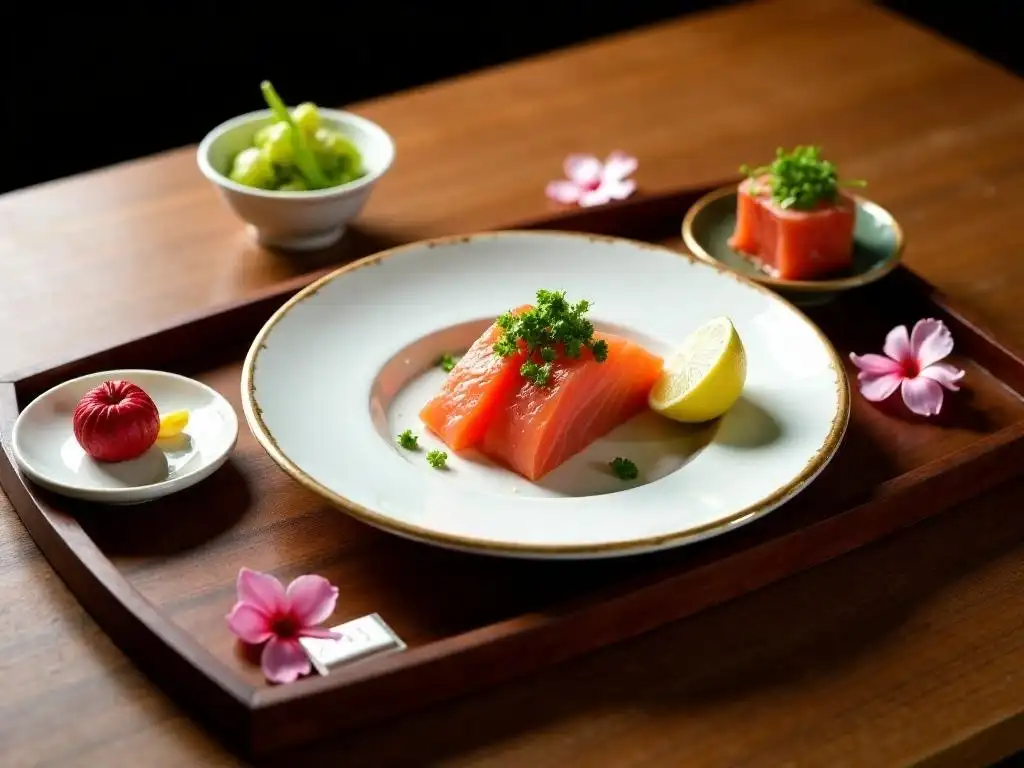
Food in feudal Japan was far more than mere sustenance; it was a profound expression of culture, tradition, and identity. The preparation and consumption of food were intricately tied to various aspects of daily life, reflecting the beliefs, rituals, and societal norms of the time. Meals were often communal events, emphasizing the importance of family and social bonds. Furthermore, the types of food consumed were closely linked to seasonal changes and agricultural practices, underscoring the relationship between nature and culture.
In feudal Japan, food was also a medium through which social hierarchies were expressed. Different classes had access to varying ingredients and culinary techniques, which not only dictated their diets but also their social standings. For instance, the samurai class enjoyed elaborate meals that showcased their wealth, while lower classes subsisted on simpler fare. Thus, food became a powerful symbol of status and identity.
Rituals and Ceremonies Involving Food
Rituals and ceremonies played a pivotal role in feudal Japanese society, with food at the center of many important traditions. For example, during festivals such as the New Year (Shōgatsu), specific dishes like osechi ryori were prepared to ensure prosperity and good fortune for the coming year. Each item in the osechi had symbolic meanings, contributing to the overall significance of the meal.
Moreover, tea ceremonies (chanoyu) were another key ritual where food, particularly sweets (wagashi), was served alongside tea. These ceremonies were not merely about drinking tea; they embodied principles of harmony, respect, purity, and tranquility, illustrating how food could serve a higher cultural purpose. Such rituals demonstrated the connection between food, spirituality, and community, establishing a framework for social interactions and cultural expression.
The Connection Between Food and Japanese Aesthetics
Japanese aesthetics are deeply rooted in the principles of simplicity, impermanence, and natural beauty, all of which are reflected in the culinary traditions of feudal Japan. The presentation of food was considered an art form, with careful attention paid to colors, textures, and arrangements. Dishes were often served in a way that harmonized with the seasons, using seasonal ingredients to create visually appealing meals that resonated with nature.
Furthermore, the concept of wabi-sabi—the appreciation of beauty in imperfection—was influential in the culinary arts. This philosophy encouraged the use of rustic, handmade pottery and natural materials in serving dishes, fostering an intimate connection between the food and its presentation. The aesthetics of feudal Japanese cuisine thus went beyond mere taste, encapsulating a holistic approach that celebrated the beauty of the food itself and its cultural context.
How Food Reflected Social Status and Identity
In feudal Japan, food was a significant indicator of social status and identity. The samurai class, for instance, had access to a variety of luxurious ingredients, including high-quality rice, fish, and seasonal vegetables, which were often prepared with advanced techniques. This culinary privilege was not merely for indulgence; it served as a reflection of their power and social standing.
Conversely, the lower classes had limited access to such resources, often relying on simpler foods such as millet, barley, and wild vegetables. This disparity in food choices not only shaped individual diets but also reinforced social structures. Moreover, regional variations in cuisine highlighted local identities and cultural heritage, with specific dishes and cooking methods becoming emblematic of particular areas. Thus, food served as both a mirror and a marker of the societal hierarchy in feudal Japan.
Conclusion: Understanding Feudal Japanese Culinary Heritage
Understanding feudal Japanese culinary heritage requires a nuanced appreciation of the cultural, social, and aesthetic dimensions that food embodied during that era. The significance of food in feudal Japan extends beyond mere ingredients and recipes; it encapsulates a rich tapestry of traditions, beliefs, and identities. By examining the rituals, aesthetics, and social implications of food, one can gain deeper insights into the values and experiences of the people who lived during this transformative period in Japanese history.
The Importance of Recognizing Culinary Misconceptions
Recognizing and debunking culinary misconceptions about feudal Japanese food is crucial for a more accurate understanding of this era. Many myths, such as the idea that feudal Japan primarily consisted of sushi or that rice was the only staple, oversimplify the rich diversity of the cuisine. By challenging these misconceptions, we can appreciate the true breadth of ingredients, techniques, and cultural significances that characterized feudal Japanese culinary practices.
Greater awareness of these culinary realities fosters a more profound respect for the heritage and traditions that have shaped contemporary Japanese cuisine. It encourages both scholars and food enthusiasts to explore the complexities of feudal Japan’s food culture, leading to a richer appreciation of its historical significance.
Celebrating the Diversity of Feudal Japanese Cuisine
Feudal Japanese cuisine was marked by remarkable diversity, shaped by regional ingredients, social classes, and cultural influences. From the elaborate banquets of the samurai to the humble meals of peasants, the spectrum of culinary practices illustrates the intricate relationship between food and society. Celebrating this diversity not only highlights the unique flavors and techniques but also acknowledges the historical context that crafted Japan’s culinary landscape.
In celebrating feudal Japanese cuisine, we also honor the contributions of various groups, from farmers to artisans, who played essential roles in the food system. This recognition fosters an appreciation for the collaborative nature of culinary traditions and encourages a continued exploration of Japan's rich gastronomic history, ensuring that the legacy of feudal Japanese food endures in contemporary culinary practices.
Further Reading on Feudal Japanese Food and Culture
For those interested in expanding their knowledge of feudal Japanese food and culture, a wealth of resources is available. These materials delve into the culinary practices, societal norms, and cultural influences that shaped the meals and dining customs of this remarkable period in history. Below is a curated list of recommended readings and resources that will provide deeper insights into the culinary landscape of feudal Japan.
Recommended Books and Resources on Japanese Culinary History
-
"Food Culture in Japan" by Eric C. Rath and Stephanie Assmann
This book offers a comprehensive overview of Japanese food culture, tracing its evolution from ancient times to the modern era. It examines the interplay between social structures and culinary practices, making it a valuable resource for understanding feudal Japan's culinary heritage.
-
"The Book of Sushi" by Kinryu Arimoto
A fascinating journey through the history of sushi, this book discusses its origins, including its development during the feudal era. It provides insights into the cultural significance of sushi and its transformation into a global phenomenon.
-
"Japanese Cooking: A Simple Art" by Shizuo Tsuji
This classic cookbook goes beyond recipes, exploring the philosophy and techniques behind Japanese cooking. It includes historical context, which helps readers appreciate the culinary traditions that began in feudal Japan.
-
"The Japanese Tea Ceremony: A Tradition of Harmony" by N. M. Yamada
This resource delves into the art of the Japanese tea ceremony, a practice that gained prominence during the feudal era. It explores the cultural significance of tea and its connection to Japanese culinary traditions.
-
"Japanese Culinary Arts: A Guide to Authentic Japanese Cuisine" by Takeaki K. Saito
This guide covers the fundamentals of Japanese cooking, including ingredients and techniques that have roots in feudal Japan. It provides both historical context and practical applications for modern cooking.
Exploring Modern Interpretations of Feudal Japanese Cuisine
Modern interpretations of feudal Japanese cuisine often blend traditional recipes with contemporary culinary techniques and ingredients. Chefs and food enthusiasts today are increasingly interested in reviving and reinterpreting historical dishes, creating a unique culinary fusion that pays homage to Japan's rich gastronomic heritage.
-
Farm-to-Table Philosophy
Many modern chefs embrace a farm-to-table approach, emphasizing locally sourced ingredients that reflect the seasonal practices of feudal Japan. This sustainable method not only honors traditional practices but also promotes environmental consciousness.
-
Reviving Ancient Techniques
Contemporary cooks are rediscovering ancient cooking methods such as fermentation, pickling, and smoking, which were prevalent during the feudal era. These techniques add depth and complexity to modern dishes, offering a taste of history on today's plates.
-
Fusion Cuisine
Some chefs are experimenting with fusion cuisine, incorporating elements from other culinary traditions while maintaining the essence of feudal Japanese flavors. This innovative approach invites diners to experience the elegance of feudal dishes through a modern lens.
-
Culinary Events and Workshops
Culinary schools and cultural organizations often host workshops focused on feudal Japanese cooking techniques. These events provide hands-on experiences that allow participants to learn about historical recipes and their preparation, fostering a deeper appreciation for Japan's culinary traditions.
By exploring these resources and modern interpretations, enthusiasts of feudal Japanese food can gain a broader understanding of its historical significance and contemporary relevance.
- Introduction to Feudal Japanese Culinary Misconceptions
- Common Feudal Japanese Culinary Myths
- Historical Context of Feudal Japanese Cuisine
- Debunking the Myths: Reality of Feudal Japanese Food
- The Cultural Significance of Food in Feudal Japan
- Conclusion: Understanding Feudal Japanese Culinary Heritage
- Further Reading on Feudal Japanese Food and Culture
Frequently Asked Questions
What are some common misconceptions about feudal Japanese cuisine?
Many people mistakenly believe that sushi was a staple food during the feudal era, while it actually gained popularity in later periods. Additionally, ramen is often thought to be traditional, but it was introduced from China after the feudal period.
In feudal Japan, the samurai class enjoyed a diet rich in rice and meat, while peasants primarily consumed vegetables and simpler grains. This disparity led to significant culinary differences based on social status.
Were there any cooking techniques unique to feudal Japan?
Yes, feudal Japanese cuisine featured unique techniques such as fermentation and pickling to preserve food. These methods were essential for enhancing flavors and ensuring food longevity in a time without modern refrigeration.
How did religion affect feudal Japanese food practices?
Buddhism played a significant role in shaping dietary customs, promoting vegetarianism among certain classes. This influenced the overall culinary landscape, leading to the creation of shojin ryori, or Buddhist vegetarian cuisine.
What role did seasonality play in feudal Japanese cooking?
Seasonality was critical in feudal Japanese cuisine, with dishes reflecting the availability of ingredients throughout the year. This emphasis on freshness and local produce continues to influence modern Japanese cooking today.
Final Reflection: Unveiling the Truth Behind Feudal Japanese Culinary Misconceptions
In a world increasingly driven by globalization and cultural exchange, understanding the roots of our culinary practices is more crucial than ever. The exploration of feudal Japanese culinary misconceptions not only sheds light on the rich tapestry of historical food practices but also challenges us to reconsider the narratives we accept about different cultures. As we navigate a landscape filled with misinformation, it becomes essential to separate fact from fiction, allowing us to appreciate the true essence of feudal Japanese cuisine.
Culinary traditions are not just about food; they are reflections of culture, history, and identity. The myths surrounding feudal Japanese food have shaped perceptions and influenced modern culinary practices, often overshadowing the authentic flavors and techniques that define this cuisine. As we debunk these misconceptions, we open the door to a deeper understanding of Japan's culinary heritage. Food is not just what we eat; it is a story we tell about ourselves.
This quote encapsulates the importance of recognizing and preserving the narratives behind our food, encouraging us to honor the past while embracing the future.
As you reflect on the insights gained from this exploration, I invite you to take a moment to consider how culinary myths may have influenced your own understanding of food. Challenge yourself to seek out the authentic experiences and stories behind the meals you enjoy. By doing so, you not only enrich your palate but also contribute to a more nuanced appreciation of the diverse culinary landscapes that shape our world. Let us move forward with curiosity and respect, ready to celebrate the true flavors of feudal Japan and beyond.
Unleash Your Culinary Curiosity!
Thank you for diving into the world of feudal Japanese cuisine with us! We hope this journey has opened your eyes to the rich history and fascinating mythology surrounding these culinary traditions. Now, it’s your turn to explore deeper and ignite your passion for feudal Japanese flavors!
Here are some deliciously specific actions you can take:
- Try your hand at preparing a traditional dish: Dive into a recipe inspired by feudal Japan, and experience the flavors firsthand. Start with something simple like miso soup or rice seasoned with yuzu!
- Share your experience: Document your culinary adventure on social media. Use the hashtag #FeudalJapanFlavors to connect with fellow enthusiasts and celebrate the beautiful history of Japanese cuisine.
- Join an online community or forum: Connect with other food lovers and historians who are passionate about exploring and sharing their knowledge of feudal Japan’s culinary delights.
What aspect of feudal Japanese cuisine surprised you the most, and how do you plan to share your newfound knowledge with others?