
Legal Frameworks of the Shogunate: How Laws Shaped Feudal Society

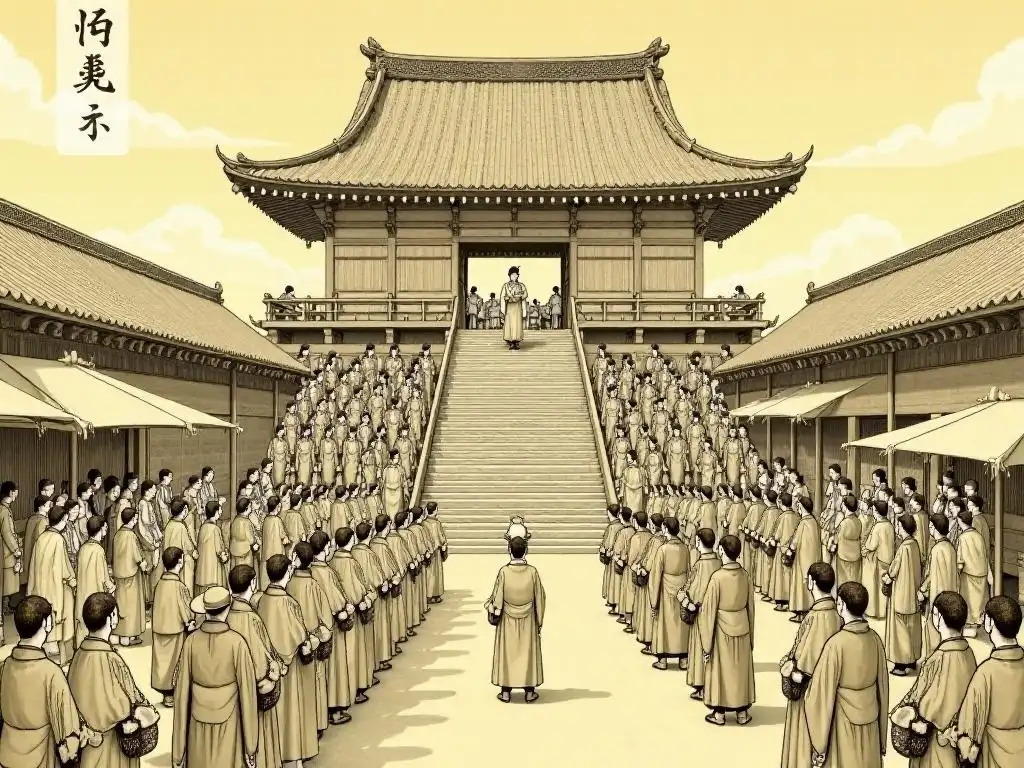
Welcome to Feudal Japan History, where we invite you to journey through the fascinating tapestry of Japan’s feudal era. In our featured article, "Legal Frameworks of the Shogunate: How Laws Shaped Feudal Society," we delve into the intricate shogunate legal system in Japan, uncovering how these laws not only governed but also sculpted the very fabric of society. Prepare to be intrigued as you explore the profound impact of legal frameworks on the cultural and political landscape of feudal Japan.
What secrets lie within the edicts of the shogunate? Join us as we unravel the past and discover the compelling narratives that shaped a nation.
- Introduction to the Shogunate Legal System in Japan
- Historical Context of the Shogunate Legal System
- Structure of the Shogunate Legal System
- Key Laws and Regulations of the Shogunate
- The Shogunate Legal System and Social Order
- Changes and Reforms in the Shogunate Legal System
- Conclusion: The Lasting Impact of the Shogunate Legal System in Japan
- References and Further Reading on Shogunate Legal Frameworks
- Frequently Asked Questions
- Final Reflection: The Enduring Legacy of the Shogunate Legal System in Japan
- Unveil the Power of Feudal Laws in Shogunate Society!
Introduction to the Shogunate Legal System in Japan
The Shogunate legal system in Japan was a complex and multifaceted framework that played a pivotal role in shaping feudal society and governance from the late 12th century until the mid-19th century. This system was not merely a set of laws; it was a manifestation of the socio-political structure of feudal Japan, reflecting the intricate relationships between the ruling shoguns, the samurai class, and the common people. As we delve into this topic, we will explore how these legal frameworks influenced various aspects of daily life, governance, and social hierarchy, providing a comprehensive understanding of the Shogunate's enduring legacy.
Overview of Feudal Japan and the Shogunate
Feudal Japan was characterized by a decentralized political structure where local lords, known as daimyōs, held power over their territories while acknowledging the authority of the shogun. The first shogunate, established by Minamoto no Yoritomo in 1192, laid the groundwork for a military government that prioritized order and stability amidst the chaos of civil wars and power struggles.
During this era, the shogunate became synonymous with military rule, and it was within this framework that legal systems began to take shape. Key features of the Shogunate included:
- The Role of the Samurai: The samurai were not only warriors but also enforcers of law and order, adhering to a strict code of conduct known as bushidō, which dictated their behavior and responsibilities.
- Land Ownership and Vassalage: The feudal system was heavily reliant on land ownership, where daimyōs granted land to samurai in exchange for loyalty and military service. This relationship was often formalized through legal contracts.
- Local Governance: While the shogun held supreme power, local governance was largely decentralized. Each daimyo exercised considerable autonomy, which resulted in varied interpretations and implementations of laws across regions.
This complex tapestry of relationships and governance not only defined the political landscape of feudal Japan but also laid the foundations for its unique legal system.
Importance of Legal Frameworks in Feudal Society
Legal frameworks during the Shogunate were crucial in maintaining order and establishing a sense of justice within a society marked by strict hierarchies and obligations. The laws were often influenced by Confucian principles, emphasizing moral conduct, loyalty, and social harmony. Key aspects of the legal frameworks included:
- Codification of Laws: The shogunate introduced various legal codes, such as the Goseibai Shikimoku in the late 17th century, which codified samurai conduct and addressed issues like inheritance, land disputes, and criminal offenses.
- Judicial Authority: Legal disputes were typically resolved through local magistrates, who acted as judges and had the authority to impose penalties and resolve conflicts. This localized system allowed for adaptability and responsiveness to community needs.
- Impact on Social Structure: The legal system reinforced social stratification, delineating the rights and responsibilities of different classes, including samurai, farmers, artisans, and merchants.
The Shogunate legal system was thus integral to maintaining the delicate balance of power and ensuring the stability of feudal society, leaving a lasting imprint on Japan's historical narrative.
Historical Context of the Shogunate Legal System

Emergence of the Shogunate in Japan
The Shogunate in Japan emerged during the late 12th century, marking a pivotal shift in the nation’s governance. The establishment of the Kamakura Shogunate in 1192 by Minamoto no Yoritomo signified the transition from a court-centered imperial rule to military governance. This new political structure was characterized by the consolidation of power in the hands of the shogun, who acted as the de facto ruler while the emperor remained a symbolic figurehead.
The rise of the samurai class played a crucial role in shaping the Shogunate legal system. Samurai warriors were not only warriors but also landowners and administrators, establishing a need for a legal framework that could regulate their conduct, land ownership, and feudal obligations. The feudal system that developed was deeply hierarchical, with the shogun at the top, followed by the daimyos (feudal lords), and then the samurai, each bound by a network of loyalty and obligation that was governed by specific laws and customs.
Key Historical Events Influencing Legal Structures
Several significant historical events influenced the development of the Shogunate legal system. One notable event was the Genpei War (1180-1185), a conflict between the Taira and Minamoto clans that ultimately led to the establishment of the Kamakura Shogunate. This war not only changed the political landscape but also introduced a new set of laws governing warfare, loyalty, and land distribution.
The Mongol invasions of Japan in the late 13th century further impacted the legal structures of the Shogunate. The shogunate's successful defense against the Mongols strengthened its legitimacy and allowed it to enact laws that emphasized the importance of military preparedness and collective defense. This period also saw the introduction of the "shiki," a tax system that formalized land revenue collection, establishing a legal basis for economic control within the feudal hierarchy.
Moreover, the Ashikaga Shogunate (1336-1573) introduced the "Muromachi period" legal reforms, refining the existing legal codes and integrating Confucian principles. This incorporation led to the development of a more complex legal system that included commercial regulations and civil law, reflecting the socio-economic changes of that era.
The transition from imperial rule to shogunate authority was gradual and marked by complex interactions between the emperor, nobility, and emerging warrior class. Initially, the emperor retained nominal control, but over time, the shogunate effectively usurped political power, particularly during the Kamakura and Muromachi periods.
The decline of the Heian court's influence, primarily due to internal strife and external pressures, paved the way for the shogunate's ascendance. As power shifted, the legal system adapted to reflect the needs of the new military rulers. The "gokenin," or vassals of the shogun, were granted land in return for military service, creating a need for laws that governed land tenure and loyalty.
The legal framework during the later years of the Muromachi period began to increasingly resemble a bureaucratic structure, with institutions that regulated both military and civil affairs. This transformation was crucial in establishing a legal system that would endure through the Edo period, characterized by strict social hierarchies and codified laws that governed all aspects of life within the shogunate's domain.
The Shogunate legal system in Japan was shaped profoundly by historical events and the evolution of power dynamics. The transition from imperial authority to a military-led governance structure resulted in a complex legal framework that governed feudal society, reflecting the intricate relationship between law, governance, and social order during Japan's feudal era.
Structure of the Shogunate Legal System

The Shogunate legal system in Japan was a complex structure that governed society during the feudal era. It was characterized by a hierarchy of power and responsibility, reflecting the political realities of a fragmented nation. The legal system was not just a means of maintaining order; it was intricately linked to the social stratification that defined feudal Japan.
The framework of the Shogunate legal system was primarily influenced by Confucian principles, which emphasized hierarchy, duty, and respect for authority. This philosophical underpinning manifested itself in various laws and regulations that governed the conduct of individuals at all levels of society, from the commoners to the ruling elite.
Overview of Legal Hierarchies in Feudal Japan
At the core of the Shogunate legal system was a well-defined hierarchy that dictated the distribution of power and responsibility among different classes. The structure can be summarized as follows:
- The Emperor: While largely a symbolic figure during the Shogunate era, the Emperor was still considered the source of all authority. Laws were often framed in the context of imperial edicts, even if the practical power resided with the Shogun.
- The Shogun: The Shogun held the most significant power in feudal Japan, acting as the de facto ruler. The Shogunate's legal system was heavily based on the Shogun's decrees, which were enforced throughout the realm. The Shogunate had the authority to create laws, administer justice, and oversee the military.
- Daimyo: As feudal lords, the Daimyo were granted land and power by the Shogun. They had their own legal systems and were responsible for enforcing laws within their domains. The relationship between the Shogun and the Daimyo was complex, often involving political maneuvering to maintain loyalty and control.
- Samurai: The Samurai class operated under a strict code of conduct known as Bushido, which governed their behavior and interactions. They were the enforcers of the law, serving as both military leaders and local magistrates. Their loyalty to the Daimyo and Shogun was paramount, and they often played a critical role in the administration of justice.
- Commoners: Below the Samurai were the common people, who were subject to the laws imposed by their Daimyo and the overarching authority of the Shogun. Commoners had limited legal rights and were often reliant on the discretion of the Samurai for justice.
This hierarchy was further complicated by the regional differences in law enforcement and customs, leading to a rich tapestry of legal practices across Japan.
Roles of Shogun, Daimyo, and Samurai in the Legal Framework
The Shogun, Daimyo, and Samurai each played critical roles in the enforcement and interpretation of the legal system in feudal Japan. Their responsibilities can be outlined as follows:
Shogun's Authority and Law Creation
- Decrees and Regulations: The Shogun had the authority to issue decrees that became law across the entire nation. These decrees addressed various aspects of governance, including taxation, military conscription, and land use.
- Judicial Oversight: The Shogun also had the power to intervene in major legal disputes, particularly those involving the Daimyo or high-ranking Samurai. This oversight ensured that the Shogunate’s interests were protected.
Daimyo's Local Jurisdiction
- Autonomy in Law Enforcement: Each Daimyo had the autonomy to establish their own laws within their territories. They appointed local officials to administer justice and manage governance, which allowed for a degree of legal pluralism.
- Feudal Contracts: Legal relationships between the Daimyo and their vassals were often formalized through contracts, which outlined obligations and rights. These agreements were crucial in maintaining loyalty and stability within their domains.
Samurai's Role in Justice
- Enforcement of Bushido: The Samurai were expected to uphold the principles of Bushido, which included loyalty, honor, and respect. Their adherence to this code influenced their decisions in legal matters and their role as judges.
- Local Magistrates: Many Samurai served as local magistrates, handling minor disputes and petty crimes within their communities. This role was essential in maintaining order and ensuring that the laws of the Daimyo were followed.
This collaborative yet hierarchical structure ensured that the legal system was enforced effectively while reflecting the social order of feudal Japan.
Local Governance and Law Enforcement Mechanisms
Local governance in the Shogunate legal system was characterized by a decentralized approach, wherein the Daimyo and Samurai had significant authority in their respective domains. This led to the establishment of various law enforcement mechanisms tailored to local needs.
Mechanisms of Local Governance
- Village Councils: Many villages operated under councils made up of local leaders who handled community issues, including minor legal disputes. These councils often had the authority to impose fines or community service.
- Land Surveys and Taxation: Periodic land surveys conducted by the Daimyo's officials ensured accurate taxation and resource management. These surveys were critical for maintaining the economic foundation of the feudal system.
Law Enforcement Practices
- Samurai Patrols: Samurai often patrolled their territories to enforce laws, prevent crime, and maintain order. Their presence was both a deterrent and a means of ensuring compliance with the legal system.
- Punishments and Retributions: The legal system included various punishments, ranging from fines and public shaming to more severe forms of punishment such as exile or execution. The severity of punishment often depended on the social status of the offender.
Conflict Resolution
- Mediation and Arbitration: Disputes were frequently resolved through mediation, with respected community members or Samurai acting as arbitrators. This informal approach to justice reflected the emphasis on harmony and social cohesion in feudal society.
- Appeals to Higher Authority: For more serious cases, individuals could appeal to the Daimyo or even the Shogun. This hierarchical appeal system ensured that justice could be sought beyond local governance.
The local governance and law enforcement mechanisms in the Shogunate legal system were essential for maintaining order and stability in a society defined by its class structure and regional diversity.
Key Laws and Regulations of the Shogunate
The Shogunate legal system in Japan was characterized by a variety of laws and regulations that dictated the behavior of individuals and the structure of society during the feudal era. These laws were not only a reflection of the political authority of the shogun but also served to maintain social order and manage the relationships within the feudal hierarchy. Understanding these key laws is essential to grasp how they shaped the daily lives of samurai, peasants, and the broader society.
Examination of the Code of Laws Implemented by the Shogunate
The shogunate implemented several codes of laws that were crucial in regulating both the samurai and commoners. One of the most significant was the Gokinai Shikimoku (also known as the Five Articles of the Shogunate Law), introduced during the Kamakura period. This legal framework set forth guidelines governing various aspects of life, including:
- Feudal Obligations: It defined the duties and responsibilities of vassals towards their lords, establishing a clear hierarchy.
- Criminal Offenses: The code detailed various crimes and their corresponding punishments, including theft, betrayal, and violence.
- Land Ownership: Regulations regarding land tenure and disputes became paramount, as land was the primary source of wealth and power.
These codes were enforced through a network of local officials, or daimyōs, who were responsible for administering justice within their domains. The rigidity of these laws allowed the shogunate to maintain control over its vassals while ensuring a degree of stability in the feudal system.
Impact of the Samurai Code (Bushido) on Legal Practices
The Bushido, or "Way of the Warrior," was an ethical code that governed the conduct of samurai and significantly influenced the legal practices of the time. This code emphasized virtues such as loyalty, honor, and discipline, which were paramount in the samurai's role within society. Some key aspects include:
- Honor as Legal Principle: The concept of honor dictated legal disputes among samurai, often leading to duels rather than formal court proceedings. This practice reinforced the importance of reputation and personal integrity.
- Loyalty and Duty: Under Bushido, a samurai's loyalty to their lord was legally binding. Disloyalty could result in severe punishment or even death.
- Mercy and Justice: While the samurai were enforcers of the law, Bushido also called for compassion, leading to instances where leniency was granted, particularly in cases involving lower classes.
The incorporation of Bushido into the legal framework of the shogunate created a unique blend of martial ethics and legal norms that shaped the behavior of those in the warrior class and influenced their interactions with commoners.
Notable Laws Affecting Peasants and Commoners
While the shogunate legal system primarily catered to the samurai class, several laws significantly impacted peasants and commoners. These laws were often designed to control the lower classes and maintain social order:
- Taxation Laws: Peasants were subjected to heavy taxation, which was often collected in the form of rice. The laws dictated the rates and methods of collection, ensuring that the samurai class received their due share of agricultural produce.
- Land Rights: Regulations concerning land ownership were strict. Peasants typically did not own land; rather, they were tenants of the daimyōs. This arrangement was legally recognized, leaving little room for land disputes.
- Restrictions on Movement: Many laws restricted the movement of peasants, binding them to their land and preventing them from seeking better opportunities elsewhere. These restrictions were enforced through local lords, who had the authority to punish those who attempted to leave their lands without permission.
Overall, the legal frameworks established by the shogunate were instrumental in shaping the feudal society of Japan. They not only defined the roles and responsibilities of different classes but also reinforced the power structures that characterized this tumultuous period in Japanese history.

The Shogunate legal system in Japan was intricately woven into the fabric of feudal society, serving not only as a framework for governance but also as a means of maintaining the rigid social hierarchy that characterized the era. This legal structure was primarily designed to uphold the authority of the shogunate while regulating the interactions among the various classes within society, including samurai, peasants, artisans, and merchants.
The legal codes established during this period varied by region and were influenced by both local customs and the overarching principles dictated by the shogunate. Among these, the Buke Shohatto, or the "Laws for the Military Houses," introduced in the early Edo period, served as a significant legal framework governing the samurai class. This code outlined the duties and responsibilities of the samurai, emphasizing loyalty, honor, and the importance of maintaining social order.
How Laws Maintained Hierarchical Structures in Society
The legal frameworks of the shogunate were instrumental in reinforcing the feudal hierarchy. At the top of this hierarchy were the daimyōs, or feudal lords, who were granted land and authority by the shogunate. Below them were the samurai, who served as warriors and administrators. The legal system delineated clear roles and privileges for each class, ensuring that the samurai maintained their status and that the daimyōs exercised control over their domains.
The laws often included restrictions on the movement and rights of peasants, who were generally bound to the land they worked. For instance, peasants were not allowed to leave their villages without permission, and this regulation was enforced through local governance systems. Such laws not only kept the social order intact but also ensured that the agricultural base essential for the economy remained stable.
The concept of "giri" (duty) and "ninjō" (human emotion) played a significant role in the application of these laws. Samurai were expected to uphold their duties in accordance with the laws, while the local lords exercised their authority to ensure compliance. Violations of laws could lead to severe punishments, including death, which further solidified the power dynamics among the classes.
The Relationship between Law and Economic Activities
The shogunate legal system also had profound implications for economic activities in feudal Japan. Laws regulated commerce, trade practices, and land ownership, thereby shaping the economic landscape of the time. For example, the Tokugawa shogunate established regulations that controlled the flow of goods, particularly in major cities like Edo (modern Tokyo) and Osaka.
Merchants, often viewed with suspicion due to their lower social status, were required to adhere to strict trade laws. These included regulations on pricing, weights and measures, and even the types of goods that could be sold. While the shogunate relied on the economic output of merchants to fund its operations, it simultaneously sought to keep them from gaining too much power, which could threaten the established order.
Additionally, the legal system facilitated the emergence of a unique economic culture known as "machi," or town culture, where commerce flourished under the protective eye of local governance. The issuance of "shuin" (red seals) allowed merchants to conduct trade beyond their local regions, effectively expanding the economic network while still operating within the confines of the law.
Case Studies: Legal Disputes in Feudal Japan
Examining specific legal disputes from the feudal period provides valuable insights into how the shogunate legal system functioned in practice. One notable case involved the "Hōjō family", a prominent clan during the Kamakura period. The Hōjō faced a series of legal challenges regarding land disputes with neighboring clans. The resolution of these disputes was heavily influenced by the prevailing laws, which favored those with stronger military backing and political connections.
Another significant case is the "Mizuno Tadanori incident," which occurred during the Edo period. Mizuno, a samurai who was accused of embezzling funds from a local lord, was subjected to the harsh realities of the legal system. His trial revealed the intricate processes of judicial proceedings in the shogunate, highlighting the balance of power and the often arbitrary nature of legal outcomes based on social class.
| Case Study | Details |
|---|---|
| Hōjō Family Land Dispute | A series of disputes involving land ownership among clans, showcasing the influence of military power in legal outcomes. |
| Mizuno Tadanori Incident | A samurai accused of embezzlement; the trial demonstrated the harsh penalties and social hierarchies within the legal system. |
These case studies illustrate the complexities of the shogunate legal system and its direct impact on social relationships and economic activities in feudal Japan. Through these legal frameworks, the shogunate not only maintained order but also influenced the very fabric of society, shaping the lives of individuals across class lines.
Changes and Reforms in the Shogunate Legal System

The Shogunate legal system in Japan underwent significant changes and reforms throughout its history, reflecting the evolving political landscape and societal needs of feudal Japan. These adaptations not only shaped the governance of the era but also impacted the everyday lives of the samurai, merchants, and peasants. Understanding these transformations provides valuable insights into the complexities of Japanese feudal society.
Major Legal Reforms during Different Shogunate Periods
The legal framework of the Shogunate was not static; it evolved through major reforms across different periods, each marked by unique challenges and responses.
- Kamakura Shogunate (1185-1333)
- The Kamakura period established the foundation of the Shogunate legal system. The Jōei Code (1232) was one of the first comprehensive legal codes. It emphasized the principles of samurai loyalty and offered guidelines for disputes, particularly among samurai families.
- The Goseibai Shikimoku, a legal code in 1232, delineated the responsibilities of the samurai and included provisions for court procedures, highlighting the importance of honor and duty.
- Muromachi Shogunate (1336-1573)
- This period saw the introduction of the Hōgen Code (1156-1159), which regulated land disputes and samurai conduct. As the power of the Ashikaga clan grew, they implemented laws to maintain order amidst increasing regional conflicts.
- The Shūmon Aratamechō was a registration system that classified the population, influencing taxation and social hierarchy.
- Edo Shogunate (1603-1868)
- The Edo period marked a significant codification of laws. The Buke Shohatto (1615) outlined the conduct expected of the samurai class and established a legal basis for the Shogunate's authority over daimyos.
- The Nihon Shoki (Chronicles of Japan) also played a role in shaping legal thought, emphasizing Confucian ideals and the importance of social harmony.
These reforms reflect how the Shogunate legal system adapted to the needs of the times, creating a structured society under the Shogun's control.
Influence of External Factors on Legal Changes
The evolution of the Shogunate legal system was significantly influenced by external factors, including foreign interactions, trade, and cultural exchanges.
-
Contact with European Powers:
The arrival of the Portuguese in the 16th century introduced new ideas about governance and law. The Jesuits brought with them concepts of individual rights and legal representation, which contrasted with the existing hierarchical structures of Japanese society. This interaction prompted some legal scholars in Japan to rethink traditional laws.
-
Internal Conflicts and Civil Wars:
The Sengoku period (1467-1603) was marked by constant warfare among feudal lords. This instability necessitated legal reforms to establish order and control. The need to manage conflicts and disputes led to the solidification of legal codes that sought to minimize internal strife.
-
Economic Changes:
As trade flourished during the Edo period, new merchant classes emerged, leading to legal adjustments regarding commerce and property rights. The Shogunate had to balance the interests of the samurai with those of the growing merchant class, resulting in a more nuanced legal framework.
These external influences played a crucial role in how the Shogunate legal system adapted, reflecting the dynamic interplay of internal and external pressures.
The Decline of the Shogunate and its Legal Legacy
The decline of the Shogunate in the late 19th century brought significant changes to the legal landscape in Japan, leading to the dissolution of the feudal system.
-
The Meiji Restoration (1868):
The abolition of the Shogunate marked a turning point. The new Meiji government sought to modernize Japan, which included the overhaul of the legal system. Traditional laws were replaced with Western-inspired statutes, leading to the establishment of a centralized legal system.
-
Legacy of Feudal Laws:
Despite the shift to a modern legal framework, many principles from the Shogunate legal system persisted. Concepts of social hierarchy, loyalty, and duty continued to influence Japanese society. The historical context of feudal laws provided a foundation for Japan's legal evolution, illustrating the lasting impact of the Shogunate on contemporary legal practices.
The story of the Shogunate legal system in Japan is one of adaptation and resilience, shaped by historical events and external influences, leaving a legacy that continues to echo in Japan's modern legal landscape.
Conclusion: The Lasting Impact of the Shogunate Legal System in Japan

The Shogunate legal system in Japan, with its intricate frameworks and enforcement mechanisms, has left a profound and lasting legacy on the nation’s legal landscape. This era, characterized by a rigid caste system and a blend of Confucian and Buddhist principles, established norms that not only governed the actions of samurai and commoners but also shaped the political and social structures of Japan for centuries.
The laws instituted by the shogunate, including the infamous "Buke Shohatto" or military regulations, created a societal order that prioritized loyalty and hierarchy. This system ensured that the ruling class maintained control over the populace, fostering both stability and conflict. The repercussions of these laws can still be traced in contemporary Japanese society, where respect for authority and a sense of duty remain pivotal cultural values.
Reflection on the Evolution of Japanese Law Post-Shogunate
Following the dissolution of the shogunate in the 19th century during the Meiji Restoration, Japan underwent a significant transformation in its legal frameworks. The feudal legal system was dismantled, paving the way for a modernized legal system influenced by Western legal principles.
- Introduction of Western Law: The Meiji government actively sought to adopt Western legal codes, leading to the establishment of the Constitution of 1889, which emphasized individual rights and the rule of law.
- Retention of Feudal Influences: Despite these changes, many aspects of the shogunate's legal traditions persisted. Concepts such as community responsibility and the importance of social harmony continued to influence legal proceedings and societal behavior.
- Continued Relevance: The historical context of the shogunate legal system remains relevant when examining Japan’s current legal practices, particularly in areas such as family law and corporate governance, where traditional values still play a role.
As Japan navigated modernization, it adapted various elements from the feudal era, creating a unique legal identity that blends historical customs with contemporary requirements.
Contemporary Relevance of Feudal Legal Practices in Modern Japan
In modern Japan, the shadows of the shogunate legal system can still be seen in various facets of life and governance. While the legal system has evolved significantly, certain feudal practices and principles continue to resonate within contemporary society.
- Social Hierarchies: The remnants of the caste system are evident in Japan's corporate culture, where seniority often dictates hierarchy and decision-making processes, echoing the feudal loyalty structures of the past.
- Conflict Resolution: The practice of mediation and the emphasis on consensus-building in legal disputes reflect traditional approaches to conflict resolution that prioritize harmony over adversarial proceedings. This is reminiscent of how the shogunate managed disputes within its domains.
- Legal Education and Culture: The study of law in Japan retains historical elements, where understanding the shogunate's legal system is crucial for grasping the evolution of legal thought and practice in Japan. Legal scholars often reference historical precedents, highlighting the continuity of certain legal philosophies.
The shogunate legal system in Japan not only shaped the political and social frameworks of its time but also laid the groundwork for the complexities of modern Japanese law. Understanding this historical context is essential for comprehending contemporary legal practices and cultural norms that continue to influence Japan today.
References and Further Reading on Shogunate Legal Frameworks
Suggested Books and Articles on Feudal Japan
- "The Making of Modern Japan" by John D. Montgomery
- This comprehensive history spans from the early Tokugawa period through modern times, delving into the legal evolution of the Shogunate.
- "Law and Society in Japan: A Social Science Perspective" by David F. Marshall
- This book provides an insightful analysis of the legal frameworks during the Shogunate and their impact on societal norms and practices.
- "Japan’s Early Modern History: An Overview" by Richard H. Mitchell
- Mitchell's work outlines the political structures and legal systems in place during the feudal era, making connections to the broader societal implications.
- "The Kamakura Shogunate: A History" by Steven D. H. Leach
- Focused on the Kamakura era, this book discusses the development of the Shogunate legal system in the context of emerging governance and social order.
- "Feudal Japan: The History and Legacy of the Samurai Era" by Charles River Editors
- This accessible introduction covers key aspects of feudal law, including the role of the Samurai in shaping legal practices.
Online Resources for In-Depth Research on Shogunate Laws
- National Diet Library of Japan
- The online archive contains historical documents and legal texts from the Shogunate era, allowing researchers to access primary sources directly.
- The Japan Times Archives
- A valuable resource for historical articles that discuss the implications of Shogunate laws on modern Japanese society.
- Internet Archive
- A treasure trove of digitized books and articles on the legal systems of feudal Japan, including works by prominent historians.
- JSTOR
- A digital library for scholars, JSTOR provides access to numerous academic papers and articles that analyze the Shogunate's legal frameworks.
- The Society for Japanese Studies
- This professional organization offers access to research publications and resources that focus on various aspects of Japanese history, including law and governance during the Shogunate.
By utilizing these resources, readers can gain a deeper understanding of the Shogunate legal system in Japan and its implications for feudal society.
Frequently Asked Questions
What is the Shogunate legal system in Japan?
The Shogunate legal system refers to the set of laws and regulations established by the shogunate rulers during Japan’s feudal era, which governed various aspects of society and politics.
How did the Shogunate legal system influence Japanese society?
The Shogunate legal system shaped social hierarchy, maintained order, and enforced loyalty among the samurai class, profoundly impacting the structure of feudal society in Japan.
What were some key features of the Shogunate legal system?
Key features included strict codes of conduct, land tenure laws, and dispute resolution mechanisms that were designed to uphold the authority of the shogun and ensure stability within the realm.
The shogun was the ultimate authority, supported by daimyos, who enforced local laws and maintained order among the samurai and their vassals.
How did the Shogunate legal system evolve over time?
The Shogunate legal system evolved through various shogunates, adapting to changes in political power, social structure, and external influences, leading to a unique blend of tradition and modernization by the end of the feudal era.
Final Reflection: The Enduring Legacy of the Shogunate Legal System in Japan
The legal frameworks established during the Shogunate era remain profoundly relevant today, as they laid the groundwork for modern Japanese society and governance. The intricate balance of power, social hierarchy, and legal stipulations created a unique feudal system that not only governed daily life but also influenced the cultural ethos of Japan. Understanding this historical context allows us to appreciate the complexities of contemporary legal systems and their roots in the past.
The Shogunate legal system has shaped not only the structure of governance but also the cultural identity of Japan. The principles of order, loyalty, and duty that emerged from this era continue to resonate in modern Japanese society. As noted by historian John W. Hall, The legacy of the samurai and the Shogunate is not merely a relic of the past; it is a living part of Japan's identity.
This ongoing influence underscores the importance of examining historical legal frameworks to understand their impact on present-day norms and values.
As we reflect on the lessons from the Shogunate legal system, I invite you to consider how historical frameworks can inform our own understanding of justice and governance. What can we learn from the past to shape a more equitable future? By engaging with these historical narratives, we not only honor the complexities of our shared heritage but also empower ourselves to advocate for systems that reflect our values and aspirations in today's world.
Unveil the Power of Feudal Laws in Shogunate Society!
Thank you for diving into the intricate world of legal frameworks during the Shogunate era! Your exploration of how laws shaped feudal society has opened the door to a fascinating understanding of cultural dynamics. Now, let’s take the knowledge you've gained and put it into action!
- Join our community: Engage with fellow history enthusiasts by sharing your thoughts on social media or in our comments section. Your insights could spark intriguing discussions!
- Deepen your knowledge: Check out our recommended readings on feudal Japan to uncover even more about this captivating period in history.
- Visit our interactive timeline: Trace the evolution of laws and their impacts on society throughout the Shogunate by exploring our specially designed resources.
What aspect of the Shogunate's legal system surprised you the most, and how do you think it reflects the values of that era?