
The Evolution of Iaido: The Art of Drawing the Sword

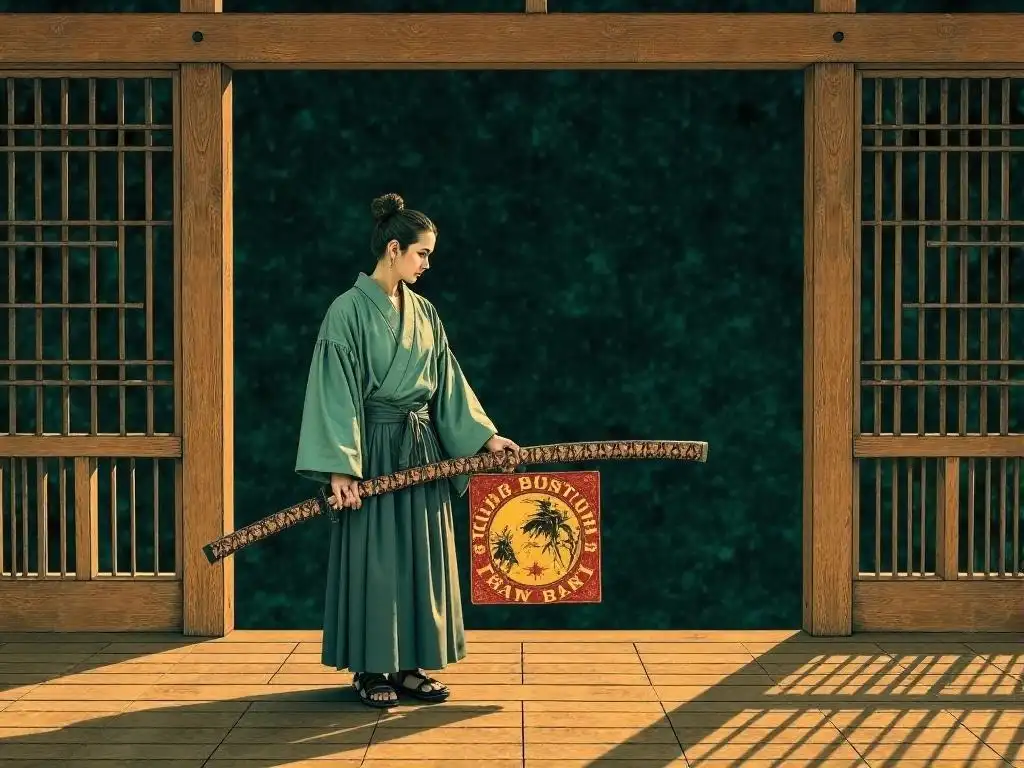
Welcome to Feudal Japan History, where we embark on a captivating journey through the intriguing tapestry of Japan's feudal era. Dive deep into the history of Iaido in Japan, a martial art that embodies the elegance and precision of swordsmanship. Discover how this extraordinary practice evolved, intertwining with the cultural and societal threads of its time. Are you ready to unravel the secrets behind the art of drawing the sword? Join us as we unveil the stories and insights that shaped this remarkable discipline, igniting your curiosity and enriching your understanding of Japan's rich heritage.
Iaido, the Japanese martial art focused on the smooth, controlled drawing of the sword, embodies centuries of tradition and mastery within Japan's rich historical tapestry. This art form is not merely about combat; it reflects the philosophical and cultural values of its time, serving as a bridge between the martial and the spiritual.
As we delve into the history of Iaido in Japan, we will uncover the intricate development of its techniques, the significance of its practice, and the profound influence of samurai culture on its evolution. Through this exploration, we aim to provide a comprehensive understanding of Iaido's place in Japanese martial arts and its enduring legacy in contemporary practice.
Introduction to Iaido
Iaido is defined as the "art of drawing the sword," and it encompasses a series of techniques that emphasize precision, timing, and mental discipline. Unlike other forms of martial arts that prioritize sparring or competition, Iaido practitioners focus on solo forms known as kata, which simulate various combat scenarios. Each kata is meticulously designed to cultivate not only physical skill but also a deep sense of awareness and respect for the sword and its historical context.
Defining Iaido: Concepts and Techniques
- Basic Principles: Iaido emphasizes smooth, controlled movements that reflect the samurai's focus on mental clarity and quick reflexes.
- Posture and Stance: Practitioners learn specific stances, such as seiza (sitting) and tachi (standing), which are crucial for executing techniques effectively.
- The Draw: Central to Iaido is the nukitsuke, the act of drawing the sword and cutting in one fluid motion, showcasing the practitioner's skill and intention.
- Mindset: The practice of Iaido instills a sense of calm and discipline, encouraging practitioners to embrace mindfulness and self-reflection.
Historical Significance of Iaido in Japanese Martial Arts
Iaido's historical significance lies not only in its techniques but also in its philosophical underpinnings. The art evolved during a time when the samurai were both warriors and scholars, balancing martial prowess with cultural refinement.
- Cultural Symbolism: Iaido symbolizes the samurai's code of honor and the importance of discipline in martial arts.
- Influence on Other Forms: The principles of Iaido have influenced various other Japanese martial arts, highlighting its foundational role in the training of swordsmen.
The Origins of Iaido
The roots of Iaido can be traced back to the feudal era of Japan, marked by constant warfare and the need for efficient combat techniques. Its evolution reflects broader societal changes and the shifting role of the samurai.
Early Influences on the History of Iaido in Japan
- Bujutsu Traditions: Iaido emerged from older martial traditions, particularly kenjutsu, which focused on sword fighting techniques.
- Philosophical Foundations: The introduction of Zen Buddhism played a vital role in shaping Iaido, promoting mindfulness and a meditative approach to martial practice.
The Role of Samurai Culture in Shaping Iaido
The samurai class was instrumental in the development of Iaido, as their values and customs directly influenced its techniques and philosophy.
- Social Structure: The rigid hierarchy and code of conduct among samurai fostered a culture where mastery of the sword was paramount.
- Legacy of the Samurai: As Japan transitioned from a feudal society to a modern state, the legacy of Iaido and its practitioners endured, preserving the art as a respected form of martial expression.
Through this exploration of the history of Iaido in Japan, we will uncover how this art form reflects the broader themes of cultural identity, honor, and discipline that defined the samurai era and continue to resonate today.
Development Through Historical Periods
The history of Iaido in Japan is marked by significant transformations across various periods, reflecting changes in martial practices, societal norms, and philosophical influences. Each historical epoch contributed to the evolution of Iaido, shaping it into the refined art form recognized today. Understanding these developments provides insights into the foundations, techniques, and cultural significance of Iaido throughout Japan's feudal era.
Iaido in the Heian Period: Foundations and Practices
During the Heian Period (794-1185), the roots of Iaido began to take shape amidst a society that valued the samurai class and its martial prowess. Early swordsmanship techniques were largely influenced by the need for self-defense and the practicalities of warfare. This period witnessed the emergence of basic drawing techniques, known as nukitsuke, which emphasized the importance of drawing the sword swiftly and effectively in response to threats.
The philosophical underpinning of Iaido during this time was deeply intertwined with the concepts of Zen Buddhism. Warriors sought not only physical skill but also mental clarity and spiritual discipline. Consequently, Iaido laid the groundwork for a practice that transcended mere combat, becoming a means of personal growth and self-discovery. The formalization of these early techniques foreshadowed the intricate forms that would develop in later periods.
The Muromachi Period: Formalization of Techniques
The Muromachi Period (1336-1573) marked a crucial phase in the formalization of Iaido techniques. As regional conflicts intensified and the samurai class became increasingly prominent, the demand for specialized training in swordsmanship grew. This led to the codification of Iaido practices, with schools beginning to emerge that focused on the art of drawing the sword.
During this time, notable texts and treatises were produced, documenting various techniques and philosophies associated with Iaido. The emphasis on kata (forms) became pronounced, as practitioners began to refine their skills through repetitive practice of predefined movements. This period also saw the integration of tactical principles, where Iaido practitioners learned to anticipate and counter threats effectively, further solidifying the art’s strategic importance.
Edo Period: The Rise and Popularization of Iaido
The Edo Period (1603-1868) heralded a golden age for Iaido, as the country experienced relative peace under the Tokugawa shogunate. With the cessation of large-scale warfare, the focus shifted from battlefield combat to personal development and the mastery of technique. Iaido became increasingly popular among samurai and civilian practitioners alike, as it offered a disciplined approach to martial arts that aligned with Zen philosophies.
During this period, various Iaido schools flourished, each contributing unique interpretations of technique, philosophy, and practice. These schools emphasized not only the technical aspects of drawing the sword but also the cultivation of a warrior's mindset. The art of Iaido was taught in dojos, where practitioners engaged in rigorous training, fostering a sense of community and camaraderie. The widespread popularity of Iaido during the Edo Period solidified its status as a respected martial art that would continue to evolve in modern times.
Key Figures in the History of Iaido
The evolution of Iaido cannot be fully understood without acknowledging the influential figures who shaped its development. Prominent masters and their schools played pivotal roles in refining techniques, philosophies, and the overall practice of Iaido, ensuring its survival and growth throughout the centuries.
Prominent Masters and Their Contributions to Iaido
Throughout the history of Iaido, several masters stand out for their remarkable contributions. One such figure is Muneomi Ryu, credited with developing a systematic approach to Iaido that emphasized precision and mental focus. His teachings laid the groundwork for many modern Iaido schools.
Another important master was Hoki Seiichiro Masayuki, who established the Hoki Ryu school in the 16th century. His emphasis on the spiritual aspect of swordsmanship inspired generations of practitioners to view Iaido as more than just a martial art. Masters like these not only advanced technical aspects of Iaido but also infused the practice with philosophical depth, influencing the way it is taught and perceived today.
The Influence of Various Schools of Iaido
The diversity of Iaido schools has profoundly shaped its evolution over the centuries. Each school, or ryu, developed its own distinct methodologies and philosophies, contributing to a rich tapestry of Iaido practices. For example, the Muso Shinden Ryu, founded by Hayashizaki Jinsuke Shigenobu Masayoshi in the late 16th century, is renowned for its focus on smooth, flowing movements and the integration of meditation into training.
Similarly, the Itto-ryu school, established by Ito Ittosai, emphasized the concept of "one cut" as a principle of efficiency and effectiveness in combat. This school’s influence can be seen in many modern Iaido practices, highlighting the interconnectivity of various schools.
The interplay between these schools has ensured that Iaido remains a dynamic and evolving martial art, continually adapting to the changing cultural landscape of Japan while preserving its core principles. Each school's unique approach enriches the practice of Iaido, making it a multifaceted discipline that continues to inspire martial artists around the world.
Cultural Significance of Iaido
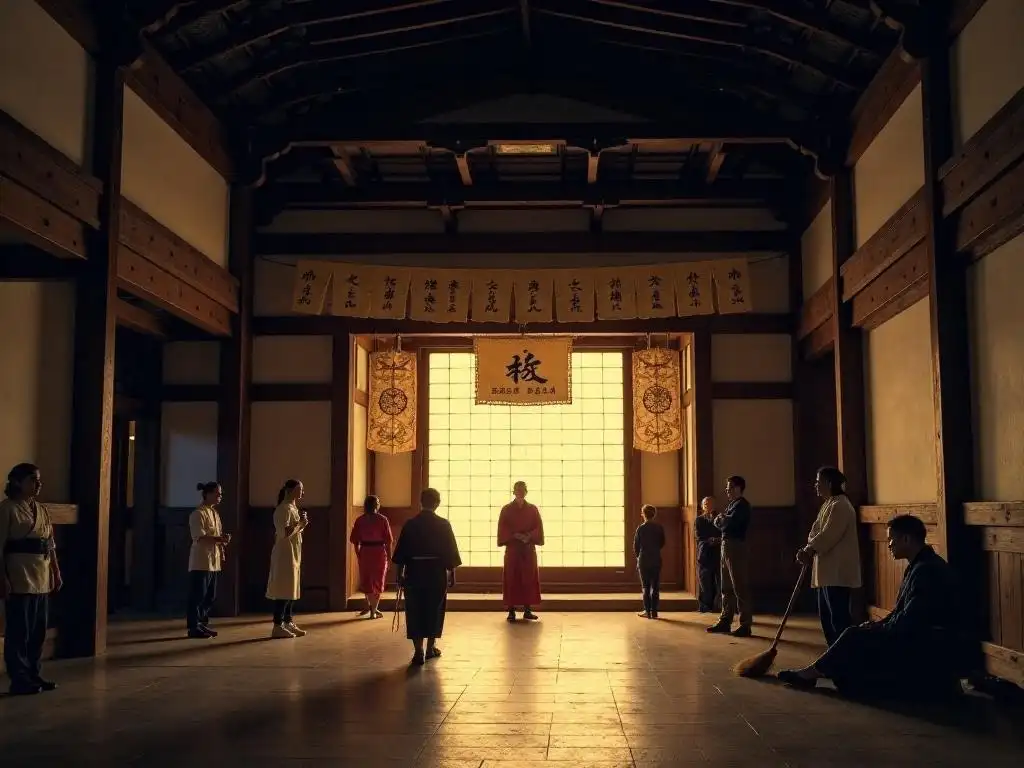
Iaido, the art of drawing the sword, holds profound cultural significance in Japan, intertwining martial prowess with elements of philosophy and aesthetics. This discipline transcends mere combat training; it embodies a way of life that reflects the historical and spiritual journey of the samurai class. As Iaido evolved, it became a mirror of Japanese values, emphasizing discipline, focus, and the pursuit of perfection.
The practice of Iaido is often seen as a meditative exercise that fosters a deep connection between the practitioner and their sword, known as the katana. The fluid motions involved in Iaido are not just techniques for drawing and cutting; they represent harmony between mind and body, a fundamental concept in Japanese aesthetics. This intertwining of movement and mindfulness encapsulates the essence of Japanese culture, where beauty is often found in simplicity and precision.
Moreover, Iaido serves as a historical artifact, preserving the samurai's legacy and their ethical code, known as bushido. Through Iaido, the values of honor, respect, and loyalty are transmitted from generation to generation, ensuring that the samurai spirit remains alive in modern practice. Thus, Iaido is more than a martial art; it is a cultural phenomenon that encapsulates the very heart of Japan's feudal history.
Iaido as a Reflection of Japanese Philosophy and Aesthetics
The philosophy underpinning Iaido is deeply rooted in Zen principles, which emphasize mindfulness, presence, and the acceptance of impermanence. Practicing Iaido encourages a state of mental clarity and tranquility, allowing practitioners to cultivate a sense of inner peace through precise movements. Each kata (form) performed in Iaido is not merely a sequence of actions but a meditative practice that invites introspection and self-discipline.
Aesthetically, Iaido is characterized by its elegance and fluidity. The slow, deliberate movements contrast with the explosive speed of combat, highlighting the beauty of controlled power. This aesthetic appeal resonates with the traditional Japanese appreciation for wabi-sabi, the art of finding beauty in imperfection and impermanence. The careful attention to detail in each draw and cut reflects a deep respect for the sword, elevating the practice to an art form.
In essence, Iaido embodies the harmony of action and thought, a concept central to Japanese philosophy. It serves as a conduit for expressing values such as humility, respect, and the importance of living in the moment, making it a profound reflection of Japanese culture.
The Role of Iaido in Samurai Ethics and Spirituality
Iaido played a significant role in shaping the ethics and spirituality of the samurai. The practice was not solely about physical skill; it was also a path to spiritual enlightenment and moral development. Through rigorous training, samurai developed a strong sense of discipline and responsibility, which were essential components of bushido, the samurai code of conduct.
The act of drawing the sword in Iaido is imbued with symbolic meaning. It represents the readiness to confront conflict, both externally and internally. Samurai were taught that the sword should only be drawn with just cause, reflecting the importance of moral integrity in their lives. This principle of only engaging in combat when necessary emphasizes the value of peace and the avoidance of unnecessary violence.
Moreover, Iaido serves as a spiritual practice, guiding practitioners toward self-discovery and personal growth. The repetitive nature of kata allows for deep introspection, fostering a connection to one’s inner self and the universe. This spiritual aspect of Iaido reinforces the samurai’s commitment to their ethical responsibilities, intertwining martial practice with a higher purpose.
The Technical Evolution of Iaido
The technical evolution of Iaido is a testament to the adaptability and resilience of martial arts in response to changing times. As Japan transitioned through various historical phases, including periods of peace and warfare, Iaido evolved to meet the demands of its practitioners. The techniques developed over centuries reflect not only the martial needs of the samurai but also their philosophical and spiritual pursuits.
Changes in Techniques and Styles Over Time
Initially, Iaido was influenced by the practical needs of battlefield combat, where swift and decisive action was paramount. Early techniques focused on drawing the sword quickly to respond to immediate threats. Over time, as Japan entered periods of relative peace, the focus shifted from combat effectiveness to the refinement of techniques and the incorporation of artistic elements.
Different schools of Iaido emerged, each with unique styles and philosophies. Notable schools, such as the Muso Jikiden Eishin-ryu and Hokushin Itto-ryu, contributed to the diversification of techniques, emphasizing different aspects of the art. This evolution also led to the development of specific kata that reflect the historical context and the changing role of the samurai.
Today, Iaido continues to evolve, incorporating modern elements while retaining the traditional essence of the art. Practitioners today focus on mastering the intricacies of movement, breathing, and posture, ensuring that each kata is performed with precision and intent.
The Impact of Warfare on Iaido Practices
The impact of warfare on Iaido practices cannot be understated. The tumultuous periods of Japanese history, marked by civil wars and regional conflicts, necessitated a constant evolution of martial techniques. Initially, Iaido was developed as a response to the realities of combat, with a focus on survival and effectiveness.
As warfare evolved and the role of the samurai began to shift, so too did Iaido. The transition from an offensive combat style to a more defensive and contemplative practice reflects the changing societal norms. With the unification of Japan under the Tokugawa shogunate in the early 17th century, the need for martial prowess diminished as peace stabilized the nation. During this time, Iaido became less about battlefield effectiveness and more about personal development and the preservation of samurai heritage.
The influence of warfare on Iaido is evident in the preservation of techniques that reflect historical combat scenarios, allowing practitioners to connect with their martial ancestry. Today, while Iaido is primarily practiced as a means of self-discipline and cultural preservation, its roots in the tumultuous history of Japan remain a vital part of its identity.
Modern Iaido: Bridging Tradition and Contemporary Practice
The evolution of Iaido in modern times reflects a fascinating blend of traditional practices with contemporary influences. As martial arts have gained global recognition, Iaido has found its place within this broader context, maintaining its historical roots while adapting to modern sensibilities. Today, Iaido practitioners continue to respect the fundamental principles of the art, emphasizing precision, discipline, and the mental state of "mushin" (the mind without distraction), which has been integral to its practice since its inception.
Modern Iaido also embraces technological advancements and new training methodologies. This includes the use of video analysis to enhance technique and the incorporation of cross-training with other martial arts. This evolution has allowed practitioners to explore Iaido not just as a form of combat but as a means of personal development and meditation, fostering a deeper connection to its cultural heritage.
Moreover, Iaido has become increasingly popular outside of Japan, with dojos and practitioners emerging worldwide. This international spread has led to the establishment of various organizations that promote Iaido, creating a more diverse community while simultaneously preserving the art's traditional aspects.
The Revival of Iaido in Post-War Japan
Following the devastation of World War II, Japan experienced a renaissance of traditional arts, including Iaido. The post-war period saw a revival of interest in samurai culture, which had long been romanticized in literature and film. Many veterans returning from the war sought to reconnect with their cultural roots, leading to an increase in the practice of Iaido as a way to regain a sense of identity and discipline.
In 1956, the All Japan Iaido Federation was established, providing a structured framework for practitioners and promoting standardized training methods. This organization played a crucial role in revitalizing Iaido, organizing competitions, and facilitating international exchanges that helped to spread the art globally. The revival of Iaido during this period not only preserved the techniques and philosophies of the past but also adapted them for a new generation, ensuring its continued relevance.
Contemporary Schools and Styles of Iaido
In the modern era, several distinct schools and styles of Iaido have emerged, each with its unique approach while sharing core principles. Some of the most notable include:
- Muso Shinden-ryu: Known for its emphasis on practicality and efficiency, this school is one of the most widely practiced styles in Japan and abroad. It focuses on a series of kata that simulate real combat scenarios.
- Hokushin Itto-ryu: This style is characterized by its dynamic movements and strong emphasis on spirit and technique. It originated from the teachings of samurai during the Edo period and has evolved into a popular modern practice.
- Jikishinkage-ryu: Blending traditional techniques with modern interpretation, this school offers a unique perspective on Iaido, emphasizing adaptability and the integration of personal style.
These contemporary schools have helped to foster a vibrant Iaido community, promoting competitive events, seminars, and cross-training opportunities. As a result, Iaido continues to evolve, reflecting both its historical significance and its adaptability to contemporary martial arts culture.
Conclusion
The Enduring Legacy of Iaido in Japanese Culture
Iaido stands as a testament to the enduring legacy of Japan's samurai heritage. Its principles of discipline, respect, and mindfulness resonate deeply within Japanese culture, influencing not only martial arts but also philosophy, arts, and education. The practice of Iaido serves as a bridge connecting modern practitioners to the values and traditions of the past, reminding them of the importance of personal growth, focus, and respect for one's lineage.
As a cultural artifact, Iaido has been celebrated in various forms of media, including films, literature, and art, further solidifying its significance within the broader tapestry of Japanese cultural identity. This enduring legacy ensures that Iaido will remain a vital part of Japan's martial heritage for generations to come.
Future Directions for the Study of Iaido's History and Technique
The study of Iaido's history and technique is poised for exciting developments as it continues to gain traction both in Japan and abroad. Future research may delve deeper into the historical contexts that shaped its evolution, exploring lesser-known schools and the influence of various masters throughout history.
Moreover, as the global interest in martial arts grows, scholars and practitioners alike are encouraged to document the experiences of diverse Iaido communities, capturing the nuances of practice across different cultures. This documentation will be crucial in preserving the art's rich history while also allowing for the exploration of new interpretations and adaptations.
In addition, the integration of interdisciplinary approaches, such as psychology and anthropology, could provide valuable insights into the mental and cultural aspects of Iaido practice. By examining the relationship between Iaido and self-discipline, mental well-being, and identity formation, researchers can contribute to a holistic understanding of this remarkable art form.
The history of Iaido in Japan is not only a reflection of martial prowess but also a rich tapestry of cultural significance that continues to evolve, ensuring its relevance in the modern world.
- Introduction to Iaido
- The Origins of Iaido
- Development Through Historical Periods
- Key Figures in the History of Iaido
- Cultural Significance of Iaido
- The Technical Evolution of Iaido
- Modern Iaido: Bridging Tradition and Contemporary Practice
- Conclusion
Frequently Asked Questions
What is Iaido and its significance in Japanese culture?
Iaido is the art of drawing the sword and is significant for its emphasis on mental discipline and physical precision. It reflects the samurai spirit and is practiced as a form of meditative movement.
How did Iaido evolve throughout the feudal era in Japan?
Iaido evolved from kenjutsu, the practice of sword fighting, into a more philosophical art focused on the drawing and cutting motion. Its development paralleled the peaceful period of the Tokugawa shogunate, where combat skills transformed into a means of self-cultivation.
What are the primary techniques involved in Iaido?
The primary techniques in Iaido include nukitsuke (drawing and cutting), hikiotoshi (drawing and pulling back), and tachiai (standing techniques). Each technique emphasizes fluidity and control, vital for mastering the art.
How does Iaido differ from other martial arts?
Iaido differs from other martial arts by focusing on the drawing of the sword rather than combat against an opponent. It is more about self-reflection and mental clarity, making it unique among Japanese martial traditions.
Can anyone practice Iaido, or is it limited to specific groups?
Anyone can practice Iaido, regardless of age or background. It is accessible to all and encourages a sense of community, fostering both individual growth and group harmony through shared practice and philosophy.
Final Reflection: Embracing the Legacy of Iaido
The history of Iaido in Japan is not just a tale of martial prowess; it is a profound journey that intertwines tradition, discipline, and personal growth. In today's fast-paced world, where instant gratification often overshadows the value of patience and precision, the art of Iaido serves as a poignant reminder of the importance of mindfulness and the mastery of one's self. As we reflect on its evolution, we recognize that Iaido is more than a technique; it is a philosophy that encourages us to find balance amidst chaos.
Culturally, Iaido has left an indelible mark on Japanese society, influencing not only martial arts but also the broader spectrum of art, literature, and spirituality. The practice embodies a deep respect for history and the mastery of the present moment, resonating with those who seek a deeper connection to their heritage. As the renowned martial artist Masayuki Shimabukuro once said, "> Iaido teaches us that every moment is an opportunity for growth and reflection." This sentiment encapsulates the ongoing influence of Iaido, reminding us that the lessons learned on the mat extend far beyond the dojo.
As we conclude this exploration of Iaido, I invite you to reflect on your own journey. Consider how the principles of Iaido—focus, discipline, and respect—can be integrated into your daily life. Whether through meditation, physical practice, or simply taking a moment to breathe, let the spirit of Iaido inspire you to cultivate a deeper awareness of your actions and intentions. Embrace the legacy of this ancient art, and allow it to guide you toward a more mindful and purposeful existence.
Unleash Your Inner Warrior!
Thank you for taking the time to dive into the fascinating world of Iaido—the art of drawing the sword. You’ve explored its rich history and intricacies, and now it’s time to turn that inspiration into action!
Here’s how you can engage deeper with Iaido and the broader realm of martial arts:
- Join a local Iaido dojo to experience this art firsthand and connect with fellow enthusiasts.
- Explore related martial arts by attending workshops or events to discover the profound philosophies behind each practice.
- Share your newfound knowledge: Discuss and spread awareness about Iaido with friends or on social media!
Which aspect of Iaido resonates with you the most, and how will you incorporate its principles into your daily life?