
The Impact of European Influence on Japanese Martial Arts

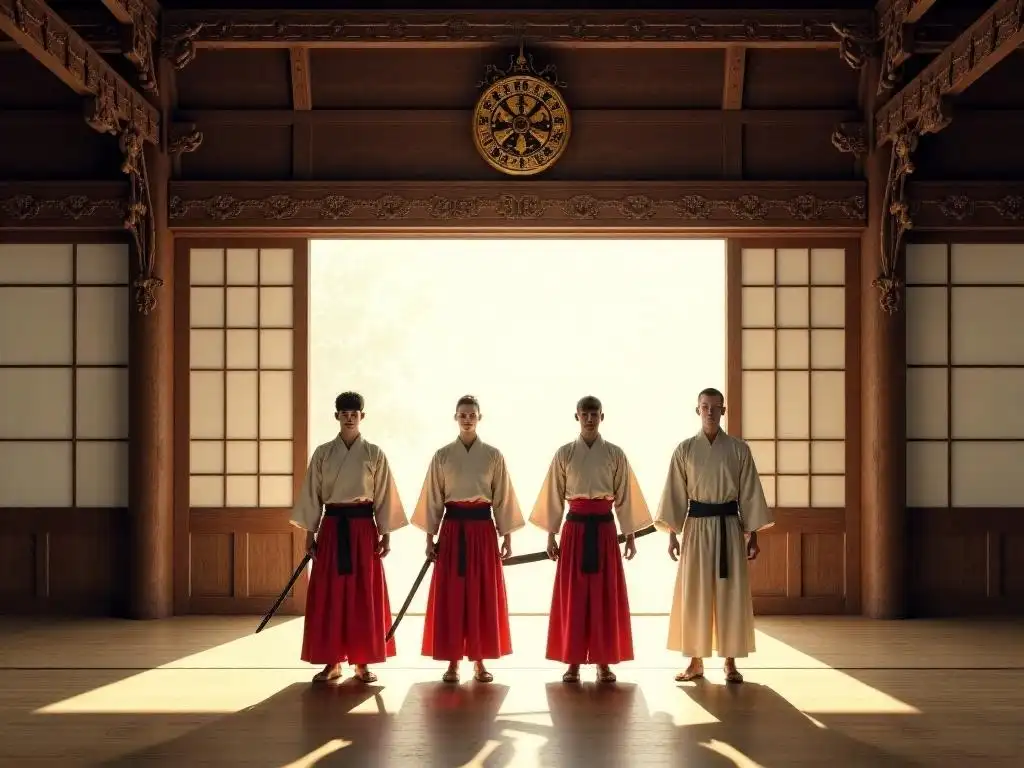
Welcome to Feudal Japan History, your gateway to an enthralling journey through the intricacies of Japan’s feudal era. Here, we delve deep into the historical, cultural, and societal aspects that shaped this fascinating period. In our featured article, we unravel the impact of European influence on Japanese martial arts, revealing how cross-cultural exchanges transformed traditional practices and philosophies. Prepare to be intrigued as we explore the unexpected connections that forged a unique martial heritage—join us and discover the stories that lie within!
Introduction to European Influence on Japanese Martial Arts
The relationship between Japan and Europe during the feudal era has left an indelible mark on various aspects of Japanese culture, with martial arts being one of the most profound areas of influence. This article delves into the intricate dynamics of how European martial practices and philosophies shaped the development of Japanese martial arts.
By examining historical contexts, notable figures, and key events that facilitated this exchange, we aim to provide a comprehensive understanding of the European influence on Japanese martial arts. This exploration not only highlights the evolution of combat techniques but also reflects broader cultural exchanges that occurred during this transformative period in Japanese history.
Understanding the Historical Context
To fully appreciate the impact of European influence on Japanese martial arts, it is essential to understand the historical backdrop of Japan during the feudal era. Spanning from the late 12th century to the mid-19th century, this period was characterized by a rigid social hierarchy, the emergence of powerful samurai clans, and a strong sense of honor and discipline associated with the warrior class. The isolationist policies of the Tokugawa shogunate limited foreign interactions, yet, beneath this veneer of seclusion, Japan was exposed to external influences through trade and diplomacy.
- Key Features of the Feudal Era:
- Samurai Culture: The samurai were not just warriors; they embodied a code of ethics known as Bushido, which emphasized loyalty, honor, and martial prowess.
- Isolationism: The Sakoku policy restricted foreign influence, yet certain European nations managed to establish limited trade relations, laying the groundwork for cultural exchanges.
- Martial Arts Schools: Various ryuha (schools) of martial arts flourished, each with unique techniques, philosophies, and training methods.
This historical context is vital as it sets the stage for the eventual interaction between European martial disciplines and traditional Japanese practices.
Overview of the Feudal Era in Japan
The feudal era in Japan is marked by significant political and social developments that shaped the nation. During this time, Japan was divided into domains ruled by feudal lords, known as daimyō, who maintained control over their territories through samurai warriors. The social structure was rigidly hierarchical, with the emperor at the top, followed by the shogun, daimyō, samurai, and peasants.
- Social Hierarchy:
- Emperor: The ceremonial figurehead with little political power.
- Shogun: The military ruler who wielded real power over the country.
- Daimyō: Feudal lords who controlled land and samurai.
- Samurai: The warrior class trained in various forms of combat, including swordsmanship and archery.
- Peasants: Farmers who supported the economy and provided resources for the samurai class.
As Japan began to open up to foreign influences in the late 19th century, the seeds of European martial arts would find fertile ground in the existing culture, leading to a unique evolution of Japanese martial practices.
The Arrival of European Martial Arts in Japan
The encounter between Japanese and European martial arts did not happen overnight; it was the result of a series of key historical events that paved the way for this cultural exchange. The arrival of European powers in Asia and their interest in trade, diplomacy, and military strategy played a crucial role in this process.
Key Historical Events Leading to Contact
The initial contact between Japan and European nations can be traced back to the 16th century, as Portuguese traders and missionaries arrived on Japanese shores. This marked the beginning of a complex relationship that would eventually influence Japanese martial arts.
- Notable Events:
- 1543: The arrival of the Portuguese, introducing firearms and new combat strategies to Japan.
- 1592-1598: The Imjin War, where Japan's military engagement with European forces exposed Japanese warriors to European tactics and weaponry.
- 1868: The Meiji Restoration, which opened Japan to the West, allowing for a broader integration of European martial arts into Japanese practices.
These events served as catalysts for the gradual assimilation of European martial techniques into the Japanese martial arts landscape.
Notable European Figures Influencing Japanese Martial Arts
Several European figures played significant roles in introducing and developing martial arts in Japan. Their influence not only altered the techniques employed by Japanese martial artists but also enriched the philosophical underpinnings of these practices.
- Key Figures:
- William Adams: An English navigator and the first Western samurai, who introduced Western military tactics to the Japanese.
- Friedrich Wilhelm von Steuben: A Prussian general whose military training methods were adopted by Japanese military leaders, influencing their combat techniques.
- Miyamoto Musashi: While primarily known as a legendary swordsman, his encounters with foreign styles also contributed to the evolution of his own techniques.
Through these interactions, Japanese martial arts began to evolve, integrating European methodologies while maintaining their unique cultural identities. This synthesis marked a pivotal moment in the history of martial arts in Japan, illustrating the complex interplay between tradition and innovation.
Comparative Analysis: European vs. Japanese Martial Arts
The comparative analysis of European and Japanese martial arts reveals a rich tapestry of historical interactions and cultural exchanges. Both traditions boast unique techniques, philosophies, and approaches to combat that not only reflect their respective societies but also showcase the evolution of martial practices over time. Understanding these differences is crucial in appreciating how European influence has shaped Japanese martial arts.
Contrasting Techniques and Philosophies
European martial arts (EMA) generally emphasize a systematized approach to combat that includes a variety of weapons, grappling techniques, and unarmed combat. The techniques often focus on strikes, thrusts, and grappling, with a significant emphasis on timing, distance, and control. Philosophically, EMA tends to be pragmatic, prioritizing effectiveness in battle and self-defense.
In contrast, Japanese martial arts, including kendo, judo, and aikido, often incorporate a deeper philosophical aspect rooted in Zen Buddhism and samurai ethics. Techniques focus on fluidity, grace, and the mastery of forms (kata). There is a strong emphasis on self-discipline, respect, and the spirit of the warrior. This philosophical underpinning fosters a holistic approach to training, where the martial artist seeks not just physical prowess but also personal growth.
The Role of Weaponry in Both Traditions
Weaponry plays a pivotal role in both European and Japanese martial arts, albeit with different contexts and applications. European martial arts feature a diverse array of weapons, including swords (like the longsword and rapier), polearms, and daggers. Each weapon is associated with specific techniques and strategies, allowing practitioners to adapt to various combat scenarios.
In Japanese martial arts, weapons such as the katana, bo staff, and naginata are integral to the training process. The katana, in particular, is not only a weapon but also a symbol of the samurai's honor and status. The training often emphasizes the importance of the weapon's form and the practitioner's mental state, reflecting the deep cultural significance attached to these tools.
The Integration of European Techniques into Japanese Martial Arts
The integration of European techniques into Japanese martial arts can be traced back to the late 19th and early 20th centuries when Japan began to open up to Western influences. This period saw a blending of Eastern and Western combat philosophies, leading to innovations in training methods and fighting styles.
Adaptation of European Styles by Japanese Practitioners
Japanese martial artists began to study European styles, particularly in the context of self-defense and military training. Techniques from savate (French kickboxing) and fencing found their way into Japanese dojos, where practitioners adapted these methods to fit traditional Japanese contexts. This cross-pollination of techniques not only enhanced the effectiveness of Japanese martial arts but also led to the creation of hybrid styles that incorporated elements from both traditions.
The Fusion of Techniques: A Case Study
One of the most notable examples of this fusion is the development of Gendai Goshin Jutsu, a modern self-defense martial art that incorporates techniques from both European and Japanese styles. Practitioners of Gendai Goshin Jutsu use a combination of judo throws, karate strikes, and European grappling techniques to create a comprehensive self-defense system. This evolution exemplifies how the integration of European influence on Japanese martial arts has enriched the training and effectiveness of practitioners, demonstrating the adaptability and resilience of martial arts in the face of changing historical contexts.
The Cultural Exchange Between Europe and Japan
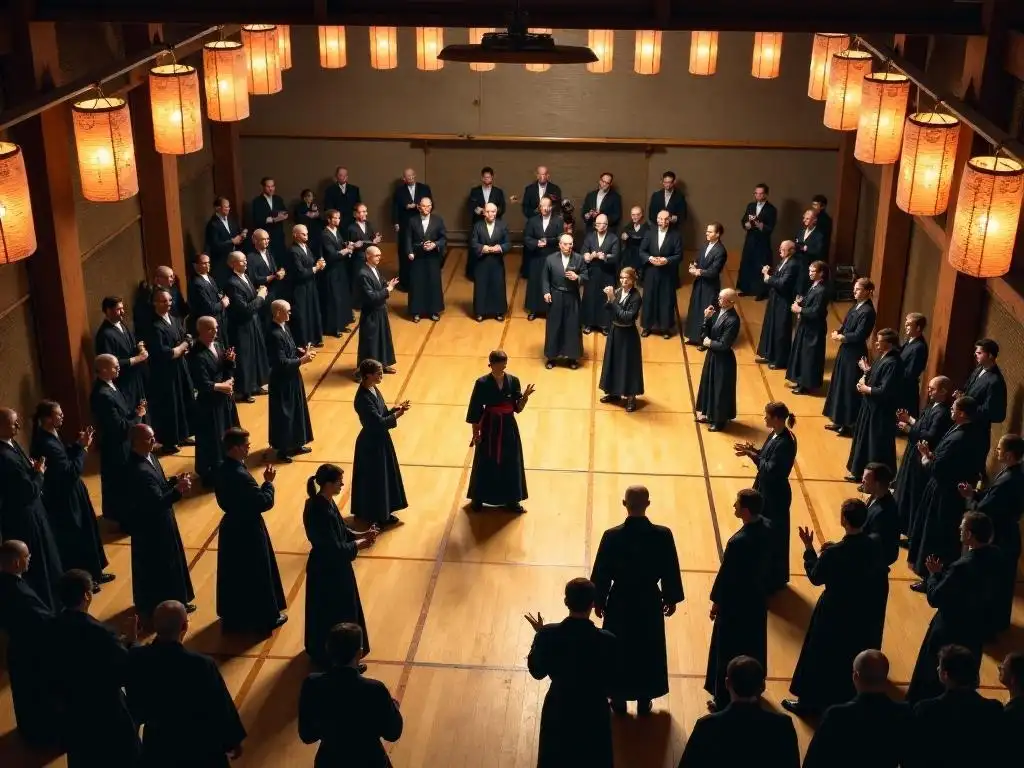
The cultural exchange between Europe and Japan during the 16th to 19th centuries was marked by a complex interplay of trade, diplomacy, and shared knowledge. This period, known as the Nanban trade era, saw European powers, particularly the Portuguese and Dutch, establishing trade relations with Japan. These interactions not only facilitated the exchange of goods but also ideas, including martial practices and philosophies.
As European traders and missionaries arrived in Japan, they brought with them not only firearms and technology but also their own martial traditions. This exchange led to a significant transformation in Japanese martial arts, as practitioners began to incorporate European techniques and strategies. The introduction of firearms in particular revolutionized warfare and necessitated adaptations in traditional Japanese combat training.
Moreover, the cultural curiosity of the Japanese toward European customs and practices led to a broader understanding and integration of foreign martial arts. The impact of these exchanges is evident in various aspects of Japanese martial culture, from the adaptation of weaponry to the evolution of combat strategies, showcasing how intercultural dialogue can reshape traditional practices.
The Impact of Trade and Diplomacy on Martial Arts
Trade and diplomacy played a critical role in the evolution of martial arts in Japan. The arrival of European traders, especially during the 16th century, marked a significant turning point. The Portuguese, for instance, introduced not only new trade goods but also military tactics that emphasized the use of gunpowder and firearms. This introduction prompted Japanese warriors to reassess their combat strategies, integrating firearms into their martial arts repertoire.
Diplomatic missions, such as those sent by the Tokugawa shogunate to the Dutch and other European nations, facilitated further exchanges of military knowledge. Samurai began to study European tactics and military organization, which influenced their own training regimens and philosophies. The adoption of European fencing techniques, for example, is seen in the evolution of certain kendo practices, leading to a hybridization of styles that incorporated both European and traditional Japanese elements.
The mutual respect and curiosity between cultures also fostered an environment where martial arts could evolve. As Japanese martial artists engaged with European instructors, they began to blend techniques, creating a more diverse martial arts landscape that reflected both cultural heritages.
The Influence of European Thought on Bushido and Samurai Culture
European philosophical ideas, particularly those related to chivalry and honor, began to permeate Japanese samurai culture during the late feudal period. The concept of Bushido, or the "way of the warrior," was influenced by the chivalric codes of Europe, which emphasized virtues such as bravery, loyalty, and honor.
European literature and philosophical writings introduced new perspectives on ethics and morality that resonated with the samurai ethos. This cross-pollination of ideas encouraged samurai to reflect on their own values and beliefs, leading to a refinement of Bushido that incorporated elements of European thought. The emphasis on personal honor and ethical conduct became more pronounced as samurai sought to align their practices with these broader philosophical ideas.
Furthermore, the interaction with European military strategists and thinkers led to an exchange of tactics and strategies that influenced the samurai's approach to warfare. The integration of European military principles into the samurai code not only enhanced their martial effectiveness but also redefined their role in Japanese society, making them more than mere warriors but also ethical leaders and guardians of culture.
The Evolution of Japanese Martial Arts Due to European Influence
The influence of Europe on Japanese martial arts resulted in significant transformations that reshaped traditional practices. These changes were not merely superficial; they represented a fundamental shift in how martial arts were perceived and practiced within Japanese society.
Changes in Training Methods and Philosophies
With the introduction of European martial techniques, Japanese training methods underwent notable changes. Traditional approaches, which often emphasized kata (forms) and one-on-one combat scenarios, began to incorporate more dynamic and practical training regimens. The need to adapt to the realities of gunpowder warfare led to new training techniques that emphasized agility, quick reflexes, and strategic thinking.
The infusion of European military training philosophies also encouraged a more systematic approach to martial arts education. Schools began adopting curricula that included sparring practices and tactical drills, moving away from the solely ritualistic training that characterized earlier practices. This evolution allowed practitioners to test their skills in more realistic scenarios, fostering a culture of innovation and adaptation within Japanese martial arts.
Moreover, the philosophical underpinnings of martial arts began to reflect these changes. The focus shifted from purely combative skills to a more holistic understanding of martial arts as a means of personal development. This transformation echoed European concepts of self-improvement and discipline, leading to a deeper appreciation of the martial arts as a path to personal growth and enlightenment.
The Emergence of New Martial Arts Styles
The interaction between European and Japanese martial arts traditions gave rise to several new styles and schools that blended elements from both cultures. One notable example is the development of Gendai Gendai Gendai, a modern Japanese martial art that incorporates techniques from various European fighting styles along with traditional Japanese practices.
Another important emergence was the adaptation of European fencing techniques into kendo, which became more structured and formalized in response to the influence of European swordsmanship. This integration not only enriched kendo as a sport but also deepened its philosophical roots, merging the concepts of Bushido with European ideals of honor and skill.
Additionally, the introduction of grappling techniques from European martial arts led to the evolution of jujutsu, which began to incorporate throws and joint locks that were not previously prominent in traditional Japanese practices. This melding of styles resulted in a richer, more diverse martial arts landscape in Japan, allowing practitioners to explore various techniques and philosophies.
The European influence on Japanese martial arts was profound, leading to significant changes in training methods, philosophies, and the emergence of new styles. This cultural exchange enriched Japan's martial arts heritage, showcasing the dynamic nature of martial practices and the importance of intercultural dialogue in shaping their evolution.
Conclusion: The Lasting Legacy of European Influence on Japanese Martial Arts
European influence on Japanese martial arts has played a pivotal role in shaping the evolution of these disciplines throughout history. From the introduction of new techniques and training methodologies to the establishment of formalized systems, this interaction has enriched the martial arts landscape in Japan. The cross-cultural exchange that began in the late 19th century laid the foundation for innovative practices that continue to resonate today.
One of the most significant legacies of European influence is the systematic approach to training and competition. The incorporation of Western sports principles, such as structured tournaments and performance metrics, transformed traditional practices into more organized and competitive formats. This shift not only elevated the status of Japanese martial arts globally but also attracted a diverse range of practitioners from different backgrounds, further enhancing its popularity.
Moreover, the blending of styles has led to the development of hybrid martial arts that integrate techniques from both Eastern and Western traditions. This fusion highlights the adaptability and resilience of Japanese martial arts, showcasing their ability to evolve while maintaining core philosophical tenets. As a result, practitioners today can engage with a rich tapestry of techniques that reflect both their historical roots and contemporary influences.
Reflection on the Modern-Day Practices
In modern times, the impact of European influence on Japanese martial arts is evident in various practices and disciplines. For instance, sports such as kendo, judo, and karate have incorporated elements from Western combat sports, leading to a more dynamic and diverse training environment. The emphasis on physical fitness, competition, and strategic thinking has become integral to these practices, paralleling trends observed in Western martial arts.
Furthermore, the internationalization of martial arts has facilitated cross-cultural exchanges that enrich training methodologies. Many dojos now incorporate techniques from boxing, Brazilian jiu-jitsu, and other Western styles, creating a holistic training approach that caters to the evolving needs of practitioners. This blending of traditions not only enhances skill development but also fosters a greater appreciation for the historical context of martial arts.
As practitioners reflect on their training, they often find that the principles derived from European influences—discipline, sportsmanship, and technical precision—are as relevant today as they were in the past. This ongoing integration of Western elements into Japanese martial arts serves as a testament to the enduring legacy of cross-cultural dialogue.
The Ongoing Dialogue Between Eastern and Western Martial Arts
The dialogue between Eastern and Western martial arts continues to evolve, fostering a collaborative spirit that benefits practitioners on both sides. This exchange is characterized by mutual respect and a desire to learn from one another, leading to the sharing of techniques, philosophies, and training methodologies.
In recent years, martial arts events and seminars have increasingly brought together experts from both traditions, creating opportunities for practitioners to explore diverse perspectives. This collaboration has not only broadened the horizons of martial arts but has also facilitated the development of new styles that merge the strengths of both Eastern and Western techniques.
Moreover, social media and online platforms have amplified this dialogue, enabling practitioners from different backgrounds to connect, share experiences, and learn from one another. This digital age of martial arts fosters an inclusive community that thrives on diversity, promoting a rich exchange of ideas and practices.
As we look to the future, the ongoing conversation between Eastern and Western martial arts will undoubtedly continue to shape the evolution of these disciplines. By embracing the valuable lessons from each tradition, martial artists can cultivate a more profound understanding of their craft, preserving the rich heritage of martial arts while paving the way for future innovations.
- Introduction to European Influence on Japanese Martial Arts
- The Arrival of European Martial Arts in Japan
- Comparative Analysis: European vs. Japanese Martial Arts
- The Integration of European Techniques into Japanese Martial Arts
- The Cultural Exchange Between Europe and Japan
- The Evolution of Japanese Martial Arts Due to European Influence
- Conclusion: The Lasting Legacy of European Influence on Japanese Martial Arts
- What is the primary focus of the article on European influence on Japanese martial arts?
- How did European influence alter traditional Japanese martial arts?
- Are there specific European martial arts that influenced Japanese practices?
- What cultural exchanges between Europe and Japan are discussed in the article?
- How does the article position the significance of European influence in the broader context of martial arts?
Frequently Asked Questions
What is the primary focus of the article on European influence on Japanese martial arts?
The article provides a comprehensive exploration of how European contact and cultural exchange impacted the development and evolution of Japanese martial arts.
How did European influence alter traditional Japanese martial arts?
European influence introduced new techniques and philosophies, which led to a fusion of martial practices, enhancing the diversity and effectiveness of Japanese martial arts.
Are there specific European martial arts that influenced Japanese practices?
Yes, the article highlights that European fencing and swordsmanship significantly contributed to the techniques and strategies found in various Japanese martial arts, particularly in the late 19th century.
What cultural exchanges between Europe and Japan are discussed in the article?
The article discusses cultural exchanges such as the introduction of Western military tactics, which played a crucial role in shaping the training methods and philosophies of Japanese martial arts.
How does the article position the significance of European influence in the broader context of martial arts?
The article posits that European influence was a catalyst for modernization within Japanese martial arts, leading to a dynamic evolution that redefined traditional practices in both Japan and the West.
Final Reflection: Embracing the Legacy of European Influence on Japanese Martial Arts
The intricate tapestry of Japanese martial arts is undeniably woven with threads of European influence, showcasing a remarkable evolution that resonates profoundly in today's globalized world. As we explore the historical exchanges and adaptations between these two rich cultures, we uncover a striking narrative of resilience and innovation that continues to shape martial arts practices across the globe.
The fusion of European techniques and philosophies into traditional Japanese martial arts has not only enriched the disciplines themselves but has also fostered a deeper understanding of cultural exchange and collaboration. This ongoing dialogue between East and West serves as a reminder of our shared humanity and the power of learning from one another. In every encounter, there lies an opportunity for growth and transformation.
As we reflect on the lessons drawn from the European influence on Japanese martial arts, I invite you to consider how these principles of adaptability and openness can be applied in your own life. Embrace the spirit of exploration and connection, and let the legacy of these martial arts inspire you to seek out new perspectives and experiences. Together, we can honor this rich heritage while forging our own paths in the ever-evolving landscape of martial arts and beyond.
Explore the Fusion of Cultures in Martial Arts!
Thank you for joining us on this journey through the fascinating world of European influence on Japanese martial arts. Your interest in this rich history not only deepens your understanding but also connects you to a greater conversation about cultural exchange. Now, it’s time to take action and dive even deeper!
- Join a local martial arts class that incorporates European techniques to experience this blend firsthand.
- Share your thoughts about this topic on social media or in our comments section—let’s keep the dialogue going!
- Research a specific European martial art and compare it with your favorite Japanese style; you might discover some unexpected similarities!
What aspect of this cultural fusion intrigues you the most, and how do you think it has shaped the martial practices we see today?