
The Cultural Renaissance: How Unification Sparked Artistic Growth in Japan

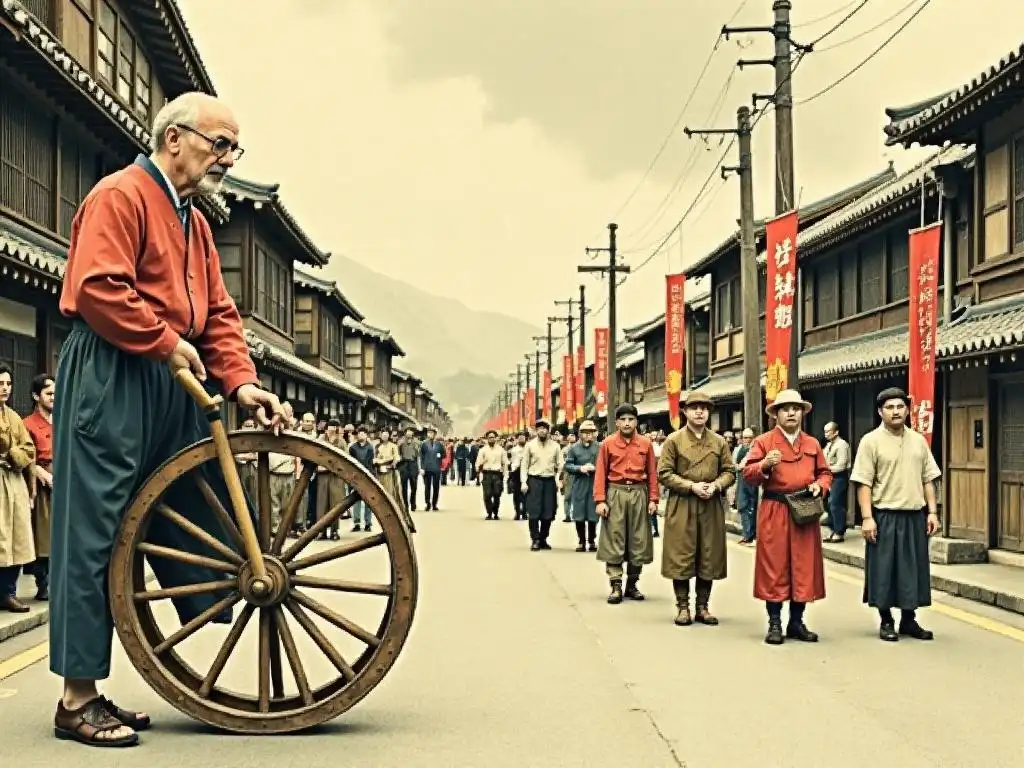
Welcome to Feudal Japan History, where we delve into the rich tapestry of Japan’s feudal era! Prepare to embark on an enlightening journey as we uncover the fascinating layers of cultural growth that flourished during this pivotal time. In our featured article, "The Cultural Renaissance: How Unification Sparked Artistic Growth in Japan," we explore how political shifts not only shaped the landscape but also ignited a vibrant artistic revival. What drove this remarkable transformation? Join us as we unveil the stories behind the art, society, and culture that emerged from the shadows of unification—your adventure through history begins now!
Introduction to the Japanese Feudal Era Cultural Growth
The Japanese feudal era represents a pivotal period in Japan's history, characterized by the emergence of powerful clans, samurai culture, and a unique socio-political structure. This era, stretching from the 12th to the 19th century, witnessed remarkable shifts not only in governance but also in the cultural and artistic landscapes of Japan.
The unification of Japan in the late 16th century, particularly under the rule of figures like Oda Nobunaga, Toyotomi Hideyoshi, and Tokugawa Ieyasu, catalyzed a cultural renaissance that would leave a lasting impact on the nation. This article will explore the intricate relationship between Japan's unification and its ensuing artistic growth, revealing how political stability fostered an environment ripe for creativity and cultural expression.
Overview of the Cultural Renaissance in Japan
The cultural renaissance during the feudal era was marked by a flourishing of arts, literature, and philosophy, driven largely by the newfound stability brought about by unification. As regional conflicts diminished, artists and intellectuals found the freedom to innovate and express their ideas. Key features of this renaissance included:
- Advancements in Visual Arts: The development of ukiyo-e (woodblock prints) became a defining characteristic of Japanese art, portraying landscapes, kabuki actors, and scenes of daily life.
- Literary Flourishing: The era saw the rise of notable literary forms, including haiku and Noh theater, which reflected the complexities of the human experience and nature.
- Religious Influence: The interplay between Buddhism and Shintoism gave rise to unique artistic expressions, evident in temple architecture and religious artifacts.
This cultural growth was not merely an artistic endeavor; it was a reflection of a society that was beginning to embrace new ideas while holding onto traditional values.
Importance of Unification in Japan's Artistic Development
Unification played a crucial role in facilitating cultural growth during the feudal era. The consolidation of power under a central authority allowed for the following advancements:
- Increased Patronage: With unification came greater stability, which led to an increase in the patronage of the arts by the ruling classes. Feudal lords and the shogunate commissioned artworks, supporting artists and craftsmen.
- Cultural Exchange: The reduction of inter-clan conflicts opened up channels for cultural exchange between different regions of Japan. Artists and intellectuals traveled, sharing ideas and techniques that enriched the nation’s artistic landscape.
- Emergence of a National Identity: As the country unified, a sense of national identity began to form, which influenced artistic themes. Works began to reflect not only local traditions but also a broader Japanese ethos.
Historical Context of Japan's Unification
The unification of Japan was a gradual process that unfolded over several decades, culminating in the establishment of the Tokugawa shogunate in 1603. Several key figures and events played significant roles in this transformation:
Key Figures in the Unification of Japan
- Oda Nobunaga: A military leader who initiated the unification process, Nobunaga is known for his ruthless tactics and innovative strategies. His efforts laid the groundwork for the eventual consolidation of power.
- Toyotomi Hideyoshi: Following Nobunaga’s assassination, Hideyoshi continued the unification efforts, successfully bringing most of Japan under his control. He was also instrumental in promoting cultural activities, including the tea ceremony.
- Tokugawa Ieyasu: The final unifier, Ieyasu established a lasting peace with the Tokugawa shogunate, which ruled for over 250 years. His era, known as the Edo period, marked the peak of cultural development in Japan.
Timeline of Major Events Leading to Unification
| Year | Event |
|---|---|
| 1560 | Battle of Okehazama: Nobunaga defeats Imagawa Yoshimoto. |
| 1582 | Nobunaga assassinated; Hideyoshi rises to power. |
| 1600 | Battle of Sekigahara: Ieyasu defeats rival forces. |
| 1603 | Ieyasu becomes shogun, establishing the Tokugawa shogunate. |
This timeline illustrates the significant milestones that not only shaped Japan's political landscape but also set the stage for a vibrant cultural renaissance that would follow.
The Impact of Unification on Japanese Culture
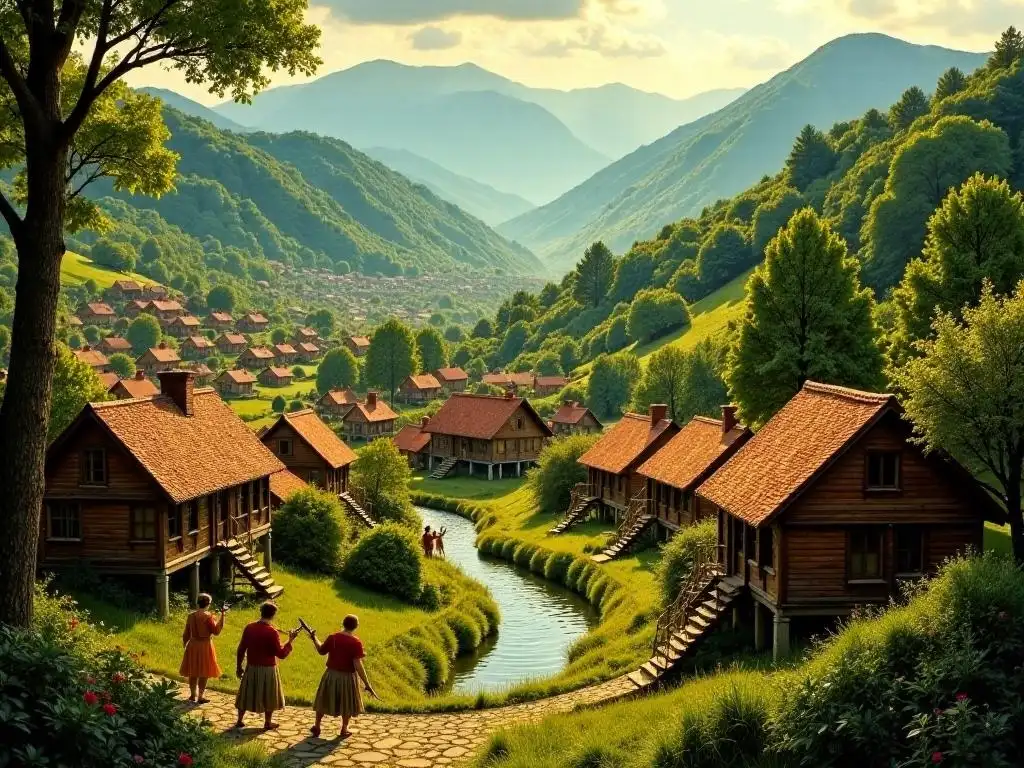
The unification of Japan in the late 16th century, particularly under the leadership of figures such as Oda Nobunaga, Toyotomi Hideyoshi, and Tokugawa Ieyasu, marked a significant turning point in the nation's cultural landscape. This period, often referred to as the Azuchi-Momoyama period and subsequently the Edo period, fostered an environment where stability and peace allowed for cultural exploration and expression to flourish. With the establishment of a centralized government, the feudal lords (daimyōs) were able to redirect their resources toward cultural pursuits, leading to a renaissance of arts, literature, and philosophy.
As the political turmoil diminished, trade began to thrive, both domestically and internationally. This economic prosperity provided the means for a broader segment of society to engage with and appreciate the arts. The rise of merchant classes, particularly in urban centers like Edo (modern-day Tokyo), facilitated the growth of new cultural forms, including theatre, visual arts, and literature. Consequently, the unification acted as a catalyst, enabling diverse cultural expressions to emerge and spread throughout Japan.
Changes in Social Structure and Their Cultural Implications
The social structure of Japan underwent significant changes during the unification process, transitioning from a feudal system characterized by warring clans to a more stratified society under the Tokugawa shogunate. This restructuring had profound implications for cultural growth. The samurai class, which traditionally held the highest status, began to embrace cultural activities as a means to demonstrate their refinement and education. This shift led to a greater emphasis on the arts, including poetry, calligraphy, and tea ceremonies, which became integral to samurai identity.
At the same time, the rise of the merchant class introduced new dynamics to cultural development. With increased wealth, merchants began to patronize artists, leading to the emergence of popular culture forms, such as ukiyo-e (woodblock prints) and kabuki theatre. These cultural expressions often reflected the lives and aspirations of the common people, thus broadening the scope of artistic themes and making art more accessible.
Moreover, the strict social hierarchy created by the Tokugawa regime also influenced cultural production. Certain arts became associated with specific social classes, with the samurai favoring refined aesthetics while the urban populace gravitated towards more vibrant and dynamic representations. This division enriched the cultural tapestry of Japan, as various styles and themes coexisted and influenced one another.
The Role of the Samurai in Promoting Arts and Culture
The samurai played a pivotal role in the cultural renaissance of Japan during the feudal era. As the ruling warrior class, they were not only responsible for governance and military affairs but also served as patrons of the arts. Many samurai were educated in literature and the arts, and their commitment to cultural pursuits led to the flourishing of various artistic disciplines.
The samurai's engagement with arts such as Noh theatre, poetry (especially haiku), and the tea ceremony became ways to express their values of discipline, aesthetics, and harmony. For instance, the tea ceremony, or chanoyu, became a highly ritualized practice that embodied the principles of Zen Buddhism, emphasizing simplicity and mindfulness. The samurai’s involvement in these cultural forms helped to elevate their status and provided a means of personal expression beyond martial prowess.
Furthermore, the samurai's patronage allowed artists and craftsmen to thrive. Many renowned artists, poets, and scholars emerged during this time, supported by the wealth and social influence of the samurai class. This patronage system not only facilitated the production of high-quality art but also ensured that various cultural practices were documented and preserved for future generations.
Artistic Movements During the Japanese Feudal Era
The feudal era in Japan was marked by a variety of artistic movements, each reflecting the changing social, political, and economic landscapes of the time. As different factions vied for power, artistic expression was often used as a means of conveying ideologies, celebrating victories, or preserving cultural heritage. The following sections explore the major artistic styles and trends that emerged during this vibrant period.
Overview of Major Artistic Styles and Trends
Several distinct artistic styles characterized the Japanese feudal era, each showcasing the ingenuity and creativity of Japanese artisans. Among the most notable were:
- Ukiyo-e: This genre of woodblock prints depicted scenes from everyday life, landscapes, and kabuki actors. It became immensely popular during the Edo period, allowing for mass production and distribution of art.
- Nihonga: Traditional Japanese painting that emphasized the use of natural materials and techniques. Nihonga artists often drew inspiration from classical themes and subjects, incorporating elements of Zen philosophy.
- Ceramics: Japanese ceramics saw significant advancements, with styles such as Imari and Kutani emerging. These ceramics became known for their intricate designs and vibrant glazes, symbolizing the blending of functionality with artistry.
- Ikebana: The art of flower arranging, which evolved into a sophisticated practice embodying aesthetics and harmony with nature, became a symbol of cultural refinement during the feudal era.
These artistic movements were not only reflective of the aesthetic values of the time but also served as a means of communication and expression for the diverse experiences of Japanese society.
Influence of Chinese and Korean Art on Japanese Cultural Growth
The cultural growth of Japan during the feudal era was significantly influenced by neighboring countries, particularly China and Korea. The exchange of ideas and artistic techniques played a crucial role in shaping Japanese art forms.
Chinese art, with its long history and rich traditions, provided a foundation for many Japanese artistic practices. The introduction of Buddhism from China also brought with it various artistic expressions, including temple architecture and religious iconography. Japanese artists adopted and adapted these styles, creating a unique synthesis that reflected local aesthetics while retaining core elements of Chinese influence.
Korean art similarly impacted Japanese cultural development, especially in pottery and textile production. The techniques used in Korean ceramics, such as celadon glaze and inlaid designs, were embraced and refined by Japanese artisans. This cross-cultural exchange resulted in the evolution of distinct Japanese styles that maintained a dialogue with their continental origins.
Overall, the unification of Japan not only catalyzed its internal cultural renaissance but also positioned it as a crucial player in the broader East Asian artistic landscape, where influences flowed in both directions and contributed to a rich tapestry of cultural growth.
Literature and Poetry: A Reflection of Cultural Renaissance
The unification of Japan during the late 16th century under leaders like Oda Nobunaga and Toyotomi Hideyoshi laid the groundwork for a significant cultural renaissance. This period saw a revitalization of literature and poetry, which reflected the societal changes and the burgeoning sense of identity among the Japanese people. The emergence of a more centralized political structure facilitated the flow of ideas and artistic expressions, leading to a flourishing literary scene.
With increased stability, the samurai class and the rising merchant class became patrons of the arts, leading to a diverse range of literary forms. Notably, the popularity of Noh and Kabuki theater during this time contributed to the rich tapestry of cultural output, intertwining poetry with performance. Additionally, the invention of the printing press allowed for the widespread distribution of literary works, making literature accessible to a broader audience than ever before.
The themes of literature during this era often revolved around nature, the transient nature of life, and the exploration of human emotions, mirroring the aesthetic principles of mono no aware, which emphasizes the beauty of impermanence. This cultural renaissance in literature not only celebrated traditional forms but also encouraged innovation and experimentation, leading to a rich legacy that continues to influence Japanese culture today.
Key Literary Works from the Period
The cultural renaissance produced several key literary works that remain significant to Japanese literature. Among these are:
- "The Tale of the Heike": A historical epic that chronicles the rise and fall of the Taira clan, reflecting on the themes of honor, loyalty, and the fleeting nature of power. This work is a cornerstone of Japanese literature and has been retold in various forms.
- "The Pillow Book" by Sei Shonagon: Though written earlier, its influence persisted into the feudal era, showcasing the aesthetics and philosophies that shaped later works. It offers a glimpse into court life and the author's musings on beauty and art.
- "The Tale of Genji" by Murasaki Shikibu: This classic work, often regarded as the world's first novel, continued to inspire writers during the feudal period. Its intricate character development and exploration of courtly life remained relevant throughout the unification and beyond.
- Haiku Poetry: The form of haiku saw significant development during this time, with poets like Matsuo Bashō emerging. Bashō's works encapsulated the beauty of nature and human experience in just a few syllables, showcasing the depth and simplicity of the poetic form.
These works are not only important for their literary merit but also for their reflection of the cultural and social dynamics of the Japanese feudal era.
The Emergence of Renowned Poets and Their Contributions
The period following Japan's unification witnessed the rise of several renowned poets whose contributions significantly shaped the literary landscape. One prominent figure was Matsuo Bashō, whose mastery of haiku transcended mere poetic expression and delved into profound philosophical themes. His works, such as "The Narrow Road to the Deep North," combined travel narratives with poetic reflections on nature, illustrating the interconnectedness of human experience and the world around us.
Another influential poet, Yosa Buson, blended traditional haiku with painting, creating a unique fusion of visual and literary art. His works often depicted serene landscapes and the beauty of everyday moments, resonating with the aesthetics of the time.
Kobayashi Issa also emerged as a vital voice, known for his poignant haiku that often reflected personal experiences and the struggles of the common people. His compassionate perspective brought a new depth to the haiku form, making it accessible and relatable to a broader audience.
These poets not only enriched Japanese literature but also played a crucial role in shaping cultural identity during the feudal era, leaving a legacy that continues to inspire contemporary writers and poets.
Visual Arts: Painting, Calligraphy, and Craftsmanship
The artistic landscape of Japan underwent a significant transformation during the feudal era, particularly in the fields of painting, calligraphy, and craftsmanship. This period was marked by the emergence of distinct styles that reflected both traditional influences and innovative techniques. The stability brought by unification allowed artists to explore new themes and forms, resulting in a flourishing of visual arts that celebrated both the natural world and human experience.
The patronage of the ruling samurai class and wealthy merchants played a crucial role in the proliferation of the arts, leading to the establishment of various schools and styles. Artists began to experiment with different materials and methods, contributing to a rich tapestry of artistic expression that characterized the period.
Notable Artists and Their Masterpieces
Several artists emerged as key figures during this cultural renaissance, leaving behind masterpieces that continue to be celebrated:
- Tōhaku Hasegawa: Known for his detailed and atmospheric landscapes, Hasegawa's works often depicted nature in a way that evoked a sense of tranquility and reflection. His famous piece, "Cypress Trees," exemplifies the use of space and natural elements in Japanese painting.
- Katsushika Hokusai: Though he rose to prominence later, Hokusai's earlier works were influenced by the artistic trends of this period. His iconic woodblock prints, such as "The Great Wave off Kanagawa," showcase the mastery of line and color that became hallmarks of Japanese art.
- Oda Nobunaga's Calligraphy: Nobunaga, a key figure in the unification of Japan, was also known for his calligraphy, which reflected his personality and leadership style. His works exemplified the elegance and discipline associated with the samurai ethos.
These artists not only contributed to the aesthetics of their time but also influenced future generations, shaping the trajectory of Japanese art.
Techniques and Innovations in Japanese Feudal Art
The feudal era was marked by several key techniques and innovations that transformed Japanese art. Among these were:
- Sumi-e (Ink Wash Painting): This technique emphasized the use of ink and brushwork to create expressive landscapes and subjects. Artists focused on capturing the essence of their subjects rather than intricate details, allowing for a more emotive representation.
- Ukiyo-e (Floating World Pictures): This genre of woodblock printing flourished during the Edo period but was rooted in the artistic innovations of the feudal era. Ukiyo-e prints depicted scenes of everyday life, landscapes, and beautiful women, making art more accessible to the masses.
- Lacquerware Techniques: The refinement of lacquer techniques allowed for intricate designs on various objects, enhancing their aesthetic appeal. This craftsmanship became a symbol of status and artistry, with master artisans creating exquisite pieces that combined functionality with beauty.
These techniques not only showcased the skill of Japanese artisans but also reflected the cultural values of the time, emphasizing harmony, simplicity, and a deep appreciation for nature. The innovations of this period laid the groundwork for the enduring legacy of Japanese art that continues to captivate audiences worldwide.
Performing Arts: Theatre and Music in the Cultural Renaissance
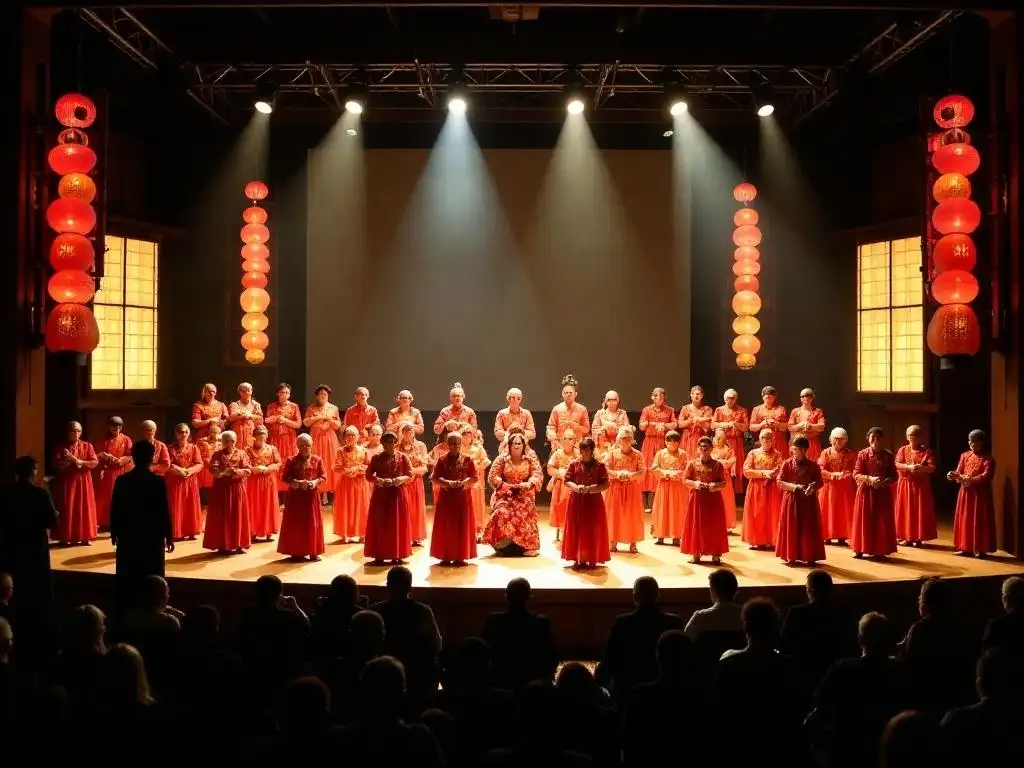
The cultural renaissance during the unification of Japan was marked by a vibrant flourishing of the performing arts, particularly theatre and music. This era saw the emergence of new theatrical forms and the redefinition of musical traditions, both of which played a crucial role in shaping the cultural identity of Japan. As the country transitioned from a state of chaos and fragmentation to one of relative peace and stability, artists and performers found new opportunities to express their creativity, leading to the development of sophisticated art forms that reflected the complexities of Japanese society.
The performing arts became an essential mode of cultural expression, serving not only as entertainment but also as a means of communicating societal values, beliefs, and historical narratives. The integration of various artistic styles contributed to a rich tapestry of performances that were deeply rooted in the Japanese experience, enhancing cultural cohesion and pride during this transformative period.
The Rise of Noh and Kabuki Theatre
Noh and Kabuki theatre emerged as two significant theatrical genres during the cultural renaissance, each with its unique characteristics and cultural significance. Noh, which has its roots in the 14th century, was refined during this period into a highly stylized form of drama characterized by its slow, deliberate movements, minimalistic sets, and the use of masks.
Performances often depicted historical or mythological themes, allowing audiences to connect with Japan's rich cultural heritage. The aesthetic of Noh emphasized the beauty of simplicity and the depth of human emotion, making it a profound reflection of the spiritual and philosophical currents of the time.
In contrast, Kabuki theatre, which emerged in the early 17th century, embraced a more dynamic and colorful approach. Known for its exaggerated movements, elaborate costumes, and vibrant makeup, Kabuki appealed to the masses, providing entertainment that was accessible and engaging. The narratives often revolved around themes of love, honor, and betrayal, resonating with the experiences of everyday people. Kabuki was not just a theatrical form; it became a cultural phenomenon that influenced fashion, language, and social norms, making it an integral part of the Japanese feudal era cultural growth.
Influence of Traditional Music on Cultural Identity
Traditional music during the Japanese feudal era played an essential role in shaping cultural identity and community cohesion. Various musical styles, instruments, and genres flourished alongside the performing arts, serving as a soundtrack to the social and political changes of the time. The use of instruments such as the shamisen, koto, and shakuhachi became prominent, each contributing to the unique soundscapes of Japanese music.
The integration of music into theatre, particularly in Noh and Kabuki, showcased the symbiotic relationship between these art forms. Music was not merely an accompaniment; it was vital in conveying emotions and enhancing the storytelling experience. Traditional songs and folk music also reflected regional differences, allowing diverse communities within Japan to express their local identities while contributing to a larger national narrative.
As traditional music evolved, it became a means of preserving cultural heritage, fostering a sense of belonging, and reinforcing social values. This rich musical landscape played a crucial role in the overall cultural growth of the Japanese feudal era, underscoring the importance of artistic expression in unifying the nation.
Philosophical and Religious Influences on Cultural Growth
The cultural renaissance in Japan was not solely driven by artistic pursuits; it was also profoundly influenced by philosophical and religious thought. The period saw the interplay of various belief systems, notably Zen Buddhism and Confucianism, which shaped the artistic and cultural landscape significantly. These philosophies provided a framework for understanding the world and one's place within it, guiding the creative expressions of the time.
The integration of philosophical and religious ideas into art and culture enriched the cultural renaissance, allowing for a deeper exploration of themes such as existence, morality, and the nature of beauty. This synthesis of ideas and artistic expression contributed to a uniquely Japanese cultural identity that resonated with the populace.
The Role of Zen Buddhism in Shaping Artistic Expression
Zen Buddhism had a profound impact on the artistic expression of the Japanese feudal era, emphasizing simplicity, mindfulness, and the beauty of imperfection. The concept of wabi-sabi, which finds beauty in transience and imperfection, became a guiding principle in the arts, influencing everything from tea ceremonies to painting and garden design.
In the performing arts, Zen principles manifested in the understated aesthetics of Noh theatre, where silence and stillness played pivotal roles in conveying emotion and meaning. The meditative quality of Zen encouraged artists to seek deeper connections with their work, allowing for a more profound expression of human experience. This spiritual approach fostered a cultural environment where artistic endeavors were seen as pathways to enlightenment and self-discovery.
Zen Buddhism's influence extended beyond the visual arts and theatre, permeating literature and poetry, particularly haiku. Poets sought to capture fleeting moments of beauty and insight, reflecting the Zen focus on the present and the ephemeral nature of life. This melding of spirituality and artistic expression was a hallmark of the cultural renaissance, shaping a distinctive Japanese identity during the feudal era.
Confucianism and Its Impact on Cultural Thought
Confucianism also played a significant role in shaping cultural thought during the Japanese feudal era, particularly in relation to societal values, ethics, and governance. The teachings of Confucius emphasized the importance of hierarchy, respect for authority, and the cultivation of moral character, which resonated with the existing social structure in Japan.
As Confucian ideals took root, they influenced various aspects of Japanese life, including education, family dynamics, and artistic production. The focus on harmony and social responsibility encouraged artists to create works that reflected moral lessons and societal virtues, fostering a sense of collective identity.
In literature and theatre, Confucian themes often revolved around loyalty, filial piety, and the responsibilities of individuals within society. This philosophical framework not only enriched the content of artistic works but also reinforced the cultural values that defined the era. The blending of Confucian thought with indigenous beliefs contributed to a comprehensive understanding of the human experience, further fueling the cultural growth that characterized the Japanese feudal era.
The Legacy of the Cultural Renaissance in Contemporary Japan
The Cultural Renaissance that emerged during the unification of Japan left an indelible mark on the nation's artistic landscape, continuing to influence modern Japanese culture in profound ways. This period, characterized by a flourishing of arts, literature, and philosophy, established foundational traditions that still resonate today. The synthesis of various regional styles and the embrace of new ideas transformed the cultural fabric of Japan, creating a rich tapestry that blends historical elements with contemporary expressions.
One of the most notable legacies is the enduring popularity of traditional Japanese art forms such as ukiyo-e (woodblock printing), tea ceremony aesthetics, and calligraphy. These art forms have not only survived but evolved, often being reinterpreted in modern contexts. Contemporary artists frequently draw inspiration from these traditions, showcasing them in galleries and exhibitions worldwide. This continuity highlights the resilience and adaptability of Japanese culture, ensuring that its roots remain relevant even as it embraces global influences.
Furthermore, the emphasis on craftsmanship that flourished during the Cultural Renaissance persists in modern industries. Artisans continue to practice traditional techniques, producing everything from textiles to ceramics, while also innovating to meet contemporary tastes. This blend of old and new is a hallmark of Japan's cultural identity, illustrating how the past informs present creativity.
Lasting Effects on Modern Japanese Art and Culture
The effects of the Cultural Renaissance are evident in various dimensions of modern Japanese art and culture. The movement toward individual expression and creativity that began during this era laid the groundwork for the diverse art movements that followed, including the avant-garde movements of the 20th century. Artists such as Yayoi Kusama and Takashi Murakami have emerged as international icons, often referencing traditional themes while exploring contemporary issues.
In literature, the influence of the Cultural Renaissance is seen in both the thematic depth and stylistic approaches of modern authors. Writers like Haruki Murakami incorporate elements of folklore and traditional storytelling, demonstrating how historical narratives can be woven into contemporary contexts. The appreciation for literature cultivated during the feudal era continues to thrive, with a vibrant publishing industry that celebrates both classical texts and modern interpretations.
Culturally, the renaissance period fostered a sense of national identity that continues to shape Japan's societal values today. Festivals, traditional performances, and regional crafts maintain their significance, serving as a bridge between past and present. This cultural continuity not only enriches the lives of contemporary Japanese citizens but also attracts global interest, making Japan a key player in the world of cultural exchange.
Importance of Preservation and Education of Feudal Cultural Heritage
The preservation and education of Japan's feudal cultural heritage are crucial for maintaining the integrity of its artistic legacy. Institutions dedicated to the study and conservation of traditional art forms play a vital role in ensuring that future generations understand and appreciate the historical context of these practices. Museums, galleries, and cultural centers actively engage in educational outreach, fostering a deeper connection between the public and their cultural heritage.
In addition to formal education, community initiatives encourage local participation in traditional arts, allowing individuals to experience firsthand the techniques and philosophies that define Japanese craftsmanship. Workshops and classes in pottery, calligraphy, and other arts not only teach skills but also instill a sense of pride in cultural identity.
Moreover, the digital age presents unique opportunities and challenges for preservation efforts. Online platforms enable wider access to traditional art forms and historical knowledge, making it possible to reach audiences beyond geographical boundaries. However, this also necessitates a thoughtful approach to ensure that the essence of these cultural practices is not lost in translation.
Conclusion: The Unification's Lasting Influence on Japanese Feudal Era Cultural Growth
The unification of Japan during the feudal era catalyzed a remarkable cultural renaissance that has left a lasting imprint on the nation. From the flourishing of arts and literature to the establishment of a cohesive national identity, this period was pivotal in shaping the trajectory of Japanese culture.
Summary of Key Points and Insights
The Cultural Renaissance brought forth significant advancements in artistic expression and cultural practices during Japan's unification. The legacy of this era is evident in the ongoing influence of traditional art forms, the vibrant literary scene, and the commitment to preserving cultural heritage. Modern Japanese artists and writers continue to draw inspiration from their historical roots, ensuring that the spirit of the renaissance remains alive.
Reflection on the Significance of Cultural Renaissance in Japan's History
Reflecting on the significance of the Cultural Renaissance, it is clear that this era represents more than just an artistic flourishing; it symbolizes a transformative phase in Japan's history. The unification not only fostered creativity but also instilled a sense of belonging and identity among its people. As contemporary Japan navigates globalization, the lessons and values derived from this renaissance encourage a balanced approach to cultural preservation and innovation, reinforcing the idea that understanding one's history is essential for future growth.
- Introduction to the Japanese Feudal Era Cultural Growth
- Overview of the Cultural Renaissance in Japan
- Importance of Unification in Japan's Artistic Development
- Historical Context of Japan's Unification
- The Impact of Unification on Japanese Culture
- Artistic Movements During the Japanese Feudal Era
- Literature and Poetry: A Reflection of Cultural Renaissance
- Visual Arts: Painting, Calligraphy, and Craftsmanship
- Performing Arts: Theatre and Music in the Cultural Renaissance
- Philosophical and Religious Influences on Cultural Growth
- The Legacy of the Cultural Renaissance in Contemporary Japan
- Conclusion: The Unification's Lasting Influence on Japanese Feudal Era Cultural Growth
Frequently Asked Questions
What was the Japanese feudal era?
The Japanese feudal era refers to a period in Japan's history characterized by a hierarchical system of land ownership and military governance, lasting from the 12th century until the 19th century.
How did unification contribute to cultural growth during this period?
The unification of Japan in the late 16th century led to political stability, which allowed artists and scholars to thrive, significantly enhancing the cultural landscape of the nation.
What are some key artistic developments from the Japanese feudal era?
During the Japanese feudal era, there was a surge in various art forms, including ink painting, ceramics, and theater arts like Noh and Kabuki, reflecting the societal changes of the time.
How did the samurai influence cultural growth?
The samurai class played a pivotal role in promoting cultural activities, such as literature and tea ceremonies, which were integral to the social fabric of feudal Japan.
What role did religion play in the cultural renaissance of feudal Japan?
Buddhism and Shinto practices heavily influenced the art and culture during the feudal era, fostering an environment that encouraged spiritual expression and artistic innovation.
Final Reflection: Embracing Unity for Cultural Flourishment
The Japanese feudal era cultural growth serves as a powerful reminder of how unity can ignite creativity and innovation in society. Today, as we navigate a world often divided by differences, the lessons from Japan's past resonate more than ever. The remarkable artistic achievements during this period were not merely products of individual genius but rather the fruits of collaboration and shared vision. In a time when cultural barriers seem more pronounced, we must remember that unity can be the catalyst for extraordinary growth.
Cultural movements are often born from the interplay of diverse perspectives and experiences. The unification of various clans and the subsequent flourishing of arts during the Japanese feudal era exemplified how collaboration can lead to unprecedented creativity. This historical moment continues to influence contemporary art and culture, reminding us that the most profound transformations arise when we come together. Art is the most beautiful of all lies.
– Claude Debussy. This quote encapsulates the essence of artistic expression, which thrives on the collective spirit and shared narratives that shape our identities.
As we reflect on the cultural renaissance of Japan, let us take this opportunity to foster unity in our own communities. Consider how you can contribute to a collaborative spirit in your environment, whether through art, dialogue, or shared experiences. By embracing the lessons of the past, we can create a future where cultural growth is not just a possibility but a reality, inspiring generations to come. Together, let us cultivate an atmosphere where creativity flourishes, and the beauty of our diverse voices can harmonize into a symphony of artistic expression.
Unleash Your Creative Spirit: Join the Cultural Renaissance!
Thank you for diving into the fascinating world of Japan's cultural revival! You've explored how unification propelled artistic growth, igniting a vibrant exchange of ideas and expressions. Now, it’s your turn to ignite your own creativity and connection to this rich history!
Here are a few actions you can take right now:
- Embrace Art: Start a personal art project inspired by traditional Japanese techniques. Whether it's painting, calligraphy, or pottery, let your creativity flourish!
- Share Your Journey: Discuss your insights and creations with fellow art enthusiasts on social media. Connect with others who share your passion for cultural heritage.
- Explore Local Exhibits: Visit a nearby museum or gallery featuring Asian art. Engage with the past and see how it resonates in our modern world.
As you embark on your creative journey, remember: How will you incorporate the spirit of unification and innovation into your own artistic expression? Share your thoughts below!