
The Intricate World of Ukiyoe: Unraveling the Art of Floating Worlds

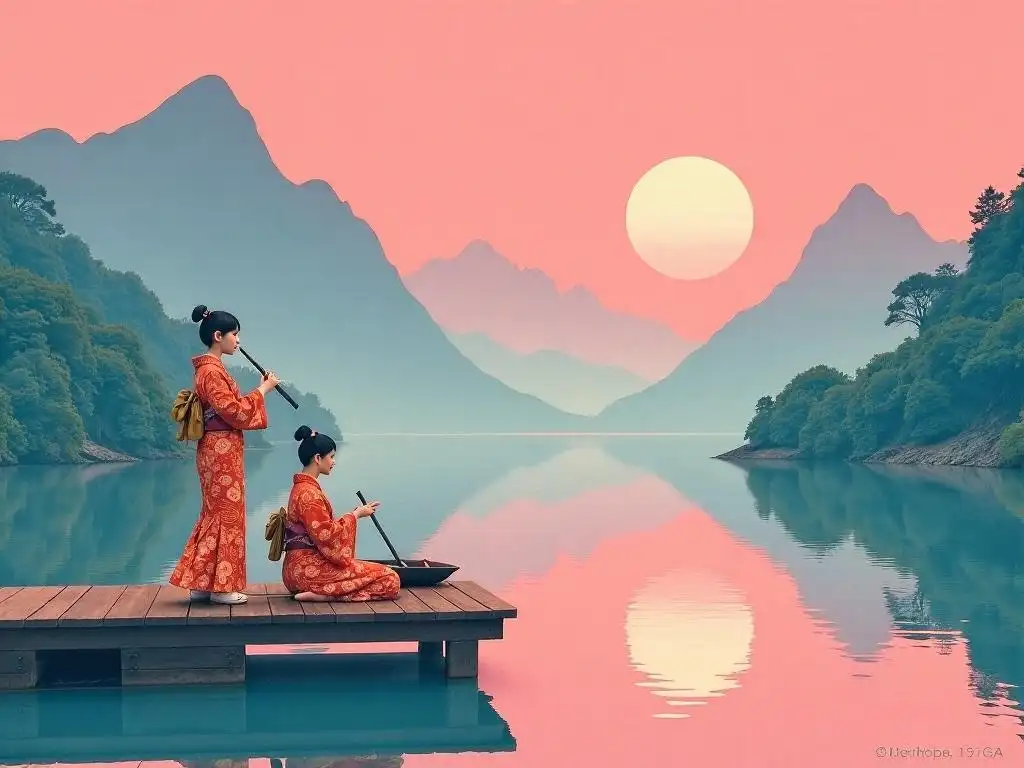
Welcome to Feudal Japan History, where we take you on a fascinating journey through the intricate tapestry of Japan’s feudal era. In our featured article, “The Intricate World of Ukiyoe: Unraveling the Art of Floating Worlds,” we delve into the mesmerizing history of Ukiyoe art, a vibrant expression of life during this captivating period.
Discover how this unique art form captures the essence of culture, society, and the beauty of everyday life, and prepares to be enchanted by stories that reveal the soul of feudal Japan. Join us as we unlock the mysteries of the past and invite you to explore further!
Ukiyoe, often referred to as the "pictures of the floating world," represents a captivating and intricate art form that flourished during Japan's Edo period (1603-1868). This genre of woodblock printing and painting captures the ephemeral beauty of life, encapsulating scenes of everyday existence, landscapes, and the vibrant pleasures of urban culture.
As we delve into the depths of Ukiyoe art history in Japan, we will explore its definition, cultural significance, and the historical context that nurtured its development. This exploration not only highlights the aesthetic appeal of Ukiyoe but also sheds light on its profound impact on Japanese art, culture, and society.
Understanding Ukiyoe Art History in Japan
Definition and Origin of Ukiyoe
Ukiyoe, literally translated as "pictures of the floating world," encompasses a variety of visual art forms, including woodblock prints and paintings. Originating in the early 17th century, Ukiyoe embodies the spirit of the Edo period, where artists like Hokusai and Hiroshige emerged as masters of this genre. The prints often depict scenes of leisure, beauty, and the transient nature of life, reflecting both the joys and the sorrows of the human experience.
- Key Characteristics of Ukiyoe:
- Woodblock Printing: A technique that allows for the mass production of images.
- Themes: Common subjects include landscapes, kabuki actors, beautiful women (bijin), and scenes from folklore.
- Color and Detail: Vibrant colors and intricate details are hallmark features.
The Meaning of "Floating World" in Japanese Culture
The term "floating world" (ukiyo) conveys a sense of transience and impermanence, key concepts in Japanese aesthetics and philosophy. It encapsulates the fleeting pleasures of life, particularly in the bustling urban centers of Edo (modern-day Tokyo).
- Cultural Significance:
- Transience and Beauty: Reflects the Buddhist notion of impermanence (anicca).
- Pleasures of Life: Celebrates the enjoyment of entertainment, nature, and beauty in everyday life.
- Social Commentary: Offers insights into the lifestyles and values of the Edo period.
Historical Context of Ukiyoe Art
The Edo Period: A Blossoming of Culture
The Edo period was a time of peace and stability in Japan, which allowed for a flourishing of culture and the arts. The rise of the merchant class and urbanization contributed to the popularity of Ukiyoe, as it catered to the tastes and interests of the growing population.
- Key Developments:
- Economic Growth: Increased wealth led to a demand for art and entertainment.
- Cultural Exchange: Interaction with Western art introduced new techniques and perspectives.
- Printmaking Techniques: Innovations in woodblock printing allowed for greater detail and color variety.
Influences on Ukiyoe: Religion, Literature, and Theater
Ukiyoe was not created in a vacuum; it drew inspiration from various aspects of Japanese culture, including religion, literature, and theater.
- Religious Influences: Elements of Shinto and Buddhism often found their way into Ukiyoe imagery, depicting deities and spiritual themes.
- Literary Connections: Popular literature of the time, including kabuki plays and poetry, heavily influenced the subjects depicted in Ukiyoe.
- Theatrical Themes: The kabuki theater, with its vibrant performances and iconic actors, became a frequent subject of Ukiyoe prints, capturing the essence of Japanese entertainment.
In unraveling the intricate world of Ukiyoe, we gain insight into a unique art form that not only reflects the aesthetic values of its time but also serves as a window into the cultural and societal dynamics of feudal Japan.
Key Characteristics of Ukiyoe Art
Ukiyoe, which translates to "pictures of the floating world," is a genre of Japanese woodblock printing that flourished from the 17th to the 19th centuries. This art form is characterized by its vibrant colors, intricate designs, and a unique blend of aesthetic principles. The prints often showcase a sense of immediacy and fleeting beauty, reflecting the transient nature of life and human experience.
One of the most notable features of Ukiyoe art is its bold use of color, achieved through a painstaking process involving multiple woodblocks for each hue. Artists utilized a technique known as "bokashi," which involves blending colors to create gradients, giving depth and dimension to their works. Additionally, Ukiyoe prints frequently exhibit a strong linear quality, with outlines that define subjects and create a sense of movement within the composition.
Another key characteristic is the incorporation of detailed landscapes and scenes from everyday life. The prints often convey a narrative, capturing moments of leisure, seasonal changes, and social interactions. This storytelling aspect not only provides insight into the culture and lifestyle of Edo-period Japan but also invites viewers to reflect on their own experiences.
Traditional Techniques and Materials Used in Ukiyoe
The creation of Ukiyoe prints involves a meticulous process that requires both artistic skill and technical expertise. Traditional Ukiyoe artists utilized a variety of materials, including handmade paper known as washi, which is known for its durability and texture. This paper allows for vibrant ink absorption, enhancing the visual quality of the prints.
The printing process begins with the artist creating a detailed drawing on a thin sheet of paper. This drawing is then transferred onto a block of wood, often cherry wood, which is carved to create the relief image. Each color in the final print requires a separate woodblock, making the process labor-intensive.
Inks used in Ukiyoe are typically derived from natural sources, including mineral-based pigments and plant dyes. These inks are mixed with a binding agent, usually made from rice paste, to achieve the desired consistency and adhesion to the paper during the printing process. The careful layering of colors and the use of baren—a hand-held tool for pressing the paper onto the inked block—are crucial for achieving the rich textures and subtle color variations that define Ukiyoe.
Iconic Themes and Subjects in Ukiyoe Prints
Ukiyoe art encompasses a wide range of themes and subjects, reflecting the diverse aspects of life and culture during the Edo period. One of the most prevalent themes is the depiction of beautiful women, known as bijin, which often showcases the latest fashion trends and hairstyles of the time. These prints celebrate femininity and beauty, presenting women in various activities, from leisure to performance arts.
Another significant theme is the portrayal of landscapes, particularly those featuring famous sites such as Mount Fuji. Artists like Hokusai and Hiroshige are renowned for their landscape compositions that evoke emotional responses through the use of color and perspective. Seasonal changes, such as cherry blossoms in spring or the colors of autumn leaves, are frequently depicted, emphasizing the beauty of nature throughout the year.
Additionally, Ukiyoe prints often illustrate scenes from kabuki theatre, capturing the dramatic expressions and movements of actors. These prints served to promote performances and convey the rich cultural narratives embedded in Japanese theatre. The blend of these themes illustrates not only the aesthetic values of the time but also the societal interests and cultural dynamics of feudal Japan.
Notable Ukiyoe Artists and Their Contributions
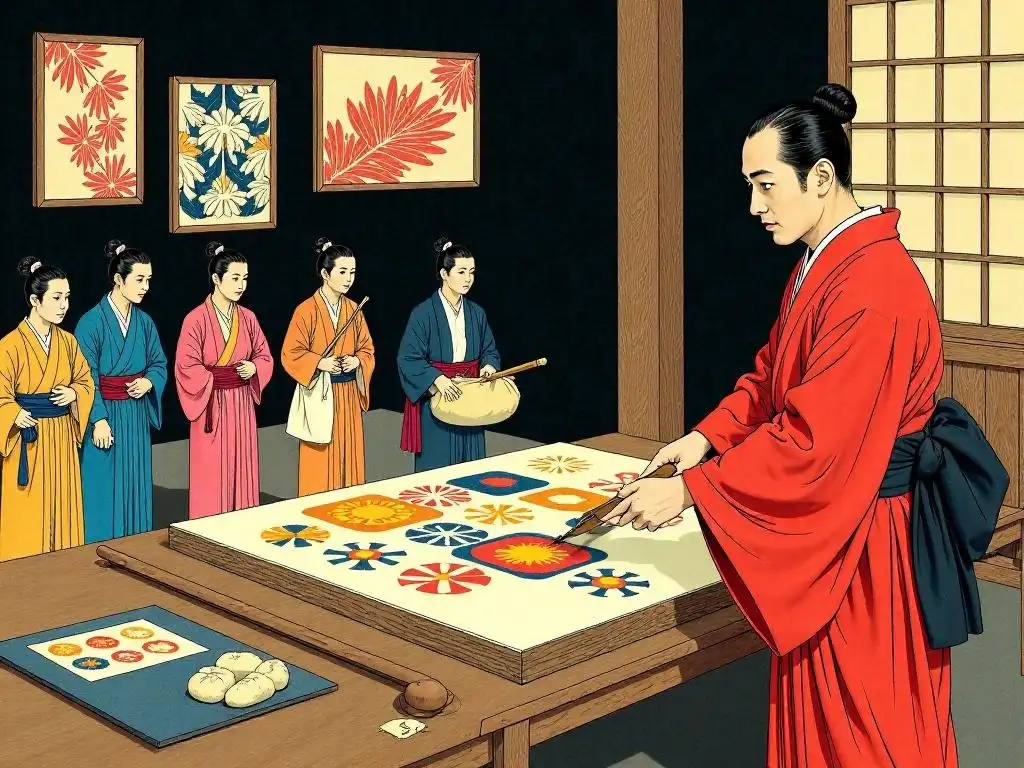
The history of Ukiyoe is marked by several masterful artists whose works have left an indelible mark on the art world. Each artist brought their unique style and perspective, contributing significantly to the development and popularity of Ukiyoe art.
Hokusai: Master of the Great Wave
Katsushika Hokusai is perhaps the most famous Ukiyoe artist, best known for his iconic print "The Great Wave off Kanagawa." Hokusai's work is characterized by bold lines, dramatic compositions, and a keen observation of nature. His series "Thirty-Six Views of Mount Fuji" not only showcases the majestic mountain but also reflects the changing moods of the landscape.
Hokusai's innovative use of perspective and color created a sense of depth and movement that captivated viewers. He experimented with techniques that allowed for intricate details, and his prints often included elements of folklore and mythology, enriching the narrative quality of his art. Hokusai's influence extended beyond Japan, inspiring Western artists and movements, particularly in the 19th century.
Hiroshige: Capturing the Beauty of Nature
Utagawa Hiroshige is celebrated for his exquisite landscape prints, which convey the beauty of nature with a delicate touch. His series "The Fifty-Three Stations of the Tōkaidō" depicts scenic views along the famous road connecting Edo and Kyoto, capturing the essence of seasonal changes and the harmony between human life and nature.
Hiroshige's work is distinguished by its atmospheric effects and subtle color gradations. He often employed the technique of "bokashi" to create soft transitions between colors, giving his prints a dreamlike quality. His compositions frequently include figures engaged in daily activities, blending the natural world with human experiences, which resonates deeply with the Ukiyoe theme of the ephemeral.
Utamaro: Celebrating the Female Form
Kitagawa Utamaro is renowned for his elegant portrayals of women, capturing the subtleties of their beauty and grace. His prints often depict women engaged in various activities such as dressing, playing musical instruments, or enjoying leisure time. Utamaro's ability to convey emotion and personality through facial expressions and postures makes his work exceptional.
Utilizing a refined color palette and soft lines, Utamaro's prints showcase the fashion and cultural nuances of Edo-period women. His art not only highlights the aesthetics of beauty but also reflects the evolving role of women in society during this time. Utamaro's contributions to Ukiyoe art established a standard for beauty that continues to influence artists today.
The Influence of Ukiyoe on Global Art Movements
Ukiyoe, or "pictures of the floating world," has had a profound impact on various global art movements, influencing artists and styles far beyond Japan's borders. Originating during the Edo period (1603-1868), this genre of woodblock prints and paintings captured the essence of urban life, landscapes, and beautiful women, establishing a unique aesthetic that resonated with many artists around the world. The vibrant colors and intricate details of Ukiyoe prints not only showcased the beauty of everyday life but also served as an inspiration for various art movements in the West, particularly during the late 19th and early 20th centuries.
One of the key aspects of Ukiyoe's influence lies in its blending of decorative elements with narrative content, encouraging artists to explore new dimensions in their works. This shift in perspective can be seen in the adoption of Ukiyoe's themes and techniques by numerous European artists, who sought to break free from the constraints of traditional Western art. The distinct style of Ukiyoe, characterized by its flat areas of color and emphasis on outlines, led to a reevaluation of composition and perspective in Western art, paving the way for innovative approaches to visual storytelling.
The Impact of Ukiyoe on Impressionism
The connection between Ukiyoe and Impressionism is particularly noteworthy, as many Impressionist artists drew inspiration from the Japanese woodblock prints. Artists such as Claude Monet, Edgar Degas, and Pierre-Auguste Renoir were captivated by the bold colors, unique compositions, and unconventional perspectives found in Ukiyoe. Monet, for instance, famously collected Japanese prints and incorporated their aesthetic qualities into his own works, experimenting with color and light in ways that echoed the principles of Ukiyoe.
The influence of Ukiyoe on Impressionism can be seen in several key aspects:
- Composition: Ukiyoe often employed asymmetrical arrangements that contrasted with the traditional balance of Western art. Impressionists adopted this approach, creating dynamic and engaging compositions.
- Color and Light: The vivid color palettes and innovative use of light in Ukiyoe inspired Impressionists to explore new techniques, leading to the development of their signature brushwork and color application.
- Subject Matter: The everyday scenes depicted in Ukiyoe resonated with the Impressionists, who sought to capture the fleeting moments of modern life through their art.
This cross-cultural exchange significantly shaped the direction of modern art, illustrating the profound impact that Ukiyoe had on the development of Western artistic movements.
Ukiyoe's Role in Modern Art and Design
Beyond Impressionism, Ukiyoe has continued to influence modern art and design across various disciplines. Its distinctive visual language has inspired countless artists, graphic designers, and illustrators. The principles of Ukiyoe, such as bold use of color, stylized forms, and flat perspectives, can be observed in contemporary design practices, including fashion, advertising, and interior design.
In the realm of fine art, contemporary artists such as Takashi Murakami and Yoshitomo Nara have embraced Ukiyoe's aesthetics, blending traditional elements with modern themes. Their works often reflect a dialogue between the past and present, showcasing how Ukiyoe's influence can be reinterpreted in today’s context. Additionally, graphic design has seen a resurgence of Ukiyoe-inspired motifs, with many designers utilizing its patterns and imagery to create visually engaging products that resonate with both historical significance and contemporary appeal.
The enduring legacy of Ukiyoe serves as a testament to its versatility and relevance, as artists continue to draw from this rich cultural heritage to inform their creative processes and explore new artistic frontiers.
The Decline and Revival of Ukiyoe
The history of Ukiyoe is not only one of influence and innovation but also of decline and resurgence. As Japan entered the Meiji era (1868-1912), the societal and cultural landscape began to shift dramatically, leading to the decline of traditional Ukiyoe practices. This decline can be attributed to several factors, including the introduction of Western art styles, changing consumer preferences, and the industrialization of Japan.
Factors Leading to the Decline of Ukiyoe Art
The decline of Ukiyoe art can be linked to several significant changes:
- Westernization: The Meiji Restoration brought about a wave of Western influence in Japan, leading to the adoption of European art styles and techniques. This shift resulted in a decreased demand for traditional Ukiyoe prints, as more people gravitated towards Western art forms.
- Industrialization: The rise of mass production techniques diminished the value of handcrafted Ukiyoe prints. As industrialization took hold, the unique qualities of traditional woodblock printing began to lose their appeal.
- Cultural Shifts: Urbanization and modernization altered the cultural landscape of Japan. The themes of Ukiyoe, which often focused on the fleeting pleasures of urban life, became less relevant as society evolved.
Despite these challenges, Ukiyoe did not completely vanish. The art form saw periods of revival as artists and scholars recognized its cultural significance and sought to preserve its legacy.
Contemporary Revival and Reinterpretation of Ukiyoe
In recent years, there has been a notable revival and reinterpretation of Ukiyoe, both in Japan and globally. This resurgence can be attributed to a growing appreciation for traditional crafts and a desire to reconnect with cultural heritage. Contemporary artists and designers are increasingly incorporating Ukiyoe elements into their work, leading to a fusion of traditional and modern aesthetics.
Several factors have contributed to this revival:
- Art Exhibitions: Museums and galleries around the world have showcased Ukiyoe prints, highlighting their historical importance and artistic value. These exhibitions have sparked renewed interest among art enthusiasts and collectors.
- Educational Initiatives: Workshops and classes focused on traditional Ukiyoe techniques have emerged, allowing new generations to learn and appreciate the craft. This educational aspect has played a crucial role in keeping the art form alive.
- Global Influence: As the world becomes more interconnected, the appreciation for Japanese culture and art has grown. Artists from diverse backgrounds are exploring Ukiyoe's visual language, blending it with contemporary themes and styles.
The revival of Ukiyoe art signifies not only a return to its roots but also an evolution that reflects the complexities of modern society, ensuring that this exquisite art form continues to resonate with audiences today.
Conclusion: The Lasting Legacy of Ukiyoe Art in Japan
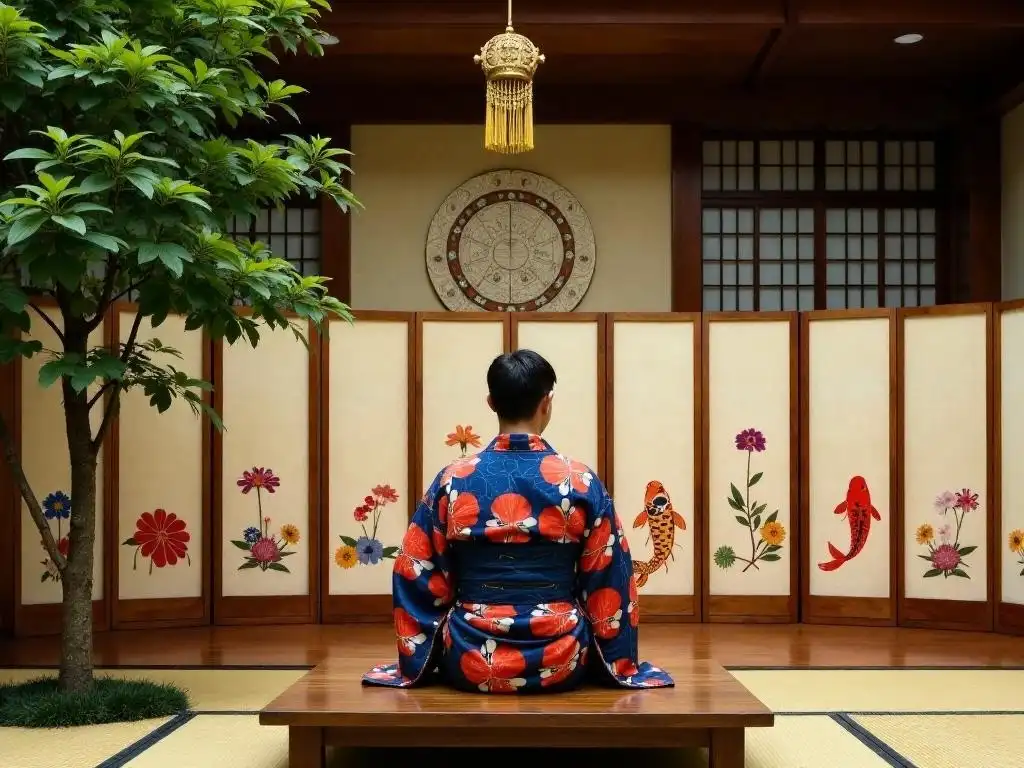
Ukiyoe, often referred to as the "pictures of the floating world," has left an indelible mark on the cultural landscape of Japan. Emerging during the Edo period, this art form not only captured the aesthetics of its time but also served as a reflection of societal values, everyday life, and the natural beauty of the Japanese archipelago. As we conclude our exploration of Ukiyoe, it is crucial to recognize how this art has transcended its historical context to become a symbol of Japan's rich cultural heritage.
The influence of Ukiyoe extends beyond the borders of Japan, impacting Western art movements in the 19th century, such as Impressionism and Post-Impressionism. Artists like Vincent van Gogh and Claude Monet drew inspiration from Ukiyoe prints, showcasing the global reach and appreciation for this unique art form. Today, Ukiyoe continues to inspire contemporary artists, maintaining its relevance while adapting to modern interpretations and techniques.
Significance of Ukiyoe in Japanese Cultural Identity
Ukiyoe art holds a significant place in the Japanese cultural identity, serving as a historical record that reflects the values, beliefs, and daily lives of the people during the Edo period. These prints often depicted scenes from kabuki theatre, landscapes, and portraits of beautiful courtesans, providing a glimpse into the vibrant culture of the time.
Moreover, Ukiyoe fosters a sense of pride among Japanese people, as it encapsulates the essence of traditional aesthetics, craftsmanship, and storytelling. The meticulous techniques used by Ukiyoe artists, including woodblock printing and the use of natural pigments, are celebrated as a testament to Japan’s dedication to art and culture.
In modern society, Ukiyoe continues to resonate with the younger generations, who see it as a bridge between past traditions and contemporary expressions. Through exhibitions, educational programs, and digital platforms, the significance of Ukiyoe is preserved, ensuring that this art form remains an integral part of Japan's cultural narrative.
Future of Ukiyoe: Preserving the Art of Floating Worlds
The future of Ukiyoe art lies in the balance between preservation and innovation. As interest in traditional Japanese art grows, efforts are being made to ensure that the techniques and knowledge of Ukiyoe are passed down to future generations. This includes workshops, apprenticeships, and academic programs focused on the study of woodblock printing and the historical context of Ukiyoe.
Moreover, contemporary artists are reinterpreting Ukiyoe themes and styles, merging them with modern techniques and perspectives. This fusion not only revitalizes interest in Ukiyoe but also expands its relevance in today’s global art scene. Exhibitions that showcase both traditional and contemporary Ukiyoe can attract broader audiences, fostering appreciation for this unique art form.
In addition, digital technology is playing a crucial role in the preservation of Ukiyoe. High-resolution imaging and online databases allow for the documentation and accessibility of these artworks, making them available to a global audience. Virtual exhibitions and augmented reality experiences can further enhance engagement with Ukiyoe, inviting new generations to explore the art of floating worlds.
While Ukiyoe art history in Japan is deeply rooted in tradition, its future is bright, filled with possibilities for innovation and cultural exchange. By valuing both the past and the present, Ukiyoe will continue to thrive as a vital part of Japan’s artistic and cultural identity.
- Understanding Ukiyoe Art History in Japan
- Historical Context of Ukiyoe Art
- Key Characteristics of Ukiyoe Art
- Notable Ukiyoe Artists and Their Contributions
- The Influence of Ukiyoe on Global Art Movements
- The Decline and Revival of Ukiyoe
- Conclusion: The Lasting Legacy of Ukiyoe Art in Japan
- Significance of Ukiyoe in Japanese Cultural Identity
- Future of Ukiyoe: Preserving the Art of Floating Worlds
Frequently Asked Questions
What is Ukiyoe art?
Ukiyoe art refers to the traditional woodblock prints and paintings that emerged in Japan during the Edo period (1603-1868). It often depicts scenes of landscapes, theater, and courtesans, reflecting the floating world of Japanese culture.
How did Ukiyoe influence modern art?
Ukiyoe had a significant impact on Western art movements, especially Impressionism. Artists like Vincent van Gogh and Claude Monet were inspired by its color palettes and compositional techniques, incorporating these elements into their own works.
What are the major themes found in Ukiyoe art?
The major themes of Ukiyoe include nature, urban life, theater, and mythology. These themes often explore the transience of beauty and the ephemeral nature of life, which are central ideas in Japanese aesthetics.
Who were the prominent Ukiyoe artists?
Some of the most notable Ukiyoe artists include Hokusai, known for his iconic wave prints, and Hiroshige, famous for his landscapes. Their works are celebrated for their innovative techniques and poetic representation of the world.
How is Ukiyoe art preserved today?
Today, Ukiyoe art is preserved through museum collections, exhibitions, and digital archives. Additionally, some contemporary artists continue to create works that pay homage to the traditional techniques and themes of Ukiyoe, ensuring its legacy endures.
Final Reflection: Embracing the Timeless Allure of Ukiyoe
The intricate beauty of Ukiyoe art not only reflects the aesthetic values of its time but also resonates deeply with contemporary society. As we navigate a world increasingly dominated by technology and rapid change, the enduring themes of Ukiyoe—transience, beauty, and the celebration of everyday life—remain profoundly relevant. This art form invites us to pause and appreciate the fleeting moments that define our existence, reminding us that beauty can be found in the simplest of experiences.
Ukiyoe has left an indelible mark on both the cultural and social landscapes, influencing countless artists and movements across the globe. The way Ukiyoe captures the essence of life, nature, and human emotion continues to inspire modern art and design. As art historian John D. McNicol once said, Ukiyoe is a window into a world that, while lost to time, still speaks to the heart of humanity.
This connection to our shared human experience underscores the importance of preserving and understanding this art form, as it serves as a bridge between past and present.
As we reflect on the lessons embedded in the world of Ukiyoe, I invite you to explore your own relationship with art and the fleeting moments of beauty in your life. Consider how you can incorporate the spirit of Ukiyoe into your daily existence—whether through mindfulness, creativity, or simply taking the time to appreciate the world around you. Let the legacy of Ukiyoe inspire you to seek beauty in the ordinary and to cherish the ephemeral nature of life, as we all navigate our own floating worlds.
Unveil the Beauty of Ukiyo-e Today!
Thank you for exploring the captivating world of Ukiyo-e with us! We hope you gained new insights into this mesmerizing art form and have been inspired by the elegance and history it embodies. Now, it's time to take the next step on your artistic journey!
- Dive Deeper: Consider enrolling in a local or online Ukiyo-e course to enhance your appreciation for this unique art style.
- Share Your Passion: Showcase your favorite Ukiyo-e artwork on social media and invite your friends to join you in discovering this enchanting art form.
- Join a Community: Connect with fellow Ukiyo-e enthusiasts by joining or creating an online group to discuss and celebrate this beautiful tradition together.
Which stunning Ukiyo-e print resonates most with you, and how would you like to incorporate it into your daily life?