
The Secrets of the Ninja: Unconventional Tactics in Feudal Japan


Welcome to Feudal Japan History, where we delve deep into the captivating world of Japan's feudal era, revealing the intricate tapestry of its historical, cultural, and societal nuances. Are you ready to uncover the enigmatic world of ninja tactics in feudal Japan? In our featured article, "The Secrets of the Ninja: Unconventional Tactics in Feudal Japan," we invite you to explore the shadowy techniques and strategies that defined these legendary warriors.
Join us on a journey that promises to ignite your curiosity and unveil the secrets that history has long kept hidden. Your adventure into the past begins here—read on to discover the extraordinary!
Introduction to Ninja Tactics in Feudal Japan
The enigmatic figure of the ninja has long captivated the imagination, shrouded in mystery and myth. In feudal Japan, these skilled warriors were more than just shadowy assassins; they were masters of unconventional tactics that played a crucial role in the military landscape of their time. As we delve into the Ninja tactics in feudal Japan, we will uncover the intricate strategies and methodologies that defined their approach to warfare. This exploration not only highlights their unique skills but also offers insight into the broader societal and cultural dynamics of feudal Japan, where loyalty and honor were paramount.
Overview of the Ninja's Role in Feudal Society
Ninjas, or shinobi, were integral to the military fabric of feudal Japan, often operating in the shadows to support their clans and lords. Their primary roles included:
- Espionage: Gathering intelligence on enemy movements and strategies.
- Sabotage: Disrupting enemy supply lines and resources.
- Assassination: Removing key figures to destabilize opponents.
- Guerrilla Warfare: Engaging in hit-and-run tactics to exploit enemy weaknesses.
The ninja's ability to adapt and employ unconventional strategies was vital in an era marked by constant power struggles among clans. Their methods, often viewed as dishonorable, were justified by the necessity of survival and victory in a cutthroat environment.
Importance of Unconventional Warfare in Japan's Military History
The significance of unconventional warfare in feudal Japan cannot be overstated. Traditional samurai tactics emphasized honor, direct engagement, and martial prowess, but the realities of warfare often demanded more pragmatic approaches. The ninja's strategies exemplified this necessity, allowing for:
- Flexibility in Combat: The ability to adapt tactics based on the situation, often catching opponents off-guard.
- Psychological Warfare: Creating fear and uncertainty among enemies, which could lead to demoralization.
- Resource Efficiency: Utilizing fewer resources to achieve tactical objectives, which was crucial for smaller clans.
These unconventional methods not only shaped battles but also influenced the broader context of Japanese military strategy.
Historical Context of Ninja Warfare
To fully appreciate the tactics employed by ninjas, it is essential to understand the historical backdrop against which they emerged. The period of feudal Japan was characterized by a fragmented political landscape, with numerous clans vying for power and territory.
The Emergence of Ninja in Feudal Japan
The origins of the ninja can be traced back to the tumultuous Sengoku period (1467-1603), a time characterized by civil war and social upheaval. As clans sought to gain a competitive edge, they began to recruit individuals skilled in stealth and subterfuge. This marked the rise of the ninja as specialized operatives, often originating from the lower classes, who possessed unique skills in survival and combat.
Key Historical Events Influencing Ninja Tactics
Several key events shaped the evolution of ninja tactics:
- The Onin War (1467-1477): This conflict initiated a prolonged period of warfare, leading to an increased need for espionage and sabotage.
- The Rise of the Tokugawa Shogunate (1603): The establishment of a centralized power structure created a new context for ninja activities, transforming them into both tools of statecraft and symbols of resistance.
Through these events, the role of the ninja evolved, reflecting the complexities of feudal Japanese society and warfare. Understanding these historical contexts allows us to appreciate the sophisticated tactics that define the legacy of ninjas in Japan's military history.
Core Principles of Ninja Tactics

Ninja tactics in feudal Japan were built on several core principles that set them apart from the conventional military strategies of their time. The primary focus of these tactics was on stealth, deception, and adaptability. Ninjas operated in secrecy, often working as spies or assassins, which necessitated a unique skill set that included not only combat techniques but also psychological manipulation.
A fundamental tenet of ninja tactics was the element of surprise. Ninjas would often strike when their targets were least expecting it, utilizing their knowledge of the terrain to gain an advantage. Moreover, their training emphasized agility and speed, allowing them to evade capture and retreat quickly when necessary. This principle was complemented by the ninjutsu philosophy of using the environment to one's advantage, whether it was through camouflage or utilizing natural cover.
Additionally, ninjas understood the importance of intelligence gathering. They meticulously studied their targets and the surroundings to exploit weaknesses. This emphasis on reconnaissance and information warfare was crucial for planning effective operations, and it allowed ninjas to execute their missions with precision and minimal risk.
Stealth and Infiltration Techniques
Stealth was the cornerstone of ninja operations. Ninjas honed their skills in moving silently and remaining unseen, employing techniques such as shinobi-iri (stealthy movement) and kuso no jutsu (camouflage techniques). These methods involved using the cover of darkness, observing the natural sounds of the environment to mask their movements, and wearing dark clothing to blend seamlessly into the night.
Infiltration often required ninjas to navigate fortified locations without being detected. They developed a keen understanding of architectural layouts, which allowed them to identify weak points in defenses. Techniques like scaling walls, slipping through narrow openings, and using rooftops were common practices. This ability to infiltrate enemy territory was not just about physical movement; it also involved psychological elements, such as creating distractions to draw attention away from their true intentions.
Ninjas also made use of tools designed to aid in stealth, like grappling hooks and climbing gear, which facilitated access to hard-to-reach places. The combination of training, tools, and strategic thinking enabled ninjas to execute their missions effectively, often without leaving a trace.
Psychological Warfare and Misdirection
Psychological warfare was an integral part of ninja tactics, as it allowed them to manipulate their enemies' perceptions and reactions. Ninjas often employed techniques that caused confusion and fear, such as creating false trails or using decoys to mislead their opponents. These tactics not only served to protect the ninja's identity but also to instill doubt and paranoia among their enemies.
One common method involved the use of sound to create distractions. Ninjas would mimic animal calls or use makeshift devices to generate noise, drawing attention away from their actual movements. This technique often led to an enemy's misallocation of resources and focus, making them vulnerable to subsequent attacks or recon missions.
Furthermore, the psychological impact of a ninja's reputation played a crucial role. Stories of their supernatural abilities and cunning strategies spread throughout feudal Japan, contributing to an aura of fear that could demoralize entire enemy factions before any physical confrontation occurred. This intangible aspect of warfare exemplified how the mind could be just as powerful a weapon as any blade.
Adaptability: The Ninja's Key to Survival
Adaptability was central to the ninja's survival in the unpredictable landscape of feudal Japan. Ninjas were trained to think on their feet, adjusting their strategies based on the circumstances they faced. This flexibility allowed them to respond effectively to changing conditions, whether it meant altering their approach mid-mission or adjusting their tactics in response to enemy actions.
The ability to blend into various environments was another facet of adaptability. Ninjas often disguised themselves as farmers, merchants, or even monks to gather intelligence or conduct operations without raising suspicion. This versatility in identity not only facilitated their missions but also highlighted their skill in understanding and manipulating social dynamics.
Moreover, ninjas were adept at utilizing whatever resources were available to them in a given situation. Whether it was employing improvised weapons or leveraging local knowledge for strategic advantages, their capacity to adapt ensured that they could thrive in diverse and often hostile environments. This quality of being resourceful and resilient was essential for their success and longevity in the turbulent era of feudal Japan.
Unconventional Weapons and Tools Used by Ninjas
Ninjas employed a range of unconventional weapons and tools that enhanced their operational effectiveness. These items were often designed for stealth and utility rather than brute force, reflecting the strategic mindset of the ninja. By utilizing a variety of weapons, ninjas could engage in combat or sabotage while remaining inconspicuous.
Traditional Ninja Weapons: Shuriken, Tanto, and More
Among the most iconic weapons associated with ninjas are shuriken (throwing stars) and tanto (daggers). Shuriken were not only used as projectiles but also served as distractions or tools to create openings for escape. These small, easily concealable weapons allowed ninjas to inflict harm or create chaos without revealing their presence.
The tanto, a short blade, was another favored weapon, valued for its versatility in close-quarters combat. Ninjas would often carry multiple tanto, each designed for different types of engagements. The tactical use of these weapons complemented their principles of stealth and surprise, allowing ninjas to engage effectively without drawing attention.
In addition to these traditional weapons, ninjas also utilized a variety of specialized tools such as grappling hooks, smoke bombs, and flash bombs. These devices not only aided in infiltration and escape but also provided tactical advantages in combat situations. The combination of traditional weaponry and innovative tools enabled ninjas to execute their missions with an emphasis on stealth and efficiency.
The Use of Poison and Other Tactical Tools
Poison played a significant role in the arsenal of a ninja, serving as a means of incapacitating or eliminating targets without direct confrontation. Ninjas often employed various types of toxins, which could be applied to weapons or food to achieve their objectives. The strategic use of poison allowed them to carry out assassinations while minimizing risk to themselves.
Another important tactical tool was the use of traps and snares. Ninjas would set these devices to capture or injure unsuspecting enemies, demonstrating their ingenuity in warfare. This aspect of their tactics illustrated their ability to create lethal environments without direct engagement, further supporting their overall strategy of stealth and misdirection.
Moreover, ninjas were skilled in the use of smoke and distraction devices that could obscure their movements or provide cover during escapes. These tactical tools reinforced the principle of adaptability, as they could be employed in a variety of situations, allowing ninjas to maintain the upper hand in both offense and defense. Their resourcefulness in weaponry and tactics contributed to the legendary status of ninjas in the annals of feudal Japan's military history.
Training and Skills Development for Ninjas
Ninja training in feudal Japan was a rigorous and multifaceted process that combined physical conditioning, martial arts, and mental discipline. The goal was to create individuals who could thrive in covert operations and adapt to various combat scenarios. Ninjas, or shinobi, underwent extensive training to master diverse skills essential for their unconventional warfare tactics.
Rigorous Training Regimens in Feudal Japan
The training regimen of a ninja was demanding and structured. It typically began at a young age, often with children being recruited into clans to learn the foundational skills necessary for survival and success in their roles. The training included:
- Physical Conditioning: Ninjas engaged in strength, agility, and endurance exercises to prepare their bodies for the demands of stealth and combat. Activities such as running, climbing, and swimming were integral, helping them navigate diverse terrains quickly and silently.
- Martial Arts Mastery: Proficiency in various martial arts was crucial. Ninjas trained in jujutsu, kenjutsu (swordsmanship), and other weapon skills, enabling them to defend themselves and execute missions effectively.
- Stealth Techniques: Learning to move silently was a core component of ninja training. Techniques such as the "Ninja Walk" were taught to minimize noise, while breathing exercises improved their ability to remain undetected.
- Survival Skills: Ninjas were trained in survival tactics, including foraging, camouflage, and navigating through forests and urban areas. This training enabled them to operate in hostile environments and evade capture.
Overall, the rigorous training regimens prepared ninjas to face the unpredictable challenges of feudal Japan, making them experts in their field.
The Role of Espionage in Ninja Training
Espionage was a fundamental aspect of ninja training, as gathering intelligence was often more critical than direct combat. Ninjas were taught various techniques to infiltrate enemy territories and gather valuable information without being detected. Key elements of this training included:
- Information Gathering: Ninjas learned how to observe and report on enemy movements, fortifications, and strategic plans. This involved studying enemy routines and identifying weak points in their defenses.
- Disguise and Deception: Training included the art of disguise, allowing ninjas to blend into different social environments. They practiced adopting various personas to gain access to sensitive information.
- Communication Techniques: Silent communication methods, such as using coded messages and signals, were essential. Ninjas developed systems to transmit information discreetly, ensuring that valuable intelligence reached their leaders without interception.
- Psychological Manipulation: Understanding human behavior was crucial for ninjas. They were trained in psychological tactics to create diversions or manipulate enemies into revealing key information.
The emphasis on espionage made ninjas not just warriors but also skilled intelligence operatives, capable of influencing the outcomes of battles even before they began.
Notable Ninja Clans and Their Unique Tactics
Throughout Japan's feudal era, several ninja clans emerged, each with distinct tactics and specialties. These clans contributed significantly to the evolution of ninja warfare and espionage.
The Iga and Koga Clans: Masters of Stealth
The Iga and Koga clans are perhaps the most renowned ninja families in feudal Japan, known for their unrivaled expertise in stealth and infiltration:
- Iga Clan: Originating from the mountainous region of Iga Province, this clan was famous for its strategic training and use of terrain to their advantage. Their members often engaged in guerrilla warfare, employing ambush tactics and surprise attacks to outmaneuver larger, more traditional forces.
- Koga Clan: Hailing from Koga, this clan was equally proficient in stealth techniques. The Koga clan specialized in espionage and sabotage, often infiltrating enemy camps to gather intelligence or disrupt supply lines. They were known for their innovative use of disguises and psychological warfare.
Both clans have left a lasting legacy, influencing the tactics of modern espionage and military strategy.
Famous Ninja Figures and Their Tactical Innovations
Several iconic figures emerged from the ranks of ninja clans, each contributing unique tactics and strategies that would become legendary in the annals of Japanese history:
- Hattori Hanzo: Perhaps the most famous ninja, Hattori Hanzo served the Tokugawa shogunate and is credited with numerous tactical innovations, including the use of fire and smoke for diversion. His ability to gather intelligence and execute covert operations earned him a place in Japanese folklore.
- Fujibayashi Nagato: A prominent figure in the Iga clan, Fujibayashi was known for his expertise in espionage. He developed strategies that focused on psychological manipulation and misinformation, which allowed him to mislead opponents and gain critical advantages in battles.
- Kato Kiyomasa: While primarily known as a samurai, Kato Kiyomasa effectively utilized ninja tactics in his military campaigns. He employed swift, surprise attacks and efficient reconnaissance to outmaneuver his foes, demonstrating the versatility of ninja tactics in broader warfare.
These figures exemplified the blend of martial prowess and strategic cunning characteristic of ninjas, ensuring their tactics would influence military operations long beyond the feudal era.
Comparison of Ninja Tactics to Samurai Warfare
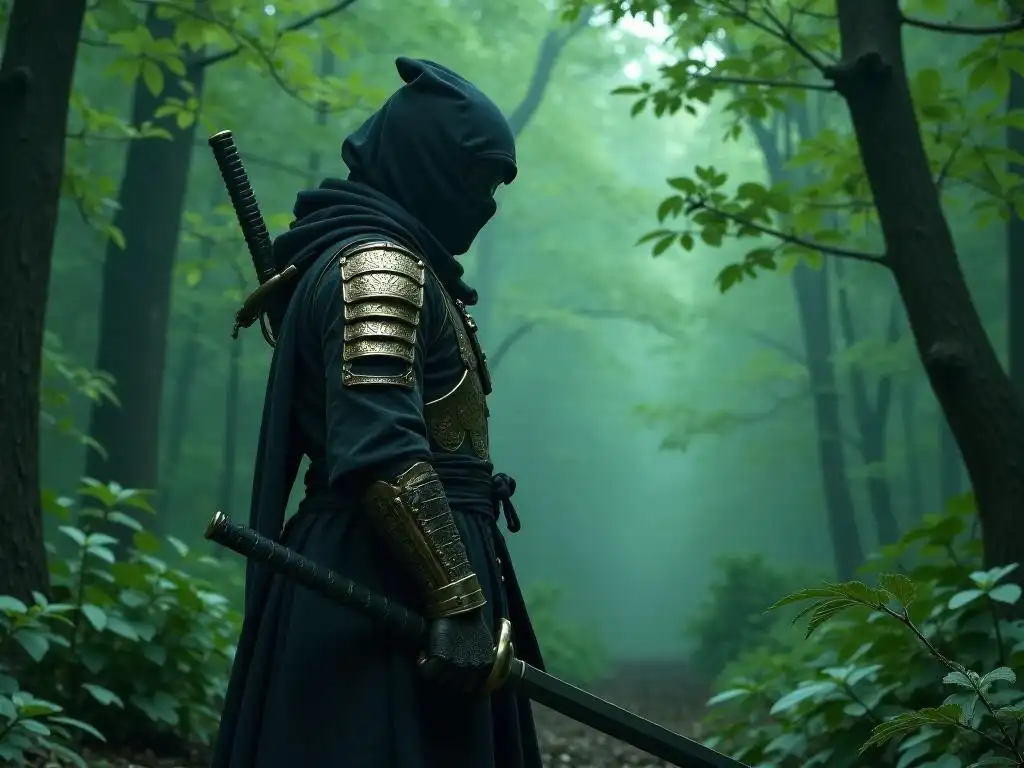
The contrasting methodologies employed by ninja and samurai during feudal Japan reveal a fascinating dichotomy in military strategy and philosophy. While both groups were integral to Japan's historical narrative, their approaches to warfare differed significantly, shaped by their distinct roles and societal expectations.
Differences in Approach: Stealth vs. Honor
Ninja tactics were fundamentally based on the principle of stealth. Unlike the samurai, who adhered to a strict code of honor (Bushido), the ninja operated in the shadows, prioritizing the element of surprise and deception over open confrontation. Samurai were expected to engage in honorable combat, showcasing their martial skill on the battlefield. In contrast, ninjas often employed subterfuge, sabotage, and guerrilla warfare, viewing warfare as a means to an end rather than an exhibition of personal valor.
This divergence in philosophy extended to their training as well. Samurai underwent rigorous training in swordsmanship, horseback riding, and archery, preparing them for one-on-one duels or large-scale battles. Ninjas, however, trained in a broader array of skills, including espionage, disguise, and stealth tactics, which allowed them to infiltrate enemy territory unnoticed and gather intelligence or eliminate targets without direct confrontation.
Tactical Advantages of Ninja Techniques Over Samurai Methods
Ninja tactics offered several tactical advantages that often outmaneuvered the more traditional samurai methods. One notable advantage was mobility. Ninjas were trained to move swiftly and silently, allowing them to traverse terrain that samurai might find difficult to navigate, especially in dense forests or urban environments. This ability to blend into their surroundings made them effective in reconnaissance missions and ambushes.
Additionally, ninjas utilized a variety of unconventional weapons and tools, such as shurikens (throwing stars), smoke bombs, and grappling hooks, which enhanced their effectiveness in unexpected scenarios. Their capacity to create diversions and exploit the element of surprise allowed them to disrupt enemy operations without engaging in direct combat, thus conserving their resources and minimizing risk.
Moreover, ninjas frequently employed psychological tactics, instilling fear and uncertainty in their opponents. By creating an atmosphere of paranoia and distrust, they could weaken enemy morale and disrupt command structures, often achieving objectives without the need for direct confrontation.
The Legacy of Ninja Tactics in Modern Times
The influence of ninja tactics has transcended their historical context, leaving a lasting imprint on modern military strategies and cultural representations.
Influence of Ninja Warfare on Contemporary Military Strategies
Modern military forces have drawn inspiration from ninja tactics, particularly in areas such as special operations and counterinsurgency. Techniques that emphasize stealth, reconnaissance, and the use of deception are now integral components of contemporary military training. Special forces units, like the U.S. Navy SEALs or British SAS, utilize similar principles that the ninjas perfected centuries ago, such as small unit tactics, covert operations, and psychological warfare.
Additionally, the emphasis on adaptability and unconventional approaches to conflict resolution resonates with modern military doctrine, which often prioritizes flexibility in uncertain environments. The ninja's ability to operate effectively under diverse conditions has become a model for training military personnel to think creatively and strategically.
Cultural Representation of Ninja Tactics in Popular Media
Ninja tactics have been immortalized in popular culture, shaping the perception of ninjas and their methods in contemporary society. Films, television shows, and video games have often portrayed ninjas as enigmatic figures skilled in martial arts and stealth, creating a romanticized image that blends historical fact with fiction.
Examples include iconic movies like "Ninja Scroll" and "Teenage Mutant Ninja Turtles," which, while not entirely historically accurate, highlight the enduring fascination with ninja culture and tactics. These representations contribute to a broader understanding of ninjas as symbols of agility, cunning, and resourcefulness.
The legacy of ninja tactics continues to captivate audiences, showcasing their significance not just in history but also in the modern imagination, demonstrating how the unconventional strategies of feudal Japan can still resonate today.
Conclusion: The Enduring Mystique of Ninja Tactics in Feudal Japan
The world of the ninja, cloaked in shadow and mystery, continues to captivate the imagination of people around the globe. The unconventional tactics employed by these covert operatives were not merely the stuff of legends; they were a sophisticated blend of strategy, training, and psychological warfare that significantly influenced the military landscape of feudal Japan. As we delve into the secrets of ninja tactics, it becomes clear that their practices were rooted in both necessity and innovation, enabling them to adapt to the chaotic realities of their time.
The enduring mystique surrounding the ninja can be attributed to their unique approach to warfare, which diverged from the traditional battlefield engagements of samurai. By focusing on stealth, intelligence gathering, and guerrilla tactics, ninjas transformed the way conflicts were approached and fought. This transformation not only served their immediate objectives but also left a lasting legacy on military strategies in Japan and beyond.
Summary of Key Insights into Ninja Warfare
Ninja warfare was characterized by several key insights that highlighted its effectiveness and ingenuity:
- Guerrilla Tactics: Ninjas often employed hit-and-run techniques, ambushes, and traps, allowing them to strike swiftly and retreat before the enemy could respond.
- Intelligence Gathering: The importance of information was paramount, as ninjas engaged in espionage to gather crucial data about enemy movements and strategies.
- Psychological Warfare: By instilling fear and uncertainty among their adversaries, ninjas could create an environment of paranoia that disrupted enemy plans.
- Adaptability: Ninjas were not bound by the strict codes of honor that governed samurai; this freedom allowed them to adapt their tactics to suit various situations and environments.
- Specialized Training: Ninjas underwent rigorous training in various disciplines, including martial arts, stealth techniques, and escape methods, equipping them with a diverse skill set.
These insights reveal a comprehensive understanding of the ninja's role in feudal Japanese warfare, underscoring the complexity and effectiveness of their tactics.
Final Thoughts on the Impact of Ninja Tactics on Japanese Military History
The impact of ninja tactics on Japanese military history is profound and multifaceted. While they were often seen as mere mercenaries or spies, the truth is that ninjas played a significant role in shaping the strategies employed by larger military forces. Their unconventional methods challenged traditional notions of warfare, pushing samurai and other military leaders to rethink their approaches.
As historical narratives evolve, the recognition of the ninja's contributions to military strategy can no longer be overlooked. Their unique tactics not only influenced the outcomes of specific battles but also contributed to the development of broader military doctrines. This shift in perspective is essential for understanding the full tapestry of Japan's feudal era.
The secrets of ninja tactics reveal a remarkable and intricate world that goes beyond the myths and legends. The blend of artful strategy, psychological insight, and practical skills demonstrates the ninja's crucial role in the military history of Japan, ensuring that their legacy endures in both historical scholarship and popular culture.
- Introduction to Ninja Tactics in Feudal Japan
- Overview of the Ninja's Role in Feudal Society
- Importance of Unconventional Warfare in Japan's Military History
- Historical Context of Ninja Warfare
- Core Principles of Ninja Tactics
- Unconventional Weapons and Tools Used by Ninjas
- Training and Skills Development for Ninjas
- Notable Ninja Clans and Their Unique Tactics
- Comparison of Ninja Tactics to Samurai Warfare
- The Legacy of Ninja Tactics in Modern Times
- Conclusion: The Enduring Mystique of Ninja Tactics in Feudal Japan
Frequently Asked Questions
What were the primary roles of ninjas in feudal Japan?
Ninjas, or shinobi, primarily served as spies, assassins, and saboteurs. Their activities included gathering intelligence and executing covert operations to support their lords.
How did ninjas differ from samurai in feudal Japan?
Unlike samurai, who adhered to a strict code of bushido and were recognized as warriors, ninjas operated in secrecy and often employed unconventional tactics that did not conform to traditional warfare.
What were some common tactics used by ninjas?
Ninjas utilized a variety of stealth techniques, including disguise, deception, and camouflage. They also employed tools such as smoke bombs and shuriken to create diversions during missions.
How did the perception of ninjas evolve during the feudal era?
Initially viewed as mercenaries or tools of war, ninjas later became mythologized figures in Japanese culture, often portrayed as possessing superhuman abilities and mystical skills in popular literature and folklore.
Are there any historical records of ninja tactics?
While many techniques are shrouded in legend, some historical texts, such as the Bansenshukai, document various ninja strategies and training methods, offering insight into their methods during feudal Japan.
Final Reflection: The Enduring Legacy of Ninja Tactics in Feudal Japan
The secrets of the ninja reveal not only the unconventional tactics employed during feudal Japan but also a timeless relevance that resonates in today's world. In an era where strategic thinking and adaptability are paramount, the lessons drawn from the cunning and resourceful nature of the ninja serve as a powerful reminder of the importance of innovation in overcoming challenges. The art of stealth and strategy practiced by these historical figures continues to inspire modern approaches in various fields, from military tactics to business strategies.
The influence of ninja tactics extends beyond mere historical fascination; they have woven themselves into the fabric of our cultural narrative. The mystique surrounding ninjas has permeated literature, film, and even video games, shaping our understanding of strategy and resilience. As we navigate our own complexities in life, we can draw parallels to the ninja's ability to adapt and thrive in a world filled with uncertainty. The greatest victory is that which requires no battle.
This quote encapsulates the essence of ninja tactics—achieving goals through cleverness and foresight rather than brute force.
As you reflect on the insights gained from the ninja's unconventional tactics, consider how you can apply these principles in your own life. Embrace the idea of thinking outside the box, adapting to your circumstances, and using strategy to navigate your challenges. Whether in personal endeavors or professional pursuits, let the legacy of the ninja inspire you to approach obstacles with creativity and resilience. The secrets of the ninja are not just relics of the past; they are guiding principles for a future filled with possibilities.
Unleash Your Inner Ninja Today!
Thank you for exploring the fascinating world of ninjas and their unconventional tactics in Feudal Japan! We hope you found valuable insights that spark your curiosity and inspire you to delve deeper into this rich history.
- Start your journey today: Research a ninja technique that intrigues you and practice it! Whether it’s a strategy, mindset, or physical skill, embrace the spirit of the ninja.
- Join our community: Share your experiences on social media or in our comments section about what you learned. Engage with other history enthusiasts and expand the discussion!
- Discover more: Explore ninja culture by reading additional articles on our website. You’ll uncover layers of history that you may not have known before!
Which ninja tactic resonates with you the most, and how will you incorporate it into your daily life?