
The Influence of Climate on Agricultural Practices in Feudal Japan


Welcome to Feudal Japan History, where we invite you to embark on a journey through the intricate tapestry of Japan's feudal era. Here, history unfolds in vivid detail, revealing the profound interplay between climate and agricultural practices that shaped the livelihoods of countless families. Our featured article, "The Influence of Climate on Agricultural Practices in Feudal Japan," delves into how environmental shifts not only impacted crop yields but also influenced social structures and economic dynamics. Prepare to uncover the hidden connections that define this pivotal period in Japan's rich history—your exploration starts now!
Introduction to Climate and Agriculture in Feudal Japan
The intricate relationship between climate and agriculture has shaped the development of societies throughout history, and Feudal Japan is no exception. During this era, the agricultural practices were not only influenced by the technological advancements of the time but were also heavily dependent on the prevailing climatic conditions. Understanding the climate impact on feudal agriculture provides insight into how environmental factors dictated the agricultural productivity and, consequently, the economic stability of feudal Japan. This exploration delves into the historical context, examining how varying climatic conditions led to shifts in farming practices, crop selection, and societal structures.
Overview of Feudal Japan's Agricultural Landscape
Feudal Japan, spanning from the 12th to the 19th century, witnessed a predominantly agrarian economy where rice cultivation was the cornerstone of agricultural practices. The agricultural landscape was characterized by:
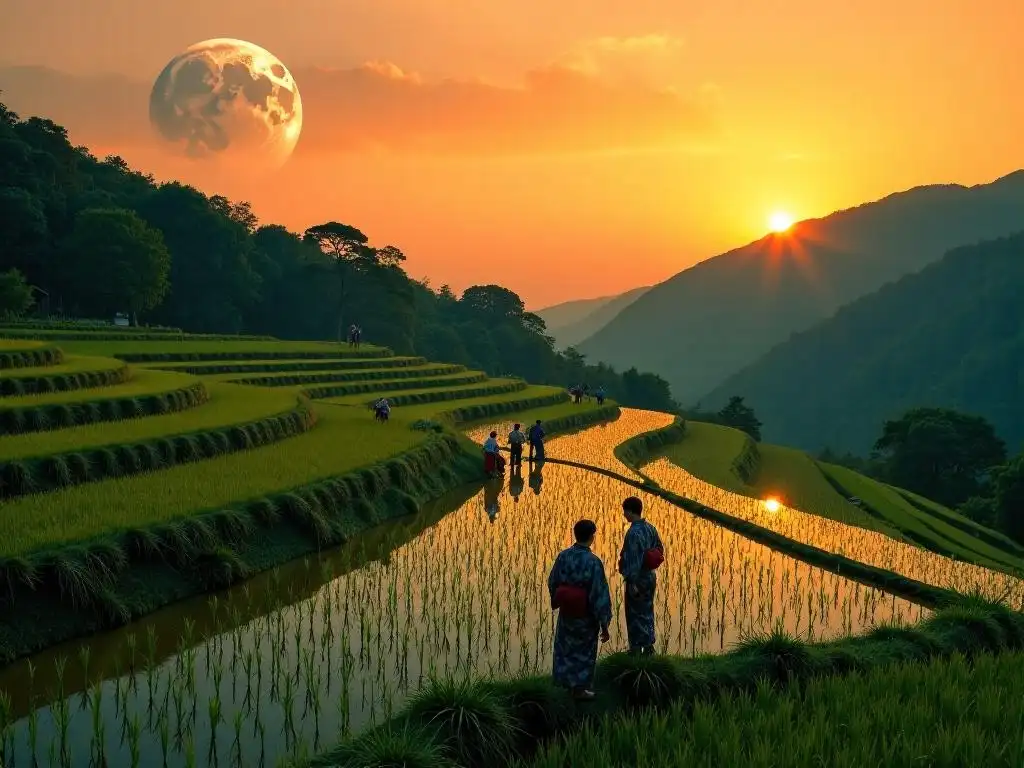
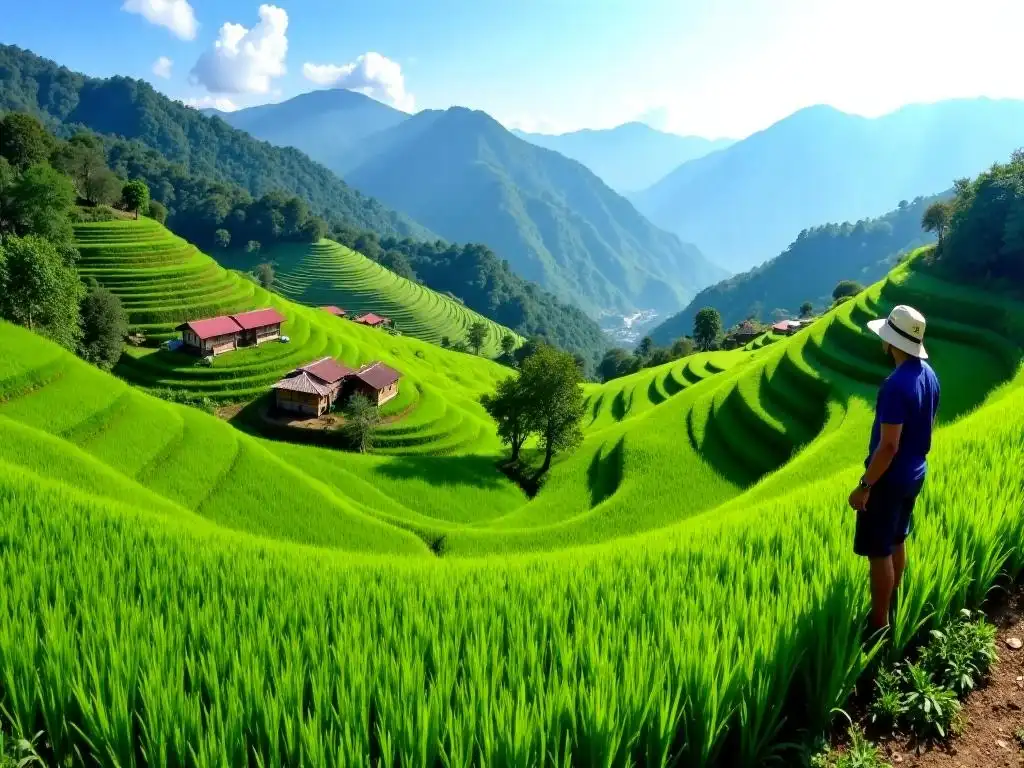
- Terraced rice paddies: Ingeniously designed to maximize arable land in mountainous regions.
- Diverse crop cultivation: Including barley, millet, and vegetables, depending on regional climates.
- Irrigation systems: Developed to manage water supply, showcasing the adaptability of farmers to their environment.
The agricultural structure was fundamentally intertwined with the social hierarchy, where land ownership and farming success dictated power dynamics among the samurai, peasants, and ruling classes.
Importance of Climate in Agricultural Development
The climate not only influenced the types of crops that could be grown but also dictated the timing of planting and harvesting. Key factors included:
- Temperature: Affecting plant growth cycles and the viability of certain crops.
- Precipitation patterns: Determining irrigation needs and soil fertility.
- Natural disasters: Such as typhoons and droughts, which could devastate harvests and disrupt social order.
Farmers had to develop resilience strategies to cope with climatic variability, making their agricultural practices a reflection of both environmental conditions and cultural adaptations.
Understanding Climate Impact on Feudal Agriculture
Defining Climate and Its Variability
Climate refers to the long-term patterns and averages of temperature, humidity, wind, and precipitation in a given area. In Feudal Japan, the climate was marked by distinct seasons, which played a crucial role in agricultural activities. Variability in climate could lead to:
- Seasonal changes: Influencing planting and harvesting schedules.
- Year-to-year fluctuations: Affecting crop yields and food security.
- Regional differences: Resulting in diverse agricultural practices across various prefectures.
Key Climatic Factors Affecting Agriculture in Japan
Several climatic factors were particularly significant in shaping agricultural practices during the feudal era:
- Monsoon Winds: These seasonal winds brought rains crucial for rice cultivation, especially in the summer months.
- Ocean Currents: The Kuroshio Current warmed coastal regions, allowing for a longer growing season.
- Soil Composition: Varied due to climatic influences, affecting both water retention and nutrient availability.
The interplay of these factors not only dictated agricultural output but also influenced broader economic trends and societal structures in feudal Japan, highlighting the profound impact of climate on agriculture during this pivotal period in history.
Regional Climate Differences and Agricultural Practices
The agricultural practices in feudal Japan were significantly influenced by the diverse climatic conditions across its various regions. Japan's geography features a range of climates, from the humid subtropical zones of the south to the colder, temperate regions in the north. These regional differences dictated not only the types of crops that could be cultivated but also the agricultural techniques employed by farmers. The variations in temperature, precipitation, and seasonal changes played a crucial role in shaping local economies and food production methods.
Farmers in regions with milder climates, such as the Kanto and Kansai areas, could cultivate multiple rice crops throughout the year, leading to a more stable food supply. Conversely, in colder regions like Hokkaido, rice was less viable, and farmers relied more on barley, millet, and root vegetables, adapting to the shorter growing seasons. Understanding these regional climate differences is essential to comprehending the agricultural landscape of feudal Japan and how it shaped the society and economy of the time.
Climate Zones of Japan During the Feudal Era
During the feudal era, Japan experienced several distinct climate zones, each with unique characteristics that influenced agricultural practices:
- Subtropical Climate (Southern Japan): This zone, including areas like Kyushu and Shikoku, had warm temperatures and ample rainfall, which supported rice cultivation as a staple crop. Farmers could often harvest two to three times a year, benefiting from a longer growing season.
- Temperate Climate (Central Japan): Regions such as the Kanto and Kansai experienced four distinct seasons, which allowed for diverse cropping systems. Farmers here grew rice, wheat, and a variety of vegetables, taking advantage of the fertile plains and river valleys.
- Cool Temperate Climate (Northern Japan): In areas like Tohoku and Hokkaido, the climate was harsher, with cold winters and shorter growing seasons. Agriculture was focused on hardier crops such as barley, millet, and root vegetables, with rice being less common.
- Mountainous Regions: The mountainous terrains of Japan created microclimates where specific crops flourished. Terracing was a common technique used to maximize arable land, particularly in steep areas, allowing for the cultivation of rice and other crops despite challenging conditions.
Understanding these climate zones is crucial in examining how agricultural practices were tailored to meet the needs of local populations while also addressing the challenges presented by the environment.
Regional Adaptations in Agricultural Techniques
Farmers in different regions of feudal Japan developed unique agricultural techniques in response to their local climates. These adaptations ensured that they could maximize crop yields and manage the risks posed by environmental conditions. Some notable adaptations included:
- Irrigation Systems: In areas with sufficient rainfall, such as the Kanto region, farmers constructed intricate irrigation systems to manage water supply for rice paddies. Conversely, in drier areas, they relied on rain-fed agriculture and built reservoirs to store water.
- Crop Rotation and Intercropping: To maintain soil fertility and reduce pests, farmers employed crop rotation and intercropping techniques. By alternating different crops, they were able to enhance soil nutrients and prevent the depletion of resources.
- Terracing: In mountainous regions, farmers created terraces to maximize arable land. This method allowed them to cultivate rice on steep slopes, mitigating soil erosion and capturing rainwater effectively.
- Seasonal Planting Techniques: Farmers in colder regions developed techniques to start planting earlier in the season, such as using low tunnels or covering crops with straw to protect them from frost, thereby extending their growing seasons.
These regional adaptations reflect the ingenuity of feudal Japanese farmers in overcoming the challenges posed by their diverse climates, allowing them to sustain their communities and support the economy.
Historical Events Shaped by Climate Influence
Throughout feudal Japan, climate significantly impacted historical events, influencing not just agricultural productivity but also societal structures, trade, and population movements. This relationship between climate and agriculture often dictated the course of history in various ways.
Great Climate Anomalies and Their Agricultural Consequences
Several significant climate anomalies during the feudal era had profound effects on agriculture and, consequently, the socio-political landscape of Japan:
- The Little Ice Age (14th - 19th centuries): This period brought cooler temperatures and erratic weather patterns, leading to poor harvests across many regions. The decreased agricultural output resulted in food shortages, contributing to social unrest and uprisings, such as the daimyō rebellion in the late 16th century.
- The 1680s and 1690s Droughts: Severe droughts in southern Japan led to widespread crop failures and famine. This period saw increased mortality rates and migration as people sought more favorable conditions. The government implemented relief measures, but the situation highlighted the vulnerability of agrarian societies to climatic fluctuations.
- Natural Disasters: Typhoons and earthquakes, exacerbated by climate change, often devastated rice paddies and infrastructure. For instance, the Jōgan Earthquake of 869 disrupted agricultural production and forced communities to adapt to new realities.
These anomalies illustrate the intricate link between climate and agriculture in feudal Japan, showcasing how environmental factors not only shaped farming practices but also had lasting impacts on society and governance. Understanding these historical events provides valuable insight into the resilience and adaptability of feudal Japan’s agricultural systems in the face of climatic challenges.
The Interrelationship Between Climate and Feudal Society
The relationship between climate and feudal society in Japan was intricate and multifaceted. Climate not only dictated agricultural productivity but also influenced social structures, economic stability, and even political dynamics. The feudal era, spanning from the late 12th century to the 19th century, witnessed varying climatic conditions, which had profound effects on agricultural practices and, consequently, on the hierarchy of feudal society.
In regions where the climate was favorable, such as the Kanto plain, rice cultivation flourished, leading to surplus production. This surplus could support larger populations and foster the growth of urban centers. Conversely, in areas prone to harsh weather, such as excessive rainfall or drought, agricultural yields were inconsistent. This inconsistency could lead to famine, causing social unrest, weakening the power of local lords, and altering the dynamics of feudal obligations.
The agricultural practices shaped by climatic conditions directly influenced the social structures within feudal Japan. The primary agricultural product, rice, was not just a staple food but also a measure of wealth and power. Landowners, typically the samurai class, controlled the rice production, which was intricately linked to their status.
- Peasants: The majority of the population consisted of peasants who worked the land. Their livelihoods were heavily dependent on climate; favorable conditions meant prosperity, while adverse weather could lead to hardship and decline.
- Samurai: The samurai class, as landholders, relied on the productivity of the rice fields for their income. A good harvest meant increased wealth and power, while a poor harvest could lead to loss of status and influence.
- Merchants: As agricultural surplus grew, so did the merchant class. They played a crucial role in the economy, facilitating trade. The ability of merchants to thrive was often linked to the agricultural output influenced by climatic conditions.
Thus, the social hierarchy was not just a product of military power or lineage but was deeply intertwined with the agricultural practices dictated by the climate.
Conclusion: The Lasting Legacy of Climate on Agricultural Practices
The climate's influence on agricultural practices in feudal Japan left a lasting legacy, shaping not only the economy but also the social fabric of the time. The adaptability of the agricultural systems to various climatic challenges showcased the resilience of the Japanese people. As farming techniques evolved, so too did the societal structures surrounding them.
In modern times, the lessons learned from historical climatic impacts on agriculture can be invaluable. Understanding these dynamics helps contemporary society appreciate the intricate ties between environmental conditions and human responses, informing current agricultural practices and policies.
Summary of Key Points on Climate Impact on Feudal Agriculture
- Climatic Variability: Climate fluctuations significantly affected agricultural productivity, influencing food security and social stability.
- Economic Dependency: The economy of feudal Japan was heavily reliant on rice production, which was susceptible to climatic conditions.
- Social Hierarchy: The agricultural output dictated by climate shaped the social structures, influencing the power dynamics between peasants, samurai, and merchants.
- Adaptation and Resilience: The ability of feudal society to adapt to climate challenges demonstrates historical resilience and innovation in agricultural practices.
Reflection on the Importance of Understanding Historical Climate Influences
Understanding the historical influences of climate on agricultural practices in feudal Japan is crucial for multiple reasons. It provides insights into how societies adapt to environmental changes, the importance of sustainable agricultural practices, and the interplay between climatic conditions and social structures.
Moreover, reflecting on these historical lessons can inform current discussions on climate change, as the challenges faced by feudal Japan echo in today’s global agricultural landscape. By studying the past, we can better prepare for future climatic uncertainties, ensuring food security and social stability in an ever-changing environment.
References for Further Study
Exploring the intricate relationship between climate and agricultural practices in Feudal Japan provides valuable insights into how environmental factors shaped societal structures and economic stability. For those interested in delving deeper into this fascinating subject, the following resources are recommended for further study.
Suggested Readings on Feudal Japan's Climate and Agriculture
-
"The Climate of Japan" by H. Yamamoto
This comprehensive book examines the various climatic zones of Japan and their influence on the agricultural calendar and crop selection during the feudal era.
-
"Japanese Agriculture: The Historical Context" by T. Matsumoto
This text outlines the evolution of agricultural practices in Japan, focusing on the impact of climate variations, including the effects of typhoons and droughts on rice cultivation.
-
"The Land of the Rising Sun: A Historical Overview" by S. Tanaka
A detailed exploration of Japan’s geographical features and climate, this book emphasizes how these elements influenced agrarian life and land use throughout the centuries.
-
"Rice, Society, and Culture in Japan" by K. Nakamura
This work discusses the central role of rice in Japanese society and how climatic conditions dictated agricultural practices and societal organization.
-
"Agricultural Practices in Feudal Japan: A Study in Environmental History" by R. Suzuki
This insightful analysis explores how feudal lords adapted to changing climates and the resulting agricultural innovations that emerged during this period.
Academic Sources and Historical Texts
-
"The Historical Geography of Japan" by J. Smith
This academic text provides an in-depth analysis of Japan’s historical geography, including how climate fluctuations influenced settlement patterns and agricultural practices.
-
"Agriculture in Japan: A Historical Perspective" (Journal of Asian Studies)
This peer-reviewed article discusses various agricultural techniques employed in feudal Japan and assesses the environmental factors that impacted these practices.
-
"Climate Change and Its Impact on Agriculture in Japan" (Environmental History Review)
This scholarly article connects historical climate data with agricultural outcomes, offering a broader understanding of how feudal Japan responded to environmental challenges.
-
"The Role of Weather in Japanese Agriculture: Historical Accounts" by M. Fujimoto
This research paper compiles historical accounts of weather events and their impacts on agricultural yields, providing essential context for understanding the climate's influence on feudal agriculture.
-
"Feudal Japan: A Social and Economic History" by Y. Takahashi
This book offers a comprehensive overview of the socio-economic landscape of Feudal Japan, including the intricate interactions between climate, agriculture, and societal structures.
- Introduction to Climate and Agriculture in Feudal Japan
- Understanding Climate Impact on Feudal Agriculture
- Regional Climate Differences and Agricultural Practices
- Historical Events Shaped by Climate Influence
- The Interrelationship Between Climate and Feudal Society
- Social Structures Influenced by Agricultural Practices
- Conclusion: The Lasting Legacy of Climate on Agricultural Practices
- Summary of Key Points on Climate Impact on Feudal Agriculture
- Reflection on the Importance of Understanding Historical Climate Influences
- References for Further Study
Frequently Asked Questions
What was the primary agricultural practice in feudal Japan?
The primary agricultural practice was rice cultivation, which was central to the economy and society of feudal Japan. Rice was not only a staple food but also a crucial element of taxation and social status.
How did climate affect agriculture in feudal Japan?
Climate significantly influenced agricultural productivity by affecting crop yields and growing seasons. Variations in temperature and precipitation could lead to either abundant harvests or devastating famines.
What role did seasonal changes play in feudal agriculture?
Seasonal changes dictated planting and harvesting times, which were essential for maximizing crop production. Farmers relied heavily on the natural climate cycles to ensure their livelihoods.
Were there any adaptations made in response to climate changes?
Yes, farmers developed various agricultural techniques and practices, such as terracing and irrigation, to mitigate the effects of climate variability and enhance crop resilience.
The climate's impact on agriculture directly influenced the social structure by affecting food availability, which in turn shaped class dynamics and land ownership patterns within feudal society.
Final Reflection: The Lasting Legacy of Climate on Agricultural Practices
The intricate relationship between climate and agriculture in feudal Japan remains profoundly relevant today, as we grapple with the consequences of climate change on food security and agricultural sustainability. Understanding how historical societies adapted their farming practices to environmental conditions can illuminate our current challenges and inspire innovative solutions for modern agriculture. The lessons learned from feudal Japan underscore the urgent need for adaptive strategies in the face of an ever-changing climate.
The influence of climate on agricultural practices has shaped not only the economy but also the cultural identity of societies throughout history. In feudal Japan, farmers were acutely aware of the seasons and weather patterns, which dictated their planting and harvesting cycles.
This deep connection to nature fostered a respect for the environment that resonates even today. As noted by historian William W. Fitzhugh, “The past is a prologue; understanding our history is essential to navigating our future.” This perspective invites us to reflect on how the agricultural practices of the past can inform our responses to contemporary climate challenges.
As we contemplate the lessons of feudal Japan, I invite you to consider your own relationship with the environment and the food systems that sustain us. How can we apply the wisdom of historical agricultural practices to cultivate resilience in our communities today?
By embracing sustainable practices and fostering a deeper understanding of our climate's impact on agriculture, we can honor the legacy of those who came before us while paving the way for a more sustainable future. Let us take action, inspired by history, to ensure that our agricultural practices are not only effective but also harmonious with the world around us.
Cultivate Your Knowledge: Take Action on Climate and Agriculture!
Thank you for exploring the fascinating relationship between climate and agricultural practices in historical contexts! Your interest in this vital connection not only enriches your understanding of the past but also empowers you to appreciate how environmental factors have shaped societies over time. Now, let’s translate that knowledge into impactful actions!
- Explore local agriculture: Visit a nearby farm or community garden to learn about sustainable practices relevant to your area.
- Engage with others: Share this article with friends and family, sparking discussions about how climate influences our agricultural methods today.
- Get involved: Join local environmental or historical groups to advocate for sustainable agricultural practices that reflect the lessons learned from our history.
What insights have you gained from the interplay of climate and agriculture that could apply to today’s challenges?