
The Role of Festivals in Military Readiness and Tactical Planning

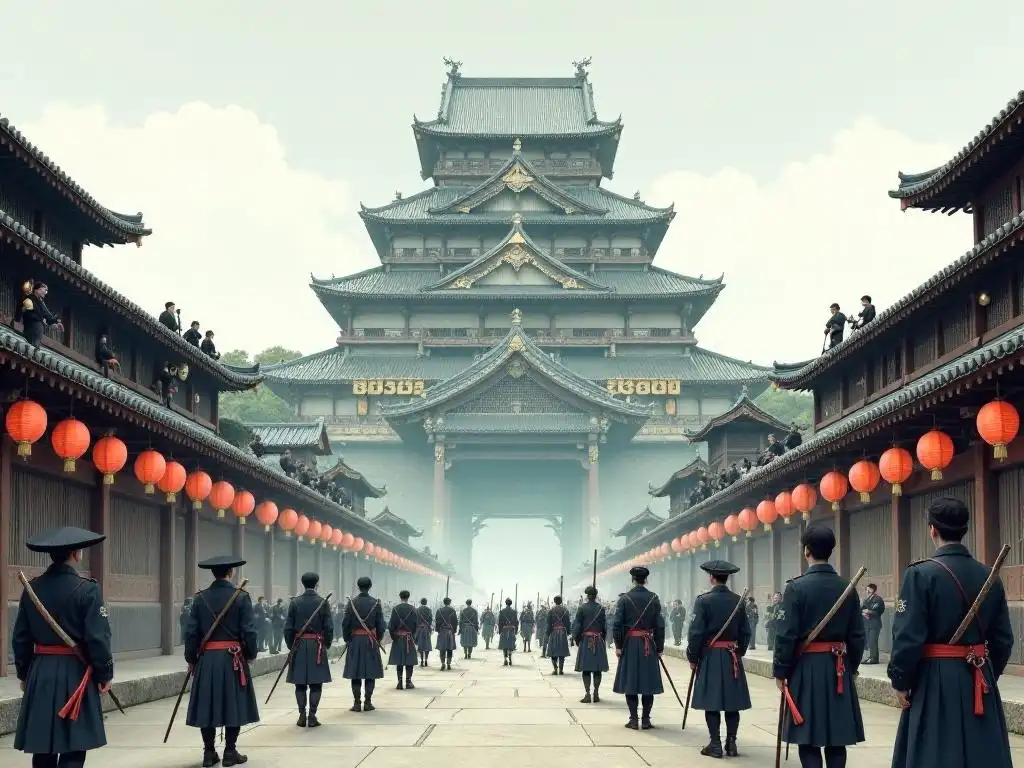
Welcome to Feudal Japan History, where we invite you to embark on an enlightening journey through the captivating era of Japan's feudal past. Here, we delve deep into the intricate tapestry of historical, cultural, and societal facets that defined this remarkable time. In our featured article, "The Role of Festivals in Military Readiness and Tactical Planning," we unveil how Japanese feudal festivals were not just vibrant celebrations but also pivotal in shaping military strategy.
Discover the intriguing connections between festivity and warfare that could change your perception of this era. Join us as we explore the fascinating intersections of culture and combat—let the journey begin!
Introduction to Japanese Feudal Festivals and Military Strategy
Festivals in feudal Japan were not merely occasions for celebration; they played pivotal roles in the military strategies and tactical planning of the time. These vibrant cultural events served as a stage for social cohesion, community identity, and, importantly, military readiness. As we delve into the intricate relationship between Japanese feudal festivals and military strategy, it becomes evident that these festivities influenced the behaviors, preparations, and even the morale of samurai and their clans. Understanding this connection offers a unique perspective on how cultural practices intertwined with military necessities, shaping the landscape of Japan's feudal era.
Overview of Japanese Feudal Festivals
Japanese feudal festivals, known as matsuri, were deeply rooted in Shinto beliefs and agricultural cycles, often coinciding with seasonal changes. These events included:
- Harvest Festivals: Celebrated the bounty of the land and invoked blessings for future crops.
- Religious Observances: Honored deities and spirits, promoting a sense of divine protection over the community.
- Warrior Ceremonies: Featured displays of martial prowess, fostering camaraderie and readiness among warriors.
The multifaceted nature of these festivals not only reinforced local customs but also created opportunities for military leaders to showcase strength and unity. During these gatherings, clans could demonstrate their power and readiness, which often served as a deterrent against potential adversaries.
Importance of Military Strategy in Feudal Japan
In the context of feudal Japan, military strategy was paramount. The constant threat of conflict necessitated intricate planning and preparation. Key aspects included:
- Troop Mobilization: Festivals often coincided with training exercises, allowing warriors to remain battle-ready.
- Resource Allocation: Events provided a platform for gathering supplies and resources necessary for sustaining military campaigns.
- Alliance Building: Leaders utilized festivals to forge alliances, negotiate peace, and consolidate power among rival clans.
This intertwining of cultural practices with military strategy highlights the importance of festivals beyond mere celebration; they were integral to the social and military fabric of feudal Japan.
Historical Context of Festivals in Japan
Understanding the role of festivals in military readiness requires a look back at their historical context. As Japan transitioned into the feudal era, these events evolved significantly, reflecting changes in society, governance, and warfare.
The Evolution of Festivals During the Feudal Era
Throughout the feudal period, Japanese festivals transformed from primarily agrarian celebrations to events that reinforced political authority and military might. Key developments included:
- Increased Ritualization: Festivals became more structured, often featuring rituals that underscored loyalty to feudal lords.
- Integration of Martial Elements: Festivals began to incorporate displays of martial skill, such as kembu, where warriors would perform sword dances.
- Role of the Samurai: As the samurai class rose to prominence, their participation in festivals further emphasized the connection between martial culture and communal festivities.
This evolution underscores the growing importance of festivals as tools for political and military consolidation during the turbulent years of feudal Japan.
Key Historical Events Influenced by Festivals
Several key historical events illustrate the impact of festivals on military strategy. Examples include:
- The Siege of Osaka (1614-1615): During the lead-up to this conflict, festivals were used to rally support and morale among the samurai.
- The Battle of Okehazama (1560): Nobunaga’s forces utilized a festival to distract and deceive their opponents, showcasing the tactical potential of cultural events.
These instances reflect how festivals were not just cultural expressions but critical components of military strategy, influencing the outcomes of significant battles in Japanese history.
The intricate interplay between Japanese feudal festivals and military strategy reveals a profound understanding of how culture and conflict coexisted in this unique historical period. As we continue to explore this topic, we'll uncover more detailed connections and case studies that further illuminate this fascinating aspect of Japan’s feudal era.
The Intersection of Festivals and Military Readiness
Festivals in feudal Japan served as more than just social gatherings; they were integral to military readiness and strategic planning. These events provided opportunities for samurai and their retinues to gather, engage in training, and reinforce their commitment to their lords. The communal aspect of festivals fostered a sense of unity among troops, which was essential for maintaining morale during times of conflict. Moreover, these festivals often coincided with seasonal changes, serving as a natural reminder for war preparations, as they marked the transition from one phase of the agricultural calendar to another.
The blending of cultural practices with military objectives highlights the unique role festivals played. They were not merely celebrations; they were strategic occasions that allowed for the evaluation of troop strength, the testing of weaponry, and the rehearsal of battle tactics. Festivals provided a stage for showing off military prowess, demonstrating readiness, and instilling confidence both within the ranks and among the local populace. This intersection of festivity and military readiness underscores the multifaceted nature of Japanese feudal society, where culture and warfare were deeply intertwined.
Festivals as a Tool for Troop Morale and Cohesion
One of the most significant impacts of festivals on military readiness was their ability to enhance troop morale and cohesion. Feudal lords understood that a well-motivated army was crucial for success in battle. During festivals, warriors were able to partake in a variety of activities, including traditional games, performances, and feasting, which helped to strengthen bonds among soldiers. Such communal experiences promoted trust and camaraderie, essential elements in the high-stakes environment of battle.
Furthermore, festivals often celebrated victories or commemorated fallen warriors, serving as poignant reminders of shared purpose and collective identity. These gatherings allowed samurai to reflect on their values, such as loyalty and honor, thus reinforcing their commitment to their lord and each other. The psychological benefits of these events were profound, as they provided troops with the emotional fortitude needed to face the rigors of warfare. The memories created during these joyous occasions would motivate warriors when they returned to the battlefield.
The Role of Rituals in Military Preparedness
Rituals performed during festivals were not just ceremonial; they played a crucial role in military preparedness. Many festivals included Shinto or Buddhist rituals aimed at invoking divine protection for troops. Offerings were made to deities, and prayers were recited to ensure victory in upcoming campaigns. This religious dimension added a layer of spiritual readiness, as warriors believed their success was tied to the favor of the gods.
Moreover, the rituals often included martial displays, such as mock battles and archery contests, which served to sharpen skills and maintain combat readiness. The participation in these events allowed samurai to practice techniques in a controlled environment while simultaneously demonstrating their prowess to their peers and feudal lords. Such activities were vital for ensuring that warriors remained in peak physical condition and mentally prepared for the challenges of warfare.
Tactical Planning During Festivals
The scheduling of military campaigns often took into account the timing of local festivals, reflecting a sophisticated understanding of tactical planning within the feudal structure. Festivals created unique opportunities for both offense and defense, as they attracted not only warriors but also civilians who could be mobilized for various strategic purposes.
Strategic Timing: Festivals and Military Campaigns
Strategically, feudal lords would time military campaigns to coincide with festivals to exploit the atmosphere of celebration and potential distractions. For instance, an invading force might launch an attack when a rival domain was preoccupied with festivities, catching them off guard. The timing of military movements was crucial, as it allowed commanders to take advantage of the lax security that often accompanied celebrations.
Additionally, festivals provided a perfect cover for troop movements. The noise and festivities could mask the sounds of marching soldiers, allowing armies to position themselves without arousing suspicion. This calculated use of festivals in military strategy underscores the intricate relationship between cultural events and warfare in feudal Japan.
Case Studies: Notable Battles Coinciding with Festivals
Several historical instances illustrate the intersection of festivals and military strategy in Japan's feudal era. One notable example is the Battle of Okehazama in 1560, which occurred during the time of the Matsuri festival in the region. Oda Nobunaga seized the opportunity while the opposing forces were celebrating, leading to a decisive victory against a numerically superior army. This battle exemplified how the timing of a military engagement could be influenced by local festivities, demonstrating the strategic advantage gained by understanding and utilizing cultural events.
Another significant case is the Siege of Osaka in the early 17th century, which coincided with the New Year celebrations. Tokugawa Ieyasu capitalized on the distractions of the festivities to launch a surprise attack on the Toyotomi forces. These examples highlight how feudal lords skillfully integrated festivals into their tactical planning, ensuring that cultural practices were not at odds with military objectives but rather enhanced them.
Cultural Significance of Festivals in Military Context
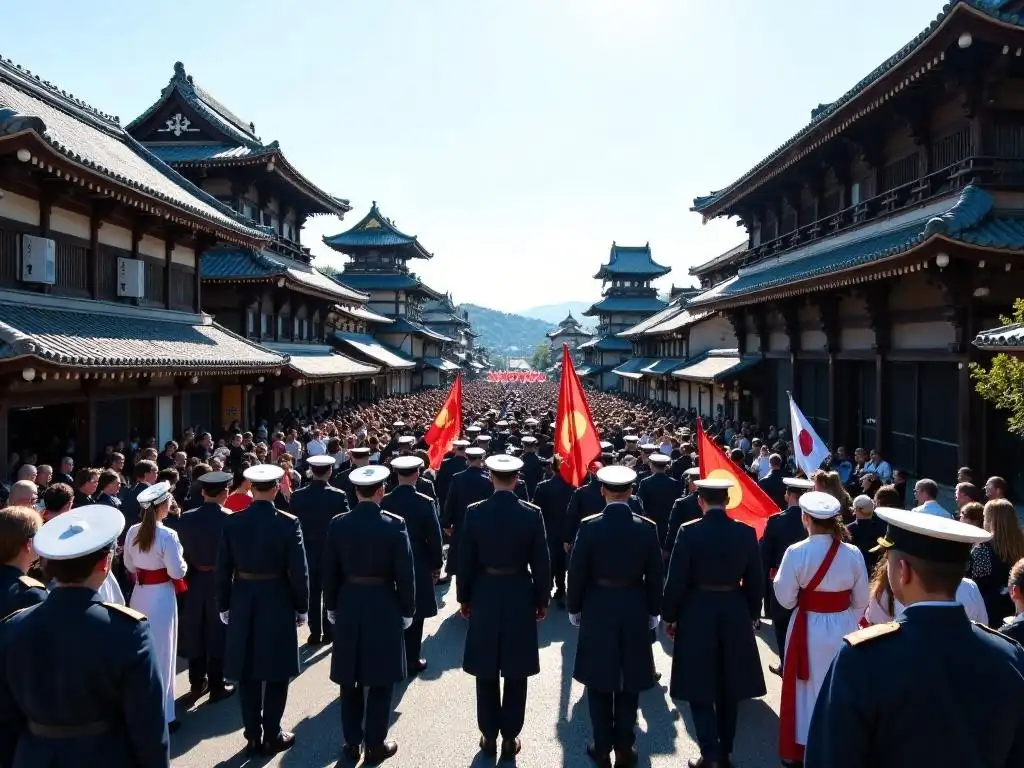
Festivals in feudal Japan served not only as religious observances and cultural celebrations but also played a crucial role in the military landscape. These events were deeply intertwined with the social fabric of Japanese society, functioning as a means to reinforce the collective identity of communities while simultaneously showcasing military strength and preparedness. Through pageantry, rituals, and communal gatherings, festivals provided an opportunity for warlords and samurai to demonstrate their power and rally support from the populace.
In the context of military readiness, festivals often coincided with critical moments in the agricultural calendar, influencing the availability of resources and manpower. The gatherings served as a reminder of the obligations of samurai to protect their domains while engaging the local populace in displays of loyalty and unity. This cultural significance extended beyond mere celebration; festivals became strategic opportunities for leaders to exhibit their military capabilities, recruit warriors, and forge alliances.
Festivals as Means of Community Building
Festivals acted as a pivotal platform for community building in feudal Japan, fostering social cohesion among diverse groups. By bringing together different clans, villages, and social classes, these celebrations helped to create a sense of solidarity and collective purpose. The shared experiences during festivals, such as parades, rituals, and communal feasts, reinforced the bonds between individuals and their leaders, thereby strengthening loyalty to a common cause.
Moreover, local festivals often featured competitions and games that showcased martial skills, allowing warriors to demonstrate their prowess in a non-threatening environment. This not only boosted morale but also provided practical training for the samurai, enabling them to maintain combat readiness while reinforcing ties to their communities. Through these interactions, the festivals became instrumental in nurturing a culture of mutual support, essential for any military endeavor.
The Influence of Cultural Celebrations on Military Alliances
Cultural celebrations in feudal Japan also played a significant role in the formation and maintenance of military alliances. During festivals, rival clans could engage in diplomatic discussions under the guise of celebration, allowing for a more relaxed atmosphere conducive to negotiations. Such interactions enabled leaders to solidify partnerships, broker peace treaties, or even establish military pacts, all while benefiting from the festive ambiance.
The symbolism inherent in these festivals often reflected the strategic aspirations of the participating clans. For example, the display of banners and armor during celebrations served as a public demonstration of power, signaling strength to both allies and adversaries. By participating in shared cultural events, clans could reinforce their alliances, showcase their military readiness, and project a unified front against common threats.
Analysis of Specific Japanese Feudal Festivals
The Gion Matsuri and Its Military Implications
The Gion Matsuri, one of the most famous festivals in Japan, not only celebrates the deity Gion but also carries significant military implications. Originating in the 9th century as a purification ritual to ward off plague, the festival evolved into a grand procession featuring elaborate floats that represent various districts of Kyoto. Each float, adorned with intricate designs, symbolizes the strength and unity of the local community.
From a military perspective, the Gion Matsuri served as a demonstration of power and preparedness. The participation of samurai and their display of arms during the festival reinforced the notion of vigilance against potential threats, particularly during times of conflict. Furthermore, the festival facilitated the gathering of local warriors, providing a platform for training and recruitment. The excitement and communal spirit of the Gion Matsuri helped to maintain morale and mutual support among the samurai, essential for effective military operations.
The Aoi Matsuri as a Symbol of Power and Strategy
The Aoi Matsuri, held in May, is another festival with strong military connotations, particularly associated with the imperial court and the powerful Fujiwara clan. This festival is characterized by its elegant procession, where participants don traditional Heian-period clothing and travel from the Imperial Palace to the Kamo Shrines. The use of the aoi (mallow) plant as a central motif symbolizes peace and prosperity, but it also serves as a reminder of the power dynamics at play.
In the context of military strategy, the Aoi Matsuri reinforced the legitimacy and authority of the ruling clan. The grand display of wealth and organization during the festival was a strategic move to showcase the clan's influence and capability to maintain order. Furthermore, the festival served to strengthen political ties and alliances, as powerful families often participated in the event to align themselves with the imperial court. Through this ceremonial display, the Aoi Matsuri illustrated the intricate relationship between culture, power, and military strategy in feudal Japan.
Lessons Learned from Japanese Feudal Festivals for Modern Military Strategy
Japanese feudal festivals, deeply rooted in the cultural and societal fabric of the era, offer invaluable lessons for modern military strategy. These festivals were not merely celebrations but also served as critical tools for military readiness and community cohesion. Here are some key lessons derived from these historical events:
- Cohesion and Morale: Festivals fostered a sense of community and belonging among warriors and their followers. This unity enhanced morale and loyalty, which are essential components of an effective military force. Modern military strategies can benefit from integrating team-building activities that echo the communal spirit found in these festivals.
- Resource Allocation and Logistics: The organization of feudal festivals required meticulous planning and resource management. Understanding how resources were allocated for these large-scale events can provide insights into efficient logistical planning in contemporary military operations. Ensuring that supplies are readily available and that personnel are well-prepared can enhance operational success.
- Demonstration of Power: Festivals often showcased military strength through parades, displays of weaponry, and martial performances. This not only served to intimidate potential adversaries but also reinforced the status of the ruling class among the populace. Modern militaries can utilize similar strategies of demonstrating capabilities to bolster deterrence and maintain peace.
Applying Historical Insights to Contemporary Military Tactics
The historical context of Japanese feudal festivals can be intricately woven into modern military tactics. By analyzing the strategic aspects of these events, contemporary military leaders can derive useful methodologies. For instance:
- Training and Simulations: Festivals allowed warriors to practice combat skills in a more relaxed environment, facilitating training without the pressures of actual warfare. Modern military exercises can adopt a similar approach by incorporating mock festivals or competitions that combine skill development with morale-boosting activities.
- Cultural Awareness and Psychological Operations: Understanding the cultural significance of festivals can aid military leaders in psychological operations. By recognizing and respecting local traditions, military forces can build trust and rapport with communities, potentially mitigating conflict and fostering cooperation.
- Intelligence Gathering: Festivals often served as gathering points for information, where spies could blend into crowds and observe enemy movements. This practice can inform modern intelligence-gathering techniques, emphasizing the importance of utilizing public events for reconnaissance.
The Legacy of Feudal Festivals in Today’s Military Practices
The legacy of Japanese feudal festivals extends beyond mere historical interest; it continues to influence contemporary military practices. These festivals underscored the importance of tradition, organization, and community, elements that remain relevant in today’s armed forces. For example:
- Ceremonial Events: Modern militaries often hold ceremonial events that reinforce traditions and honor service members. These ceremonies can be seen as descendants of feudal festivals, emphasizing the continuity of military culture and the importance of maintaining morale.
- Community Engagement: Today’s military strategies increasingly focus on community engagement and building relationships with civilians. Learning from feudal festivals, military forces can create outreach programs that enhance public perception and cooperation.
- Symbolism and Identity: The symbolism embedded in feudal festivals is mirrored in modern military insignia and uniforms, which serve to create a strong identity among service members. Understanding this legacy can help military leaders craft narratives that resonate with both troops and the public.
Conclusion: Festivals and Their Enduring Impact on Military Strategy
Japanese feudal festivals played a multifaceted role in shaping military readiness and tactical planning during the feudal era. Their influence is evident in various aspects of modern military strategy, highlighting the importance of cultural understanding, community cohesion, and effective logistical planning.
Final Thoughts on the Role of Festivals in Tactical Planning
The role of festivals in tactical planning cannot be underestimated. They provided a framework for warriors to hone their skills, build camaraderie, and display strength—all vital components of an effective military strategy. Recognizing the tactical significance of these events allows contemporary military leaders to adopt a more holistic approach to military readiness.
The Continuing Relevance of Japanese Feudal Festivals in Military History
The relevance of Japanese feudal festivals in military history is profound. As lessons from these celebrations continue to inform modern military practices, they serve as a reminder of the intricate relationship between culture and warfare. Military leaders today can look to these historical events not only for inspiration but also for practical strategies that enhance their operational effectiveness in an ever-evolving landscape.
- Introduction to Japanese Feudal Festivals and Military Strategy
- Historical Context of Festivals in Japan
- The Intersection of Festivals and Military Readiness
- Tactical Planning During Festivals
- Cultural Significance of Festivals in Military Context
- Analysis of Specific Japanese Feudal Festivals
- Lessons Learned from Japanese Feudal Festivals for Modern Military Strategy
- Conclusion: Festivals and Their Enduring Impact on Military Strategy
- What is the significance of Japanese feudal festivals in military strategy?
- How did military leaders utilize festivals for tactical planning?
- Were there specific festivals dedicated to military preparation?
- How did cultural aspects of festivals influence military strategy?
- Can you provide examples of festivals that had a direct impact on military readiness?
Frequently Asked Questions
What is the significance of Japanese feudal festivals in military strategy?
Japanese feudal festivals served as a means to reinforce community bonds and boost morale among warriors, ensuring they remained united and ready for potential conflicts.
How did military leaders utilize festivals for tactical planning?
Military leaders often used festivals to assess their troops' readiness, gather intelligence, and strategically position resources while also maintaining a sense of camaraderie among soldiers.
Were there specific festivals dedicated to military preparation?
Yes, certain festivals were specifically designed to prepare for warfare, incorporating rituals and activities that emphasized discipline, skill, and strategy among fighters.
How did cultural aspects of festivals influence military strategy?
The cultural elements of festivals often reflected the values and traditions of the feudal society, which in turn influenced military strategies by fostering a sense of identity and purpose among the troops.
Can you provide examples of festivals that had a direct impact on military readiness?
Festivals such as Oni Matsuri and Kamakura Matsuri not only celebrated historical events but also served as platforms for training, demonstrations, and reinforcing the military spirit of the community.
Final Reflection: The Interplay of Culture and Military Strategy
The intricate relationship between cultural practices and military readiness is more relevant today than ever. As we explore the historical significance of Japanese feudal festivals and their impact on military strategy, we uncover a profound truth: cultural events can serve as vital components in shaping tactical planning and enhancing troop morale. In a world where the lines between tradition and modernity often blur, understanding this connection allows us to appreciate how the past informs contemporary military practices.
Cultural festivals have long been a means of fostering unity and resilience within communities, and their influence extends deeply into military contexts. The lessons learned from Japanese feudal festivals remind us that the spirit of camaraderie and celebration can bolster a soldier's resolve and readiness. As Sun Tzu wisely stated, In the midst of chaos, there is also opportunity.
This quote encapsulates the essence of how festivals can transform potential disorder into strategic advantage, reinforcing the idea that cultural heritage is not merely a relic of the past but a living force that continues to shape our social and military landscapes.
As we reflect on the insights gained from this exploration, I invite you to consider how the themes of unity, resilience, and cultural identity resonate in your own life. How can you draw inspiration from the past to enhance your present circumstances? Whether through community engagement, personal development, or strategic planning in your endeavors, let the lessons of Japanese feudal festivals guide you toward a future where culture and strategy harmoniously coexist. Embrace the opportunity to integrate these timeless principles into your life, fostering a deeper understanding of the world around you.
Embrace the Spirit of Military Festivals!
Thank you for exploring the fascinating connection between festivals and military readiness. Your interest in this remarkable aspect of history helps you understand the cultural foundations of strategy and tactics more deeply. Now, it's time to take action and delve into this topic further!
- Dive deeper into the military traditions of Feudal Japan by researching specific festivals and their historical significance.
- Join our community! Share your thoughts and insights on how festivals have influenced modern military practices in the comments section below.
- Surprise yourself by attending a local cultural event that celebrates Japan’s rich heritage – immerse yourself in the traditions!
In your opinion, how can festivals shape and enhance strategic planning and team cohesion in various fields today?