
The Origins of the Samurai: How a Warrior Class Emerged in Feudal Japan

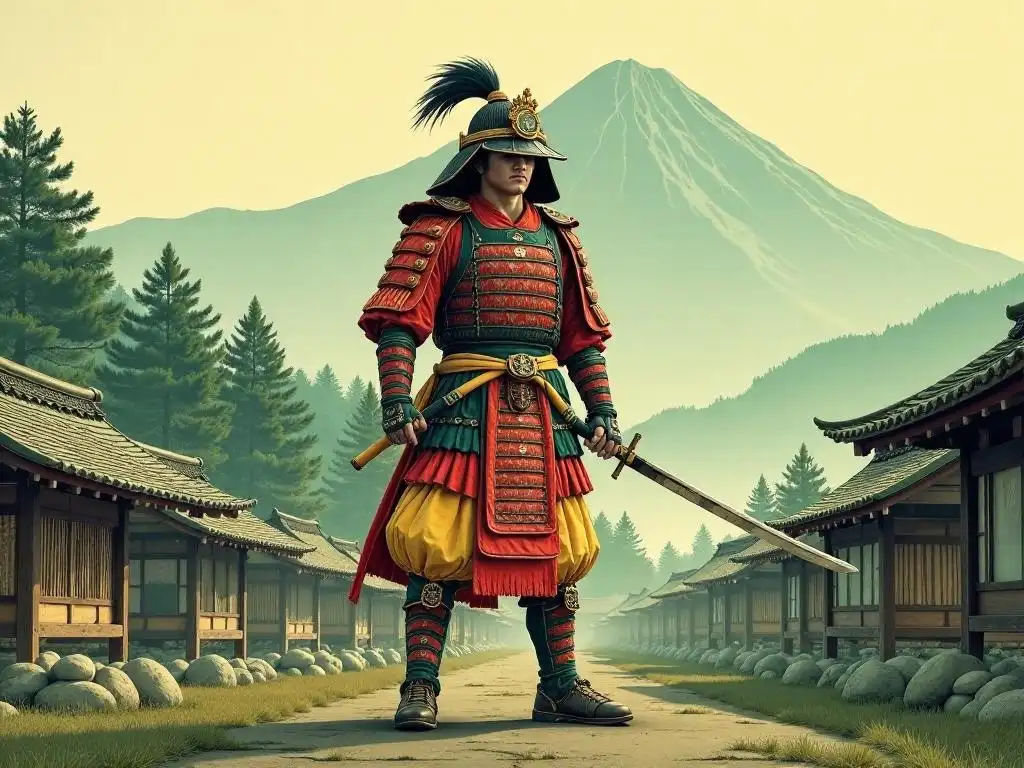
Welcome to Feudal Japan History, where we embark on an enthralling journey through the intricate tapestry of Japan's feudal era. Prepare to delve into the fascinating origins of the Samurai class, uncovering how these legendary warriors emerged amidst the turbulent political landscape. Our expert-driven articles promise to illuminate the historical, cultural, and societal aspects that shaped this iconic warrior class. As you explore, you'll find the threads of power, honor, and tradition woven into the very fabric of Japan's past. Join us as we unlock the secrets of the Samurai and their indelible mark on history!
Introduction to the Samurai Class
The Origins of the Samurai class is a pivotal topic in understanding Japan's feudal history, as it encompasses the emergence and evolution of a distinct warrior class that shaped the nation's political, cultural, and social landscapes. Rooted in the turbulence of early Japanese society, the samurai arose not merely as fighters, but as custodians of specific values and traditions that influenced governance and societal norms for centuries. This exploration delves into the complexities surrounding the development of this iconic class, examining the historical circumstances and cultural influences that contributed to their rise.
Definition and Significance of the Samurai
The term "samurai" derives from the Japanese word "saburau," meaning "to serve." This reflects their role as vassals to nobility, tasked with both military and administrative duties. The samurai were not just warriors; they embodied a code of conduct known as Bushido, which emphasized loyalty, honor, and discipline. Their significance extends beyond the battlefield, as they played a crucial role in the establishment of a unique social hierarchy and the promotion of cultural practices such as Zen Buddhism and the tea ceremony.
Overview of Feudal Japan's Historical Context
Feudal Japan, spanning from the late 12th century to the mid-19th century, was characterized by a decentralized political structure where power was fragmented among various regional lords, known as daimyōs. This period was marked by continuous warfare, social upheaval, and political intrigue, creating the perfect environment for the samurai to flourish. The Heian period set the stage with its focus on courtly culture, while the subsequent Kamakura period saw the rise of military governance, which further solidified the samurai's status and influence.
Historical Background of the Samurai Class
The journey of the samurai class began with the formation of various warrior clans that emerged to provide protection and enforce power for the ruling elite. Understanding this background is crucial to grasping how the samurai evolved into the formidable class that dominated Japan for centuries.
The Emergence of Warrior Clans in Japan
During the early Heian period, Japan witnessed the rise of powerful clans, such as the Taira and Minamoto, who vied for control over land and influence. These clans formed the backbone of the emerging samurai class. As conflicts escalated, particularly during the Genpei War (1180-1185), the necessity for skilled warriors became apparent. The consolidation of power among the daimyōs led to the establishment of a warrior aristocracy, wherein the samurai were both feared and respected.
Key Events Leading to the Formation of the Samurai
Several key events were instrumental in shaping the samurai class. The Kamakura Shogunate, established by Minamoto no Yoritomo in 1192, marked a significant turning point, as it institutionalized the samurai's role in governance. The Mongol invasions in the 13th century further solidified their status, as samurai warriors defended the islands from foreign threats, enhancing their prestige and martial reputation.
The Influence of Chinese Culture on Samurai Ideals
The samurai were not only shaped by their own experiences but also heavily influenced by Chinese culture. Concepts such as Confucianism and Buddhism permeated samurai ideology, contributing to their moral and ethical frameworks. The adoption of Chinese military strategies and philosophies also played a role in refining their combat techniques and fostering a sense of duty and filial piety among warriors.
The origins of the samurai class are deeply intertwined with the historical and cultural tapestry of feudal Japan, setting the stage for a warrior culture that would leave an indelible mark on the nation's identity.
The social structure of feudal Japan was highly hierarchical and organized, fundamentally shaping the emergence of the samurai class. At the top of this structure was the emperor, who held a ceremonial position. Below him were the shoguns—military leaders who wielded real power over the land and its governance. The samurai were positioned just below the shoguns in this hierarchy, serving as their loyal warriors. This social stratification was characterized by a rigid system where each class had specific roles and responsibilities, intertwining loyalty and duty.
The samurai class primarily emerged from the need for military protection as the country faced internal strife and external threats. As landowners, the shoguns and daimyos (feudal lords) required skilled warriors to defend their territories. In return for their service, samurai were granted land or stipends, creating a mutually dependent relationship. The lower classes, including peasants and artisans, formed the base of this pyramid, providing the agricultural and economic support crucial for sustaining the feudal system.
The Role of the Samurai Within the Feudal Hierarchy
The samurai played a pivotal role in the feudal hierarchy, acting as the military elite responsible for maintaining order and protecting their lords’ interests. They were not only warriors but also held administrative positions, managing lands and overseeing peasant labor. Samurai were expected to uphold the values of loyalty, honor, and discipline, which were central to their identity and duty.
In battle, samurai were trained in various martial arts, skilled in the use of weapons such as the katana, and adept at strategic warfare. Beyond their military duties, they also engaged in political affairs, often advising their lords on governance and territorial disputes. This dual role as both warrior and administrator solidified their importance in the feudal system, making them key players in the political landscape of Japan.
Comparison Between Samurai and Other Social Classes
The samurai class was distinct from other social classes in feudal Japan, primarily due to their martial status and the code of conduct they adhered to. Unlike the peasantry, who were primarily engaged in agricultural labor and had limited social mobility, samurai were afforded a degree of respect and privilege. They were recognized as the elite warrior class, which allowed them to wield significant influence over the lower classes.
In contrast to the merchants, who were often looked down upon despite their wealth, samurai were expected to live modestly and maintain honor. This contrast highlighted the values of honor and duty over material wealth within samurai culture. While merchants could achieve economic success, they lacked the social status that came with being a samurai, who were often revered as protectors and leaders in their communities.
The Relationship Between Samurai and the Peasantry
The relationship between samurai and the peasantry was complex and often defined by a mutual dependence. Samurai relied on peasants for sustenance, as the agricultural output was essential to support their lifestyles and military campaigns. In return, peasants looked to the samurai for protection and stability during times of unrest.
However, this relationship was not without tension. Samurai often imposed heavy taxes and demanded labor from the peasantry, which could lead to resentment. Despite the social hierarchy, it was not uncommon for samurai to engage with peasants directly, fostering a sense of loyalty and duty among those they protected. Over time, this dynamic contributed to the samurai's identity as not just warriors but as guardians of the people.
The Evolution of Samurai Identity
The evolution of samurai identity was shaped by historical events, cultural influences, and philosophical developments over several centuries. Initially formed as a military class, the samurai gradually adopted a broader identity that encompassed moral and ethical responsibilities. As feudal Japan progressed, the samurai began to embody ideals that transcended mere warfare, influencing their role in society significantly.
The Transition from Farmers to Warriors
The transition from farmers to warriors was a significant aspect of the samurai's origins. Many early samurai were originally landowners or farmers who took up arms during periods of conflict, motivated by the need to protect their homes and families. As warfare became more prevalent, these individuals gradually transformed into professional warriors, taking on the responsibilities of defending their lord’s territories.
This transition was marked by the development of military techniques and training practices that distinguished samurai from other fighting forces. The cultivation of martial skills, along with the establishment of a warrior ethic, solidified their status as a distinct class. Over time, this evolution fostered a sense of pride and honor associated with being a samurai, which became central to their identity.
The Development of Bushido: The Way of the Warrior
Bushido, often translated as "the way of the warrior," is a code of conduct that emerged among the samurai, emphasizing principles such as loyalty, honor, and self-discipline. This ethical framework was not formally codified until the Edo period, but its roots can be traced back to earlier samurai traditions. Bushido guided samurai behavior both on and off the battlefield, shaping their interactions with lords, peers, and the peasantry.
The development of Bushido was influenced by various philosophical and religious traditions, including Zen Buddhism and Confucianism. These teachings promoted virtues such as compassion and restraint, which became integral to the samurai ethos. As a result, the samurai class evolved to embody not only martial prowess but also moral integrity, establishing a legacy that would resonate throughout Japanese history.
Cultural Influences on Samurai Ideology
Cultural influences played a significant role in shaping samurai ideology and identity. The samurai were not isolated warriors; rather, they were deeply influenced by the artistic, spiritual, and philosophical currents of their time. Literature, poetry, and the arts were important aspects of samurai culture, with many samurai engaging in practices such as calligraphy, tea ceremonies, and Noh theater.
These cultural elements fostered a sense of refinement and intellectual depth within the samurai class. The appreciation for aesthetics and philosophy contributed to a more nuanced view of their role in society, blending martial discipline with cultural sophistication. As samurai became patrons of the arts, their identity was further enriched, creating a legacy that celebrated both their prowess in battle and their contributions to Japanese culture.
Economic Factors Contributing to the Samurai Class
The emergence of the samurai class in feudal Japan was closely tied to the economic conditions of the era. Economic factors played a crucial role in shaping the social hierarchy, enabling the rise of a warrior class that would come to dominate Japanese society. As the country transitioned from a decentralized political structure to a more unified feudal system, the distribution and control of land became paramount.
Land Ownership and the Rise of Samurai Power
Land ownership was a significant driver in the establishment of the samurai class. During the early Heian period, land was primarily controlled by the imperial court and noble families. However, as conflicts arose and local strongmen began to assert their influence, the need for military protection of land became essential. This led to the gradual delegation of land management to warrior leaders, who would become the samurai.
The samurai were granted stipends and land in exchange for military service, creating a cycle of dependency that solidified their power. By the late 12th century, this system was further entrenched with the establishment of the shogunate, where military leaders governed regions and distributed land to loyal samurai, thereby reinforcing their social and economic status.
The Role of Agriculture in Sustaining the Samurai
Agriculture was the backbone of the feudal economy and directly impacted the prosperity of the samurai class. Rice, being the primary agricultural product, was not only a staple food but also a form of currency. The ability to produce and control rice yields meant that samurai could sustain their households and armies.
As landowners, samurai actively managed agricultural production, often employing peasant labor. This relationship was symbiotic; while the samurai provided protection and governance, the peasants supplied the food necessary for the samurai's existence. This agricultural foundation allowed the samurai to maintain their status, even during periods of political instability.
The Political Landscape of Feudal Japan
The political landscape of feudal Japan was characterized by a complex interplay of power dynamics that shaped the rise and evolution of the samurai class. The decentralized nature of power allowed for the emergence of regional leaders and the formation of alliances, which were often marked by conflict and competition.
The Rise of Shogunates and Their Impact on Samurai
The establishment of the shogunate in the late 12th century marked a turning point for the samurai. The first shogunate, the Kamakura shogunate, was established by Minamoto no Yoritomo after his victory in the Genpei War. This new political structure centralized military power and provided a framework for samurai loyalty and service.
As shogunates solidified their authority, they created a hierarchy that further institutionalized the samurai class. Samurai were granted titles and lands in exchange for their loyalty to the shogun, and this patron-client relationship became a defining feature of samurai culture. The shogun's ability to effectively manage military forces and resources directly influenced the socio-political standing of the samurai, leading to their prominence in Japanese society.
Major Historical Figures in Samurai History
Throughout the feudal era, several key figures emerged who significantly influenced the samurai class and its development. Notable among these was Minamoto no Yoritomo, the founder of the Kamakura shogunate, whose leadership marked the beginning of samurai rule in Japan. His efforts to consolidate power laid the groundwork for the future shogunates.
Another influential figure was Oda Nobunaga, a powerful daimyō during the late 16th century, known for his strategic innovations and military prowess. His ambition to unify Japan led to significant changes in the samurai's role, transitioning them from regional enforcers to participants in larger political ambitions.
Furthermore, Toyotomi Hideyoshi and Tokugawa Ieyasu played pivotal roles in the unification and stabilization of Japan, shaping the samurai's social and political landscape. Their legacies contributed to the evolution of samurai culture, particularly in terms of governance and warfare.
Conflicts and Alliances That Shaped the Samurai Class
The samurai class was fundamentally shaped by a series of conflicts and alliances that underscored their role in feudal Japan. The Genpei War (1180-1185) between the Minamoto and Taira clans was a defining moment, leading to the establishment of the samurai's political power under the Kamakura shogunate.
Subsequent conflicts, such as the Sengoku period (1467-1603), further solidified the samurai's martial reputation as various daimyōs vied for control over territories. During this era, alliances were often formed through marriage, negotiations, and military coalitions, demonstrating the samurai's adaptability and strategic acumen.
This tumultuous landscape not only reinforced the samurai's identity as warriors but also fostered a culture of loyalty and honor that became integral to their ethos. Through these conflicts and alliances, the samurai evolved from mere warriors to a powerful class that would leave an indelible mark on Japanese history.
Conclusion
The emergence of the Samurai class in feudal Japan marked a significant turning point in the nation's political and social landscape. From their humble beginnings as provincial warriors serving local lords to becoming a dominant force in Japanese society, the Samurai played a crucial role in shaping the cultural and martial identity of Japan.
Understanding the origins of the Samurai class requires a nuanced exploration of the historical, economic, and social factors that influenced their rise. As we reflect on their legacy, it becomes evident that the Samurai's impact extended far beyond the battlefield, influencing Japan's governance, arts, and values.
Summary of the Origins of the Samurai Class
The origins of the Samurai class can be traced back to the Heian period (794-1185), when decentralized power structures led to the rise of local aristocrats and their retainers. Initially, these warriors, or bushi, were paid in rice and tasked with protecting their lords' lands. The shift in military tactics and the increasing reliance on mounted warriors, along with the emergence of the feudal system, solidified the Samurai's role as a professional warrior class.
By the Kamakura period (1185-1333), the Samurai had established themselves as the ruling elite, with their own code of conduct, known as Bushido, which emphasized loyalty, honor, and martial skill. This evolution was not only a response to the changing dynamics of warfare but also a reflection of broader socio-political transformations within Japan.
The Lasting Legacy of the Samurai in Modern Japan
The legacy of the Samurai class continues to resonate in modern Japan, where their influence is evident in various aspects of contemporary culture. Elements of Bushido, the ethical code of the Samurai, have been integrated into modern Japanese values, emphasizing concepts such as loyalty, respect, and perseverance. The Samurai's historical narrative is celebrated in literature, film, and art, often romanticized yet deeply rooted in historical context.
Furthermore, traditional martial arts, such as Kendo and Aikido, trace their origins back to Samurai practices, perpetuating the warrior ethos. As a symbol of national pride and cultural identity, the Samurai remain an enduring icon in Japan's collective consciousness.
Reflections on the Samurai's Role in Japanese History
The Samurai played a multifaceted role in shaping Japan's historical trajectory. They were not just warriors but also administrators, educators, and cultural patrons who contributed significantly to the governance and intellectual life of the country. Their commitment to their lords and the feudal system helped stabilize Japan during times of political upheaval.
However, the Samurai's rigid adherence to their code also led to conflicts and societal stratification, influencing the dynamics of power throughout Japanese history. As we reflect on the Samurai's role, it becomes clear that they were both a product of their time and a transformative force that helped define the essence of Japan's feudal era. Understanding their complexities allows for a richer appreciation of Japan's historical narrative and the evolution of its societal structures.
- Introduction to the Samurai Class
- Historical Background of the Samurai Class
- Social Structure of Feudal Japan
- The Evolution of Samurai Identity
- Economic Factors Contributing to the Samurai Class
- The Political Landscape of Feudal Japan
- Conclusion
Frequently Asked Questions
What were the origins of the Samurai class in Feudal Japan?
The Samurai class emerged during the late Heian period (794-1185) as military nobility, initially serving landowners and evolving into a distinct warrior class.
How did the role of the Samurai change throughout Feudal Japan?
Over time, Samurai transitioned from mere warriors to influential political leaders, shaping Japan’s governance and culture during the medieval era.
What were the key values and codes that defined the Samurai?
The Samurai were guided by the Bushido code, emphasizing honor, loyalty, and discipline, which became foundational principles of their identity.
How did the Samurai class influence Japanese culture?
The Samurai significantly impacted arts, literature, and philosophy, promoting Zen Buddhism and inspiring martial arts, thereby intertwining their legacy with Japanese culture.
What led to the decline of the Samurai class?
The Meiji Restoration in the late 19th century marked the decline of the Samurai, as Japan transitioned to a modern state, abolishing the feudal system and disbanding their privileges.
Final Reflection: Understanding the Roots of the Samurai Class
The origins of the Samurai class are not just a historical curiosity; they resonate profoundly in today's world, where the ideals of honor, loyalty, and discipline continue to shape various aspects of our lives. As we navigate a complex global landscape, the values embodied by the Samurai serve as a timeless reminder of the strength found in commitment and resilience. The emergence of this warrior class in feudal Japan illustrates how societal needs can give rise to unique cultural identities that endure through the ages.
The influence of the Samurai extends far beyond their historical context, permeating modern culture, philosophy, and even popular media. Their legacy can be seen in the way we approach challenges, honor our commitments, and strive for excellence. The Samurai's dedication to their code of conduct, known as Bushido, has inspired countless individuals and movements, emphasizing the importance of integrity and respect. As the famous saying goes, The ultimate aim of the martial arts is not having to use them.
This encapsulates the essence of the Samurai spirit, which continues to inspire those who seek to cultivate inner strength and purpose.
As you reflect on the origins of the Samurai class, consider how these principles can be integrated into your own life. What does honor mean to you, and how can you embody it in your daily actions? Embrace the lessons of the Samurai, allowing their values to guide you in facing your own challenges.
By doing so, you not only honor their legacy but also forge a path of personal growth and resilience that can impact those around you. Let the story of the Samurai inspire you to cultivate a life of purpose, integrity, and unwavering commitment to your ideals.
Unveil the Legacy of the Samurai Today!
Thank you for diving into the fascinating world of the Samurai with us! We hope you gained valuable insights into the origins and significance of this remarkable warrior class in Feudal Japan. Now, it's time to take that knowledge further and truly engage with this rich history.
Here’s how you can connect and explore:
- Embrace the Samurai Spirit: Join a local martial arts class inspired by traditional Japanese swordsmanship to experience the discipline and honor of the Samurai firsthand.
- Dive Deeper into the Culture: Explore various resources and documentaries on Feudal Japan to expand your understanding of the era's customs and traditions.
- Share and Inspire: Discuss your favorite insights from this article with friends or on social media to spread the fascination of Samurai culture!
What aspect of Samurai history inspires you the most, and how will you incorporate that into your life or community?