
The Role of Women in Cultural Practices: From Geishas to Artists in Feudal Society

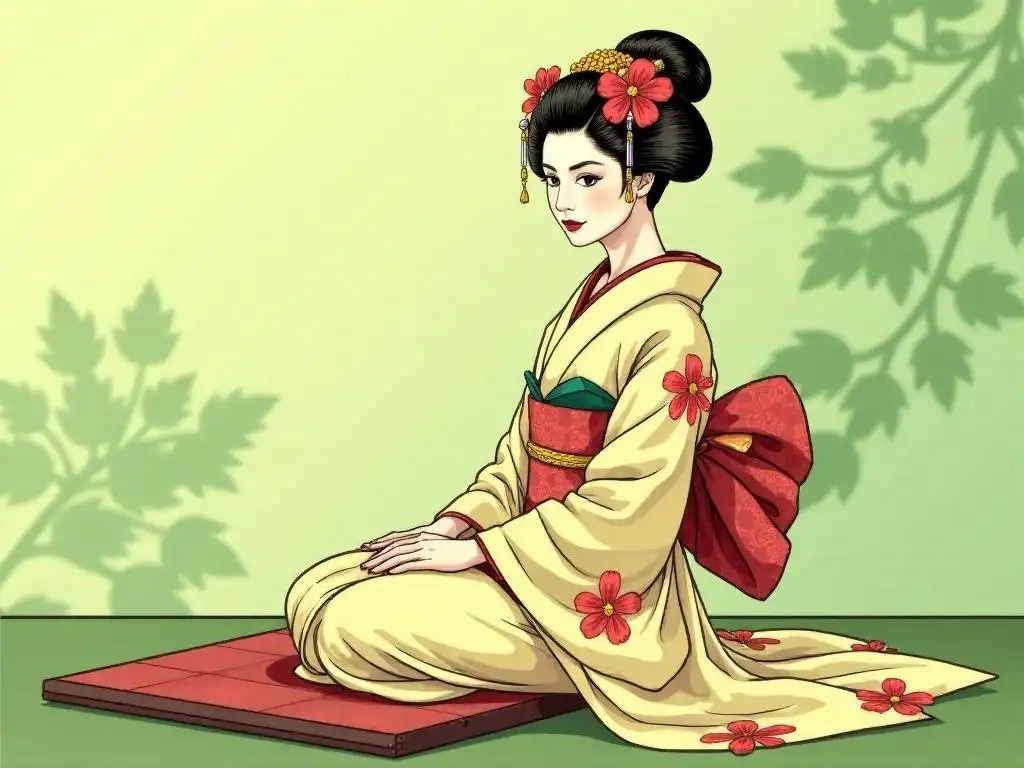
Welcome to Feudal Japan History, where we invite you to embark on a fascinating journey through the intricate tapestry of Japan's feudal era. Here, history comes alive as we delve deep into the role of women in cultural practices, exploring the vibrant lives of geishas, artists, and more. What were the hidden stories behind these women who shaped society in ways still felt today?
Unravel the complexities of their contributions as you navigate through expert-driven insights and captivating narratives that will leave you eager to learn more. Join us as we uncover the layers of daily life and society in this enthralling chapter of history.
Introduction to Women in Feudal Japan
The role of women in feudal Japan is often overshadowed by the more prominent narratives of samurai warriors and political leaders. However, women played a crucial role in shaping the cultural landscape of this era, engaging in a myriad of activities that influenced society's artistic and social fabric.
From the elegant performances of geishas to the profound contributions of female artists and writers, women were not merely passive figures in a patriarchal society; they were active participants who shaped the cultural practices of their time. This article delves into the multifaceted roles of women in feudal Japan, exploring their contributions to cultural practices and their enduring legacy.
Overview of Feudal Japan and Its Social Structure
Feudal Japan, spanning from the late 12th century to the mid-19th century, was characterized by a hierarchical social structure dominated by the samurai class. Society was segmented into distinct classes, including the ruling shoguns, samurai warriors, farmers, artisans, and merchants. Women, while often confined to the private sphere, played vital roles within their families and communities. Their societal status varied significantly based on class and region, influencing their opportunities for education and artistic expression.
In this hierarchical society, women were expected to fulfill specific roles, primarily centered around domestic responsibilities. However, those from higher social strata, such as the wives of samurai, had more access to education and cultural activities. In contrast, peasant women were primarily engaged in agricultural work but also participated in local cultural practices, weaving, and crafts. This intricate social structure shaped the diverse experiences of women in feudal Japan.
Significance of Women in Cultural Practices
Women's involvement in cultural practices during feudal Japan was significant for several reasons. First, they were crucial in preserving and transmitting traditional arts and crafts, often serving as custodians of cultural heritage. Second, women's roles in entertainment, such as geishas, exemplified the intersection of artistry and social engagement, contributing to the vibrant cultural milieu of the time. Additionally, female authors and poets provided unique perspectives on society, capturing the nuances of their experiences and emotions, thereby enriching the literary landscape.
Women also played a pivotal role in community celebrations and rituals, where their participation was essential for maintaining cultural continuity. Their influence extended beyond mere participation; they were often the initiators of cultural practices within their communities, fostering a sense of identity and belonging through shared traditions.
The Diverse Roles of Women in Feudal Society
Women as Geishas: Artistry and Performance
Geishas, perhaps the most iconic symbol of women's roles in feudal Japan, were not merely entertainers but highly trained artists. They mastered various performing arts, including music, dance, and conversation, often requiring years of rigorous training. Geishas played an essential role in social gatherings, providing entertainment while also serving as cultural ambassadors who preserved traditional Japanese arts. Their influence extended beyond mere performance; they were also pivotal in shaping societal norms surrounding beauty, grace, and femininity.
The life of a geisha was not without its challenges. While they held a revered status, they often faced societal scrutiny and were subject to the whims of their patrons. Nevertheless, their contributions to the arts have left an indelible mark on Japanese culture, making them a fascinating subject of study within the context of women's roles in feudal Japan.
Women as Artists: Contribution to Cultural Heritage
Beyond the world of geishas, women were instrumental in various artistic endeavors, including painting, textile arts, and ceramics. Female artists often worked within the confines of their homes, producing exquisite works that reflected their unique perspectives and experiences. Notable figures, such as the ukiyo-e artist Katsushika Hokusai's daughter, Oi, demonstrate how women contributed to the artistic heritage of Japan, challenging the notion that art was solely a male-dominated field.
The contributions of these women were often overlooked during their time, but contemporary recognition has begun to shed light on their talents and the significance of their work. By examining the artistry of women in feudal Japan, we gain a deeper understanding of how their creative expressions interacted with broader cultural narratives.
Women in Literature: Voices of the Past
The literary contributions of women in feudal Japan offer rich insights into their lives and societal roles. Female authors such as Sei Shonagon and Murasaki Shikibu crafted works that not only entertained but also provided commentary on the intricacies of court life and gender dynamics. Their writings, characterized by elegance and depth, have endured through the centuries, serving as invaluable historical documents that illuminate the experiences of women during this era.
Literature was one of the few domains where women could express themselves freely, allowing them to voice their thoughts and emotions in a society that often constrained their public presence. The themes explored in their works, such as love, loss, and identity, resonate with contemporary audiences, further emphasizing the enduring impact of women's literary contributions in feudal Japan.
In feudal Japan, women's roles were deeply intertwined with the social hierarchy and cultural expectations of the time. The prevailing Confucian ideals emphasized a patriarchal society where women were often relegated to domestic duties and family responsibilities. However, this simplified view overlooks the nuanced roles that women played in various cultural practices.
Women were expected to embody virtues such as obedience, humility, and chastity, which were considered essential to maintaining family honor and societal stability. These traits were not only culturally desired but were often imposed through rigorous societal norms. Women’s participation in cultural practices, such as tea ceremonies, poetry, and arts, was often viewed through the lens of these expectations, where their contributions were often overshadowed by their male counterparts.
Despite these constraints, women in feudal Japan did carve out significant roles for themselves, especially in the arts and entertainment sectors. The emergence of geishas, for example, highlights how women could gain social mobility and influence through cultural engagement, challenging the traditional roles prescribed to them. This duality of expectation versus reality constitutes a fascinating aspect of women's lives in feudal Japan.
Class Distinctions: Roles Across Different Social Strata
The roles of women in feudal Japan varied markedly across different social strata, reflecting the intricate class distinctions of the time. At the highest echelons of society, noblewomen wielded considerable influence within the household, often managing family affairs and engaging in literary pursuits. They were educated in the arts and literature, which allowed them to play pivotal roles in cultural patronage.
In contrast, the lives of peasant women were characterized by labor-intensive responsibilities. Their primary roles revolved around agriculture, textile production, and child-rearing. While they had less access to education and cultural activities, peasant women often expressed their creativity through folk arts and rituals, contributing to community identity and social cohesion.
Among the merchant class, women experienced a blend of both noble and peasant lifestyles. They participated in family businesses and were involved in trade, which granted them a degree of economic independence. This class distinction led to diverse expressions of cultural practices, with women adapting their roles according to their social standing and the expectations that accompanied it.
Marriage and Family: Cultural Norms and Practices
Marriage in feudal Japan was typically arranged, emphasizing familial alliances and economic stability over romantic love. Women were often married at a young age, and their roles as wives and mothers were central to their identities. The cultural expectation was that women would serve as dutiful spouses, managing the household and raising children, which reinforced the concept of the family unit as the cornerstone of society.
In addition to domestic responsibilities, women played critical roles in preserving family traditions and cultural practices. For instance, they were responsible for educating their children in cultural values, arts, and rituals. In samurai families, women were also expected to uphold the family's honor, which could involve learning martial arts to protect their homes during times of conflict.
Despite the restrictive nature of arranged marriages, women often found ways to exert influence within their families. Their roles as mothers and caretakers were respected, granting them a vital position in familial decision-making, particularly concerning the upbringing of their children and the continuation of family legacies.
Challenges Faced by Women in Feudal Japan
Women in feudal Japan encountered numerous challenges that shaped their experiences and roles within society. These challenges were often a result of rigid societal structures, gender norms, and the broader socio-political landscape.
Societal Limitations and Gender Norms
The societal limitations imposed on women were profound, often relegating them to subordinate roles within both the family and the larger community. Gender norms dictated that women should prioritize their duties to their husbands and children, leaving little room for personal ambition or self-expression.
This societal framework not only restricted women's freedom but also impacted their access to education and cultural participation. While some women managed to navigate these restrictions, particularly in artistic and literary fields, the overarching expectation remained that they should function primarily as homemakers.
Additionally, the stigma surrounding women who defied these norms was significant. Those who sought independence or pursued careers outside the domestic sphere often faced social ostracism. This led to a complex dynamic where women had to balance their aspirations with societal expectations, which frequently resulted in internal conflict and limited opportunities.
The Impact of War and Political Change on Women’s Roles
The tumultuous periods of war and political upheaval significantly influenced women's roles in feudal Japan. During times of conflict, such as the Sengoku period, women were often called upon to take on more active roles within their households. Many noblewomen managed estates and defended their homes in the absence of their husbands, showcasing resilience and capability.
The political changes following various power shifts also altered the landscape for women. For instance, with the establishment of the Tokugawa shogunate, there was a move towards more rigid social structures that further confined women's roles. However, this period also saw the rise of the geisha culture, where women could achieve a degree of independence and social status through their artistic skills.
While women in feudal Japan faced significant challenges due to societal limitations and expectations, they also found ways to adapt and assert their roles within the cultural landscape. Their contributions to society, from managing households to engaging in the arts, illustrate the complex and influential roles women played during this era.
Legacy of Women in Feudal Japan
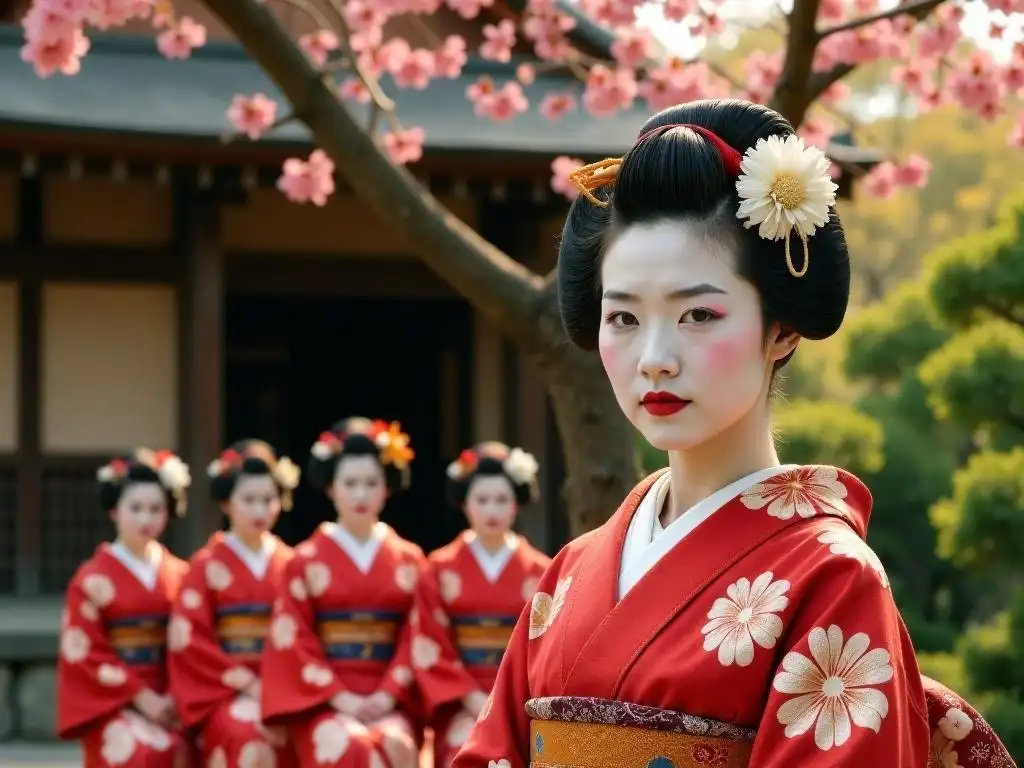
The legacy of women in Feudal Japan is a multifaceted tapestry woven with threads of cultural, artistic, and social significance. Women played crucial roles in various aspects of life, from the domestic sphere to the performing arts, and their contributions have left a lasting impact on Japanese culture. Notably, the geisha tradition emerged as a symbol of female artistry, blending entertainment with skillful performance, while women in the samurai class contributed to the preservation of cultural heritage through education and patronage.
In addition to the arts, women also influenced the development of traditional crafts, such as textiles and pottery. Many women were skilled artisans, creating intricate designs that reflected the aesthetic values of their time. This craftsmanship not only provided economic support for their families but also enriched the cultural landscape of Japan. The legacy of these women is evident in the continued appreciation for traditional Japanese arts and crafts, highlighting their role as custodians of culture.
Moreover, the historical narratives surrounding women in Feudal Japan often reveal a complex interplay of power and agency. While many women were confined to domestic roles, those who stepped into the public sphere, such as notable figures like Tomoe Gozen, challenged traditional gender norms and paved the way for future generations. Their stories serve as a reminder of the resilience and creativity of women in a patriarchal society, contributing to an understanding of gender dynamics in Japanese history.
Lasting Influence on Modern Japanese Culture
The influence of women in Feudal Japan resonates in modern Japanese culture in various ways. For instance, the art of the geisha continues to captivate both domestic and international audiences, symbolizing a unique blend of tradition and modernity. Geishas have adapted to contemporary times yet retain the core elements of their craft, showcasing the enduring appeal of this cultural practice.
Additionally, the contributions of women to traditional crafts have fostered a renewed interest in artisanal techniques. Many modern artisans draw inspiration from the intricate designs and methods employed by women in the past, ensuring that these skills are preserved and celebrated. This revival not only honors historical practices but also empowers women in contemporary society to engage in creative and entrepreneurial pursuits.
Furthermore, the narratives of women in Feudal Japan are increasingly recognized in literature, film, and art. Contemporary creators are exploring these historical figures, shedding light on their experiences and contributions, thus enriching the public's understanding of women's roles in shaping Japan's cultural identity. Such representations challenge stereotypes and promote a more nuanced view of women’s historical agency.
Recognition of Women’s Contributions in Historical Context
Historically, the contributions of women in Feudal Japan have often been overshadowed by their male counterparts. However, there is a growing recognition of their vital roles within society. Scholarship and cultural discourse are increasingly acknowledging the diverse experiences of women, highlighting their contributions in areas such as education, governance, and the arts.
The roles of women in the samurai class, for instance, are receiving more attention; they were not merely passive figures but active participants in their families’ affairs and local governance. Women like Hojo Masako played significant roles in political maneuvering and the management of estates, demonstrating that women were influential even in a male-dominated society.
Moreover, initiatives to preserve and celebrate the history of women in Japan are gaining momentum. Museums and cultural institutions are creating exhibitions that focus on female figures from the feudal era, while academics are publishing works that delve into the lives and legacies of these women. This recognition not only honors their contributions but also enriches the historical narrative of Japan as a whole.
Conclusion: The Enduring Role of Women in Cultural Practices
The exploration of women’s roles in cultural practices during Feudal Japan reveals a rich and complex heritage that continues to influence contemporary society. From the elegance of geishas to the mastery of traditional crafts, women's contributions are integral to understanding Japan's cultural evolution.
Summary of Key Contributions and Cultural Significance
Women in Feudal Japan made significant contributions across various cultural domains. Their roles as geishas, artists, and artisans were not merely supportive; they were central to the vibrancy of Japanese culture. The skills and traditions they cultivated have persisted throughout the centuries, demonstrating the depth of their influence.
The acknowledgment of these contributions is essential not only for a comprehensive understanding of Japanese history but also for appreciating the role of women in shaping cultural identities. Their legacies continue to inspire and inform modern practices, bridging the past with the present.
Reflection on the Evolving Perception of Women in History
As society evolves, so too does the perception of women's roles in history. The narratives surrounding women in Feudal Japan are increasingly being re-examined, offering a more inclusive and accurate portrayal of their lives and contributions. This shift challenges traditional historical narratives that often prioritize male achievements, ensuring that women's voices and experiences are recognized and valued.
In reflecting on the evolving perception of women in history, it becomes clear that the stories of women in Feudal Japan are not just relics of the past; they are vital components of a broader understanding of human experience. As we continue to explore these narratives, we can appreciate the resilience, creativity, and transformative impact of women throughout history, fostering a more equitable view of the past.
References and Suggested Further Reading
To deepen your understanding of the role of women in cultural practices during Feudal Japan, a variety of academic sources and literature are available. This section provides a curated list of essential readings and references that explore the intricate dynamics of gender, culture, and society in this historical context.
Academic Sources
-
"Women and the Japanese Society: A Historical Perspective" by Anne Walthall
This comprehensive study offers insights into the evolving roles of women throughout Japanese history, with a focus on the feudal era. Walthall examines the social structures that shaped women's lives, including their contributions to cultural practices.
-
"Geisha: A Life" by Mineko Iwasaki
Authored by one of Japan's most famous geishas, this memoir provides a first-hand account of the life and training of a geisha. Iwasaki's narrative sheds light on the cultural significance of geishas and their role in entertainment and the arts during the feudal period.
-
"Women in Early Modern Japan" by T. Fujitani
This journal article discusses the societal expectations and realities faced by women in the early modern era, providing a context for understanding their cultural contributions, including in the arts and performance.
-
"The Cultural History of Women in Japan" edited by Haruko Nagayama
A collection of essays that explore women's roles across various cultural domains, this book highlights the significance of their contributions to art, literature, and entertainment throughout Japanese history.
Recommended Books and Articles
-
"The Tale of Genji" by Murasaki Shikibu
Often regarded as the world's first novel, this classic work provides insights into the lives of women in the Heian period, which influenced cultural practices in later feudal Japan. The character development and societal roles depicted in the novel are crucial for understanding gender dynamics.
-
"Women of the Samurai" by Stephen Turnbull
This book focuses on the often-overlooked roles that women played in samurai culture, including their contributions to the arts and their influence on the political landscape.
-
"The Art of the Japanese Geisha" by Yumiko Hoshino
An exploration of the artistic practices of geishas, this work delves into the skills and cultural significance of geisha performance, providing a detailed look at their impact on Japanese society.
-
"Japanese Women: New Perspectives on the Past, Present, and Future" edited by G. E. Smith
This anthology offers varied perspectives on the lives of Japanese women, examining historical narratives, cultural practices, and societal changes that have influenced their roles throughout different eras.
These sources offer a robust foundation for understanding the multifaceted roles of women in Feudal Japan, particularly in the realms of art, culture, and entertainment. Whether you are a scholar, a history enthusiast, or simply curious about this fascinating period, these readings will enhance your knowledge and appreciation of women's contributions to Japanese cultural practices.
- Introduction to Women in Feudal Japan
- The Diverse Roles of Women in Feudal Society
- Social Status and Cultural Expectations of Women
- Challenges Faced by Women in Feudal Japan
- Legacy of Women in Feudal Japan
- Conclusion: The Enduring Role of Women in Cultural Practices
- References and Suggested Further Reading
Frequently Asked Questions
What was the role of women in Feudal Japan?
Women in Feudal Japan held various roles, from household managers to cultural contributors. They participated in arts, crafts, and even supported their families through agrarian work and trade.
How did geishas influence cultural practices?
Geishas were not just entertainers; they played a significant role in cultural transmission. Their skills in music, dance, and conversation contributed to the rich tapestry of Japanese arts and tradition.
Were women allowed to participate in the arts?
Yes, women were integral to the arts in Feudal Japan. Many became renowned artists and artisans, contributing to fields like painting, poetry, and textiles, while also influencing societal views on creativity.
What challenges did women face during this period?
Women faced social constraints and limited rights compared to men, often being subject to patriarchal norms. However, many found ways to assert their agency through cultural and artistic expressions.
How is the legacy of women in Feudal Japan viewed today?
Today, the contributions of women in Feudal Japan are increasingly recognized and celebrated, highlighting their roles in cultural practices and societal development, enriching our understanding of historical narratives.
Final Reflection: The Enduring Legacy of Women in Feudal Japan
The exploration of women's roles in feudal Japan reveals a profound connection between cultural practices and societal evolution. Today, as we reflect on the contributions of women such as geishas and artists, we recognize their influence not only in historical contexts but also in shaping contemporary discussions about gender and creativity. The legacy of these women serves as a powerful reminder that their stories are not just artifacts of the past but vital threads in the fabric of our ongoing cultural narrative.
Clearly, the impact of women in feudal Japan extends far beyond their immediate circumstances; it resonates through the ages, influencing modern perceptions of female agency and artistry. The resilience and creativity exhibited by these women challenge us to reconsider the narratives we hold about gender roles. As noted by historian Joan Piggott, “The voices of women in history are often muted, yet their contributions are the very foundation upon which societies are built.” > This sentiment underscores the importance of recognizing and celebrating the multifaceted roles women have played throughout history.
As we move forward, let us take a moment to reflect on the lessons learned from the lives of women in feudal Japan. Consider how their experiences can inspire us to advocate for gender equality and to honor the diverse contributions of women in our own communities. Each of us has the power to amplify voices that have been historically overlooked, ensuring that the legacy of these remarkable women continues to inspire future generations. Embrace the challenge to recognize and celebrate the women around you, and in doing so, contribute to a richer, more inclusive narrative for all.
Unveil the Legacy of Women in Feudal Japan!
Thank you for taking the time to explore the significant role women played in cultural practices during Feudal Japan. Your journey through their stories has revealed the rich tapestry of art, tradition, and influence that these remarkable women contributed to society. Now, let’s take a step forward together!
Here’s how you can continue your exploration and appreciation for these women’s legacies:
- Dive deeper into a specific tradition: Choose a cultural practice, such as **ikebana** (the art of flower arrangement) or **tea ceremonies**, and learn about its history and significance.
- Share this article with friends and family: Encourage conversations about these cultural practices and inspire others to appreciate the contributions of women throughout history.
- Join a local art or history group: Engage with others who share your interest in Feudal Japan’s cultural heritage and broaden your understanding through lively discussions.
What aspect of women’s cultural contributions intrigues you the most, and how will you explore it further?