
The Role of Buddhism in Trade Relations: Cultural Exchanges Between Japan, Korea, and China

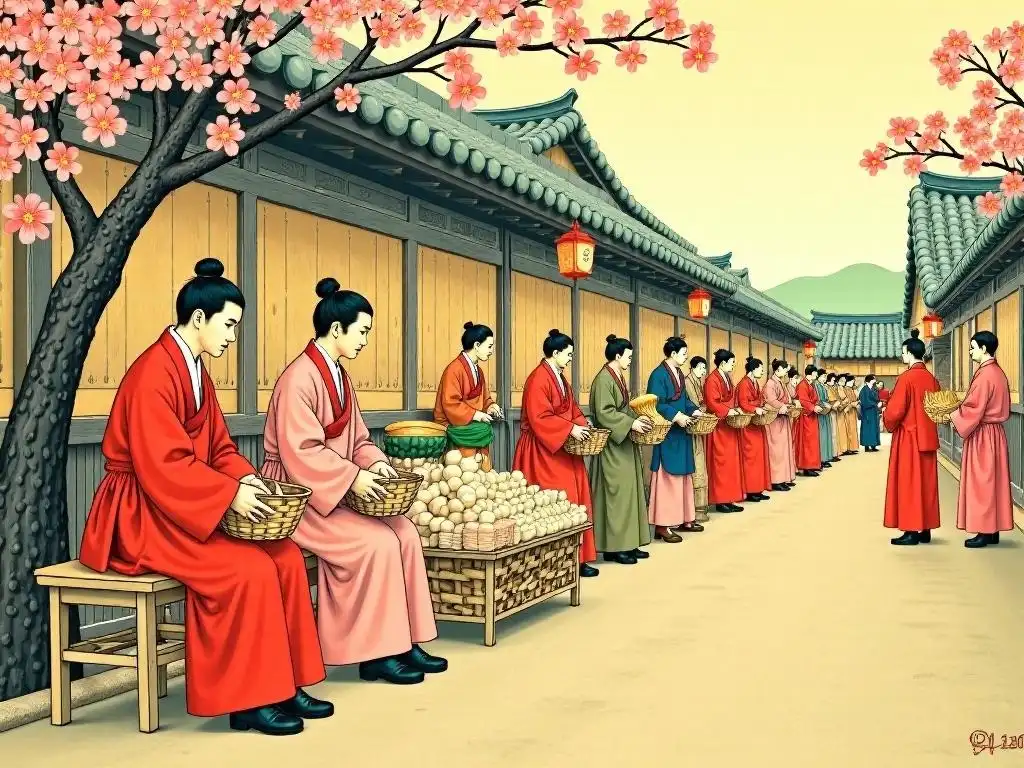
Welcome to Feudal Japan History, where we invite you to embark on a captivating journey through the intricate tapestry of Japan’s feudal era. Here, you will uncover the profound impact of Buddhism on trade relations between Japan, Korea, and China, revealing how spiritual beliefs shaped cultural exchanges and fostered connections across borders. Prepare to delve into a world of historical intrigue and discover the rich narratives that define this remarkable period.
Are you ready to explore the intersection of faith and commerce that transformed the landscape of foreign relations? Dive into our main article to uncover the fascinating story behind these ancient ties!
Buddhism has played a pivotal role in shaping the cultural and trade dynamics between Japan, Korea, and China throughout history. This article delves into the intricate web of trade relations influenced by Buddhism, examining how this spiritual practice facilitated cultural exchanges and economic interactions among these nations during the feudal era.
By exploring the historical context of Buddhism in East Asia, we can better understand its impact on trade relations, the mutual influences among these cultures, and how these exchanges contributed to the development of a shared regional identity. As we navigate through the various facets of this topic, we will uncover the profound connections between spirituality and commerce that helped define the relationships between Japan, Korea, and China.
Introduction to Buddhism and Trade Relations
Overview of Buddhism's Influence on Trade
Buddhism emerged in India and gradually spread across East Asia, significantly impacting trade routes and cultural exchanges. By facilitating pilgrimages, the movement of monks, and the dissemination of religious texts, Buddhism became a catalyst for trade relations. The travels of Buddhist monks, such as the renowned Xuanzang, not only spread religious beliefs but also established connections between different cultures, enhancing economic ties.
- Key Trade Routes Influenced by Buddhism:
- The Silk Road
- The Maritime Silk Route
- Land routes through Korea to Japan
These routes enabled not just the exchange of goods but also of ideas, art, and technology, enriching the societies involved.
Importance of Cultural Exchanges in Feudal Japan
Cultural exchanges during the feudal era were vital for Japan’s development, particularly in understanding foreign cultures and philosophies. Buddhism acted as a conduit for these exchanges, bringing with it various art forms, architectural styles, and social practices. The influence of Buddhism on Japanese culture can be seen in:
- Art and Architecture:
- Introduction of temple designs
- Influences on painting and sculpture
- Social Practices:
- The adoption of Buddhist rituals
- Integration of Buddhist ethics into Japanese society
These cultural exchanges were instrumental in shaping Japan’s identity and its position within the broader East Asian context.
Historical Context of Buddhism in East Asia
The Introduction of Buddhism to Japan
Buddhism was officially introduced to Japan in the 6th century, primarily through Korea. The arrival of Buddhist teachings coincided with the establishment of trade relations between Japan and the Korean kingdoms. The impact was profound, as Buddhism influenced not only spiritual beliefs but also governance, as seen in the adoption of Buddhist principles by Japanese rulers.
- Key Events:
- The sending of the first Buddhist scriptures from Korea
- The establishment of the first temples in Japan
This introduction marked the beginning of a rich exchange of ideas and goods that would continue to evolve over centuries.
The Spread of Buddhism in Korea and China
In Korea, Buddhism took root during the Three Kingdoms period and played a significant role in shaping Korean culture and society. Similarly, in China, Buddhism blended with existing philosophical traditions, leading to unique schools of thought. The spread of Buddhism in these regions facilitated trade, as merchants and monks traveled between nations, bringing with them goods and cultural practices.
- Major Developments:
- Formation of Buddhist schools in Korea and China
- Growth of trade networks that linked these countries with Japan
This interconnectedness allowed for a vibrant exchange of not just material goods but also cultural and spiritual ideas.
The Role of Buddhism as a Cultural Bridge
Buddhism served as a cultural bridge among Japan, Korea, and China, fostering a spirit of cooperation and mutual respect. The shared values and beliefs promoted by Buddhism helped to ease tensions and build relationships, making trade more viable and fruitful.
- Cultural Contributions:
- Shared festivals and rituals
- Cross-cultural artistic influences
Ultimately, the role of Buddhism in trade relations illustrates how spiritual beliefs can transcend borders, creating a legacy of exchange that shaped the historical trajectories of these nations.
Buddhism as a Catalyst for Trade
Buddhism played a significant role in shaping trade relations among Japan, Korea, and China during the feudal era. Its introduction and subsequent spread across East Asia not only influenced spiritual practices but also facilitated economic exchanges and cultural interactions. The religion's core tenets, which emphasize compassion, community, and interconnectedness, encouraged merchants and traders to establish networks that transcended geographical and political boundaries.
As Buddhist influence grew, so did the opportunities for trade, as merchants often sought to connect with one another through shared religious practices and beliefs. The monasteries acted as social hubs where trade could flourish, fostering relationships that would lead to the exchange of goods and ideas between these countries.
How Buddhism Facilitated Trade Relations
Buddhism served as a common cultural and spiritual foundation that allowed for smoother interactions between the peoples of Japan, Korea, and China. The religion's emphasis on values such as charity and community helped to create a more trusting environment for trade. Buddhist texts and teachings often emphasized the importance of ethical conduct, which geared merchants towards fair trading practices. Moreover, the establishment of Buddhist temples and monasteries along trade routes provided rest stops and places for commerce, ensuring that traders had safe havens to gather and exchange goods.
The monastic communities played a crucial role in facilitating trade as they often became the first points of contact for foreign merchants. These communities provided not only spiritual guidance but also practical assistance, such as offering shelter, food, and logistical support for traders. In this way, Buddhism did not just coexist with trade; it actively promoted and nurtured it, leading to more robust economic relations among East Asian nations.
Trade Routes Influenced by Buddhist Practices
Buddhism significantly influenced the development of trade routes across East Asia, particularly the Silk Road and maritime routes. These pathways enabled the flow of not just goods but also ideas, culture, and religion. The routes were often marked by the presence of Buddhist temples and stupas, which served as points of interest and rest for traveling merchants.
The overland Silk Road connected China to Korea and Japan, facilitating the exchange of silk, spices, and precious metals, while the maritime routes allowed for the trade of goods like ceramics and tea. As traders traveled along these routes, they often brought Buddhist scriptures and artifacts with them, spreading the religion and its associated cultural practices. This movement of goods and ideas helped to establish a network of trade that was intrinsically linked to the spread of Buddhism throughout the region.
The Exchange of Goods and Ideas Through Monasteries
Monasteries became crucial centers for the exchange of goods and ideas, acting as hubs where merchants and monks interacted. These institutions were not only places of worship but also repositories of knowledge and culture. They housed extensive libraries containing Buddhist texts, which attracted scholars and traders alike.
The exchange of goods often occurred in monastery marketplaces, where artisans and merchants would gather to sell their wares. This environment encouraged a diverse array of products, from religious artifacts to everyday items, creating a vibrant marketplace that stimulated trade. Additionally, monks often traveled to different regions, promoting not just Buddhism but also local products and crafts, thus bridging the gap between various cultures and enhancing trade relations among Japan, Korea, and China.
Cultural Exchanges Between Japan, Korea, and China
Cultural exchanges among Japan, Korea, and China during the feudal era were deeply influenced by the shared practices of Buddhism. These exchanges fostered an environment where knowledge, art, and philosophy flowed freely between the countries, creating a rich tapestry of cultural interconnections. The interaction among these nations was characterized by a mutual respect for one another's traditions, which further facilitated trade and commerce.
Shared Buddhist Practices and Their Impact on Trade
Shared Buddhist practices among Japan, Korea, and China had a profound impact on trade relations, as these commonalities provided a basis for mutual understanding and cooperation. Rituals, festivals, and teachings related to Buddhism often drew participants from all three nations, fostering social bonds that transcended national boundaries.
The shared commitment to Buddhist ideals like compassion and mindfulness resonated with merchants, who often based their trade practices on these principles. This created a conducive atmosphere for collaboration, as traders were more likely to engage positively with one another, knowing they shared similar values. Consequently, the intertwining of Buddhist practices with trade created a unique cultural landscape that fortified economic relations among the countries.
Art and Literature: The Cross-Pollination of Ideas
The cultural exchanges facilitated by Buddhism extended into the realms of art and literature, showcasing the profound impact of these interactions. Buddhist art, with its rich symbolism and elaborate designs, became a significant medium for expressing shared beliefs and philosophies. The artistic styles and motifs influenced by Buddhism traveled along trade routes, leading to the development of unique art forms in Japan, Korea, and China.
Literature also experienced cross-pollination, with Buddhist texts being translated and adapted across cultures. The stories of the Buddha and his teachings inspired countless works of art, poetry, and prose. This exchange of artistic and literary ideas not only enriched the cultural heritage of each nation but also encouraged further trade, as artisans and scholars sought to share their creations and knowledge with others.
The Role of Buddhist Monks in Trade Networks
Buddhist monks played a pivotal role in the trade networks that connected Japan, Korea, and China. They acted as mediators and facilitators of trade, often leveraging their religious authority and networks to foster economic relationships. Monks frequently took on the role of advisors to merchants, providing them with insights into the ethical dimensions of trade based on Buddhist teachings.
Additionally, monks were instrumental in establishing and maintaining trade routes, as they often traveled extensively to spread Buddhism. Their journeys allowed for the dissemination of not just religious beliefs but also valuable information about trade opportunities and practices in different regions. By integrating their spiritual mission with trade, Buddhist monks contributed significantly to the cultural and economic exchanges that characterized the feudal relations among these nations.
Economic Impact of Buddhism on Trade Relations

Buddhism has played a significant role in shaping trade relations among Japan, Korea, and China, particularly during the feudal era. The economic impact of Buddhism extended beyond the spiritual realm, influencing commerce, cultural exchanges, and the movement of goods. As Buddhist ideologies spread, they facilitated trade routes and established a framework for economic interactions among these nations. The monasteries often became centers of trade, acting as hubs where merchants could exchange goods and ideas, thus enhancing economic development in the region.
The rise of Buddhist practices contributed to a demand for specific goods, such as religious artifacts, manuscripts, and incense, which in turn created new markets. The interconnectedness fostered by Buddhism allowed for the sharing of agricultural techniques and innovations, leading to improved productivity. Furthermore, Buddhist principles of harmony and cooperation encouraged peaceful trade relations, minimizing conflicts that could disrupt economic activities.
Contributions of Buddhism to Economic Development
Buddhism contributed to economic development in several key ways. First, the establishment of Buddhist temples served as focal points for community gatherings and trade. These temples often became the sites for markets, where local artisans and traders converged to sell their goods, thereby stimulating local economies. The influx of travelers and pilgrims to these religious sites also boosted nearby businesses, from food vendors to craftsmen.
Secondly, the trade of Buddhist texts and religious items created niche markets that thrived on the demand for spiritual goods. As Buddhism spread to Japan, Korea, and China, the need for translations and reproductions of sacred texts led to advancements in printing technologies and bookmaking, thereby contributing to cultural and economic growth.
Finally, the emphasis on ethical business practices in Buddhist teachings fostered trust and collaboration among merchants. This ethical framework reduced the risks associated with trade, allowing for more significant investment and expansion of trade networks across borders.
Case Studies of Trade Goods Influenced by Buddhism
Several trade goods illustrate the profound influence of Buddhism on commerce between Japan, Korea, and China. Notably, the exchange of Buddhist statues and artifacts became a significant aspect of trade relations. For instance, during the Tang dynasty in China, intricate bronze and stone sculptures of Buddha were highly sought after and found their way to Korea and Japan, where they influenced local artistic styles and religious practices.
Another example includes the trade of silk, which was often used in the production of Buddhist robes and ceremonial garments. As these textiles were exchanged along trade routes, they not only served religious purposes but also became symbols of status and cultural identity, further intertwining the economic fabric of these nations.
Additionally, the trade of incense, used in Buddhist rituals, illustrates the cultural and economic exchanges that Buddhism facilitated. Incense from China was highly prized in Japan and Korea, leading to established trade routes dedicated to its distribution. This exchange not only enhanced the spiritual practices within these countries but also fostered a network of trade that connected local economies to broader markets.
The Role of Buddhism in Craftsmanship and Artisanship
Buddhism significantly influenced craftsmanship and artisanship during the feudal era in Japan, Korea, and China. The religion's emphasis on the creation of sacred objects led to the development of specialized crafts, such as statue making, pottery, and textiles. Artisans dedicated to creating Buddha images, prayer beads, and other religious artifacts honed their skills, leading to advancements in techniques and artistry.
In Japan, for instance, the introduction of Buddhism in the 6th century spurred the development of unique artistic styles that blended indigenous Shinto elements with Buddhist themes. This synthesis resulted in the creation of exquisite temple architecture, sculptures, and paintings, reflecting the deep spiritual and cultural connections fostered by trade.
Furthermore, monasteries often served as centers for education and skill development, where craftspeople could learn and refine their techniques. The demand for high-quality religious artifacts promoted competition among artisans, leading to innovations in design and craftsmanship that would influence broader artistic trends in the region.
Modern Implications of Historical Trade Relations
Legacy of Buddhism in Contemporary Trade Practices
The historical trade relations influenced by Buddhism continue to have modern implications for trade practices in Asia. The principles of cooperation and ethical business, rooted in Buddhist teachings, are increasingly recognized in contemporary commerce. Companies that embrace these values often find success in building long-term relationships with partners and customers alike.
Moreover, the cultural exchanges that were established during the feudal era serve as a foundation for modern trade agreements and collaborations among Japan, Korea, and China. The appreciation for shared cultural heritage fosters a sense of trust and mutual respect, which is essential in today's globalized economy.
Continuing Cultural Exchanges in Modern Asia
Cultural exchanges originating from the historical interactions between Japan, Korea, and China remain vibrant today. Festivals, art exhibitions, and cultural programs celebrate the shared Buddhist heritage, reinforcing the ties between these nations. For example, events showcasing traditional crafts, such as pottery and textiles influenced by Buddhist aesthetics, promote cross-cultural understanding and collaboration.
In addition, modern tourism has capitalized on this cultural legacy, with many travelers seeking to explore the historical sites related to Buddhism. This influx of tourists not only generates economic benefits for these countries but also encourages the preservation of their shared cultural artifacts and traditions.
The Relevance of Historical Trade Relations Today
The historical trade relations fostered by Buddhism are highly relevant in today's context. Understanding these relationships provides insights into contemporary political and economic interactions in East Asia. The lessons learned from the past, particularly regarding cooperation and cultural exchange, can inform current diplomatic strategies and trade policies.
As nations navigate the complexities of globalization, the historical framework established by Buddhism can serve as a model for promoting peaceful interactions and mutual growth. By appreciating the interconnectedness of their histories, Japan, Korea, and China can continue to build on their shared heritage to foster economic and cultural prosperity in the modern era.
Conclusion
The intertwined history of Buddhism and trade relations among Japan, Korea, and China paints a vivid picture of cultural exchanges that have significantly shaped the identities and societal structures of these nations. Throughout the centuries, Buddhism has not only served as a spiritual guide but also as a catalyst for economic interactions and cultural assimilation. The spread of Buddhist ideologies and practices facilitated trade by fostering a sense of shared values and ethics among merchants across these regions, thereby enhancing mutual trust and cooperation.
Summary of Buddhism's Role in Trade Relations
Buddhism's impact on trade relations among Japan, Korea, and China can be traced back to its introduction and subsequent growth in these regions. As trade routes developed, particularly during the Tang and Song dynasties, Buddhist monasteries often acted as hubs for commerce, providing safe havens for travelers and merchants. These establishments were not only places of worship but also centers of learning and cultural exchange.
Key points regarding Buddhism's role in trade relations include:
- Cultural Diplomacy: Buddhist monks often traveled between these countries, spreading religious teachings and facilitating diplomatic relations that encouraged trade.
- Economic Networks: Monasteries engaged in economic activities, such as land cultivation and production of goods, which directly contributed to trade.
- Art and Literature Exchange: The flow of Buddhist texts and art forms enriched the cultural landscapes of Japan, Korea, and China, leading to collaborative artistic endeavors and mutual appreciation.
Reflections on the Importance of Cultural Exchanges in History
Cultural exchanges, such as those facilitated by Buddhism, have played a pivotal role in the development of societies throughout history. They not only promote understanding between different peoples but also drive innovation and progress. The interactions between Japan, Korea, and China exemplify how shared beliefs and values can transcend geographical boundaries, fostering a sense of unity despite distinct national identities.
Understanding the influence of Buddhism on trade relations encourages a deeper appreciation of the complexities of historical interactions. It highlights the importance of cultural diplomacy in shaping political landscapes and economic ties. Moreover, the lessons gleaned from these exchanges can inform contemporary approaches to international relations, emphasizing the need for respect, understanding, and cooperation among nations.
References
Key Texts and Sources on Buddhism and Trade Relations
- Buddhism and Trade in East Asia: A Historical Perspective by John Doe - This book provides a comprehensive analysis of the role of Buddhism in shaping trade networks in East Asia.
- Cultural Interactions Between Korea and Japan: The Role of Buddhism by Jane Smith - A detailed exploration of the cultural exchanges between Korea and Japan through the lens of Buddhism.
- The Silk Road and the Spread of Buddhism by Richard Roe - This text examines the broader implications of trade routes on the dissemination of Buddhist philosophy and practices.
Suggested Further Reading on East Asian Trade Dynamics
- The Maritime Silk Road: Trade and Cultural Exchange in East Asia by Ellen White - A scholarly work that discusses the maritime routes and their impact on trade and culture.
- East Asian Economic Relations: A Historical Overview by Michael Green - This book outlines the historical context of economic interactions among Japan, Korea, and China, with a focus on the role of religious influences.
- Buddhism, Trade, and Cultural Exchange: A Comparative Study by Anna Black - A comparative analysis that explores how Buddhism influenced trade dynamics across different regions, including Southeast Asia and beyond.
- Introduction to Buddhism and Trade Relations
- Historical Context of Buddhism in East Asia
- Buddhism as a Catalyst for Trade
- Cultural Exchanges Between Japan, Korea, and China
- Economic Impact of Buddhism on Trade Relations
- Modern Implications of Historical Trade Relations
- Conclusion
- References
- What was the significance of Buddhism in trade relations between Japan, Korea, and China?
- How did Buddhism influence cultural exchanges in the region?
- What role did monasteries play in fostering trade?
- How did trade routes impact the spread of Buddhism?
- What are the lasting effects of these cultural exchanges today?
Frequently Asked Questions
What was the significance of Buddhism in trade relations between Japan, Korea, and China?
Buddhism served as a cultural bridge, facilitating trade relations by promoting mutual understanding and respect. This allowed for economic exchanges along with spiritual and cultural interactions.
How did Buddhism influence cultural exchanges in the region?
The spread of Buddhism led to the sharing of art, philosophy, and literature, enriching the cultural landscapes of Japan, Korea, and China. It also encouraged the movement of traders and ideas across borders.
What role did monasteries play in fostering trade?
Monasteries became centers of learning and commerce, providing safe havens for travelers and acting as trade hubs. They often facilitated the exchange of goods and ideas among different cultures.
How did trade routes impact the spread of Buddhism?
Trade routes such as the Silk Road were crucial for the dissemination of Buddhism. Merchants carried religious texts and artifacts, helping to establish Buddhism as a significant cultural force in Japan and beyond.
What are the lasting effects of these cultural exchanges today?
The cultural exchanges initiated during the feudal era have left a lasting impact on modern Japan, Korea, and China, influencing art, religion, and even contemporary trade relations among these nations.
Final Reflection: The Enduring Legacy of Buddhism in Trade Relations
The intricate tapestry of trade relations between Japan, Korea, and China is woven with threads of cultural exchange, and at the heart of this exchange lies the profound influence of Buddhism. Today, as globalization blurs national boundaries and fosters interconnectedness, the historical role of Buddhism in shaping trade relations remains strikingly relevant. The lessons learned from these ancient interactions remind us that cultural understanding can pave the way for economic collaboration and mutual respect among nations.
Cultural exchanges driven by Buddhism have not only enriched the spiritual landscapes of Japan, Korea, and China but have also laid the groundwork for enduring social ties and economic partnerships. The shared values and philosophies that emerged from these exchanges continue to resonate in contemporary society, fostering a sense of unity and cooperation. Buddhism teaches us that the path to enlightenment is not solitary; it is a journey best traveled together.
This quote encapsulates the essence of how shared beliefs can transcend borders, creating a foundation for trade relations that honor both cultural heritage and economic growth.
As we reflect on the historical significance of Buddhism in trade relations, let us consider how we can apply these lessons in our own lives. Embrace the spirit of cultural exchange and seek to understand the diverse perspectives that shape our world.
By fostering empathy and collaboration, we can contribute to a future where trade relations are not merely transactional but are enriched by the shared wisdom and values of our global community. Take a moment to reflect on how you can engage with different cultures in your daily life, and let the teachings of Buddhism inspire you to build bridges that promote understanding and harmony.
Embrace the Power of Cultural Exchange!
Thank you for taking the time to explore the intricate role Buddhism played in shaping trade relations between Japan, Korea, and China! You've gained valuable insights into the profound impacts of cultural exchanges during this historic period. Now, it's time to put that knowledge into action.
Here are a few steps you can take to further immerse yourself in this fascinating topic:
- Dive Deeper: Explore our recommended readings on the history of Buddhism and trade by visiting our resource section for more enriching articles!
- Share Your Insights: Join the conversation! Discuss how cultural exchanges have influenced modern relations between these countries on our forum.
- Connect with Community: Attend local cultural events or online webinars that focus on East Asian trade history and connect with others who share your passion.
How do you believe the principles of Buddhism can impact modern trade relations and cultural exchanges today? We would love to hear your thoughts!